
Research Symposium
26th annual Undergraduate Research Symposium, April 1, 2026
Hanna Crouse Poster Session 2: 10:45 am - 11:45 am / Poster #254
BIO
Hanna Crouse is a sophomore at Florida State University pursuing a Bachelor of Science in Biological Sciences and Family Life Sciences, with a minor in Chemistry. Hanna is involved in undergraduate research through the Undergraduate Research Opportunity Program, where she works in a developmental biology lab under the mentorship of Dr. Liyun Miao. Her research focuses on early cellular development and the mechanisms that contribute to disease formation. Beyond the laboratory, Hanna is actively engaged in campus leadership and service, including founding Florida State University’s Women’s Club Basketball team and participating in pre-health and community service organizations. She plans to attend medical school and pursue a career as a physician, with the goal of serving underserved populations and improving care for patients with neurodegenerative diseases.
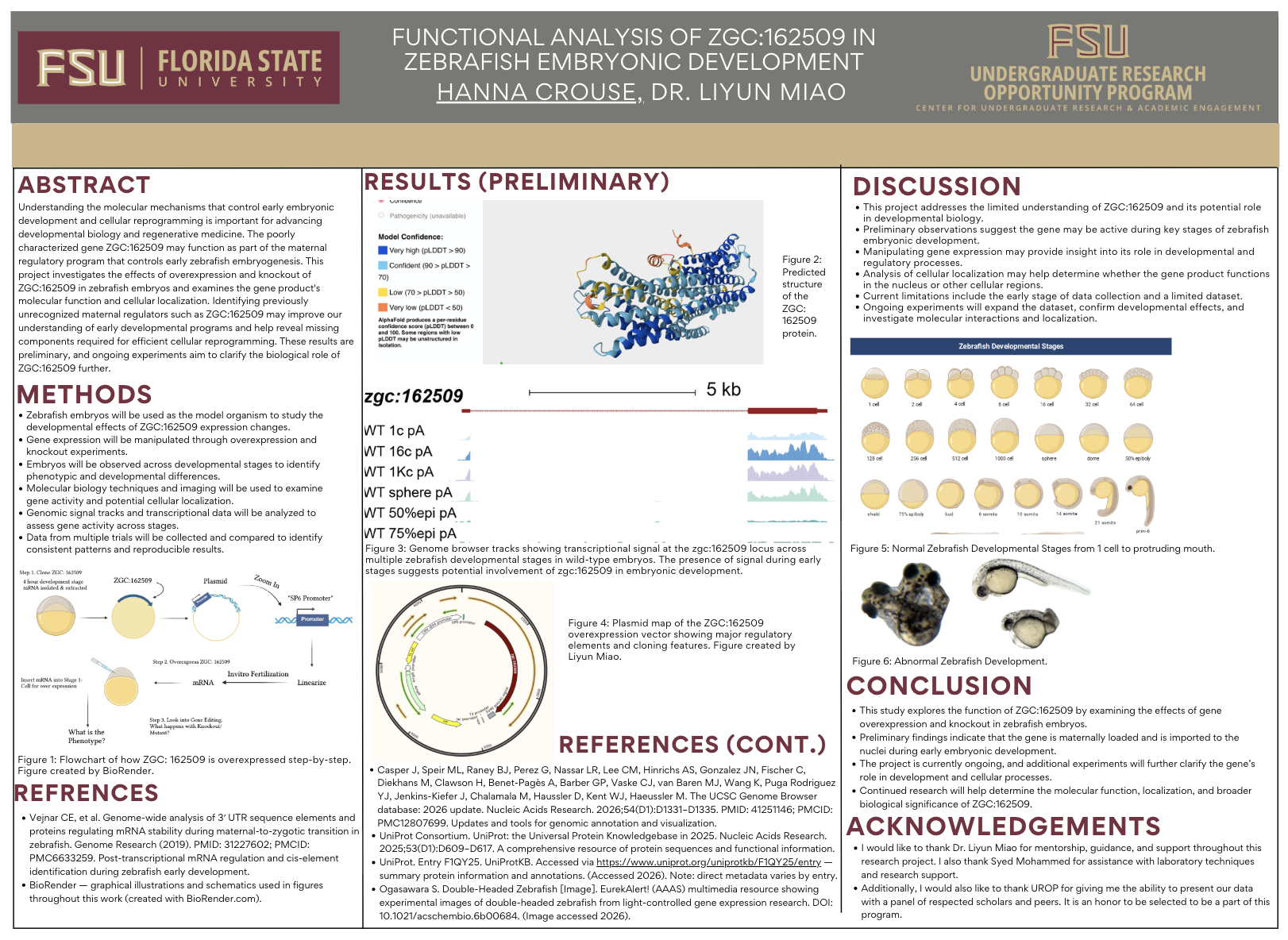
Functional Analysis of ZGC:162509 in Zebrafish Embryonic Development
Authors: Hanna Crouse, Liyun MiaoStudent Major: Biological Science and Family Life Sciences
Mentor: Liyun Miao
Mentor's Department: Biological Sciences Mentor's College: Arts and Sciences Co-Presenters:
Abstract
Understanding the molecular mechanisms that control early embryonic development and cellular reprogramming is important for advancing developmental biology and regenerative medicine. The poorly characterized gene ZGC:162509 may function as part of the maternal regulatory program that controls early zebrafish embryogenesis. This project investigates the effects of overexpression and knockout of ZGC:162509 in zebrafish embryos and examines the gene product's molecular function and cellular localization. Identifying previously unrecognized maternal regulators such as ZGC:162509 may improve our understanding of early developmental programs and help reveal missing components required for efficient cellular reprogramming. These results are preliminary, and ongoing experiments aim to clarify the biological role of ZGC:162509 further.
Keywords: Genetics, Development, Molecule
26th annual Undergraduate Research Symposium, April 1, 2026
Giovanna Bettega Feitoza Poster Session 1: 9:30 am - 10:30 am / Poster #113
BIO
Giovanna is an undergraduate student in the FSU Honors Program, pursuing a degree in Cell and Molecular Neuroscience on a pre-med track. Originally from Brazil and now based in Jacksonville, FL, she has a passion for both science and the humanities. The combination drives her commitment to empathetic, human-centered medicine.
Giovanna aims to practice as a pediatrician specializing in neonatology; wanting to dedicate herself to the care of newborns and their families during life's most formative moments.
Outside of her coursework or research, Giovanna enjoys playing guitar, traveling, and spending time with friends and family
Effect of Perinatal Western Diet Exposure on Stress-Induced Neuronal Activation in Rats
Authors: Giovanna Bettega Feitoza, Linda RinamanStudent Major: Cell and Molecular Neuroscience
Mentor: Linda Rinaman
Mentor's Department: Psychology Mentor's College: Arts and Sciences Co-Presenters: Hanna Banfield
Abstract
Previous research shows that maternal consumption of a high-fat, high-sugar Western diet (WD) is associated with adverse offspring health outcomes. GLP1 neurons located in the nucleus of the solitary tract (NTS) project to the paraventricular hypothalamus (PVH) and other regions that regulate eating behavior. GLP1 neurons also respond to stressful stimuli and mediate stress-induced hypophagia. Prior work in our lab suggests that perinatal WD exposure alters the structure of GLP1 circuitry; however, the functional impact of these alterations remains unclear. This project investigates whether early life exposure to WD alters the ability of acute stress to activate GLP1 neurons and their downstream targets. Rats were assigned to one of four dietary conditions: maternal WD or chow during rearing, followed by either WD or chow after weaning. This allows comparison between the effects of perinatal and/or post-weaning WD exposure. 60-day-old young adult rats received an intraperitoneal saline injection as an acute stressor prior to perfusion. Brain sections were immunohistochemically labeled for GLP1 and cFos, an immediate early gene product used to quantify neuronal activation. Activated (i.e., cFos-positive) hindbrain GLP1 neurons and downstream target neurons in stress-related hypothalamic regions are currently being quantified. We hypothesize that perinatal exposure and post-weaning consumption of WD will reduce the ability of acute stress to activate cFos in GLP1 neurons and within the hypothalamus. These findings may clarify how perinatal diet shapes GLP1 pathway function and stress resilience.
Keywords: GLP1, Stress, Western Diet
26th annual Undergraduate Research Symposium, April 1, 2026
Sophie Works Poster Session 3: 1:45 pm - 2:45 pm / Poster #245
BIO
Sophie Works is a third-year honors student pursuing a Bachelor of Arts in Russian (Slavic) Studies and a Bachelor of Science in International Affairs with minors in English and Museum Studies. Inspired by the emotional bond she developed with her mother through Russian lacquer art, Sophie began her current project which investigates the evolving narratives projected onto lacquer art across private and public Latvian spaces. Her work highlights themes of Soviet nostalgia, contested memory, and the digital humanities, combining the antiquity of Russian lacquer and modernity of 3D modeling to curate an interactive archive. Mentored by Dr. Lisa Ryoko Wakamiya, Sophie is a Winthrop-King Russian 2026 Scholar, FSU 2026 Student Star, Tyler Center for Global Studies 2026 and 2025 Fellow, member of the FSU Libraries Digital Research Incubator 2025-2026 cohort, member of the Global Scholars 2025 Cohort, member of the HSF Undergraduate Research Board, and recipient of the Bess H. Ward Honors Thesis and Edna Ranck International Study Award. She is conducting her Honors in the Major Thesis on the same topic while preparing her next honors thesis on multi-scene Russian orthodox icons in Tallinn, Estonia. After graduation, Sophie plans to pursue a Ph.D. in Russian and Slavic Studies, digitally documenting Slavic heritage objects and curating open-access repositories.
Lacquer and Legacy: Opening the Box to Soviet Narratives and Baltic Realities
Authors: Sophie Works, Dr. Lisa Ryoko WakamiyaStudent Major: Russian (Slavic) Studies & International Affairs with a concentration in Russian
Mentor: Dr. Lisa Ryoko Wakamiya
Mentor's Department: Modern Languages and Linguistics Mentor's College: Arts and Sciences Co-Presenters:
Abstract
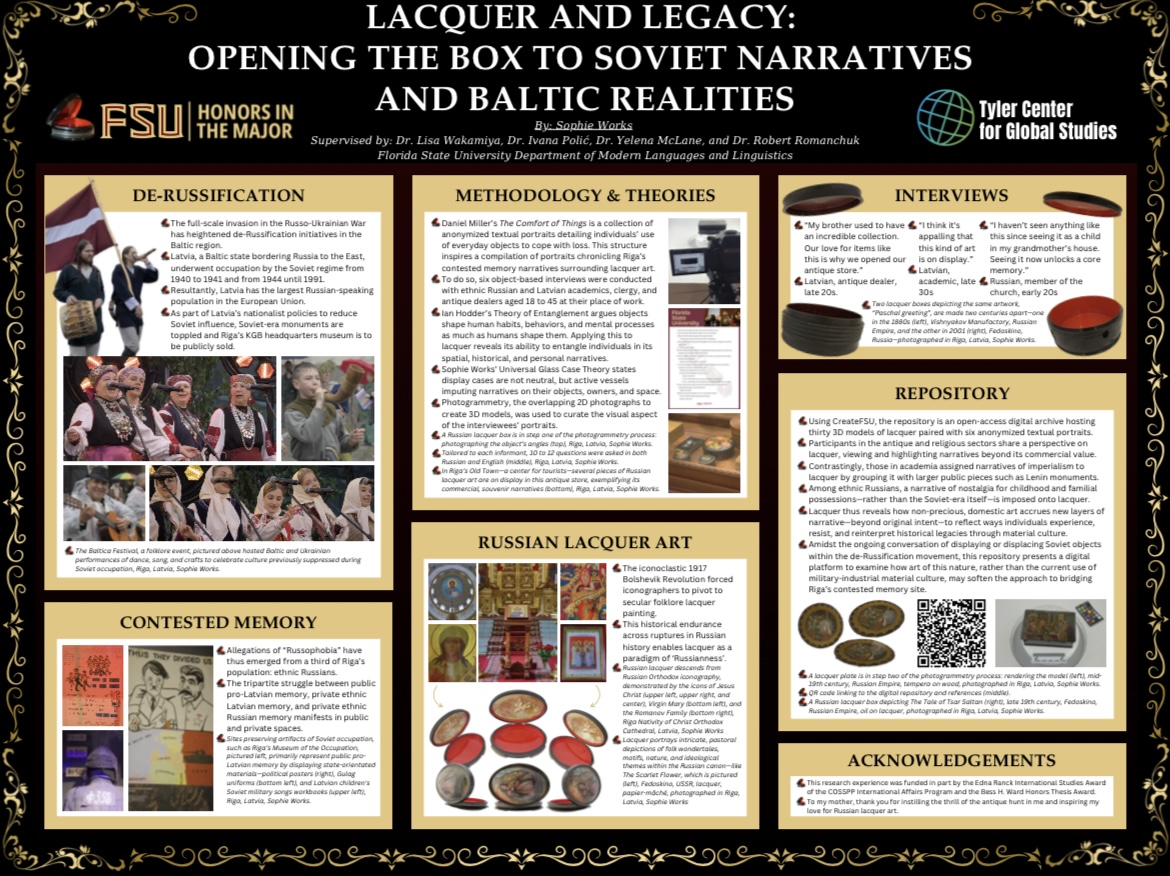
Following the full-scale invasion in the Russo-Ukrainian War, de-Russification initiatives have intensified across the sociopolitical spheres of the Baltics. In Latvia, where nationalist policies reduce Soviet influence, allegations of ‘Russophobia’ have emerged from a third of Riga’s population: ethnic Russians. This project utilizes Russian lacquer art to examine the legacy of Soviet identity, nostalgia, and the tripartite struggle between public pro-Latvian memory, private ethnic Latvian memory, and private ethnic Russian memory through its manifestation in public and private Baltic spaces. Dating back to the 16th century, Russian lacquer originates and persists in the Russian orthodoxy iconography villages of Palekh, Fedoskino, Mstera, and Kholui. The subsequent iconoclasm of the 1917 Bolshevik Revolution forced these iconographers to pivot to secular folklore lacquer painting to supply Soviet Russia with a needed sense of a ‘bucolic’ national identity amidst the revolution’s earlier cultural upheaval. Lacquer’s historical endurance across ruptures in Russian history and pastoral depictions of wondertales, motifs, nature, and ideological themes within the Russian canon positions itself as a paradigm of ‘Russianness’. Becoming more than a Soviet-era antique, lacquer is a living artifact mediating transgenerational relationships between memory, identity, and heritage. Using object-based interviews and photogrammetry, this project pairs six anonymized textual ‘portraits’ of Russian and Latvian academics, clergy, and antiquarians aged 18–45 with forty 3D–models of their lacquer in a digital repository. Examining lacquer’s role in these spaces reveals how art accrues new layers of function—beyond original intent—to reflect ways individuals experience, resist, and reinterpret historical legacies through material culture.
Keywords: Soviet, Baltic, Art, History, Memory
26th annual Undergraduate Research Symposium, April 1, 2026
Bruno Horbach Schneider Poster Session 4: 3:00 pm - 4:00 pm / Poster #231
BIO
Originally from Brazil, Bruno Horbach Schneider is a Freshman majoring in Biological Science. Bruno is enthusiastic about the medical field and is currently expanding his scientific foundation by researching the Turkey genome. One day, he hopes to become a physician to directly assist and improve the lives of his future patients.
Searching for Regions Under Selection in Turkeys with Different Levels of Human Association
Authors: Bruno Horbach Schneider, Amanda BeckmanStudent Major: Biological Science
Mentor: Amanda Beckman
Mentor's Department: Biological Science Mentor's College: College of Arts and Sciences Co-Presenters: Alberto Alonso, Amelia Kuehn, Francesco Nicolucci, Vincent Ochoa, Christian Renken
Abstract
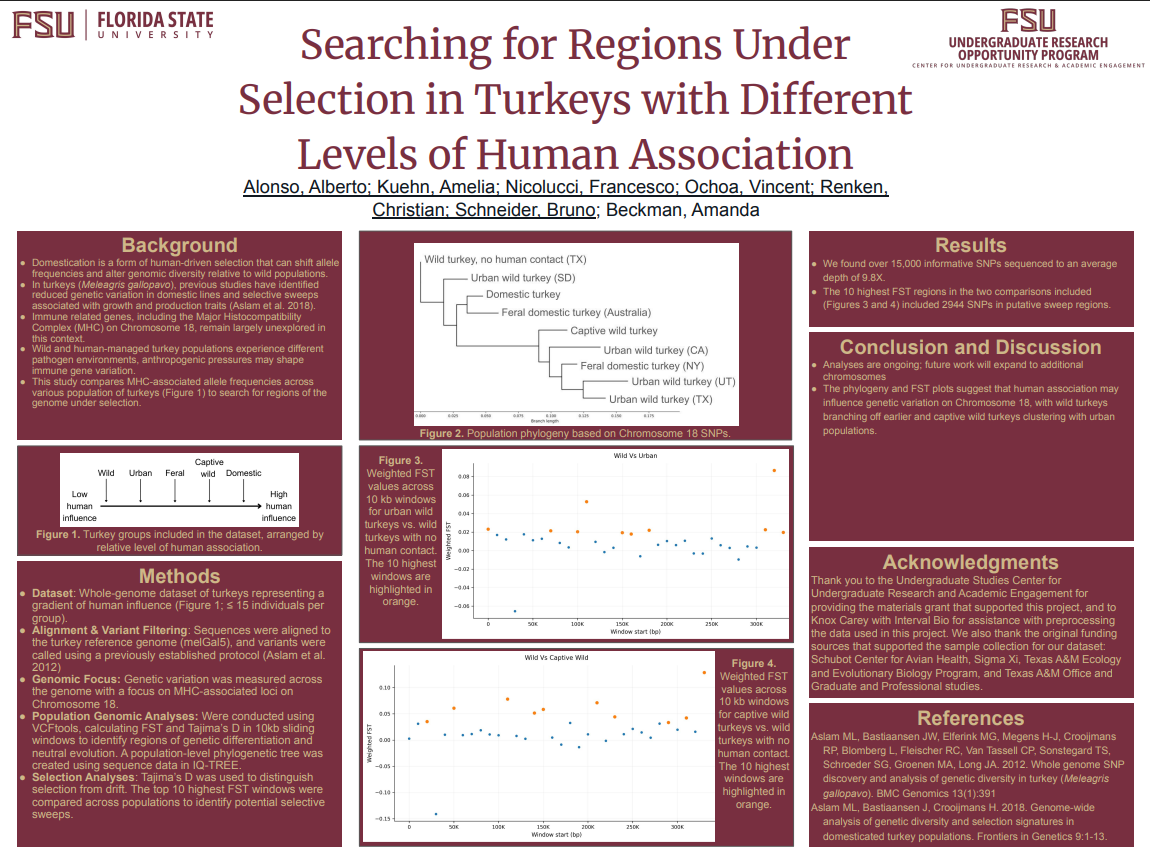
Domestication exposes animals to a variety of novel environments, including differences in the diseases they encounter. Studying the evolutionary processes involved in domestication is important as many modern wild animals are experiencing some degree of pressure to adapt to human-dominated landscapes. Major histocompatibility complex (MHC) genes must rapidly evolve as they play an important role in immune responses and are shaped by pathogen exposure. This project investigated selection in wild versus domesticated turkeys (Meleagris gallopavo) and whether the amount of human interaction influences allele frequencies. We used a Whole Genome Sequencing (WGS) dataset of turkeys that experienced different levels of human association (wild, urban, feral, backyard domestic, and commercial domestic populations). After identifying genetic variants, we used VCFtools to analyze allele frequencies on Chromosome 18. We used FST, a measure of population differentiation, to identify regions with the greatest divergence. We expect differences in MHC-related allele frequencies between domesticated and wild turkeys, suggesting human environments influence immune-related genetic variation. Identifying these regions may highlight genomic regions shaped by selection. Overall, this project helps explain how domestication affects immune gene diversity. Future research could analyze additional turkey populations from different environments and examine allele frequencies on other chromosomes. Further work could also explore genomic differences in other domesticated avian species to better understand the impact of domestication on immune responses.
Keywords: Domestication, Genomics, Turkey, MHC, Evolution
26th annual Undergraduate Research Symposium, April 1, 2026
Emily Baris Poster Session 1: 9:30 am - 10:30 am / Poster #87
BIO
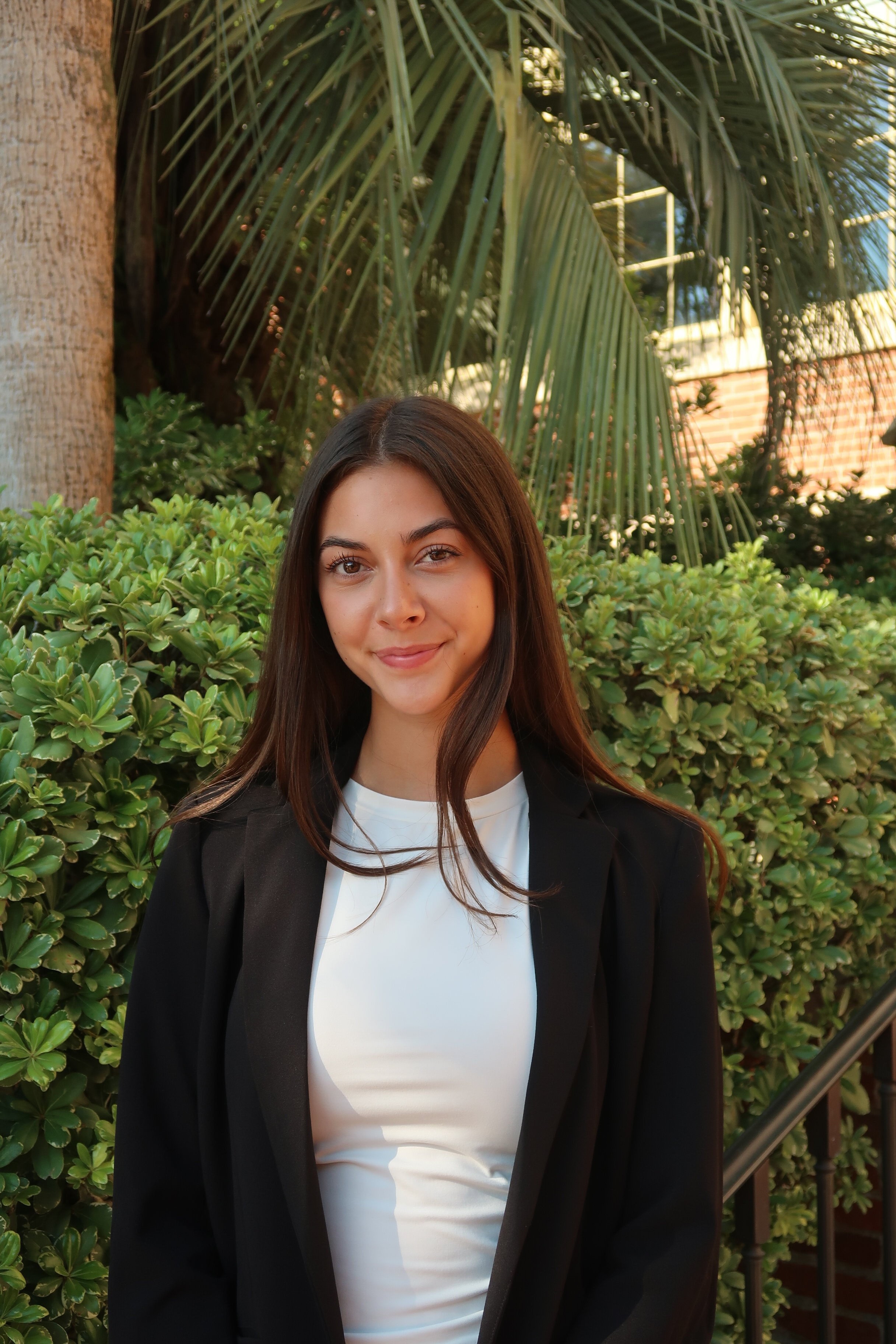
Emily Baris is a junior undergraduate student earning her degree in Clinical Professions. She has been working as a research assistant for two semesters, and has found research studying family therapy studies particularly interesting and rewarding.
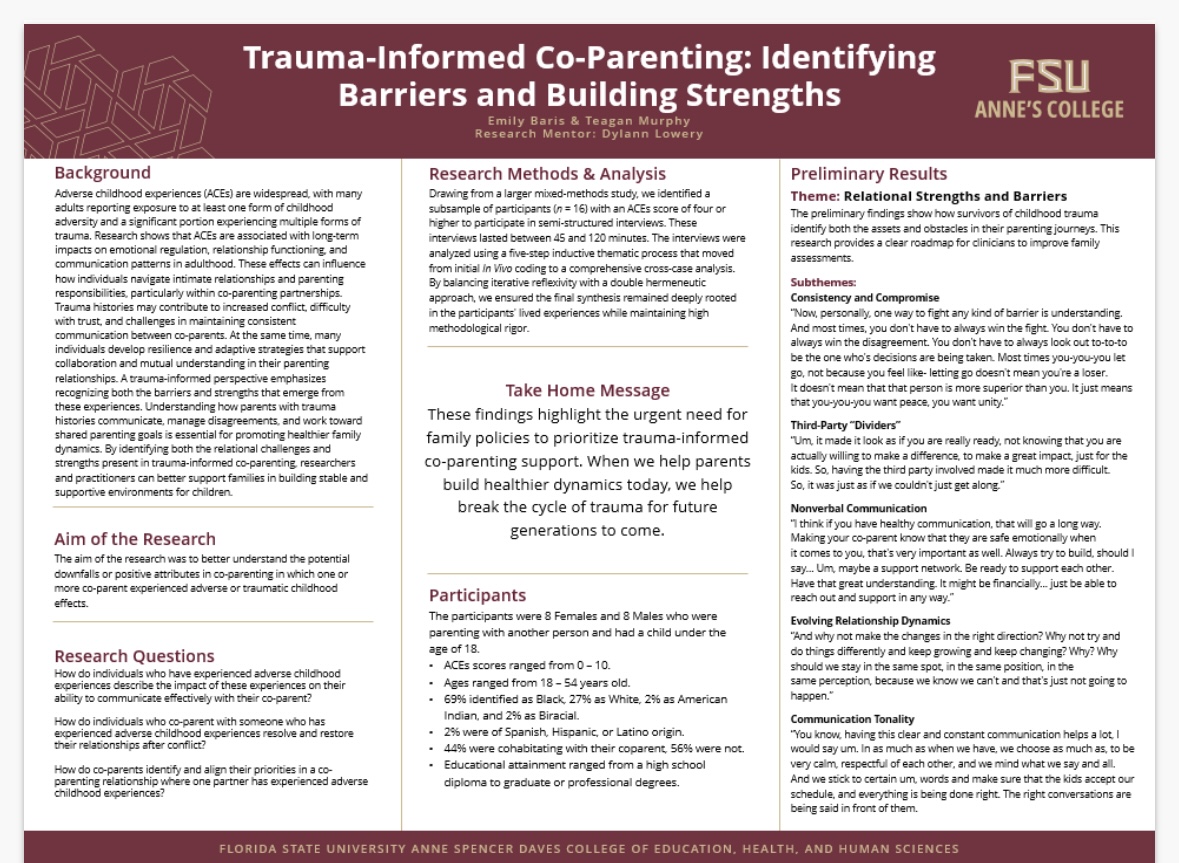
Trauma-Informed Co-Parenting: Identifying Barriers and Building Strengths
Authors: Emily Baris, Dylann LoweryStudent Major: Clinical Professions
Mentor: Dylann Lowery
Mentor's Department: Marriage and Family Therapy Mentor's College: Human Development and Family Sciences Co-Presenters: Teagan Murphy
Abstract
Adverse childhood experiences (ACEs) are widely prevalent and have been shown to influence emotional regulation, relationship functioning, and communication patterns in adulthood. These effects can significantly shape co-parenting dynamics, particularly when one or both parents have experienced childhood trauma. This study aimed to explore both the challenges and strengths present in trauma-informed co-parenting relationships. Using a mixed-methods approach, data were collected from 16 participants with ACE scores of four or higher, including semi-structured interviews analyzed through an inductive thematic process. Findings revealed that trauma histories may contribute to barriers such as conflict, trust difficulties, and inconsistent communication. However, participants also demonstrated resilience through adaptive strategies, including intentional communication, compromise, and emotional awareness. Key themes included relational strengths and barriers, with subthemes such as consistency, third-party influences, communication tone, and evolving relationship dynamics. These findings highlight the importance of recognizing both risk factors and strengths in co-parenting relationships affected by trauma. Promoting trauma-informed co-parenting support and policies may help improve family functioning and contribute to healthier outcomes for children and future generations.
Keywords: Trauma-Informed Co-Parenting
26th annual Undergraduate Research Symposium, April 1, 2026
Hanna Banfield Poster Session 1: 9:30 am - 10:30 am / Poster #113
BIO
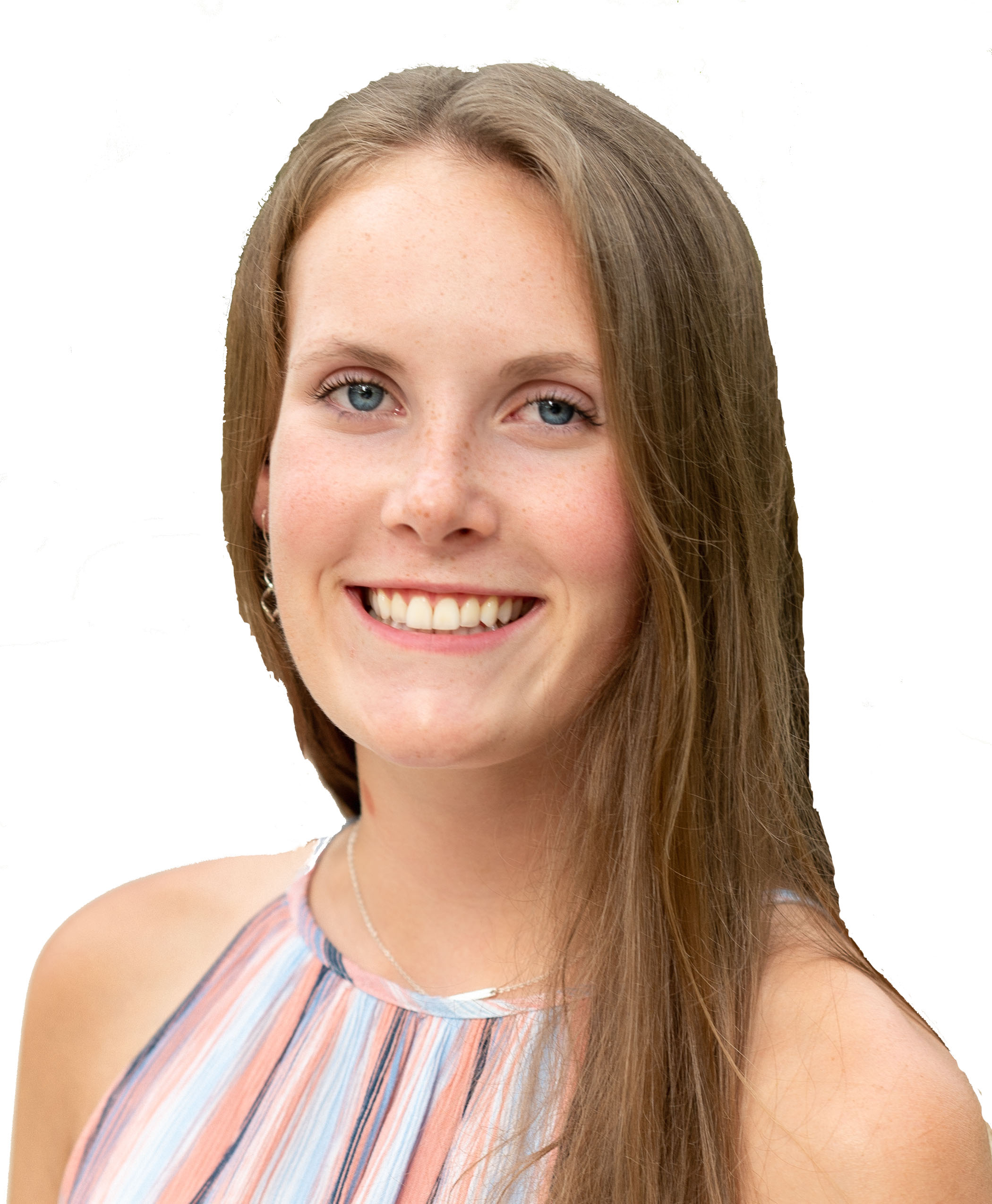
Hanna Banfield is a senior at FSU pursuing a Bachelor of Science in Behavioral Neuroscience with a minor in Spanish. She is originally from Conifer, Colorado and will graduate in May 2026. Hanna has been recognized for her academic achievement by earning a place on the Dean’s List for four consecutive semesters and the President’s List once.
Hanna has gained research experience in multiple laboratories within the psychology department at FSU. She previously worked in the ASPIRE Lab under the mentorship of Dr. Sarah Brown, where she contributed to research assessing suicidal behaviors and related psychological factors. She currently works in the Rinaman Lab under Dr. Linda Rinaman, where her research focuses on glucagon-like peptide-1 (GLP-1) neural circuitry and the physiological and environmental factors that influence it.
Through these experiences, Hanna has developed strong interests in neural circuits, the behaviors they influence, and the many factors that shape them. After graduation, she plans to pursue a Ph.D. in Neuroscience and hopes to continue conducting research examining how brain–body circuits shape behavior and health.
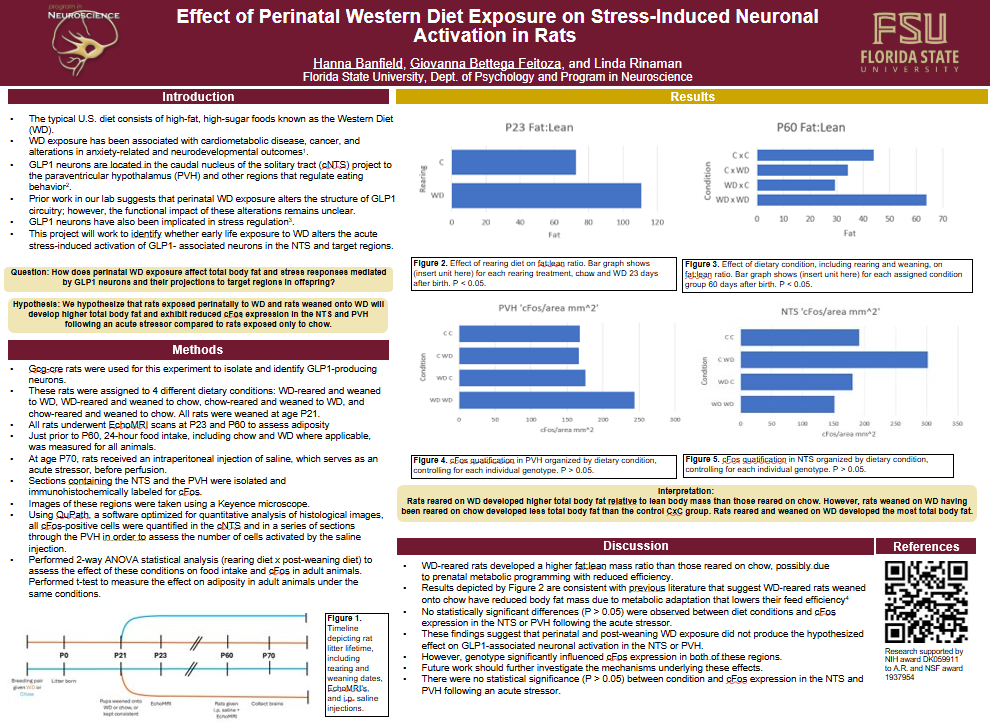
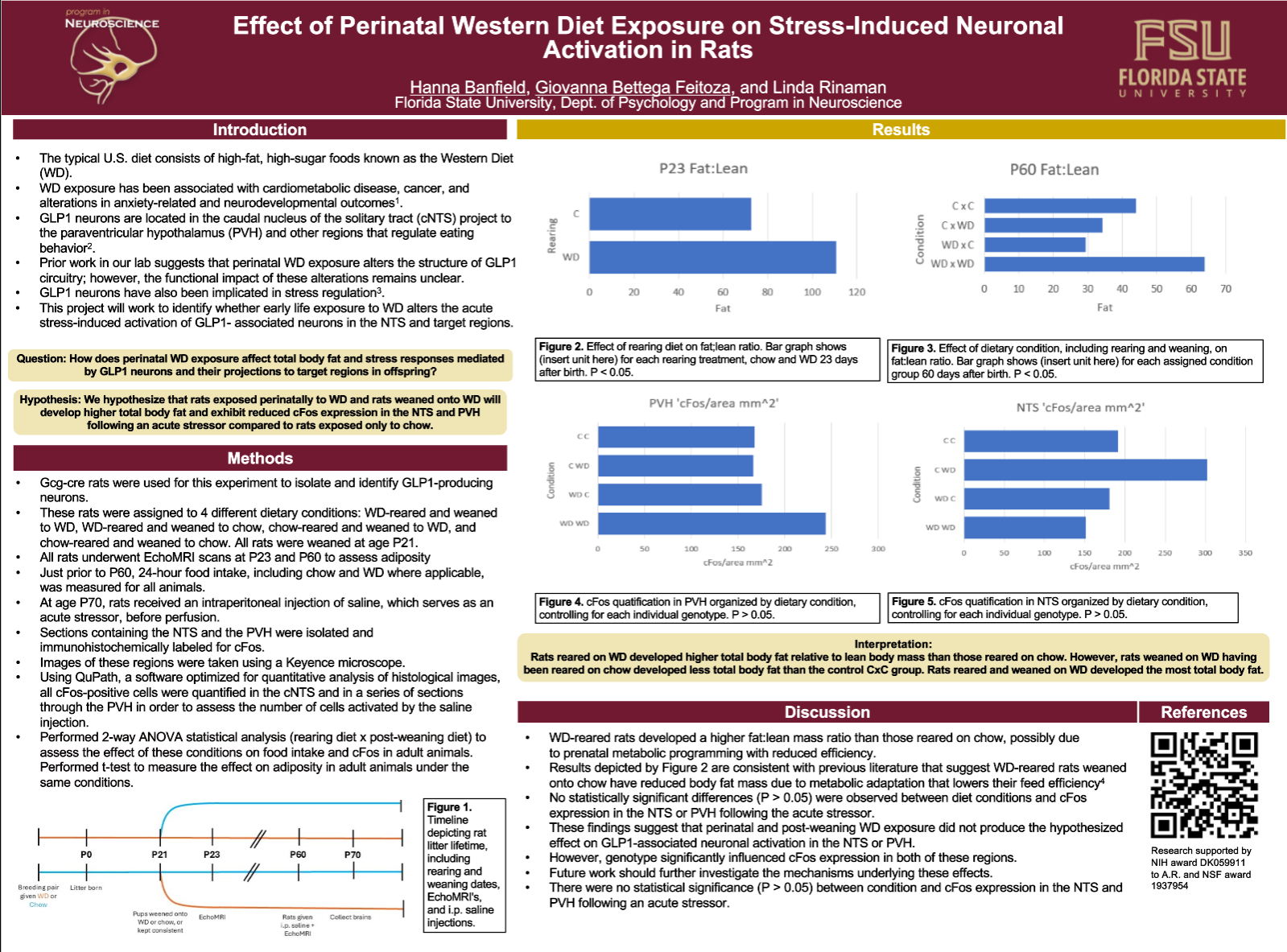
Effect of Perinatal Western Diet Exposure on Stress-Induced Neuronal Activation in Rats
Authors: Hanna Banfield, Dr. Linda RinamanStudent Major: Behavioral Neuroscience
Mentor: Dr. Linda Rinaman
Mentor's Department: Department of Psychology Mentor's College: College of Arts and Sciences Co-Presenters: Giovanna Bettega Feitoza
Abstract
Previous research shows that maternal consumption of a high-fat, high-sugar Western diet (WD) is associated with adverse offspring health outcomes. GLP1 neurons located in the nucleus of the solitary tract (NTS) project to the paraventricular hypothalamus (PVH) and other regions that regulate eating behavior. GLP1 neurons also respond to stressful stimuli and mediate stress-induced hypophagia. Prior work in our lab suggests that perinatal WD exposure alters the structure of GLP1 circuitry; however, the functional impact of these alterations remains unclear. This project investigates whether early life exposure to WD alters neural activation in response to an acute stressor within hindbrain and hypothalamic regions involved in stress and eating behaviors. Rats were assigned to one of four dietary conditions: maternal WD or chow during rearing, followed by either WD or chow after weaning. This allows comparison between the effects of perinatal and/or post-weaning WD exposure. 60-day-old young adult rats received an intraperitoneal saline injection as an acute stressor prior to perfusion. Brain sections were immunohistochemically labeled for cFos, an immediate early gene product used to quantify neuronal activation. cFos-positive neurons within the NTS and PVH regions were quantified. We hypothesized that perinatal exposure and post-weaning consumption of WD would reduce stress-induced cFos activation within these regions. Rats reared on WD showed increased fat-to-lean mass ratios compared to chow-reared controls, whereas rats switched to chow at weaning exhibited reduced body fat relative to controls. Despite these metabolic differences, dietary condition did not significantly alter stress-induced cFos activation in the NTS or PVH.
Keywords: GLP1, Stress, cFos
26th annual Undergraduate Research Symposium, April 1, 2026
Ella Alvarez Poster Session 4: 3:00 pm - 4:00 pm / Poster #24
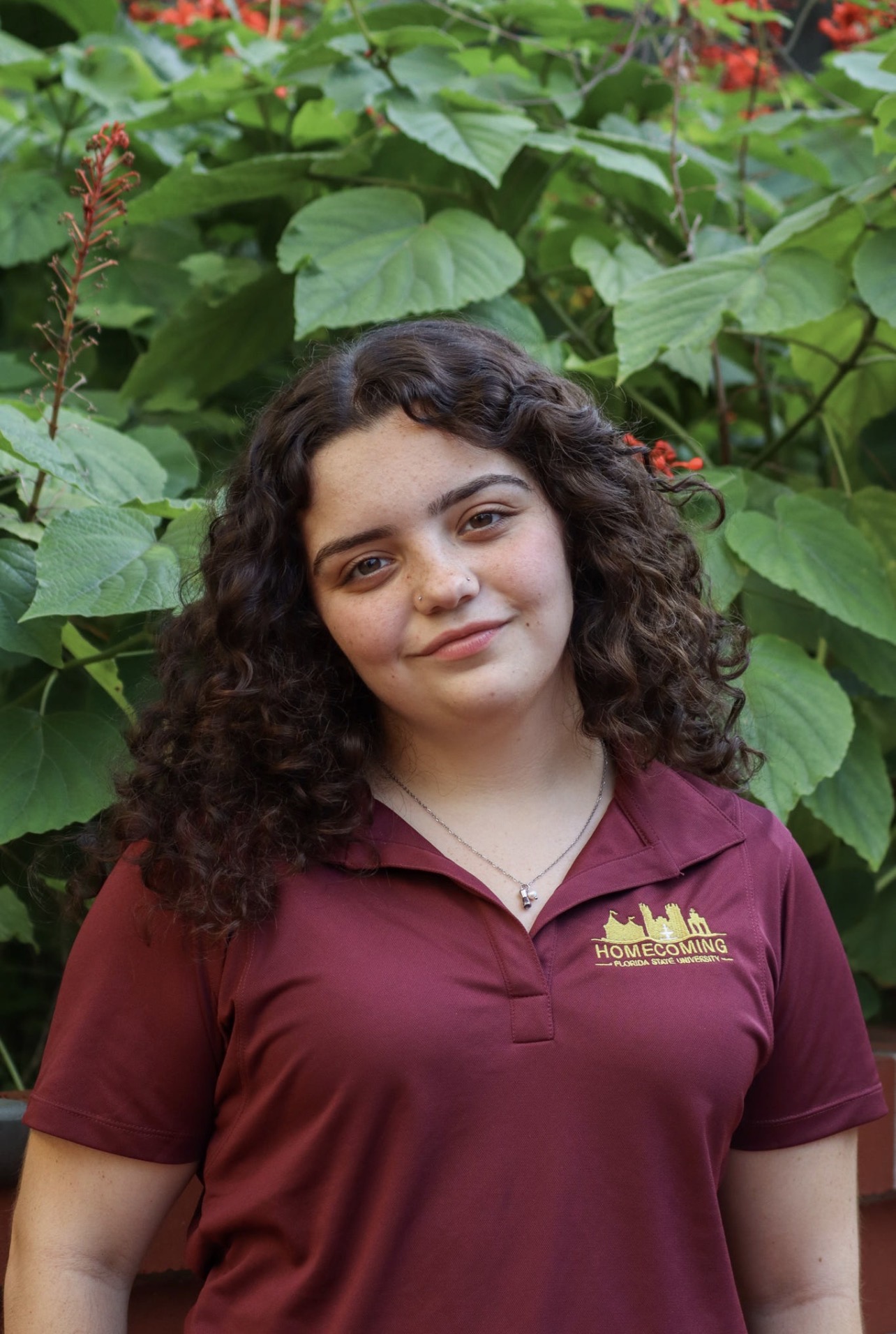
BIO
Ella Alvarez is a second-year student studying Political Science and earning a Certificate in U.S. Intelligence Studies. She is breaking into the research world through this project with the help of mentors Benjamin Gunter and Idy Codington.
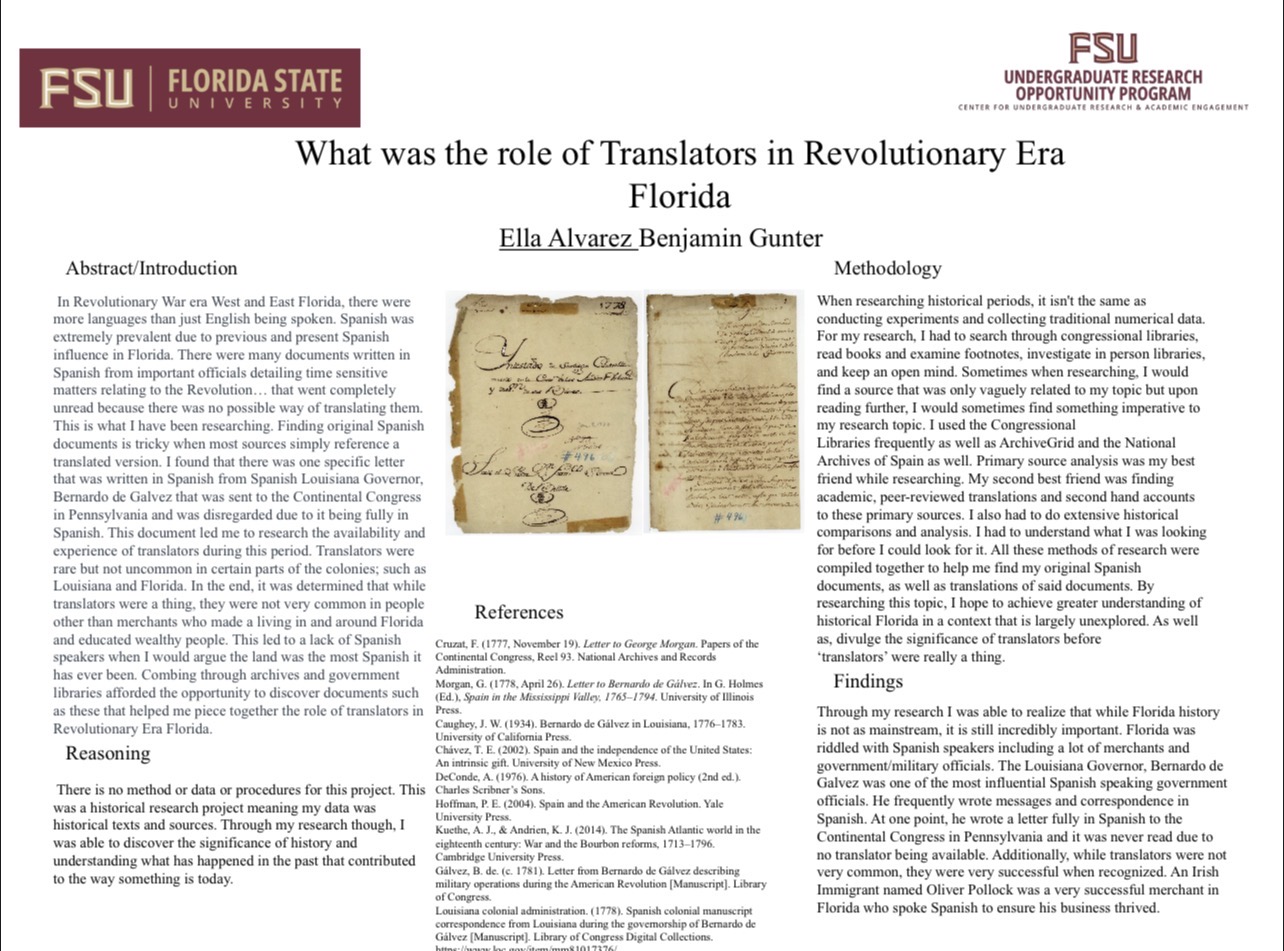
What was the role of Translators in Revolutionary Era Florida
Authors: Ella Alvarez, Benjamin GunterStudent Major: Political Science
Mentor: Benjamin Gunter
Mentor's Department: Communications Mentor's College: College of Communication and Information Co-Presenters:
Abstract
In Revolutionary War era West and East Florida, there were more languages than just English being spoken. Spanish was extremely prevalent due to previous and present Spanish influence in Florida. There were many documents written in Spanish from important officials detailing time sensitive matters relating to the Revolution… that went completely unread because there was no possible way of translating them. This is what I have been researching. Finding original Spanish documents is tricky when most sources simply reference a translated version. I found that there was one specific letter that was written in Spanish from Spanish Louisiana Governor, Bernardo de Galvez that was sent to the Continental Congress in Pennsylvania and was disregarded due to it being fully in Spanish. This document led me to research the availability and experience of translators during this period. Translators were rare but not uncommon in certain parts of the colonies; such as Louisiana and Florida. In the end, it was determined that while translators were a thing, they were not very common in people other than merchants who made a living in and around Florida and educated wealthy people. This led to a lack of Spanish speakers when I would argue the land was the most Spanish it has ever been. Combing through archives and government libraries afforded the opportunity to discover documents such as these that helped me piece together the role of translators in Revolutionary Era Florida.
Keywords: Translator, Florida, Revolutionary
26th annual Undergraduate Research Symposium, April 1, 2026
Ava Werner Poster Session 1: 9:30 am - 10:30 am / Poster #291
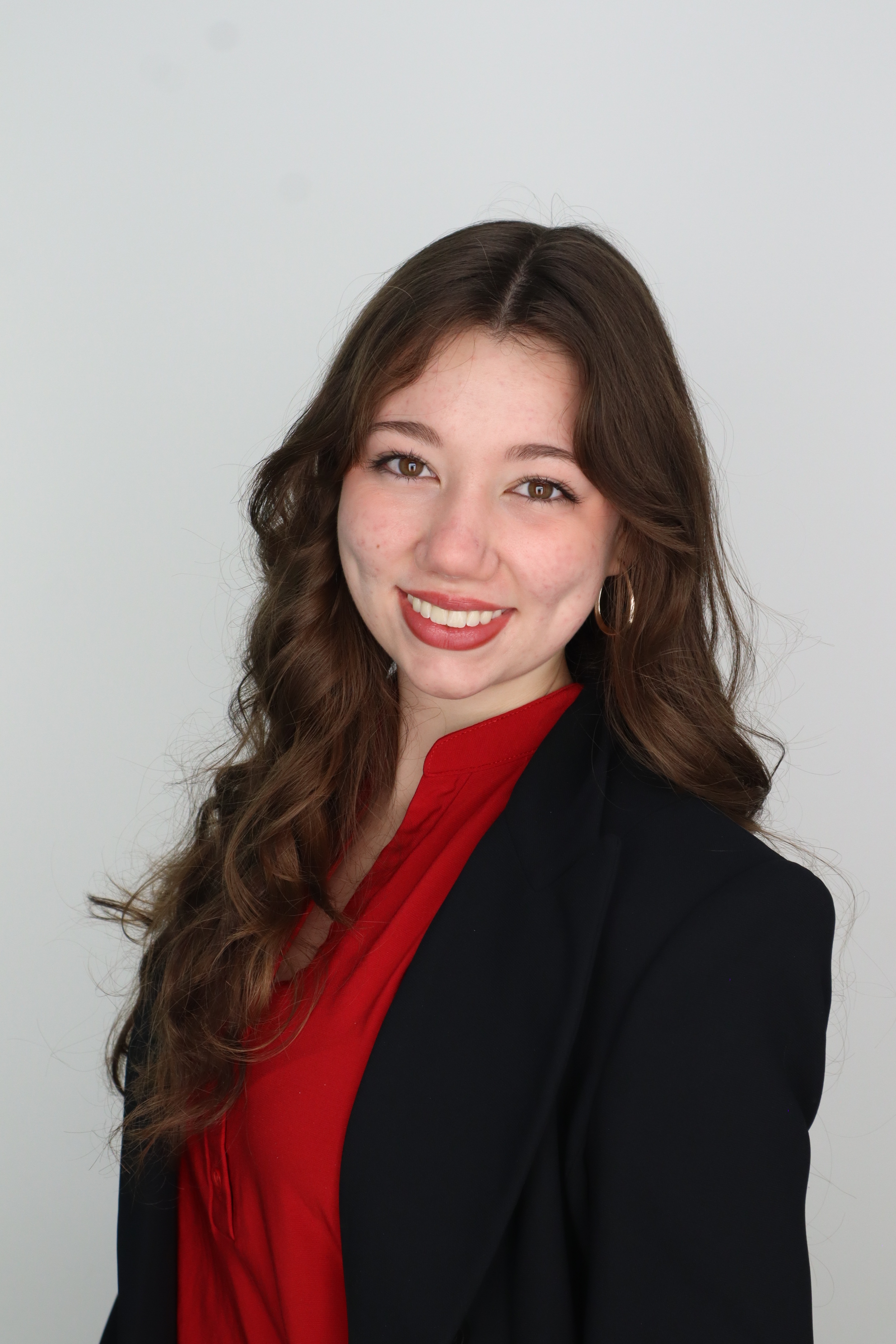
BIO
Ava Werner is a freshman student in FSU Honor's Program studying English Literature Media and Culture, along with a minor in Art Entrepreneurship. Ava is a lifelong lover of music and literature, so this overlap has become a niche interest for her research ambitions. She is involved in FSU campus housing as Historian for the JRB residence hall through the Inter-Residence Hall Council, as well as a member of National Residence Hall Honorary. Ava is also a writer for the FSU View Campus Newspaper, and she is pursuing other research projects for the upcoming academic year. In her free time, Ava can be found attending concerts, spending time at the beach, making art, baking, or reading a new book.
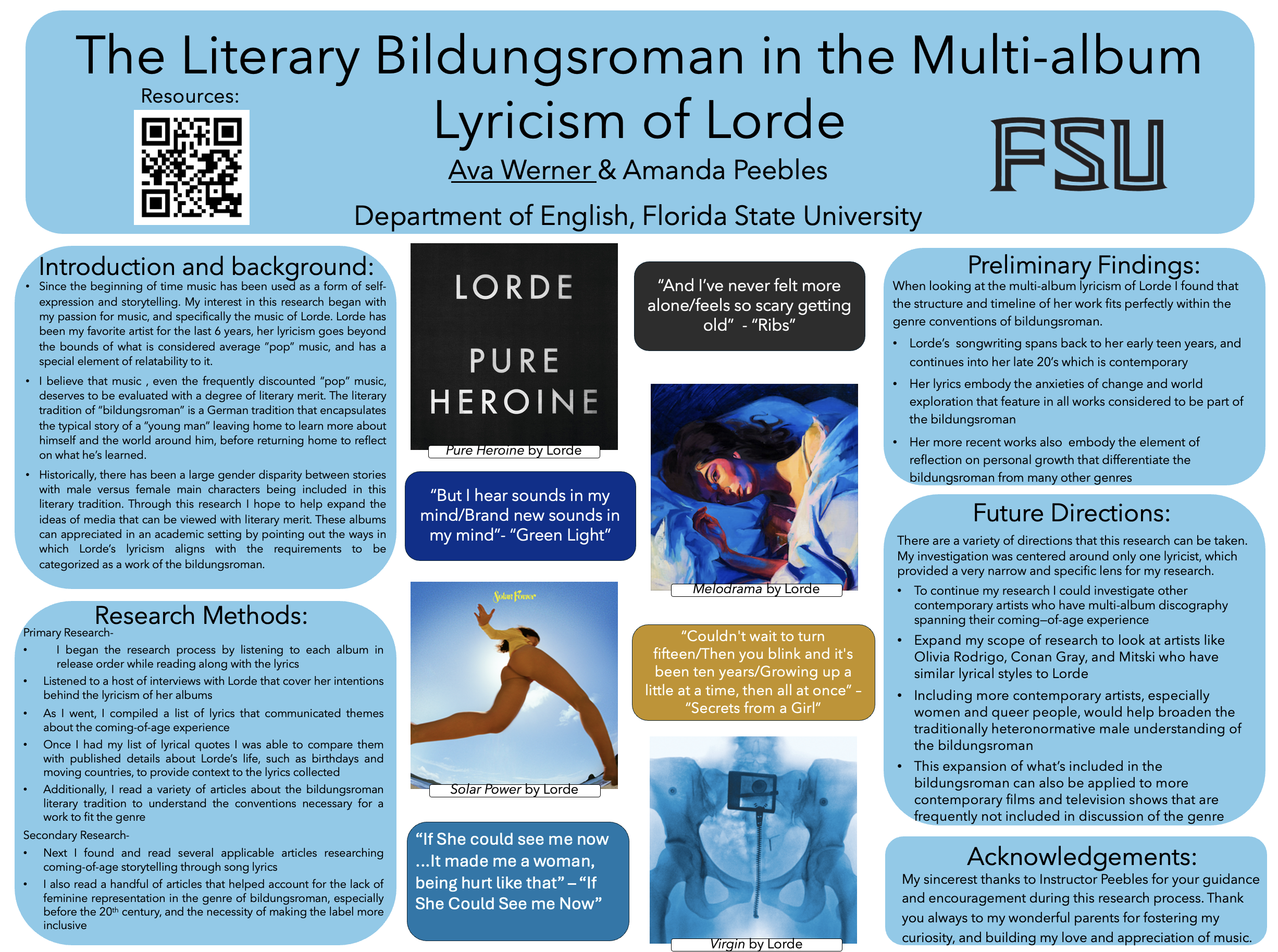
The Literary Bildungsroman in the Multi-album Lyricism of Lorde
Authors: Ava Werner, Amanda PeeblesStudent Major: English Literature Media and Culture
Mentor: Amanda Peebles
Mentor's Department: English Mentor's College: College of Arts and Sciences Co-Presenters:
Abstract
Music and literature have the power to illuminate shared experience, providing comfort to a reader (or listener) that they are not alone. Historically, the Bildungsroman is a genre that embodies this comfort, by providing children or young adults with stories of a fellow young person branching out to face the world, learning about themselves in the process. For my research I chose to focus on the commonalities between pop-music, namely the lyricism of Lorde, and classic examples of this esteemed tradition in literature. I have always been a lover of music and an avid reader, so I noticed the structural overlap between what we consider "merit-worthy" literary works, and the lyricism of contemporary musicians. In this research I hoped to demonstrate the necessity of opening the literary canon to create space for a broader range of artists to be included, specifically under the tradition of the Bildungsroman. This research is relevant to the academic treatment and studying of pop-culture and it's artistic impact.
Keywords: English Music Literature
26th annual Undergraduate Research Symposium, April 1, 2026
Jenna Jones Poster Session 4: 3:00 pm - 4:00 pm / Poster #256
BIO
Jenna is a third year student on a pre-med track.
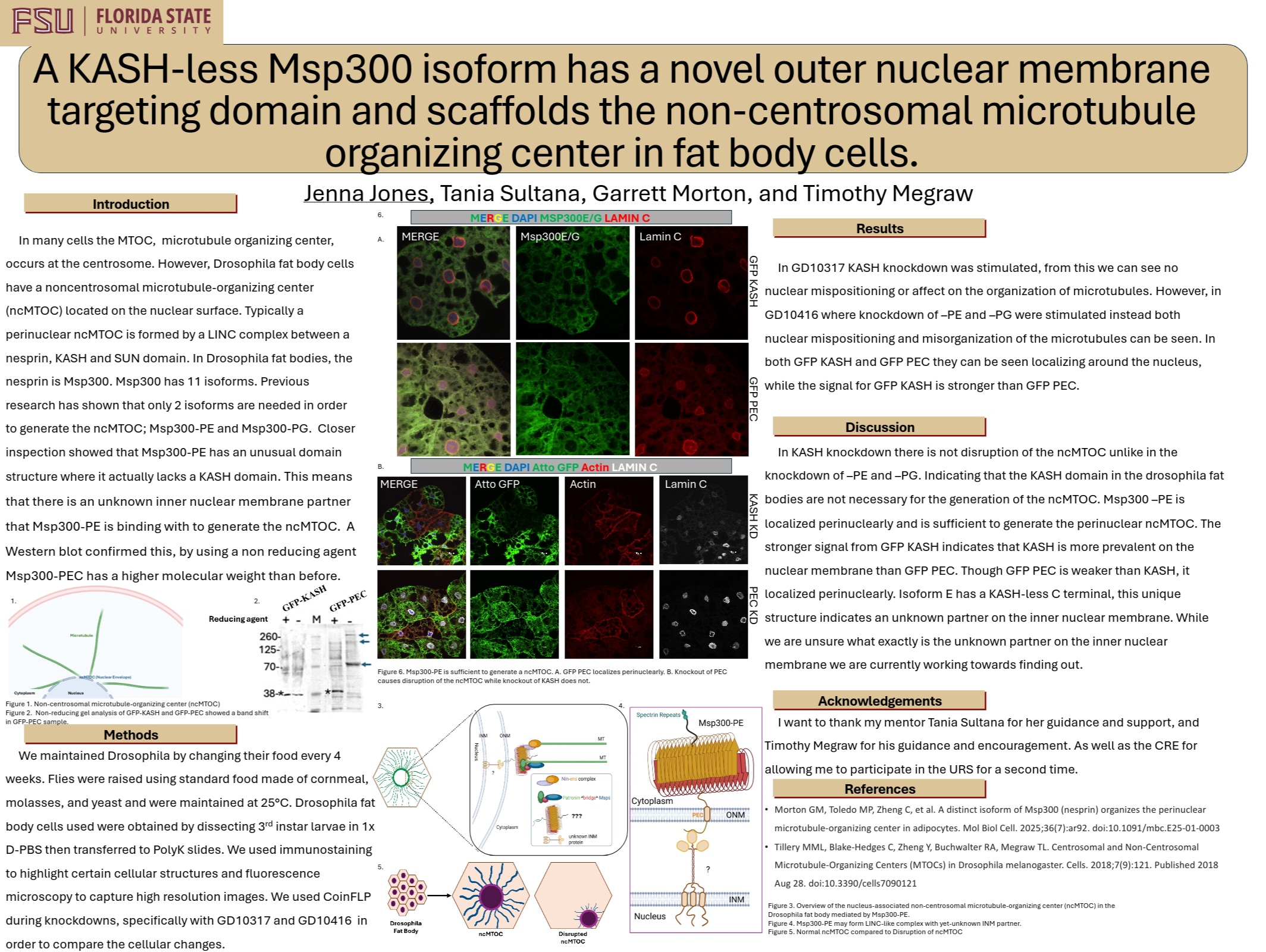
A KASH-less Msp300 isoform has a novel outer nuclear membrane targeting domain and scaffolds the non-centrosomal microtubule organizing center in fat body cells.
Authors: Jenna Jones, Tania SultanaStudent Major: Biology
Mentor: Tania Sultana
Mentor's Department: Biomedical Sciences Mentor's College: College of Medicine Co-Presenters:
Abstract
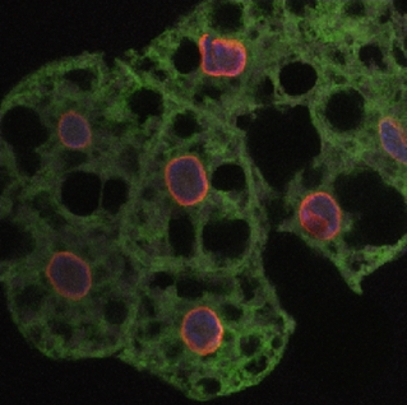
In Drosophila fat body cells, nucleus-associated non-centrosomal microtubule-organizing centers (ncMTOCs) coordinate nuclear positioning and intracellular trafficking. The nesprin homolog Msp300 anchors this perinuclear ncMTOC and recruits the microtubule minus-end stabilizer Patronin and other microtubule regulators. Among the 11 Msp300 isoforms, we show that isoform Msp300-PE is necessary and sufficient for ncMTOC formation, despite lacking a canonical KASH domain that anchors conventional nesprins to the outer nuclear membrane (ONM) through association with a SUN domain protein anchored in the inner nuclear membrane (INM). To dissect its unique function in organizing the ncMTOC, we are investigating Msp300-PE localization in fat body cells and examining the phenotypic consequences of targeted CRISPR truncation mutants, focusing on its role in microtubule organization and nuclear positioning. We demonstrate that the unique C-terminus of Msp300-PE, comprising a putative transmembrane helix followed by a 35-aa domain that resides within the nuclear intermembrane space, is sufficient to target the ONM. This finding identifies a novel ONM-targeting domain at the Msp300-PE C-terminus with no sequence similarity to the canonical KASH domain. Notably, this short tail contains seven Cys residues that we propose form disulfide bridges with an unknown partner residing at the INM, a hypothesis supported by non-reducing SDS-PAGE. We are employing mass spectrometry and genetic screens to identify the putative INM partner required for Msp300-PE anchoring and ncMTOC function. This study aims to define the molecular mechanisms by which Msp300-PE, together with its unique domains and partners, generates a perinuclear ncMTOC in fat body cells.
Keywords: KASH, Drosophila, LINC, nuclear, membrane, partner
26th annual Undergraduate Research Symposium, April 1, 2026
Emma Sag Poster Session 1: 9:30 am - 10:30 am / Poster #145
BIO
Hi, I'm Emma! I'm currently an undergraduate student at FSU pursuing my Bachelor's in Behavioral Neuroscience, with the goal of becoming a Neuropsychologist in the distant future. My research interests are human-AI interactions and pediatric psychology.
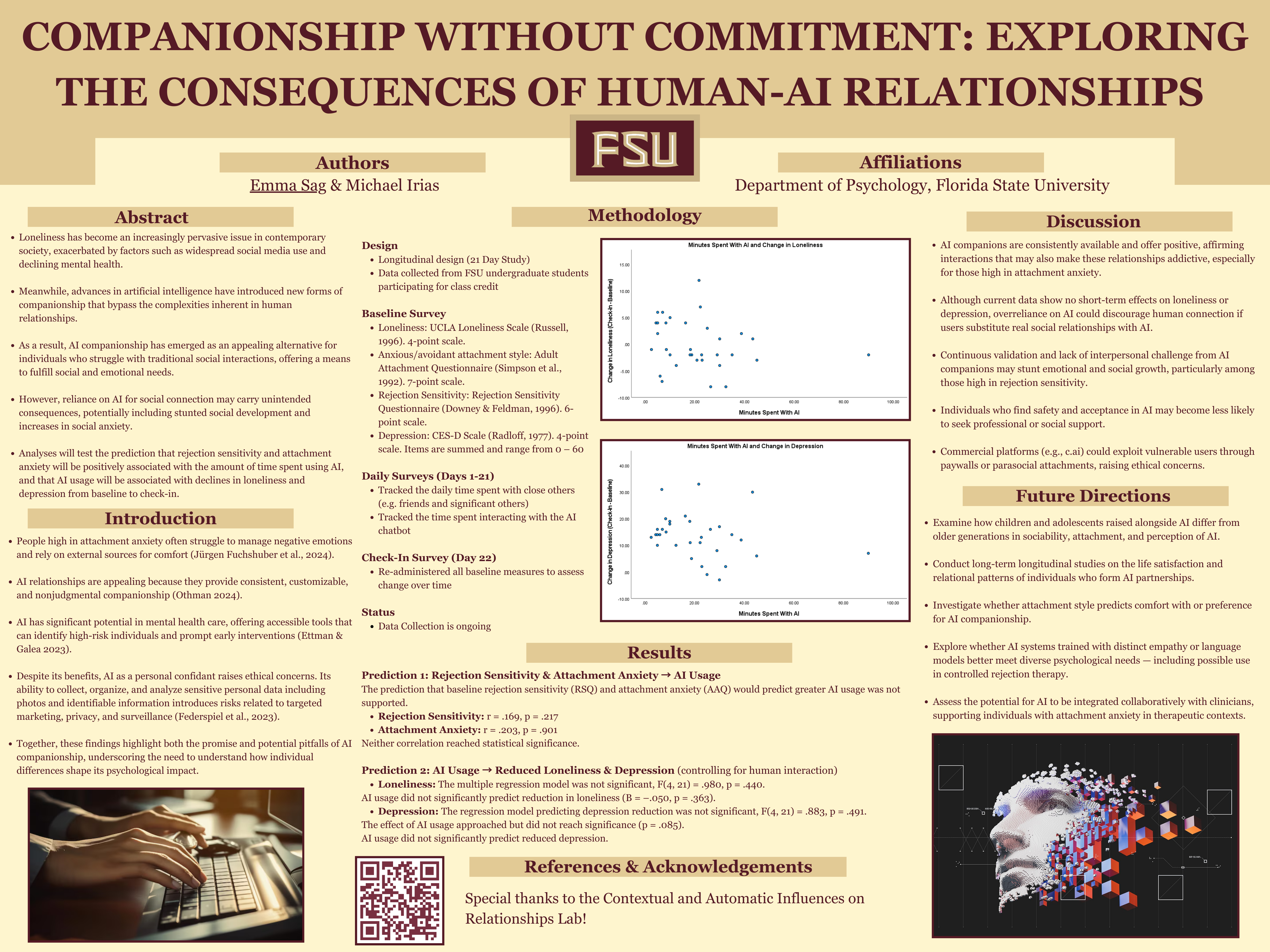
Companionship Without Commitment: Exploring the Consequences of Human-AI Relationships
Authors: Emma Sag, Michael IriasStudent Major: Behavioral Neurosciencr
Mentor: Michael Irias
Mentor's Department: Clinical Psychology Mentor's College: Arts and Sciences Co-Presenters:
Abstract
Loneliness has become an increasingly pervasive issue in contemporary society, exacerbated by factors such as widespread social media use and declining mental health. Meanwhile, advances in artificial intelligence have introduced new forms of companionship that bypass the complexities inherent in human relationships. As a result, AI companionship has emerged as an appealing alternative for individuals who struggle with traditional social interactions, offering a means to fulfill social and emotional needs. However, reliance on AI for social connection may carry unintended consequences, potentially including stunted social development and increases in social anxiety. In the present study, participants sampled from Florida State University completed a baseline survey that included measures of rejection sensitivity, attachment anxiety, loneliness, and depression, and were then provided access to a friendly chatbot for 21 days. During this period, they completed daily surveys that asked them to report the amount of time they spent with close others as well as the provided AI. On day 22, participants completed a check-in survey with the same measures as the baseline. Analyses will test the prediction that rejection sensitivity and attachment anxiety will be positively associated with the amount of time spent using AI, and that AI usage will be associated with declines in loneliness and depression from baseline to check-in.
Keywords: AI Psychology Human-AI
26th annual Undergraduate Research Symposium, April 1, 2026
Gabriella Nogueira Poster Session 1: 9:30 am - 10:30 am / Poster #236
BIO
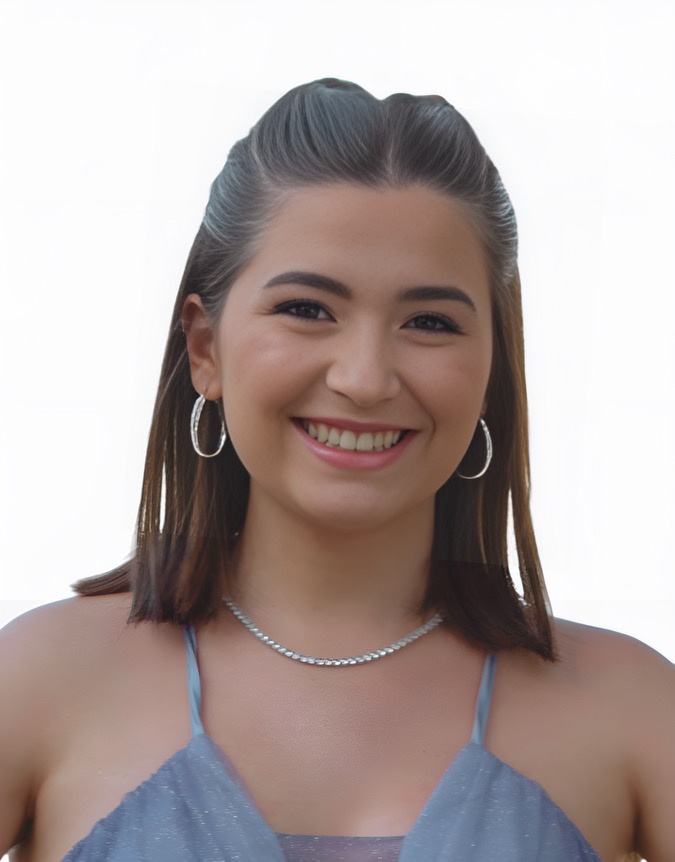
Gabriella is a sophomore a Biological Sciences student on the Pre-Medicine track. Pursuing minors in Child Development, Interdisciplinary Sciences, and Chemistry, she hopes to attend medical school to specialize in pediatric medicine and, apart from conducting research at the Wagner Lab at FSU's Department of Psychology, will work as a research assistant at the Emory School of Medicine for oncological therapy research this summer.
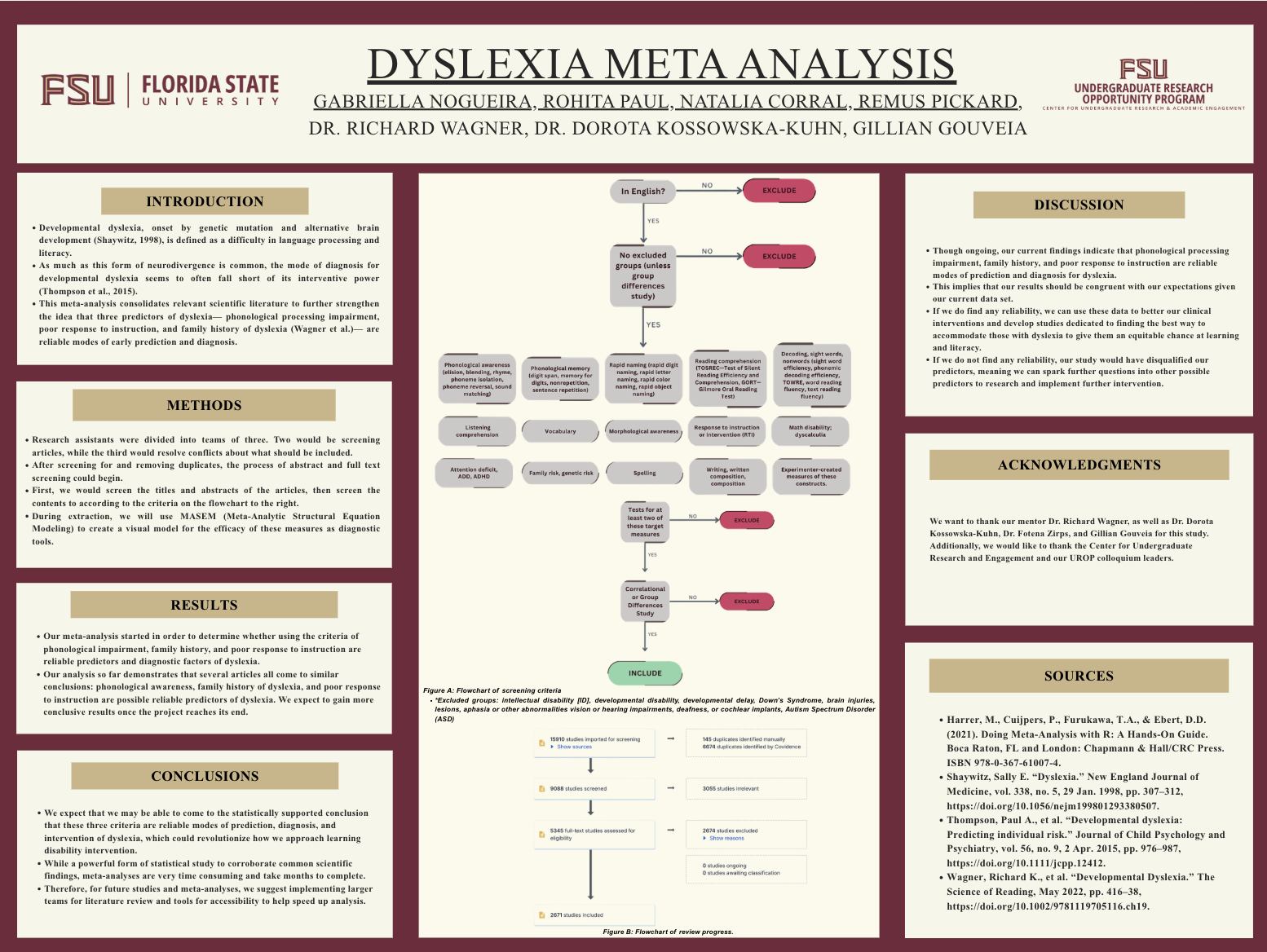
DYSLEXIA META ANALYSIS
Authors: Gabriella Nogueira, Richard K. WagnerStudent Major: Biological Sciences
Mentor: Richard K. Wagner
Mentor's Department: Psychology Mentor's College: College of Arts and Sciences Co-Presenters: Rohita Paul, Natalia Corral, Remus Pickard
Abstract
Dyslexia is defined by the International Dyslexia Association as a neurobiological developmental learning disorder that is characterised by having trouble decoding, recognizing, and spelling words. As much as this form of neurodivergence is common, the mode of diagnosis for developmental dyslexia seems to often fall short of its interventive power. Because previous research suggests that no single predictor works well for complex phenomena such as dyslexia, this project aims to analyze common predictors of dyslexia using a model based meta-analysis (MASM) of the current literature in the field. This meta-analysis seeks to consolidate thousands of articles from scholarly sources and scientific journals to further strengthen the idea that three predictors of dyslexia— phonological processing impairment, poor response to intervention, and family history of dyslexia— are reliable modes of early prediction and diagnosis. Facilitated by a team of several reviewers, each article is title and abstract screened, full text reviewed, and extracted to create a proportional model to illustrate the statistical relevance each factor has in relation to the prediction and diagnosis of dyslexia. Though still in progress, the meta-analysis has now advanced to the extraction phase and is working towards a definitive result.
Keywords: Dyslexia, Psychology, Meta-Analysis, Literature Review
26th annual Undergraduate Research Symposium, April 1, 2026
Aashmi Maru Poster Session 3: 1:45 pm - 2:45 pm / Poster #123

BIO
Aashmi Maru is a first-year student pursuing a Bachelor of Science in Computational Biology. She has earned recognition on the President’s List (Fall 2025) for her academic performance. She is interested in exploring interdisciplinary research at the intersection of biology, neuroscience, and computer science and hopes to gain hands-on research experience under Professor Adam Dewan. In the future, she plans to pursue graduate studies and a career in healthcare.
Investigating the Dorsal Tenia Tecta - an underexplored region of primary olfactory cortex
Authors: Aashmi Maru, Adam DewanStudent Major: Computational Biology
Mentor: Adam Dewan
Mentor's Department: Department of Psychology, Program in Neuroscience Mentor's College: College of Arts and Sciences Co-Presenters:
Abstract
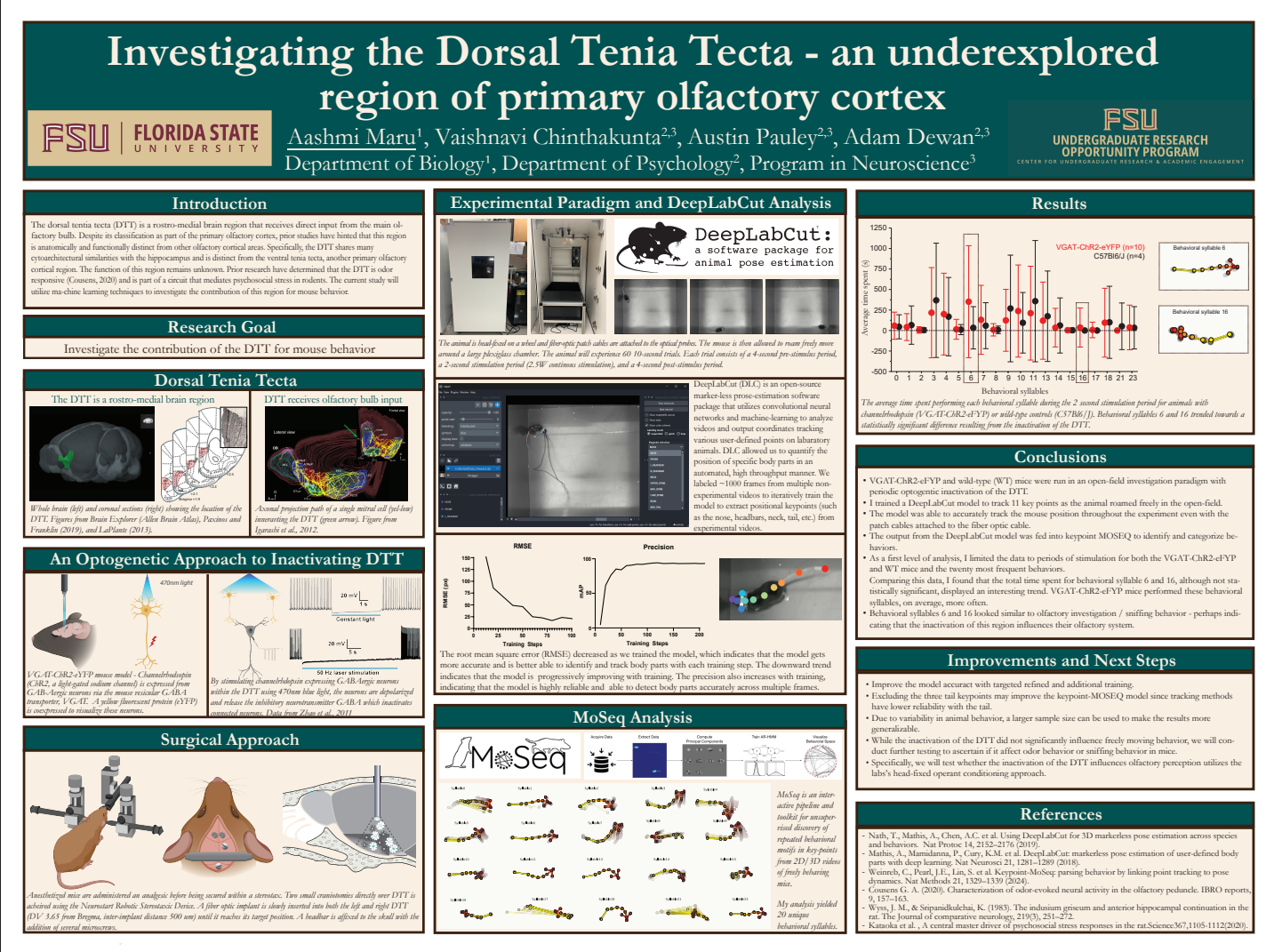
The Dorsal Tenia Tecta (DTT) is a small rostro-medial brain region that receives direct input from the olfactory bulb. Despite being part of the primary olfactory cortex, the contribution of this region is to odor perception and behavior is unknown. In order to investigate the contribution of the DTT for freely moving rodent behavior, we utilized optogenetic stimulation to inhibit this region using a transgenic mouse line that selectively expressed channelrhodopsin in GABAergic inhibitory neurons. To observe changes in movement and behavior, we then used DeepLabCut
(DLC) and iteratively trained a model to extract positional keypoints (such as the nose, probe, left headbar, right headbar, neck, upper spine, middle spine, lower spine, rear, mid tail, and tail tip) from experimental videos. For the model to accomplish this, approximately 1000 frames from multiple nonexperimental videos were expertly labeled and GPU-acceleration was used to train the machine learning model. The output from DLC was then directed to keypoint-MOSEQ, which uses an autoregressive model to automatically identify unique behaviors exhibited by the animals during the behavioral sessions. MOSEQ was thus used to categorize mouse behaviour, and the resultant behaviors were then identified and labeled. These behaviors were then compared between stimulation (inhibition) and nonstimulation (no inhibition) trials to determine if there are any significant differences in the frequency or duration of specific behaviors. This allowed us to determine and assess how inhibiting the DTT influenced mouse movement and behavior.
Keywords: Dorsal Tenia Tecta, DeepLabCut
26th annual Undergraduate Research Symposium, April 1, 2026
Samantha Mason Poster Session 1: 9:30 am - 10:30 am / Poster #45
BIO
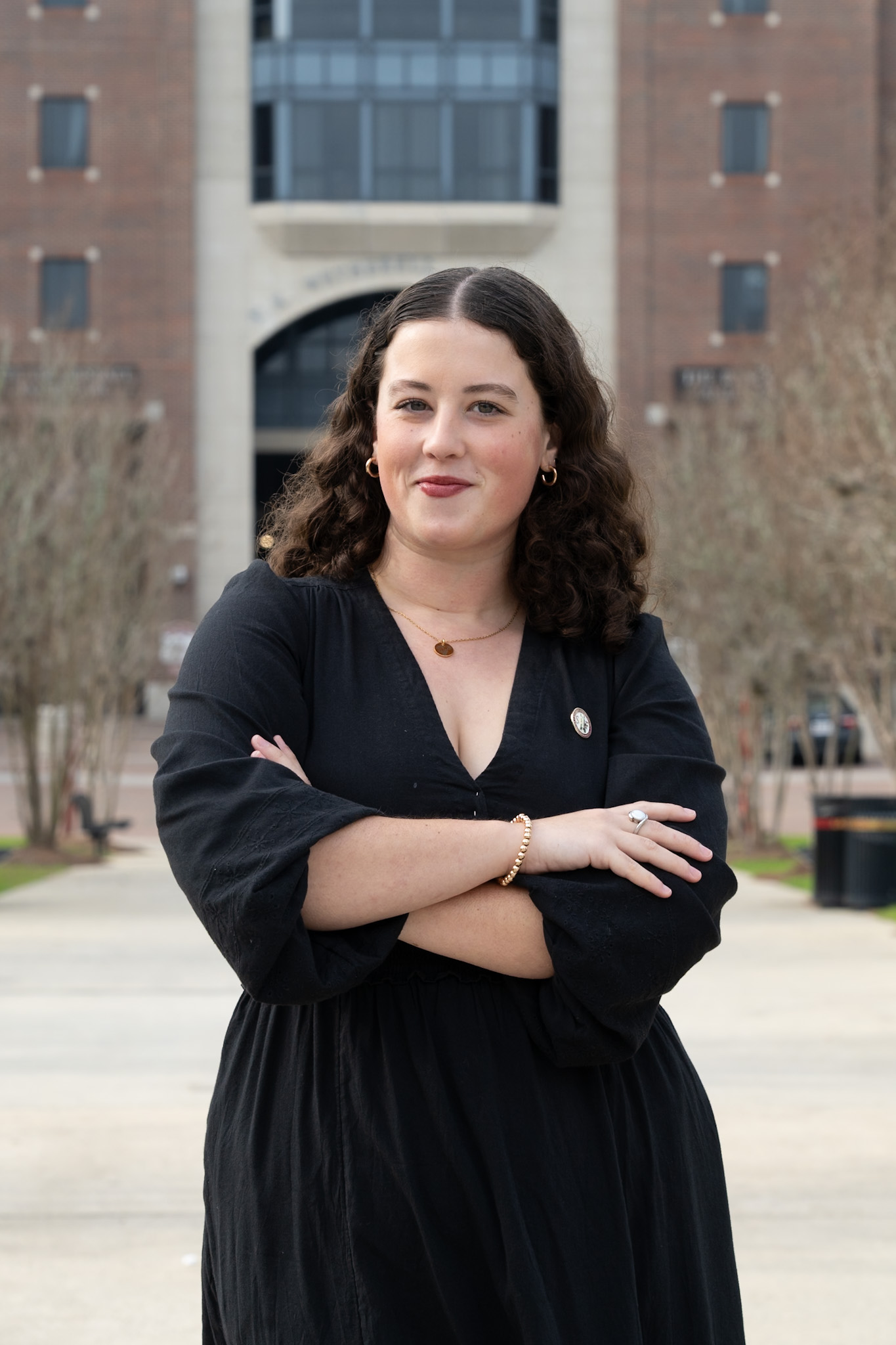
Samantha Mason is a third-year student from Cocoa Beach, Florida studying political science and international affairs. Her passion for voting rights and civic education stems from her work as an organizer with People Power for Florida, a 501(c)(3) non-profit focused on voter registration efforts in Florida. She hopes to attend law school and work in the government space.
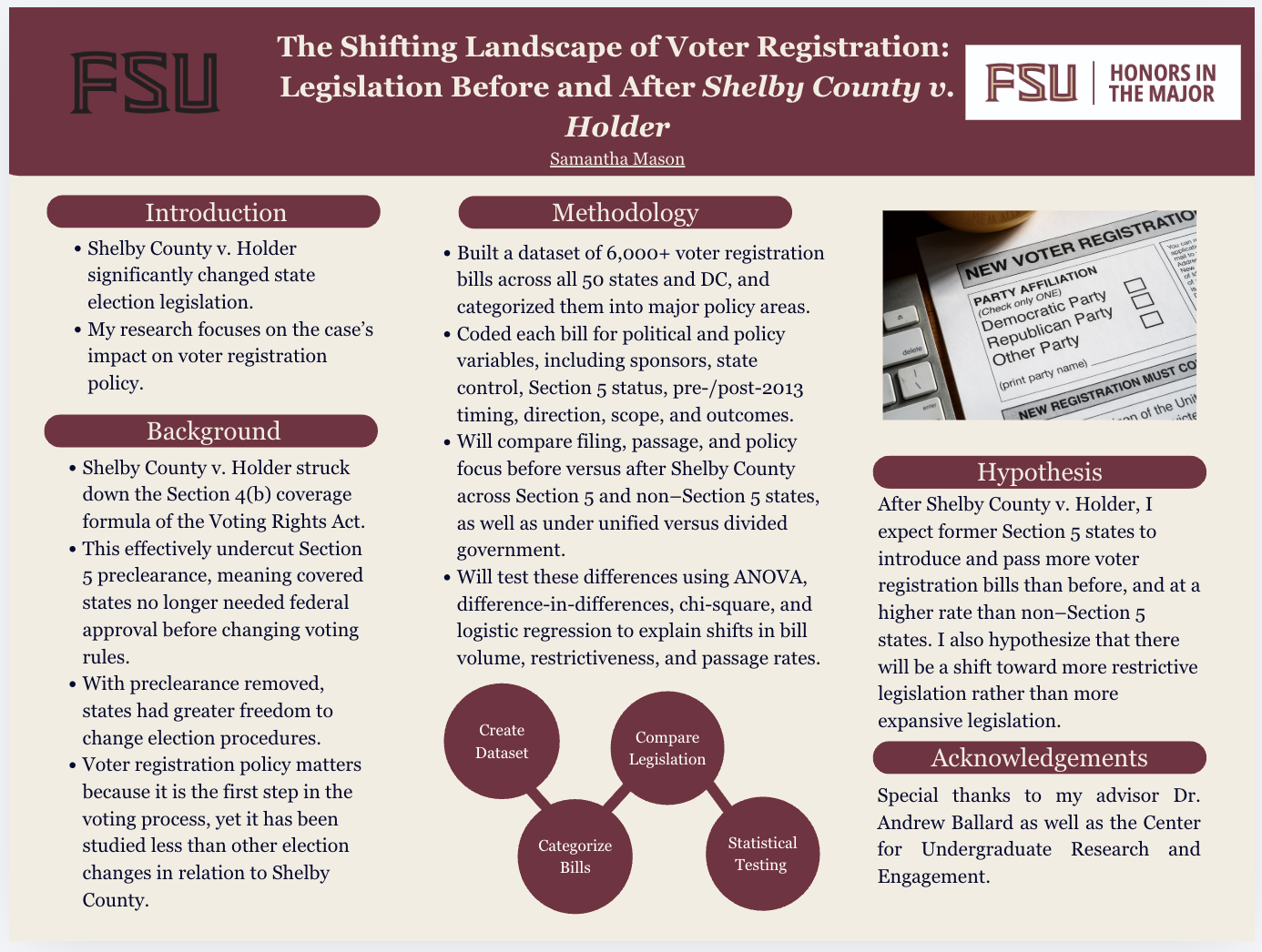
The Shifting Landscape of Voter Registration: Legislation Before and After Shelby County v. Holder
Authors: Samantha Mason, Dr. Andrew BallardStudent Major: Political Science/Int. Affairs
Mentor: Dr. Andrew Ballard
Mentor's Department: Political Science Mentor's College: Social Sciences and Public Policy Co-Presenters:
Abstract
Shelby County v. Holder was a landmark Supreme Court case that changed the nature of election administration by invalidating Section 4(b) of the Voting Rights Act of 1965, the requirement that certain states obtain federal clearance before changing election-related policy. As a result, states gained significantly more autonomy over voting laws and procedures. My research examines legislation related to voter registration drafted before and after its passage to better understand the case's impact on the field of voter registration. To conduct this analysis, I compiled a novel dataset of state-level voter registration legislation spanning multiple years, allowing for a detailed examination of emerging trends. My work focuses on identifying broader patterns in voter registration changes, such as the implementation of voter ID laws, same-day registration, online registration systems, and restrictions on third-party registration efforts. This research provides new insight into the long-term implications of Shelby County v. Holder on voter registration policies and highlights the effect of reduced federal oversight on state policy.
Keywords: Voting, elections, state legislation
26th annual Undergraduate Research Symposium, April 1, 2026
Zoë Cotterell Poster Session 2: 10:45 am - 11:45 am / Poster #163
BIO
Hello! My name is Zoë Cotterell, and I am a first-year Actuarial Science student who is hoping to double major in RMI. I am in the Honors program here at FSU and am currently studying for an actuarial exam that I plan to take in the summer. Although I love math and definitely want to pursue a career in the field of insurance, I love learning about social sciences. I have some previous research experience from high school through the AP Capstone program. I explored college students' attitudes towards current financial literacy initiatives as well as their own individual efforts to better educate themselves with the goal of gaining insight as to how to better prepare the youth on the journey to financial independence. Outside of academics, I enjoy line dancing, listening to music, and playing my instrument!
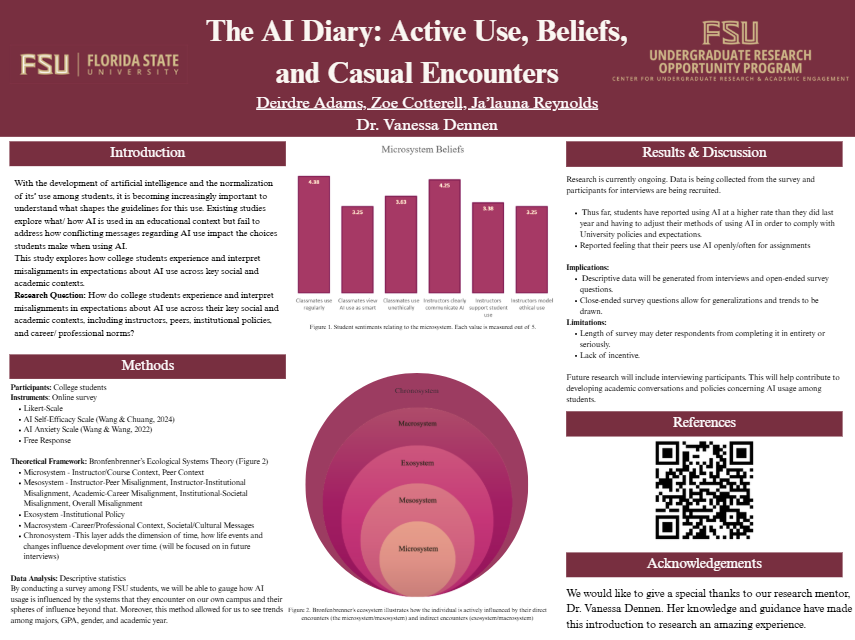
The AI Diary: Active Use, Beliefs, and Casual Encounters
Authors: Zoë Cotterell, Vanessa DennenStudent Major: Actuarial Science
Mentor: Vanessa Dennen
Mentor's Department: Educational Psychology & Learning Systems Mentor's College: Anne Spencer Daves College of Education, Health and Human Sciences Co-Presenters: Deidre Adams and Ja'launa Reynolds
Abstract
With the development of artificial intelligence and the normalization of its’ use among students,
it is becoming increasingly important to understand what shapes the guidelines for this use.
Existing studies explore what/ how AI is used in an educational context but fail to address how
conflicting messages regarding AI use impact the choices students make when using AI. This
study explores how college students experience and interpret misalignments in expectations
about AI use across key social and academic contexts. Data is being collected through an online
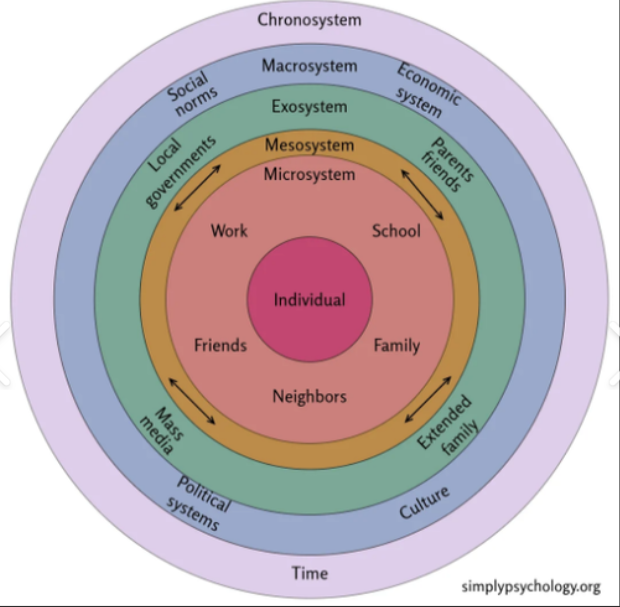
survey using the Bronfenbrenner Ecological Systems Theory to investigate AI’s influence across
multiple layers of interaction, as well as utilizing existing scales to quantify this influence. By
mapping these influences, the findings will highlight drivers and deterrents of AI use. Moreover,
this study contributes to ongoing scholarly conversations about artificial intelligence by offering
insight into how adolescents are forming relationships with this emerging technology which can
be used to formulate policies on various levels to best support student learning.
Keywords: AI, Bronfenbrenner, Education
26th annual Undergraduate Research Symposium, April 1, 2026
Maura Myers Poster Session 2: 10:45 am - 11:45 am / Poster #74
BIO
Maura Myers is currently a sophomore from Daytona Beach, Florida pursuing a Bachelor of Science in Accounting at FSU. She is a participant in the Undergraduate Research Opportunities Program (UROP), and her research focuses on private equity, including investment strategies and the broader economic impact of private capital. Maura has worked under the mentorship of Aleksandra Zimmerman gaining experience in financial analysis and academic research.
Following graduation, Maura plans to earn a Master's in Accounting and pursue a career in public accounting, with a particular interest in auditing.
Private Equity Investment in Accounting Firms
Authors: Maura Myers, Aleksandra ZimmermanStudent Major: Accounting
Mentor: Aleksandra Zimmerman
Mentor's Department: Accounting Mentor's College: Herbert Wertheim College of Business Co-Presenters: Hanna Oria, Nick Weides
Abstract
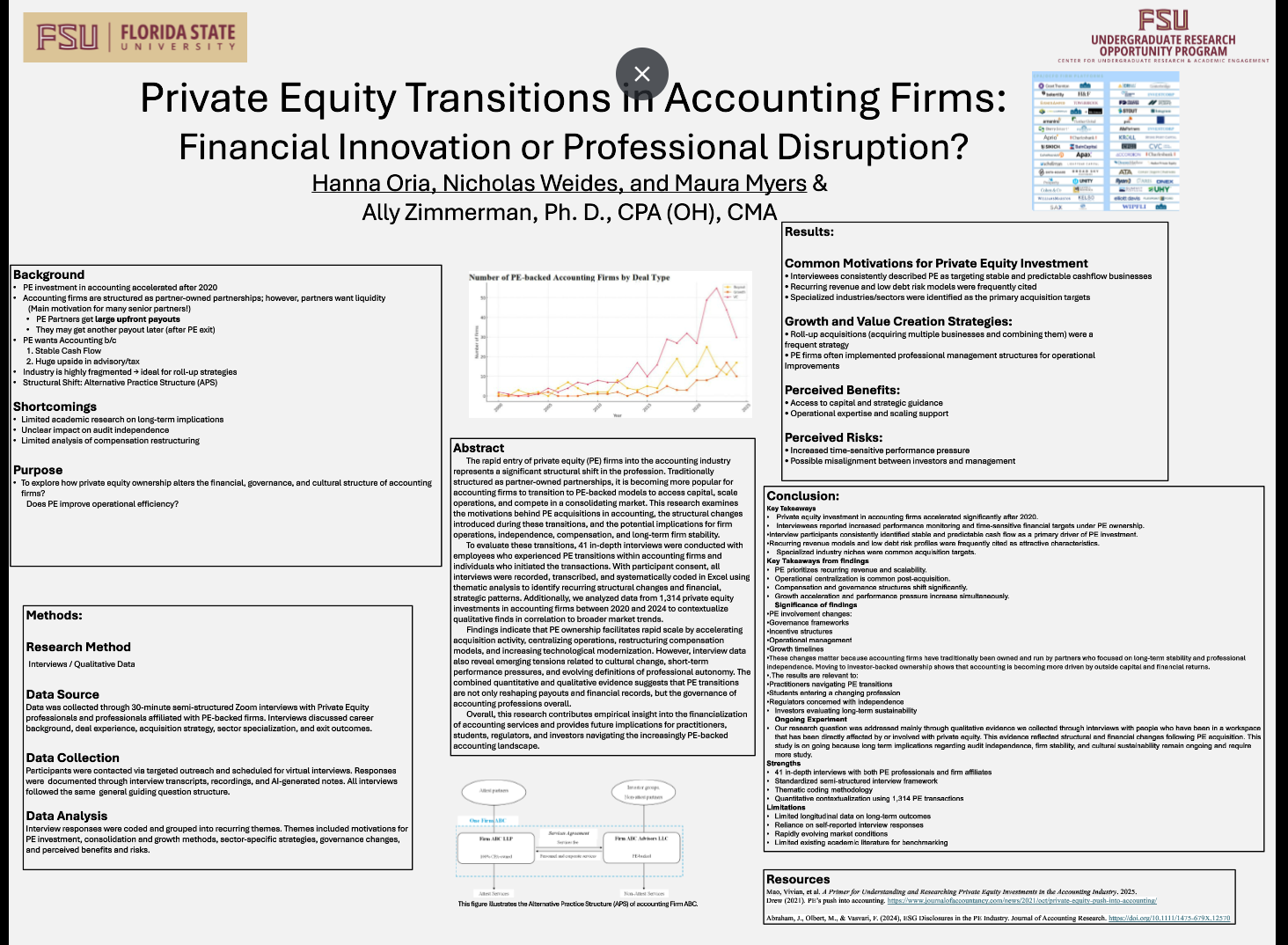
The rapid entry of private equity (PE) firms into the accounting industry
represents a significant structural shift in the profession. Traditionally
structured as partner-owned partnerships, it is becoming more popular for
accounting firms to transition to PE-backed models to access capital, scale
operations, and compete in a consolidating market. This research examines
the motivations behind PE acquisitions in accounting, the structural changes
introduced during these transitions, and the potential implications for firm
operations, independence, compensation, and long-term firm stability.
To evaluate these transitions, 41 in-depth interviews were conducted with
employees who experienced PE transitions within accounting firms and
individuals who initiated the transactions. With participant consent, all
interviews were recorded, transcribed, and systematically coded in Excel using
thematic analysis to identify recurring structural changes and financial,
strategic patterns. Additionally, we analyzed data from 1,314 private equity
investments in accounting firms between 2020 and 2024 to contextualize
qualitative finds in correlation to broader market trends.
Findings indicate that PE ownership facilitates rapid scale by accelerating
acquisition activity, centralizing operations, restructuring compensation
models, and increasing technological modernization. However, interview data
also reveal emerging tensions related to cultural change, short-term
performance pressures, and evolving definitions of professional autonomy. The
combined quantitative and qualitative evidence suggests that PE transitions
are not only reshaping payouts and financial records, but the governance of
accounting professions overall.
Overall, this research contributes empirical insight into the financialization
of accounting services and provides future implications for practitioners,
students, regulators, and investors navigating the increasingly PE-backed
accounting landscape.
Keywords: Private Equity, Accounting, Finance
26th annual Undergraduate Research Symposium, April 1, 2026
Christopher Johnson Poster Session 4: 3:00 pm - 4:00 pm / Poster #250
BIO
Christopher is a fifth-year mechanical engineering student with a strong interest in mechatronics, control systems, and the integration of hardware and software in dynamic systems. His work focuses on developing and analyzing engineered systems through a combination of computational modeling, embedded programming, and mechanical design.
Christopher's current projects include the development and implementation of a control system for a hydraulic-powered bicycle, a machine learning-based data interpretation project, and an optimal controls implementation inspired by the Ice Cold Beer arcade game. Through these experiences, he applies tools such as MATLAB, C++, Python, PCB design (KiCad), and CAD software (SolidWorks, Creo) to design, simulate, and implement real-world systems.
After graduation, Christopher aims to begin his career in robotics, mechatronics, or the broader technology sector, where her can contribute to the design and control of intelligent systems.
SCALABLE AIRCRAFT SMART SKIN: CARBON NANOTUBES AS AN INTEGRATED STRAIN SENSOR
Authors: Christopher Johnson, Dr. Richard LiangStudent Major: Mechanical Engineering
Mentor: Dr. Richard Liang
Mentor's Department: Material Science and Engineering Mentor's College: Industrial and Manufacturing Engineering Co-Presenters:
Abstract
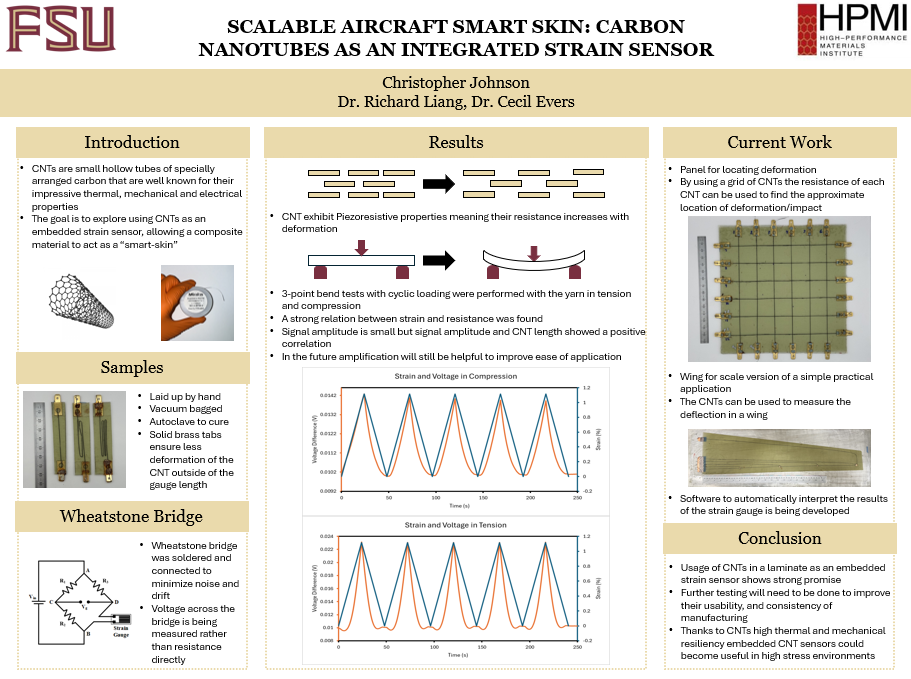
Carbon nanotubes (CNTs) exhibit measurable changes in electrical resistance when subjected to mechanical deformation. The objective of this study is to evaluate the feasibility and sensitivity of CNT-based self-sensing laminates for applications requiring real-time structural health monitoring, such as detecting deformation in a wing or locating impacts on a structure in harsh environments. This study investigates the use of the piezoresistive properties of carbon nanotubes to develop a glass fiber composite laminate with an integrated strain-sensing capability. By embedding CNT yarns into the laminates as integrated sensing wires, the resulting composite is designed to function as a built-in strain gauge, effectively acting as a “smart skin.” During testing multiple electrical connection strategies were tested to reduce noise and improve reliability. Varying lengths of CNTs were also examined to compare their signal amplitudes and overall sensitivity to deformation. Their lengths will be referred to based upon the number of CNT yarn passes in the sample. A Wheatstone bridge with variable arms was constructed and the voltage difference measured across the bridge resulted in a change in voltage and gauge factor respectively of 0.580mV and 0.037 for 1 pass of yarn, 3.348mV and 0.022 for 3 passes, and 4.589mV and 0.030 for 5 passes of yarn.
Keywords: CNT, Carbon, Strain, Gauge, Sensor
26th annual Undergraduate Research Symposium, April 1, 2026
Lazaro Castano Poster Session 1: 9:30 am - 10:30 am / Poster #299
BIO
Lazaro Castano is a senior biomedical engineering student from Naples, Florida. He started his research career in structural biology, under the guidance of Dr. Nolan Blackford, he examined the structure of LARP-6, a human protein associated with liver fibrosis. Since then, he's explored various topics involving structural biology, genome editing, and drug delivery. Currently, he does research in the Li laboratory at the FAMU-FSU College of Engineering. Their goal is to develop treatment delivery methods, with a focus on cancer and neurodegenerative disease. After graduation, Lazaro hopes to pursue an MD/PhD in gene therapy, where he can engage in translational research while transforming laboratory discoveries into meaningful patient-focused therapies.
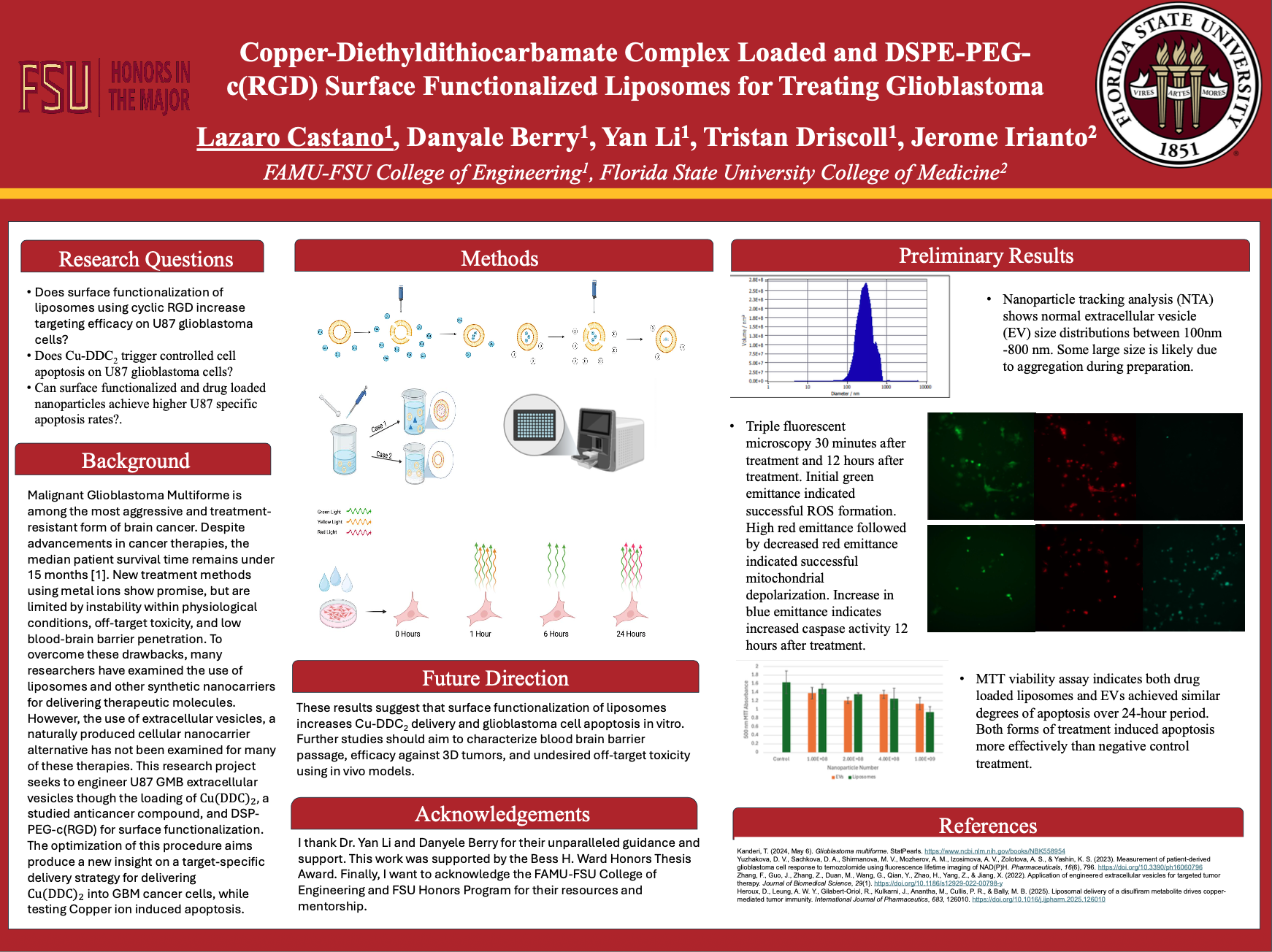
Copper-Diethyldithiocarbamate Complex Loaded and DSPE-PEG-c(RGD) Surface-Functionalized Liposomes for Treating Glioblastoma
Authors: Lazaro Castano, Yan LiStudent Major: Biomedical Engineering
Mentor: Yan Li
Mentor's Department: Chemical & Biomedical Engineering Mentor's College: FAMU-FSU College of Engineering Co-Presenters:
Abstract
Malignant Glioblastoma Multiforme is among the most aggressive and treatment-resistant form of brain cancer. Despite advancements in cancer therapies, the median patient survival time remains under 15 months. New treatment methods using metal ions show promise, but are limited by instability within physiological conditions, off-target toxicity, and low blood-brain barrier penetration. To overcome these drawbacks, many researchers have examined the use of liposomes and other synthetic nanocarriers for delivering therapeutic molecules. However, the use of functionalized liposomes and extracellular vesicles, a naturally produced cellular nanocarrier alternative, has not been examined for many of these therapies. This project aimed to engineer liposomes though the loading of Cu(DDC)2, a studied anticancer compound, and DSP-PEG-c(RGD) for surface functionalization, while testing their efficacy at treating GBM U87 cells in vitro. Both surface functionalized liposomes and extracellular vesicles decreased cell viability during 24 h treatments. Additionally, surface functionalized liposomes achieved higher cell apoptosis compared to native liposomes, suggesting enhanced drug uptake.
Keywords: Extracellular Vesicles, Nanoparticles, Glioblastoma
26th annual Undergraduate Research Symposium, April 1, 2026
Samantha Bell Poster Session 2: 10:45 am - 11:45 am / Poster #50
BIO
Samantha Bell is an undergraduate researcher in inorganic and materials chemistry at Florida State University under Dr. Geoffrey Strouse, working on high-entropy materials for catalysis and induced chiral quantum dot systems. Her research integrates materials synthesis with advanced characterization techniques, including SEM/EDS, powder X-ray diffraction (pXRD), X-ray fluorescence (XRF), Fourier Transform Infrared Spectroscopy (FTIR), Ultraviolet–visible (UV-Vis) spectroscopy and Circular Dichroism (CD) spectroscopy, to investigate structure- property relationships in functional materials. She is currently pursing a Bachelor of Science in Biochemistry. Samantha is currently pursuing a Bachelor of Science in Biochemistry and plans to continue her studies with a PhD in Materials Science at the University of North Carolina at Chapel Hill, specializing in inorganic and physical chemistry.
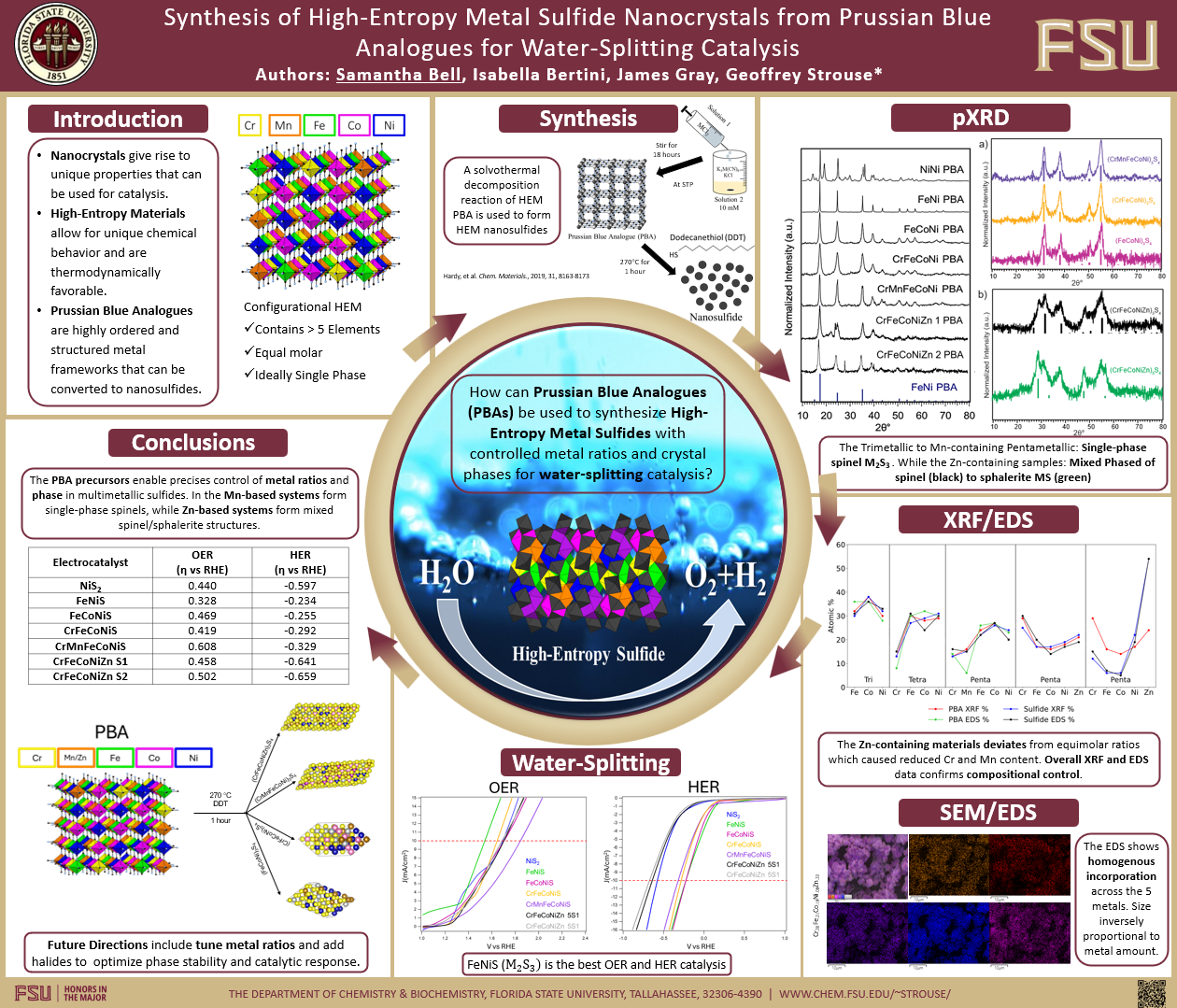
Synthesis of High-Entropy Metal Sulfide Nanocrystals from Prussian Blue Analogues for Water-Splitting Catalysis
Authors: Samantha Bell, Dr. Geoffrey StrouseStudent Major: Biochemistry
Mentor: Dr. Geoffrey Strouse
Mentor's Department: Professor, Chemistry and Biochemistry. Director, Institute of Molecular Biophysics Mentor's College: College of Arts and Science Co-Presenters:
Abstract
High-entropy (HE) metal sulfides are emerging as promising electrocatalysts due to their tunable composition and synergistic multimetal interactions. Here, we report a colloidal strategy for synthesizing spinel-phase HE sulfide nanocrystals via high-temperature decomposition of equimolar Prussian blue analogues (PBAs) in dodecanethiol. This single-source precursor approach preserves metal stoichiometry from precursor to product, enabling precise compositional control across mono- to quintametallic systems.
CrMnFeCoNi sulfides form a single-phase spinel structure, while incorporation of Zn induces composition-dependent mixed spinel/sphalerite phases. Density functional theory (DFT) calculations support the thermodynamic stabilization of these multicomponent systems and indicate that phase evolution is governed by enthalpic contributions. Electrocatalytic measurements reveal that simpler compositions, particularly FeNiS, exhibit superior HER activity under equimolar conditions, emphasizing the importance of phase purity and composition over increasing configurational complexity alone.
Substitution of Mn with Zn produces distinct trends in catalytic behavior, with Zn-containing systems showing improved HER and OER overpotentials relative to their Mn analogues. These results highlight the critical role of specific metal identity and composition, demonstrating that catalytic performance arises from both elemental effects and multimetal interactions rather than high-entropy design alone.
These results establish HE-PBAs as versatile and scalable precursors for the synthesis of multimetal sulfide nanocrystals with tunable composition and phase, providing a foundation for the rational design of next-generation catalytic materials.
Keywords: High-entropy, Sulfides, Water-splitting, Catalysis
26th annual Undergraduate Research Symposium, April 1, 2026
Paige Babushkin Poster Session 1: 9:30 am - 10:30 am / Poster #155
BIO
Paige Babushkin is a senior in the College of Arts and Sciences. She is earning dual degrees in Environmental Science and Public Health. She works with Dr. Ming Ye on projects quantifying pesticide and fertilizer dynamics via modeling. She will be continuing her education pursuing a masters degree at Columbia University’s Climate School.
Numerical Modeling of Pesticides and Fertilizers in South Florida
Authors: Paige Babushkin, Ming YeStudent Major: Environmental Science and Public Health
Mentor: Ming Ye
Mentor's Department: Earth, Ocean, and Atmospheric Science Mentor's College: Department of Arts and Sciences Co-Presenters:
Abstract
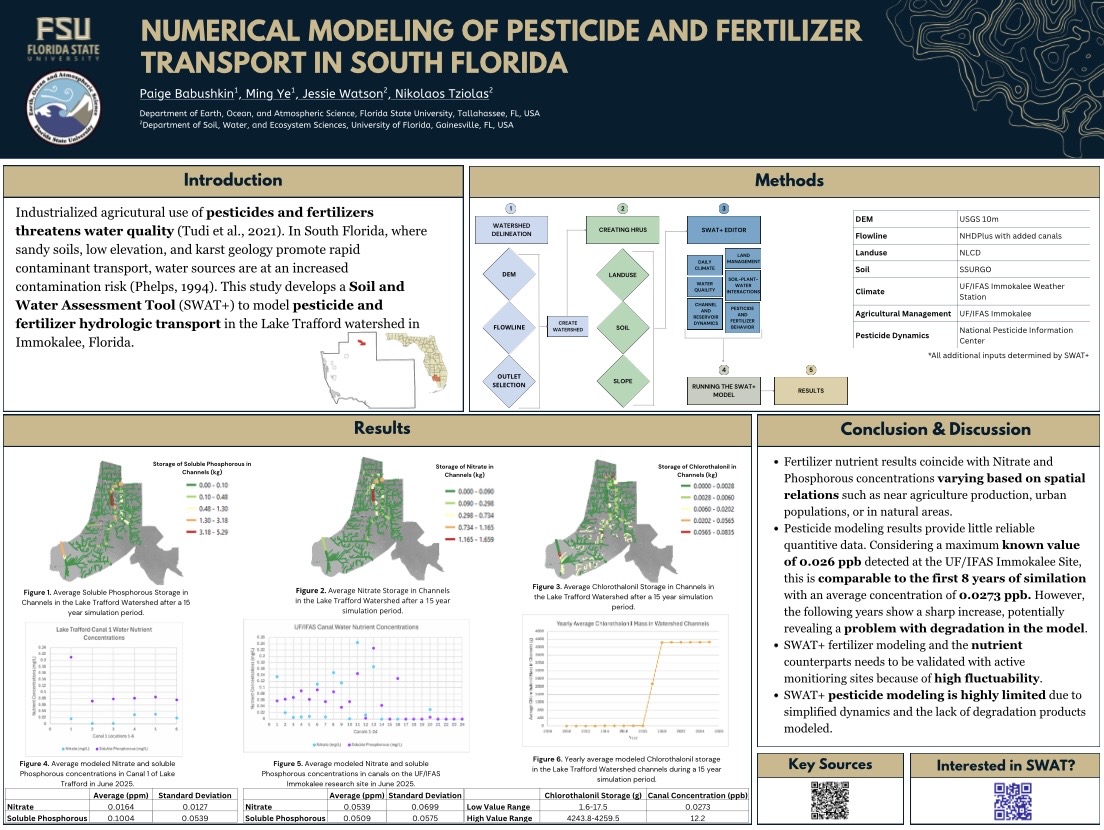
Industrialized agricultural use of pesticides and fertilizers threatens water quality. In South Florida, where sandy soils, low elevation, and karst geology promote rapid contaminant transport, water sources are at an increased contamination risk. This study develops a Soil and
Water Assessment Tool (SWAT+) to model pesticide and fertilizer hydrologic transport in the Lake Trafford watershed in
Immokalee, Florida. Analyzing the modeling results has shown the limitations of SWAT+ modeling in regions such as South Florida.
Keywords: Agriculture, Modeling, Water Quality
26th annual Undergraduate Research Symposium, April 1, 2026
Teagan Murphy Poster Session 1: 9:30 am - 10:30 am / Poster #87
BIO
Teagan Murphy is in their final year majoring in Psychology and minoring in Child Development. As a psychology major, they are fascinated by the way people think, feel, and act. Teagan enjoys any research, education, and workshops related to the field. They hold a particular interest for how psychology can help children. Their hope is to continue my education in this field to learn more about myself, the people they want to help, and the best way to do it. Teagan is currently a certified Registered Behavior and have learned how to implement ABA principles and strategies to teach new skills and reduce maladaptive behaviors. They have had the opportunity to work under my Dylann Lowery as part of her dissertation undergraduate team and am pleased to present her findings so far.
Trauma-Informed Co-Parenting: Identifying Barriers and Building Strengths
Authors: Teagan Murphy, Dylann LoweryStudent Major: Psychology
Mentor: Dylann Lowery
Mentor's Department: Human Development and Family Science Mentor's College: Anne's College of Education, Health, and Human Sciences Co-Presenters: Emily Baris
Abstract
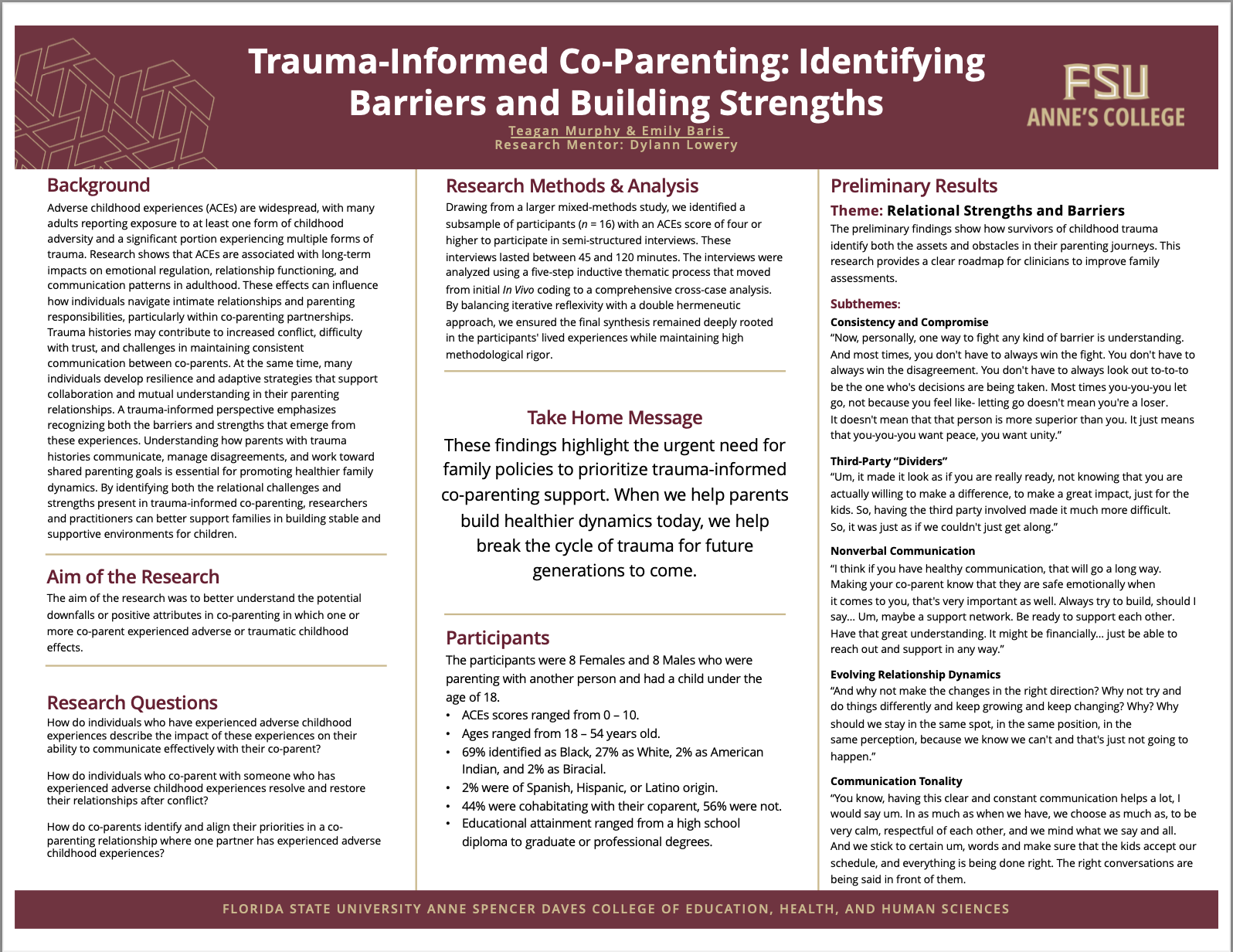
This study presents Phase 2 of an explanatory sequential mixed-methods project investigating how clinically severe Adverse Childhood Experiences (ACEs) shape contemporary co-parenting relationships. Through purposeful subsample recruitment, we identified and interviewed 16 participants (n = 16) who reported an ACE score of 4 or higher. The final subsample was diverse, including 56% identifying as Black or African American, and represented various cohabitation and educational backgrounds.
Our research team used a five-step inductive thematic analysis to process these stories. By employing In Vivo and axial coding, we prioritized our participants’ authentic voices while identifying broader patterns. To maintain high standards of rigor, our team held interactive coding sessions and used reflexivity memos. We analyzed individual cases and compared them across the group to see how personal trauma histories created specific intergenerational effects.
A central theme was Relational Strengths and Barriers, with subthemes of Consistency and Compromise, Third-Party “Dividers,” and Nonverbal Communication. These preliminary findings show how survivors of childhood trauma identify both the assets and the obstacles in their parenting journeys. This research provides a clear roadmap for clinicians to improve family assessments. Additionally, these findings highlight the need for advocacy of family policies that include trauma-informed co-parenting support. By helping parents build healthier dynamics today, we help break the cycle of trauma for future generations.
Keywords: Co-parenting, Trauma, ACEs