
Research Symposium
26th annual Undergraduate Research Symposium, April 1, 2026
Hanna Oria Poster Session 3: 1:45 pm - 2:45 pm / Poster #74

BIO
Hanna Oria is a second-year student at Florida State University pursuing a Bachelor of Science in Accounting with a minor in Political Science. She is a participant in the Undergraduate Research Opportunity Program (UROP), where she researches private equity investment in public accounting firms under the mentorship of Aleksandra Zimmerman, Ph.D., CPA (OH), CMA. Her research examines how private equity acquisitions are transforming the accounting profession, including their effects on firm governance, compensation structures, and long-term strategic decision-making.
Beyond research, Hanna is actively involved in student leadership and public policy. She serves as a Student Senator representing the College of Business at Florida State University, where she advocates for more than 8,000 students. She is also a member of Florida State's SGA Finance Committee, reviewing and voting on fiscal legislation ranging from $400 to $50,000+ that allocates student-fee funding to registered student organizations (RSOs) and student-run agencies. Additionally, she serves on the Budget Committee, which oversees the distribution of Florida State University’s $15 million annual student organization budget.
Hanna also works as a legislative intern at the Florida Senate, where she conducts policy research on pending legislation and monitors committee agendas and bill movement. She plans to establish a career in finance and accounting prior to transitioning into the political sphere of public service.
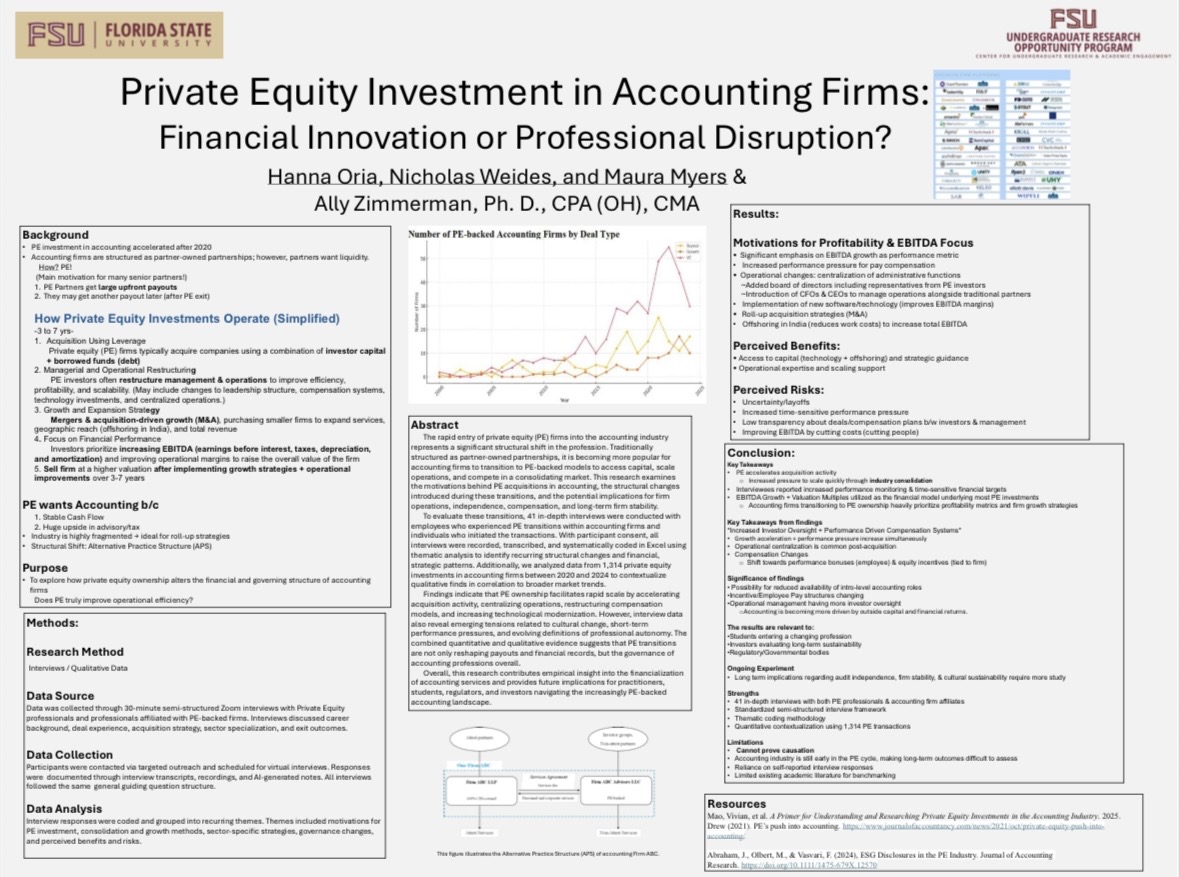
Private Equity Investment in Accounting Firms: Financial Innovation or Professional Disruption?
Authors: Hanna Oria, Ally Zimmerman, Ph. D., CPA (OH), CMAStudent Major: Accounting Major with a Minor in Political Science
Mentor: Ally Zimmerman, Ph. D., CPA (OH), CMA
Mentor's Department: Accounting Mentor's College: Herbert Wertheim College of Business Co-Presenters: Nicholas Weides and Maura Myers
Abstract
The rapid entry of private equity (PE) firms into the accounting industry represents a significant structural shift in the profession. Traditionally structured as partner-owned partnerships, it is becoming more popular for accounting firms to transition to PE-backed models to access capital, scale operations, and compete in a consolidating market. This research examines the motivations behind PE acquisitions in accounting, the structural changes introduced during these transitions, and the potential implications for firm operations, independence, compensation, and long-term firm stability.
To evaluate these transitions, 41 in-depth interviews were conducted with employees who experienced PE transitions within accounting firms and individuals who initiated the transactions. With participant consent, all interviews were recorded, transcribed, and systematically coded in Excel using thematic analysis to identify recurring structural changes and financial, strategic patterns. Additionally, we analyzed data from 1,314 private equity investments in accounting firms between 2020 and 2024 to contextualize qualitative finds in correlation to broader market trends.
Findings indicate that PE ownership facilitates rapid scale by accelerating acquisition activity, centralizing operations, restructuring compensation models, and increasing technological modernization. However, interview data also reveal emerging tensions related to cultural change, short-term performance pressures, and evolving definitions of professional autonomy. The combined quantitative and qualitative evidence suggests that PE transitions are not only reshaping payouts and financial records, but the governance of accounting professions overall.
Overall, this research contributes empirical insight into the financialization of accounting services and provides future implications for practitioners, students, regulators, and investors navigating the increasingly PE-backed accounting landscape.
Keywords: Private Equity, Accounting, Consolidation, CPA Firms, Audit, Tax, Debt, EBITDA,
26th annual Undergraduate Research Symposium, April 1, 2026
Arwa Gulzar Poster Session 2: 10:45 am - 11:45 am / Poster #154
BIO
Arwa Gulzar is a third-year senior at Florida State University pursuing a Bachelor of Science degree. She is actively engaged in undergraduate research and has presented her work at the Florida Undergraduate Research Conference at the University of North Florida as well as the Undergraduate Research Symposium at Florida State University.
Arwa has contributed to several research projects focused on health disparities and mental health. Her work includes “Examining the Associations of Positive Affect with Depression and Suicidality among Sexual and Gender Minority Older Adults,” as well as “Enhancing Inclusion in Clinical Trials: A Scoping Review of Strategies for LGBTQIA+ People and People Living with HIV.” Through these projects, she has gained experience in data analysis, research design, and communicating scientific findings.
In addition to her research involvement, Arwa serves as a UROP Leader in the Undergraduate Research Opportunity Program (UROP), where she teaches sections of the UROP class and supports first- and second-year students as they begin their research experiences. She also helps teach the UROP Leader Training course, helping prepare and guide new undergraduate research leaders.
After graduating in the summer, Arwa plans to pursue a Master’s degree in Data Analysis and Artificial Intelligence to further develop her skills in data-driven research and analysis. She ultimately plans to attend medical school with the goal of becoming a neurosurgeon
Demographic Differences in Artificial Intelligence Trust Scores in Novel Scale
Authors: Arwa Gulzar, Casey Xavier HallStudent Major: Pre-Clinical Professions
Mentor: Casey Xavier Hall
Mentor's Department: Center of Population Sciences for Health Empowerment Mentor's College: College of Nursing Co-Presenters:
Abstract
Artificial intelligence (AI) is increasingly integrated into healthcare and research settings, yet trust in AI systems may vary across demographic groups. Understanding the structure of AI trust is critical for equitable implementation. This study examined the latent dimensions of AI trust and their associations with demographic characteristics.
Online survey data were collected from 304 respondents; after removing duplicate cases and participants with missing demographic information, the final analytic sample included 271 individuals. The AI Trust questionnaire contained 18 Likert-type items, five dichotomous items, and open-ended responses. Due to highly unbalanced distributions, dichotomous items were excluded from exploratory factor analysis (EFA). Polychoric correlations were used to account for the ordinal nature of Likert responses. Sampling adequacy was excellent (KMO = 0.92), and Bartlett’s test of sphericity was significant (p < .001).
Parallel analysis and scree inspection supported a two-factor solution using principal axis factoring with promax rotation. The two correlated factors explained 53.6% of common variance and demonstrated strong internal consistency (α = 0.94 and α = 0.84). Regression analyses revealed significant differences in primary factor scores across sexual identity, gender identity, and age. Non-binary, transgender/other gender identity, queer, and “another” sexual identity participants reported lower trust compared to reference groups, while older adults reported higher trust.
These findings indicate that AI trust is multidimensional and demographically patterned, highlighting the need for inclusive and equity-informed AI deployment strategies.

Keywords: Artificial Intelligence (AI), Demographic Differences, Factor Analysis, Survey analysis
26th annual Undergraduate Research Symposium, April 1, 2026
Jared Sherman Poster Session 4: 3:00 pm - 4:00 pm / Poster #266
BIO
Jared is a Junior at Florida State University pursuing a double major with a Bachelor of Science in Real Estate and a Bachelor of Science in Finance.
Currently, Jared serves as a researcher, where he is investigating the effects of drastic impact fee increases on future development in Florida. In this project he will analyze how legislative shifts and fee hikes influence development trends. His leadership extends to his role as the VP of Professional Development for the Real Estate Society at FSU and his past experience as a Peer Instructor for the Engage100 program.
Jared's professional background includes an internship with the Lee County Department of Community Development, where he streamlines permitting processes and performs building code compliance reviews. An active ICSC Foundation member, he has completed several programs and is working towards his Real Estate Sales License. He aims to launch a career in commercial real estate development and investment, focusing on products that deliver long-term community impact.
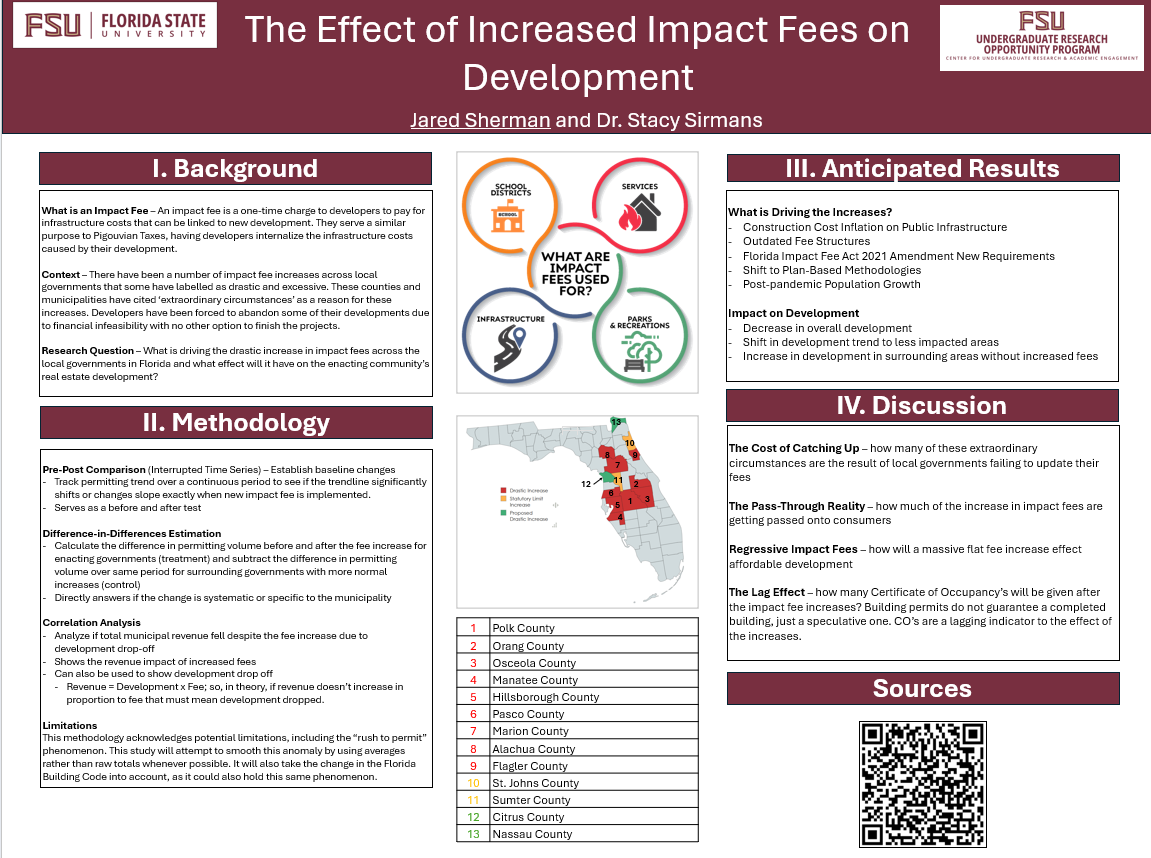
The Effect of Increased Impact Fees on Development
Authors: Jared Sherman, Stacy SirmansStudent Major: Real Estate, Finance
Mentor: Stacy Sirmans
Mentor's Department: Real Estate Mentor's College: Herbert Wertheim College of Business Co-Presenters:
Abstract
Since the passing of HB 337 in 2021, the local governments of Florida have had to show ‘extraordinary circumstances’ to increase their impact fees by more than 50%, with more municipalities using this claim to increase impact fees each year. This is concerning for a state like Florida that has been historically pro-development, as it could result in pushing away development from high-growth areas. This project investigates what is driving the drastic increase in impact fees across the local governments in Florida, and what effect will it have on the enacting community’s real estate development. By analyzing permitting data and municipal finance records, this study evaluates how sharp escalations in impact fees influence project viability, pace of new construction, and shifts in development trends. The anticipated results are that there will be a volume reduction and more development in surrounding communities, while increasing prices across the board due to it being more financially feasible to buy existing structures. This research will provide vital insights into the delicate balance between funding essential public services and maintaining a robust, accessible real estate development pipeline in Florida.
Keywords: Real Estate, Impact Fees, Development
26th annual Undergraduate Research Symposium, April 1, 2026
Riya Robin Poster Session 4: 3:00 pm - 4:00 pm / Poster #264
BIO
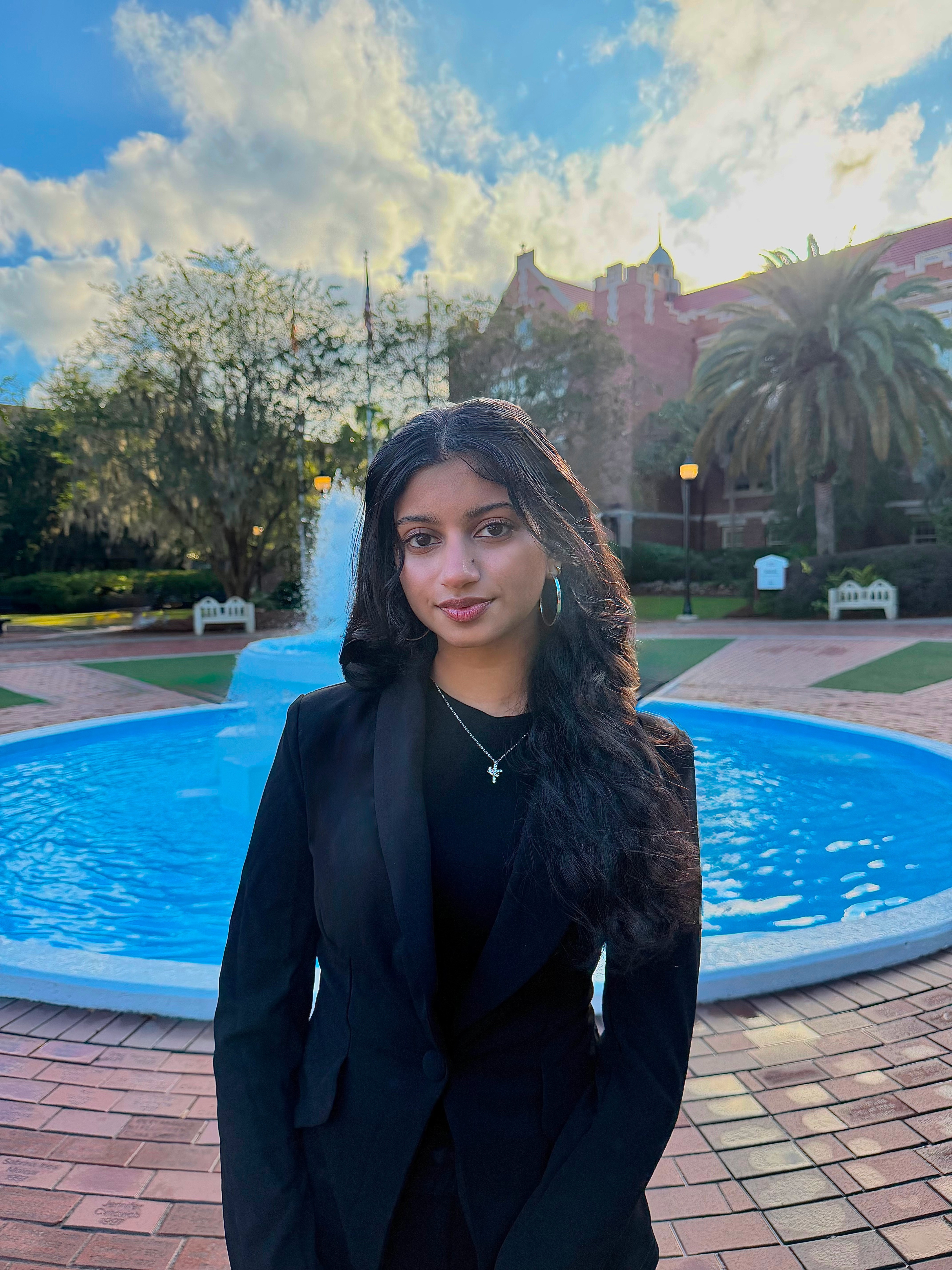
Riya Robin is a sophomore at Florida State University double majoring in Psychology and Public Health with a minor in Chemistry. As an Undergraduate Research Opportunity Program (UROP) scholar in Dr. Aaron Wilber’s lab, Riya studies spatial navigation and neural representations of space through electrophysiological methods in rodent models. Riya is passionate about psychology and neuroscience, and I am especially interested in learning how research can lead to stronger preventative health measures. Riya's goal is to contribute to discoveries that improve early intervention, reduce the long-term cost of care, and improve overall quality of life. Riya plans to attend medical school and pursue a career integrating research with clinical practice.
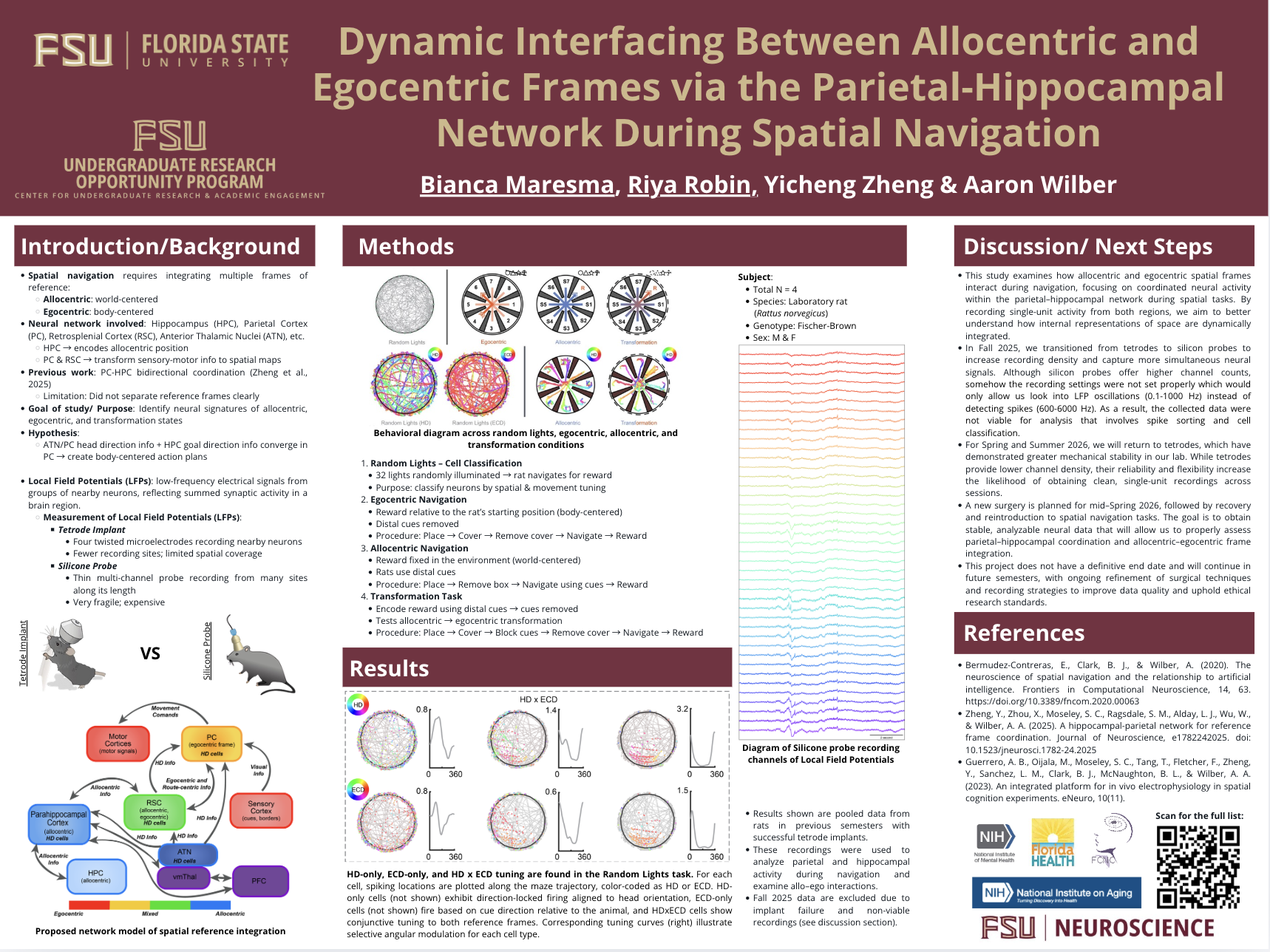
Dynamic Interfacing Between Allocentric and Egocentric Frames via the Parietal-Hippocampal Network During Spatial Navigation
Authors: Riya Robin, Aaron WilberStudent Major: Psychology, Public Health
Mentor: Aaron Wilber
Mentor's Department: Neuroscience Mentor's College: College of Arts and Sciences Co-Presenters: Bianca Maresma
Abstract
Spatial navigation deficits are an early and prominent feature of Alzheimer’s disease, yet the neural mechanisms underlying these impairments remain unclear. This project investigates how different spatial reference frames, including allocentric, egocentric, and transformations between them, are represented in the brain and how disruptions to these processes may contribute to spatial disorientation in neurodegenerative disease. Rats were trained on four navigation tasks designed to separate different aspects of spatial processing to investigate these systems.
Rats moved toward randomly lit signals in the Random Lights task to evaluate brain tuning across a range of movement parameters. In the egocentric task, when distal cues were unavailable, rats learnt a fixed movement path to a reward zone defined relative to their starting position. In the Allocentric challenge, rats used distal environmental cues to identify an unmarked reward zone. In the Transformation task, rats had to translate allocentric information into egocentric movement plans after initially encoding the reward location using distal cues that were subsequently hidden. To investigate how spatial
Information was encoded across various situations, and behavioral and neural data were collected while the task was being performed.
Preliminary findings suggest that distinct neural activity patterns are associated with each reference frame, with coordinated hippocampal and parietal activity playing a critical role in successful navigation. These results highlight the importance of reference frame coordination in spatial cognition and provide insight into mechanisms that may be disrupted in Alzheimer’s disease.
Keywords: Spatial Navigation; Local Field Potentials
26th annual Undergraduate Research Symposium, April 1, 2026
Stephanie Romero Poster Session 4: 3:00 pm - 4:00 pm / Poster #158
BIO
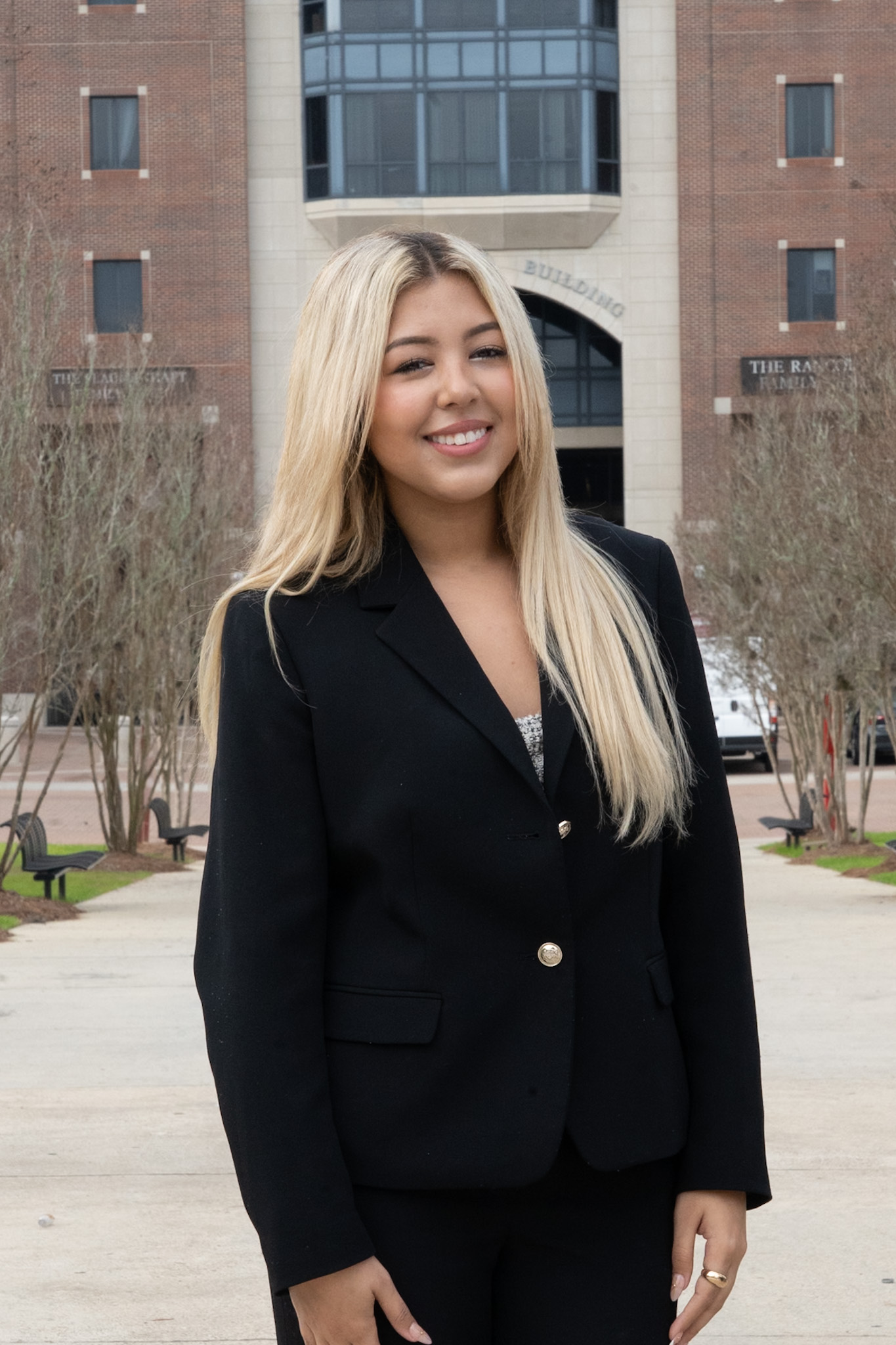
Stephanie Romero is a Finance major at Florida State University from Miami, Florida. She is particularly interested in exploring how academic experiences, internships, and personal background influence career success in business and finance. As an Undergraduate Research Assistant Stephanie works with faculty to analyze survey and financial data and study factors that influence career paths and professional growth. Through this research, Stephanie is gaining experience in organizing data, identifying trends, and understanding how different factors affect career outcomes. Stephanie hopes to build a career in finance while applying analytical and data-driven skills to make informed business decisions and contribute meaningfully to the industry.
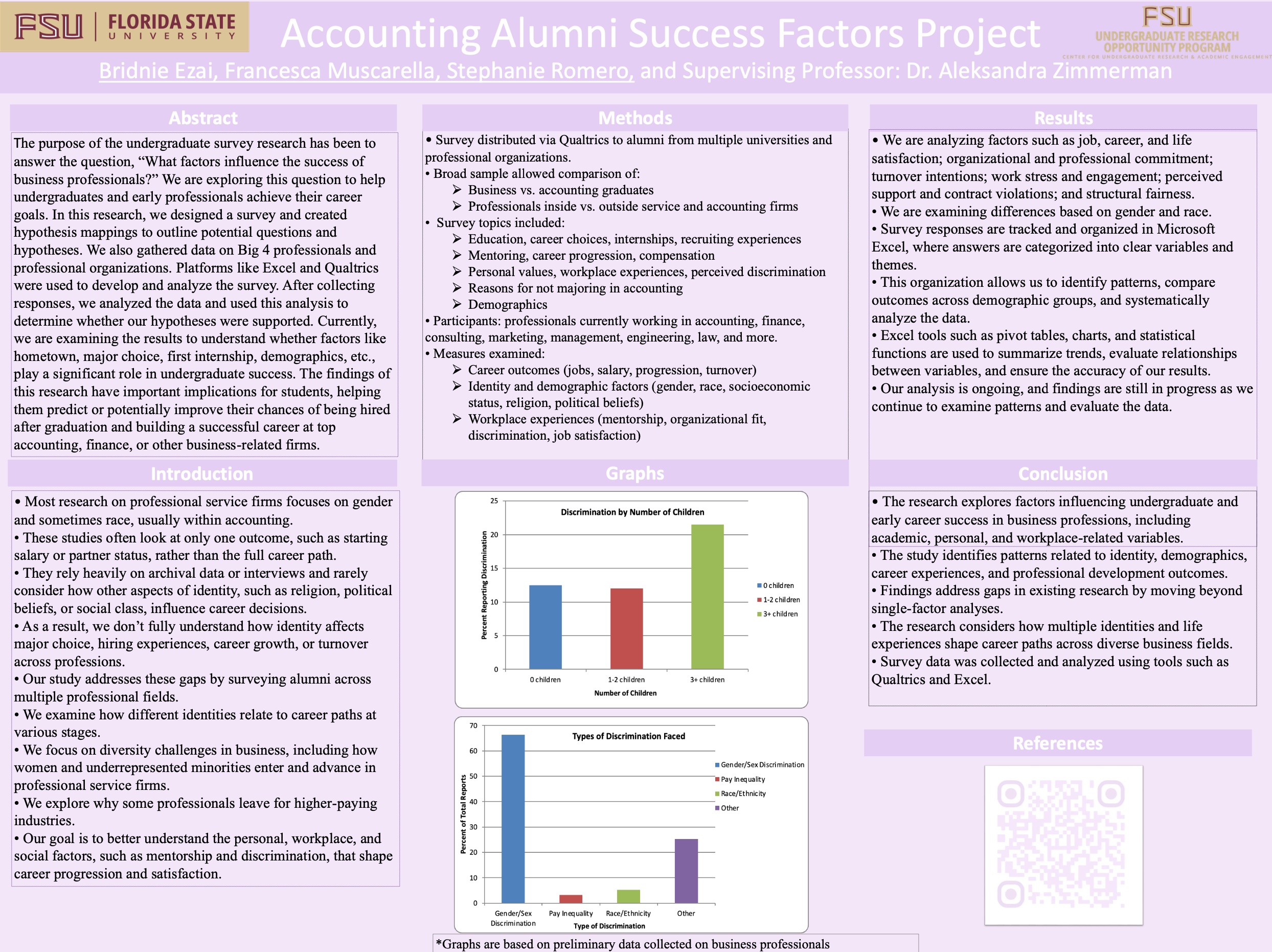
Accounting Alumni Success Factors Project
Authors: Stephanie Romero, Dr. Aleksandra ZimmermanStudent Major: Finance
Mentor: Dr. Aleksandra Zimmerman
Mentor's Department: Department of Accounting Mentor's College: College of Business Co-Presenters: Bridnie Ezai and Francesca Muscarella
Abstract
The purpose of the undergraduate survey research has been to
answer the question, “What factors influence the success of
business professionals?” We are exploring this question to help
undergraduates and early professionals achieve their career
goals. In this research, we designed a survey and created
hypothesis mappings to outline potential questions and
hypotheses. We also gathered data on Big 4 professionals and
professional organizations. Platforms like Excel and Qualtrics
were used to develop and analyze the survey. After collecting
responses, we analyzed the data and used this analysis to
determine whether our hypotheses were supported. Currently,
we are examining the results to understand whether factors like
hometown, major choice, first internship, demographics, etc.,
play a significant role in undergraduate success. The findings of
this research have important implications for students, helping
them predict or potentially improve their chances of being hired
after graduation and building a successful career at top
accounting, finance, or other business-related firms.
Keywords: Accounting, Career Pathways, Alumni
26th annual Undergraduate Research Symposium, April 1, 2026
Brittany Alvarado Poster Session 1: 9:30 am - 10:30 am / Poster #237
BIO
Brittany Alvarado is a second-year Applied Mathematics major at Florida State University, with a minor in Physics. As a first-generation college student, Brittany values finding mentorship and representation in spaces where she can contribute to work she is passionate about. Her laboratory coursework sparked a deep curiosity about the role of quantum behavior in matter and quantum computing. Through her academic experiences, she was introduced to the Hill Group’s research on qubit systems studied using EPR spectroscopy, which further strengthened her interest in experimental quantum science. Brittany is eager to explore spin–spin relaxation and quantum materials, and contributing to the development of emerging quantum technologies. She plans to pursue a career in the quantum technology sector while continuing to engage in research. Beyond academics, she brings strong problem-solving and analytical skills from managing her own videography business. In her free time, she enjoys photography, hiking, and participating in fitness clubs.
Exploring Qubit Dynamics via Electron Paramagnetic Resonance Spectroscopy
Authors: Brittany Alvarado, Dr. Kavipriya ThangavelStudent Major: Applied Mathematics
Mentor: Dr. Kavipriya Thangavel
Mentor's Department: Department of Condensed Matter Science Mentor's College: Natl High Magnetic Field Lab Co-Presenters: Noah Frank
Abstract
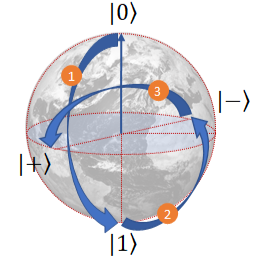
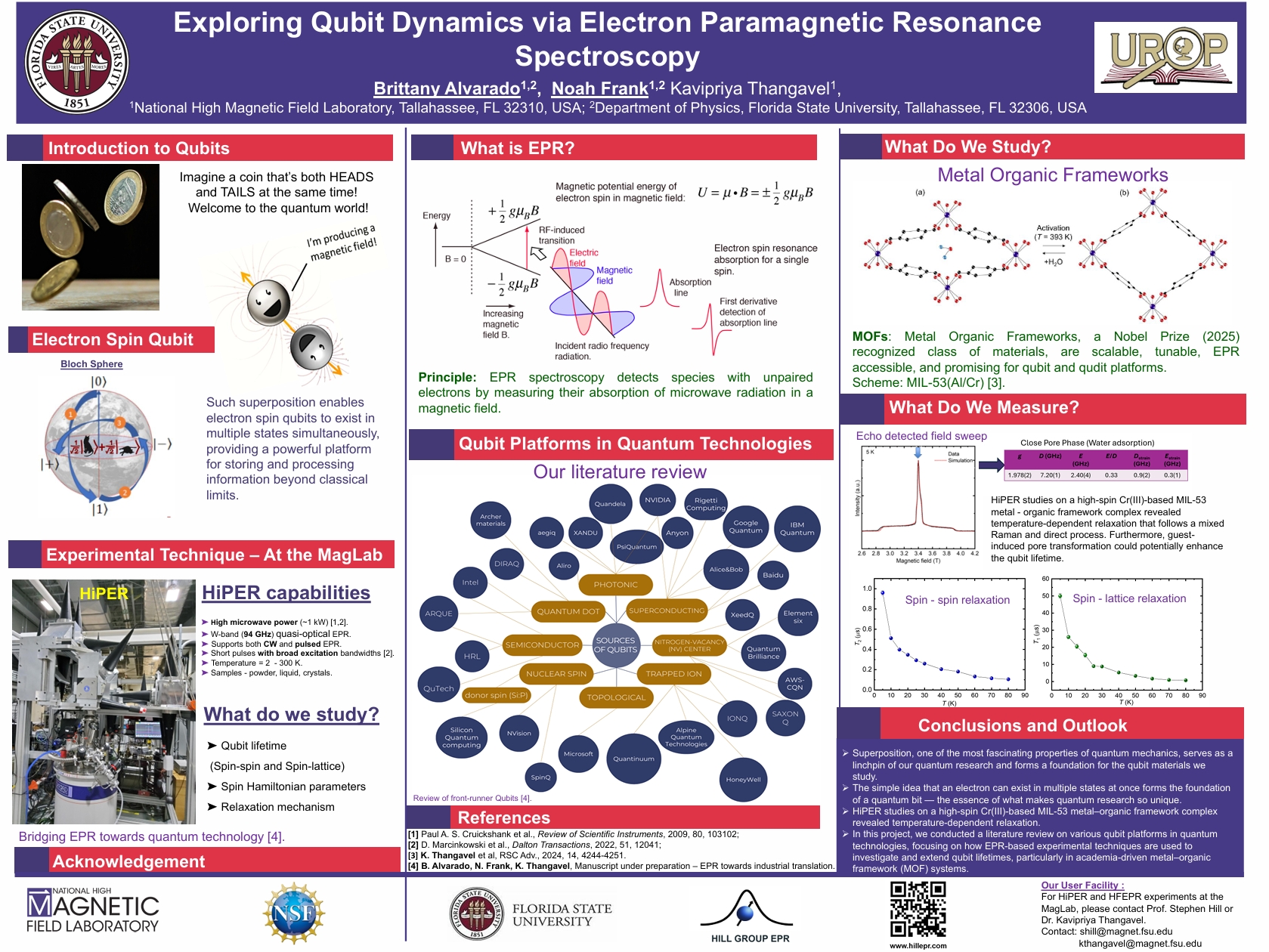
he intrinsic spin of an electron generates a magnetic dipole moment, in which it interacts with an external magnetic field. This is the fundamental property that allows spin-based qubits. We achieve a level of coherent control in single molecular magnets, with ligands tuning its magnetic environment for quantum memory. Electron Paramagnetic Resonance (EPR) spectroscopy provides a direct probe of unpaired electron spins, making it uniquely suited for identifying, characterizing, and understanding electron spin - based qubit platforms, as well as their relaxation mechanisms, pathways, and associated intricacies. EPR enables the direct extraction of key spin-Hamiltonian parameters and coherence metrics, such as spin–lattice relaxation times (T1) and coherence time (T2). Coherent spin control is demonstrated through Rabi pulse sequences analyzed from a "rotating frame" that moves with the spin so that we may extract results clearer. Echo sequences and field sweep measurements evaluate coherence and local geometric and electronic environments. This research is investigating the quantum effects and a means to store information at the molecular level. Metal-organic frameworks provide a tunable and scalable environment for molecular qubits. This research is used for guiding the optimization of molecular design strategies aimed at achieving extended quantum coherence lifetimes. There is a direct translation of the industrial relevance of EPR for qubit development and highlights MOF-based qubits as a promising future platform for quantum technologies. This can be used in logic gates, long range communications, other sensing applications.
Keywords: Physics, Condensed Matter, Quantum
26th annual Undergraduate Research Symposium, April 1, 2026
Francesco Nicolucci Poster Session 2: 10:45 am - 11:45 am / Poster #231
BIO
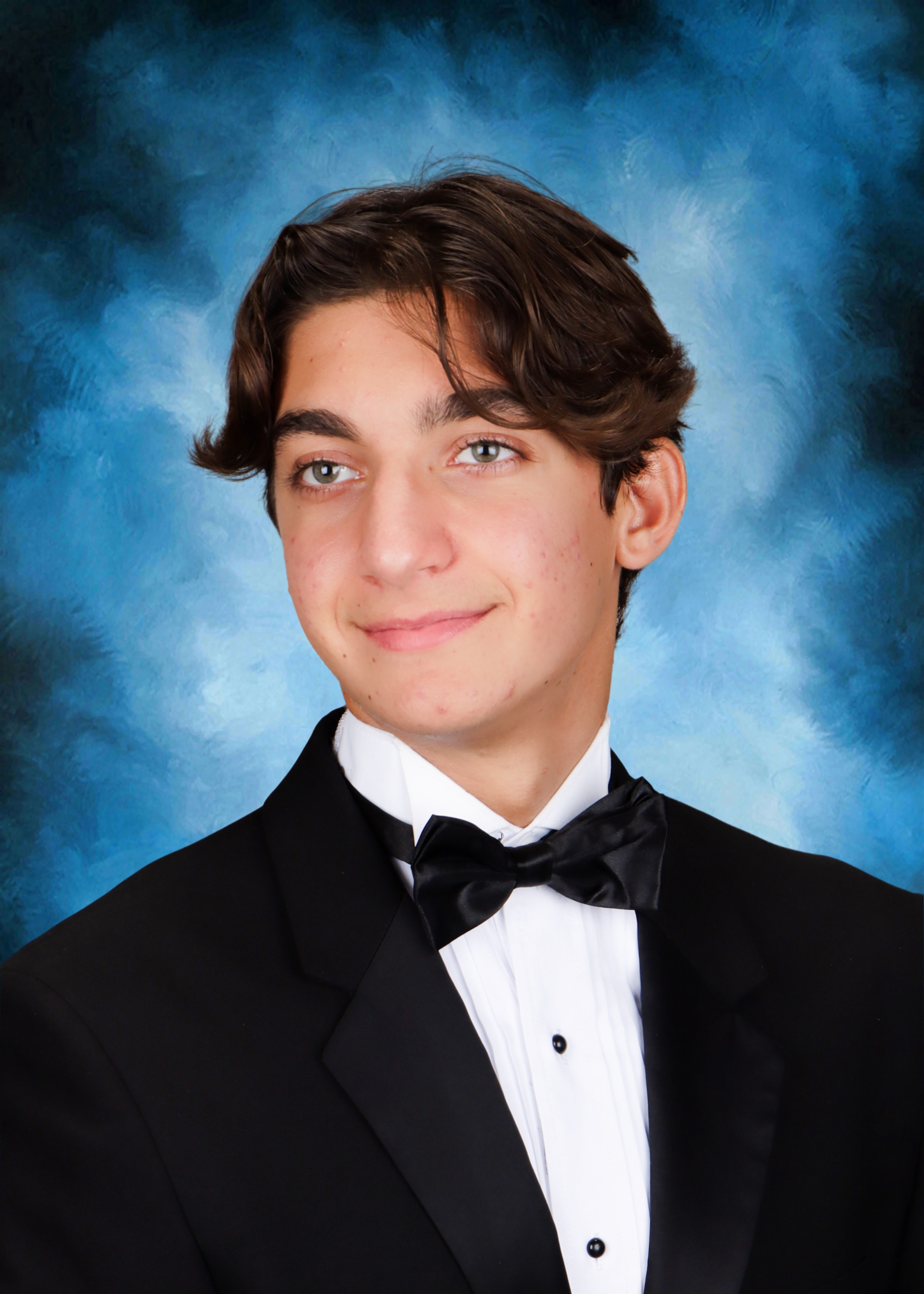
Francesco Nicolucci, a freshman majoring in Biochemistry, is pursuing a degree in the Bachelor of Science in Biochemistry. He plans to engage more with research throughout his college experience, and is seeking a post-grad career in the medical field.
Searching for Regions Under Selection in Turkeys with Different Levels of Human Association
Authors: Francesco Nicolucci, Dr. Amanda BeckmanStudent Major: Biochemistry
Mentor: Dr. Amanda Beckman
Mentor's Department: Arts and Sciences Mentor's College: Biological Sciences Co-Presenters:
Abstract
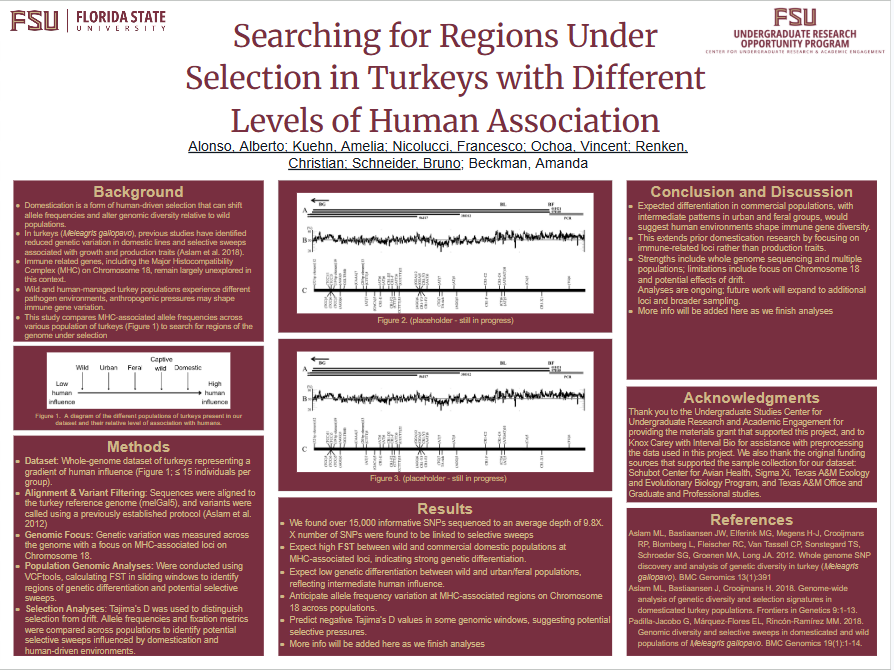
Domestication exposes animals to a variety of novel environments, including differences in the diseases they encounter. Studying the evolutionary processes involved in domestication is important as many modern wild animals are experiencing some degree of pressure to adapt to human-dominated landscapes. Major histocompatibility complex (MHC) genes must rapidly evolve as they play an important role in immune responses and are shaped by pathogen exposure. This project investigated selection in wild versus domesticated turkeys (Meleagris gallopavo) and whether the amount of human interaction influences allele frequencies. We used a Whole Genome Sequencing (WGS) dataset of turkeys that experienced different levels of human association (wild, urban, feral, backyard domestic, and commercial domestic populations). After identifying genetic variants, we used VCFtools to analyze allele frequencies on Chromosome 18. We used FST, a measure of population differentiation, to identify regions with the greatest divergence. We expect differences in MHC-related allele frequencies between domesticated and wild turkeys, suggesting human environments influence immune-related genetic variation. Identifying these regions may highlight genomic regions shaped by selection. Overall, this project helps explain how domestication affects immune gene diversity. Future research could analyze additional turkey populations from different environments and examine allele frequencies on other chromosomes. Further work could also explore genomic differences in other domesticated avian species to better understand the impact of domestication on immune responses.
Keywords: Genetics, Genome, Biology, Microbiology, Domestication
26th annual Undergraduate Research Symposium, April 1, 2026
Grace Quam Poster Session 1: 9:30 am - 10:30 am / Poster #3
BIO
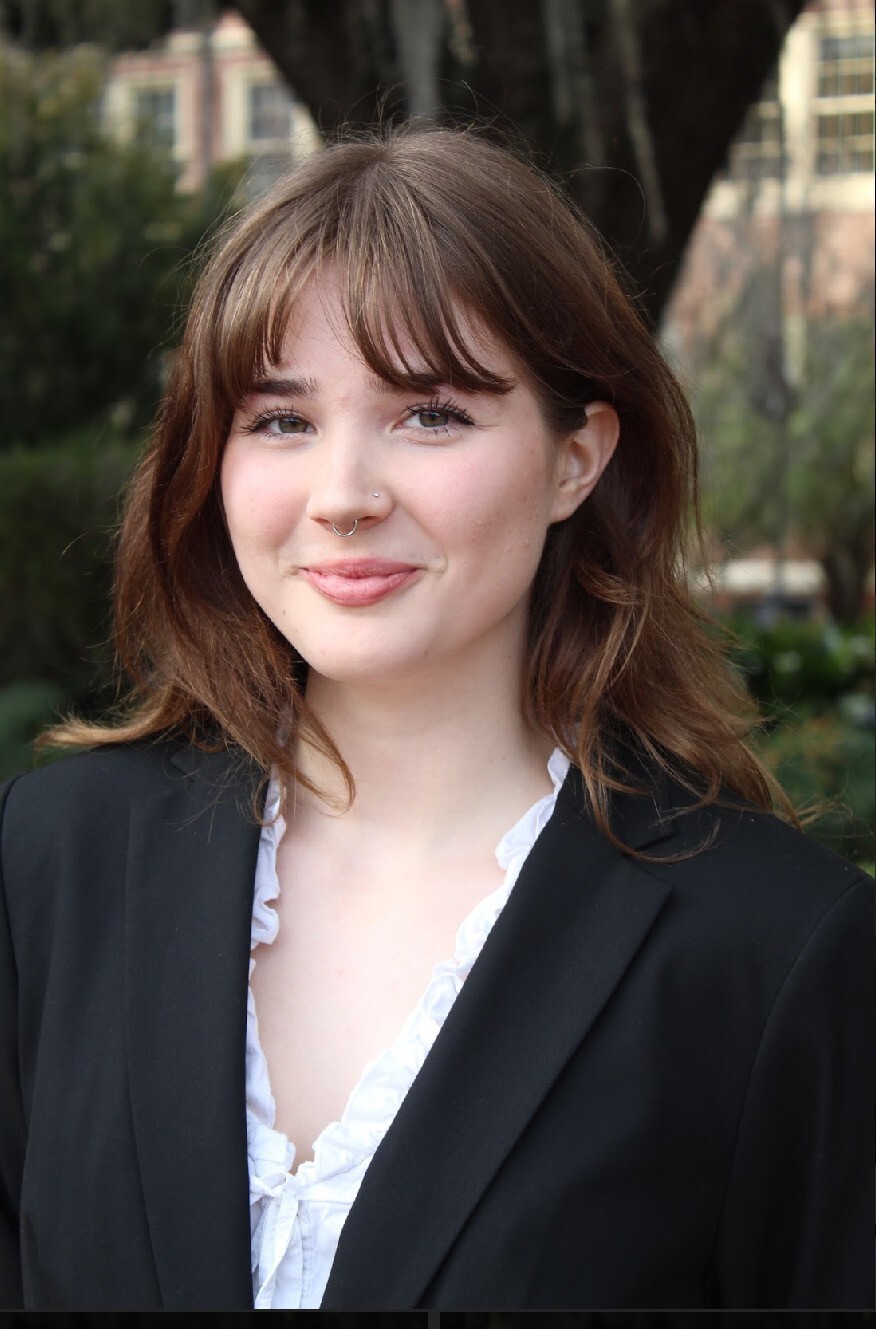
Grace is completing her 4th year at Florida State University, and will earn her Bachelor of Social Work (BSW) in Spring 2026. She has collaborated with the FSU Center for Couple and Family Therapy and the FSU Department of Human Development and Family Sciences to support research on parenting, relationships, and trauma-informed care. She is eager to begin her Master of Social Work (MSW) program at FSU in the Fall and aims to become a Licensed Clinical Social Worker.
Breaking the Cycle: A Qualitative Study on ACEs and Co-Parenting Dynamics
Authors: Grace Quam, Dylann LoweryStudent Major: Social Work
Mentor: Dylann Lowery
Mentor's Department: Department of Human Development and Family Sciences Mentor's College: Anne Spencer Daves College of Education, Health, and Human Sciences Co-Presenters: Alexis Fischer
Abstract
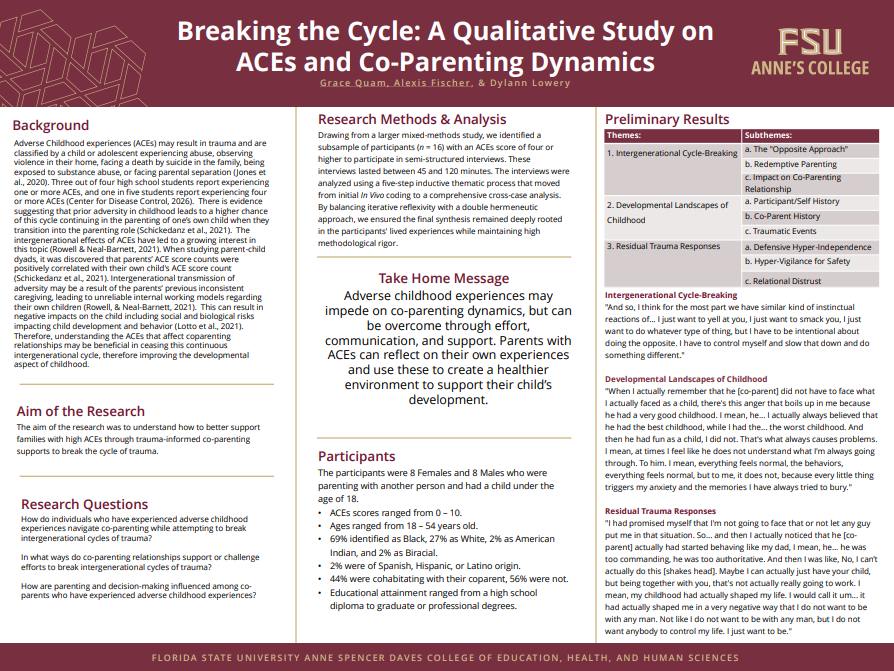
This study presents Phase 2 of an explanatory sequential mixed-methods project investigating how clinically severe Adverse Childhood Experiences (ACEs) shape contemporary co-parenting relationships. Through purposeful subsample recruitment, we identified and interviewed 16 participants (n = 16) who reported an ACE score of 4 or higher. The final subsample was diverse, including 56% identifying as Black or African American, and represented various cohabitation and educational backgrounds.
Our research team employed a five-step inductive thematic analysis. We used In Vivo and axial coding to preserve participants’ voices while identifying core categories across the data. To ensure analytic rigor, we implemented an interactive intercoder agreement session and reflexivity memos. Within- and cross-case analyses further contextualized how individual trauma histories manifested as specific intergenerational implications.
A central theme was Intergenerational Cycle Breaking, with subthemes of The “Opposite Approach,” Redemptive Parenting, and the Impact on the Co-Parenting relationship. These preliminary findings highlight how survivors of childhood trauma and their co-parents navigate the tension between past experiences and present parenting goals. This research provides a roadmap for clinicians to support families with high ACEs better and informs family policies for the need for trauma-informed co-parenting supports. Breaking the cycle of trauma requires more than individual healing; it demands co-parenting environments that transform past trauma into relational resilience through targeted systemic support.
Keywords: Co-parenting, Adverse Childhood Experiences, Intergenerational cycle-breaking
26th annual Undergraduate Research Symposium, April 1, 2026
Evangelia Gianino Poster Session 1: 9:30 am - 10:30 am / Poster #104

BIO
My name is Eva Gianino and I am an undergraduate student at Florida State University with research interests in psychology and medical research. My current research explores how reflecting on Family of Origin experiences can promote Earned Secure Attachment by helping individuals develop greater insight and integration of early caregiving relationships. I am originally from St. Louis, Missouri and plan to pursue a career in medicine while continuing to engage in research that bridges psychological and medical perspectives on mental health. Through both research and clinical work, I hope to better understand how early life experiences shape emotional well-being and to contribute to improved approaches to mental health care.
How Does Mentalization Promote Secure Attachment? A Qualitative Exploration of a Chinese Adult's Experience
Authors: Evangelia Gianino, Yinan LiStudent Major: Biological Sciences
Mentor: Yinan Li
Mentor's Department: Human Development and Family Science Mentor's College: Anne Spencer Daves College of Education, Health, and Human Sciences Co-Presenters: Shayna Slatkin
Abstract
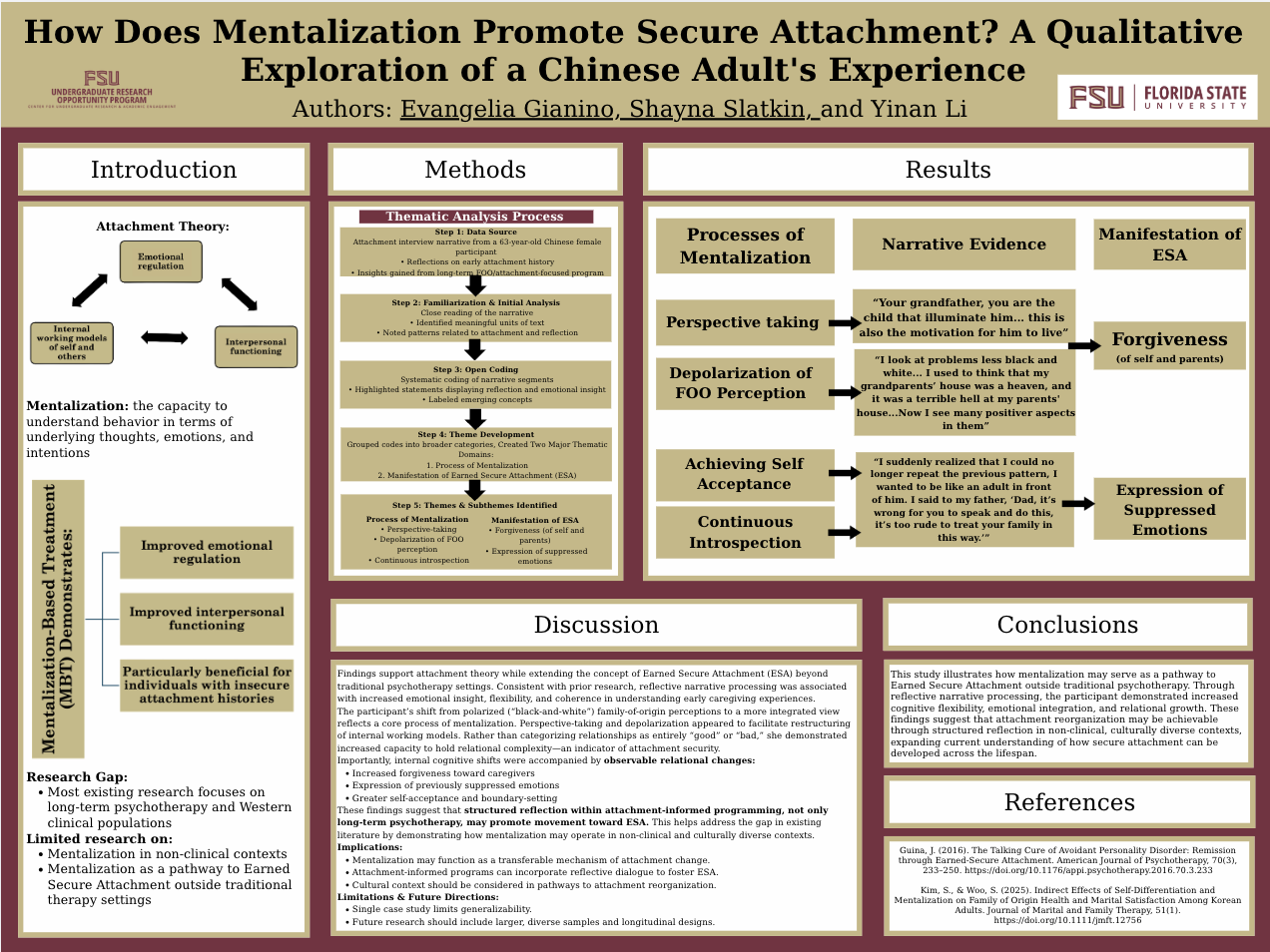
Earned Secure Attachment (ESA) challenges the idea that early insecure attachment patterns remain fixed throughout life by suggesting that attachment can change over time. One pathway that may support this change is mentalization, or the ability to understand behavior in terms of thoughts, feelings, and intentions. Much of the existing research on this process has focused on adults in long term psychotherapy and has been conducted primarily within Western, Educated, Industrialized, Rich, and Democratic (WEIRD) populations. Less is known about how mentalization may operate in non clinical settings or in non WEIRD cultural contexts. This qualitative study explores how mentalization may function as a pathway toward ESA outside traditional therapy by analyzing the attachment narrative of a 63 year old Chinese woman who participated in a long term Family of Origin and attachment focused program. Using thematic analysis, we identified themes related to the development of mentalization, including perspective taking, reinterpretation of parental behavior, and emotional insight, as well as manifestations of ESA such as self compassion, self acceptance, and positive changes in family relationships. These findings contribute to a broader understanding of how mentalization may support attachment change and highlight the potential for culturally responsive attachment informed programs outside traditional clinical settings.
Keywords: Mentalization, Family of Origin, Earned Secure Attachment
26th annual Undergraduate Research Symposium, April 1, 2026
Davisha Hardy Poster Session 2: 10:45 am - 11:45 am / Poster #189
BIO
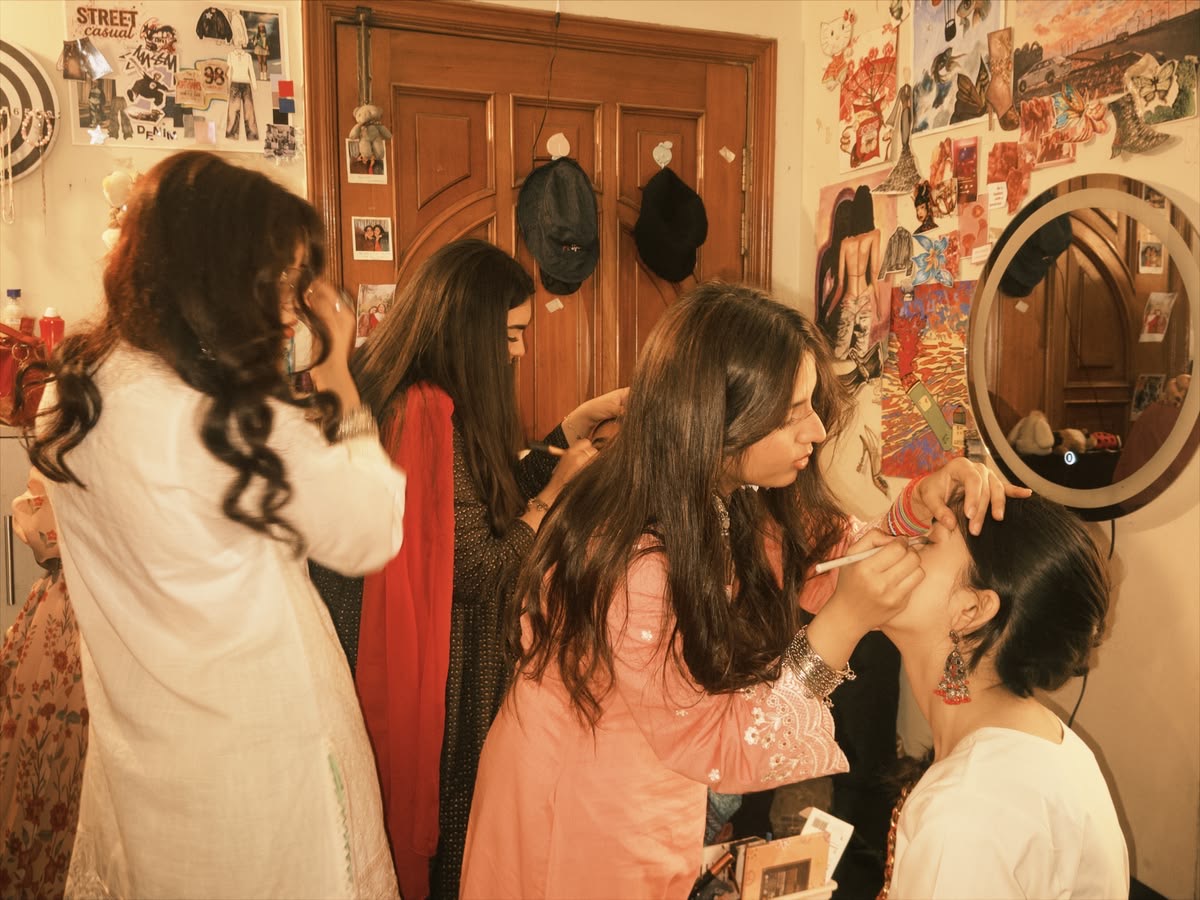
Davisha Hardy is a third-year student from Palmetto, Florida, majoring in International Affairs with a minor in Entrepreneurship. After obtaining her Bachelor of Arts, Davisha would like to continue pursuing higher education and entrepreneurial endeavors.
The Characterization of Female Characters in Female-Directed Bollywood Films
Authors: Davisha Hardy, Dr. Rebecca PetersStudent Major: International Affairs
Mentor: Dr. Rebecca Peters
Mentor's Department: Department of Religion Mentor's College: College of Arts and Sciences Co-Presenters: Eleanor Kirsch
Abstract
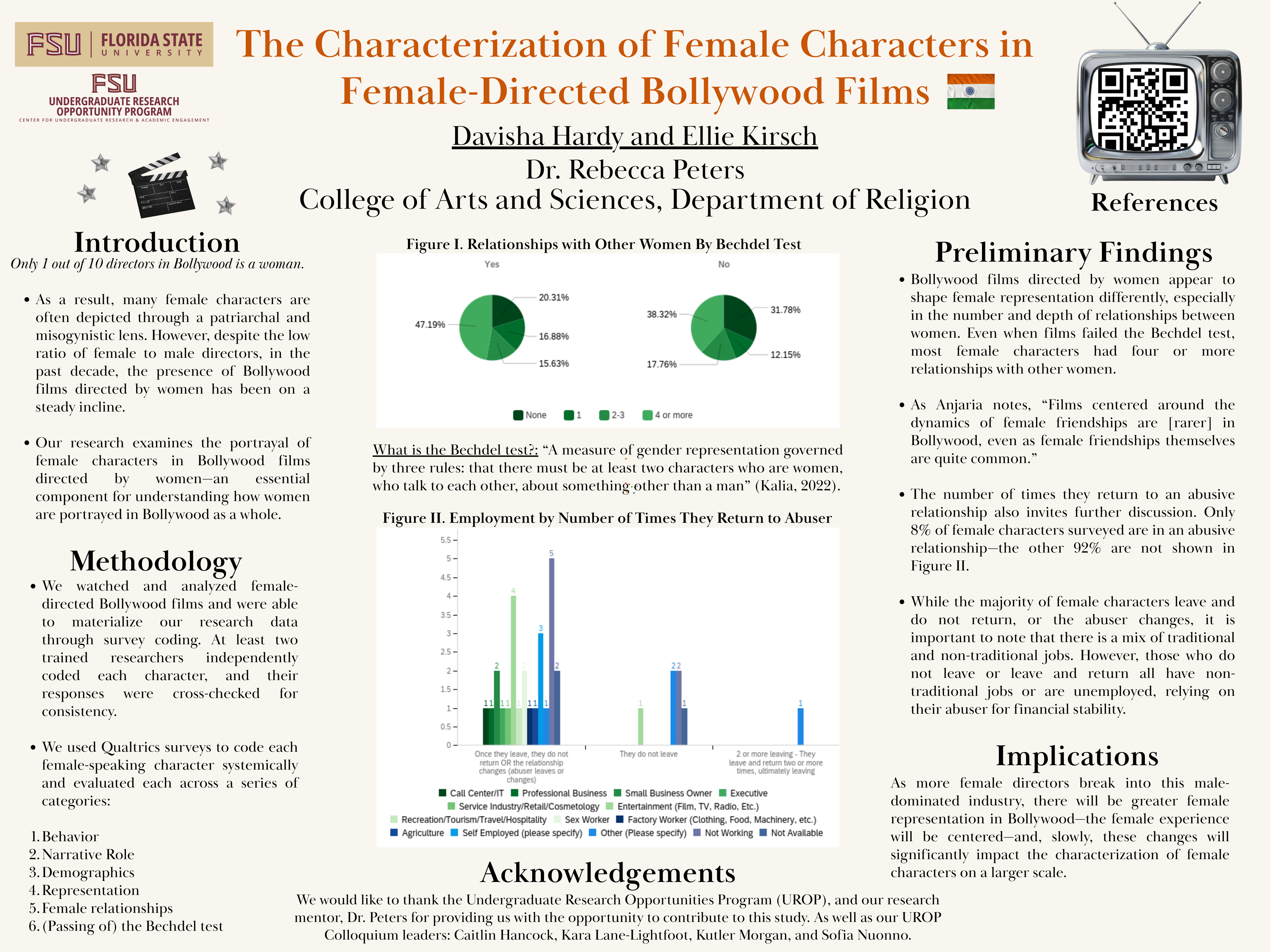
While women make up over half of the global population, they remain significantly outnumbered behind the camera—only 1 out of 10 directors in Bollywood is a woman. As a result, many female characters are often depicted through a patriarchal and misogynistic lens. However, despite the low ratio of female to male directors, in the past decade, the presence of Bollywood films directed by women has been on a steady incline.
Our research examines the portrayal of female characters in Bollywood films directed by women, an essential component to revealing how women are portrayed in Bollywood as a whole. We watched and analyzed female-directed Bollywood films and used survey coding to materialize our research data. We used Qualtrics surveys to code each female-speaking character systemically and evaluated each across a series of categories, including demographics, representation, behavior, female relationships, and role. In addition to this, we assessed if each film passed the Bechdel test, “a measure of gender representation governed by three rules: that there must be at least two characters who are women, who talk to each other, about something other than a man” (Kalia, 2022). At least two trained researchers independently coded each character, and their responses were cross-checked for consistency.
Our preliminary findings suggest that Bollywood films directed by women can influence how female characters are portrayed on the big screen, which can contribute to how women are viewed in Indian society.
Keywords: Bollywood, Hinduism
26th annual Undergraduate Research Symposium, April 1, 2026
Kenneth Withers Poster Session 3: 1:45 pm - 2:45 pm / Poster #177
BIO
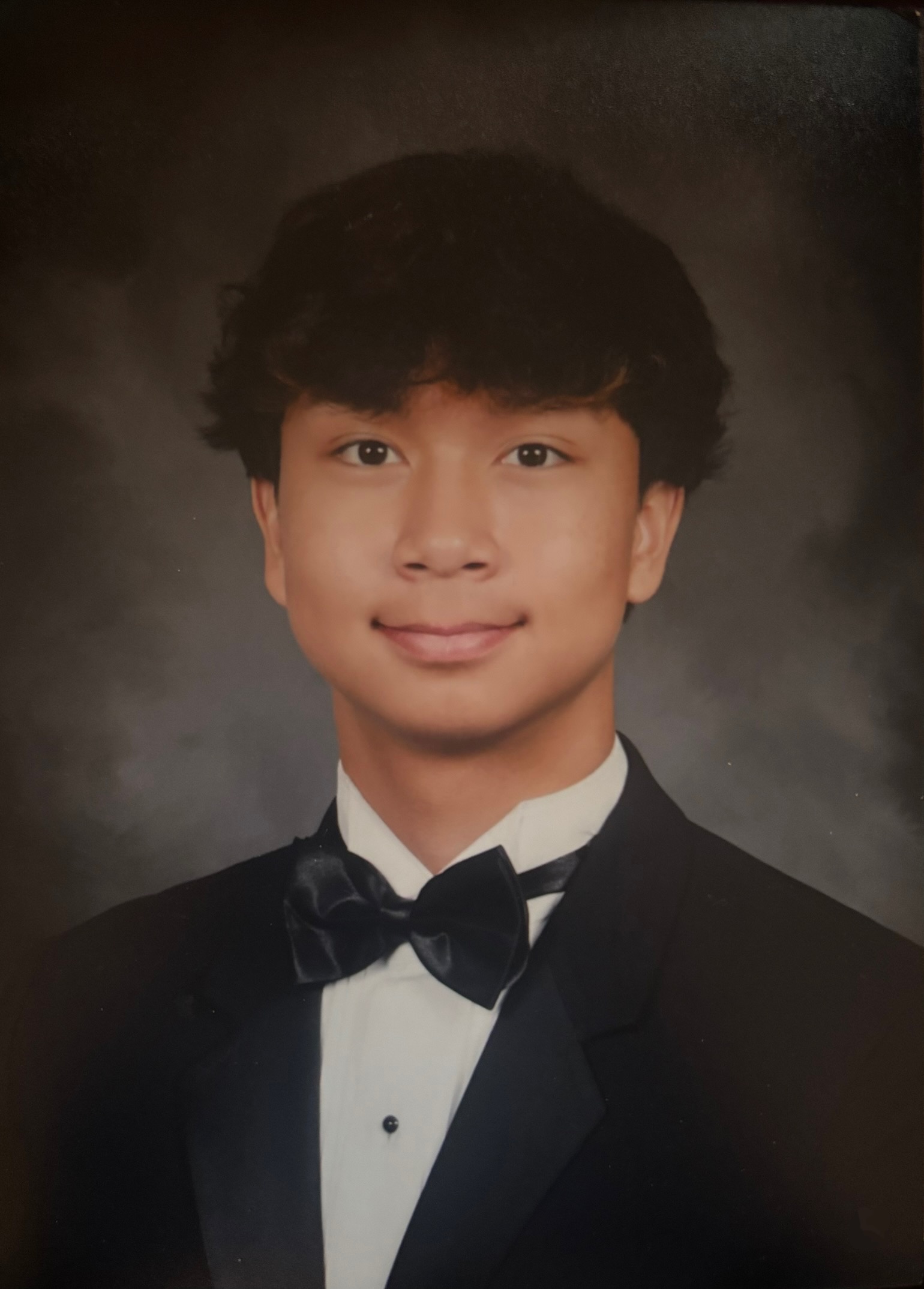
Kenneth Withers is a freshman at Florida State University pursuing a Bachelor of Science in Computational Biology. His academic interests focus on the intersection of biology, technology, and data analysis, particularly how computational tools can be used to analyze complex biological systems and improve human health. At Florida State, he is involved in undergraduate research through UROP, where he studies how horror video games influence cognitive engagement using the Elaboration Likelihood Model (ELM). Through this research experience, Kenneth has developed skills in research design, coding frameworks, and data analysis. After completing his undergraduate degree, he plans to attend medical school and pursue a career as a physician, where he hopes to integrate computational approaches with clinical practice to improve diagnostics, treatment strategies, and patient care.
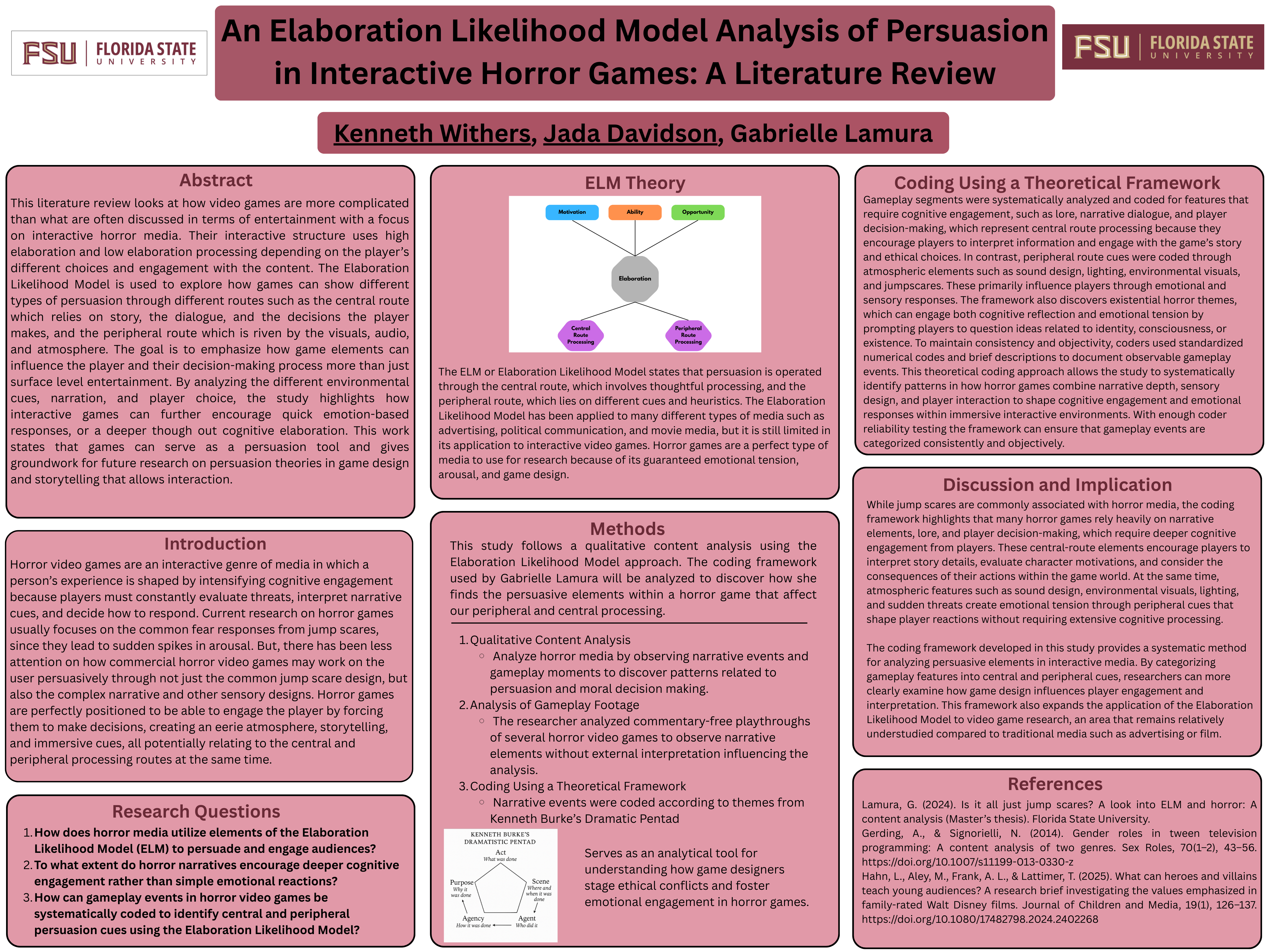
An Elaboration Likelihood Model Analysis of Persuasion in Interactive Horror Games: A Literature Review
Authors: Kenneth Withers, Gabrielle LamuraStudent Major: Computational Biology
Mentor: Gabrielle Lamura
Mentor's Department: School of Communication Mentor's College: College of Communication and Information Co-Presenters: Jada Davidson
Abstract
This literature review looks at how video games are more complicated than what are often discussed in terms of entertainment with a focus on interactive horror media. Their interactive structure uses high elaboration and low elaboration processing depending on the player’s different choices and engagement with the content. The Elaboration Likelihood Model is used to explore how games can show different types of persuasion through different routes such as the central route which relies on story, the dialogue, and the decisions the player makes, and the peripheral route which is riven by the visuals, audio, and atmosphere. The goal is to emphasize how game elements can influence the player and their decision-making process more than just surface level entertainment. By analyzing the different environmental cues, narration, and player choice, the study highlights how interactive games can further encourage quick emotion-based responses, or a deeper though out cognitive elaboration. This work states that games can serve as a persuasion tool and gives groundwork for future research on persuasion theories in game design and storytelling that allows interaction.
Keywords: Communication, Media Psychology, Video Games
26th annual Undergraduate Research Symposium, April 1, 2026
Allison Casanova Poster Session 1: 9:30 am - 10:30 am / Poster #77
BIO
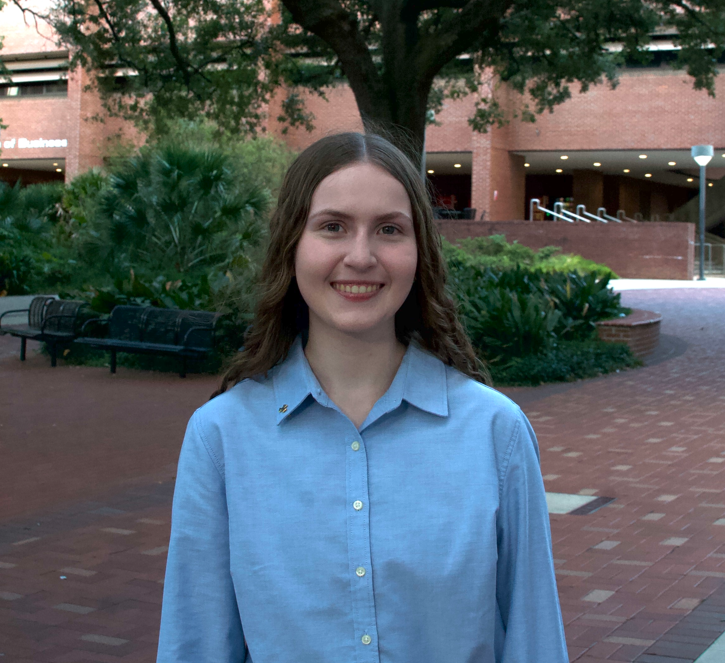
Allison is a sophomore at Florida State University majoring in Chemical Engineering. They were born and raised in Miami, Florida. Allison’s current research focuses on superconducting materials, which is critical for many technologies such as MRIs and fusion energy reactors. Outside of research, Allison enjoys being involved in community service and the American Institute of Chemical Engineers (AICHE). After graduation, Allison looks forward to developing their skills and applying their background in chemical engineering to solve practical problems.
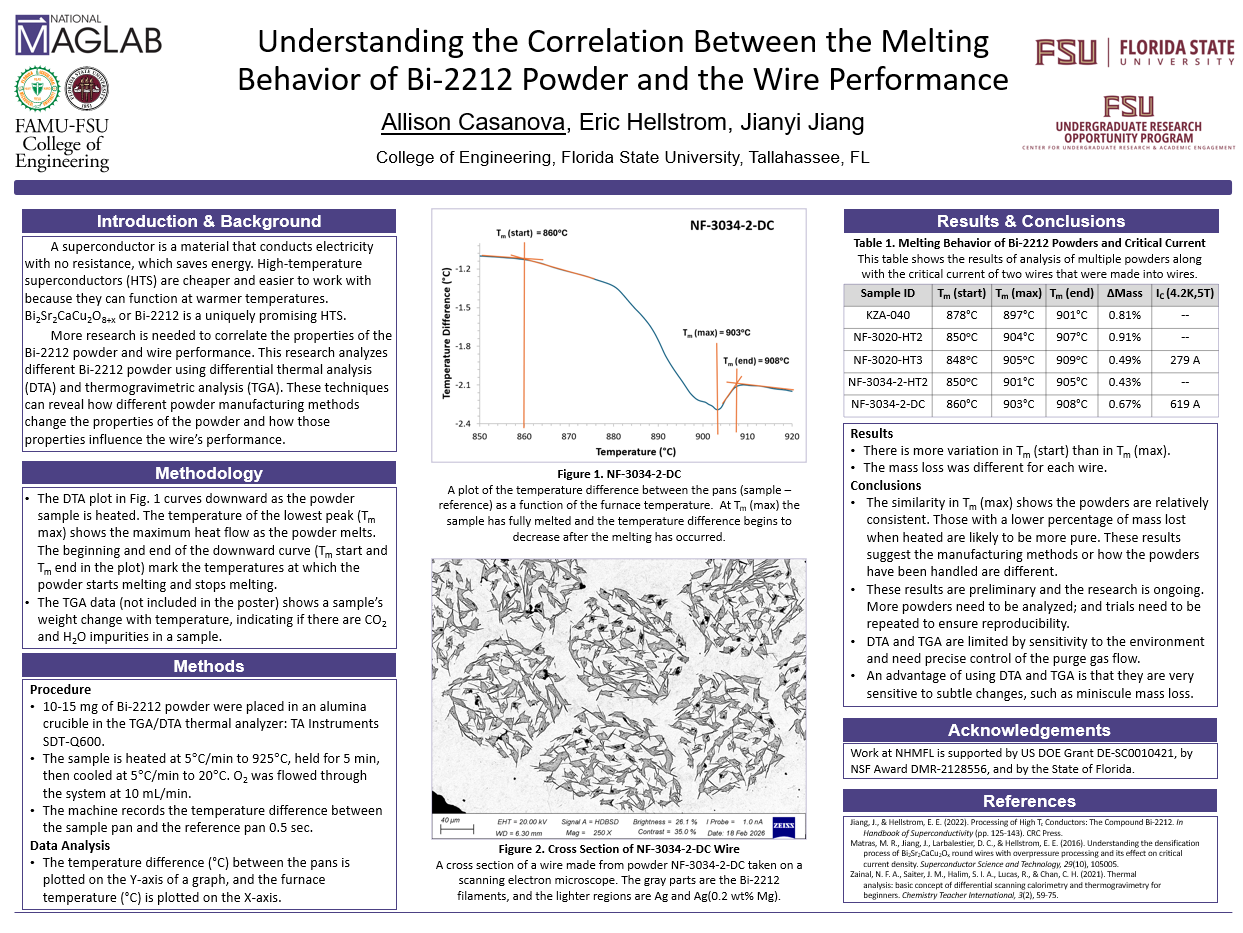
Understanding the Correlation Between the Melting Behavior of Bi-2212 Powder and the Wire Performance
Authors: Allison Casanova, Eric HellstromStudent Major: Chemical Engineering
Mentor: Eric Hellstrom
Mentor's Department: Mechanical Engineering Mentor's College: College of Engineering Co-Presenters:
Abstract
Superconductors are materials that conduct electricity with zero resistance and expel magnetic fields. If superconductors were universally applicable, it would revolutionize modern technology, particularly in MRIs and particle accelerators. However, most superconducting materials require extreme cooling, usually below -269°C. But high-temperature superconductors (HTS) can function at higher temperatures, like below -196°C, which is cheaper and easier to work with. Bismuth-2212 is an HTS material. It is unique because it is the only HTS material that can be manufactured into a round wire shape, and it does not rely on scarce and expensive rare-earth elements like many other HTS materials. Despite being a promising HTS, the performance still needs to improve. Many characteristics of Bi-2212 wires are being investigated to find ways to improve it. However, more research is needed on the Bi-2212 powder itself. This research seeks to investigate the properties of the powder itself, before being manufactured into a wire. In this study, the powder is investigated through differential thermal analysis (DTA) and thermogravimetric analysis (TGA). This provides thermal characterization data, such as the melting point and crystallization temperature. This can explain how the powders’ properties can be used to optimize the manufacturing process and provide insight on the powder quality. Some powder varieties have been tested and shown different characteristics, indicating some are more pure than others. However, many powder variants still need to be explored. Through revealing thermal characteristics and powder composition, the Bi-2212 wire manufacturing process can be improved, progressing towards applications in high-field magnets.
Keywords: Superconductivity, Magnets, Materials Science, Heat Treatment
26th annual Undergraduate Research Symposium, April 1, 2026
Isabelle Schenck Poster Session 4: 3:00 pm - 4:00 pm / Poster #282
BIO
Isabelle is from Tampa, Florida, and is a sophomore at Florida State University, where she majors in History. She plans to attend law school after graduation.
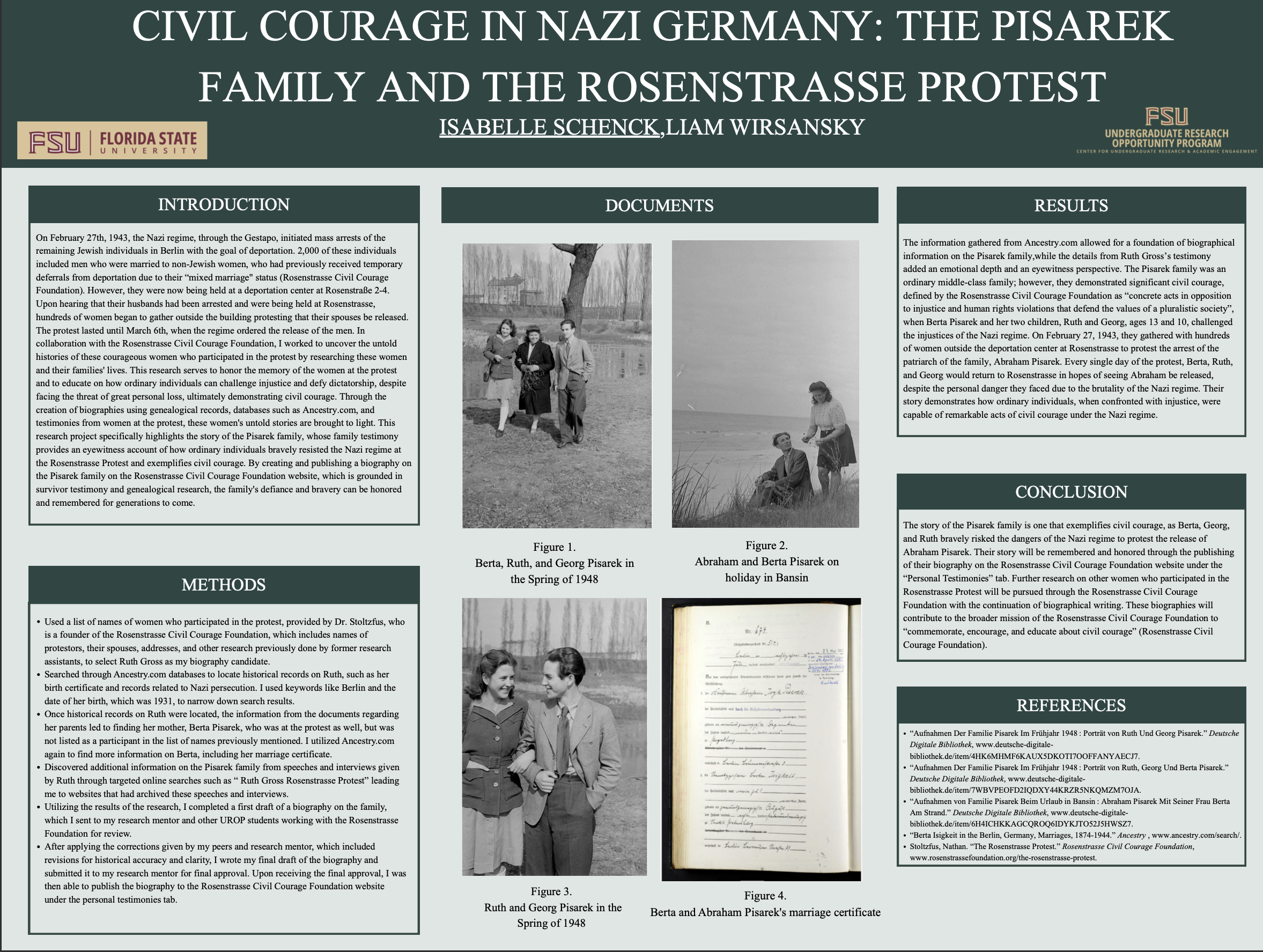
Civil Courage in Nazi Germany: The Pisarek Family and The Rosenstrasse Protest
Authors: Isabelle Schenck, Liam WirsanskyStudent Major: History
Mentor: Liam Wirsansky
Mentor's Department: History Mentor's College: Florida State University Co-Presenters:
Abstract
On February 27th, 1943, the Nazi regime initiated mass arrests of the remaining Jewish individuals in Berlin with the goal of deportation. 2,000 of these individuals included men who were married to non-Jewish women, who had received deferrals from deportation due to their “mixed marriage" status (Rosenstrasse Civil Courage Foundation). However, they were now being held at a deportation center at Rosenstrasse. Upon hearing that their husbands were being held at Rosenstrasse, hundreds of women began to gather outside the building protesting that their spouses be released. The protest lasted until March 6th, when the regime ordered the release of the men. In collaboration with the Rosenstrasse Civil Courage Foundation, I worked to uncover the histories of these courageous women who participated in the protest by researching these women and their families' lives. This research serves to honor the women at the protest and to educate on how ordinary individuals can challenge injustice and defy dictatorship, ultimately demonstrating civil courage. Through creating biographies using genealogical records, Ancestry.com, and testimonies from women at the protest, these women's stories are brought to light. This research project specifically highlights the Pisarek family, whose family testimony provides an eyewitness account of how ordinary individuals bravely resisted the Nazi regime at the Rosenstrasse Protest and exemplifies civil courage. By creating and publishing a biography on the Pisarek family on the Rosenstrasse Civil Courage Foundation website, which is grounded in survivor testimony and genealogical research, their defiance and bravery can be honored and remembered.
Keywords: Rosenstrasse, History, WWII
26th annual Undergraduate Research Symposium, April 1, 2026
Angelina Files Poster Session 1: 9:30 am - 10:30 am / Poster #93

BIO
Angelina Files is a junior pursuing a Bachelor of Science in Biomedical Engineering with a minor in Chemistry and conducting research in the Nanobio Materials and Robotics Lab. Her research experiences include collaborating with Mayo Clinic clinicians to develop an intraoperative medical device, working with the Computing Research Association to establish and validate machine-learning-assisted image analysis workflows, and investigating cellular responses to simulated microgravity through the FAMU-FSU EUREKA Fellowship program.
She is an Assembly and Integration Lead with the Generational Relief in Prosthetics group, contributes to fundraising efforts for the Society of Women Engineers, and serves on the executive board of the Biomedical Engineering Society to design prosthetic and non-traditional medical device prototypes.
Her main interests lie in nanofabrication, drug delivery, and translational medical device development, and her goal is to pursue a PhD at the intersection of nanotechnology, biotransport, and cellular/tissue design. Ultimately, she plans to build a career in the development of innovative biomedical devices and drug delivery systems and continues to seek research opportunities that allow her to integrate fabrication, biophysical analysis, and translational applications in biomedical engineering.
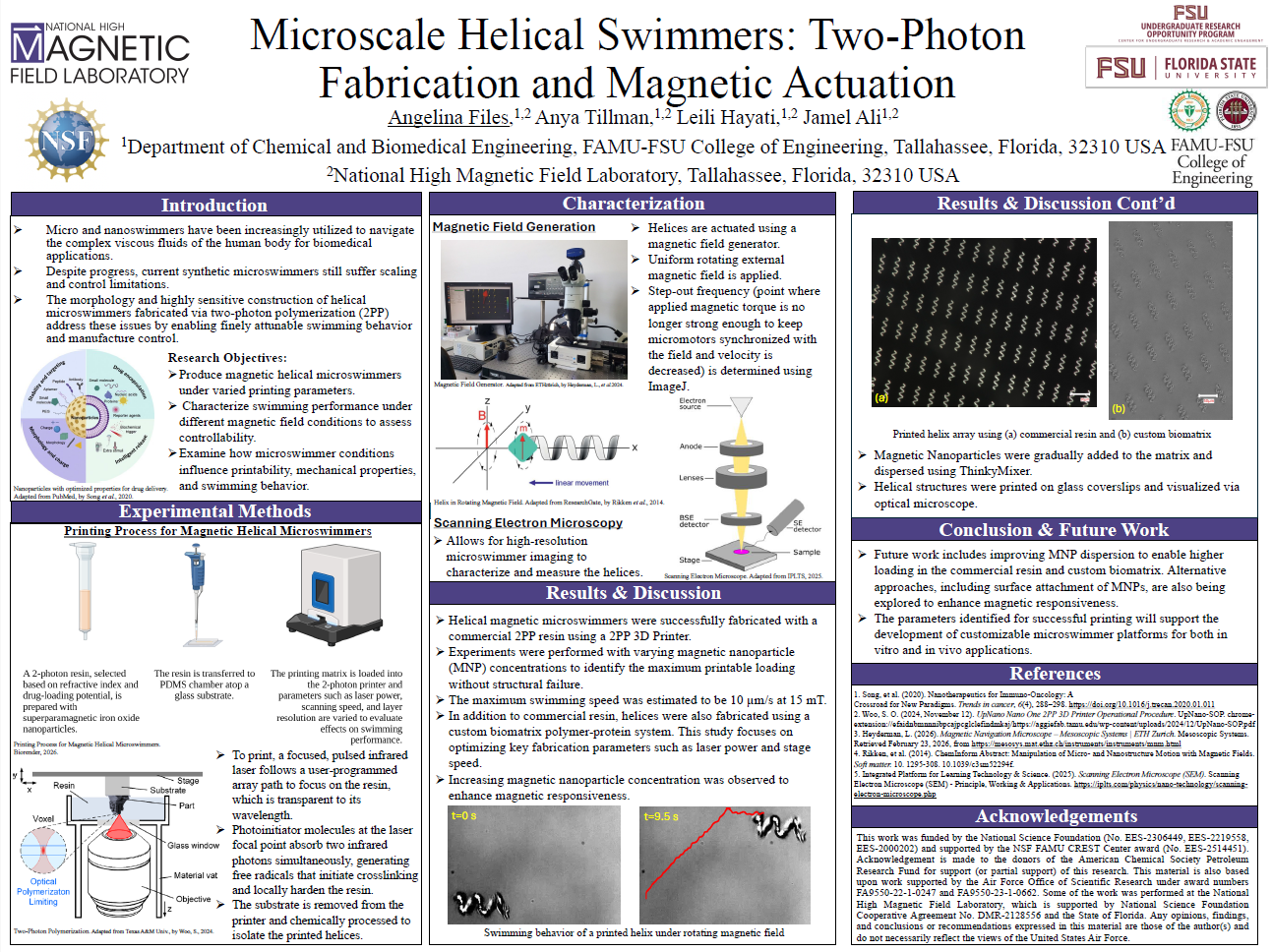
Microscale Helical Swimmers: Two-Photon Fabrication and Magnetic Actuation
Authors: Angelina Files, Dr. Jamel AliStudent Major: Biomedical Engineering
Mentor: Dr. Jamel Ali
Mentor's Department: CBE - Chemical & Biomedical Engineering, MSE - Materials Science & Engineering Mentor's College: FAMU-FSU College of Engineering Co-Presenters:
Abstract
Nano and microscale robotics have shown great potential over the past few decades to programmably traverse the intricate biological environments of the human body. They hold possible applications in targeted drug delivery, biomedical imaging, and minimally invasive surgery. Yet, existing synthetic systems are not optimized for finely attunable scalability or control. In this project, a novel mode of fabrication, two-photon polymerization (2PP), is utilized to produce helical microswimmers using a refractive index-matched 2-photon resin as a printing matrix. The use of this resin specifically explores microswimming drug transport through its strong drug-loading potential and its implementation of superparamagnetic iron oxide nanoparticles to enable precise magnetic steering. The actuation of this control is accomplished using externally applied uniform rotating magnetic fields, whose strengths are varied to examine deviations in available maneuverability. We also identify and optimize other printing parameters, such as laser power, scanning speed, and layer resolution, to characterize their impact on swimming properties. Magnetic nanoparticle concentration is then tested to assess effects on printability, mechanical behavior, and swimming precision. Indicators of controllability, like magnetically induced deviations in step-out frequency, allow us to establish the most compatible design conditions to influence the desired functionality of 2PP printed microswimmers. Ultimately, these determinations will open new capabilities to customize microswimmer properties for targeted drug delivery in vitro and in vivo.
Keywords: Nanorobotics,
26th annual Undergraduate Research Symposium, April 1, 2026
Matteo Darcy Poster Session 4: 3:00 pm - 4:00 pm / Poster #53
BIO
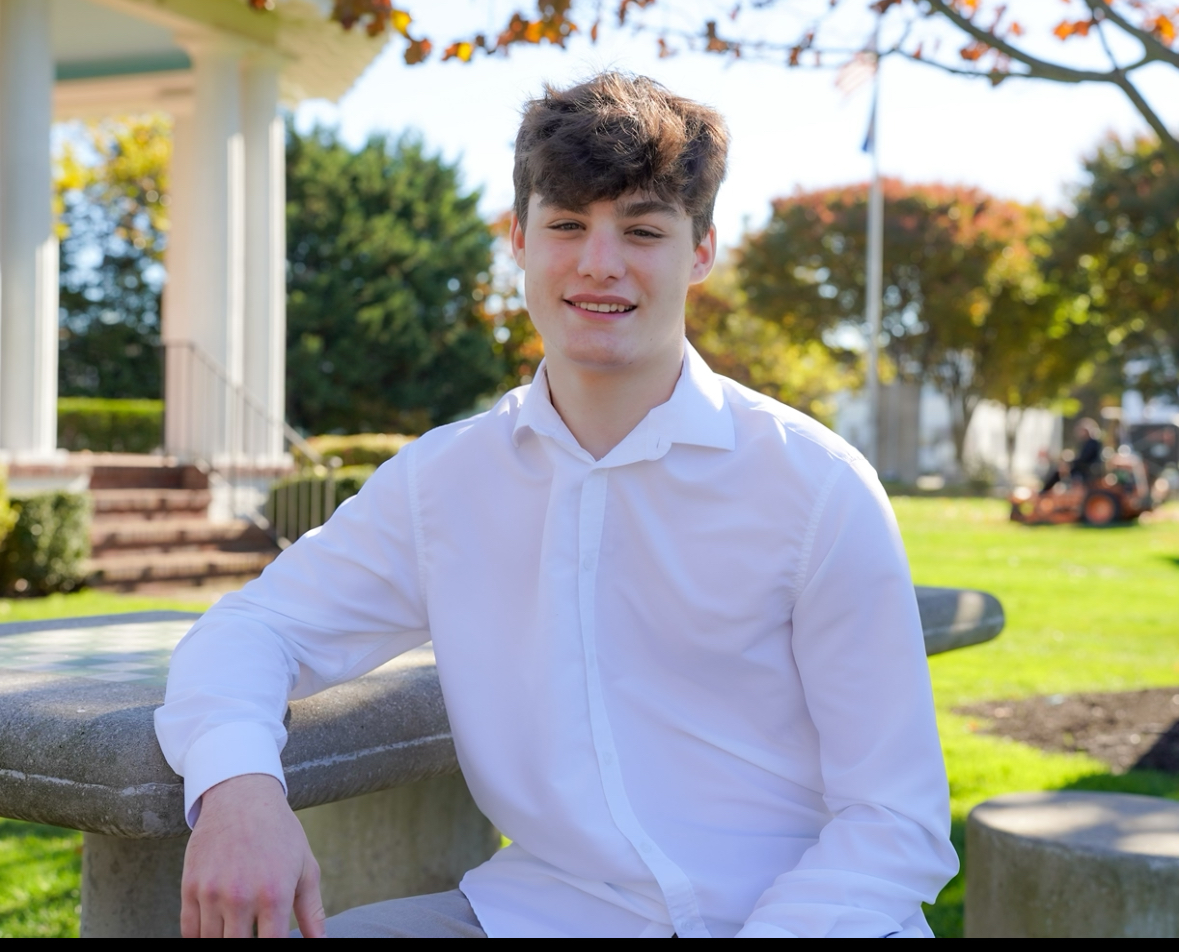
Matteo Darcy is a freshman Honors Finance student and a Presidential Scholar at Florida State University. As a freshman, Matteo is very active on campus; involved in the Undergraduate Research Opportunity Program, the Finance Society, and the Business Case Club.
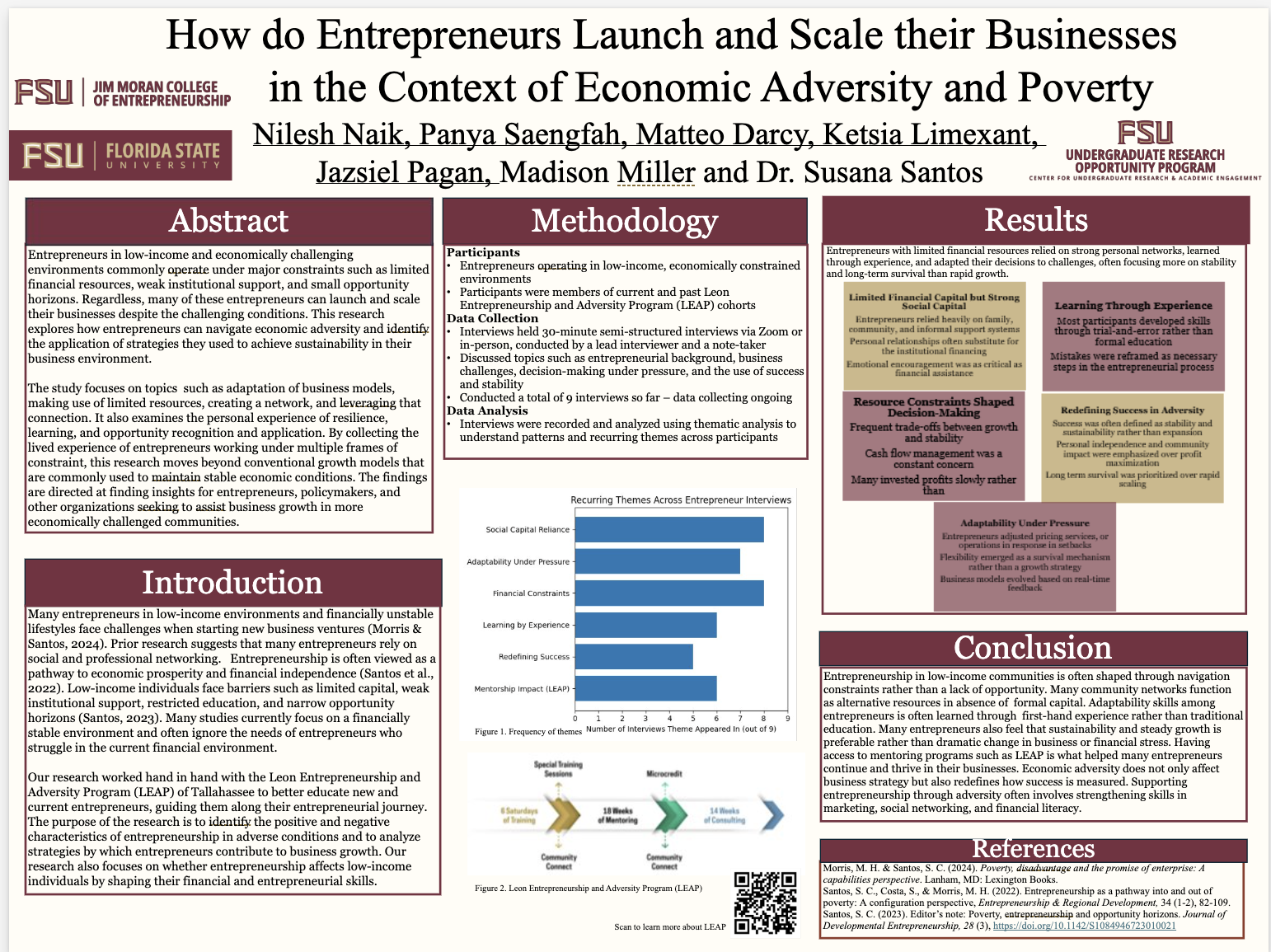
For the UROP project, Matteo is working with Dr. Santos of the Jim Moran College of Entrepreneurship. They are studying the entrepreneurship process of low-income first-time entrepreneurs and the specific challenges they face. Currently, Matteo's goal after graduating is to complete the MSF program at FSU.
How do Entrepreneurs Launch and Scale their Businesses in the Context of Economic Adversity and Poverty
Authors: Matteo Darcy, Susana SantosStudent Major: Finance
Mentor: Susana Santos
Mentor's Department: Jim Moran College of Entrepreneurship Mentor's College: University of Florida Co-Presenters: Nilesh Naik, Panya Saengfah, Ketsia Limexant, Jazsiel Pagan, and Madison Miller
Abstract
Entrepreneurs in low-income and economically challenging
environments commonly operate under major constraints such as limited
financial resources, weak institutional support, and small opportunity
horizons. Regardless, many of these entrepreneurs can launch and scale
their businesses despite the challenging conditions. This research
explores how entrepreneurs can navigate economic adversity and identify
the application of strategies they used to achieve sustainability in their
business environment.
The study focuses on topics such as adaptation of business models,
making use of limited resources, creating a network, and leveraging that
connection. It also examines the personal experience of resilience,
learning, and opportunity recognition and application. By collecting the
lived experience of entrepreneurs working under multiple frames of
constraint, this research moves beyond conventional growth models that
are commonly used to maintain stable economic conditions. The findings
are directed at finding insights for entrepreneurs, policymakers, and
other organizations seeking to assist business growth in more
economically challenged communities.
Keywords: Entrepreneurship, Low-income, LEAP, Businesses
26th annual Undergraduate Research Symposium, April 1, 2026
Olivia Pielak Poster Session 2: 10:45 am - 11:45 am / Poster #270
BIO
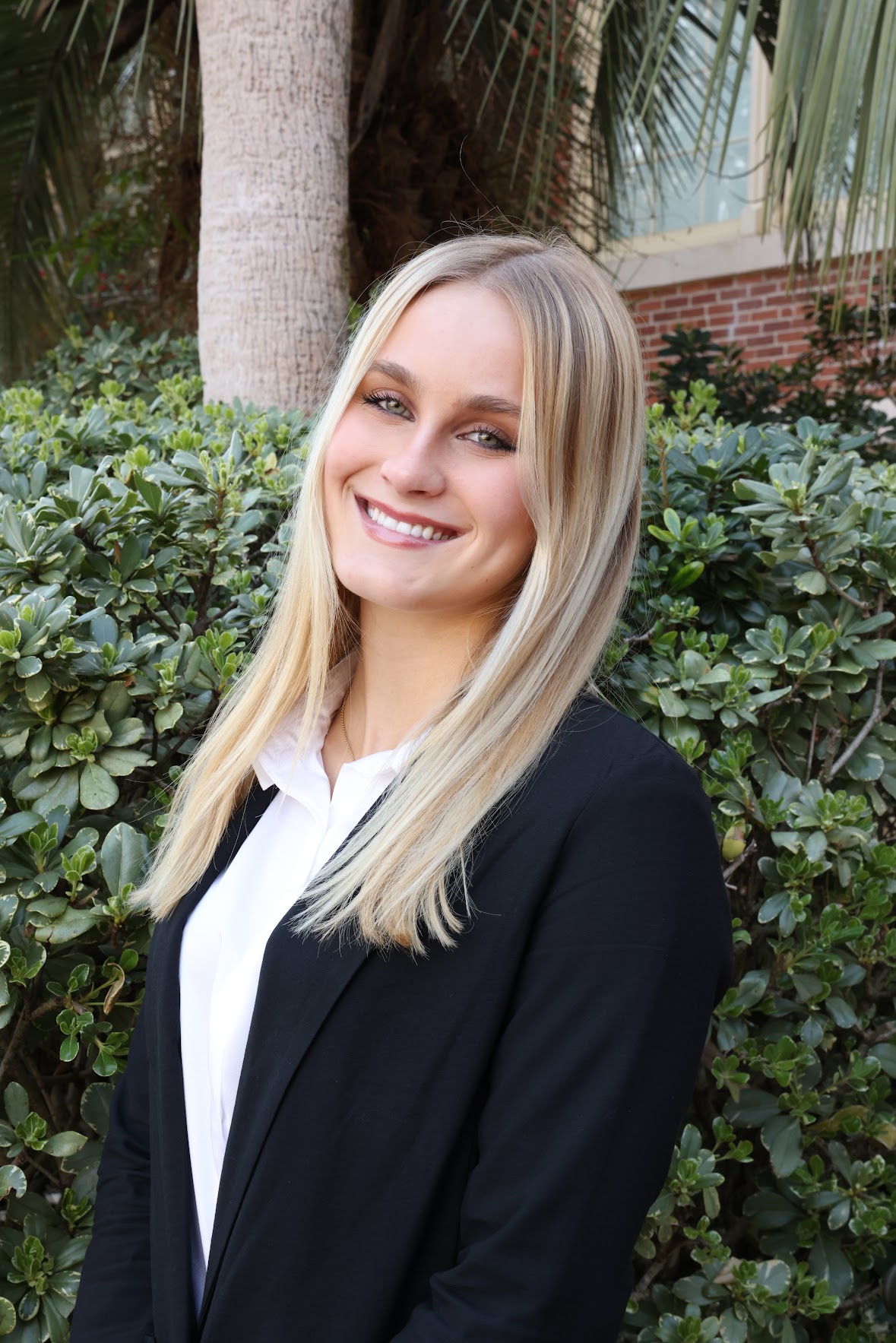
Olivia is junior at Florida State University majoring in Interdisciplinary Medical Sciences on the pre medical track. Olivia is a research assistant in Dr. Thomas Joiner’s Suicide Lab, where they study suicide risk and prevention by examining how social isolation and oxytocin levels interact across individuals with varying levels of vulnerability using phlebotomy and virtual reality. Olivia is deeply interested in understanding why people struggle the way they do and how research can translate into meaningful prevention and compassionate care.
Outside of research, Olivia works as a Medical Assistant for TMHPP and previously competed as a Division I soccer player at Rice University; experiences that have shaped their resilience and commitment to service. Olivia volunteers with the Alzheimer’s Project and has a strong passion for teaching. Olivia currently serves as a Learning Assistant for Organic Chemistry and will be teaching middle school students science this summer at Berkeley Academy. Olivia is working towards a career in medicine, potentially in emergency medicine or psychiatry, where they can continue integrating research, patient care, and education.
Hormonal Birth Control Use and the Association Between Thwarted Belongingness and Depressive Symptoms
Authors: Olivia Pielak, Morgan RobisonStudent Major: interdisciplinary Medical Sciences : Clinical Professions
Mentor: Morgan Robison
Mentor's Department: Psychology Mentor's College: College of Arts and Sciences Co-Presenters:
Abstract
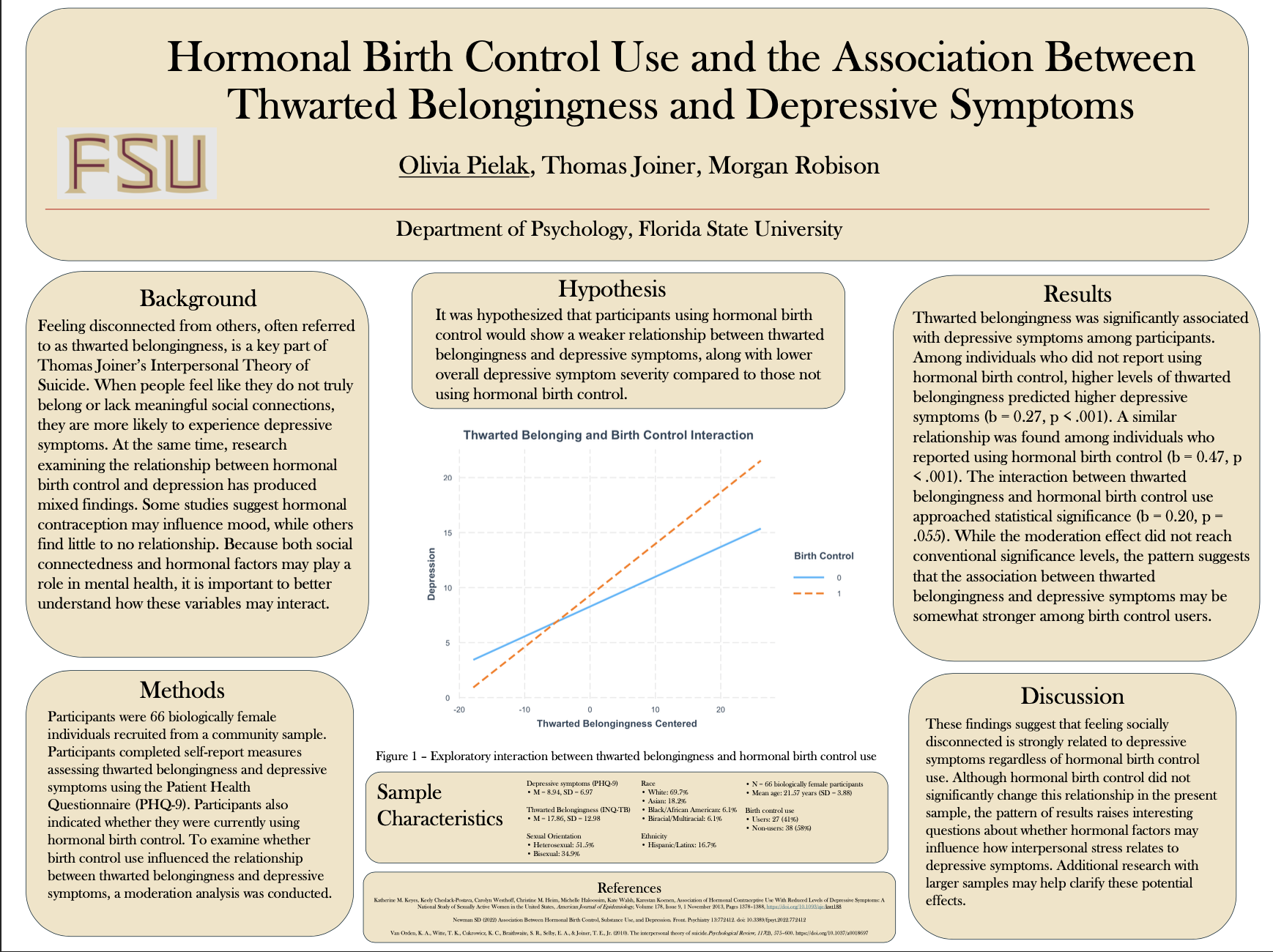
Thwarted belongingness, a sense of not feeling connected to others and a central part of Thomas Joiner’s Interpersonal Theory of Suicide (Van Orden et al., 2010), has been linked to depressive symptoms. Research on hormonal birth control and depression is mixed, and it’s still unclear whether birth control use changes how strongly thwarted belongingness relates to depressive symptoms. In this project, a community sample of biologically female participants (n = 64) completed measures of thwarted belongingness and depressive symptoms (PHQ-9), and hormonal birth control use (yes/no) was tested as a moderator. I hypothesized that birth control users would show a weaker association between thwarted belongingness and depressive symptoms and lower overall symptom severity. The interaction between thwarted belongingness and birth control use was not significant but approached significance (b = 0.19760, p = .0549). Probing simple slopes showed that thwarted belongingness significantly predicted depressive symptoms among those who did not report birth control use (0) (b = 0.27106, p = .00005) and among those who reported use (1) (b = 0.46866, p < .001). Although the interaction did not reach conventional significance, the pattern suggests social disconnection may be more strongly linked to depressive symptoms among birth control users. Larger, well powered studies are needed to clarify whether hormonal contraceptive use shapes interpersonal risk processes related to depression.
Keywords: Thwarted Belongingness, Depressive Symptoms, Birth Control Use, Interpersonal Theory of Suicide, Social Disconnection
26th annual Undergraduate Research Symposium, April 1, 2026
Julia Fire Poster Session 4: 3:00 pm - 4:00 pm / Poster #210
BIO
Julia is a third year biology student interested in ecology, conservation, and ornithology, and wishes to go into field research and obtain a master’s degree in ecology.
Temporal Variation in Lance-Tailed Manakin Practice Displays and Their Effect on Displays for Females
Authors: Julia Fire, Daniel GutierrezStudent Major: Biology
Mentor: Daniel Gutierrez
Mentor's Department: Biology Mentor's College: Arts and Sciences Co-Presenters: Samantha Sentell, Johnluca Cortese
Abstract
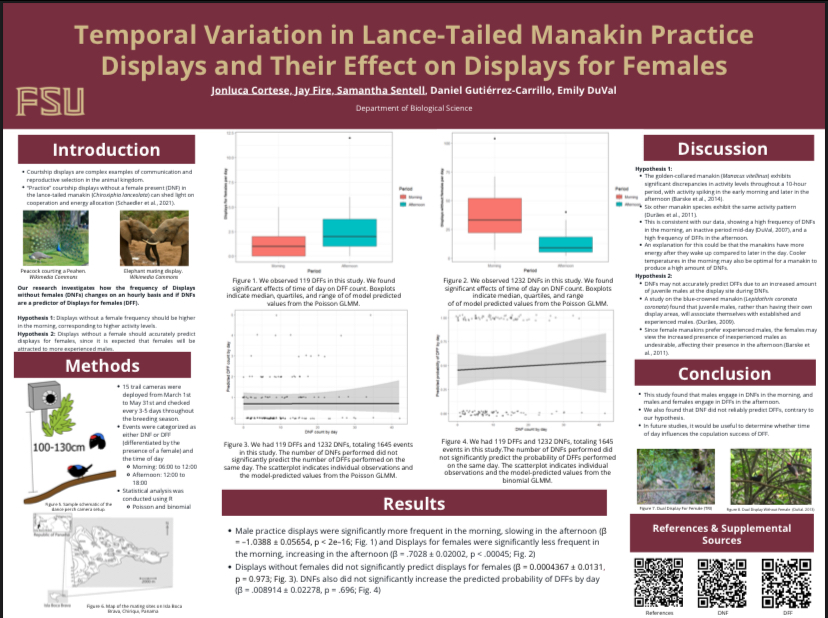
Courtship displays in birds are complex examples of communication and reproductive selection in the animal kingdom. Exploring variation in practice courtship displays in the lance-tailed manakin (Chiroxiphia lanceolata) can shed light on how species cooperate and how they allocate energy throughout the day. Males display in pairs to attract and court females. Even though males form alliances, only the alpha of the pair copulates if the display succeeds. These displays also occur without the presence of females, both in pairs and alone. In this study, we examined whether displays without females present (DNFs) can predict displays for females (DFF) and if time of day influences the frequency of DNFs. After analyzing hours of behavioral recordings during peak breeding season, it was found that there were significantly more displays without females present in the morning (06:00 to 12:00) than there were in the afternoon (12:00 to 18:00). DNFs were not a significant predictor of DFFs. The first set of results are consistent with the idea that manakins experience higher energy levels in the morning, resulting in increased display frequency. It is also possible that female manakins have different periods of activity; males potentially use DNFs as practice displays when females are not active in the morning. The second set of data can be explained by the fact that manakins have limited energy; the males would have to sacrifice extensive amounts of energy for an increased number of DNFs, leaving less energy for DFFs later in the day.
Keywords: Ornithology, animal behavior, biology
26th annual Undergraduate Research Symposium, April 1, 2026
Mia Parker Poster Session 2: 10:45 am - 11:45 am / Poster #92
BIO
Mia Parker is a junior pursuing a Bachelor of Science in Cell and Molecular Neuroscience, with plans to graduate in Spring 2027. She is on the pre-med track and is interested in diet affects neurocognitive health. Mia has been involved in research throughout college. She completed a year in the University Research Opportunity Program (UROP), where she gained experience with experimental design. She has also been working in Dr. Sheffler’s lab for the past year, where she has continued building her research and data analysis skills while working closely with a faculty mentor. Through her coursework, research, and clinical experience, she has developed a strong interest in neuroscience and medicine. After graduation, she plans to attend medical school and hopes to incorporate research into her future career.
Effect of diet and sleep quality on internalizing symptoms
Authors: Mia Parker, Julia ShefflerStudent Major: Cell & Molecular Neuroscience
Mentor: Julia Sheffler
Mentor's Department: Center for Translational Behavioral Science Mentor's College: College of Medicine Co-Presenters: Hailey Mui
Abstract
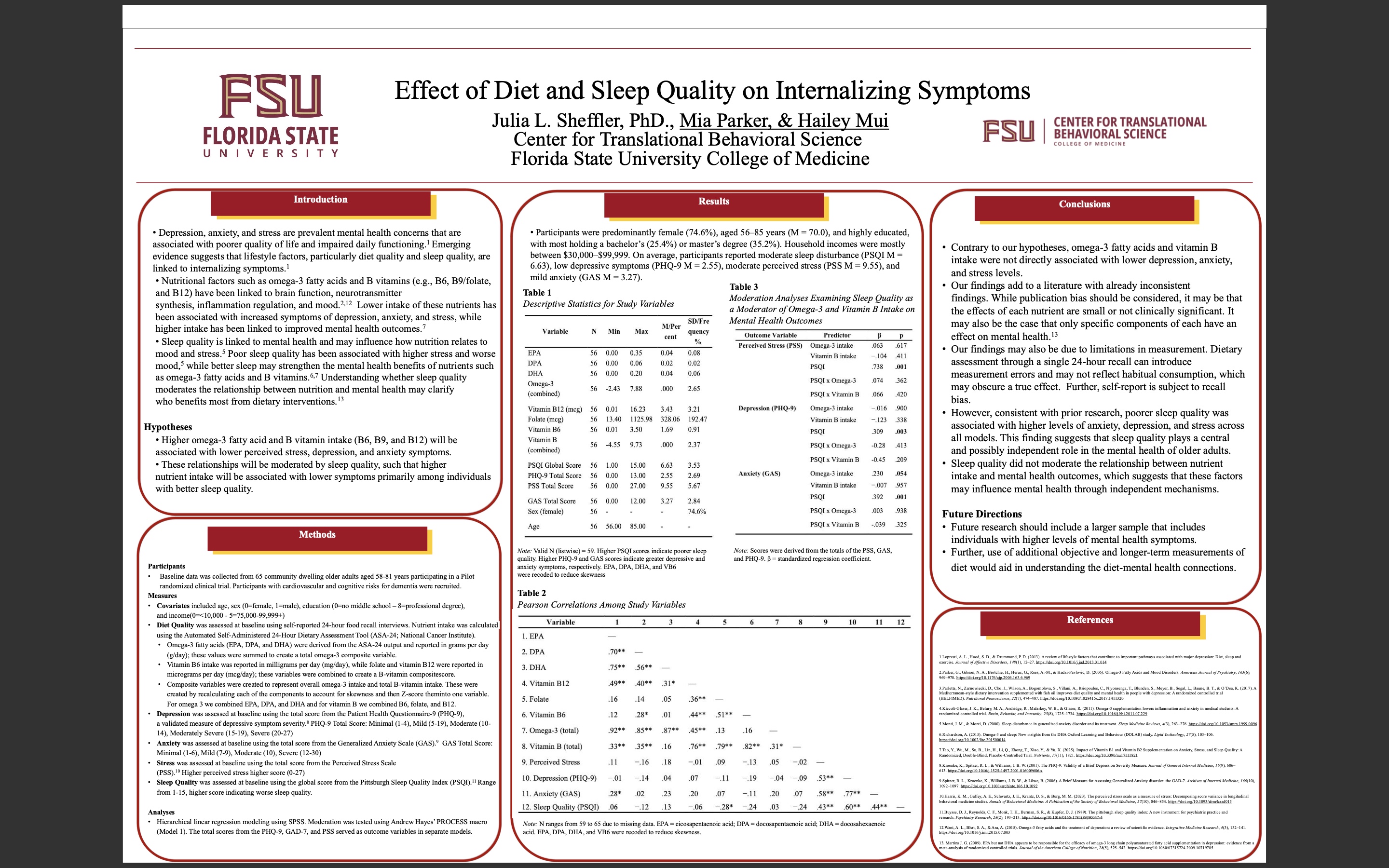
Background: Depression, anxiety, and stress are common mental health challenges in older adults and are influenced by lifestyle factors such as diet and sleep quality. Specifically, higher dietary omega-3 fatty acids and B vitamins have been linked to fewer mental health symptoms, while poor sleep quality is associated with poorer mental health. This study expands on prior work by examining the direct and interactive effects of dietary components and sleep on mental health symptoms .
Methods: Baseline data was collected from 65 adults aged 58-81 years; B vitamin and omega-3 intake were collected through a 24-hour food recall interviews. Depression, anxiety, stress, and sleep quality were measured using the validated self-report measures (i.e., PHQ-9, Generalized Anxiety Scale, Perceived Stress Scale, Pittsburg Sleep Quality Index). Using SPSS, linear regression models examined direct and interactive effects.
Results: Omega-3 and B vitamin intake were not associated with the proposed mental health symptoms; however, poorer sleep quality was independently and significantly associated with depression (β=.309, p=.003), anxiety (β=.392, p=.001), and stress (β= .738, p=.001). Sleep quality did not significantly moderate the relationship between either dietary factor and the proposed mental health symptoms (p’s>.05).
Conclusions: Our findings highlight that sleep quality is closely linked to mental health symptoms. The relationship between diet and mental health symptoms was not evident in our sample, which may suggest a weaker overall relationship or point to limitations in our study design. Further research is needed to explore these relationships longitudinally using larger samples and more comprehensive assessments of diet.
Keywords: diet, sleep quality, internalizing symptoms, vitamin B, omega-3, depression, anxiety, stress
26th annual Undergraduate Research Symposium, April 1, 2026
Alexis Fischer Poster Session 1: 9:30 am - 10:30 am / Poster #3
BIO
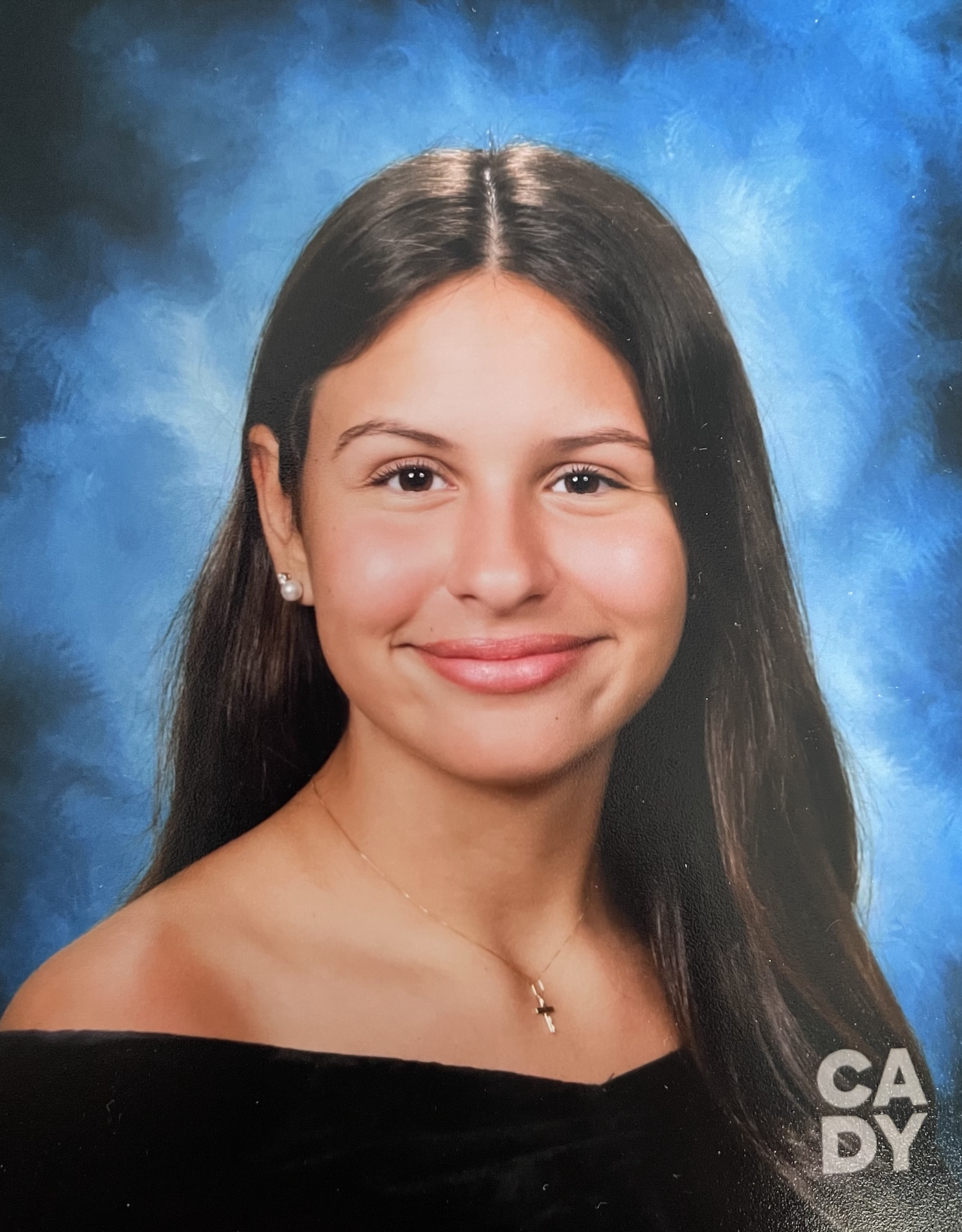
Alexis is a senior in the honors program pursuing a Bachelor of Science degree in Clinical Professions. She is from Melbourne, Florida and aspiring to become a physician. Alexis is on the Women's Club Lacrosse team at Florida State. Alexis is currently a member of Dylann Lowery's Undergraduate research team through the Family and Marriage Therapy Program.
Breaking the Cycle: A Qualitative Study on ACEs and Co-Parenting Dynamics
Authors: Alexis Fischer, Dylann LoweryStudent Major: Clinical Professions
Mentor: Dylann Lowery
Mentor's Department: Marriage and Family Therapy Program Mentor's College: Human Development and Family Sciences Co-Presenters: Grace Quam
Abstract
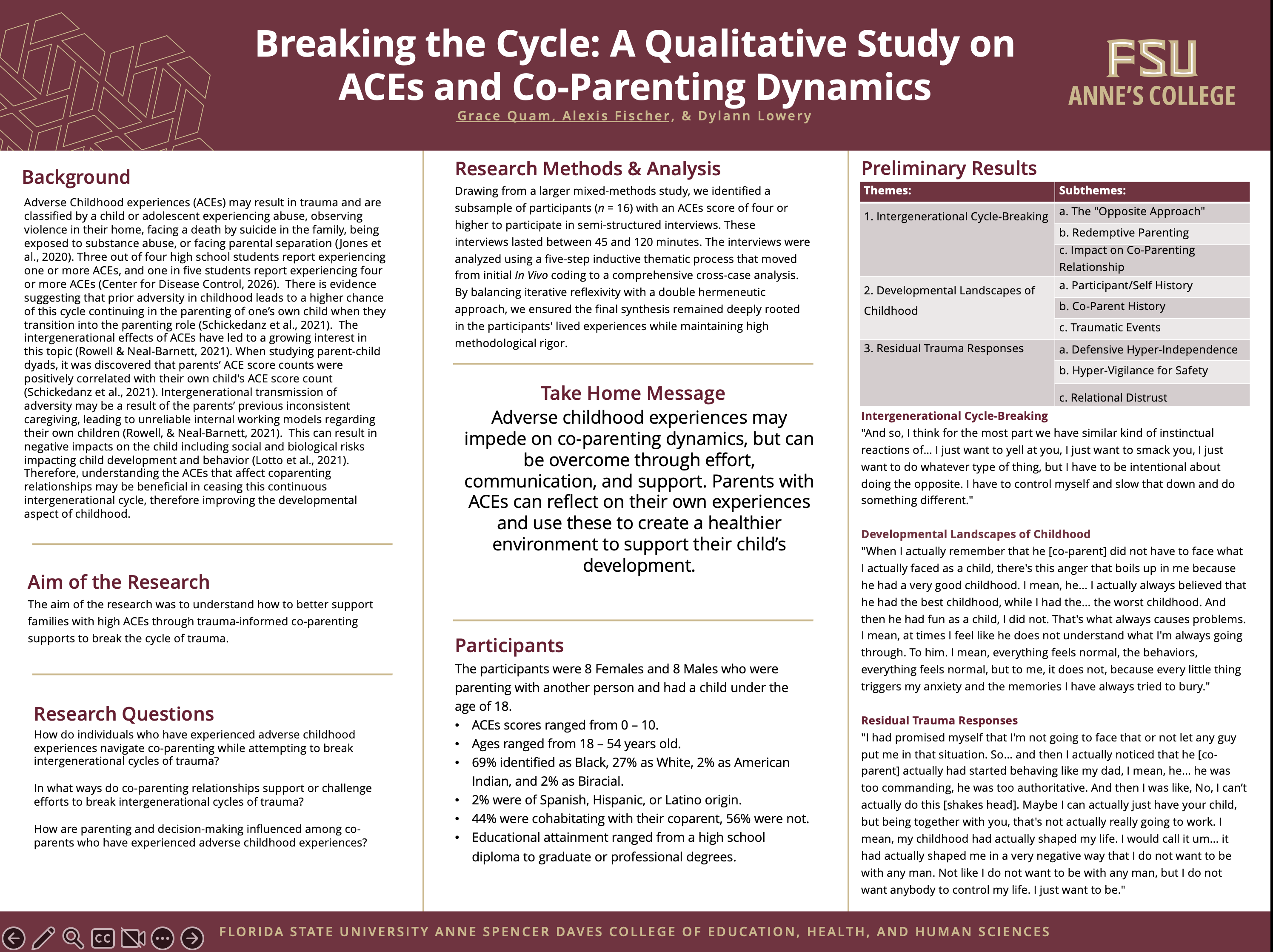
This study presents Phase 2 of an explanatory sequential mixed-methods project investigating how clinically severe Adverse Childhood Experiences (ACEs) shape contemporary co-parenting relationships. Through purposeful subsample recruitment, we identified and interviewed 16 participants (n = 16) who reported an ACE score of 4 or higher. The final subsample was diverse, including 56% identifying as Black or African American, and represented various cohabitation and educational backgrounds.
Our research team employed a five-step inductive thematic analysis. We used In Vivo and axial coding to preserve participants’ voices while identifying core categories across the data. To ensure analytic rigor, we implemented an interactive intercoder agreement session and reflexivity memos. Within- and cross-case analyses further contextualized how individual trauma histories manifested as specific intergenerational implications.
A central theme was Intergenerational Cycle Breaking, with subthemes of The “Opposite Approach,” Redemptive Parenting, and the Impact on the Co-Parenting relationship. These preliminary findings highlight how survivors of childhood trauma and their co-parents navigate the tension between past experiences and present parenting goals. This research provides a roadmap for clinicians to support families with high ACEs better and informs family policies for the need for trauma-informed co-parenting supports. Breaking the cycle of trauma requires more than individual healing; it demands co-parenting environments that transform past trauma into relational resilience through targeted systemic support.
Keywords: Co-parenting, Adverse Childhood Experiences, trauma
26th annual Undergraduate Research Symposium, April 1, 2026
Analia Castellanos Poster Session 3: 1:45 pm - 2:45 pm / Poster #171
BIO
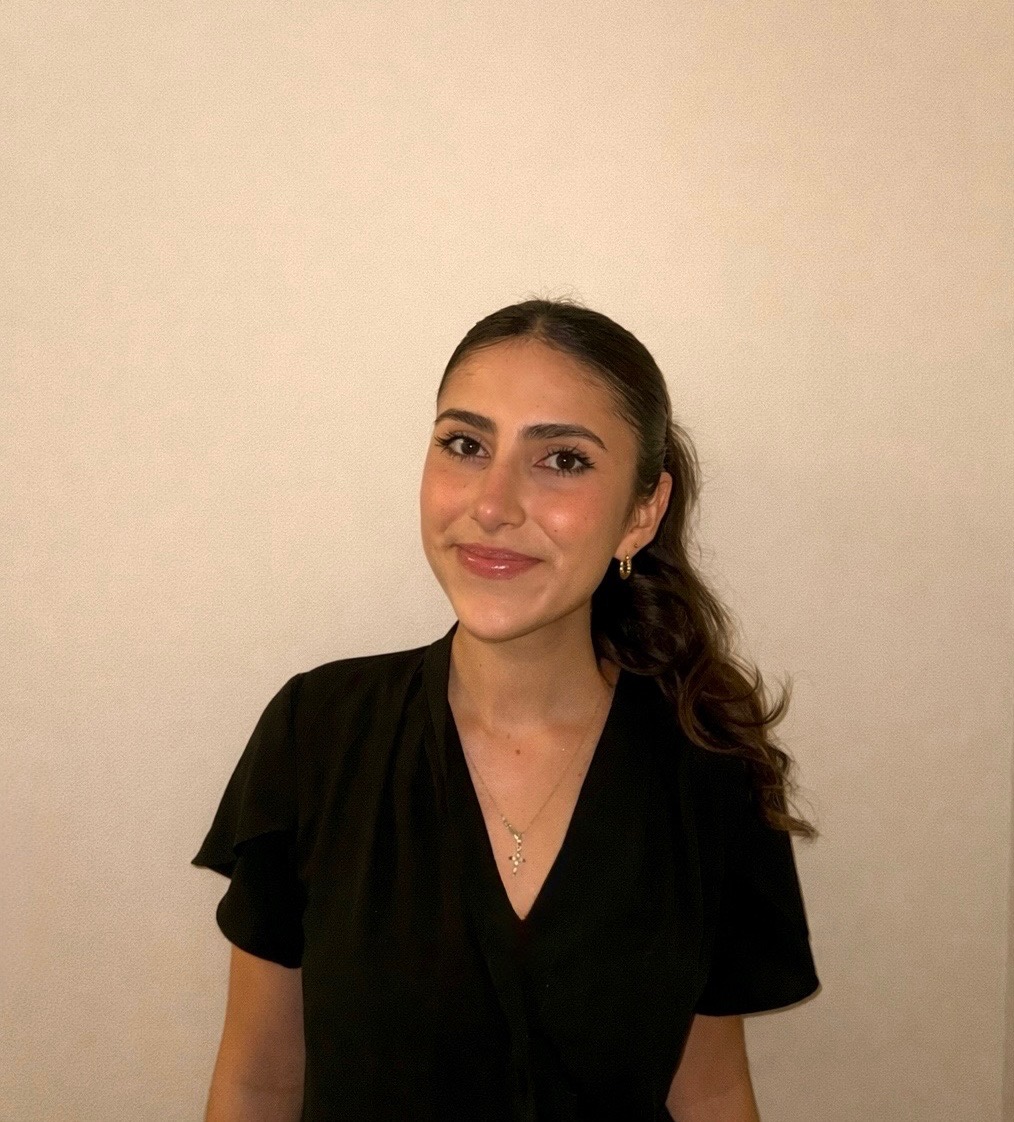
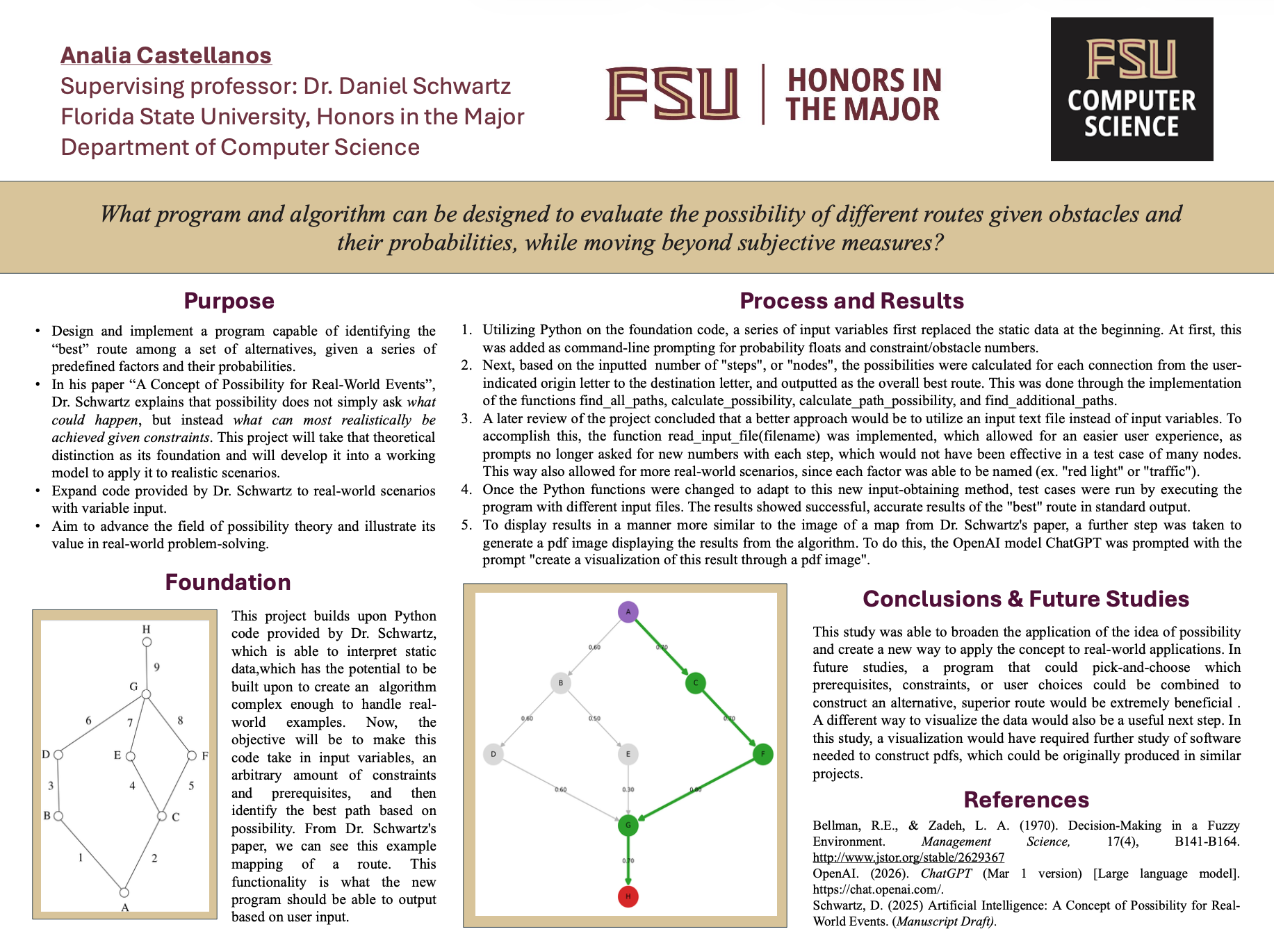
Analia is a senior pursuing a dual degree in Computer Science B.S. and International Affairs B.S., with minors in Economics and Mathematics. She is a part of Honors in the Major (HITM) for Computer Science under the mentorship of Dr. Daniel Schwartz. Her academic and professional interests lie at the intersection of technology and global policy, particularly in how emerging technologies can be leveraged to address complex international challenges. Analia has gained experience in both technical and policy-focused environments, including internships in Washington, D.C., and professional experience in Bolivia. Her HITM project consists of developing a “Possibilistic Planning System,” a program designed to evaluate decision-making under uncertainty by incorporating both probability and practical feasibility. After graduating in May, she plans on beginning her Master's in Global Technology Policy at Georgetown University and working in D.C. in a related field.
Possibilistic Planning System
Authors: Analia Castellanos, Daniel SchwartzStudent Major: Computer Science and International Affairs
Mentor: Daniel Schwartz
Mentor's Department: Computer Science Mentor's College: Arts and Sciences Co-Presenters:
Abstract
The concept of probability and its utilization in statistics, decision-making, and mathematics have historically generated substantial opportunities for advancement. For an extended period, probability has been incorporated into formulas and models designed to address real-world situations. Now, a new concept that could complement probability and would benefit from further study is that of possibility. Although the two are similar in that they both address uncertainty, possibility focuses on accessibility and practical feasibility, extending beyond probability’s emphasis on likelihood alone. The concept of possibility offers a significant advantage, though translating this abstract idea into a practical application presents a challenge. This leads directly to the core research question: "What program can be designed to evaluate the possibility of different routes given obstacles and their probabilities, while moving beyond subjective measures?" By developing a program to implement possibility in real-world scenarios, this possibilistic planning system will not only deepen the understanding of the concept but also establish a more concrete methodology for its application.
Keywords: Possibility, Programming, Algorithm