
Research Symposium
26th annual Undergraduate Research Symposium, April 1, 2026
Maren Kaymak-Loveless Poster Session 2: 10:45 am - 11:45 am / Poster #58
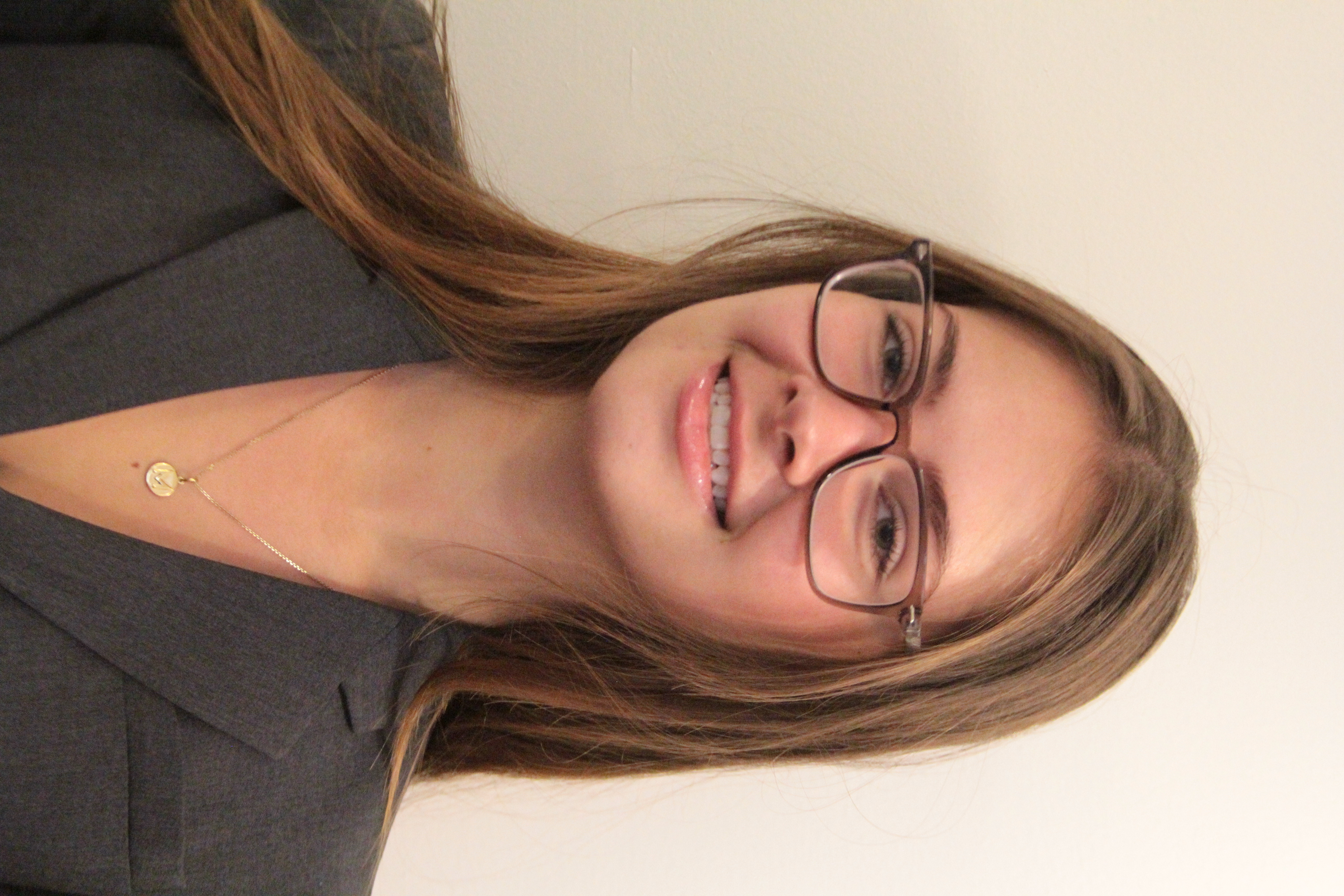
BIO
Maren Kaymak-Loveless is a Public Relations student at Florida State University. Originally from the Philadelphia area, she has long been interested in the arts, design, communications, travel, as well as writing and research. She is passionate about how storytelling and strategic communication connect audiences with brands, experiences, and ideas.
Set to graduate in Spring 2028, Maren brings a creative background shaped by years of ballet training, where she spent many weekends in the studio developing discipline, collaboration, and artistic expression. She also spent her freshman year studying abroad in Valencia, Spain, an experience that broadened her global perspective and strengthened her interest in international travel and culture.
Maren also works with local fashion magazines in the Tallahassee area, gaining hands-on experience in the industry while learning from peers with similar creative interests.
After graduation, Maren hopes to pursue a career as a public relations specialist in the global travel, fashion, or luxury brand management industries, combining her interests in communication, research, branding, and international experiences. In her free time, she enjoys fitness and nutrition and is a certified spin instructor.
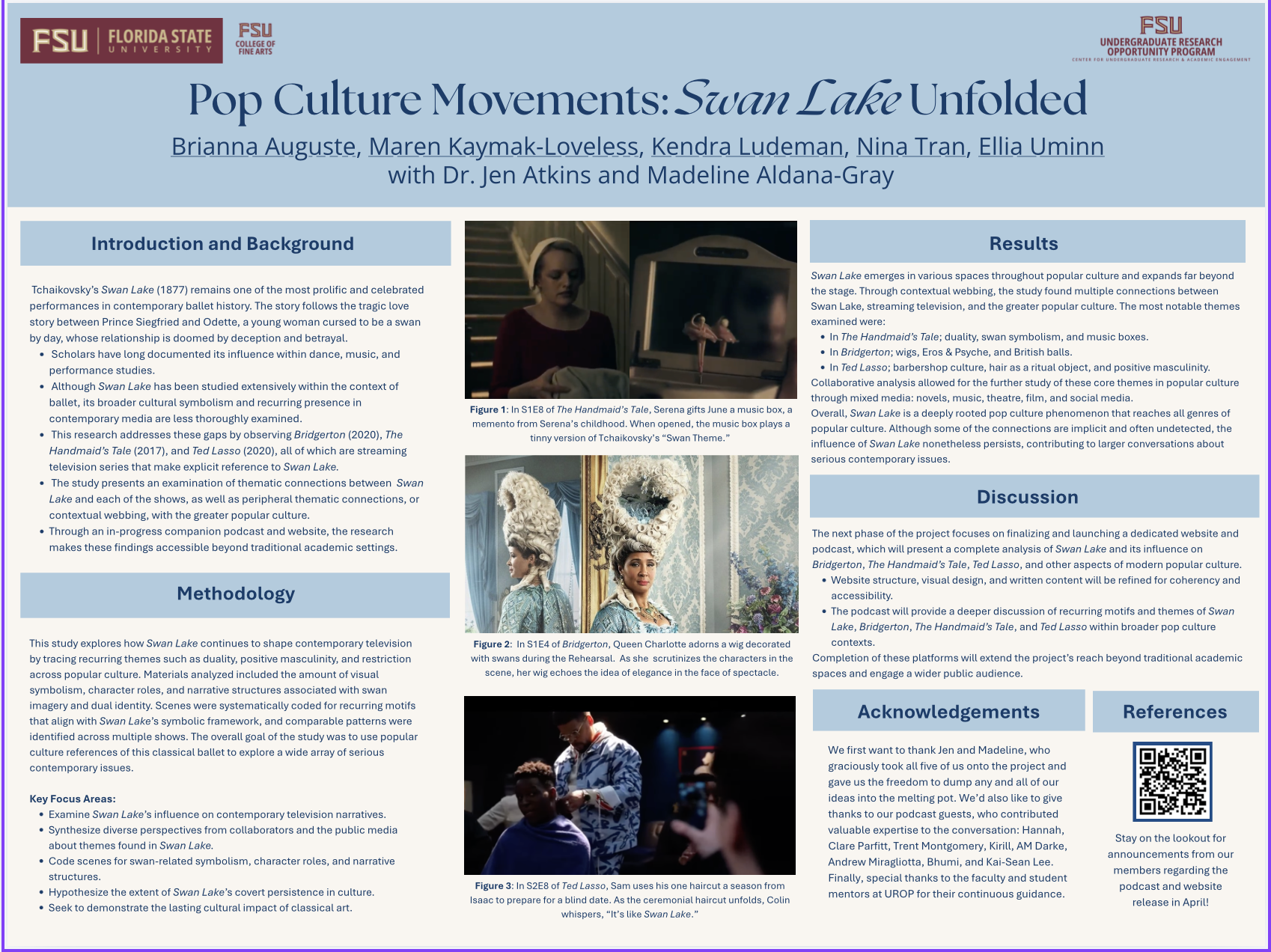
Pop Culture Movements: Swan Lake Unfolded
Authors: Maren Kaymak-Loveless, Jen AtkinsStudent Major: Public Relations
Mentor: Jen Atkins
Mentor's Department: School of Dance Mentor's College: College of Fine Arts Co-Presenters: Kendra Ludeman, Brianna Auguste, Nina Tran, Ellia Uminn
Abstract
Pop Culture Movements: Swan Lake Unfolded examines how Swan Lake and its symbols relate to popular culture, particularly in the television shows Bridgerton, The Handmaid’s Tale, and Ted Lasso. Scholars have extensively documented Swan Lake’s influence on dance and performance history, but there is little research dedicated to the ballet’s social influence in modern media. Historical precedent demonstrates the lasting impact Swan Lake has had on popular culture, and the ballet’s socio-cultural significance shows itself in the hidden allusions that appear in widely consumed entertainment. The methodology includes the analysis of three television series and the coding of recurring motifs and themes through collective discourse. Scholarly articles and contemporary media publications relevant to the research scope also contribute to the sample of media coded for thematic connections to Swan Lake. This humanities-based qualitative research is ongoing and examines themes of dual identity, power, and restriction through collaboration with a diverse network of interdisciplinary scholars and practitioners. These patterns suggest that classical art remains embedded in modern storytelling, even when audiences may not consciously recognize the connection. For pop culture audiences, our findings highlight the importance of media literacy and understanding how historical works shape present-day narratives. The group is in the final stages of developing a podcast and companion website to present these findings in an accessible format. Together, these platforms demonstrate Swan Lake’s lasting cultural influence beyond traditional performance spaces.
Keywords: Ballet, Swan Lake, Dance
26th annual Undergraduate Research Symposium, April 1, 2026
Victoria Pivatelli Poster Session 2: 10:45 am - 11:45 am / Poster #79
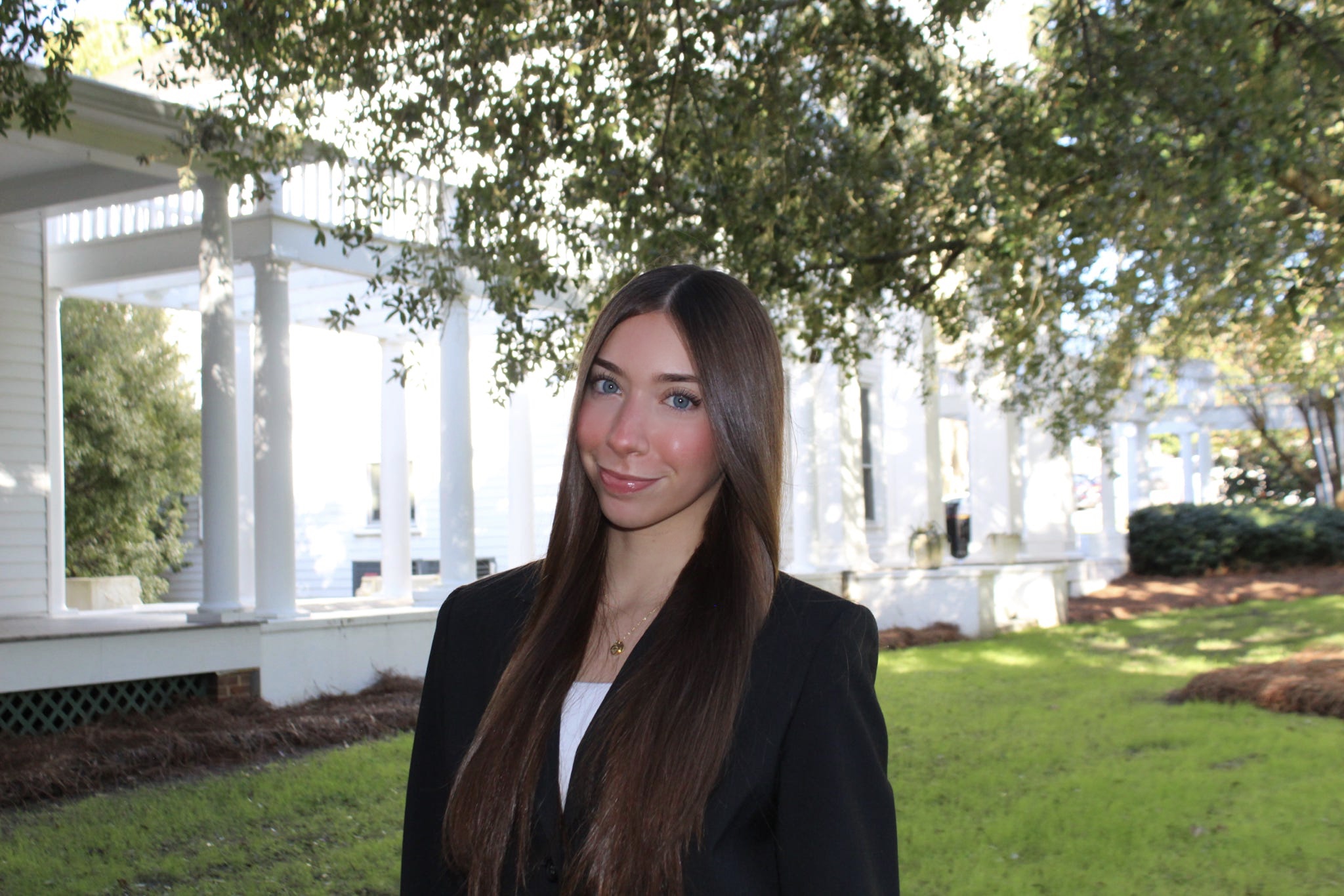
BIO
Victoria Pivatelli is a sophomore at Florida State University, double majoring in political Science and Psychology. She will obtain her Bachelor of Social Sciences in the spring of 2028. She aspires to become an attorney, and will attend law school upon graduation. She conducted research through the Undergraduate Research Opportunity Program at FSU, investigating the extent to which August von Kotzebue's death led to press censorship, crackdowns on dissent, and restrictions on academia across the German Confederation.
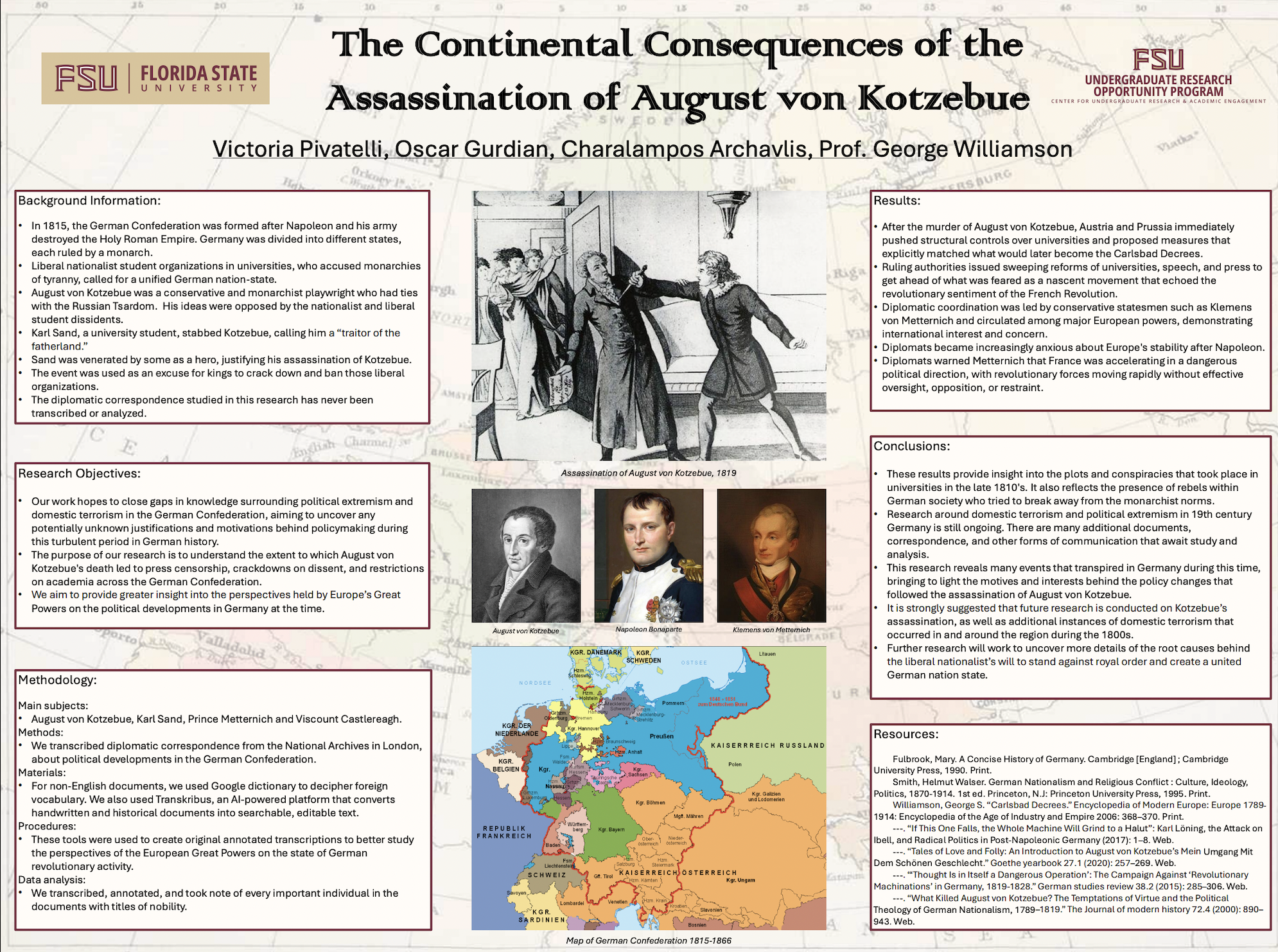
The Continental Consequences of the Assassination of August von Kotzebue
Authors: Victoria Pivatelli, George WilliamsonStudent Major: Political Science and Psychology
Mentor: George Williamson
Mentor's Department: History Mentor's College: Arts and Sciences Co-Presenters: Charalampos Archavlis and Oscar Gurdian
Abstract
On March 23, 1819, August von Kotzebue, a German playwright famous across Europe for his conservative commentaries on culture, was assassinated by University of Jena student Karl Sand. This assassination reflected the deep rivalry between conservative royalists and liberal nationalists, where the European ruling class feared a rise in revolutionary anti-monarchist thought after Napoleon’s rampage across Europe. Our research focuses on the extent to which this event was used to justify silencing dissent, censoring the press, and restricting academia across the German Confederation. Our team analyzed, transcribed, annotated, and translated archived materials from English and French diplomatic envoys. To transcribe and translate, we adjusted image exposure and brightness and used Google dictionary to decipher French and English text. The main topic discussed was the tense situations in universities where political fraternity groups hostile to monarchies were organizing. Our research suggests that many German students sought a united German state, which they operated clandestinely in universities to oppose the monarchies. Although authorities believed few students adhered to these radical revolutionary ideas, they still proposed extensive restrictions on universities through the Carlsbad Decrees. The study of government responses to political violence is important to the stability of our political systems, as the potential for the exploitation of chaos threatens the permanent regression of civil liberties.
Keywords: Politics, Germany, History
26th annual Undergraduate Research Symposium, April 1, 2026
Jenshia Charles Poster Session 1: 9:30 am - 10:30 am / Poster #139
BIO
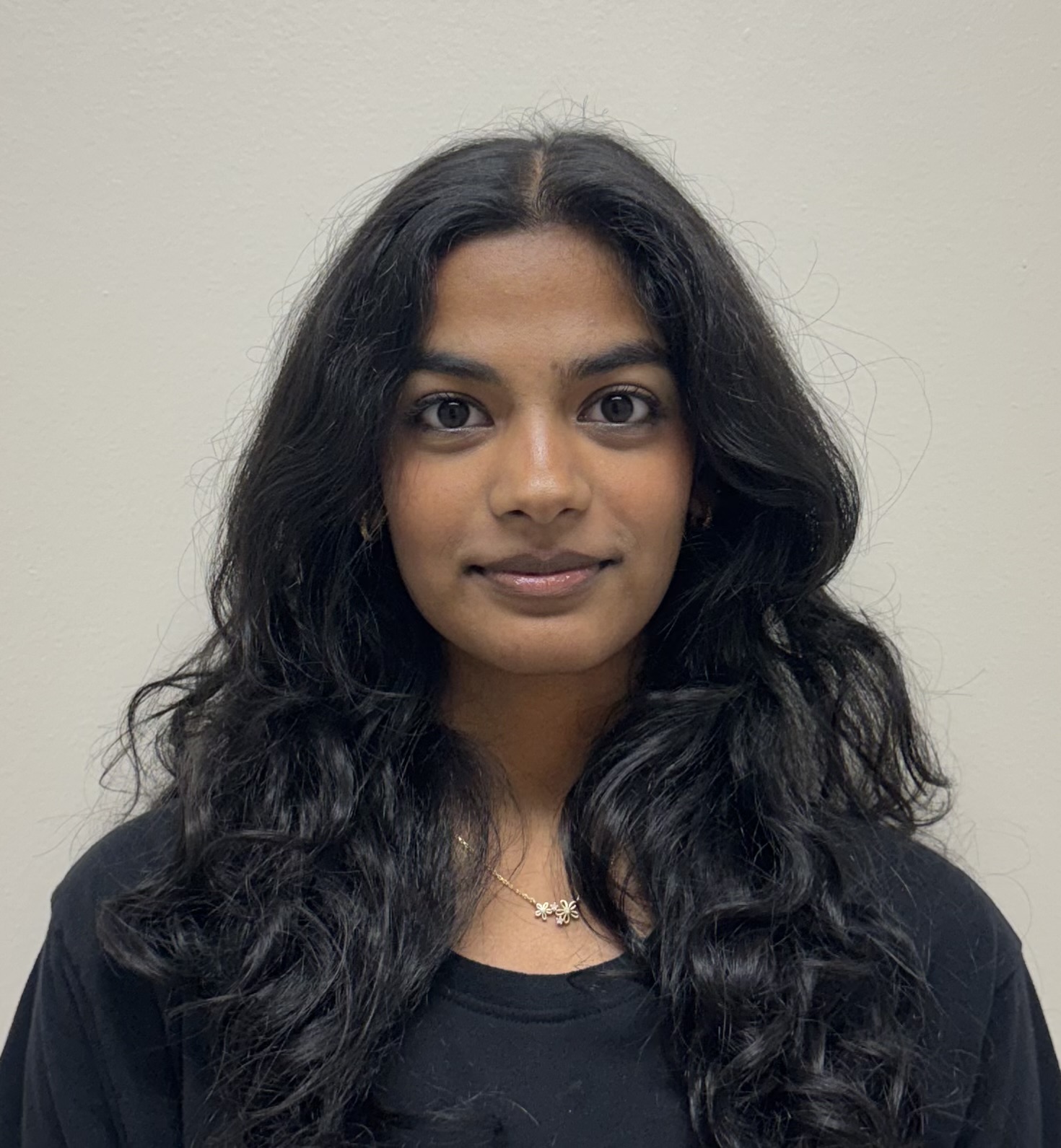
Jenshia Charles is a first year Honors student majoring in Statistics at Florida State University. Through the Undergraduate Research Opportunity Program, she is working on a research project exploring the impact of depth on coral reef species off the coast of Bonaire, with her research mentor Laurel Field, faculty mentor Dr. Sarah Lester, and co-presenter Kathleen Spencer-Armond. She has presented her research at the Florida Undergraduate Research Conference 2026 in Jacksonville, FL, and is passionate about Environmental Science.
How does coral reef depth affect the health of reef building versus weedy corals in Bonaire?
Authors: Jenshia Charles, Laurel FieldStudent Major: Statistics
Mentor: Laurel Field
Mentor's Department: Biology Mentor's College: Arts and Sciences Co-Presenters: Kathleen Spencer-Armond
Abstract
Coral bleaching events have become more frequent and extreme in recent years, resulting in increased mortality rates and less time for coral to recover from increased ocean temperatures. Bonaire, an island in the southern Caribbean known for its marine life and tourism, experienced an island-wide coral bleaching event in late 2023, negatively impacting many species. Weedy corals, such as Agaricia spp. and Porites asteroides, are fast growing and can quickly form colonies. These are important for quick recoveries of coral reefs after disturbances. Reef-building corals, such as Orbicella spp., create the structure of coral reefs, and often grow slower and larger. Both types of coral provide shelter for marine animals like fish and invertebrates. Reef-building and weedy corals respond differently to stressors. To analyze their differences we looked at three sites around Bonaire to see how varying species respond to different depths. We used the program TagLab to analyze three 50m transects for each site from varying depths (15m, 20m, 25m). Around 60 photos from June 2024 were analyzed per transect, noting size and attributes including bleaching, mortality, and disease, which all factor into overall health. We believe both reef-building and weedy corals would on average be healthier at higher depths, but weedy corals would remain more prevalent regardless of depth due to their fast-growing nature. Determining overall health patterns after large bleaching events can provide a better understanding of species-specific behaviors and how to preserve the reefs which are essential for the Bonaire’s tourism based economy, biodiversity, and food.

Keywords: Coral Reefs, Bonaire
26th annual Undergraduate Research Symposium, April 1, 2026
Sophie Scherer Poster Session 2: 10:45 am - 11:45 am / Poster #283
BIO
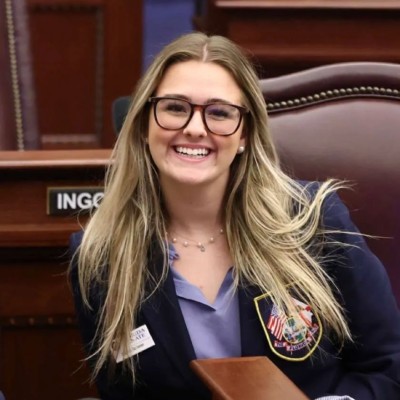
Sophie Scherer is a sophomore studying political science and criminology on a pre-law track.
Sophie currently serves as a legislative intern in the Florida House of Representatives and as the Vice President of Administration for Delta Zeta. She would like to thank her research mentor, Dr. James Strickland, for his guidance and support throughout UROP.
Transparency in Florida Lobbying
Authors: Sophie Scherer, James StricklandStudent Major: Political Science and Criminology
Mentor: James Strickland
Mentor's Department: Politcal Science Mentor's College: Social Science and Public Policy Co-Presenters:
Abstract
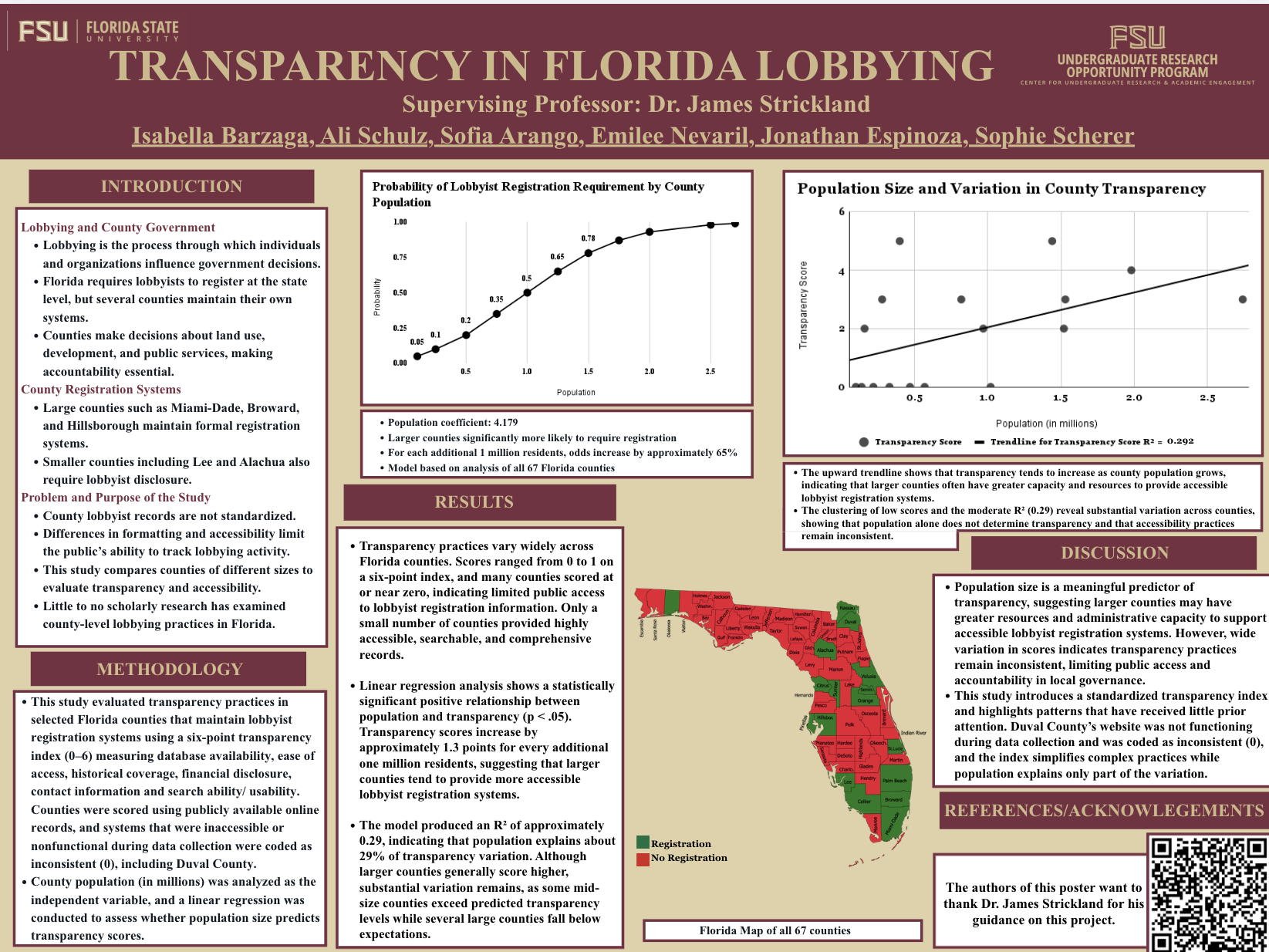
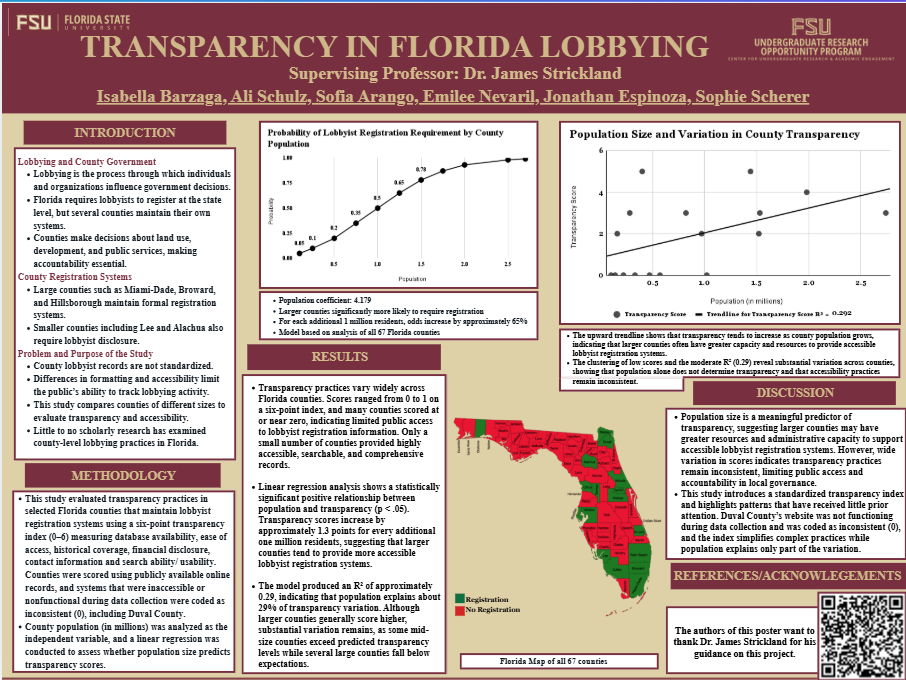
Lobbying and County Government
• Lobbying is the process through which individuals and organizations influence government decisions.
• Florida requires lobbyists to register at the state level, but several counties maintain their own systems.
• Counties make decisions about land use, development, and public services, making accountability essential.
County Registration Systems
• Large counties such as Miami-Dade, Broward, and Hillsborough maintain formal registration systems.
• Smaller counties including Lee and Alachua also require lobbyist disclosure.
Problem and Purpose of the Study
• County lobbyist records are not standardized.
• Differences in formatting and accessibility limit the public's ability to track lobbying activity.
• This study compares counties of different sizes to evaluate transparency and accessibility.
• Little to no scholarly research has examined county-level lobbying practices in Florida.
Keywords: Lobbying, Government Transparency, Lobbying Records, Lobbyist Registration
26th annual Undergraduate Research Symposium, April 1, 2026
Michelle Heims Poster Session 1: 9:30 am - 10:30 am / Poster #85
BIO
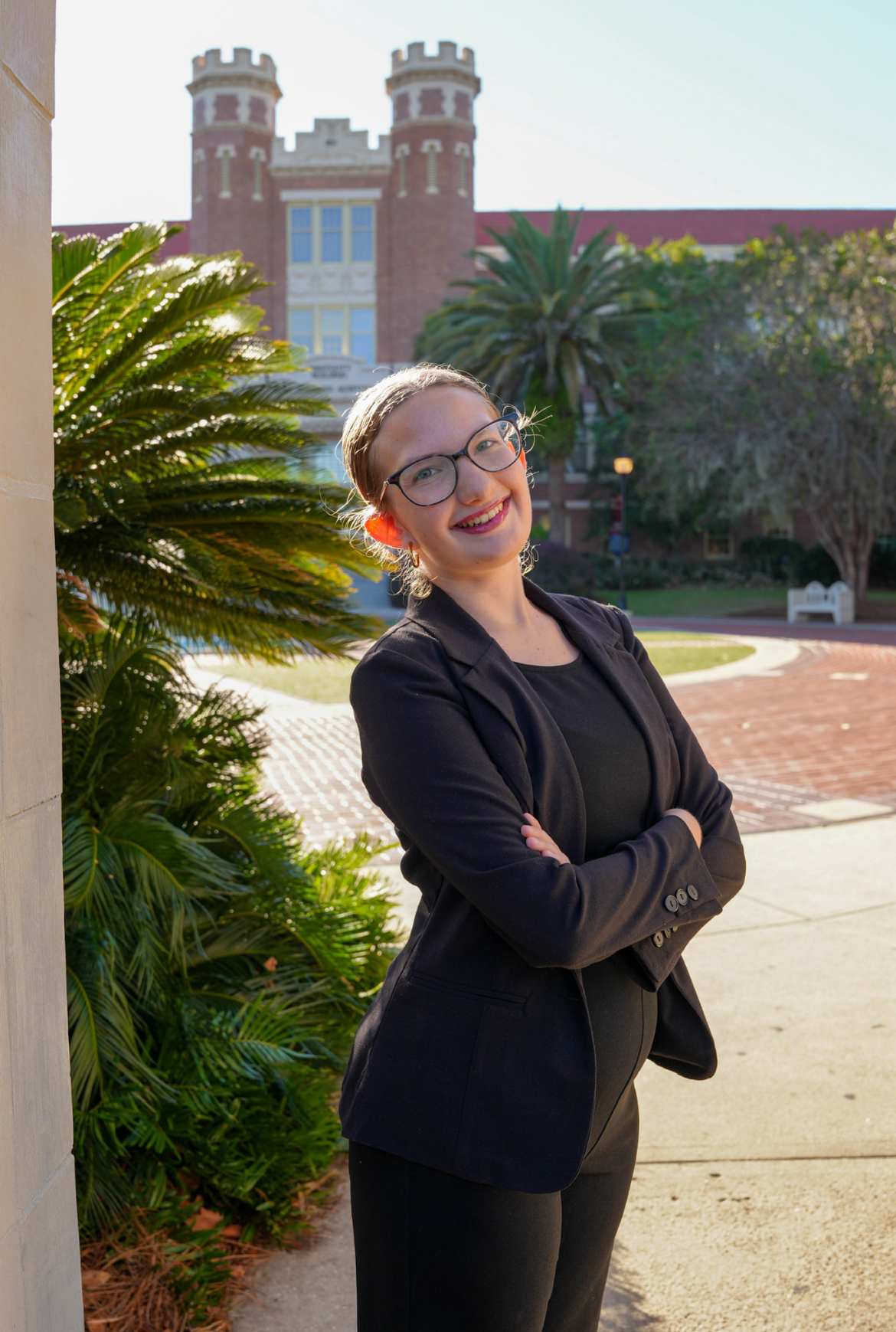
Michelle is a second-year senior from Jupiter, FL, majoring in international affairs with a concentration in political science. Michelle is involved in the World Affairs Program, College of Social Science and Public Policy Student Leadership Council, and Civic Engagement Board. She is also an intern for the Disaster Intelligence Analysis Lab (DIAL), an open-source intelligence public safety lab on campus. On top of UROP, Michelle has also been involved in Global Scholars and is working on a directed individual study for the International Association for Intelligence Education. Michelle aspires to work in foreign policy or intelligence analysis and will be attending George Washington University in the fall for a Masters in International Affairs.
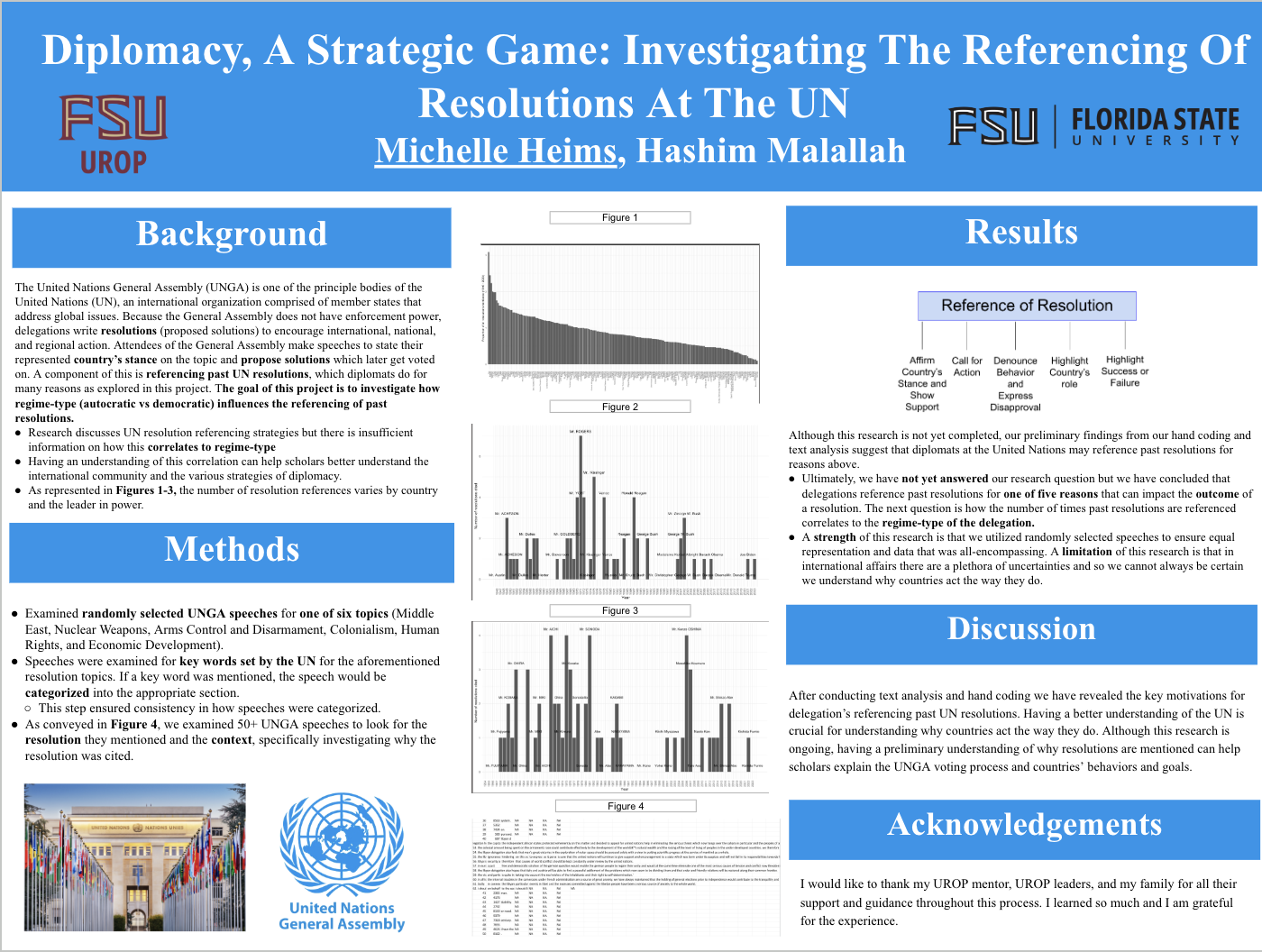
Diplomacy, A Strategic Game: Investigating The Referencing Of Resolutions At The UN
Authors: Michelle Heims, Hashim MalallahStudent Major: International Affairs
Mentor: Hashim Malallah
Mentor's Department: Political Science Mentor's College: College of Social Science and Public Policy Co-Presenters:
Abstract
In the field of international affairs, understanding diplomatic strategies can help scholars and
international actors better understand the field and events that take place. That is why this
research project sought out to investigate how regime type impacts the referencing of
international law in United Nations General Assembly speeches. Understanding this can help
scholars and leaders better understand the logic behind international decisions. To study this, I
am analyzing UNGA speeches and noting when international law is referenced, followed by
noting the regime type of the speaker. The mixed research methods process is still ongoing but
we are hoping to find a trend that can be used to predict nation’s strategies and the dynamics of
the UN.
Keywords: International Relations, United Nations, International Strategy
26th annual Undergraduate Research Symposium, April 1, 2026
Paulina Pilati Poster Session 2: 10:45 am - 11:45 am / Poster #196
BIO
Paulina Pilati is an undergraduate student at Florida State University pursuing a Bachelor of Arts in Political Science on the pre-law track. As a member of the Undergraduate Research Opportunity Program, she conducts research on environmental policy and justice, focusing on biosolids management in Florida and the role of rural community participation in state planning processes. Her project, “Planning for Biosolids in Florida: A Procedural Justice Discourse and Framing Analysis of Rural Community Participation,” will be presented at the Florida State University Undergraduate Research Symposium. Her academic interests include environmental policy, public law, and the intersection of governance and decision-making. After completing her undergraduate degree, Paulina plans to attend law school and pursue a career in law or public policy.
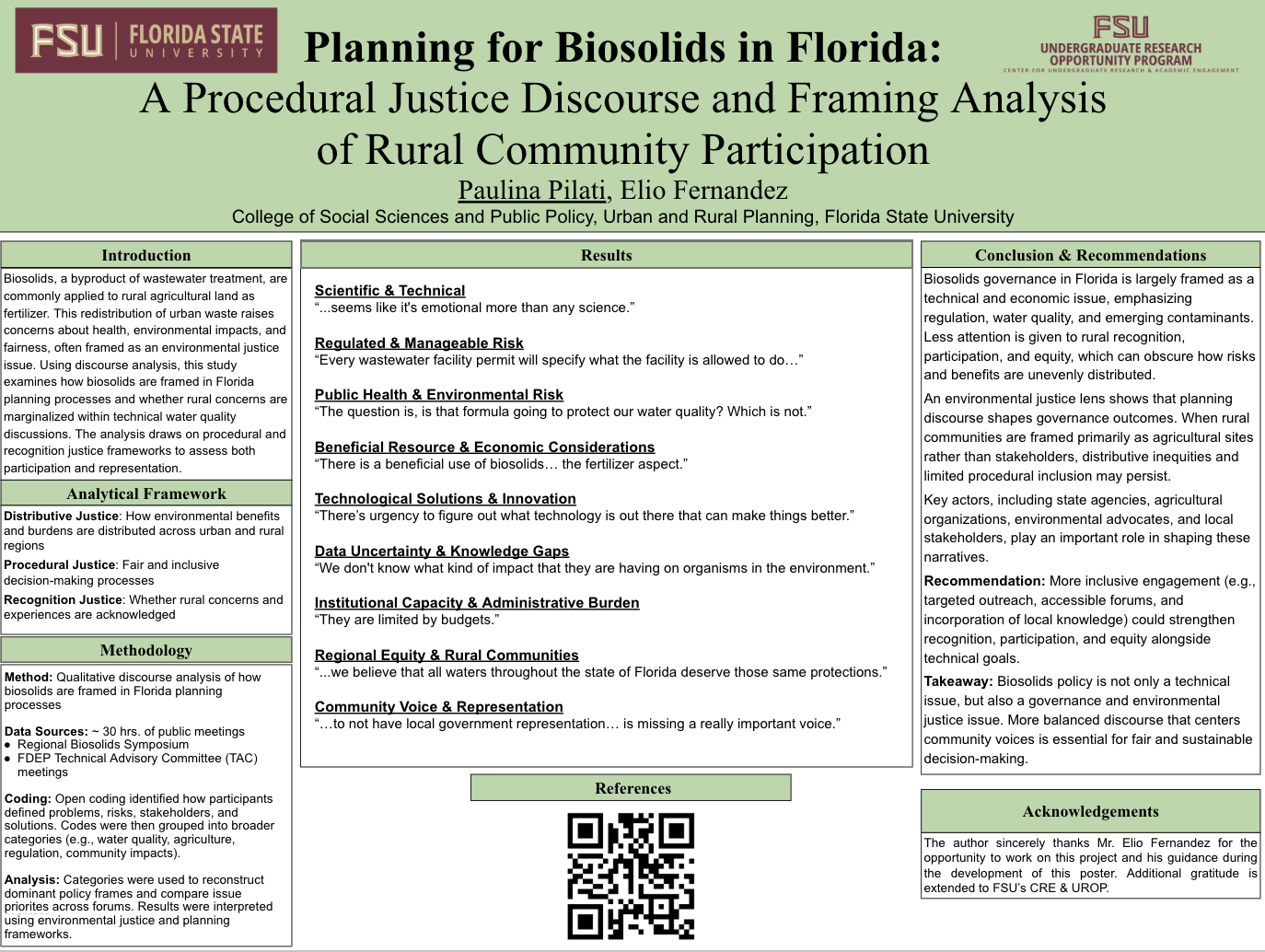
Planning for Biosolids in Florida: A Procedural Justice Discourse and Framing Analysis of Rural Community Participation
Authors: Paulina Pilati, Elio FernandezStudent Major: Political Science
Mentor: Elio Fernandez
Mentor's Department: Urban and Rural Planning Mentor's College: College of Social Sciences and Public Policy Co-Presenters:
Abstract
The purpose of this project is to understand how Florida is planning for biosolids and how rural communities are considered in the planning process. Biosolids, the byproduct of centralized wastewater treatment, are often applied to rural agricultural lands as a fertilizer supplement. In Florida, approximately 75% of the state’s biosolids are generated in South Florida and disposed of in Central Florida. Some researchers have described this transfer of urban waste to rural communities as an environmental justice issue, while environmental groups, community leaders, and residents in Florida have questioned the fairness of this practice and expressed concern over the human and environmental health risks associated with land application.
This study addresses these concerns through a discourse and framing analysis of two key planning processes for biosolids management in Florida (Regional Biosolids Symposium, FDEP Technical Advisory Committee Meetings) grounded in an environmental justice framework. The results show that biosolids management in Florida is predominantly framed as an Economic and Technical issue, with emphasis on water quality regulation and emerging risks related to Contaminants of Emerging Concern (CECs) and Polyfluoroalkyl Substances (PFAS). Consideration of rural communities and regional inequities is limited and often reduced to the agricultural benefits associated with biosolids use. These findings contribute to broader scholarship on framing in environmental planning and highlight the need for more inclusive deliberative and communication practices to address regional equity in state-level governance.
Keywords: Environmental Justice and Planning, Biosolids Management, and Framing Analysis
26th annual Undergraduate Research Symposium, April 1, 2026
Alexandria Schulz Poster Session 1: 9:30 am - 10:30 am / Poster #283
BIO
Ali Schulz is a Freshman at Florida State University majoring in Political Science. As a Presidential Scholar, Honors Student, member of Phi Gamma Mu International Honor Society, and UROP, she is heavily involved in the FSU Community. After college, she plans to pursue a career in the legislative branch, working to effectuate positive change in the world.
Transparency in Florida Lobbying
Authors: Alexandria Schulz, James StricklandStudent Major: Political Science
Mentor: James Strickland
Mentor's Department: Political Science Mentor's College: College of Social Science and Public Policy Co-Presenters: Isabella Barzaga, Sofia Arango, Emilee Nevaril, Jonathan Espinoza, Sophie Scherer
Abstract
Across the counties of Florida, there is significant variation in how lobbying records are maintained and made available. Lobbying, attempting to influence legislative processes through oral or written communication, is an essential part of the legislative process, and registration of lobbyists is important for transparency and accountability in local governments. This research utilized online county websites to examine the gaps in the current lobbyist database across all 67 counties of Florida. By accessing each website on a 6-factor scale, each county was assigned a transparency score, and then transparency scores were compared across counties. Results found that the overwhelming majority of Florida counties lack a lobbyist database. Out of those that do provide a database, many scored low on the transparency scale due to difficulty of website navigation, lack of contact information, little historical lobbying data, etc. By assessing and comparing these record differences, this research demonstrates how the overall lack of lobbyist data decreases accountability of local governments, can create a sense of distrust among the government and constituents, and prevents constituents from knowing who influences local government decisions. Additionally, this lack of transparency makes it hard for citizens to be informed when voting for politicians and propositions. Based on the research collected, this project helps bring more transparency and accountability to and begins to close gaps in lobbyist data collection.
Keywords: Political Science, Lobbying, Government, Transparency, Accountability
26th annual Undergraduate Research Symposium, April 1, 2026
Remus Pickard Poster Session 1: 9:30 am - 10:30 am / Poster #236
BIO
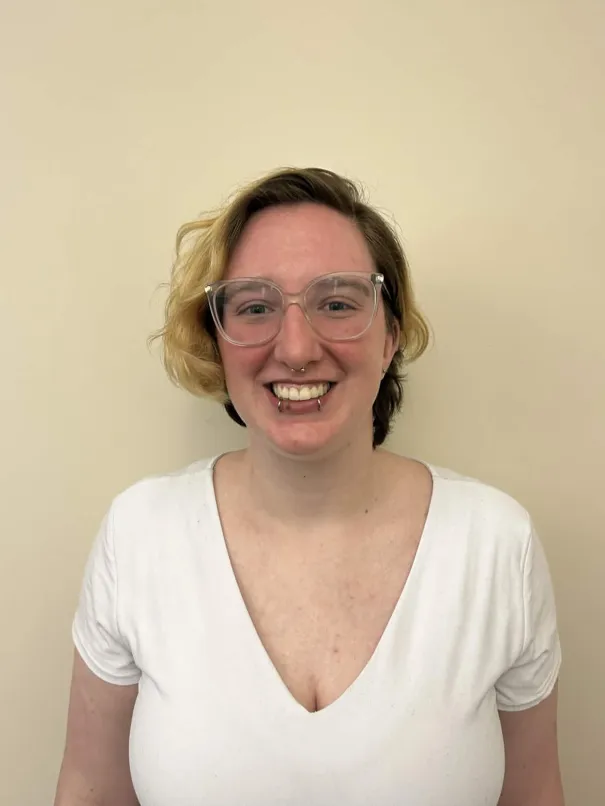
Remus is a second year sophomore earning his Bachelor's of Science in Biochemistry with a double minor in Biology and Mathematics. He is from the Gadsden and Leon county areas, and graduated with a 4.218 GPA from North Florida Christian School. They are currently researching under Drs. Richard Wagner and Dorota Kossowska-Kuhn in the Wagner Lab in the Department of Psychology. During their senior year, they are planning on conducting their own Honours in the Major research within the Chemistry department. After graduation, he plans to continue his undergraduate research and start working towards a Ph.D. in Biochemistry with a specialization in drug improvement.
Dyslexia Meta Analysis
Authors: Remus Pickard, Dr. Richard WagnerStudent Major: Biochemistry
Mentor: Dr. Richard Wagner
Mentor's Department: Department of Psychology Mentor's College: College of Arts and Sciences Co-Presenters: Natalia Corral, Gabriella Nogueira, Rohita Paul
Abstract
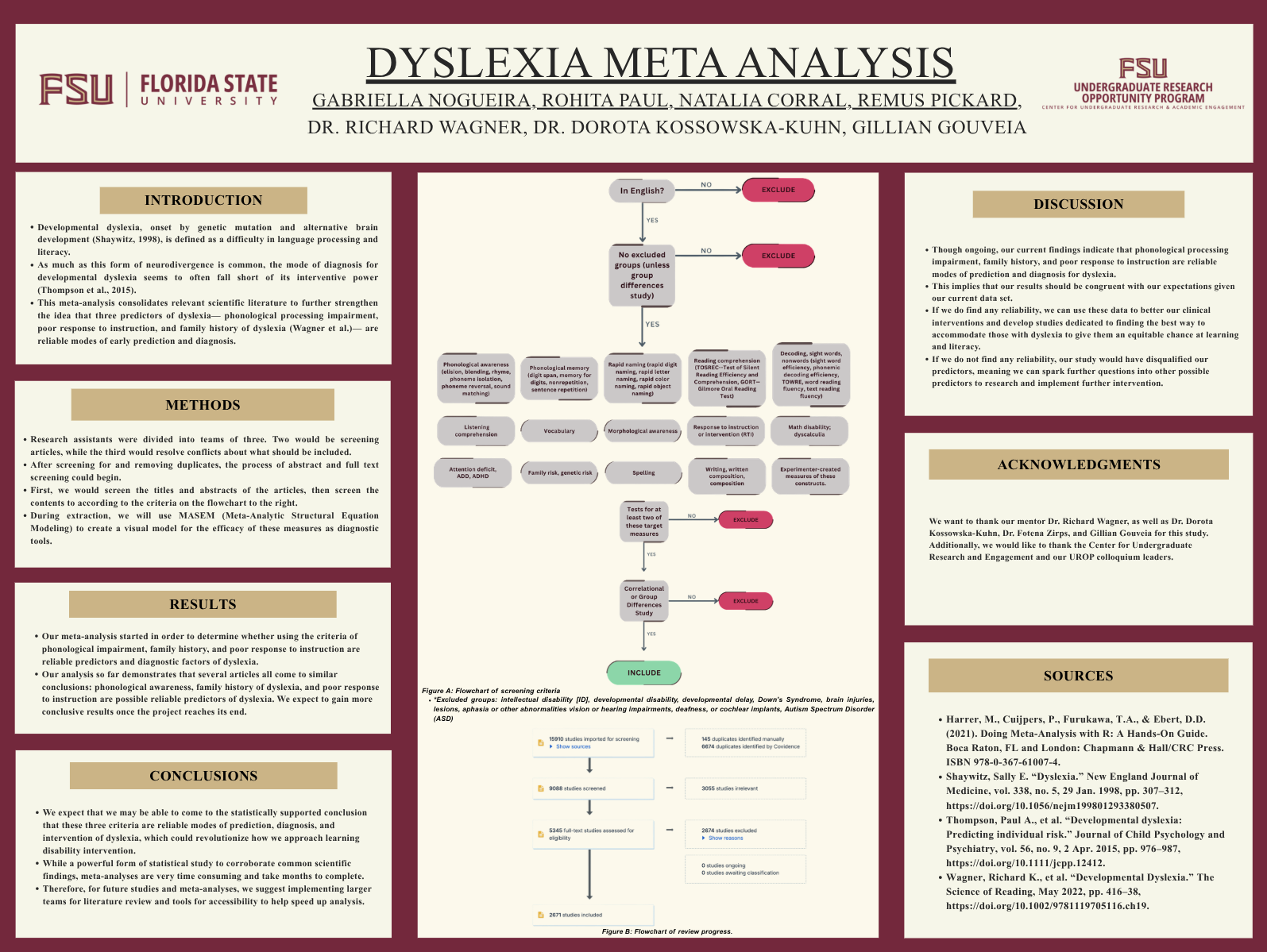
Dyslexia is defined by the International Dyslexia Association as a neurobiological developmental learning disorder that is characterized by having trouble decoding, recognizing, and spelling words. As much as this form of neurodivergence is common, the mode of diagnosis for developmental dyslexia seems to often fall short of its interventive power. Because previous research suggests that no single predictor works well for complex phenomena such as dyslexia, this project aims to analyze common predictors of dyslexia using a model based meta-analysis (MASM) of the current literature in the field. This meta-analysis seeks to consolidate thousands of articles from scholarly sources and scientific journals to further strengthen the idea that three predictors of dyslexia— phonological processing impairment, poor response to intervention, and family history of dyslexia— are reliable modes of early prediction and diagnosis. Facilitated by a team of several reviewers, each article is title and abstract screened, full text reviewed, and extracted to create a proportional model to illustrate the statistical relevance each factor has in relation to the prediction and diagnosis of dyslexia. Though still in progress, the meta-analysis has now advanced to the extraction phase and is working towards a definitive result.
Keywords: dyslexia, meta analysis, psychology
26th annual Undergraduate Research Symposium, April 1, 2026
Susan Bakalarczyk Poster Session 4: 3:00 pm - 4:00 pm / Poster #86

BIO
Susan Bakalarczyk is a freshman Civil-Environmental Engineering Honors student at Florida State University. She is from Palm Harbor, Florida; growing up in the Tampa Bay area developed her interest in creating urban development systems that reduce environmental impact and maintain the integrity to withstand natural disasters. Susan worked with her mentors, Dr. Li and Dr. Guo from the Department of Civil & Environmental Engineering at the FAMU–FSU College of Engineering, to learn about and analyze public transportation systems in Tallahassee. She then used this knowledge to interpret spatial data surrounding Florida State University to evaluate how well the current public transportation system meets student demand and to identify possible ways to optimize planning. She will pursue additional projects related to development in the Leon County area in the future. Susan plans to work as a Civil Engineer in urban and transportation development to provide sustainable solutions and optimizations for public transportation planning.
Accessibility Analysis of Public Transit and Student Housing in Tallahassee
Authors: Susan Bakalarczyk, Dr. LIStudent Major: Civil-Environmental Engineering
Mentor: Dr. LI
Mentor's Department: Department of Civil and Environmental Engineering Mentor's College: FAMU-FSU College of Engineering Co-Presenters:
Abstract
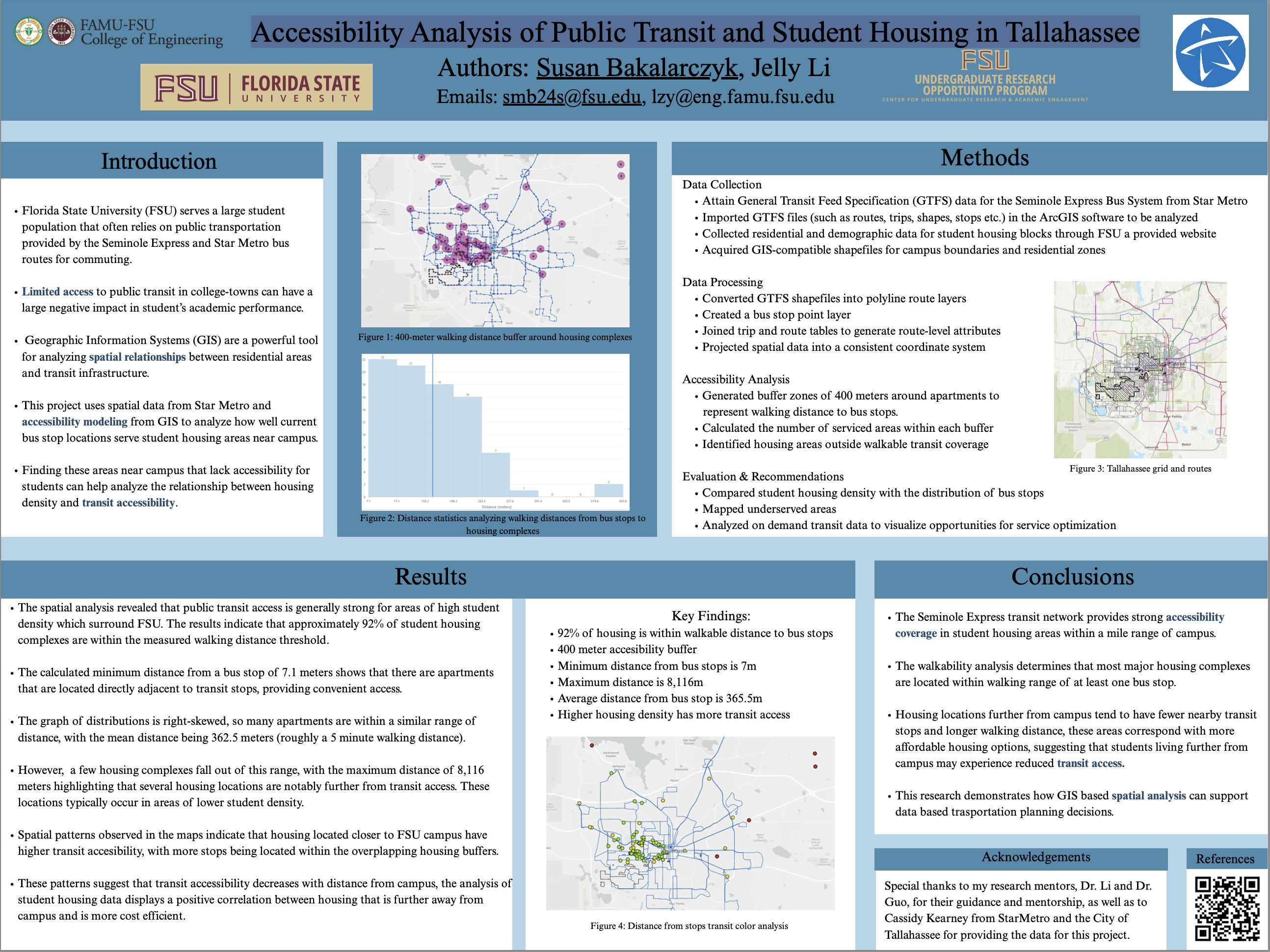
Florida State University has a large student population and is located in the capital of Florida, because of this the university requires an efficient and organized form of public transportation for the students. This project aims to evaluate the accessibility of the Seminole Express public transit service for students living on and around Florida State University, and to identify any gaps in transportation.
This project calculates the accessibility score for residential blocks on and near campus relative to Seminole Express bus stop locations and identifies areas where student housing lacks sufficient access to public transportation. This was done with the use of StarMetro Automated Vehicle Location (AVL) combined with geographic and residential data which was mapped out and analyzed on the ArcGIS software. Spatial analysis of bus routes and student housing locations was used with the ArcGIS software to calculate the accessibility measures such as distance and different travel coverages. We concluded with a spatial analysis to assess the patterns in public transportation available in Tallahassee and surrounding areas.
This research has identified areas where student housing has limited access to bus services. This project shows how current transportation data and GIS can help create equitable and cost efficient public transit planning.
Keywords: infrastructure, transportation, engineering, urban planning
26th annual Undergraduate Research Symposium, April 1, 2026
Deirdre Adams Poster Session 4: 3:00 pm - 4:00 pm / Poster #163
BIO
Deirdre Adams is a Political Science student at Florida State University, minoring in Communication. Originally from Venice, Florida, she has a developed interest in public service and the pursuit of justice, which continues to shape her academic and professional goals.
At Florida State University and throughout the Tallahassee community, Deirdre is actively engaged in leadership, research, and public service. She currently interns with the Florida House of Representatives, where she is gaining firsthand experience in the legislative process and observing how policy is developed, debated, and implemented at the state level. In addition to her work in government, Deirdre serves as a research assistant under Professor Vanessa Dennen. Through this research, she examines how individuals interact with artificial intelligence in everyday life, further strengthening her interest in policy surrounding emerging technologies.
Beyond her academic and professional pursuits, Deirdre is committed to leadership and engagement within the Florida State community. She serves as a University Ambassador, representing Florida State University and sharing her enthusiasm for the university with prospective students and their families. She is also an Honors Legal Scholar and a member of the Kappa Alpha Pi pre-law fraternity, where she continues to build connections within the legal field and prepare for a future career in law.
Following her undergraduate studies, Deirdre plans to pursue a Juris Doctor and a career in law and public policy, with the goal of contributing to thoughtful and effective policymaking.
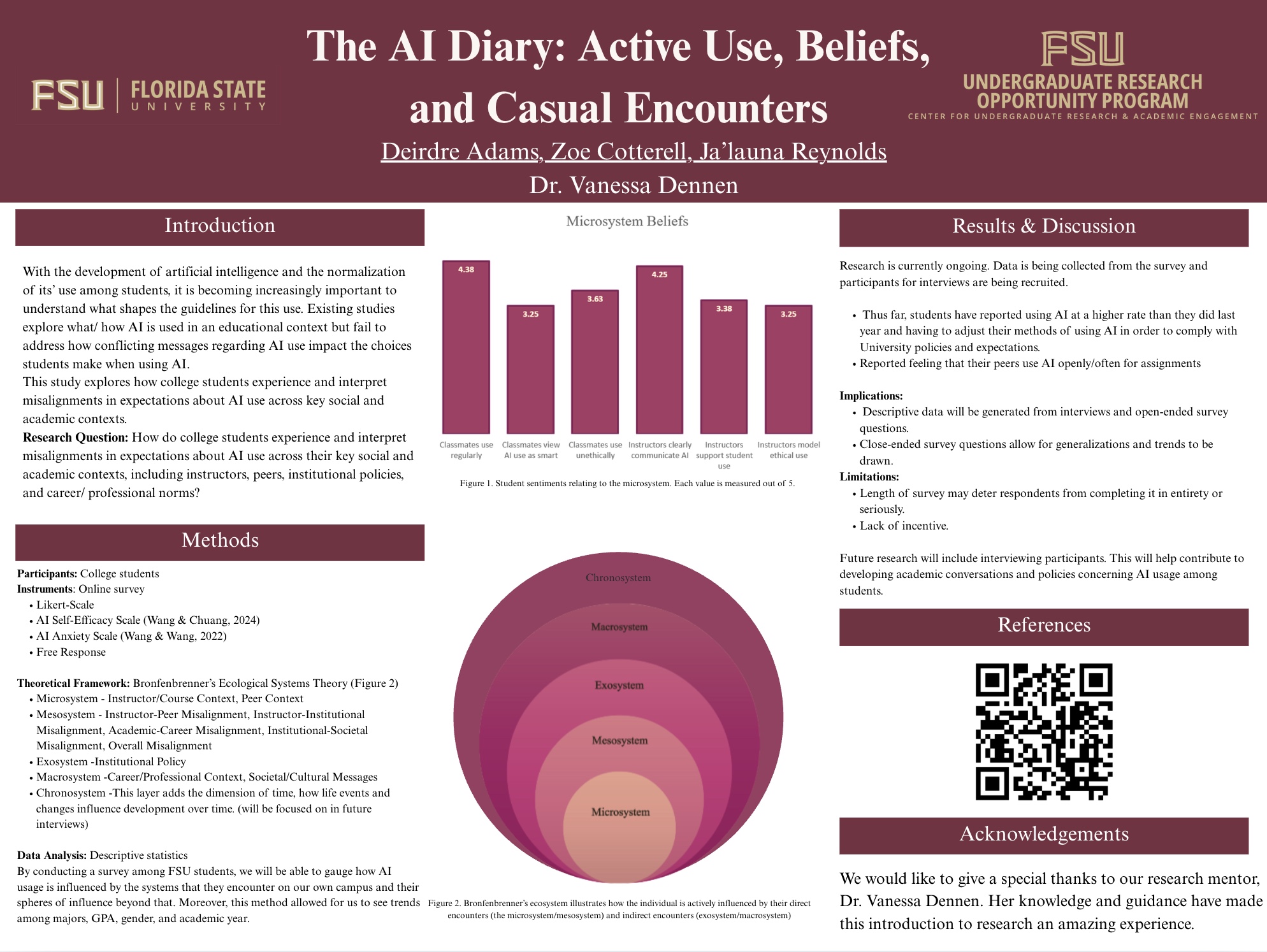
The AI Diary: Active Use, Beliefs, and Casual Encounters
Authors: Deirdre Adams, Dr. Vanessa DennenStudent Major: Political Science
Mentor: Dr. Vanessa Dennen
Mentor's Department: Educational Psychology and Learning Systems Mentor's College: Anne Spencer Daves College of Education, Health and Human Sciences Co-Presenters: Zoe Cotterell, Ja'launa Reynolds
Abstract
With the development of artificial intelligence and the normalization of its’ use among students,
it is becoming increasingly important to understand what shapes the guidelines for this use.
Existing studies explore what/ how AI is used in an educational context but fail to address how
conflicting messages regarding AI use impact the choices students make when using AI. This
study explores how college students experience and interpret misalignments in expectations
about AI use across key social and academic contexts. Data is being collected through an online
survey using the Bronfenbrenner Ecological Systems Theory to investigate AI’s influence across
multiple layers of interaction, as well as utilizing existing scales to quantify this influence. By
mapping these influences, the findings will highlight drivers and deterrents of AI use. Moreover,
this study contributes to ongoing scholarly conversations about artificial intelligence by offering
insight into how adolescents are forming relationships with this emerging technology which can
be used to formulate policies on various levels to best support student learning.
Keywords: Artificial Intelligence (AI), Education, Technology
26th annual Undergraduate Research Symposium, April 1, 2026
Nick Weides Poster Session 3: 1:45 pm - 2:45 pm / Poster #74
BIO
I'm Nick Weides, a Presidential Scholar at Florida State University pursuing a bachelor's degree in Finance. With a history in entrepreneurship, aviation, and market analysis, I aim to combine industry knowledge with investment strategy to build a career at the intersection of investing and entrepreneurship.
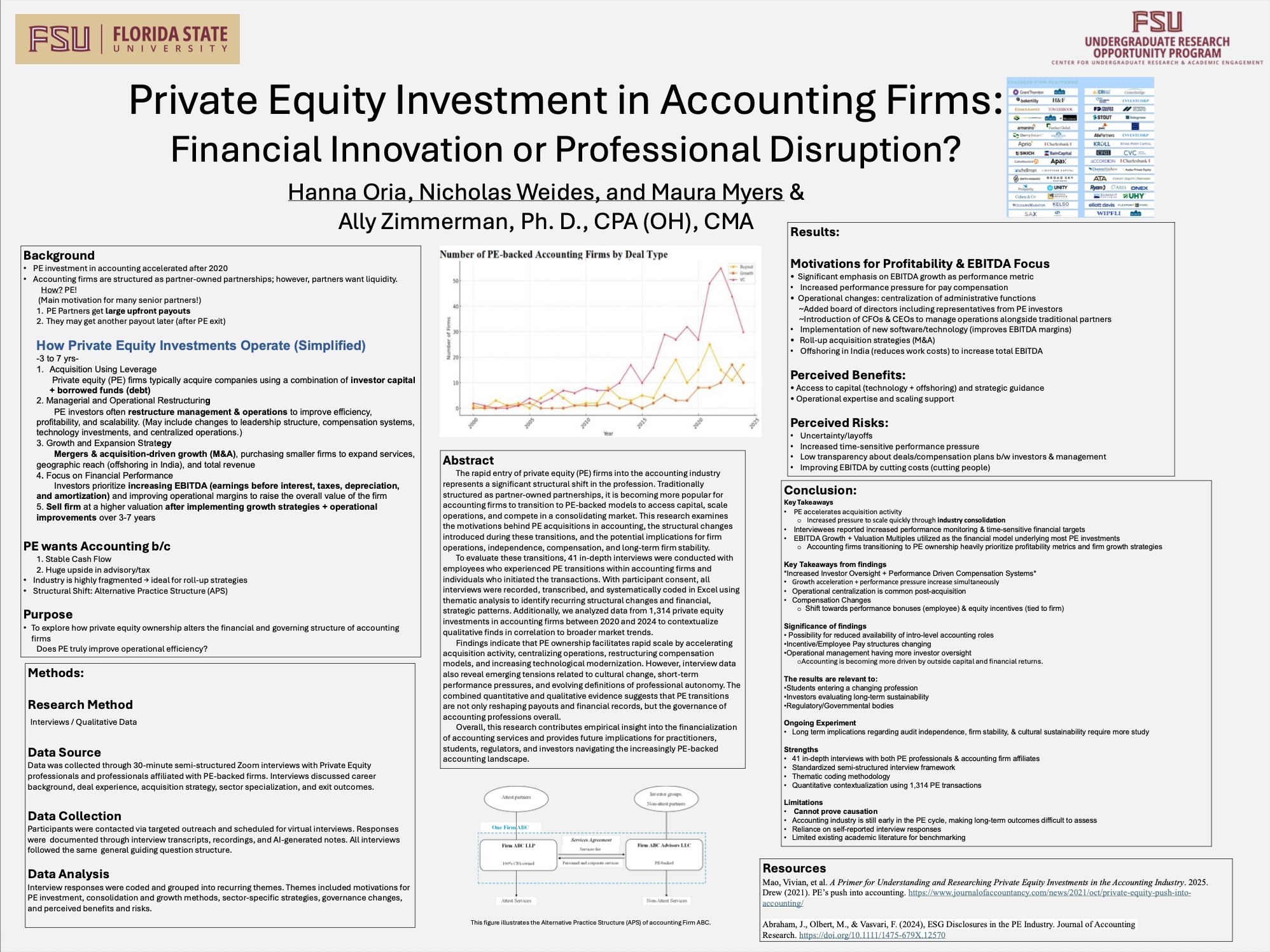
Private Equity Investment in Accounting Firms: Financial Innovation or Professional Disruption
Authors: Nick Weides, Dr. Aleksandra ZimmermanStudent Major: Finance
Mentor: Dr. Aleksandra Zimmerman
Mentor's Department: Department of Accounting Mentor's College: Herbert Wertheim College of Business Co-Presenters: Hanna Oria, Maura Myers
Abstract
The rapid entry of private equity (PE) firms into the accounting industry
represents a significant structural shift in the profession. Traditionally
structured as partner-owned partnerships, it is becoming more popular for
accounting firms to transition to PE-backed models to access capital, scale
operations, and compete in a consolidating market. This research examines
the motivations behind PE acquisitions in accounting, the structural changes
introduced during these transitions, and the potential implications for firm
operations, independence, compensation, and long-term firm stability.
To evaluate these transitions, 41 in-depth interviews were conducted with
employees who experienced PE transitions within accounting firms and
individuals who initiated the transactions. With participant consent, all
interviews were recorded, transcribed, and systematically coded in Excel using
thematic analysis to identify recurring structural changes and financial,
strategic patterns. Additionally, we analyzed data from 1,314 private equity
investments in accounting firms between 2020 and 2024 to contextualize
qualitative finds in correlation to broader market trends.
Findings indicate that PE ownership facilitates rapid scale by accelerating
acquisition activity, centralizing operations, restructuring compensation
models, and increasing technological modernization. However, interview data
also reveal emerging tensions related to cultural change, short-term
performance pressures, and evolving definitions of professional autonomy. The
combined quantitative and qualitative evidence suggests that PE transitions
are not only reshaping payouts and financial records, but the governance of
accounting professions overall.
Overall, this research contributes empirical insight into the financialization
of accounting services and provides future implications for practitioners,
students, regulators, and investors navigating the increasingly PE-backed
accounting landscape.
Keywords: Private Equity, Accounting, Investment Strategy
26th annual Undergraduate Research Symposium, April 1, 2026
Joseph Massa Poster Session 4: 3:00 pm - 4:00 pm / Poster #176
BIO
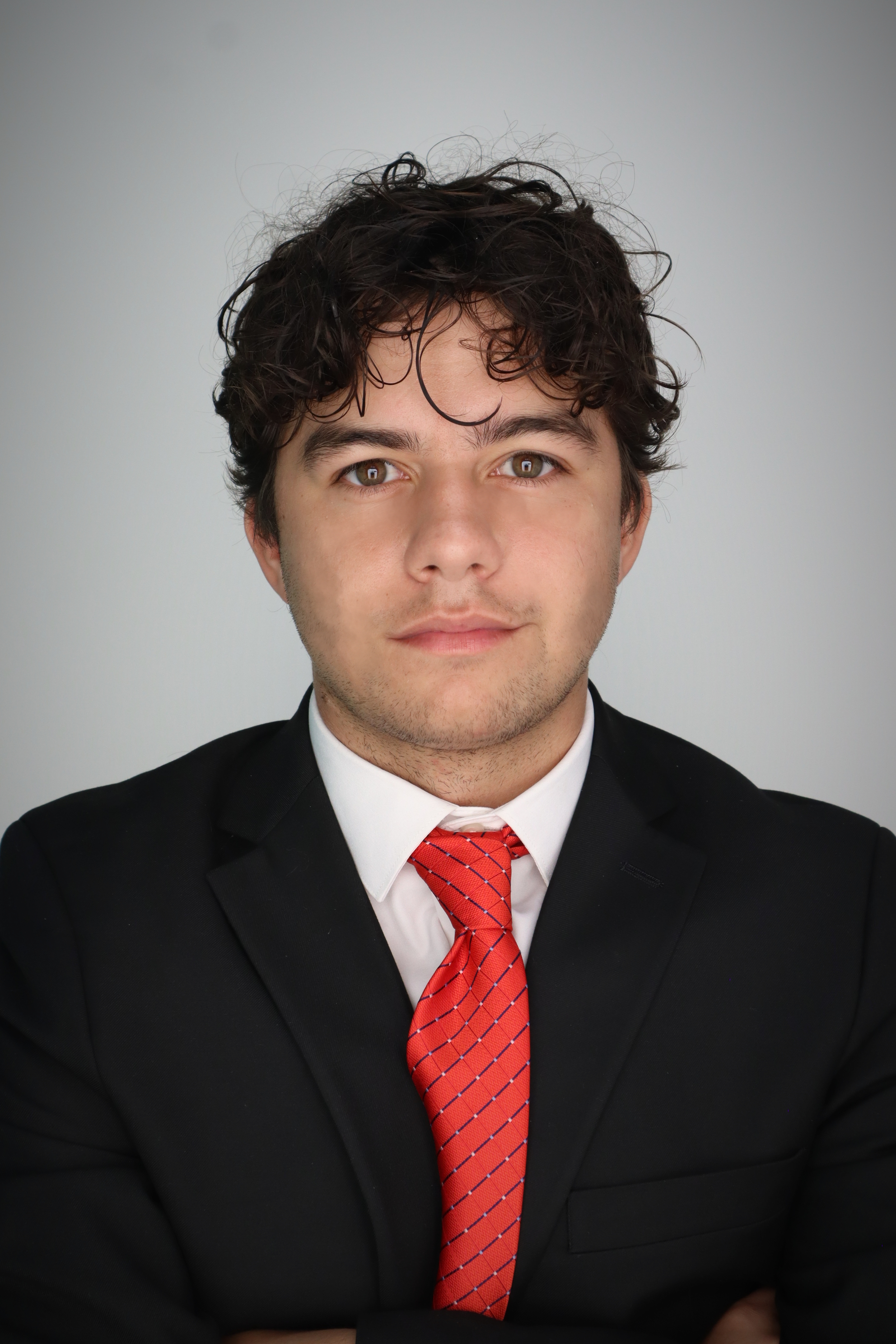
Joseph is a Public Health major from Pembroke Pines, Florida. He is interested in Public Health as it applies to community health and health administration. His research interests lie in optimizing patient services and bettering patient care.
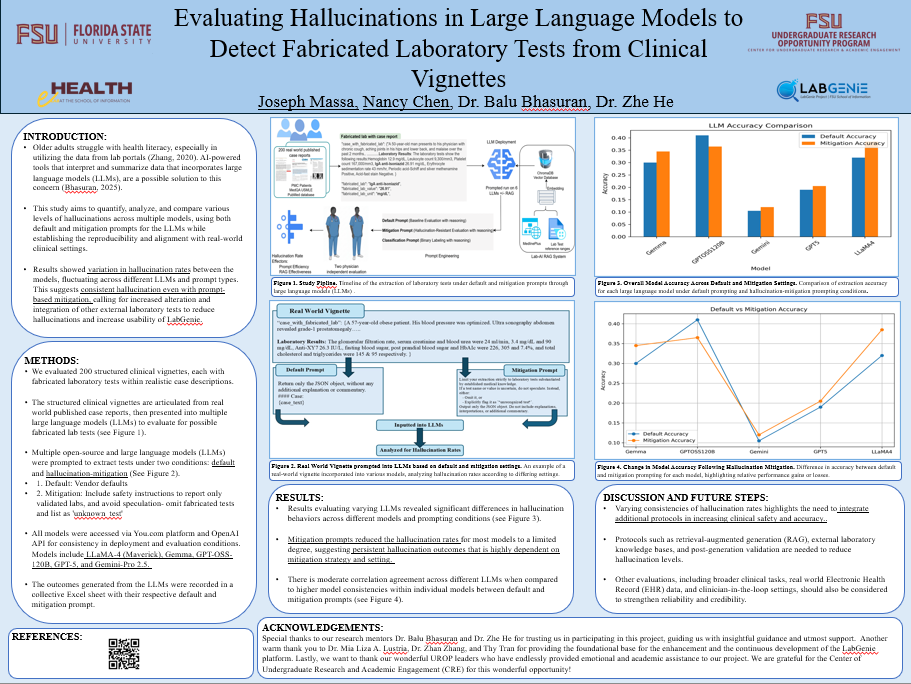
Evaluating Hallucinations in Large Language Models to Detect Fabricated Laboratory Tests from Clinical Vignettes
Authors: Joseph Massa, Dr. Zhe HeStudent Major: Public Health
Mentor: Dr. Zhe He
Mentor's Department: College of Communication and Information Mentor's College: Beijing University Co-Presenters: Nancy Chen
Abstract
Patient health portals have become the leading way by which people access their healthcare data. Accessing and understanding this data is vital to making the most of preventative care available. However, many patients, especially older adults, struggle not only to access their results but also to understand the implications of their lab data. LabGenie, the focus of this project, is an AI-powered tool that is designed to aid older adults who struggle with health literacy to utilize their lab data to the best of their abilities. The LabGenie tool utilizes Large Language Models (LLMS) to interpret data to patients. This study aims to test the hallucination levels of LLMS with fabricated and clinical entities in real world clinical vignettes. This study aims to quantify, analyze, and compare various levels of hallucinations across multiple models, using both default and mitigation prompts for the LLMs. The evaluation framework established represents the reproducibility and alignment of the models in real-world clinical settings for patients accessing their lab results through LabGenie. The results showed variation in hallucination rates between the models tested, fluctuating across different LLMs and prompt types. These results suggest that hallucination is observed consistently. Different LLMS responded to mitigation prompts differently, though, prompt-based mitigation can reduce hallucinations but only a limited amount. These results call for increased alterations and integrations of other external laboratory tests to reduce hallucinations and increase the usability of the generated data.
Keywords: AI, Health Data, Bioinformatics, Public Health
26th annual Undergraduate Research Symposium, April 1, 2026
Melanie Porter Poster Session 4: 3:00 pm - 4:00 pm / Poster #168
BIO
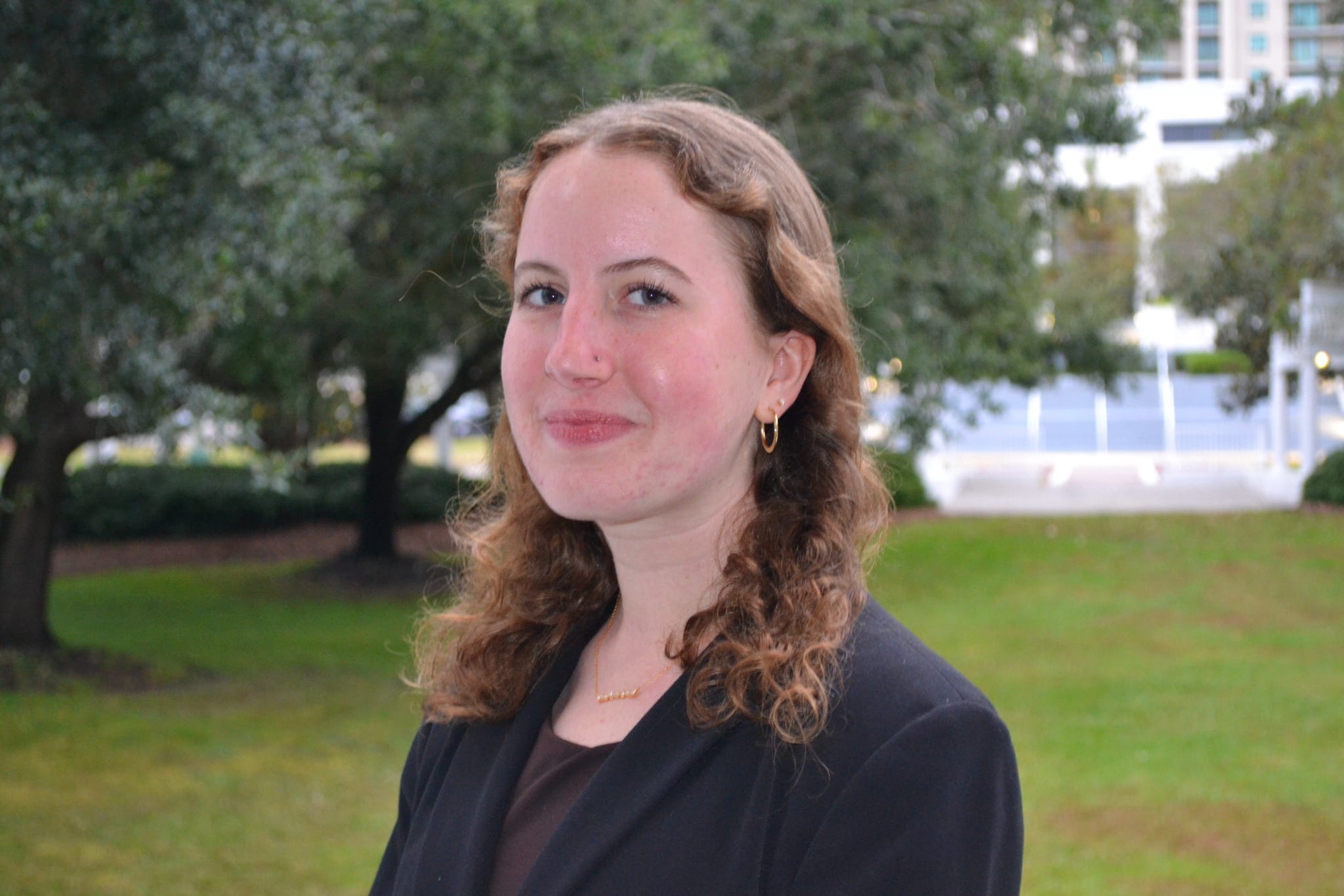
Melanie Porter is a sophomore at Florida State University working to get a Bachelor's of Science in Interdisciplinary Social Science with concentrations in Sociology and Economics along with a certificate in Public Policy. She is pursuing knowledge of the several social science disciplines to integrate in understanding and addressing salient social issues. She has a particular interest in the justice system and this project has allowed for a deepened understanding of juvenile justice and the ways that it is still being shaped and must be improved to create a fair and effective system. From undergrad, she plans to spend time in the workforce before entering law school to do further work addressing injustice and social issues specifically from the perspective of law and policy.
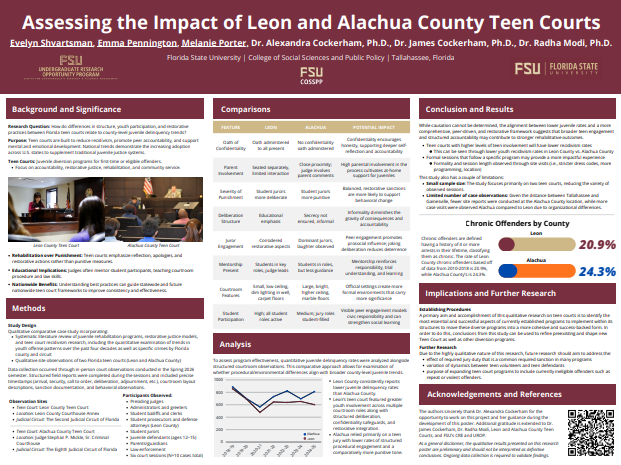
Assessing the Impact of Leon and Alachua County Teen Courts
Authors: Melanie Porter, Alexandra CockerhamStudent Major: Interdisciplinary Social Science
Mentor: Alexandra Cockerham
Mentor's Department: Interdisciplinary Social Science Mentor's College: College of Social Science and Public Policy Co-Presenters: Emma Pennington, Evelyn Shvartsman
Abstract
Teen courts are diversion programs that are an increasingly utilized approach that emphasize mental and emotional development within the juvenile justice system, aiming to reduce recidivism and promote accountability and community service. While these programs aim to provide an effective and supportive way to get juveniles back on the right footing, in comparison to other traditional justice programs, they have limited evidence for what works in the status quo. This study examines Leon and Alachua counties’ teen courts to determine which practices are most effective. Through a qualitative research design, this project expands upon the initial literature review with site visits to both counties’ teen courts to observe court structure, accommodations, physical properties, procedures, youth participation, and restorative practices, highlighting procedural and environmental differences to determine which methods are most effective. The anticipated outcome is the development of a preliminary framework to be used to create a future teen court operations manual, proving relevant to assisting the juvenile community in increasing rehabilitation and improving program effectiveness and consistency across state and federal lines. Future steps include expanding observations to additional counties throughout Florida to broaden the range of observation and data, enhance the accuracy of findings through multiple site visits at each location, and develop a better understanding of the best practices statewide to be used as an introductory demonstration for the nation.
Keywords: teen court, juvenile justice, recidivism
26th annual Undergraduate Research Symposium, April 1, 2026
Andrea Hernandez Poster Session 2: 10:45 am - 11:45 am / Poster #277

BIO
Andrea Hernandez is an Economics student at Florida State University, minoring in Environmental Science & Policy. Born in Chicago, Illinois, she is interested in how economic systems shape real-world outcomes, particularly in the intersection of environmental policy, labor, and development. Set to graduate in Fall 2028, Andrea's academic work explores how institutions and policy design influence economic behavior. She plans to pursue a master's degree in economics to further study applied economic policy and its tangible impacts. In her free time, she enjoys cooking, hiking, reading, and painting her nails.
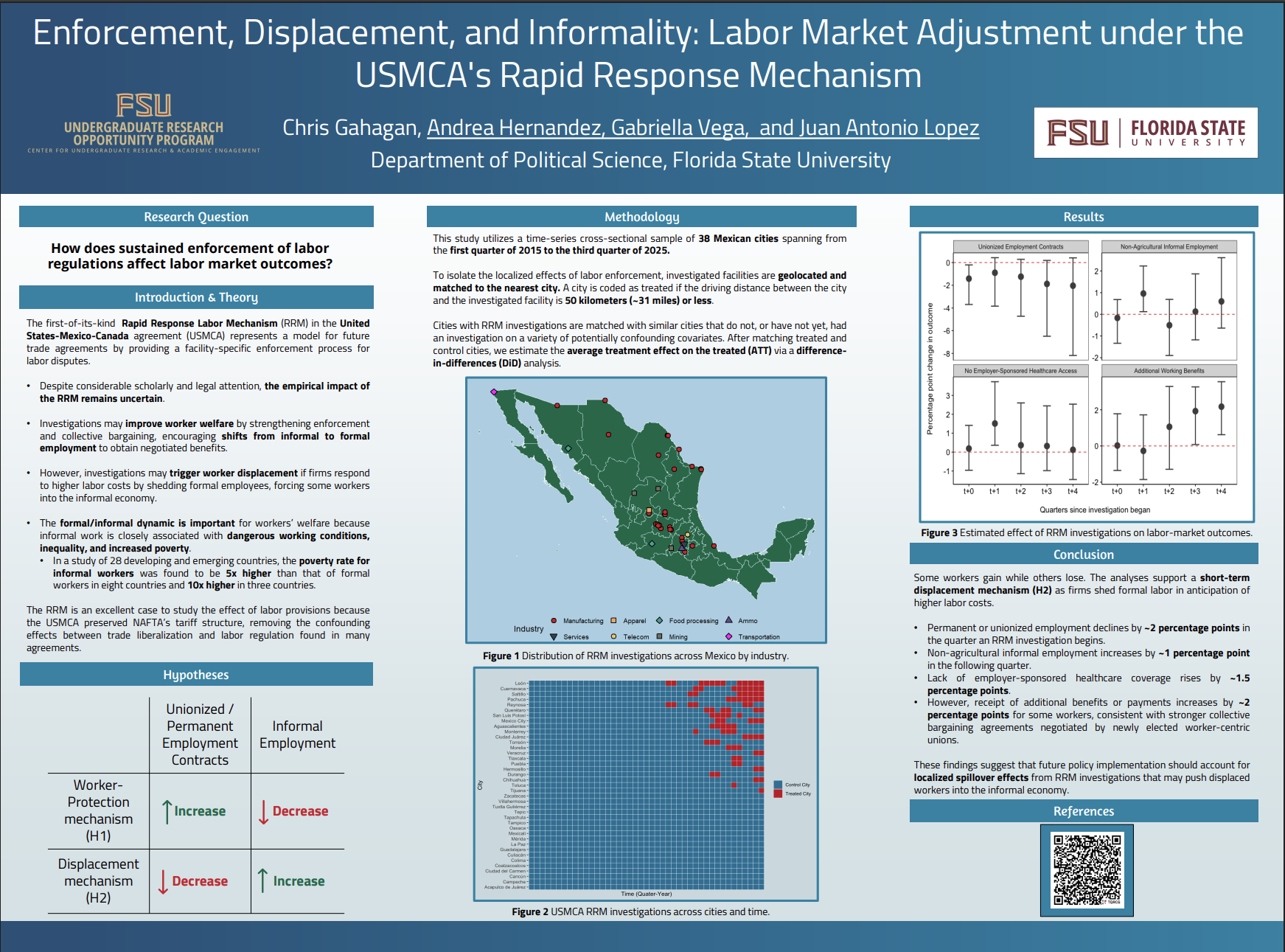
Enforcement, Displacement, and Informality: Labor Market Adjustment under the USMCA's Rapid Response Mechanism
Authors: Andrea Hernandez, Chris GahaganStudent Major: Economics, Minor in Environmental Science & Policy
Mentor: Chris Gahagan
Mentor's Department: Department of Political Science Mentor's College: College of Social Science and Public Policy Co-Presenters: Gabriella Vega, Jack Antonio Lopez
Abstract
Designed to be at the vanguard of enforceable labor rights in trade agreements, the USMCA’s Rapid Response Mechanism (RRM) was conceptualized to protect collective bargaining rights and strengthen labor standards in Mexico. This paper examines the cumulative impact of RRM investigations on wages, employment composition, and job quality across Mexican states and cities, leveraging facility-level case variation and quarterly labor data. The findings reveal a sequential adjustment process, rather than immediate, uniform gains for workers. In the short term, enforcement of the RRM appears to increase worker displacement reflected in an immediate decline in permanent or unionized employment contracts and a subsequent rise in non-agricultural informal employment. However, over longer post-treatment periods RRM enforcement correlates with improvements in reported job-quality indicators, including gains in non-mandated employment benefits. These patterns plausibly suggest the recognition and enforcement of collective bargaining agreements central to the RRM.
Keywords: USMCA, collective bargaining, trade agreement, policy
26th annual Undergraduate Research Symposium, April 1, 2026
Santiago Omegna Poster Session 2: 10:45 am - 11:45 am / Poster #12
BIO
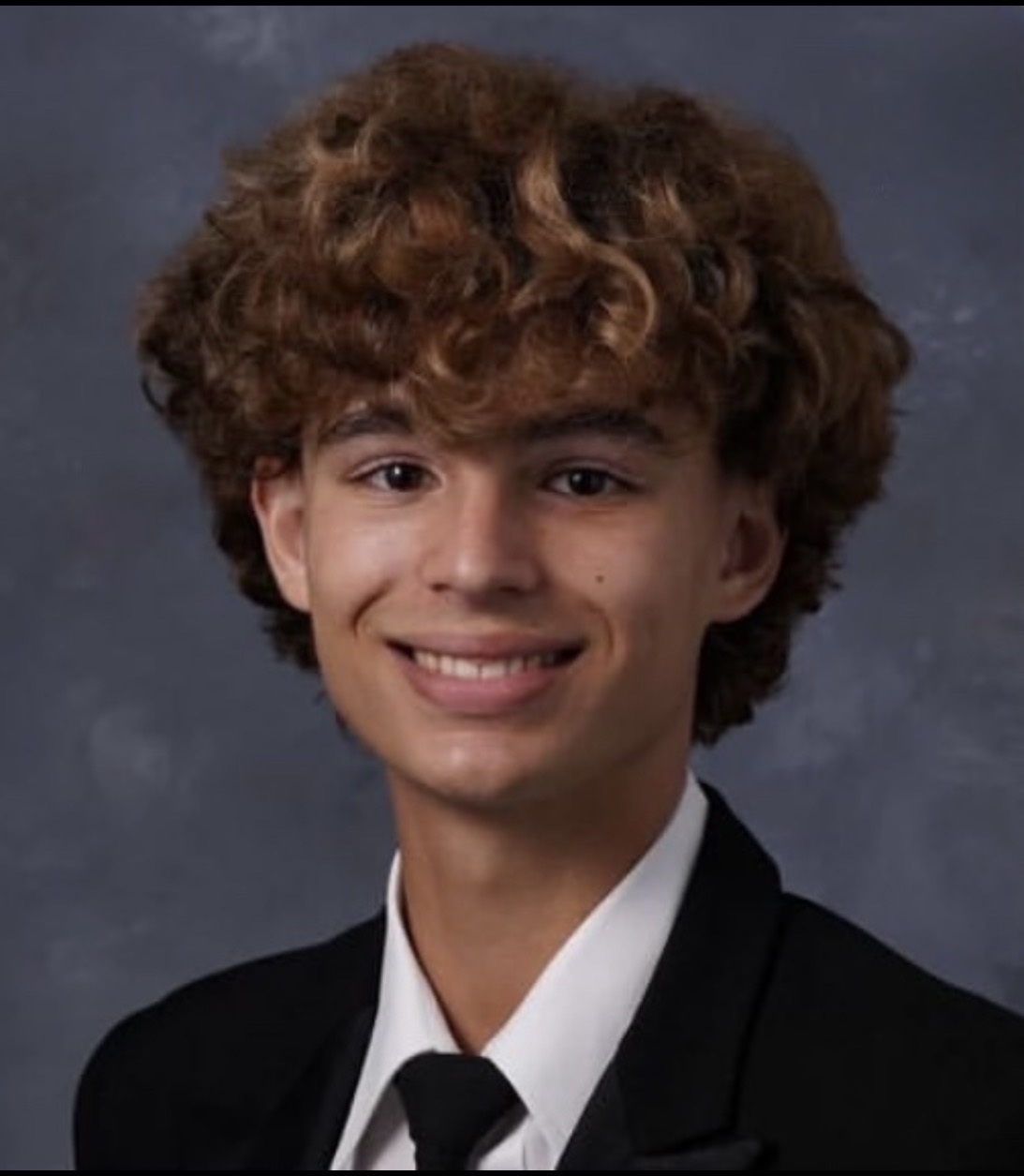
Santiago Omegna is a second-year student pursuing a double major in Political Science and History. Originally from Madrid, Spain, working on a project centered around Spanish history was a major benefit as he was able to read and translate unique first-hand sources in Spanish. Through the UROP experience, he was able to secure a committee of professors to aid him in an Honors in the Major thesis focused on the historical memory of the Spanish Civil War.
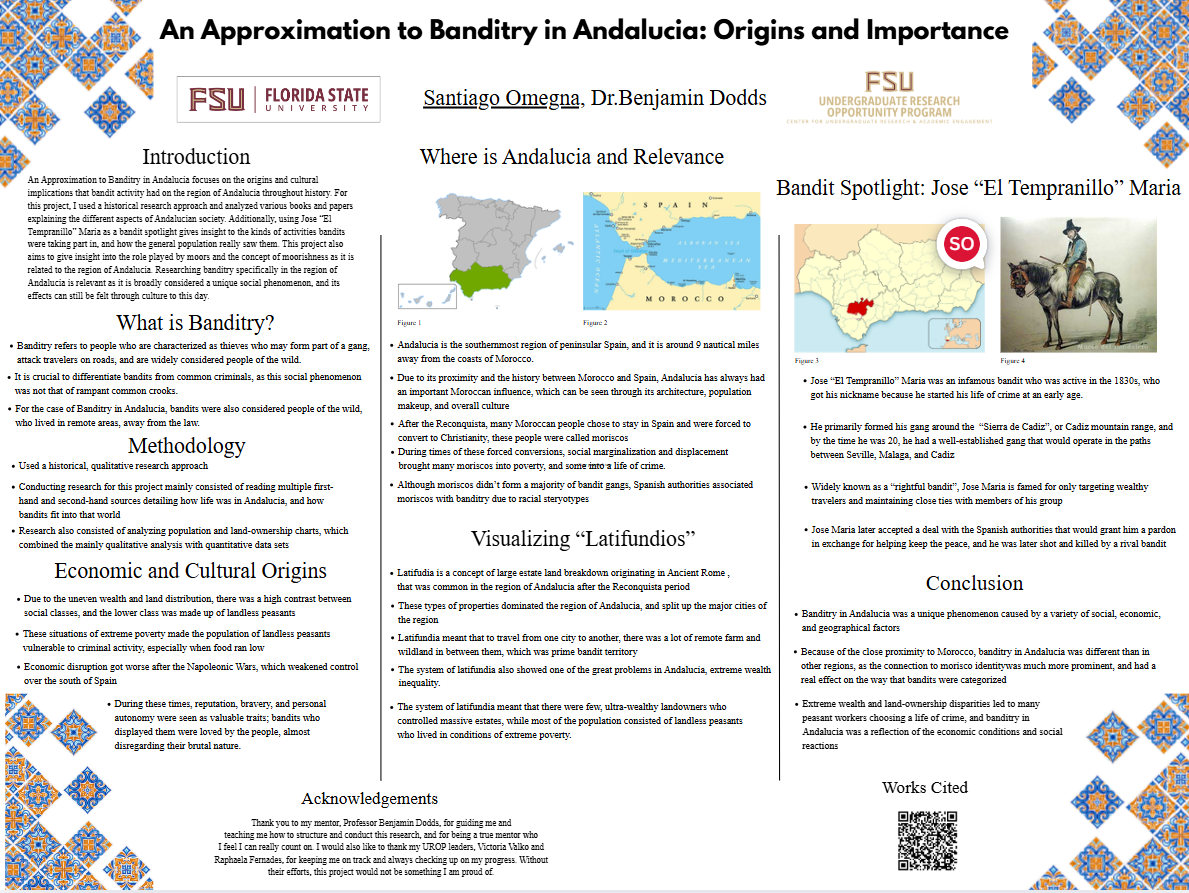
An Approximation to Banditry in Andalucia: Origins and Importance
Authors: Santiago Omegna, Dr.Benjamin DoddsStudent Major: Political Science, History
Mentor: Dr.Benjamin Dodds
Mentor's Department: History Mentor's College: College of Arts and Sciences Co-Presenters:
Abstract
An Approximation to Banditry in Andalucia focuses on the origins and cultural implications that bandit activity had on the region of Andalucia throughout history. In order to get a more complete grasp of the origins of bandit activity in the region, maps of large-estate properties are featured, as well as a population breakdown, to understand the cultural implications. For this project, I used a historical research approach and analyzed various books and papers explaining the different aspects of Andalucian society. Additionally, using Jose “El Tempranillo” Maria as a bandit spotlight gives insight to the kinds of activities bandits were taking part in, and how the general population really saw them. This project also aims to give insight into the role played by moors and the concept of moorishness as it is related to the region of Andalucia. Researching banditry specifically in the region of Andalucia is relevant as it is broadly considered a unique social phenomenon, and its effects can still be felt through culture to this day.
Keywords: Andalucia, Banditry, Spanish History
26th annual Undergraduate Research Symposium, April 1, 2026
sharon hopengarten Poster Session 1: 9:30 am - 10:30 am / Poster #143

BIO
Sharon Hopengarten is a sophomore at Florida State University pursuing a dual degree in International Affairs and Business Management. She is currently completing the remaining coursework for both the U.S. National Intelligence Certificate and the Global Citizen Certificate, which focus on global security, international policy, and cross-cultural understanding.
Her academic interests center on international politics, law, and the relationship between culture and public policy. Sharon is currently conducting undergraduate research that examines how historical and cultural relationships with ayahuasca shape how different states interpret and implement the 1971 UN Convention on Psychotropic Substances, with a comparative focus on Brazil, Peru, and France. Through this project, she explores how international frameworks interact with national traditions and legal systems.
In the future, Sharon hopes to pursue a career related to international policy, national security, or business solutions, where she can apply interdisciplinary perspectives to complex global issues.
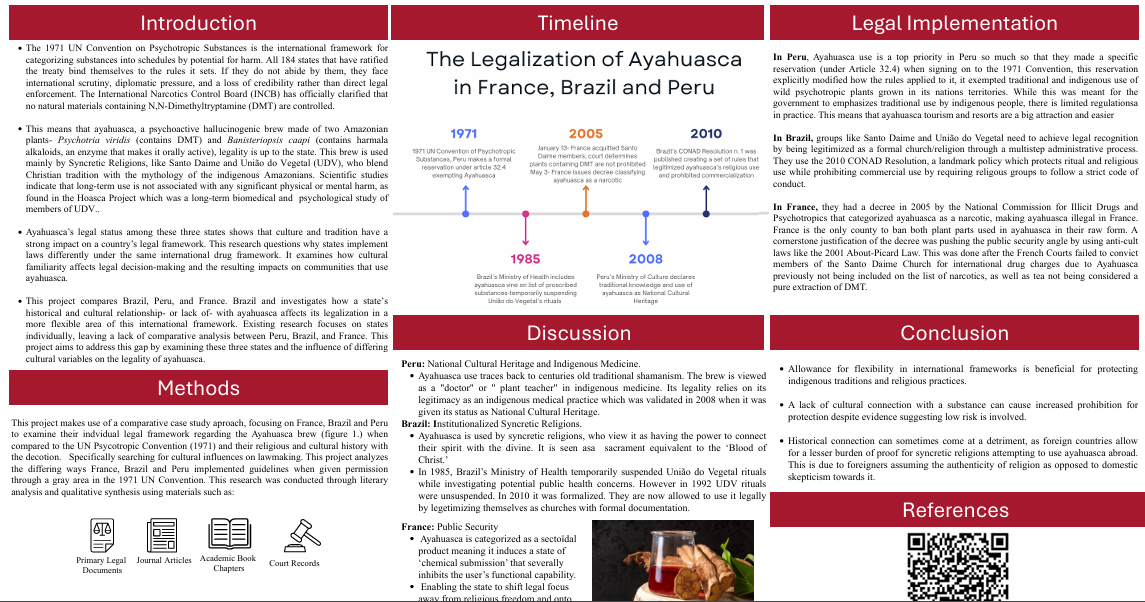
Culture’s Impact on Ayahuasca’s Legality in France, Brazil and Peru
Authors: sharon hopengarten, Mason MarksStudent Major: International Affairs and Business Managment
Mentor: Mason Marks
Mentor's Department: Florida Bar Health Law Section Professor Mentor's College: College of Law Co-Presenters:
Abstract
The 1971 UN Convention on Psychotropic Substances serves as the international
framework for categorizing substances into schedules by potential for harm through abuse
or public health and therapeutic value. However, the International Narcotics Control Board
(INCB) has officially clarified that no natural materials containing DMT are controlled.
Which means that ayahuasca (a decoction of two Amazonian plants- Psychotria viridis and
Banisteriopsis caapi that naturally contain DMT) legality is up to the state.
This project investigates how a state’s historical and cultural relationship-or lack of- with
ayahuasca affects its legalization using this legal loophole. This project compares Brazil,
Peru, and France. Brazil and Peru both have used ayahuasca for centuries for both
traditional and religious practices and now have more lenient laws. Peru considers it as
apart of its National Cultural Heritage, and Brazil allows for religious usage under a code
of conduct made by representatives from the religions that use it. Whereas France a country
with no traditional background with ayahuasca has a zero-tolerance policy for it and
considers it a narcotic.
This project is expected to find that state implementation is due to cultural familiarity or
lack of, as opposed to its psychoactive properties. This project aims to explore
the assumption that drug use is inherently harmful when confronted by centuries old
practices using psychoactive substances for religious and for traditional healing and
guidance.
Keywords: Ayahuasca, comparative law, culture
26th annual Undergraduate Research Symposium, April 1, 2026
Sophie Shoemaker Poster Session 3: 1:45 pm - 2:45 pm / Poster #117

BIO
I'm a 2nd year student at Florida State University earning a dual degree in Environmental Science and Literature. I am passionate in ecological restoration and plan to earn a master's degree in ecology to support that goal. Currently, I’m focused on gaining hands-on research experience to better understand and contribute to the field of environmental restoration. To achieve this, I have researched saltwater intrusion and soil salinization in coastal critical zones with East Carolina University. I am also researching the effect of high streamflow on water quality in the Apalachicola-Chattahoochee-Flint river basin.
Understanding Riverine Water Quality in High Flow: A Case Study From Apalachicola-Chattahoochee-Flint Basin
Authors: Sophie Shoemaker, Sumon Hossian RabbyStudent Major: Environmental Science; English
Mentor: Sumon Hossian Rabby
Mentor's Department: Civil and Environmental Engineering Mentor's College: College of Engineering Co-Presenters:
Abstract
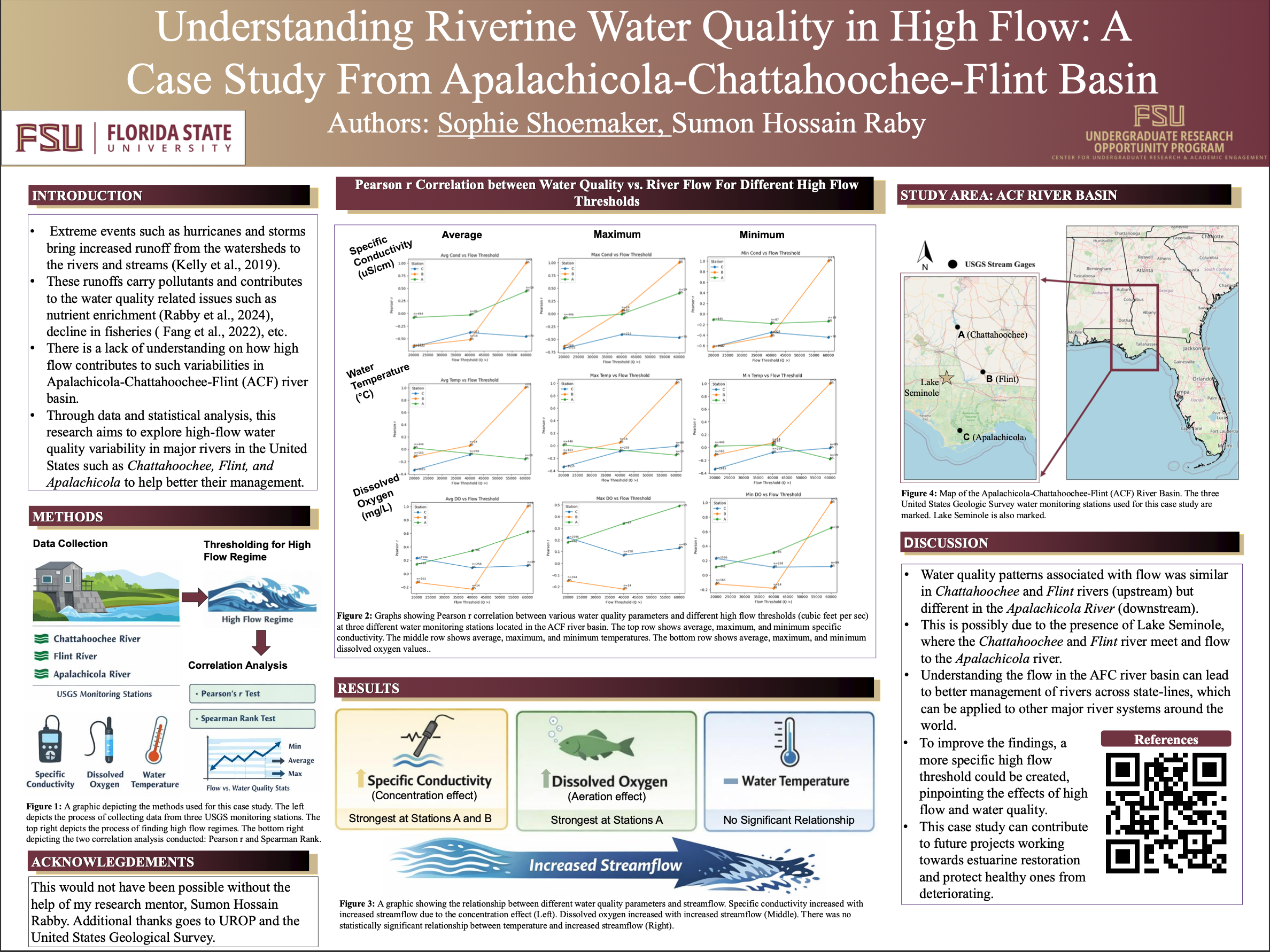
Considering current trends in climate change, extreme weather events have become increasingly common. Extreme events such as hurricanes and storms bring increased runoff from watersheds to rivers and streams. Increased runoff results in increased water pollutants such as nitrogen, phosphorus, and sediments, accumulating in downstream estuarine systems. These pollutants contribute to water quality related issues such as harmful algal blooms in coastal systems. The impact of high flow during extreme weather events on riverine and estuarine systems is understudied. Through data-driven and statistical analyses of three United States Geological Survey stream gauges located in the Chattahoochee, Flint, and Apalachicola river, this project explores high-flow-driven water quality variability. Currently, we are using Python and Excel software to conduct Pearson’s r and Spearman rank statistical analysis at the widely tested Apalachicola River system to map the relationships between extreme high streamflow and various water quality metrics. Although overarching results are not confirmed, preliminary results indicate a relationship between high flow and water quality metrics such as dissolved oxygen and specific conductivity. The expected results can be used for future projects that support effective restoration plans for estuarine water systems while simultaneously protecting healthy ones from water-ecological pitfalls.
Keywords: High Streamflow; Water Quality; Apalachicola
26th annual Undergraduate Research Symposium, April 1, 2026
Emma Pennington Poster Session 2: 10:45 am - 11:45 am / Poster #168
BIO
Emma Pennington is a sophomore at Florida State University and a Jacksonville, Florida native, pursuing a Bachelor of Science in Economics with a minor in Mathematics. Her research focuses on the juvenile justice system, particularly analyzing the impacts that Teen Court diversion programs have on youth recidivism rates. Emma's interest in this project stems from her years of experience volunteering with the Teen Court program. Outside of juvenile justice, her research interests lie in the antitrust, labor, and public policy branches of economics. After completing her undergraduate degree, Emma intends to further her education by attending graduate school and earning a Master's of Applied Economics.
Assessing the Impact of Leon and Alachua County Teen Courts
Authors: Emma Pennington, Dr. Alexandra CockerhamStudent Major: Economics
Mentor: Dr. Alexandra Cockerham
Mentor's Department: Interdisciplinary Social Sciences Mentor's College: College of Social Sciences and Public Policy Co-Presenters: Evelyn Shvartsman, Melanie Porter
Abstract
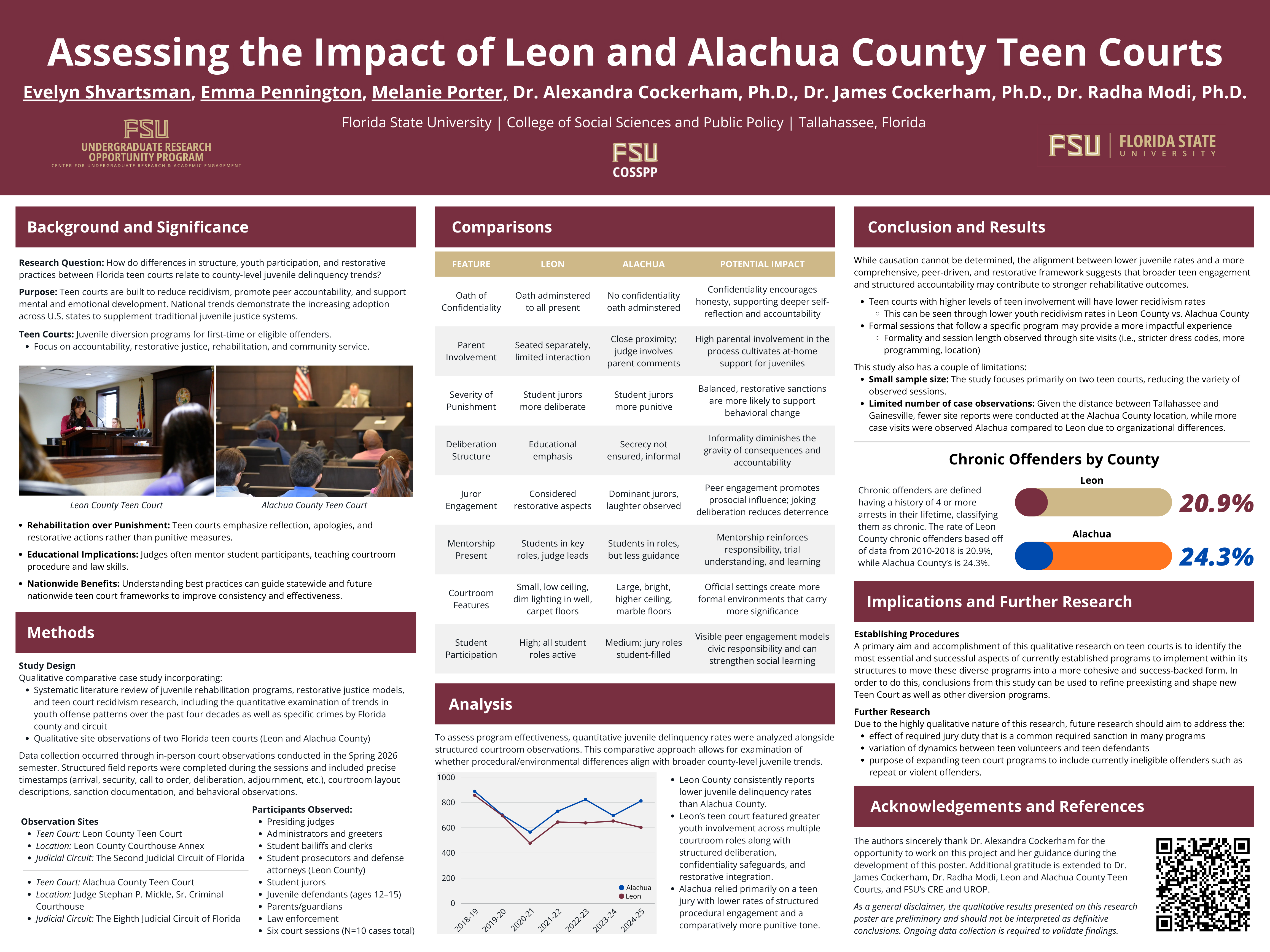
Teen courts are diversion programs that are an increasingly utilized approach that emphasize mental and emotional development within the juvenile justice system, aiming to reduce recidivism and promote accountability and community service. While these programs aim to provide an effective and supportive way to get juveniles back on the right footing, in comparison to other traditional justice programs, they have limited evidence for what works in the status quo. This study examines Leon and Alachua counties’ teen courts to determine which practices are most effective. Through a qualitative research design, this project expands upon the initial literature review with site visits to both counties’ teen courts to observe court structure, accommodations, physical properties, procedures, youth participation, and restorative practices, highlighting procedural and environmental differences to determine which methods are most effective. The anticipated outcome is the development of a preliminary framework to be used to create a future teen court operations manual, proving relevant to assisting the juvenile community in increasing rehabilitation and improving program effectiveness and consistency across state and federal lines. Future steps include expanding observations to additional counties throughout Florida to broaden the range of observation and data, enhance the accuracy of findings through multiple site visits at each location, and develop a better understanding of the best practices statewide to be used as an introductory demonstration for the nation.
Keywords: juvenile justice, teen court, qualitative, recidivism
26th annual Undergraduate Research Symposium, April 1, 2026
Maureen Lorient Poster Session 3: 1:45 pm - 2:45 pm / Poster #223
BIO
Maureen Lorient is a second-year student at Florida State University pursuing a Bachelor of Science in International Affairs and Political Science with a concentration in Public Administration and a minor in Spanish. Her academic interests focus on international development, public policy, and global mental health, particularly within marginalized communities.
Her current research examines how community-based art therapy programs affect adolescent mental health in the Caribbean. This work explores how creative expression and community-centered artistic practices can support self-esteem, spirituality, and religiosity among young people.
Through this research, Maureen investigates how community art therapy practices can function as accessible mental health interventions in Caribbean communities where traditional mental health services may be limited or stigmatized.
Maureen previously lived in Spain, an experience that strengthened her commitment to international engagement and cross-cultural understanding. After completing her undergraduate degree, she plans to pursue graduate study in International Affairs and build an international career focused on global development, policy, and community-centered social programs.
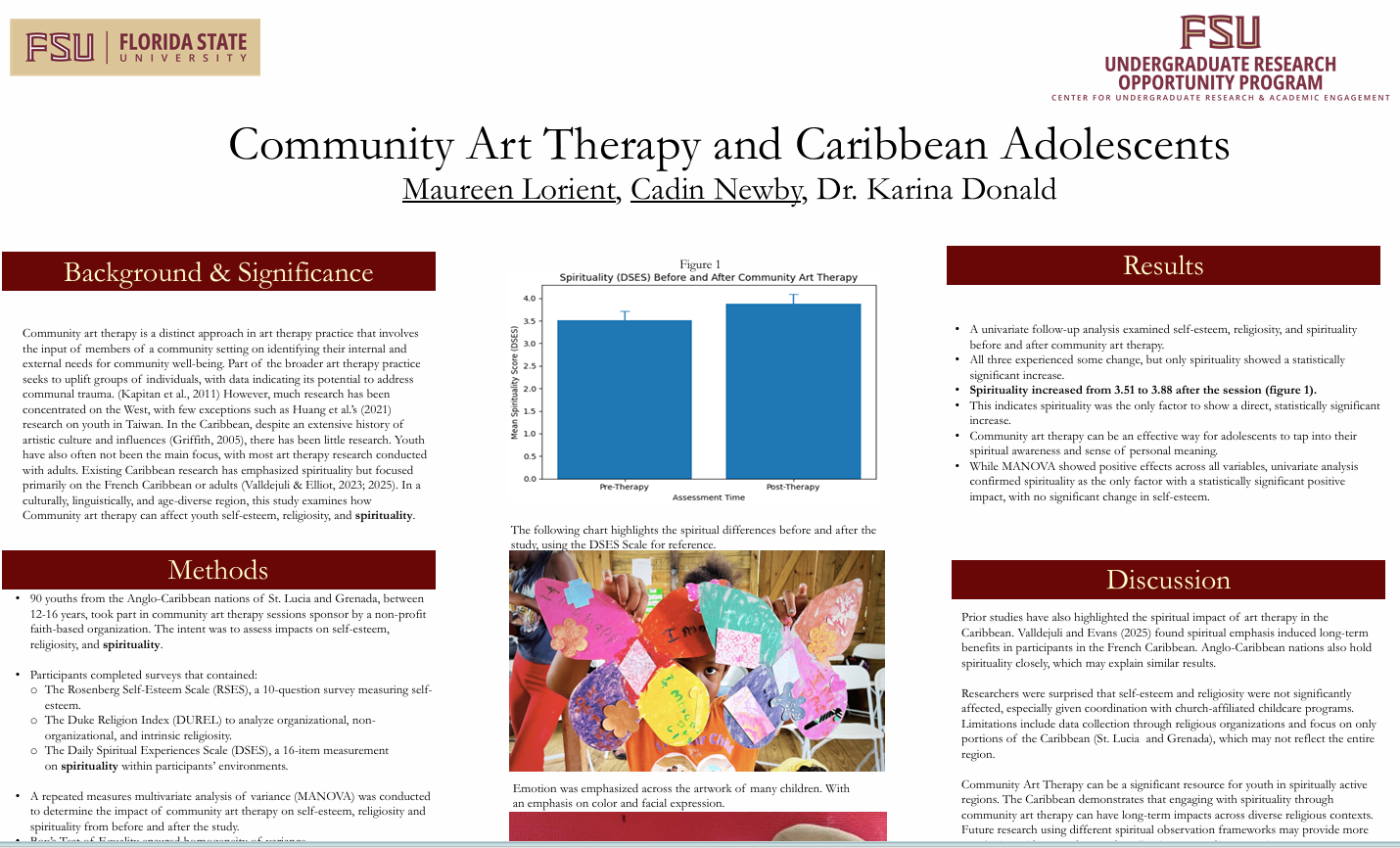
Community Art Therapy and Caribbean Adolescents
Authors: Maureen Lorient, Dr. Karina DonaldStudent Major: International Affairs and Political Science
Mentor: Dr. Karina Donald
Mentor's Department: Art Therapy Mentor's College: Florida State University College of Fine Arts Co-Presenters: Cadin Newby
Abstract
The following study is designed to determine whether community art therapy improves self-esteem among youth in the Caribbean. The Caribbean as a region has been historically underrepresented, and that also applies to research with art therapy in the region. With a large youth population and an artistic heritage, exploring this subject in the Caribbean is a key step toward understanding the impact of community art therapy on a global scale.
Prior to beginning the experiment, assumption testing was conducted using the Box test. Afterwards, multivariate testing was implemented, with participants from the Caribbean analyzed before and after the community art therapy experiment. From there, a univariate follow-up analysis was used to determine whether there was statistical significance between the dependent variable and individual growth in self-esteem, religiosity, and spirituality.
Based on the univariate follow-up analyses, there was no statistical significance for the self-esteem and religiosity dependent variables; however, there was a statistically significant correlation between community art therapy and increased spirituality among Caribbean youth. Statistical significance would therefore indicate that community art therapy can be a powerful tool for helping youth foster their personal spiritual growth. During times of hardship, spiritual growth through community art therapy can be an effective way to build resilience.
Keywords: Caribbean, Community art therapy, Art therapy, Mental health, Self-esteem
26th annual Undergraduate Research Symposium, April 1, 2026
Morgan Wilson Poster Session 4: 3:00 pm - 4:00 pm / Poster #137
BIO
Morgan Wilson is an undergraduate student at Florida State University pursuing a Bachelor of Arts in History and Political Science. Her academic interests include constitutional law, American political development, and historical analysis of race and legal institutions.
Morgan is currently a research assistant in Florida State’s Undergraduate Research Opportunity Program (UROP), where she studies hate crimes in historic “sundown towns.” Her research examines patterns of racial exclusion and violence through both qualitative historical sources and quantitative data collection. Working with faculty mentors through UROP, she analyzes archival material and contemporary datasets to better understand how these communities enforced racial boundaries and how those patterns continue to shape social and political outcomes.
Her broader academic work explores the intersection of law, history, and democratic institutions, with a particular focus on constitutional interpretation and civil rights. After completing her undergraduate studies, Morgan plans to attend law school and pursue a career in appellate litigation, focusing on constitutional law and legal scholarship.
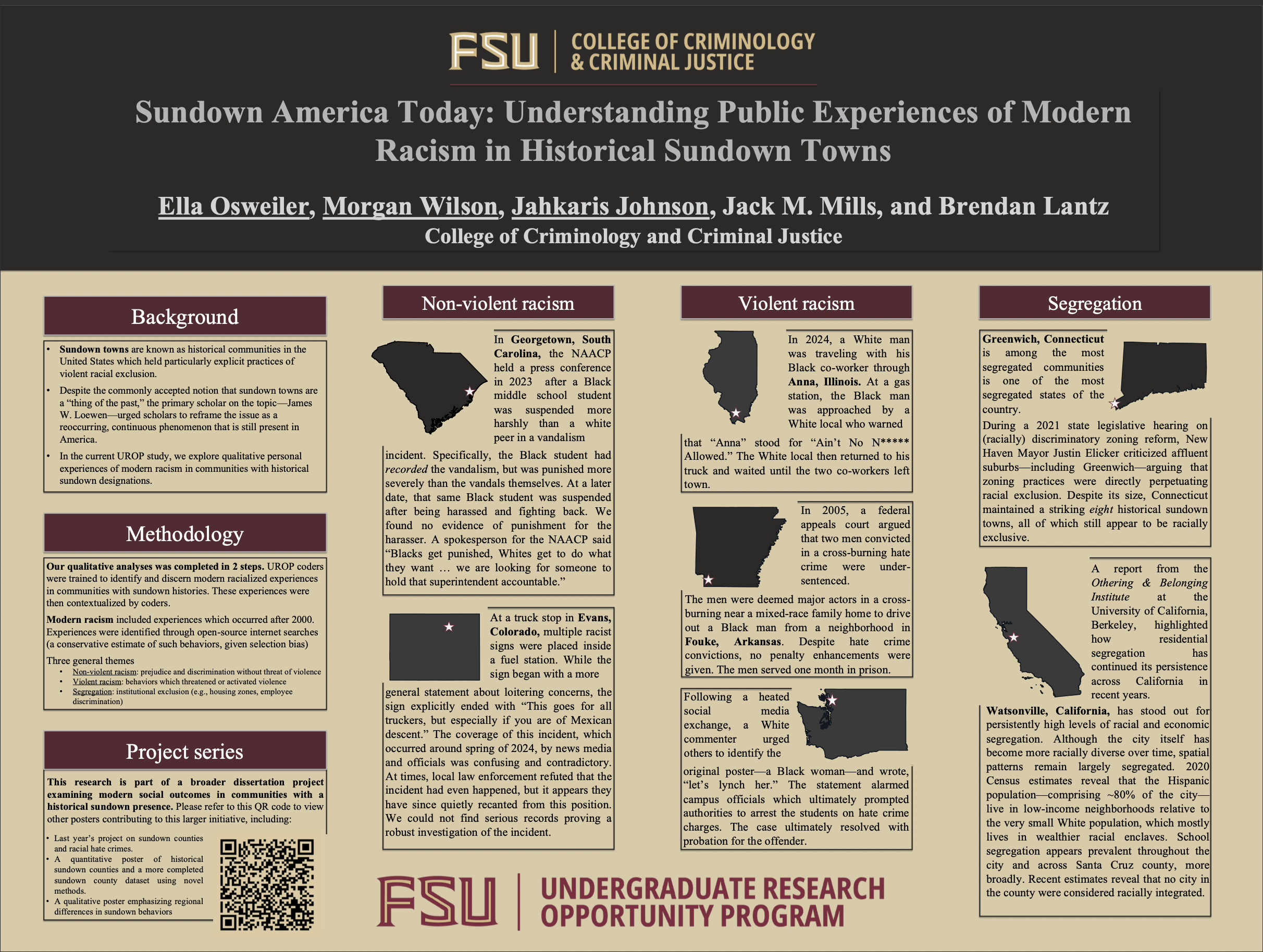
Sundown America Today: Understanding Public Experiences of Modern Racism in Historical Sundown Towns
Authors: Morgan Wilson, Jack MillsStudent Major: History and Political Science
Mentor: Jack Mills
Mentor's Department: Criminology Mentor's College: Criminology and Criminal Justice Co-Presenters: Ella Osweiler, Jahkaris Johnson
Abstract
Sundown towns were, by definition, communities which systematically excluded non-White inhabitants. To date, the primary shepherd of knowledge on sundown towns has been James W. Loewen, who was a public scholar and historical sociologist. Throughout his research, he repeated central claims that sundown towns in America had not necessarily integrated at pivotal Civil Rights landmarks for racially marginalized communities (e.g., the Fair Housing Act of 1968). Instead, he convincingly argued the case for sundown evolution in America and called upon the public to submit known accounts and experiences of racism—broadly conceived—to his data collection project. Building on this foundation, the current project explores data submitted in response to Loewen’s call alongside systematic open-source searches documenting modern experiences of racism in historical sundown towns from 2000 to 2026. Broadly, this analysis affirms Loewen’s notion of sundown evolution into the present day. Specifically, our project demonstrates that these lived experiences include a host of incident types, including violent racism that plausibly meets hate crime designation thresholds, despite being in policing jurisdictions which reported no such hate crimes during these reports. Taken together, these findings underscore the continued relevance of sundown towns, not only as a structural form of racial exclusion, but as communities in which policing differentially impacts racially marginalized victims of targeted violence. While our work is ongoing, our results point to a clear pattern: Sundown America continues its influence today.
Keywords: Sundown towns, racism, racial violence