
Programming is how we focus on the community that is fundamental to the success of the Julius Scholars Program. Scholars participate in two central programs guide the Scholar experience, NOVA and SIGNAL. In addition to these programs, other programming exists to ensure that scholars are supported holistically. We want students to understand that while they are here, they are growing as leaders and citizens.

NOVA: New Scholar Orientation: Virtual Assemblies
summer before freshman fall
Research shows that participation in Summer Programs before entering Freshman Year increases interest and retention in STEM fields. This is one of the foremost tenets of the Julius Scholars Program, and we aim to introduce that experience and expectation of success from the start.
NOVA stands for New Scholar Orientation: Virtual Assemblies. These assemblies will take place the June and July before the incoming cohort begins classes. Meetings will be 90 minutes, and we will host 4 of them. Summer 2027 dates are July 7, July 14, July 21, and July 28 from 6:30 PM - 8:00 PM EST.
SIGNAL: Scholar Immersion Growth, Navigation, & Applied Leadership
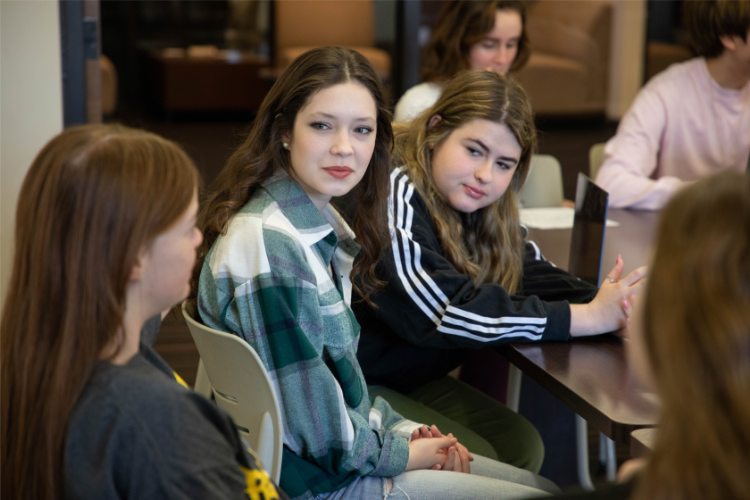
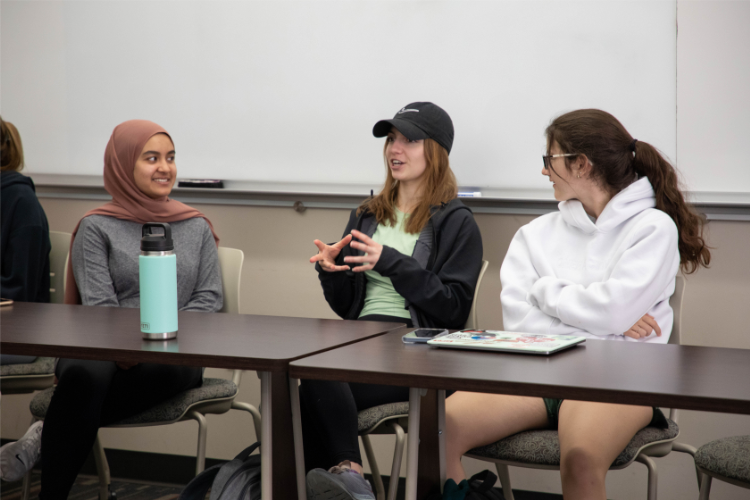
Julius Scholars participate in dedicated biweekly meetings. For first-year scholars, these meetings take place during the weeks that they are not participating in UROP classes. Topics covered during SIGNAL sessions include (not are not limited to) professional development, lab tours, career exposure, guest speakers, academic support, and service reflections.
SIGNAL exists not only to guide our scholars through their time at Florida State, but to aid them in building the community necessary to develop and nurture both social and cultural capital. Through dedicated relationship development with other Julius Scholars, as well as dedicated meetings with STEM students and professionals both in our community and abroad, we support the advancement of new ideas in Science, Technology, Engineering, and Mathematics.
Year One: Explore
NOVA Virtual Summer Orientation
Enroll in 0-credit SIGNAL Course
Participate in UROP
Present at the Undergraduate Research Symposium
5 hours Community Service
Year Two: Engage
Enroll in 0-credit SIGNAL Course
10 hours Community Service
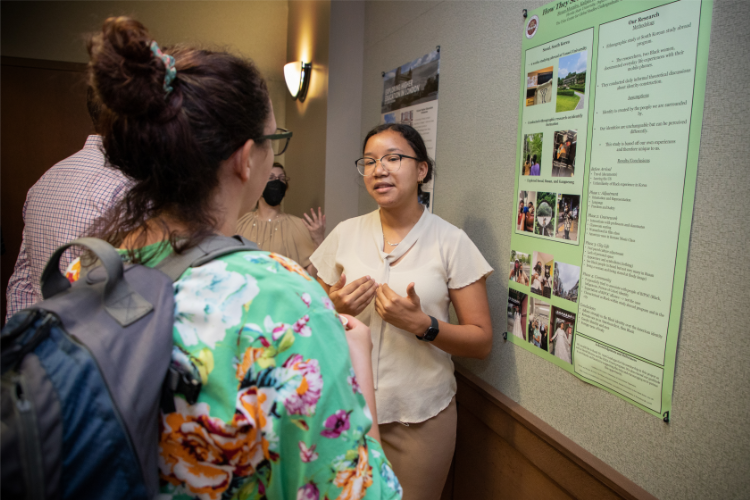
Participate in research sharing opportunity
Year Three: Elevate
Enroll in 0-credit SIGNAL Course
10 hours Community Service
Mentor early-year Julius Scholars
Participate in research sharing opportunity
Year Four: Extend
Enroll in 0-credit SIGNAL Course
5 hours Community Service
Mentor early-year Julius Scholars
Participate in research sharing opportunity
Plan & execute cohort service research project
SIGNAL gives scholars opportunities to build their character outside of the laboratory or theoretical setting. Through service projects, group outings, informal yet structured connections, and targeted advising, students are able to ensure that they understand who they are in addition to being a scientist or mathematician, and not simply exist in a system that leaves them without identity. Through this, we develop citizens who understand their position in the larger ecosystem of science, technology, engineering, and mathematics, with a keen understanding of the contributions their work will provide.
The remaining programming for Julius Scholars will cover scholar development in the Personal, the Professional, Leadership, Social, and Community realms. We will also focus on Mental Health and Wellness, and Balance.