
Research Symposium
26th annual Undergraduate Research Symposium, April 1, 2026
Sofia Zalazar-Enciso Poster Session 2: 10:45 am - 11:45 am / Poster #114
BIO
Sofia Zalazar is a second year at FSU, majoring in Psychology, minoring in Child Development pursuing a career in speech therapy as a Speech Language Pathologist. She works at the School of Communication Science & Disorders and The LL Schendel Speech and Hearing Clinic as a research assistant.
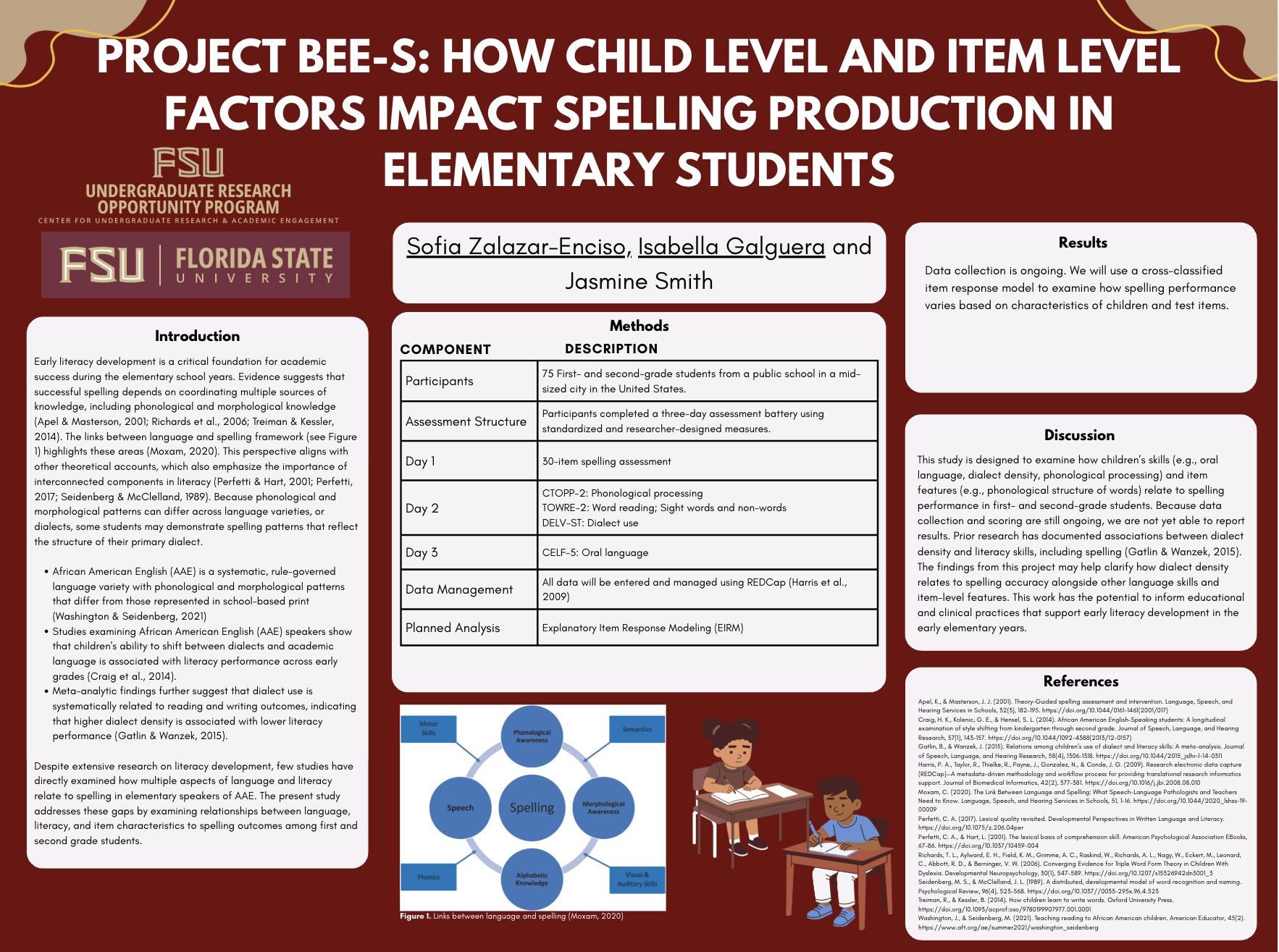
Project BEE-S: How Child Level and Item LEVEL Factors Impact Spelling Production in Elementary Students
Authors: Sofia Zalazar-Enciso, Jasmine SmithStudent Major: Psychology
Mentor: Jasmine Smith
Mentor's Department: Fl Center For Reading Res (FCRR) 286000 Mentor's College: College of Communication and Information Co-Presenters:
Abstract
Oral language skills have played a crucial role in early literacy development; however, their specific relationship to spelling production in young children remains an area of ongoing investigation. This study will examine oral language skills and their impact on spelling production in early elementary students. A number of students, mainly those from racial minority groups, speak a dialect different from the traditional form of English found in most textbooks. Early literacy development is closely tied to oral language and reading competence, encompassing phonological awareness, morphological knowledge, syntax, and comprehension. The purpose of this research is to examine how children’s oral language skills relate to spelling production in a sample of 75 school-aged children. Participants completed five assessments over three days that measured spelling skills, oral language (CELF-5), phonological awareness (CTOPP-2), word reading skills (TOWRE-2), and language variation (DELV-ST). By analyzing performance across these measures, this study aims to identify relationships between oral language and literacy outcomes. Findings may contribute to a deeper understanding of the relationships between oral language and spelling in early elementary students and may support the development of evidence-based teaching practices and literacy interventions in the future.
Keywords: Spelling production, elementary students, Children
26th annual Undergraduate Research Symposium, April 1, 2026
Isabella Rodriguez Poster Session 4: 3:00 pm - 4:00 pm / Poster #208
BIO
My name is Isabella Rodriguez, and I am a senior Honors Industrial Engineering student at Florida State University from the Republic of Panama. I am passionate about innovation, sustainable technologies, and advanced manufacturing. My research focuses on embedded printed electronics and advanced manufacturing, where I use Direct Ink Writing, thermoforming, and in-situ micro-CT imaging to study the reliability of conductive materials. Through research experiences with NASA’s Zero-Emission Aviation Mission and the High-Performance Materials Institute, I have developed hands-on expertise in experimental design, materials characterization, and data analysis.
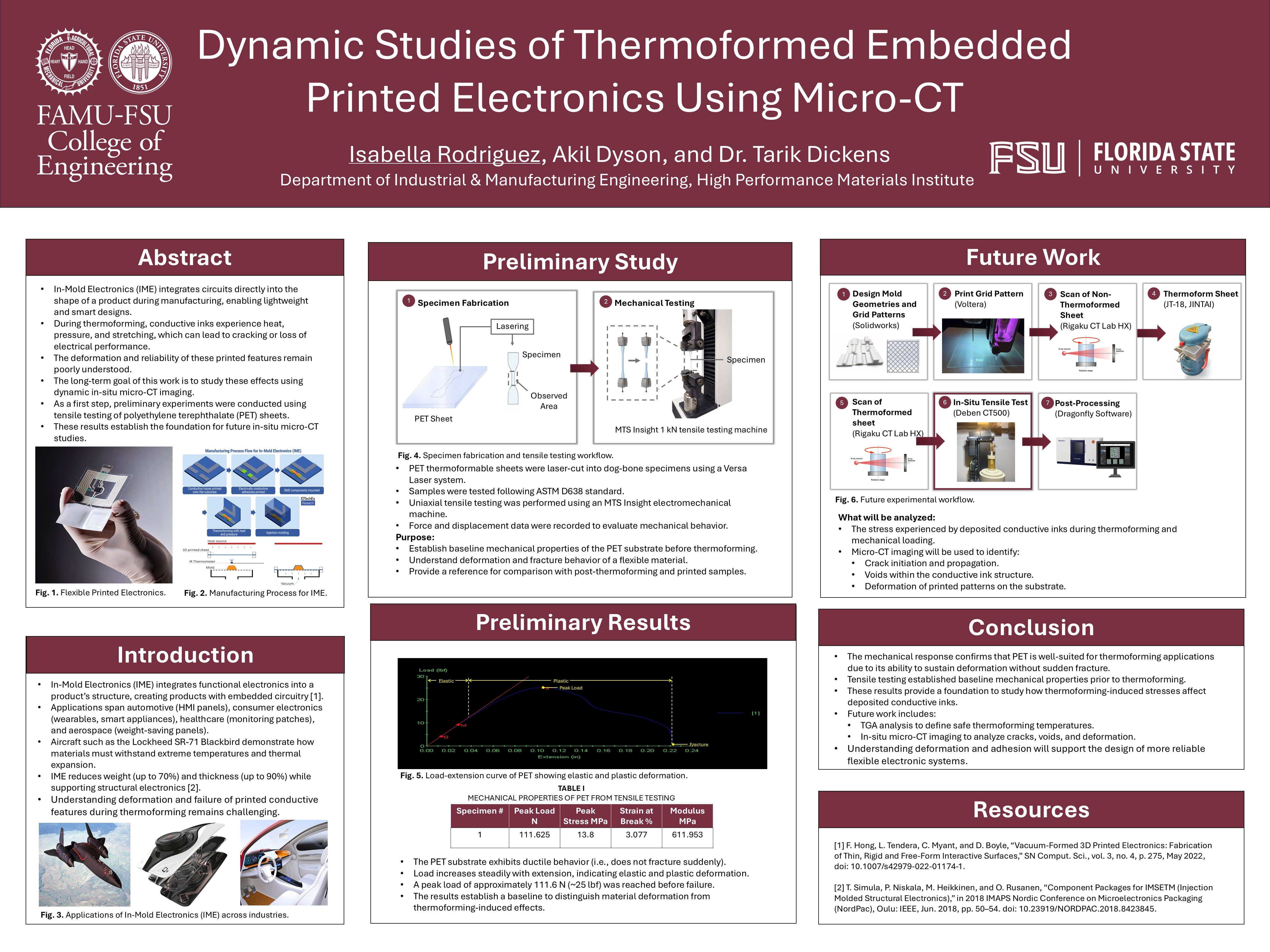
Dynamic Studies of Thermoformed Embedded Printed Electronics Using Micro-CT
Authors: Isabella Rodriguez , Dr. Tarik DickensStudent Major: Industrial Engineering
Mentor: Dr. Tarik Dickens
Mentor's Department: Industrial & Manufacturing Engineering Mentor's College: FAMU-FSU College of Engineering Co-Presenters:
Abstract
This research proposes a novel experimental framework to quantify strain-induced microdeformation in printed electronic features during thermoforming and molding. The study will develop an in-situ dynamic micro-computed tomography (micro-CT) imaging methodology capable of observing internal structural changes in conductive inks deposited on thermoformable polymer substrates such as PET, PTFE, and PC. Hybrid manufacturing combining Direct Ink Writing (DIW) and thermoforming will be used to fabricate three-dimensional samples with embedded electronics across varied mold geometries. Pre- and post-processing micro-CT analysis will evaluate microstructural deformation, interfacial adhesion, and electrical reliability under thermoforming strain rates ranging from 0.01 to 10 s⁻¹.
Expected outcomes include quantitative metrics describing deformation behavior and failure modes of conductive inks, with elongation predictions informed by the Mooney–Rivlin model. By establishing a strain-aware characterization paradigm for IME fabrication, this work aims to provide design principles that improve the reliability of embedded electronics and expand the applicability of hybrid manufacturing systems in advanced engineering environments.
Keywords: In-Mold Electronics (IME), printed conductive inks, industrial engineering
26th annual Undergraduate Research Symposium, April 1, 2026
Nivaya Montoya Poster Session 3: 1:45 pm - 2:45 pm / Poster #141

BIO
Nivaya Montoya is an undergraduate student at Florida State University pursuing a Bachelor of Science in Behavioral Neuroscience with a minor in Chemistry on the pre-medical track. Her academic interests center on the intersection of neuroscience, communication, and developmental disorders, with a particular focus on autism spectrum disorder and language development.
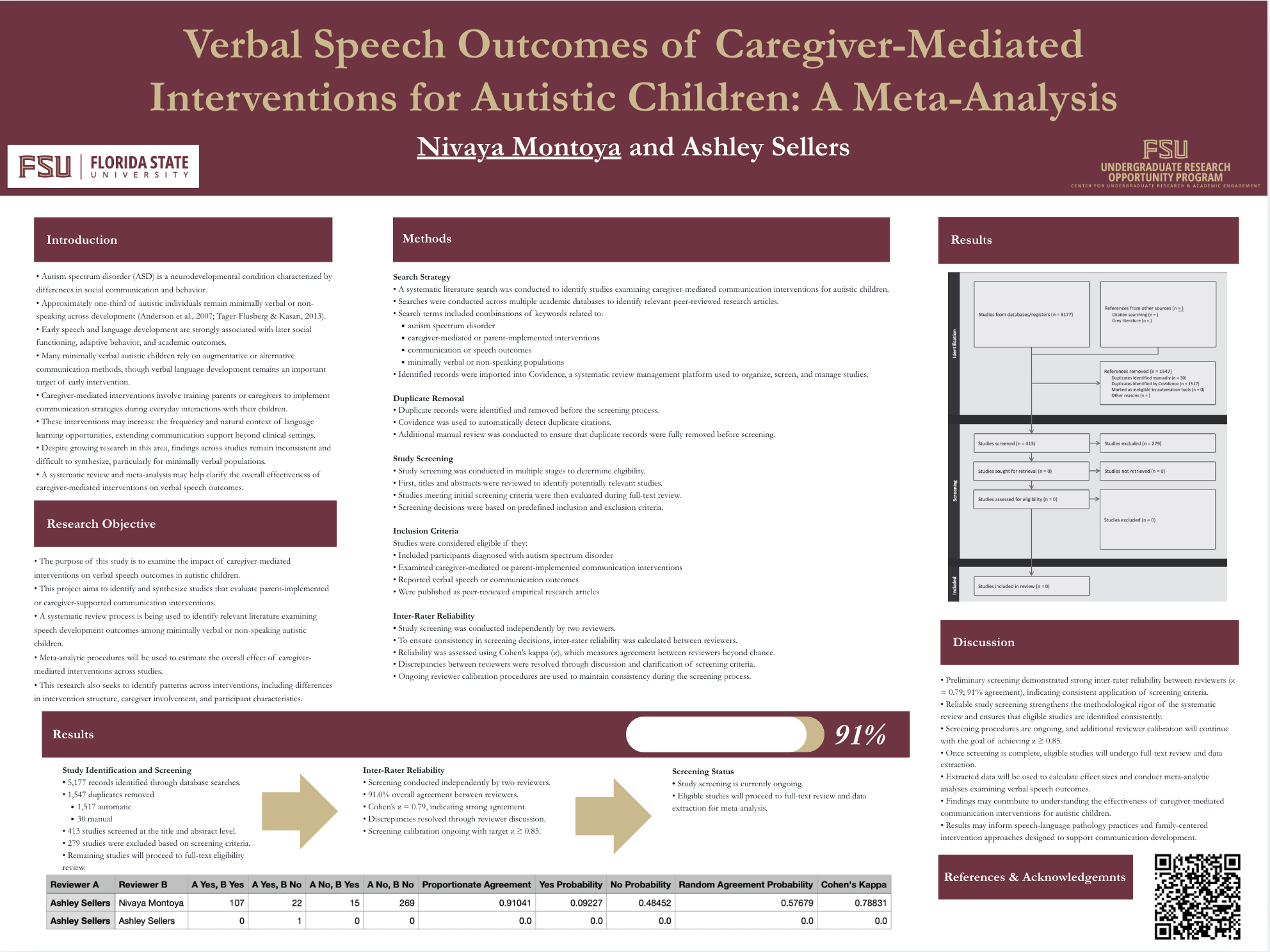
Through the Florida State University Undergraduate Research Opportunity Program (UROP), Nivaya has worked under the mentorship of Ashley Sellers, MS, CCC-SLP, contributing to a systematic review and meta-analysis examining caregiver-mediated interventions and verbal speech outcomes in autistic children. Her work has involved screening studies for inclusion, evaluating inter-rater reliability, and assisting in the early stages of data synthesis for the project.
In addition to her research involvement, Nivaya is actively engaged in student leadership and campus community initiatives at Florida State University. She is passionate about expanding access to evidence-based interventions that support communication development and improve quality of life for individuals with developmental disabilities.
Following graduation, Nivaya plans to pursue medical training with the goal of becoming a physician and contributing to research and clinical care that advances understanding of neurological and developmental conditions.
Verbal Speech Outcomes of Caregiver-Mediated Interventions for Autistic Children: A Meta-Analysis
Authors: Nivaya Montoya, Ashley SellersStudent Major: Behavioral Neuroscience
Mentor: Ashley Sellers
Mentor's Department: Communication Disorders Mentor's College: College of Communication and Information Co-Presenters:
Abstract
Many autistic children remain minimally verbal, and early speech abilities strongly predict later communication and adaptive outcomes. This project examines whether caregiver-mediated interventions support verbal speech development, including both pre-linguistic vocalizations and spoken language, through a meta-analysis of peer-reviewed and grey literature in which caregivers serve as intervention agents. Study characteristics and effect sizes are extracted and analyzed using random-effects models to evaluate overall intervention effects and moderators such as caregiver involvement methods, intervention framework, and participant characteristics. Expected findings suggest caregiver-mediated interventions positively influence verbal speech outcomes, though effects may vary across intervention and study characteristics. These results will inform clinical practice and future research by identifying effective caregiver-mediated strategies and supporting developmentally sensitive approaches for minimally verbal and non-speaking autistic children.
Keywords: autism, meta-analysis, caregiver-mediated, speech
26th annual Undergraduate Research Symposium, April 1, 2026
Daniel Lang Poster Session 1: 9:30 am - 10:30 am / Poster #281
BIO
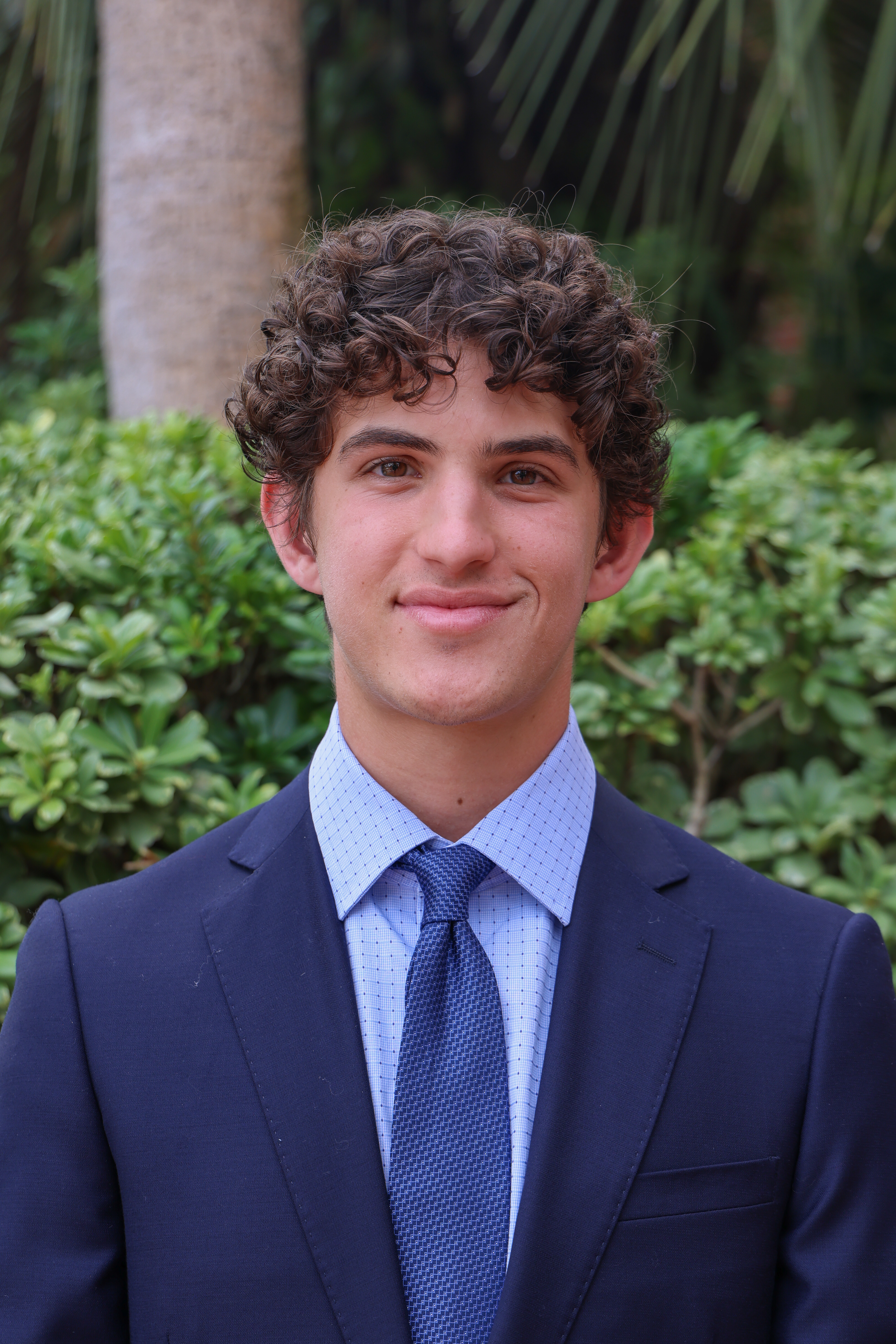
Daniel Lang is a sophomore Honors student and Presidential Scholar at Florida State University, pursuing a major in Behavioral Neuroscience. Originally from Miami, Florida, he is deeply engaged in both academic and extracurricular leadership on campus. Daniel serves as the Vice President of Recruitment for Phi Delta Epsilon, where he helps foster a supportive pre‑medical community and coordinates initiatives that promote professional development among future physicians.
In addition to his leadership roles, Daniel is an undergraduate researcher in the Riddle Lab, where he contributes to a clinical trial using transcranial alternating current stimulation, MRI, and EEG. His research interests center on understanding the biological and cognitive mechanisms that shape human behavior, with a particular focus on working memory and depression. Daniel intends to pursue a career in medicine, integrating scientific inquiry with compassionate clinical practice.
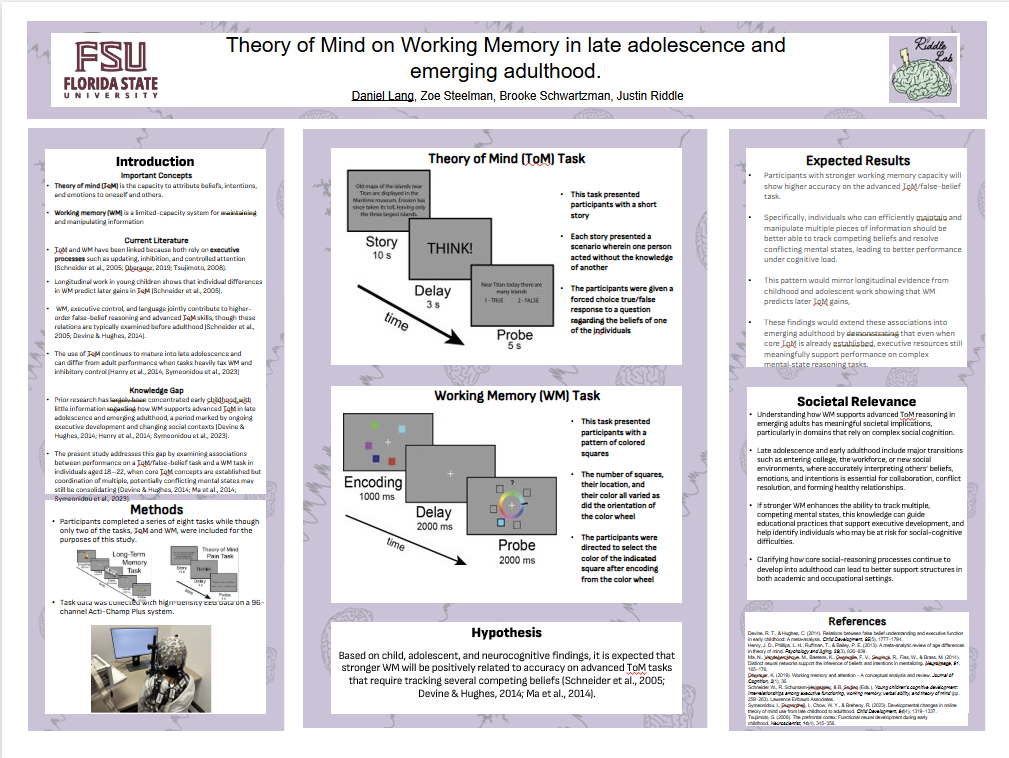
Theory of Mind on Working Memory in late adolescence and emerging adulthood.
Authors: Daniel Lang, Justin RiddleStudent Major: Behavioral Neuroscience
Mentor: Justin Riddle
Mentor's Department: Psychology Mentor's College: Arts and Sciences Co-Presenters:
Abstract
Theory of mind (ToM) is the capacity to infer and reason about others’ mental states. It has been extensively studied in early childhood, where it is reliably associated with executive functions such as working memory (WM); however, it is unknown whether this association persists into late adolescence and emerging adulthood. These developmental periods are characterized by continued prefrontal cortical maturation and refinement of higher-order social cognition, both of which are involved in these higher order cognitive tasks. The present study examines the correlation between WM capacity and ToM performance in individuals aged 18–22. Participants completed WM tasks and ToM tasks assessing mental state through pattern recognition, color persistence, and false-belief paradigms. Based on prior developmental findings in childhood, we hypothesize that improved WM task scores will be positively correlated with ToM task performance in participants ages 18-22, reflecting the need to maintain and manipulate multiple, potentially conflicting representations of beliefs, intentions, and perspectives.
Keywords: Working Memory, Theory of Mind, Pattern Recognition
26th annual Undergraduate Research Symposium, April 1, 2026
Jonathan Martin Poster Session 4: 3:00 pm - 4:00 pm / Poster #222
BIO
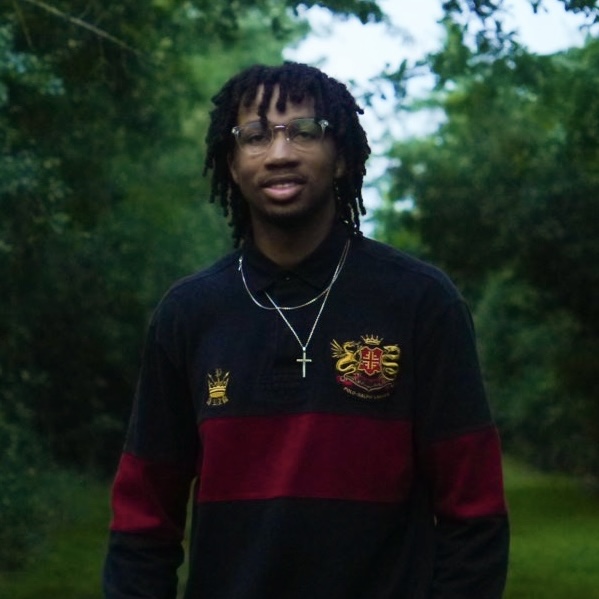
Jonathan Martin, from Panama City, Florida, has research interests in the field of artificial intelligence, particularly exploring how it can be used to create positive impact. Jonathan's career goal is to become an established software engineer and use those skills to build technology that impacts people’s lives at scale.
Deep Learning–Based Surrogate Modeling of JULES-INFERNO for Accelerated Global Wildfire Prediction
Authors: Jonathan Martin, Yushun DongStudent Major: Computer Science
Mentor: Yushun Dong
Mentor's Department: Computer Science Mentor's College: Florida State University Co-Presenters:
Abstract
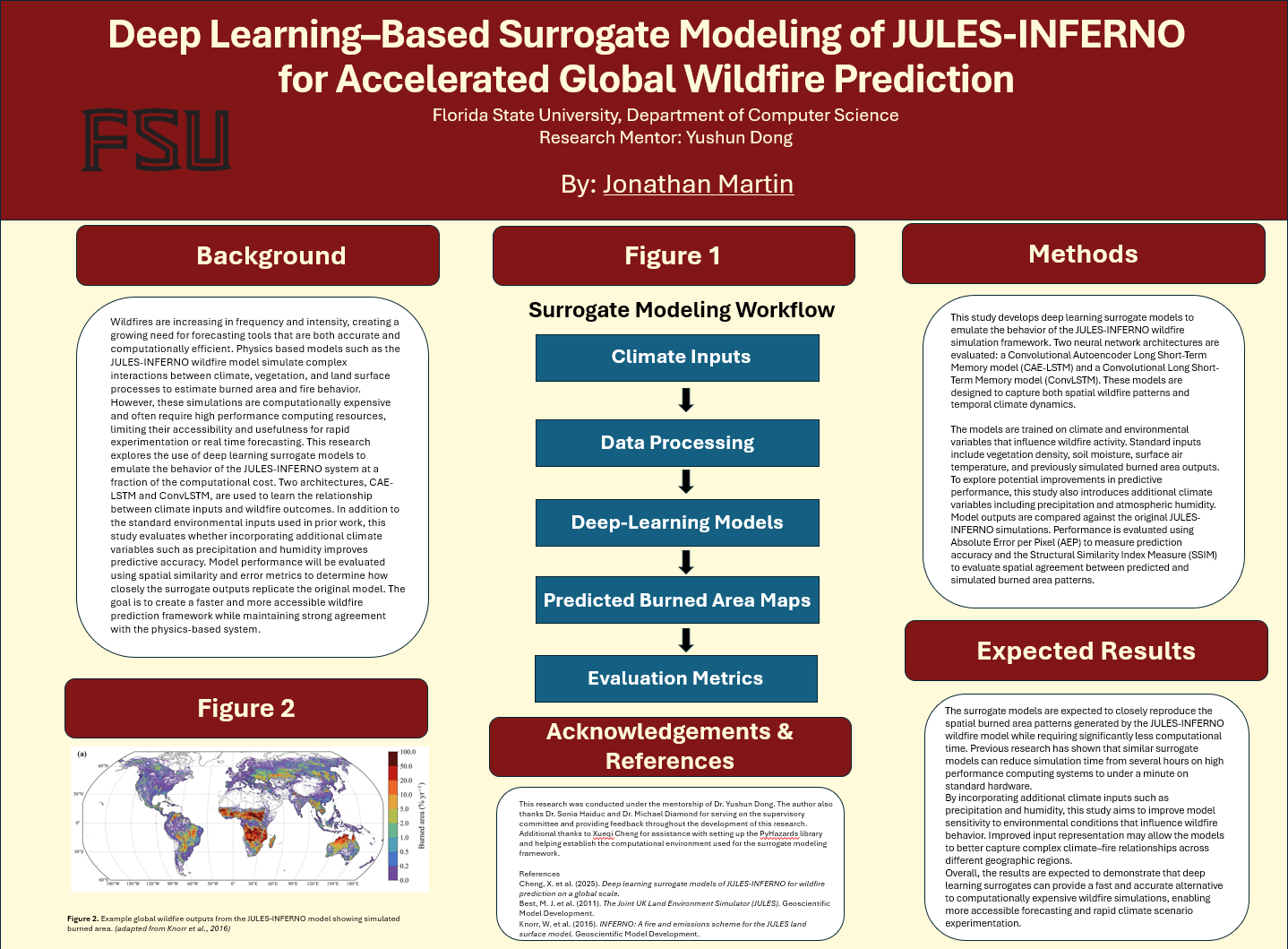
Deep learning methods are increasingly being used to accelerate computationally expensive environmental simulations. This study explores the development of deep learning surrogate models to approximate the wildfire prediction capabilities of the JULES-INFERNO model. While JULES-INFERNO provides detailed simulations of wildfire occurrence and burned area dynamics, its high computational cost limits accessibility and makes real time forecasting difficult. To address this challenge, this research develops data driven models that learn the relationship between climate variables and predicted burned area. Model performance will be evaluated using Absolute Error per Pixel (AEP) and the Structural Similarity Index Measure (SSIM) to assess both numerical accuracy and spatial consistency. Building on prior work, this study expands the input space by incorporating additional climate variables including precipitation and humidity to improve model sensitivity and generalization across different climate conditions. By reducing simulation time from hours to seconds while maintaining strong predictive accuracy, this research contributes toward the development of faster and more accessible global wildfire forecasting tools.
Keywords: Artificial Intelligence , Machine Learning, Wildfires
26th annual Undergraduate Research Symposium, April 1, 2026
Victoria Ovies Poster Session 1: 9:30 am - 10:30 am / Poster #197
BIO
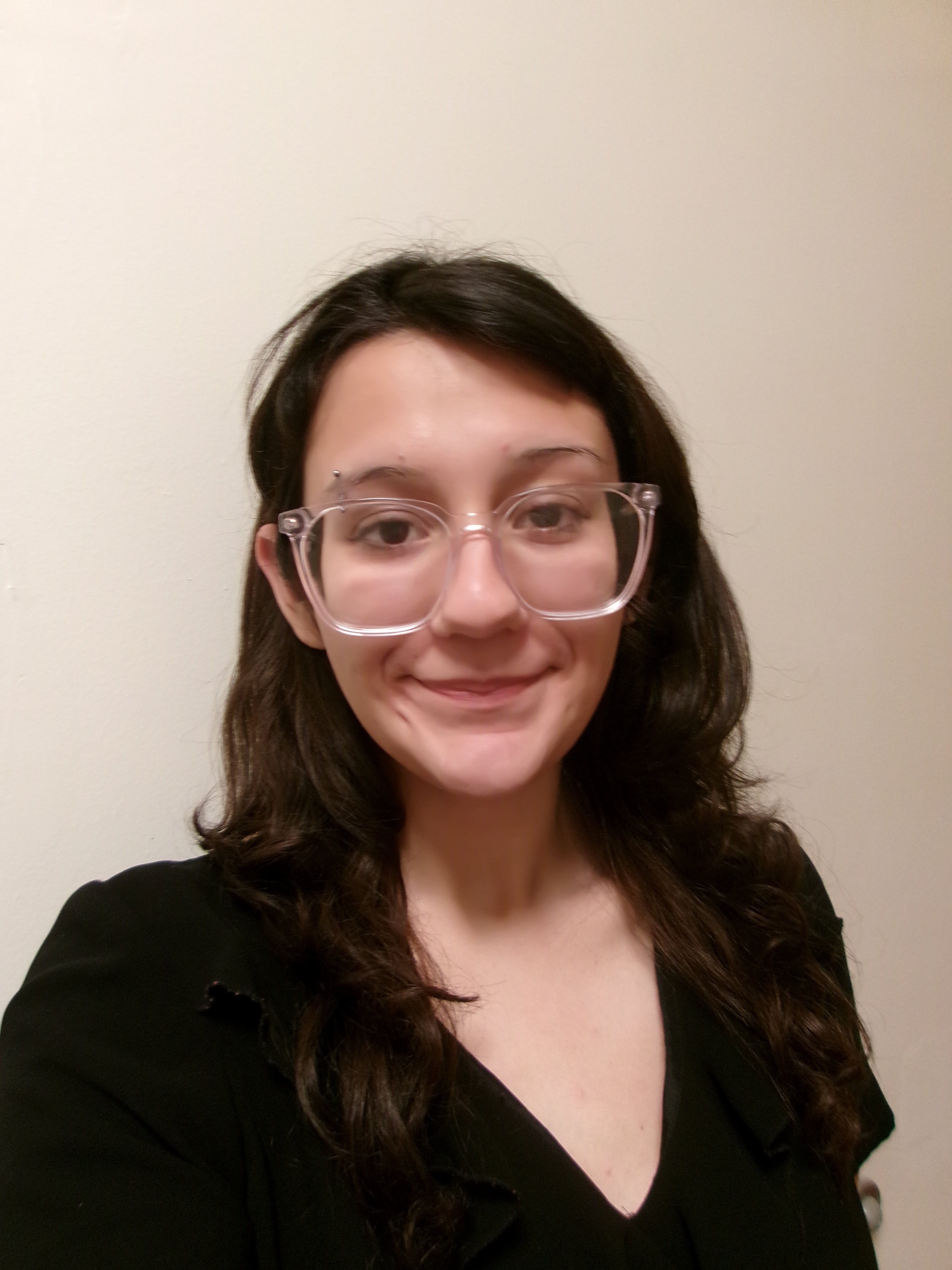
Victoria is a second-year International Affairs student in the process of adding Italian as a Dual Degree. Aside from the Undergraduate Research Opportunity Program (UROP), she is also conducting research through the Global Scholars program, also under the Center for Undergraduate Research and Academic Engagement (CRE). She is interested in conducting research related to language and artificial intelligence. Throughout her time at Florida State, she has been in the Dean’s and President’s List for her academic achievements. Outside of class, she is currently rushing Alpha Phi Omega, a co-ed fraternity focused on service, leadership, and friendship. After getting her Bachelor’s degree, she plans on attending graduate school and working with international NGOs. Eventually, she plans on working in academia and conducting research in the linguistics field.
Perceptions on Ethics and GenAI: An Exploration of Online Conversations on Reddit
Authors: Victoria Ovies, Subhasree SenguptaStudent Major: International Affairs
Mentor: Subhasree Sengupta
Mentor's Department: Learning Systems Institute Mentor's College: Learning Systems Institute Co-Presenters:
Abstract
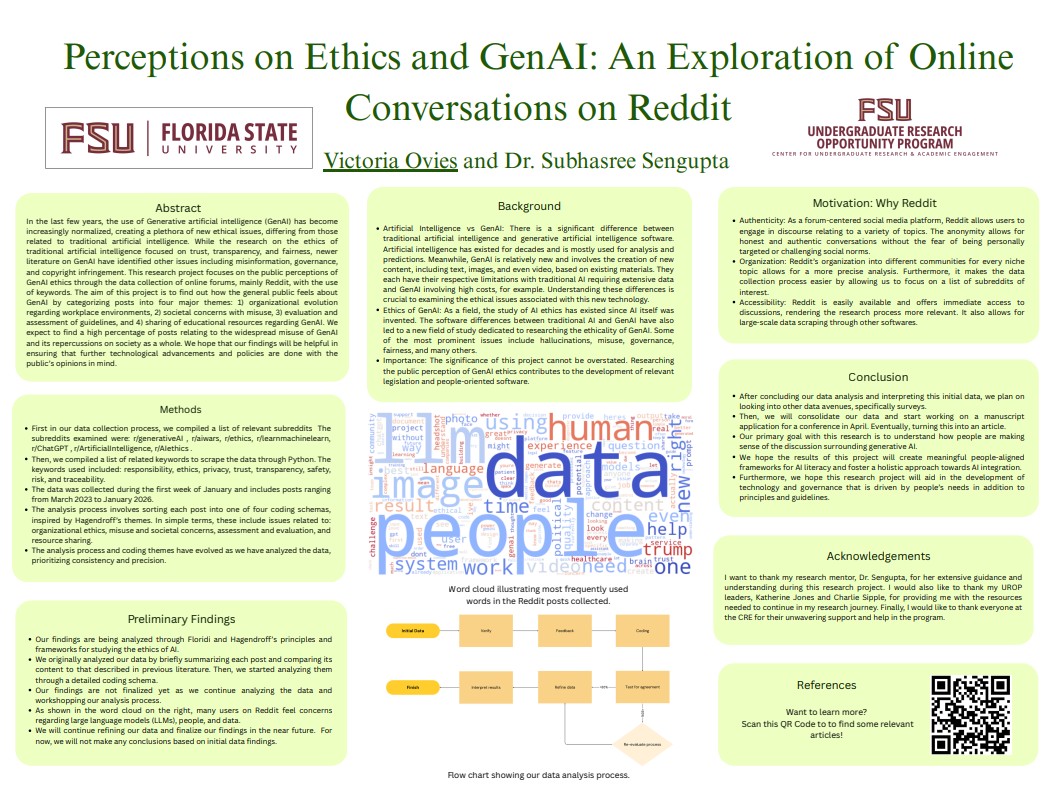
In the last few years, the use of Generative artificial intelligence (GenAI) has become
increasingly normalized, creating a plethora of new ethical issues, differing from those
related to traditional artificial intelligence. While the research on the ethics of
traditional artificial intelligence focused on trust, transparency, and fairness, newer
literature on GenAI have identified other issues including misinformation, governance,
and copyright infringement. This research project focuses on the public perceptions of
GenAI ethics through the data collection of online forums, mainly Reddit, with the use
of keywords. The aim of this project is to find out how the general public feels about
GenAI by categorizing posts into four major themes: 1) organizational evolution
regarding workplace environments, 2) societal concerns with misuse, 3) evaluation and
assessment of guidelines, and 4) sharing of educational resources regarding GenAI. We
expect to find a high percentage of posts relating to the widespread misuse of GenAI
and its repercussions on society as a whole. We hope that our findings will be helpful in
ensuring that further technological advancements and policies are done with the
public’s opinions in mind.
Keywords: GenAI, ethics, Reddit
26th annual Undergraduate Research Symposium, April 1, 2026
Janiyah Outlaw Poster Session 3: 1:45 pm - 2:45 pm / Poster #237
BIO
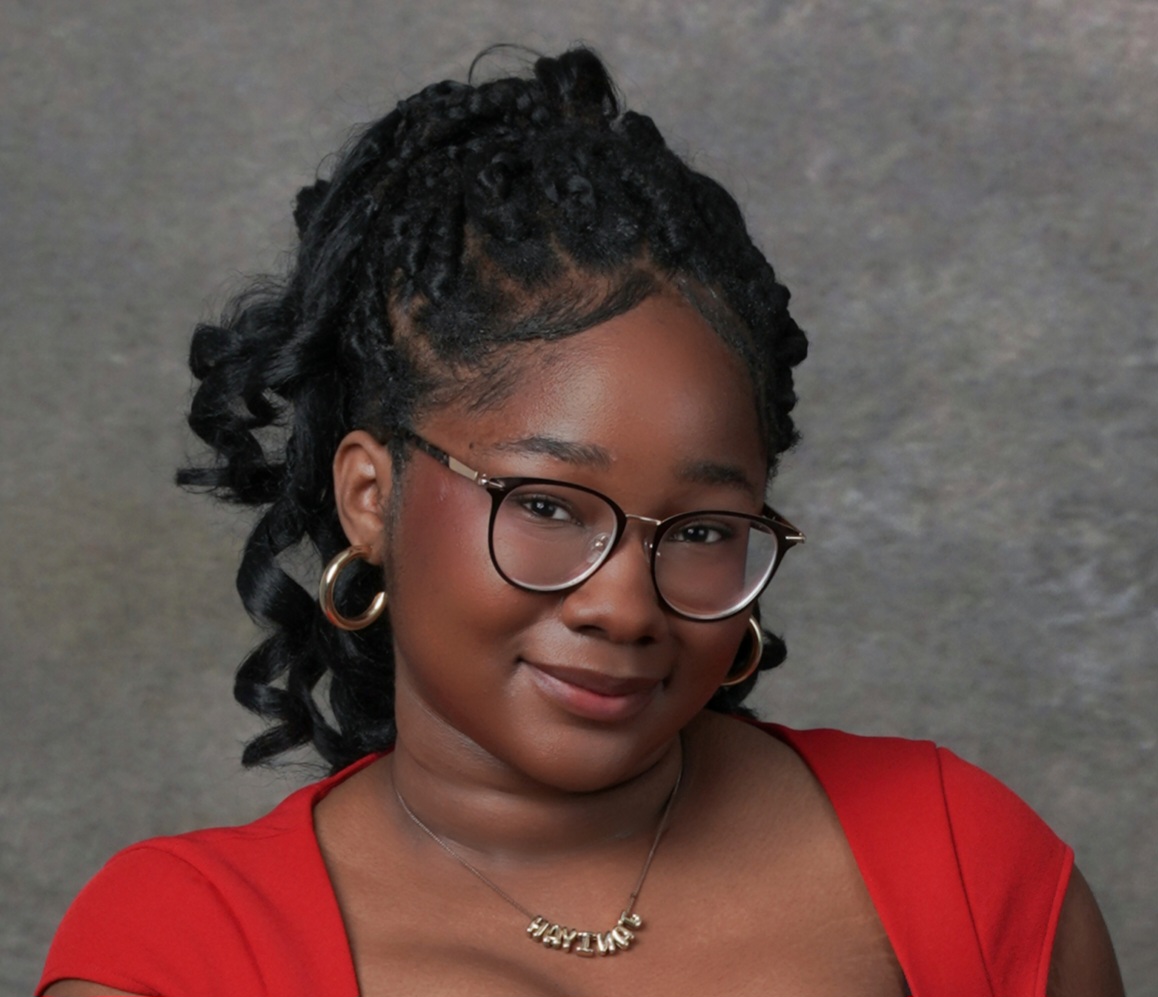
My educational goal is to get a bachelor's in biomedical sciences, minor in Spanish, a master's in genetic counseling, and lastly pass a certificate program by the American Board of Genetic Counseling to enter my career goal of becoming a genetic counselor. Whilst pursuing my career goals in becoming a genetic counselor, I would like to have kids, travel when I can, and continue with my hobbies and passions, such as art, specifically oil and acrylic painting, and learn a new language, specifically Spanish. Being a genetic counselor is like being a psychologist of people's DNA. I hope to help people make informed decisions about their possible future reproduction and health risks. It can be common and understandable that medical professionals, after a decade of education in science and math, sometimes are detached in the way they go about patient care. I want to be able to have a good relationship with my patients, especially because genetic counselors can commonly have recurring ones. I would like my office to serve as a comfortable place where difficult and intimate conversations about health can come easily. Moreover, there aren’t many offices for genetic counseling in the southeast, and the opportunity of one day owning one is an ideal that is both feasible and within reach, along with something that I am excited to work towards in the future.
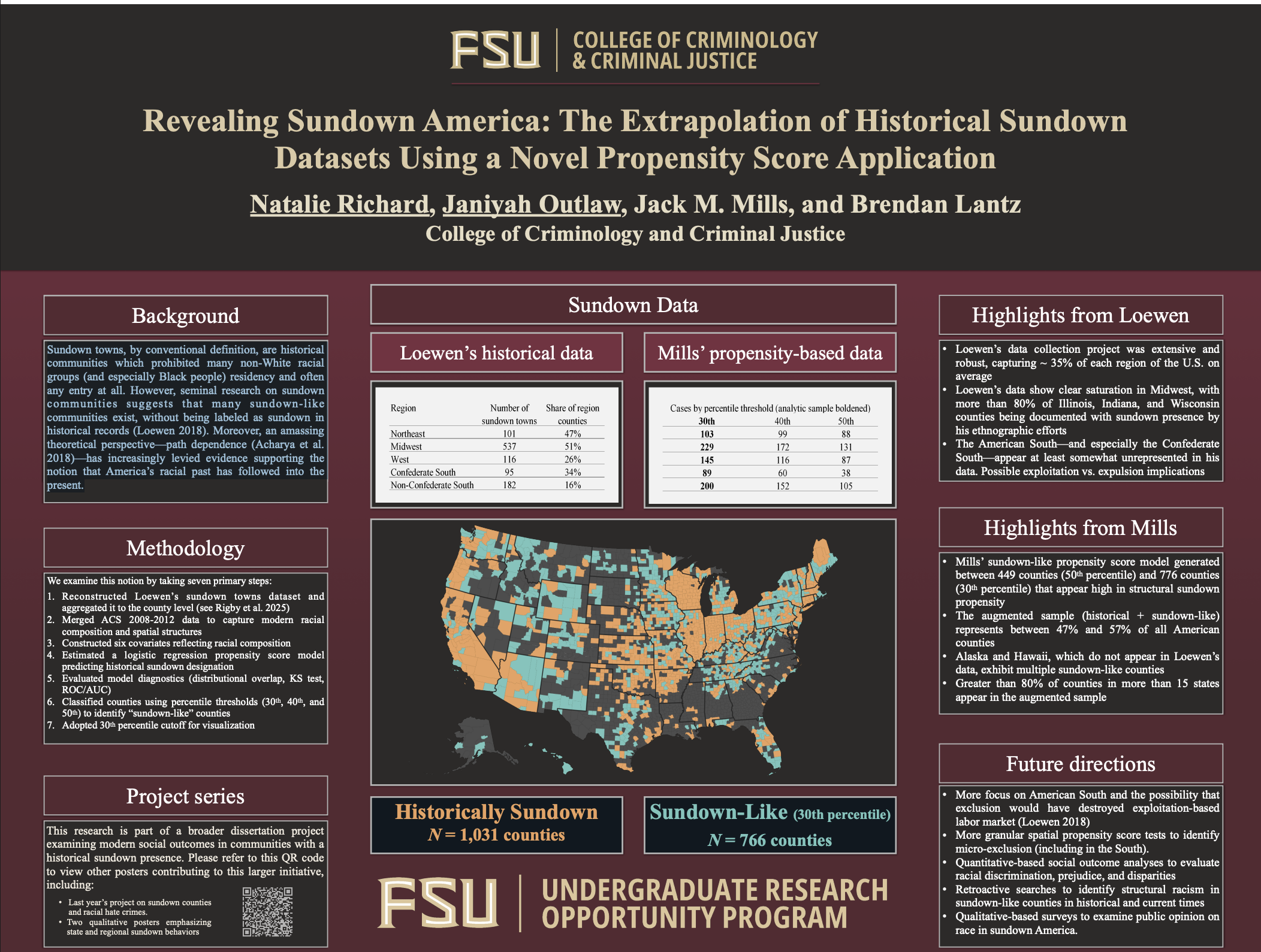
Revealing Sundown America: The Extrapolation of Historical Sundown Datasets Using a Novel Propensity Score Application
Authors: Janiyah Outlaw, Jack MillStudent Major: Interdisciplinary Sciences
Mentor: Jack Mill
Mentor's Department: Criminology Mentor's College: Criminology Co-Presenters: Natalie Richard
Abstract
Sundown towns, by conventional definition, are historical communities that prohibited many non-White racial groups (and especially Black people), residency and often any entry at all. However, seminal research on sundown communities suggests that many sundown-like communities exist, without being labeled as sundown in historical records (Loewen 2018). Moreover, an amassing theoretical perspective—path dependence (Acharya et al. 2018)—has increasingly provided evidence supporting the
notion that America’s racial past has followed into the
present.
Keywords: Modern Day Sundown towns
26th annual Undergraduate Research Symposium, April 1, 2026
Renee Rodriguez Poster Session 3: 1:45 pm - 2:45 pm / Poster #49
BIO
Renee Rodriguez is a second year student pursuing a Bachelor of Science in biochemistry. She is on a pre-med track in hopes of providing medical aid and knowledge to under privileged communities. She is currently conducting a literature review of news articles during the COVID-19 pandemic under the guidance of Dr. Joseph Gabriel of the department of behavioral sciences and social medicine in FSU's College of Medicine. Outside of this project, Renee is training to be a UROP leader in order to help other students find their place in the research community. She is also a member of FSU's honors program and a proud member of USSTRIDE. Renee is passionate about serving, leading, and helping others through education as she teaches young children within Leon county. She is committed to using research, education, and compassionate care to improve health outcomes and expand access to medical knowledge for underserved communities.
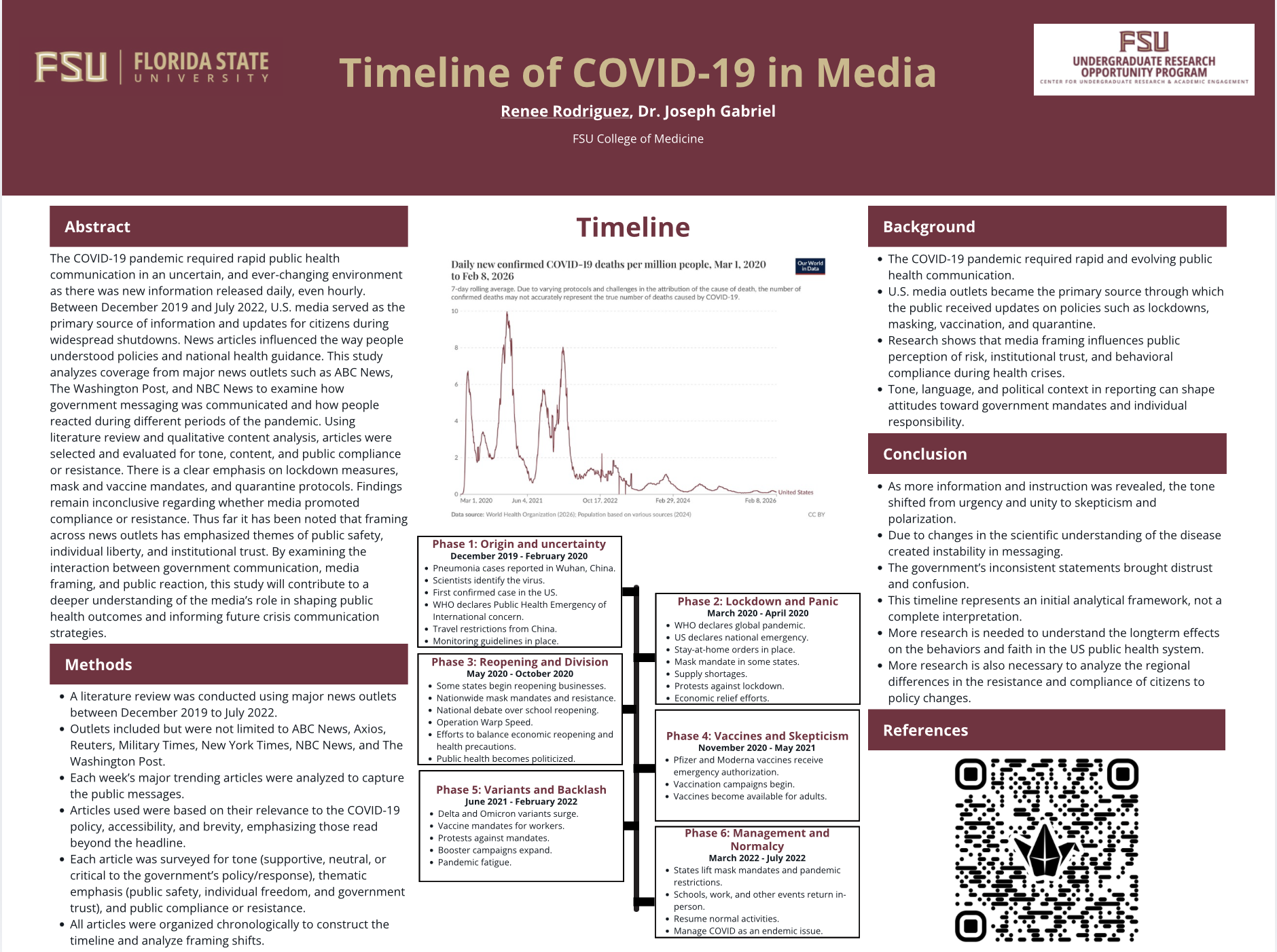
Timeline of COVID-19 in Media
Authors: Renee Rodriguez, Joseph GabrielStudent Major: Biochemistry
Mentor: Joseph Gabriel
Mentor's Department: Department of Behavioral Sciences and Social Medicine Mentor's College: College of Medicine Co-Presenters:
Abstract
The COVID-19 pandemic required rapid public health communication in an uncertain, and ever-changing environment as there was new information released daily, even hourly. Between December 2019 and July 2022, U.S. media served as the primary source of information and updates for citizens during widespread shutdowns. News articles influenced the way people understood policies and national health guidance. This study analyzes coverage from major news outlets such as ABC News, The Washington Post, and NBC News to examine how government messaging was communicated and how people reacted during different periods of the pandemic. Using literature review and qualitative content analysis, articles were selected and evaluated for tone, content, and public compliance or resistance. There is a clear emphasis on lockdown measures, mask and vaccine mandates, and quarantine protocols. Findings remain inconclusive regarding whether media promoted compliance or resistance. Thus far it has been noted that framing across news outlets has emphasized themes of public safety, individual liberty, and institutional trust. By examining the interaction between government communication, media framing, and public reaction, this study will contribute to a deeper understanding of the media’s role in shaping public health outcomes and informing future crisis communication strategies.
Keywords: COVID-19, News, Media
26th annual Undergraduate Research Symposium, April 1, 2026
Mallory Sarfert Poster Session 3: 1:45 pm - 2:45 pm / Poster #159
BIO
Mallory is a first-year at Florida State University, majoring in Dietetics. Originally from Pensacola, FL, Mallory moved to Tallahassee to pursue her undergraduate education.
Her academic and professional interests include human nutrition, with a particular focus on eating disorders in adolescents. Mallory plans to pursue a career in eating disorder treatment, research, and recovery, with the goal of obtaining her Registered Dietitian certification and working in an inpatient clinical setting.
Currently, Mallory is involved in research on the human gut microbiome. Her work, under the mentorship of Cole Patoine (MS, RDN) and Dr. Ravinder Nagpal (PhD), explores the effects of ultra-processed food (UPF) intake in college-aged adults, examining the relationship between UPFs and gut microbial diversity, with larger global health implications for Western diet consumers.
She continues expanding her research skills and education at Anne’s College of Health and Human Sciences, where she will graduate in Spring 2028. She hopes to continue at Florida State University to obtain her Master’s degree in Food and Nutrition Sciences, as well as complete her Dietetic Internship.
Associations Between Ultra-processed Food Intake and Gut Microbiome Composition in Young Adults
Authors: Mallory Sarfert, Cole PatoineStudent Major: Dietetics
Mentor: Cole Patoine
Mentor's Department: Department of Health, Nutrition, and Food Sciences Mentor's College: Anne Spencer Daves College of Education, Health, and Human Sciences Co-Presenters:
Abstract
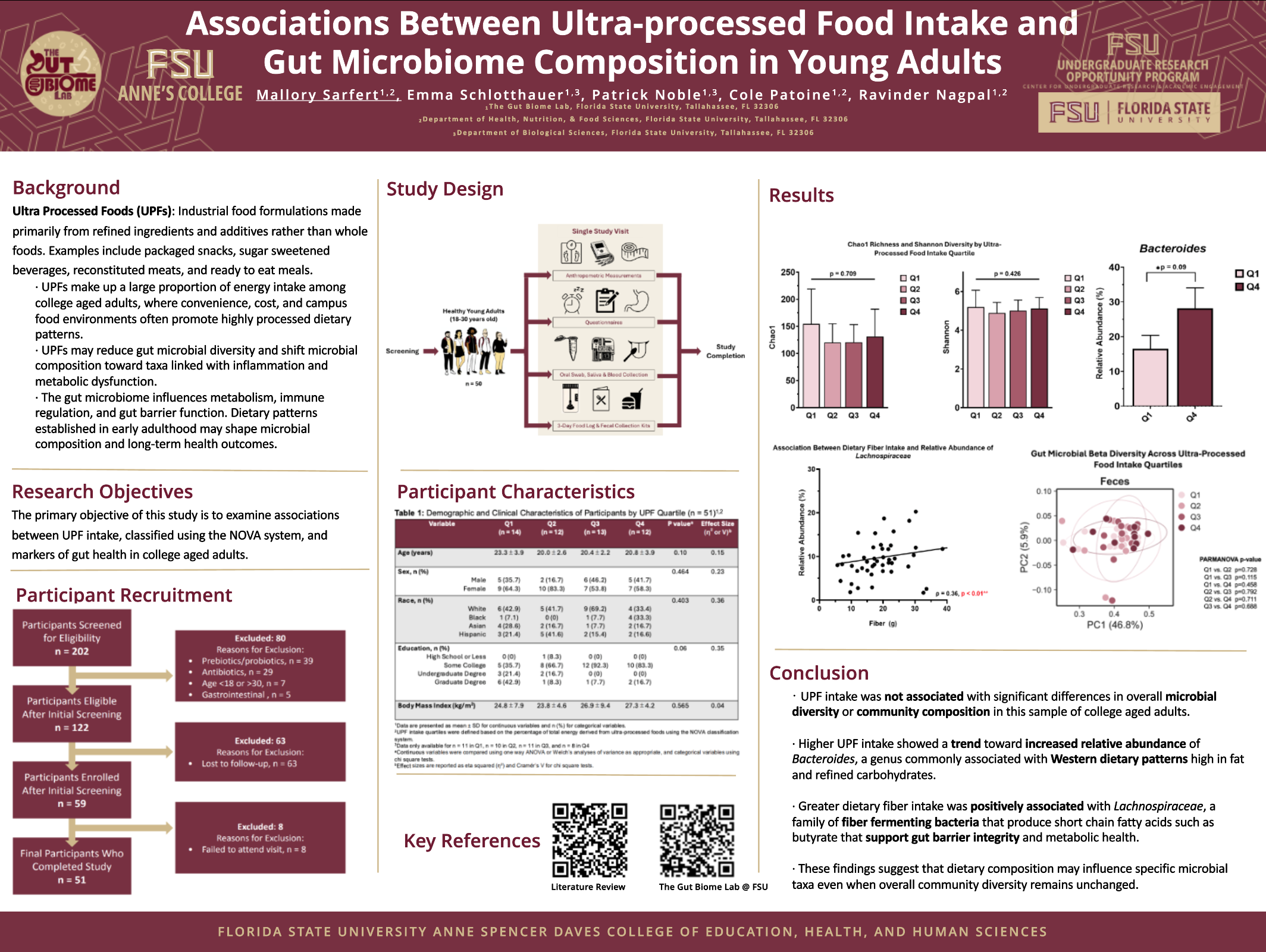
Objectives: Ultra-processed foods (UPFs) are industrial formulations low in fiber and rich in refined carbohydrates, fats, and additives that dominate young adult diets. Diet is a primary driver of gut microbiome structure, and high-UPF diets have been linked to reduced microbial diversity. However, data in healthy young adults remain limited. The primary objective of this study was to examine associations between UPF intake and gut microbiome composition and diversity in college-aged adults.
Methods: In this cross-sectional study, 51 adults aged 18-30 years completed a single study visit. Dietary intake was assessed using three-day diet records, classifying UPFs via the NOVA system. Participants collected a freshly voided fecal sample using standardized at-home collection kits. Samples were immediately cooled, transported under controlled conditions, and stored at -80 °C. Using extracted microbial DNA, the V3 to V4 region of the 16S rRNA gene was sequenced. Gut microbial alpha- and beta-diversity metrics and taxonomic composition were assessed using validated bioinformatics pipelines.
Results: UPF intake was not associated with significant differences in overall microbial alpha- or beta-diversity. Higher UPF intake showed a trend toward increased relative abundance of Bacteroides, a genus commonly associated with Western dietary patterns high in fat and refined carbohydrates (p<0.1). Greater dietary fiber intake was positively associated with Lachnospiraceae, a family of fiber-fermenting bacteria that produce short chain fatty acids such as butyrate that support gut barrier integrity and metabolic health (p<0.05).
Conclusions: Dietary composition and UPF intake may influence specific microbial taxa even when overall community diversity remains unchanged.
Keywords: Ultra-processed foods, Gut Microbiome, Nutrition
26th annual Undergraduate Research Symposium, April 1, 2026
Jaiden Giron Poster Session 2: 10:45 am - 11:45 am / Poster #248
BIO
Jaiden Giron is a first-year Civil Engineering student at Florida State University and the FAMU-FSU College of Engineering. He is a member of the Presidential Scholars Program and an undergraduate researcher in the Undergraduate Research Opportunity Program (UROP), where he works with Dr. Juyeong Choi in the Resilient Infrastructure & Disaster Response Center. His research focuses on post-disaster debris management and the use of simulation and digital twin models to improve disaster recovery logistics.
Beyond research, Jaiden is actively involved in service and leadership initiatives at Florida State University, including community volunteer work addressing food insecurity and outreach with local organizations. He is also interested in engineering design, data analysis, and the application of simulation tools to real-world infrastructure challenges.
Jaiden plans to pursue a Bachelor of Science in Civil Engineering and hopes to continue research in resilient infrastructure systems while preparing for a career focused on improving disaster preparedness and infrastructure reliability.
Improving the Operational Efficiency of Post-Disaster Debris Hauling using Digital Twins
Authors: Jaiden Giron, Juyeong ChoiStudent Major: Civil Engineering
Mentor: Juyeong Choi
Mentor's Department: Civil and Environmental Engineering Mentor's College: FAMU-FSU College of Engineering Co-Presenters:
Abstract
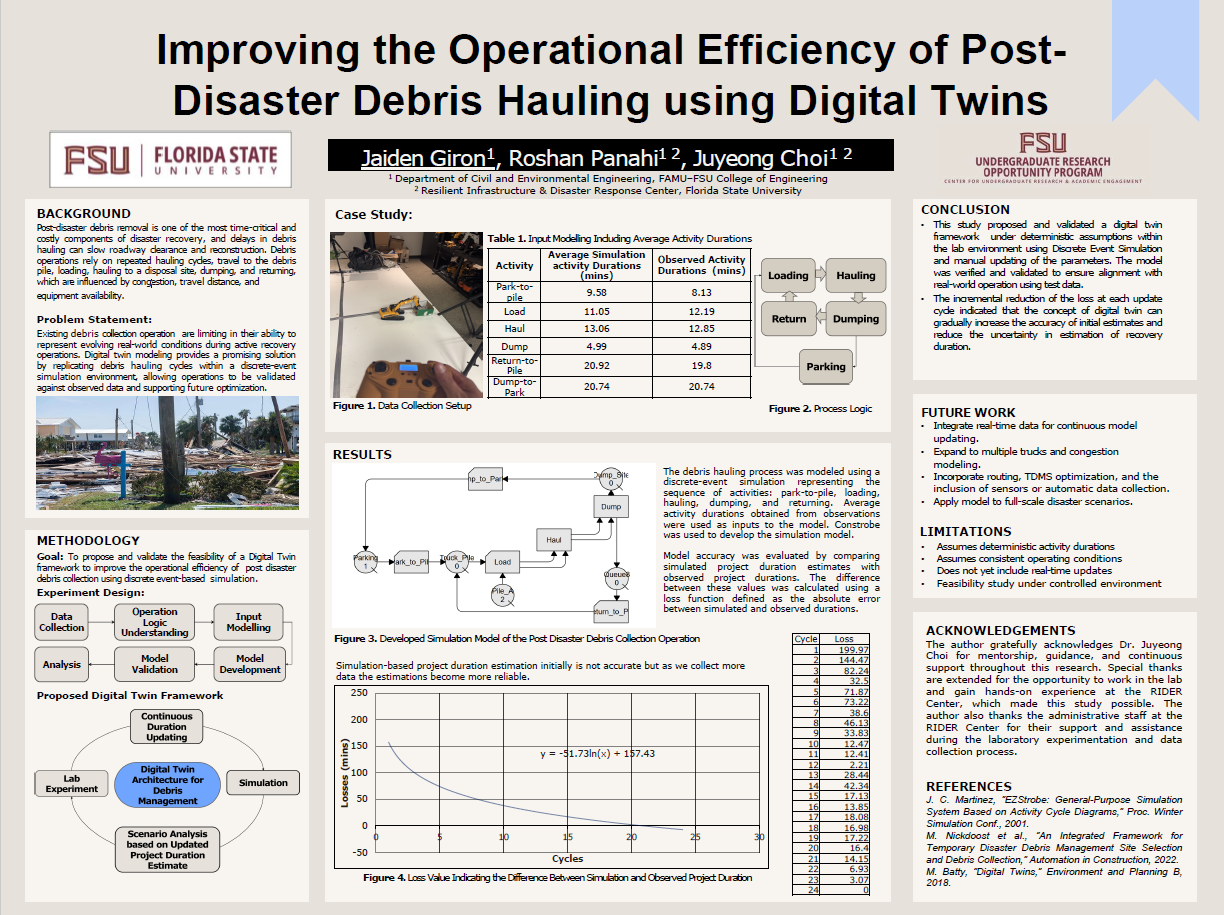
Post-disaster debris removal is a time-critical and costly component of disaster recovery, impacting expenses and delaying reconstruction. My research develops a simulation-based digital twin of debris hauling operations to replicate real debris collection cycles and evaluate operational improvements in Temporary Debris Management Site (TDMS) workflows. A digital twin is the virtual representation of a physical object, applying real-time data to reflect real-world behaviors, results, and conditions. The purpose is to validate a twin-model simulation against observed field cycle durations and assess how improved duration inputs can increase recovery efficiency.
A simulation model was built to represent a full debris hauling cycle, including park-to-pile, loading, hauling, dumping, and return-to-pile. Activity durations were collected across 23 observed cycles and summarized using average task times for the simulation parameters. The model structure enables validation by comparing one-cycle and average-cycle simulation outputs to observed durations. Preliminary average durations (min) were: park-to-pile 9.58, loading 11.05, hauling 13.06, dumping 4.99, and return-to-pile 20.92, for a total cycle time of about 57 minutes. These findings suggest that even small improvements in cycle timing can produce meaningful time savings for multi-day debris operations.
My study demonstrates that twin models provide a practical method for replicating real debris hauling scenarios and validating operational logic. As well, the simulation allows decision-makers to test changes in the operation without disrupting real work. The expected contribution of this project is a validated, updateable debris-management twin model that supports faster and more adaptive recovery planning for future operations.
Keywords: Post-Disaster Debris Management
26th annual Undergraduate Research Symposium, April 1, 2026
Kathleen Spencer-Armond Poster Session 1: 9:30 am - 10:30 am / Poster #139
BIO
Kathleen Spencer-Armond is a first-year undergraduate student at Florida State University pursuing a Bachelor of Science in Environmental Science. She is a participant in the Undergraduate Research Opportunity Program (UROP), where she is gaining early experience in academic research and developing skills in scientific inquiry and analysis.
Through UROP, Kathleen has worked with her research mentor, Laurel Field, a Ph.D. student in the RasterLab at Florida State University. This mentorship has provided her with valuable exposure to the research process and opportunities to engage with environmental science from a research perspective. Her academic interests center on understanding environmental change and contributing to solutions that support ecological health and responsible resource management.
Kathleen plans to pursue a Master of Science degree after completing her Bachelor of Science and hopes to continue conducting research throughout her career. She is particularly interested in contributing to scientific knowledge that informs environmental policy, sustainability, and conservation efforts.
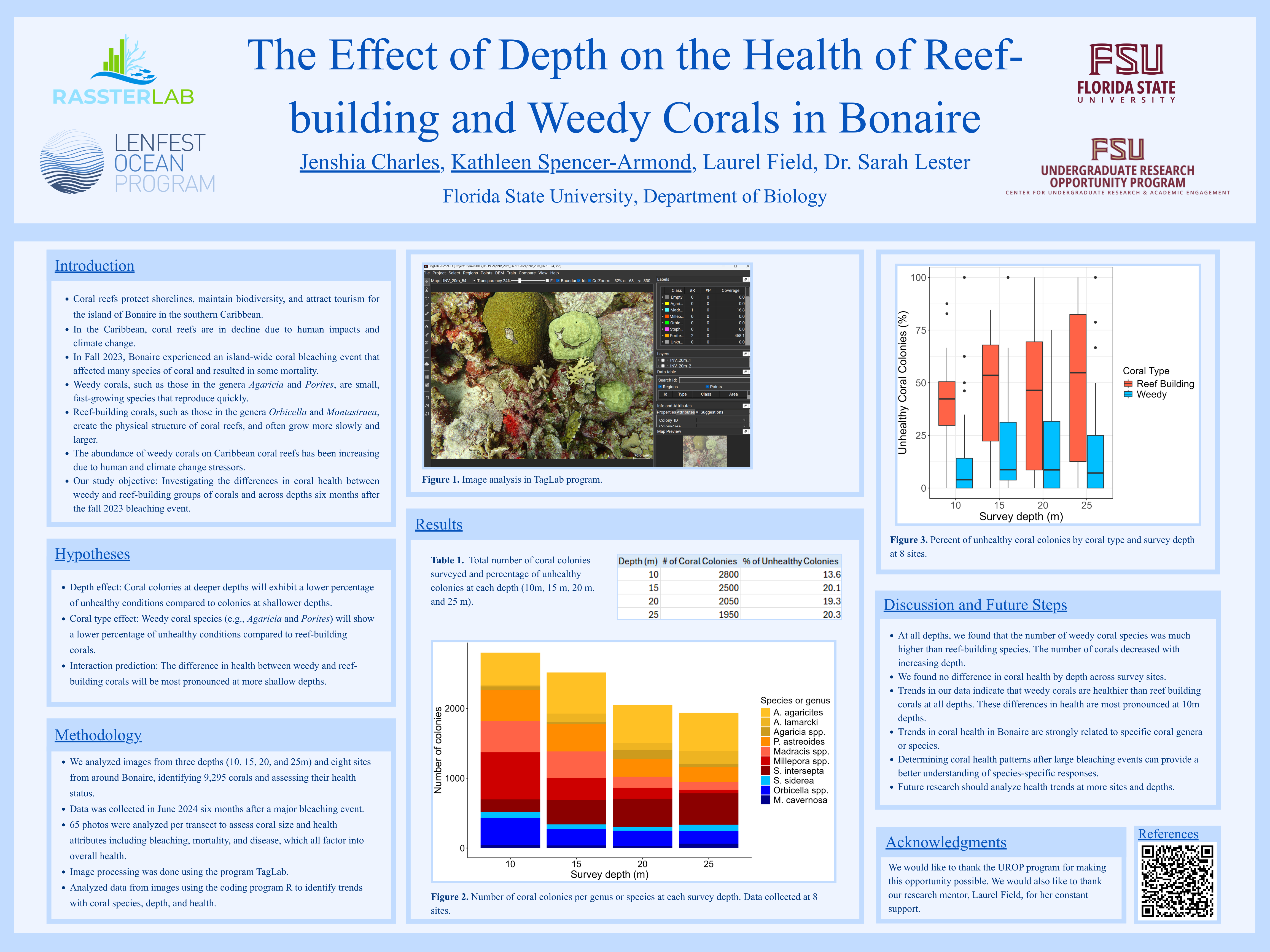
Evaluating the Effect of Depth on the Health of Reef-building and Weedy Corals in Bonaire
Authors: Kathleen Spencer-Armond, Laurel FieldStudent Major: Environmental Science
Mentor: Laurel Field
Mentor's Department: Biological Science Mentor's College: Arts and Sciences Co-Presenters: Jenshia Charles
Abstract
Coral bleaching events have become more frequent and extreme in recent years, resulting in increased mortality rates and less time for coral to recover from increased ocean temperatures. Bonaire, an island in the southern Caribbean known for its marine life and tourism, experienced an island-wide coral bleaching event in late 2023, negatively impacting many species. Weedy corals, such as Agaricia spp. and Porites asteroides, are fast growing and can quickly form colonies. These are important for quick recoveries of coral reefs after disturbances. Reef-building corals, such as Orbicella spp., create the structure of coral reefs, and often grow slower and larger. Both types of coral provide shelter for marine animals like fish and invertebrates. Reef-building and weedy corals respond differently to stressors. To analyze their differences, we looked at three sites around Bonaire to see how varying species respond to different depths. The program TagLab was used to analyze three 50m transects for each site from varying depths (10m, 15m, 20m, 25m). Around 60 photos from June 2024 were analyzed per transect, noting size and attributes including bleaching, mortality, and disease, which all factor into overall health. We predict that both reef-building and weedy corals would, on average, be healthier at higher depths, but weedy corals would remain more prevalent regardless of depth due to their fast-growing nature. Determining overall health patterns after large bleaching events provides a better understanding of species-specific behaviors and how to preserve the reefs, which are essential for Bonaire’s tourism-based economy, biodiversity, and food.
Keywords: coral, reef, Bonaire, coral health
26th annual Undergraduate Research Symposium, April 1, 2026
Ava Sajovits Poster Session 3: 1:45 pm - 2:45 pm / Poster #90
BIO
Ava Jade Sajovits is a sophomore at Florida State University pursuing a Bachelor of Science in Psychology on the pre-medical track, with a minor in Criminology. She is expected to graduate in May 2028, and has received Dean’s List honors in Fall 2024, Spring 2025, and Fall 2025.
Ava is actively involved in clinical, research, and teaching experiences that support her goal of pursuing a career in medicine. She completed Clinical Medical Assistant (CCMA) training and holds BLS/CPR certification, with skills in patient care, medical terminology, EKG, phlebotomy, parenteral administration, and point-of-care testing.
Her clinical experience includes serving as a Clinical Intern at Tallahassee Orthopedic Clinic (TOC Now), where she performs patient intake, obtains vital signs, assists with triage, prepares and administers injections under physician supervision, and documents encounters in the AthenaHealth EMR system. She also shadows an orthopedic surgeon, observing surgical procedures including total knee, hip, shoulder, and reverse shoulder replacements.
Ava is involved in undergraduate research through the UROP program under Dr. Jacob Brown, studying neuromuscular aging and disuse atrophy using a hindlimb unloading rat model and immunofluorescence techniques.
Additionally, she serves as a Learning Assistant for Chemistry II, supporting student learning through guided problem-solving sessions.
Ava is also a member of Delta Zeta and contributes to the Delta Zeta Philanthropy Committee, supporting initiatives that promote service and community engagement.
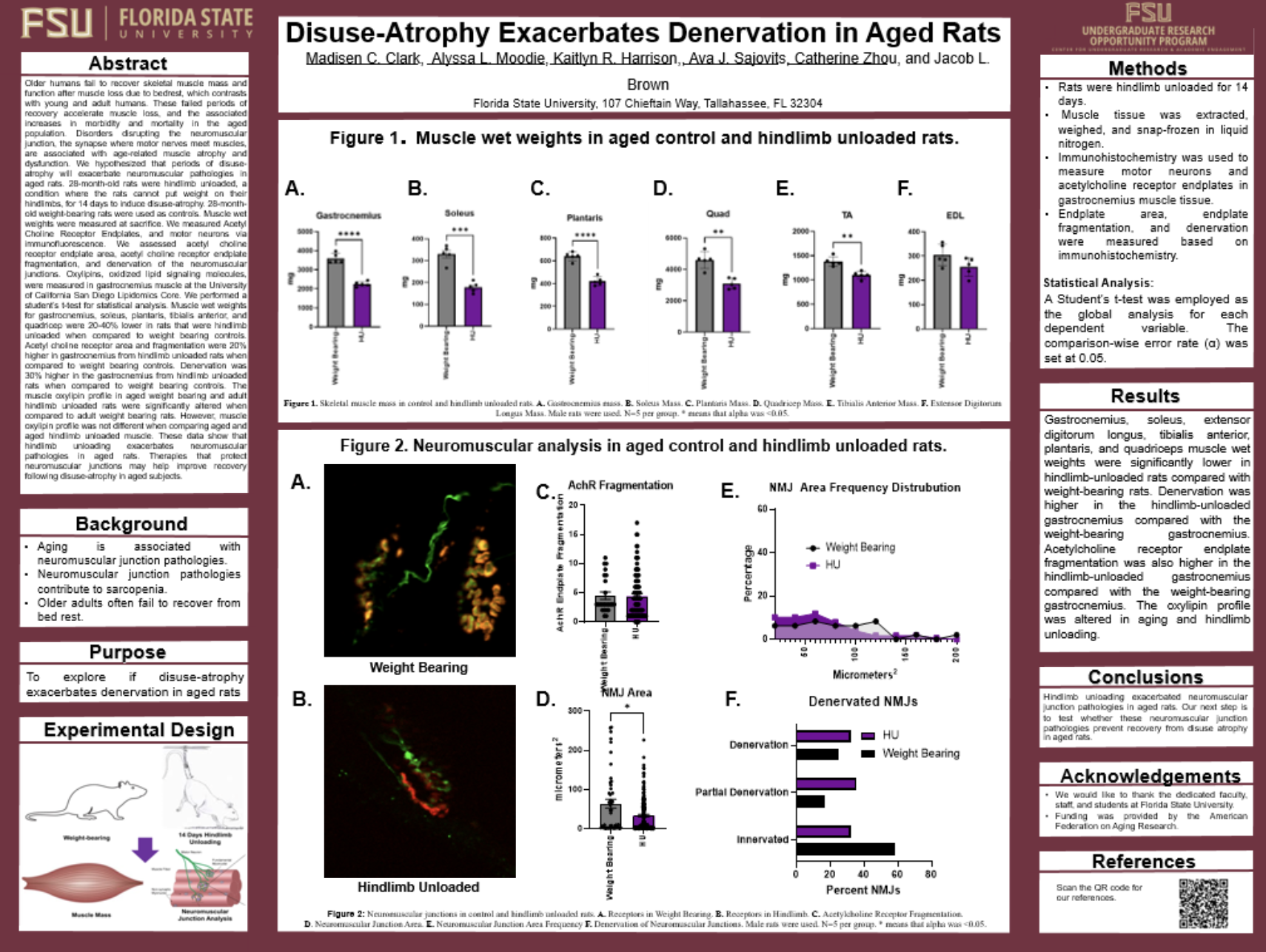
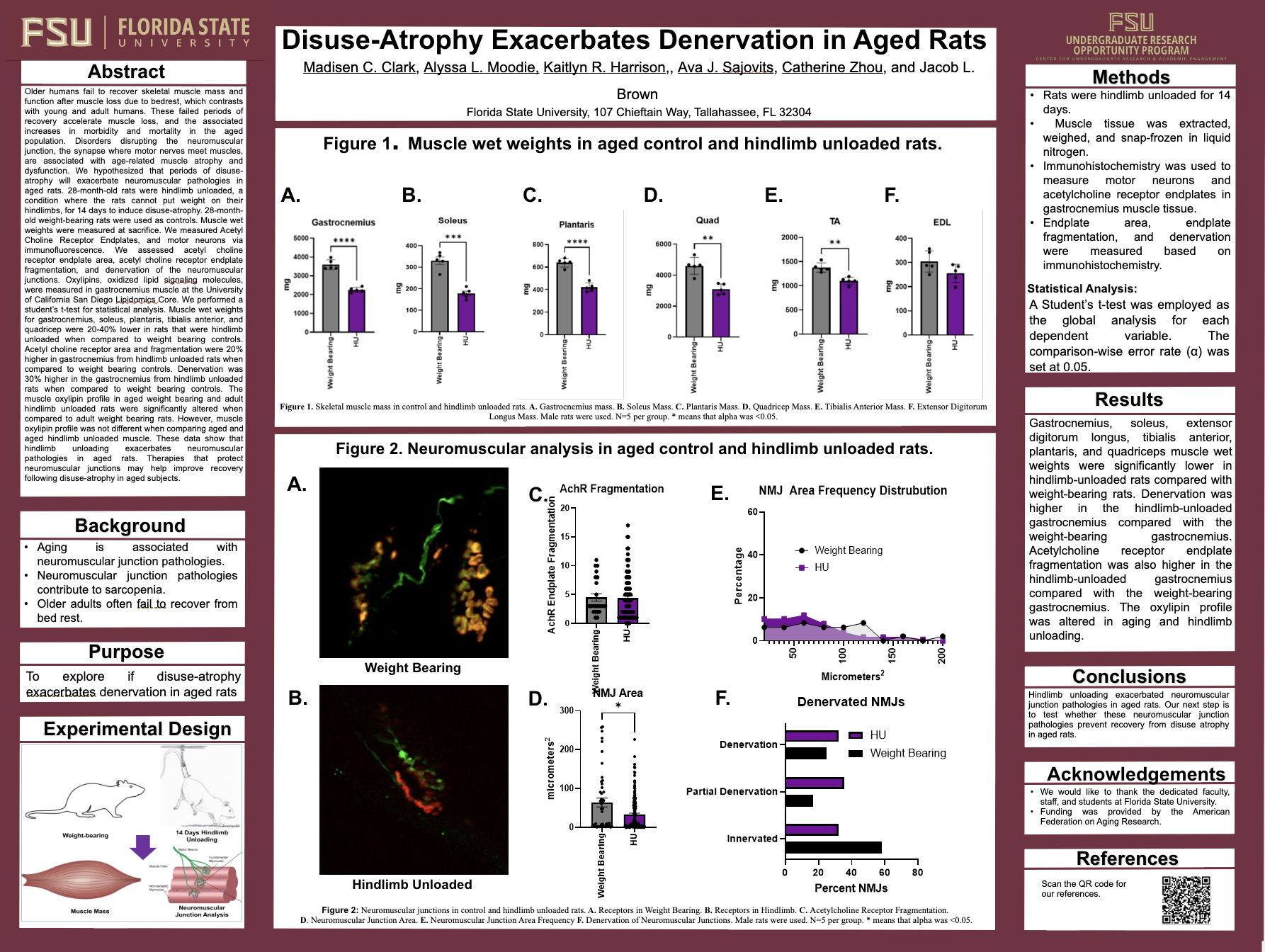
Disuse-Atrophy Exacerbates Denervation in Aged Rats
Authors: Ava Sajovits, Jacob BrownStudent Major: Psychology Pre-Medical
Mentor: Jacob Brown
Mentor's Department: Exercise Physiology Mentor's College: Anne Spencer Daves College of Education, Health, and Human Sciences Co-Presenters:
Abstract
Older humans fail to recover skeletal muscle mass and function after muscle loss due to bedrest, which contrasts with young and adult humans, leading to muscle loss and an increase in morbidity and mortality in the aged population. Disorders disrupting the neuromuscular junction, the synapse where motor nerves meet muscles, are associated with age-related muscle atrophy and dysfunction. We hypothesized that periods of disuse-atrophy will exacerbate neuromuscular pathologies in aged rats. 28-month-old rats were hindlimb unloaded, a condition where the rats cannot put weight on their hindlimbs, for 14 days to induce disuse atrophy. 28-month-old weight-bearing rats were used as controls. Muscle wet weights were measured at sacrifice. Via immunofluorescence, we assessed acetyl choline receptor endplate area, acetyl choline receptor endplate fragmentation, and denervation of the neuromuscular junctions. Oxylipins, oxidized lipid signaling molecules, were measured in gastrocnemius muscle. We performed a student’s t-test for statistical analysis. Muscle wet weights were 20-40% lower in rats that were hindlimb-unloaded compared to controls. Acetyl choline receptor area and fragmentation were 20% higher in gastrocnemius from hindlimb-unloaded rats compared to controls. Denervation was 30% higher in the gastrocnemius from hindlimb-unloaded rats compared to controls. The muscle oxylipin profile in aged weight-bearing and adult hindlimb-unloaded rats were significantly altered when compared to adult weight-bearing rats. However, muscle oxylipin profile was not different when comparing aged and aged hindlimb unloaded muscle. These data show that hindlimb-unloading exacerbates neuromuscular pathologies in aged rats. Therapies that protect neuromuscular junctions may help improve recovery following disuse-atrophy in aged subjects.
Keywords: Disuse-atrophy, neuromuscular junction, muscular atrophy
26th annual Undergraduate Research Symposium, April 1, 2026
Audrey Almanzar Poster Session 3: 1:45 pm - 2:45 pm / Poster #63
BIO
Audrey Almanzar is a second-year student at Florida State University from Miami pursuing a Bachelor of Science with the goal of becoming a nurse practitioner. She is passionate about leadership and community engagement, contributing through involvement in campus organizations and mentoring activities while preparing for a career in healthcare.
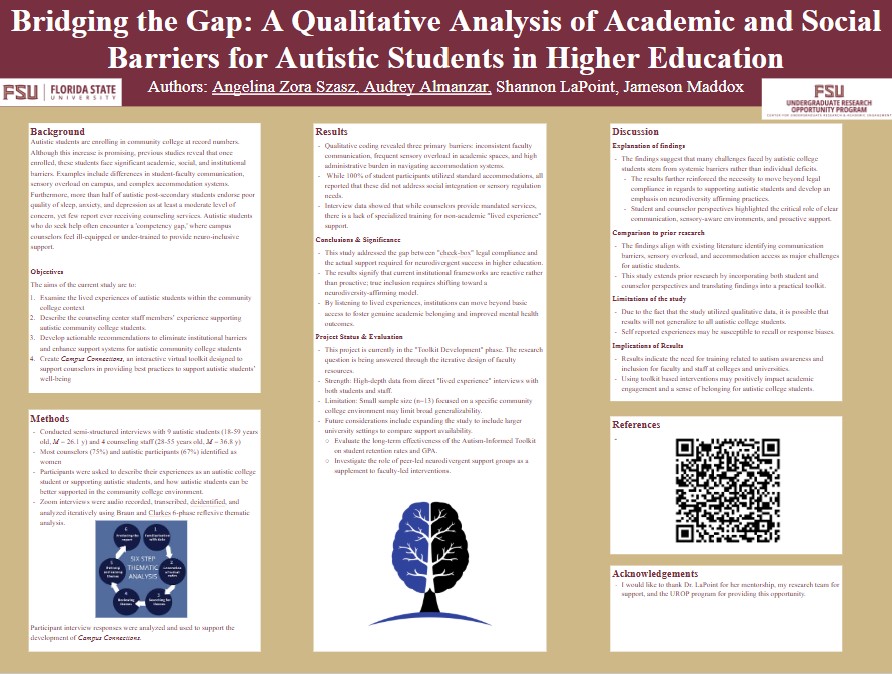
Bridging the Gap: A Qualitative Analysis of Academic and Social Barriers for Autistic Students in Higher Education
Authors: Audrey Almanzar, Shannon LaPointStudent Major: Nursing
Mentor: Shannon LaPoint
Mentor's Department: School of Teacher Education Mentor's College: School of Teacher Education Co-Presenters: Zora Szasz
Abstract
This research investigates the specific academic and social barriers faced by autistic students in higher education and how institutional supports impact these barriers. We aimed to identify gaps in current institutional support by examining the experiences of these students through interviews. Understanding these nuances is relevant for administrators seeking to move beyond basic compliance and toward creating inclusive, neurodiversity-affirming campus environments. This study used qualitative interviews with autistic students and counselors, which were then individually analyzed to identify the gaps between standard institutional accommodations and the actual needs of the students. Data was then looked at through thematic coding to develop actionable solutions for more inclusive campus environments for neurodivergent students. The Qualitative analysis revealed consistent themes of participants describing academic and social challenges that students with autism face. In the interviews, students often reported barriers related to communication with faculty, sensory overload in classroom settings, and difficulty navigating accommodation systems. These results highlight the gap between campus support resources and the actual needs of autistic students. The interviews show the importance of listening to autistic students’ lived experiences when designing support services. Implementing these recommendations may increase student engagement, academic success, and an overall sense of belonging for autistic students. Using this information, we will refine and distribute a toolkit for college counselors and staff and evaluate its effectiveness across diverse campus settings. Overall, this research shows the need for autism-informed support systems in higher education.
Keywords: Autism, Community college, Counselors
26th annual Undergraduate Research Symposium, April 1, 2026
Robert Dyer Poster Session 1: 9:30 am - 10:30 am / Poster #22
BIO
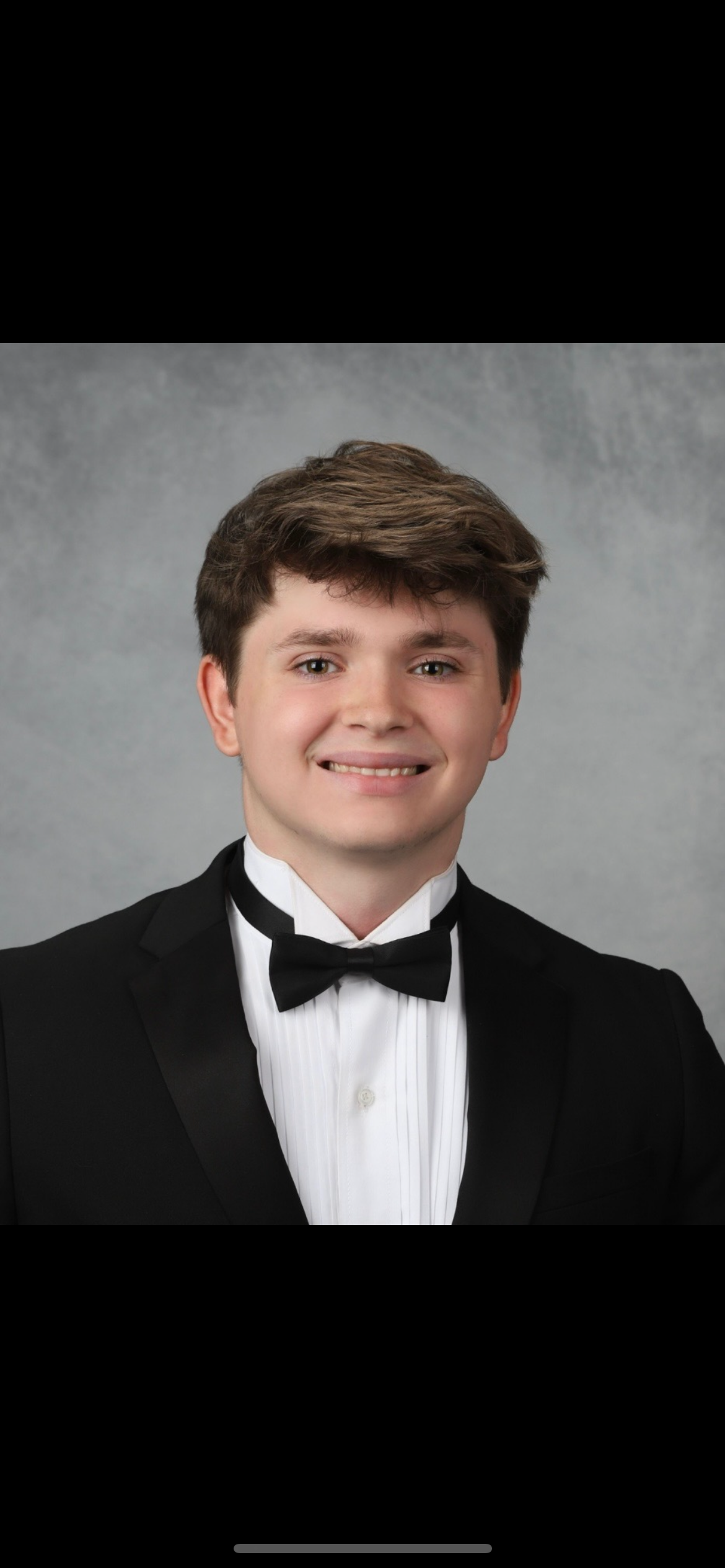
Robert Dyer is a freshman behavioral neuroscience major from Tampa, Florida. He is a Presidential Scholar who hopes to one day attend medical school and become a neurologist. This is Robert's first experience conducting research, and he is eager to gain experience collecting and analyzing data. His interest in Alzheimer's research began in high school, where courses like AP Psychology motivated him to study the brain and behavior. Robert hopes to deepen his understanding of neurological diseases and contribute to efforts to combat Alzheimer's through this research.
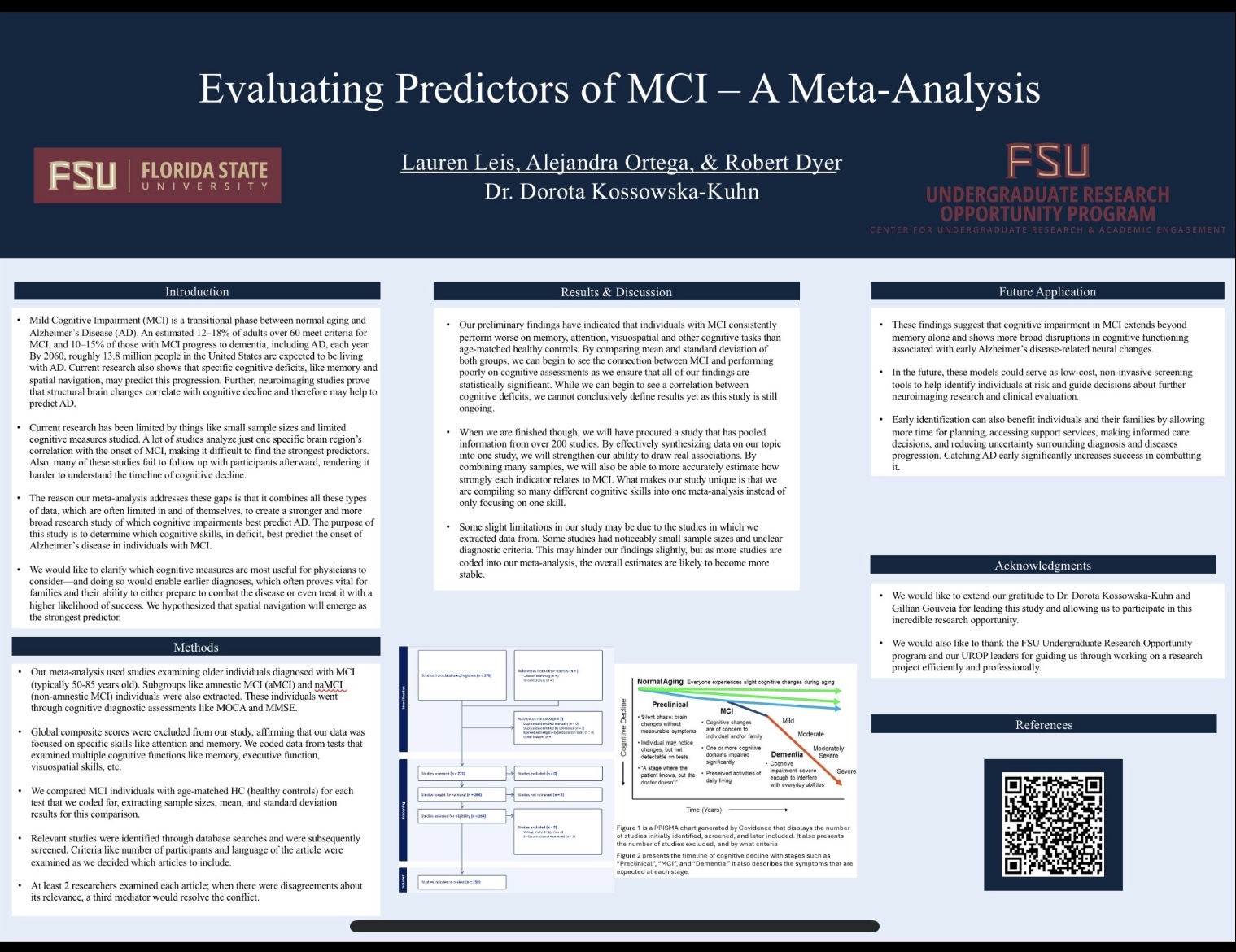
Evaluating Predictors of MCI—A Meta Analysis
Authors: Robert Dyer, Dorota Kossowska-KuhnStudent Major: Behavioral Neuroscience
Mentor: Dorota Kossowska-Kuhn
Mentor's Department: Department of Psychology Mentor's College: College of Arts and Sciences Co-Presenters: Lauren Leis, Alejandra Ortega
Abstract
Mild Cognitive Impairment (MCI) is a transitional phase between normal aging and Alzheimer's Disease (AD). An estimated 12-18% of adults over 60 meet criteria for MCI, and 10-15% of those with MCI progress to dementia, including AD, each year.
By 2060, roughly 13.8 million people in the United States are expected to be living with AD. Current research also shows that specific cognitive deficits, like memory and spatial navigation, may predict this progression. Further, neuroimaging studies prove that structural brain changes correlate with cognitive decline and therefore may help to predict AD. Current research has been limited by things like small sample sizes and limited cognitive measures studied. A lot of studies analyze just one specific brain region's correlation with the onset of MCI, making it difficult to find the strongest predictors. Also, many of these studies fail to follow up with participants afterward, rendering it harder to understand the timeline of cognitive decline. The reason our meta-analysis addresses these gaps is that it combines all these types of data, which are often limited in and of themselves, to create a stronger and more broad research study of which cognitive impairments best predict AD. The purpose of this study is to determine which cognitive skills, in deficit, best predict the onset of Alzheimer's disease in individuals with MCI. Doing so would enable earlier diagnoses, which often proves vital for families and their ability to either prepare to combat the disease or even treat it with a higher likelihood of success.
Keywords: Alzheimer’s, MCI, cognition
26th annual Undergraduate Research Symposium, April 1, 2026
Cassidy Clarke Poster Session 4: 3:00 pm - 4:00 pm / Poster #36
BIO
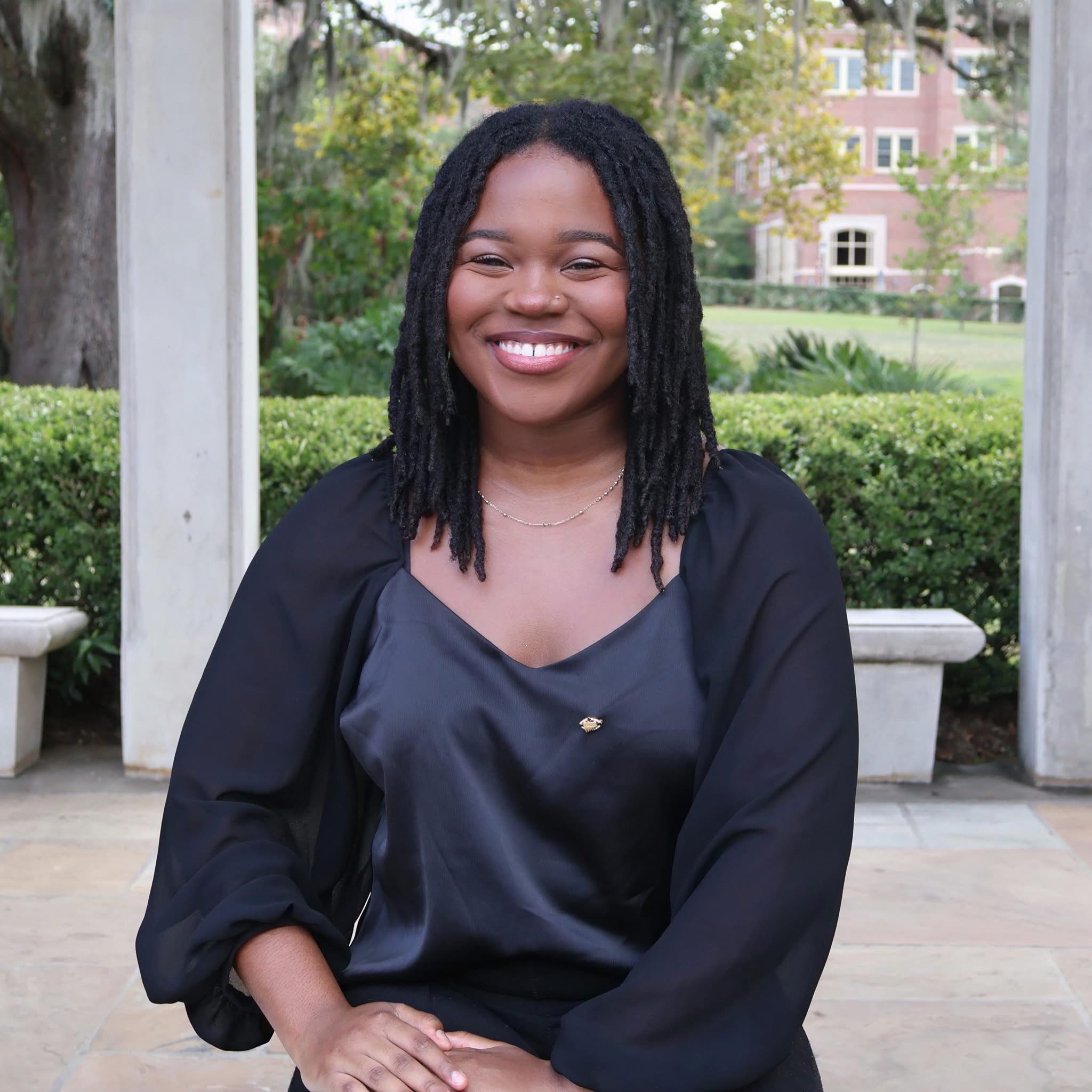
Cassidy is a second-year Music major from West Palm Beach, Florida. Her research centers on Eatonville and its historical contributions to America’s democratic lineage. She hopes to continue studying and establish a career in the music and entertainment industry. In her free time, she enjoys traveling, drawing, playlist making, and visiting new restaurants around town.
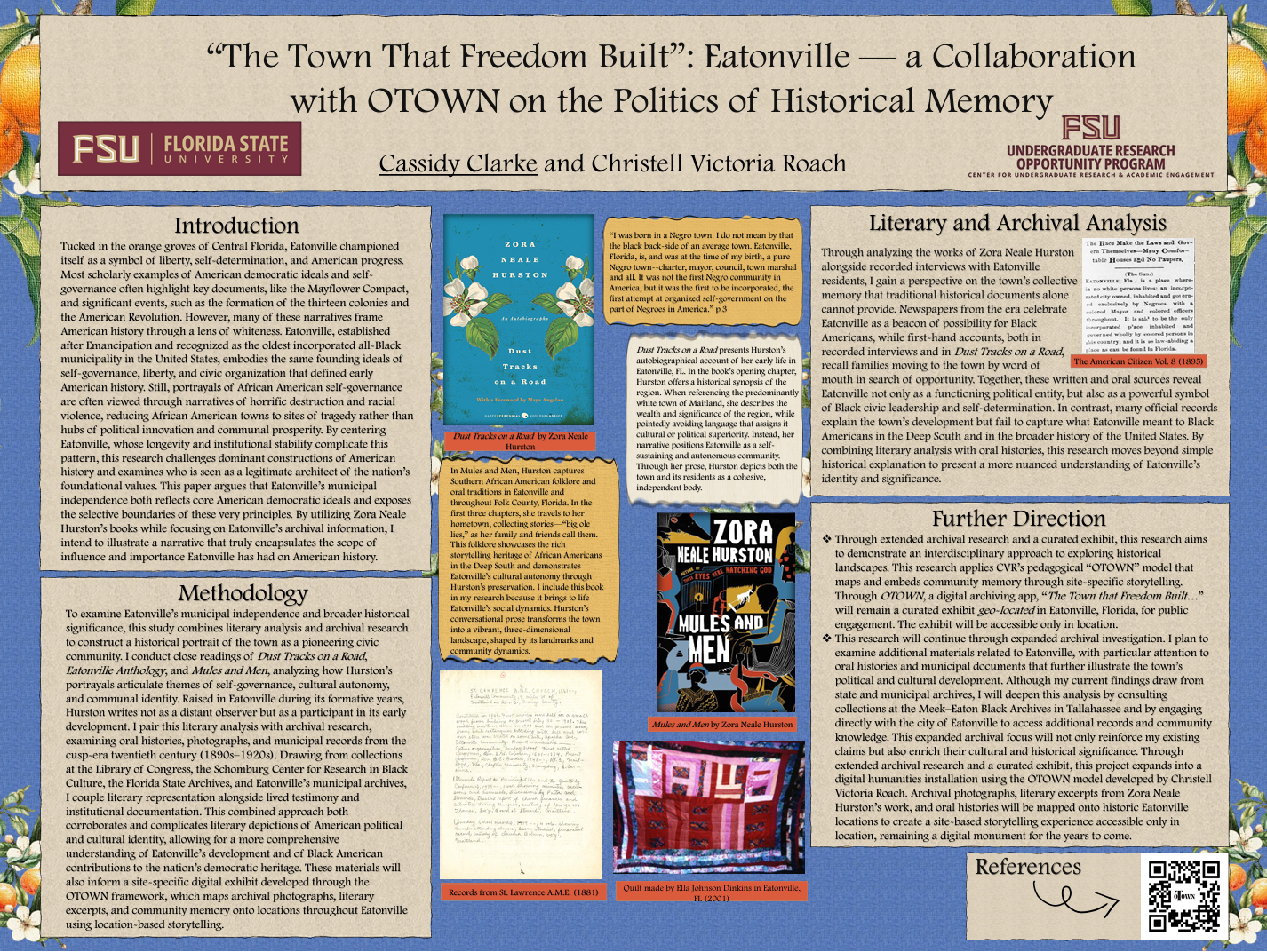
“The Town That Freedom Built”: Eatonville — a Collaboration with OTOWN on the Politics of Historical Memory
Authors: Cassidy Clarke, Christell Victoria RoachStudent Major: Music
Mentor: Christell Victoria Roach
Mentor's Department: English Mentor's College: College of Arts and Sciences Co-Presenters:
Abstract
In the heart of Orange County, Florida, a small incorporated town assumed the herculean task of reshaping the scope of American democracy. Founded in 1887, Eatonville emerged as the first self-governing all-black municipality in the United States. Most scholarly examples of American democratic ideals and self-governance in historical practice point to essential documents, such as the Mayflower Compact, and events, such as the American Revolution. However, many of these examples portray an American narrative through the lens of whiteness. My thesis argues that Eatonville’s municipal independence simultaneously enacted foundational American democratic ideals while critiquing the scope of these principles. In this paper, I provide both a literary analysis of Dust Tracks on a Road, Mules and Men, and Eatonville Anthology by Zora Neale Hurston and an archival analysis of audio and video interviews, photographs, and documents found in the Library of Congress, the Schomburg Center for Research in Black Culture, the Florida State Archives, and Eatonville’s municipal archives. My research concludes by recognizing how boldly Eatonville embraces these national ideals of liberty and democracy while also questioning American rhetoric surrounding African American history in the United States. By examining the town’s political autonomy, it is evident that it did more than just survive in a segregated country; it also implemented the very democratic ideals that Black Americans were excluded from. Eatonville’s existence challenges prevailing historical narratives surrounding American history and repositions Black civic leadership at the center of the nation’s founding democratic principles.
Keywords: eatonville, digital humanities, archival research
26th annual Undergraduate Research Symposium, April 1, 2026
Lucia Salvato Valiente Poster Session 3: 1:45 pm - 2:45 pm / Poster #77
BIO
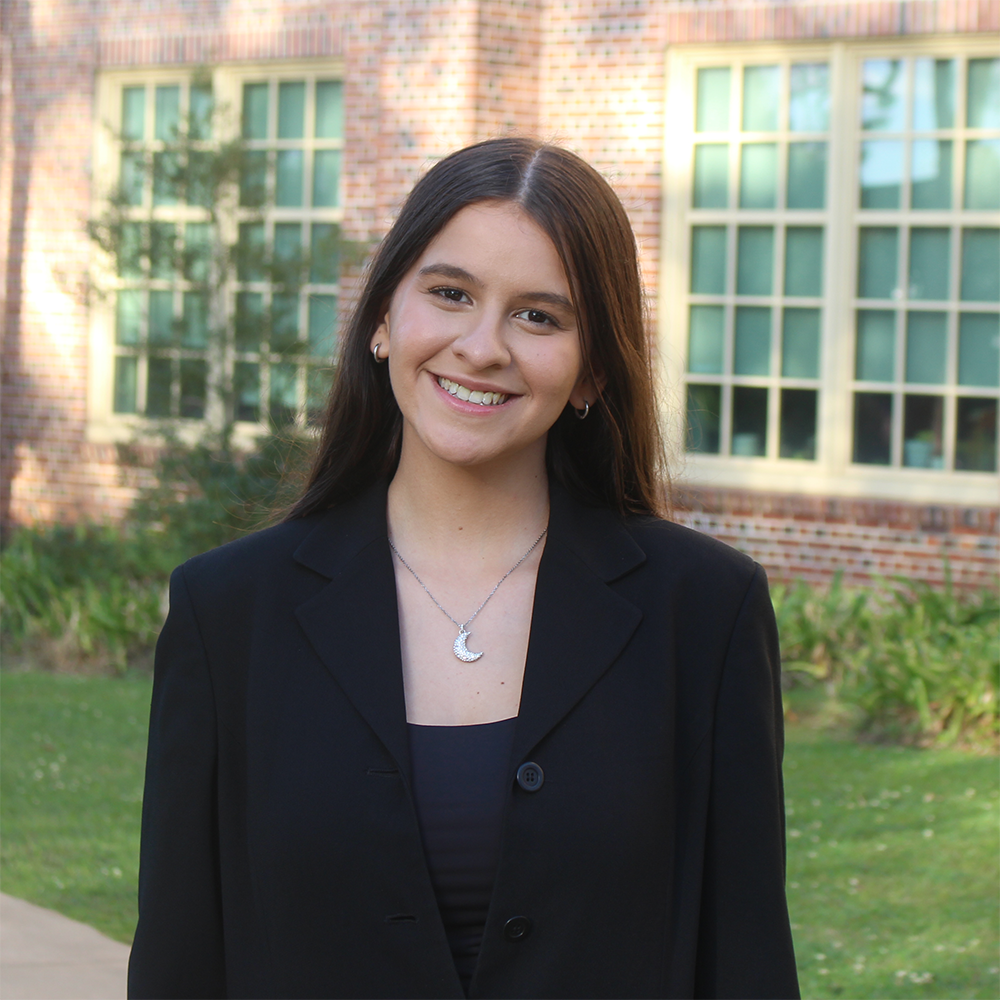
Lucia Salvato Valiente is a second-year interior architecture and design student. She is particularly interested in how physical environments influence the way people feel and interact, which has led her to explore the influential role of decorative arts in everyday life. Her research focuses on historical quilt patterns as communication devices, illustrating how artistic artifacts can help better understand the world that surrounds us. By opening a window to the past, she hopes to draw connections to the present and help shape a future where design and architecture promote empathy, cultural awareness, and inclusivity.
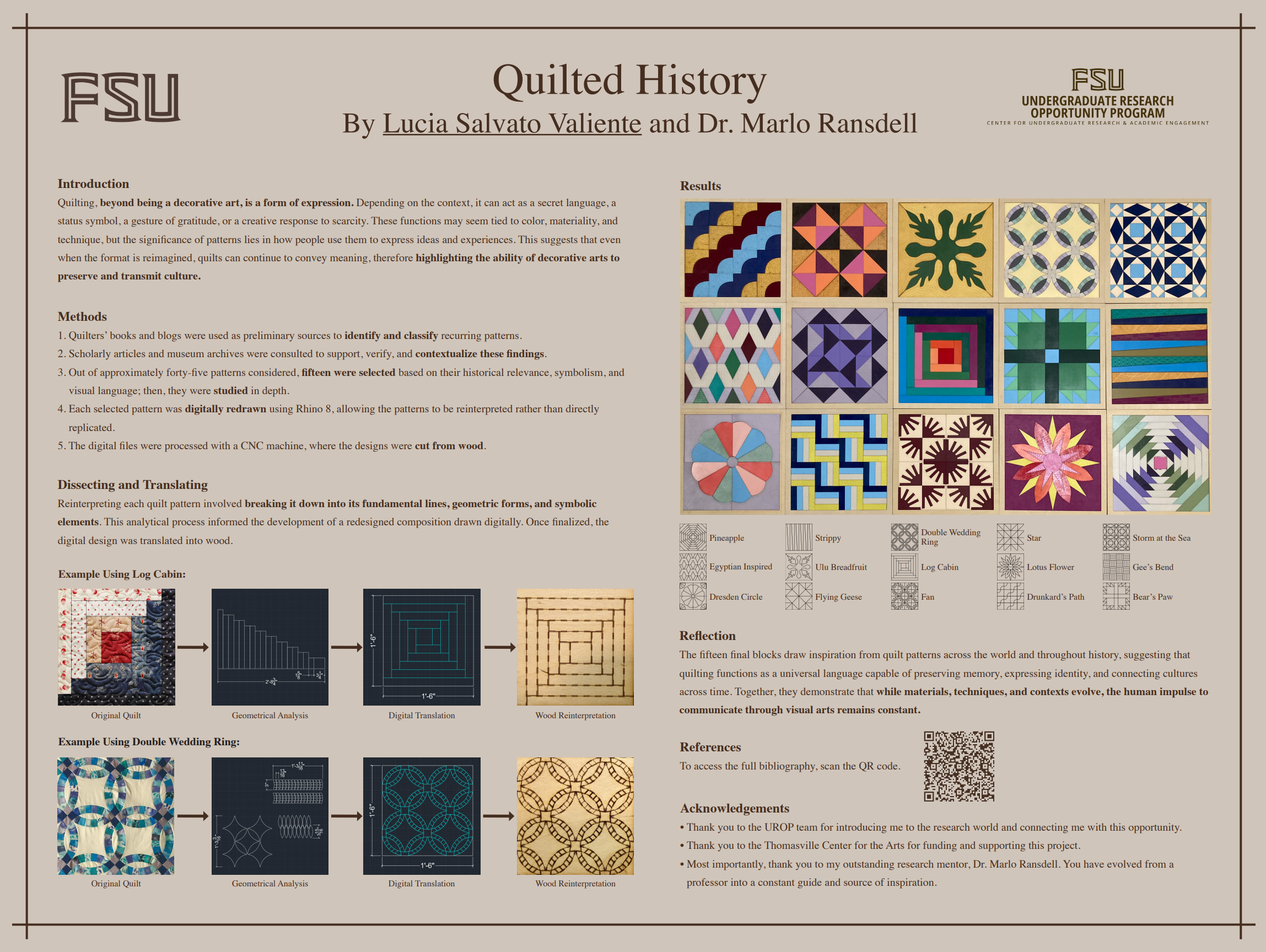
Quilted History
Authors: Lucia Salvato Valiente, Dr. Marlo RansdellStudent Major: Interior Architecture and Design
Mentor: Dr. Marlo Ransdell
Mentor's Department: Department of Interior Architecture and Design Mentor's College: College of Fine Arts Co-Presenters:
Abstract
Quilts have historical relevance because, depending on the context, they can function as a secret language, a status symbol, a gesture of gratitude, a creative response to scarcity, or simply a decorative piece. This study explores whether that cultural significance and flexibility remain in contemporary times. For this purpose, fifteen iconic quilt patterns were reinterpreted using modern technology and new materials. First, a literary review was conducted to understand each pattern’s origins and motifs. Then, they were digitally reimagined as line drawings and materialized into wooden blocks. By shifting from soft textile to rigid material, the study suggests that the message embedded in these pieces endures beyond fabric, color, pattern, and time. This finding establishes quilting as an activity and a form of communication, underscoring the influential role of decorative arts in preserving and transmitting culture.
Keywords: Quilting, Culture, Decorative Arts, Design, Materiality, Geometry
26th annual Undergraduate Research Symposium, April 1, 2026
Rohita Paul Poster Session 2: 10:45 am - 11:45 am / Poster #236
BIO
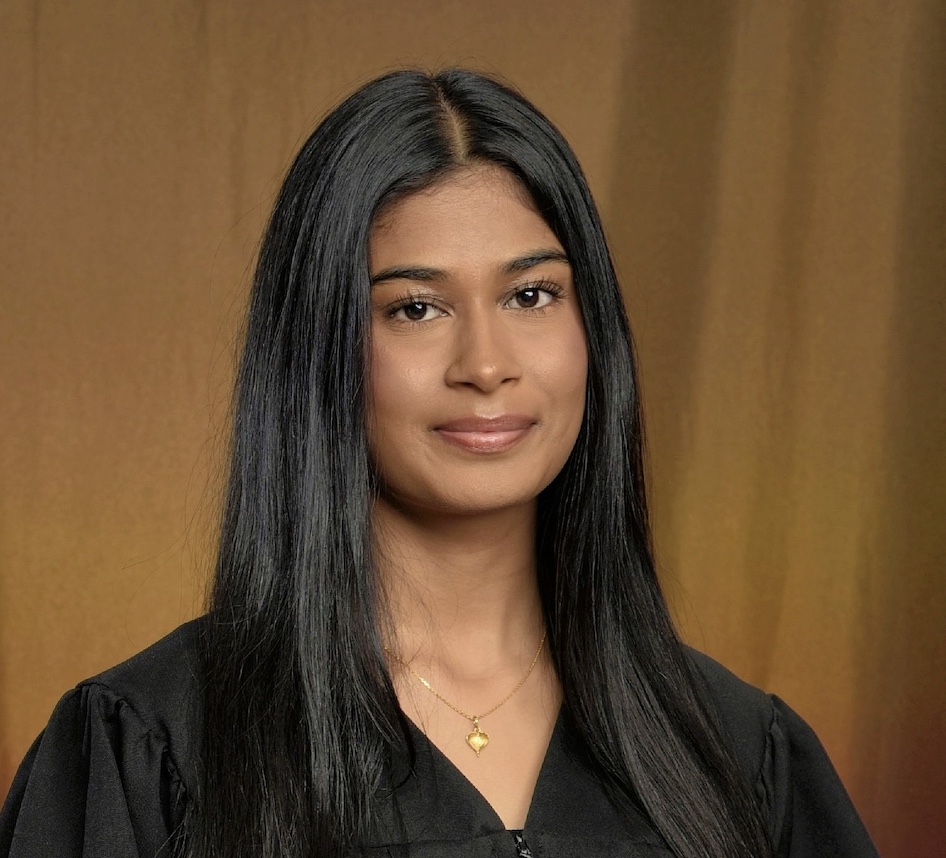
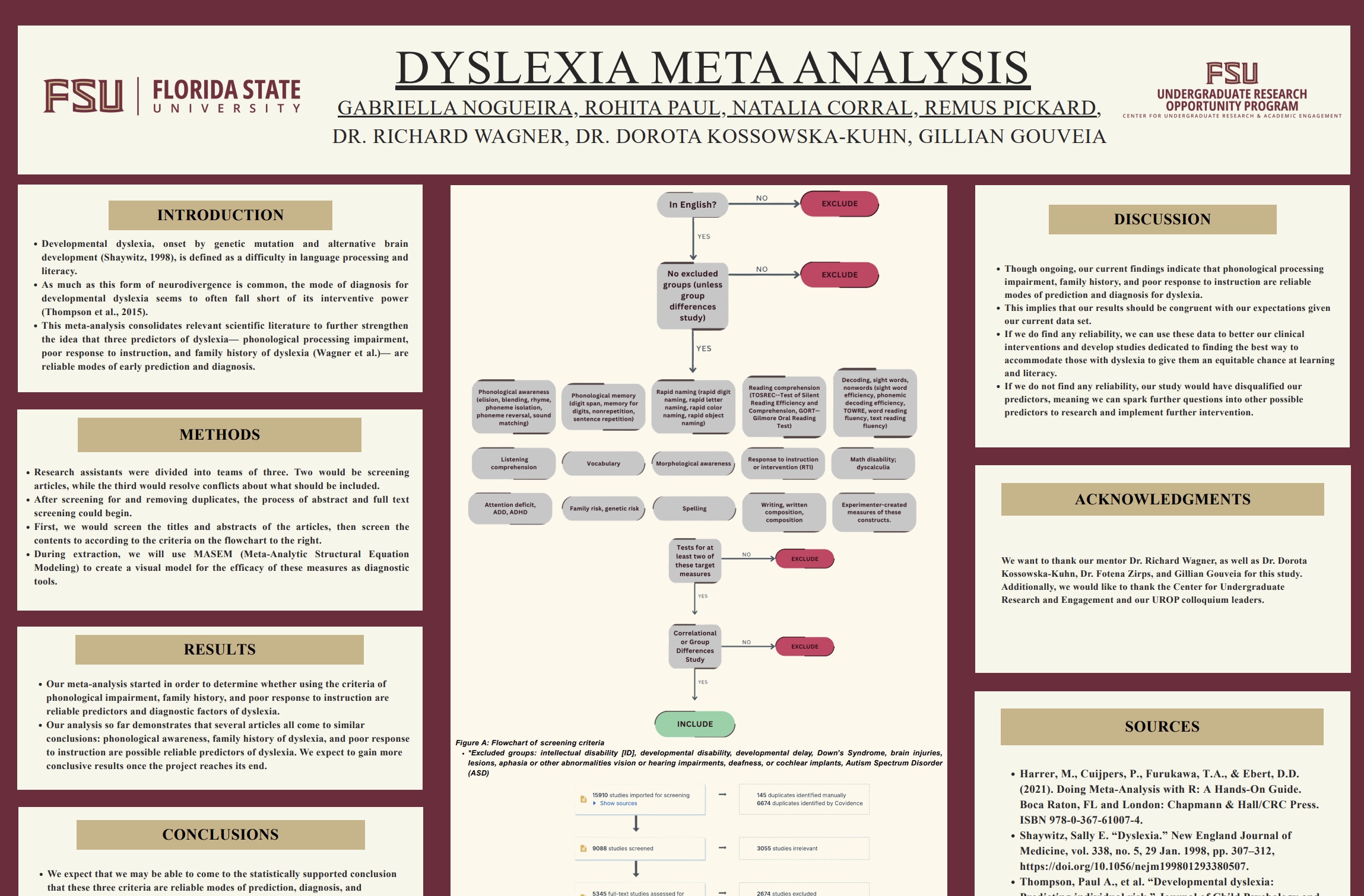
Rohita is from Port Orange, FL. She is in her second year and working towards her Bachelor of Science in Biology. Outside of her dyslexia research with Dr. Wagner's team, she is a certified medical assistant at a primary care office and volunteers with the Alzheimer's Project as an Americorps Member.
Dyslexia Meta Analysis
Authors: Rohita Paul, Richard WagnerStudent Major: Biology
Mentor: Richard Wagner
Mentor's Department: Department of Psychology Mentor's College: College of Arts and Sciences Co-Presenters: Gabriella Nogueira, Natalia Corral, Remus Pickard
Abstract
Dyslexia is defined by the International Dyslexia Association as a neurobiological developmental learning disorder that is characterised by having trouble decoding, recognizing, and spelling words. As much as this form of neurodivergence is common, the mode of diagnosis for developmental dyslexia seems to often fall short of its interventive power. Because previous research suggests that no single predictor works well for complex phenomena such as dyslexia, this project aims to analyze common predictors of dyslexia using a model based meta-analysis (MASM) of the current literature in the field. This meta-analysis seeks to consolidate thousands of articles from scholarly sources and scientific journals to further strengthen the idea that three predictors of dyslexia— phonological processing impairment, poor response to intervention, and family history of dyslexia— are reliable modes of early prediction and diagnosis. Facilitated by a team of several reviewers, each article is title and abstract screened, full text reviewed, and extracted to create a proportional model to illustrate the statistical relevance each factor has in relation to the prediction and diagnosis of dyslexia. Though still in progress, the meta-analysis has now advanced to the extraction phase and is working towards a definitive result.
Keywords: Dyslexia
26th annual Undergraduate Research Symposium, April 1, 2026
Chinazyia’ Keys Poster Session 4: 3:00 pm - 4:00 pm / Poster #68
BIO
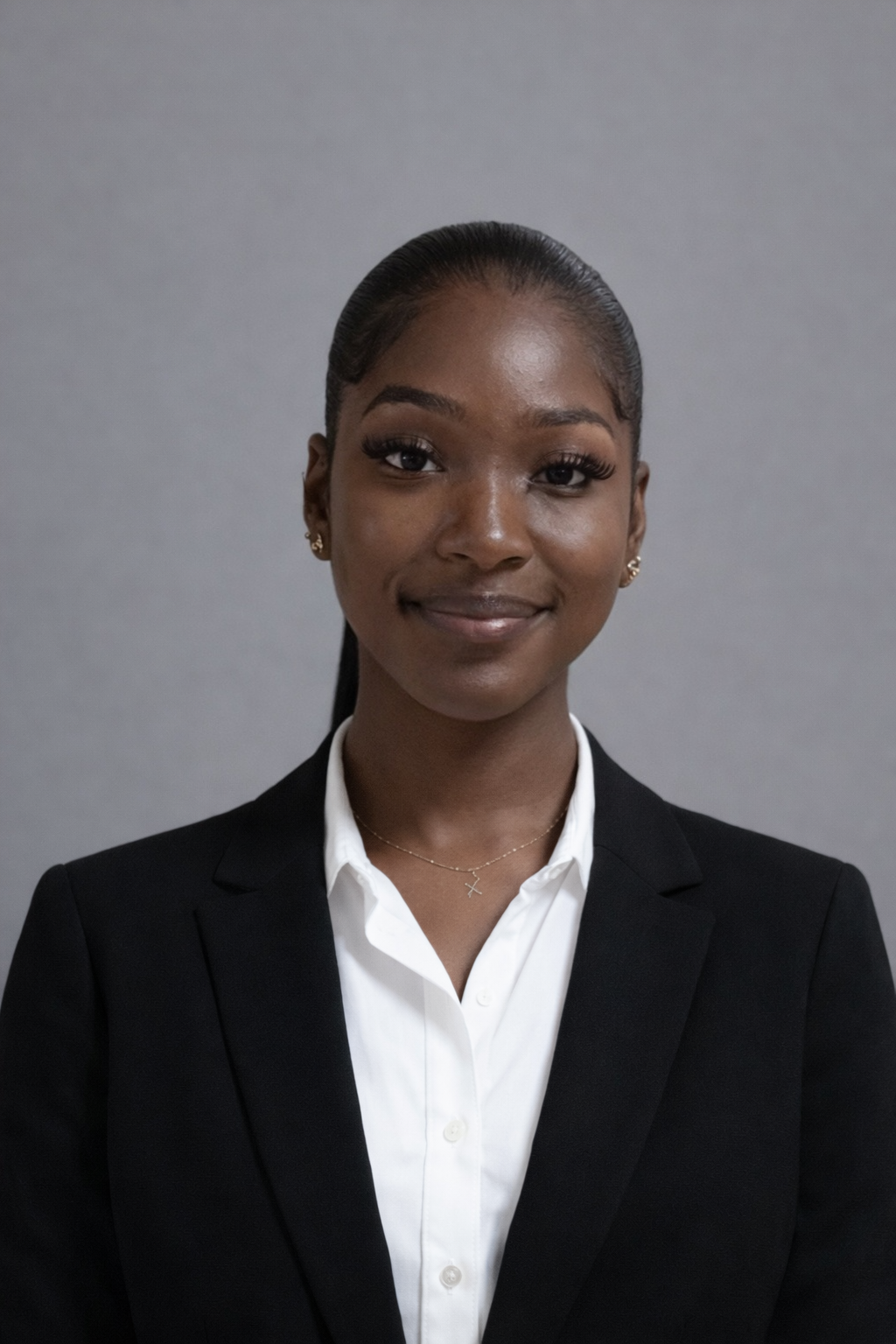
Chinazyia’ Keys is a second-year senior majoring in Nursing. She is originally from Two Egg, Florida, a small rural community that inspired her passion for serving underserved populations and improving access to healthcare. As a first-generation college student, Chinazyia’ is committed to academic excellence and community leadership.
Her academic interests include maternal health, health disparities, and improving patient outcomes through evidence-based nursing practice. Chinazyia’ has participated in undergraduate research focused on mental health outcomes and social factors affecting health within diverse populations.
In addition to her academic work, she is actively involved in campus leadership and service organizations. Through these experiences, she has developed strong skills in collaboration, advocacy, and mentorship. After graduating, Chinazyia’ plans to pursue a career as a registered nurse and continue advancing her education to further address health inequities and improve patient care in underserved communities.
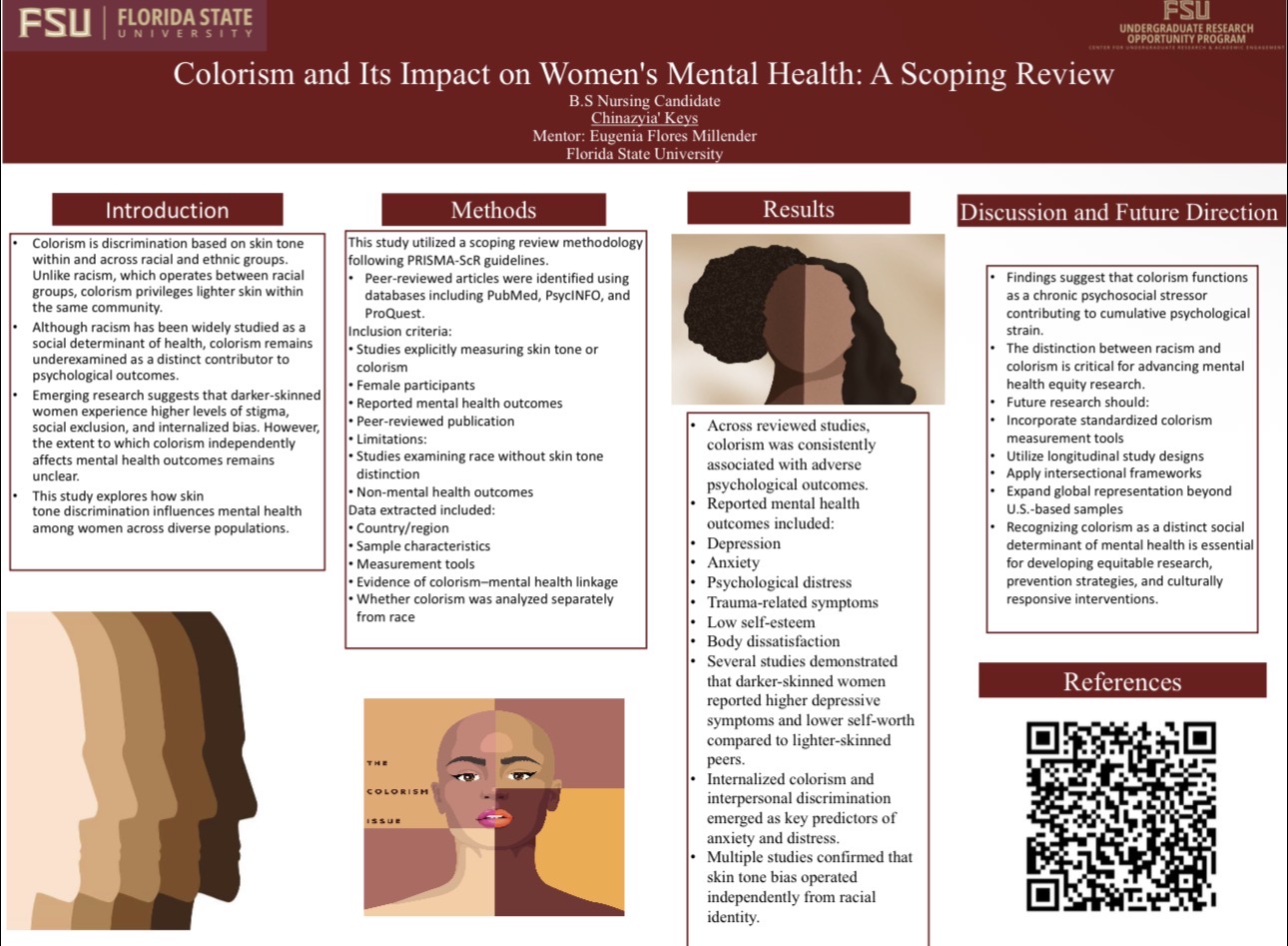
Colorism and Its Impact on Women’s Mental Health: A Scoping Review
Authors: Chinazyia’ Keys, Eugenia Flores MillenderStudent Major: Nursing
Mentor: Eugenia Flores Millender
Mentor's Department: Nursing Mentor's College: College of Nursing Co-Presenters:
Abstract
Colorism, or discrimination based on skin tone within and across racial groups, is an emerging social determinant of health. This scoping review examines the relationship between colorism and women’s mental health outcomes. Using PRISMA-ScR guidelines, peer-reviewed studies were identified through databases including PubMed, PsycINFO, and ProQuest. Across the literature, colorism was consistently associated with adverse psychological outcomes, including depression, anxiety, psychological distress, and body dissatisfaction. Findings also suggest that darker-skinned women experience higher levels of stigma and internalized colorism, contributing to poorer mental health outcomes. These results highlight the importance of recognizing colorism as a significant factor in mental health disparities among women.
Keywords: Colorism, Women’s Mental Health, Skin Tone Bias, Psychological Outcomes, Health Disparities
26th annual Undergraduate Research Symposium, April 1, 2026
Sofie Szlezak Poster Session 1: 9:30 am - 10:30 am / Poster #297
BIO
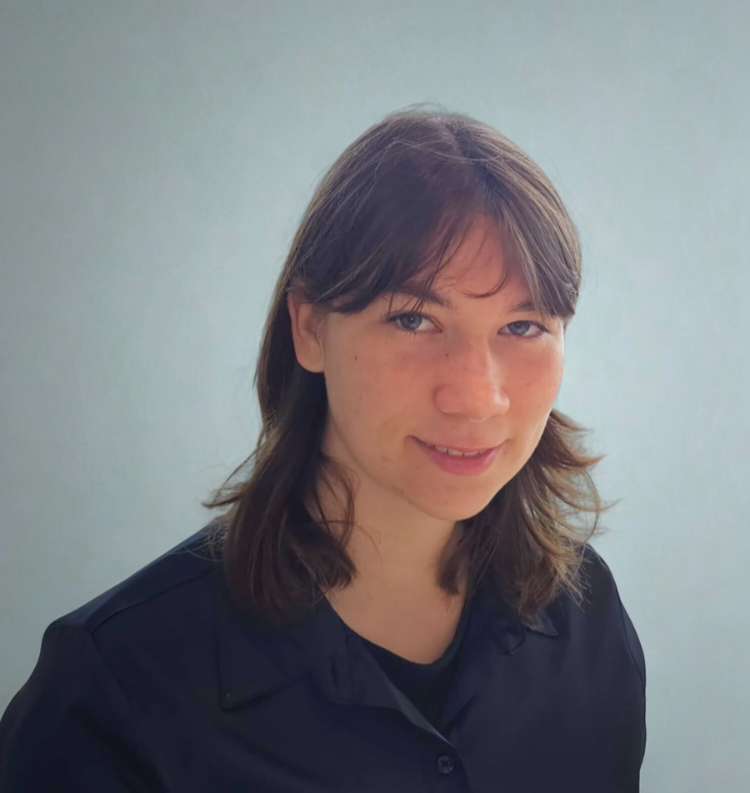
Sofie Szlezak is a sophomore Honors student and Vires Scholar at Florida State University pursuing a Bachelor of Science in Computer Science, and has earned Dean’s List and President’s List honors during their time at FSU. Sofie is a student researcher in the Undergraduate Research Opportunity Program (UROP) under the mentorship of Dr. Xinyao Zhang and serves as the Industry Outreach Chair for the Association for Computing Machinery (ACM) at FSU. Originally from Palm Beach County, Florida, they are drawn to computer science for its meaningful applications across various fields and problems. Sofie is particularly interested in machine learning, robotics, and sustainable technologies. From training models to predict human motion to building algorithms that handle repetitive tasks, they are excited by the range of problems computing can tackle, including applications in robotics and environmental challenges. After completing their undergraduate degree, Sofie plans to pursue graduate study and continue researching and developing impactful solutions in computer science.
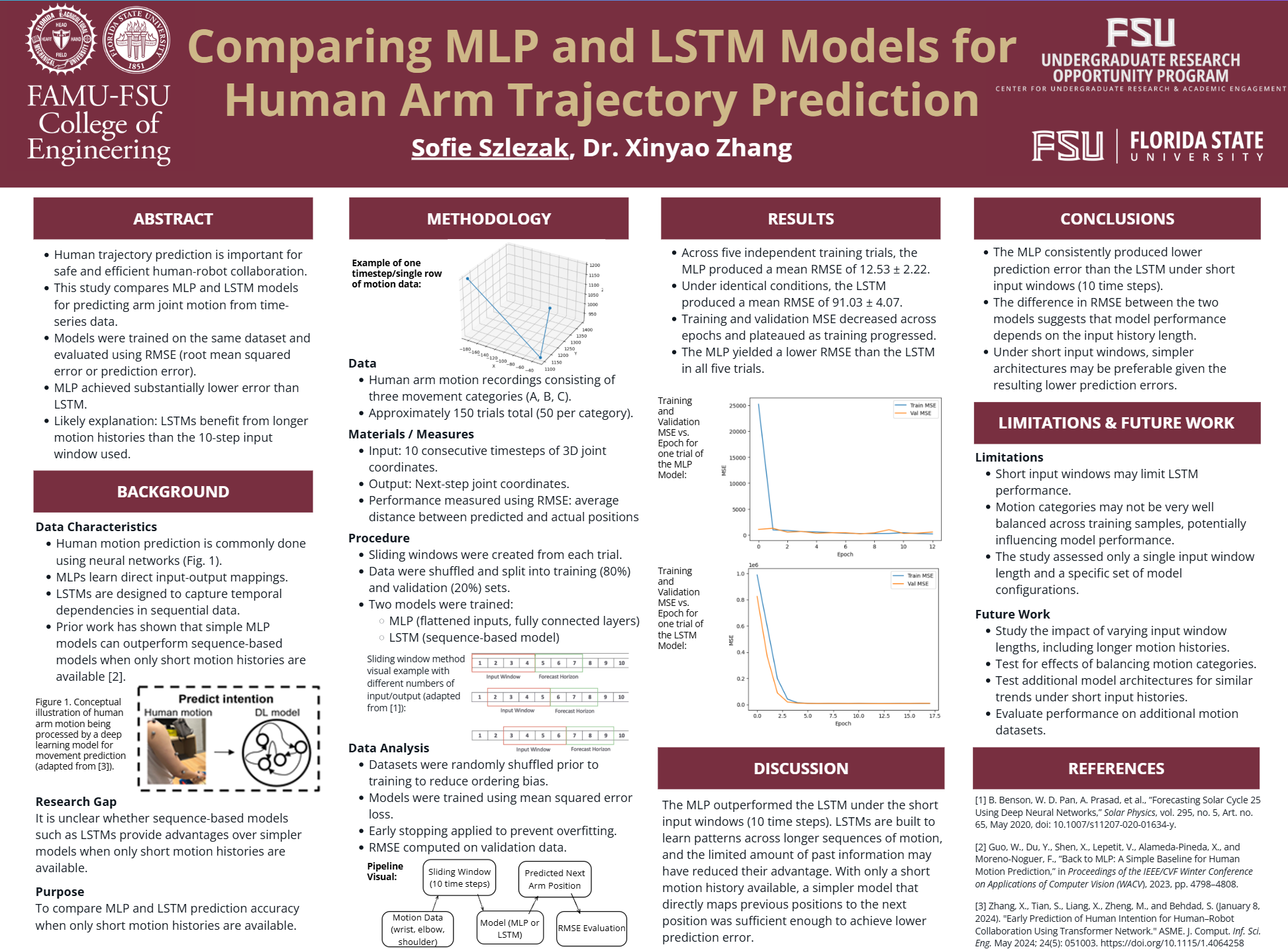
Comparing MLP and LSTM Models for Human Arm Trajectory Prediction
Authors: Sofie Szlezak, Xinyao (Cynthia) Zhang, Ph.D.Student Major: Computer Science
Mentor: Xinyao (Cynthia) Zhang, Ph.D.
Mentor's Department: IME - Industrial & Manufacturing Engineering Mentor's College: FAMU-FSU College of Engineering Co-Presenters:
Abstract
Human-robot collaboration relies on the accurate prediction of human motion to improve safety and efficiency. When robots can anticipate human movement, they can respond more smoothly, make decisions accordingly, and reduce the risk of collision or coordination issues. This study compares two types of machine learning models in predicting short-term human arm motion. Motion data consisting of wrist, elbow, and shoulder positions were segmented into short input windows of 10 time steps. Two predictive models were trained to estimate the next arm position based on this preceding motion history. One model is a Multilayer Perceptron (MLP), a feedforward network that processes past motion data as a single combined input. The other is a Long Short-Term Memory (LSTM) network, a sequence-based neural network that processes motion sequentially and maintains a memory of earlier time steps. Both models were trained under the same experimental conditions using the same dataset. Across five independent trials, the MLP achieved a mean root mean squared error (RMSE) of 12.53 ± 2.22, while the LSTM achieved a mean RMSE of 91.03 ± 4.07. The lower RMSE achieved by the MLP shows that under short input windows, simpler feedforward models can outperform more complex sequence-based models. This may be because LSTMs are designed to learn patterns across longer motion histories. These findings suggest that accurate human-motion prediction can be achieved using simpler models with lower computational cost, which is advantageous for real-time human-robot collaboration.
Keywords: machine learning, time-series analysis, human-robot collaboration, deep learning
26th annual Undergraduate Research Symposium, April 1, 2026
Alberto Alonso Poster Session 2: 10:45 am - 11:45 am / Poster #231
BIO
My name is Alberto Alonso. I am a sophomore at Florida State University pursuing a dual degree in Molecular Neuroscience and Exercise Physiology on the pre-med track. I am originally from Weston, Florida, and I am passionate about understanding how biological systems influence human health and performance.
My academic interests focus on neuroscience, physiology, and molecular biology, especially how the brain and body interact to influence behavior, health, and disease. Through my studies, I aim to develop a strong scientific foundation that will help me understand complex biological systems and apply that knowledge to medicine.
My long-term goal is to attend medical school and become a physician who combines scientific knowledge with compassionate patient care. I am particularly interested in areas related to the brain and human physiology, and I hope to contribute to improving patient outcomes through both medical practice and continued learning.
Outside of academics, I enjoy staying active and challenging myself both intellectually and personally as I work toward my goal of becoming a physician.
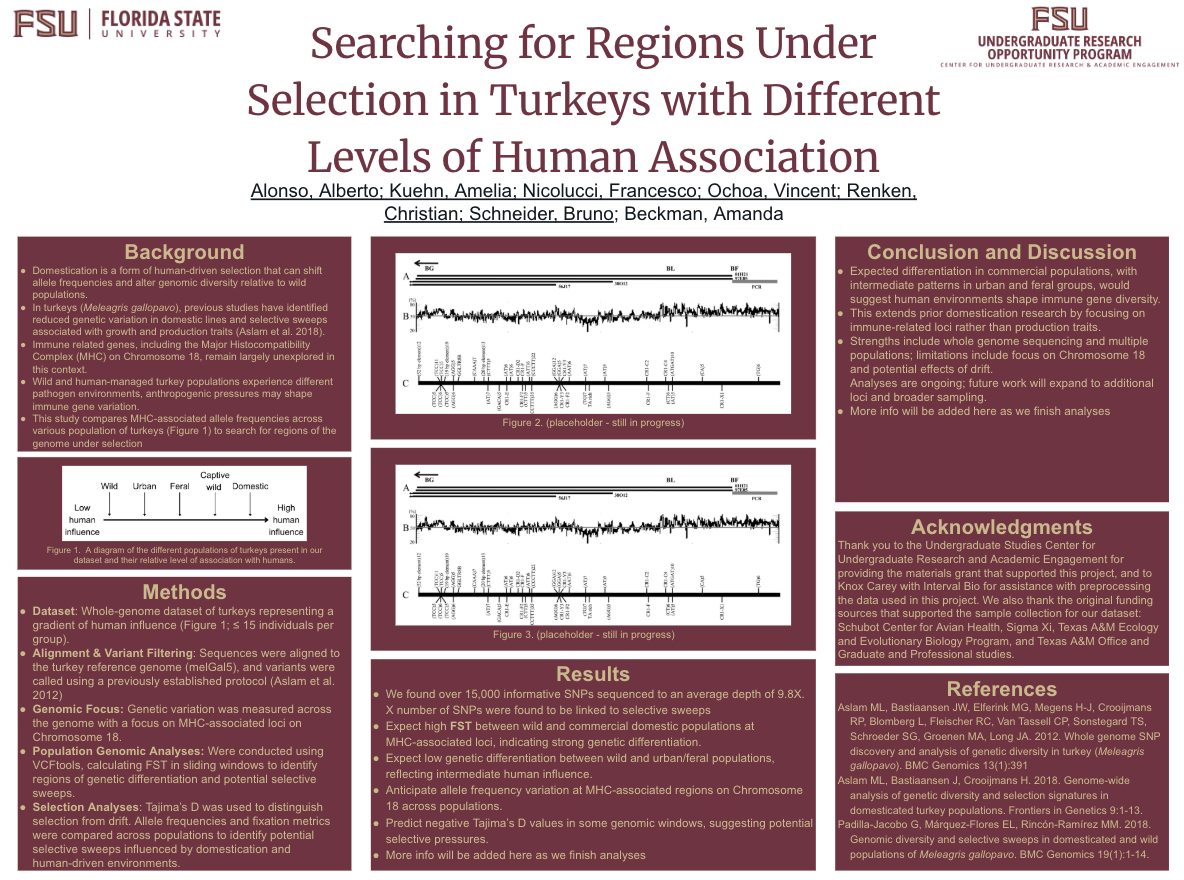
Searching for Regions Under Selection in Turkeys with Different Levels of Human Association
Authors: Alberto Alonso, Amanda BeckmanStudent Major: Exercise Physiology / Cella and Molecular Neuroscience
Mentor: Amanda Beckman
Mentor's Department: Biological Sciences Mentor's College: College of Arts and Sciences Co-Presenters: Francesco
Abstract
Domestication exposes animals to a variety of novel environments, including differences in the diseases they encounter. Studying the evolutionary processes involved in domestication is important as many modern wild animals are experiencing some degree of pressure to adapt to human-dominated landscapes. Major histocompatibility complex (MHC) genes must rapidly evolve as they play an important role in immune responses and are shaped by pathogen exposure. This project investigated selection in wild versus domesticated turkeys (Meleagris gallopavo) and whether the amount of human interaction influences allele frequencies. We used a Whole Genome Sequencing (WGS) dataset of turkeys that experienced different levels of human association (wild, urban, feral, backyard domestic, and commercial domestic populations). After identifying genetic variants, we used VCFtools to analyze allele frequencies on Chromosome 18. We used FST, a measure of population differentiation, to identify regions with the greatest divergence. We expect differences in MHC-related allele frequencies between domesticated and wild turkeys, suggesting human environments influence immune-related genetic variation. Identifying these regions may highlight genomic regions shaped by selection. Overall, this project helps explain how domestication affects immune gene diversity. Future research could analyze additional turkey populations from different environments and examine allele frequencies on other chromosomes. Further work could also explore genomic differences in other domesticated avian species to better understand the impact of domestication on immune responses.
Keywords: Biology, Genetics, Genomics