
Research Symposium
26th annual Undergraduate Research Symposium, April 1, 2026
Emma Lynn Poster Session 3: 1:45 pm - 2:45 pm / Poster #29
BIO
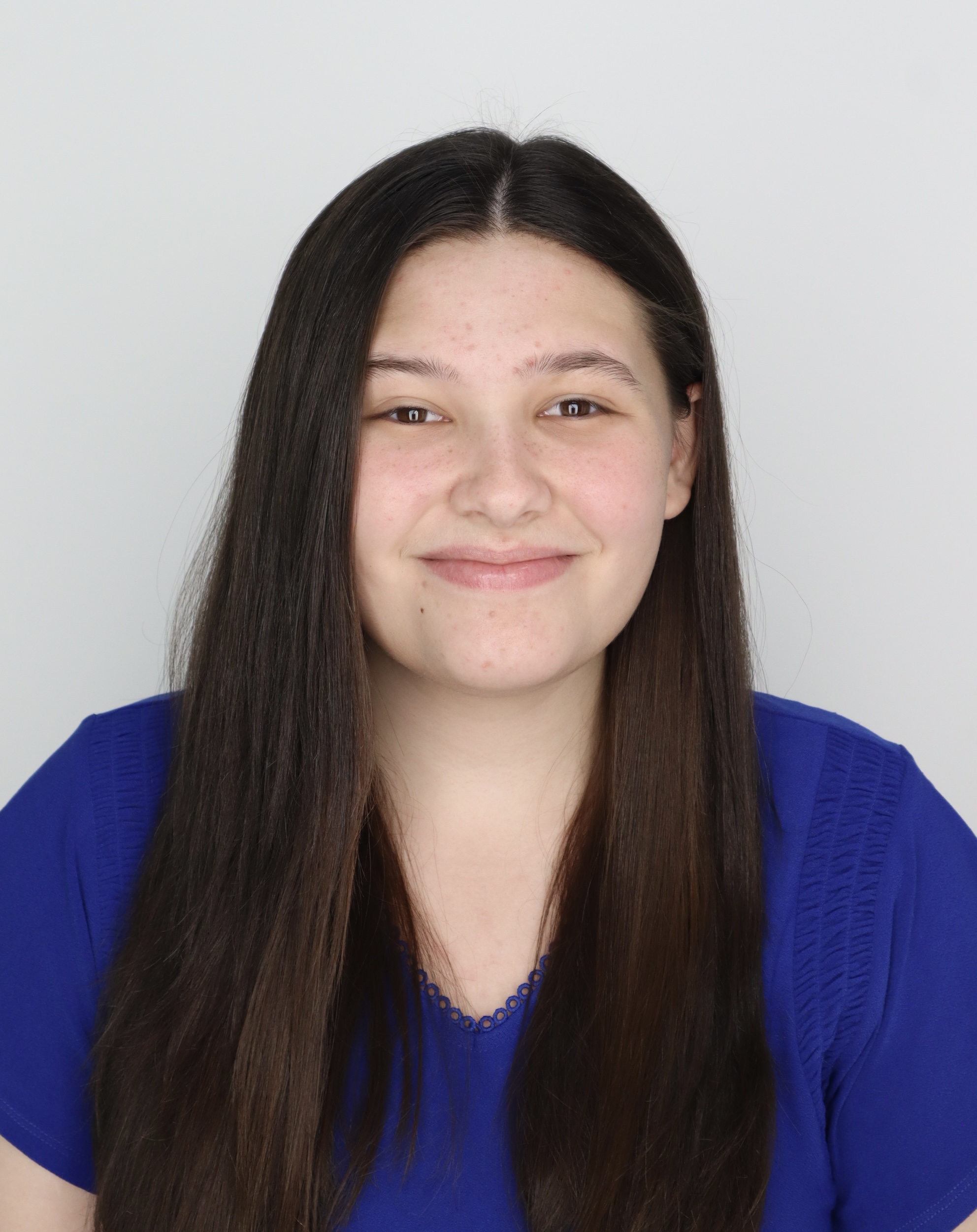
Emma Lynn is a second-year student in the College of Arts and Sciences, pursuing a Bachelor of Science degree in Psychology with minors in Child Development, Biological Science, and Sociology. She plans to attend graduate school and become a licensed school or clinical child psychologist, specializing in Autism Spectrum Disorder (ASD), Attention-Deficit/Hyperactivity Disorder (ADHD), and other learning disabilities.
The UFLI Adapt project has provided her with the opportunity to deepen her understanding of foundational reading curricula and diverse student needs while cultivating research skills such as professional communication, data organization, and critical thinking. She hopes to continue conducting research regarding learning disabilities, educational equality, and child development to help young students succeed.
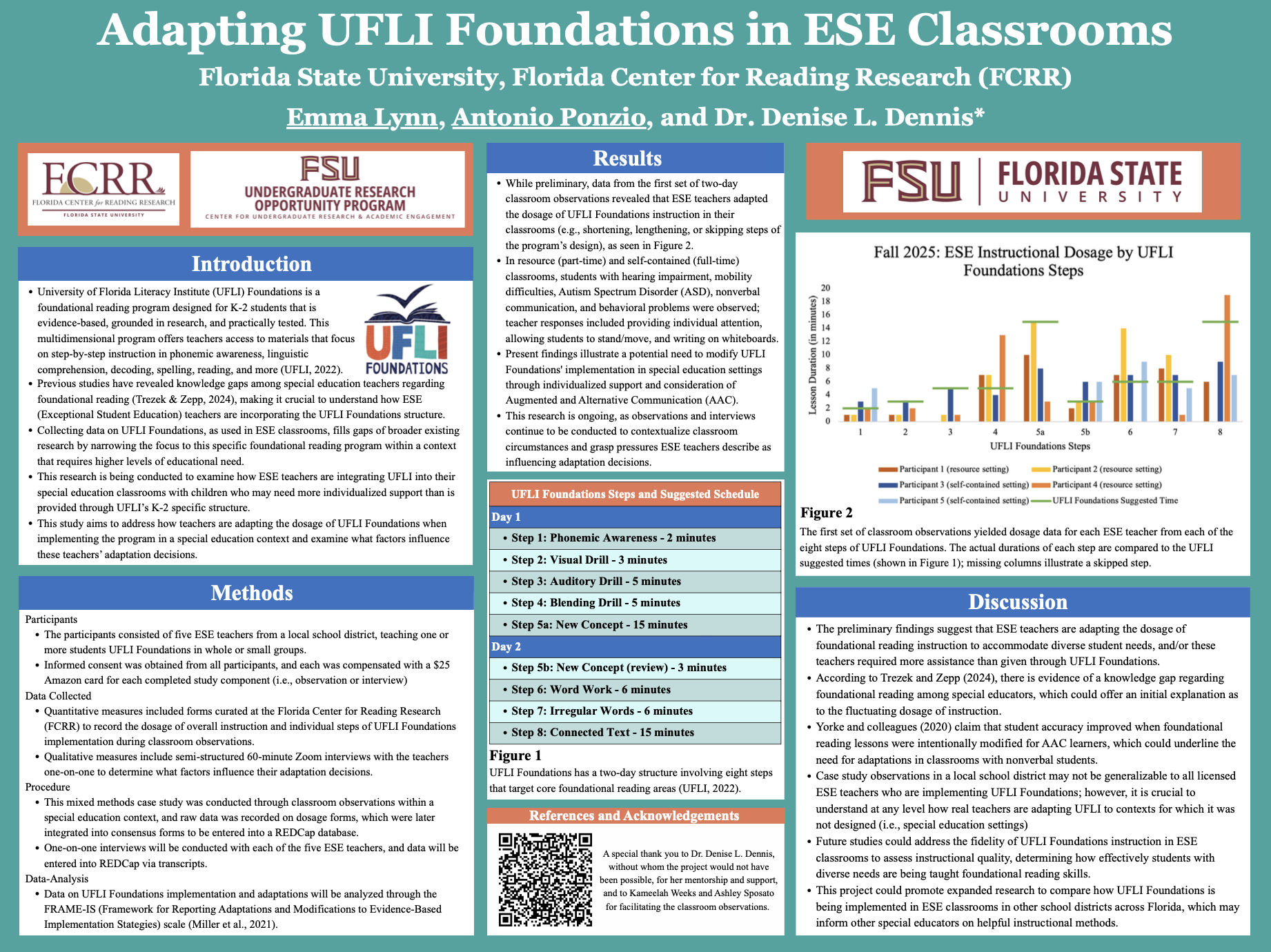
Adapting UFLI Foundations in ESE Classrooms
Authors: Emma Lynn, Dr. Denise L. DennisStudent Major: Psychology
Mentor: Dr. Denise L. Dennis
Mentor's Department: Florida Center for Reading Research (FCRR) Mentor's College: Anne Spencer Daves College of Education, Health, and Human Sciences Co-Presenters: Antonio Ponzio
Abstract
University of Florida Literacy Institute (UFLI) Foundations is a program designed for K-2 students, in which teachers are provided with instructional materials that follow a step-by-step structure. This format assists young students in grasping critical reading foundations such as decoding, phonemic awareness, spelling, and linguistic comprehension (UFLI, 2022). This project aims to examine how Exceptional Student Education (ESE) teachers are modifying the dosage of UFLI Foundations in their unique contexts and to consider factors that teachers describe as influencing these adaptation choices. The focus remains on ESE students, who may need more individualized support than is provided through UFLI’s specific structure. Still, foundational reading is relevant to all students, as reading skills and linguistic knowledge factor into all later subjects and determine future academic success. Through two-day classroom observations in a local school district, data were collected on the dosage of instruction from five ESE teachers. Consensus data were then entered into REDCap to organize the observational findings regarding each ESE teacher’s potential adaptations to each step of the UFLI structure. While there are no final results presently, this project could enhance understanding of levels of educational need in ESE classrooms and inform how foundational reading is taught under these conditions. It could also offer insights for other special education teachers who may have similar struggles teaching children with diverse needs and accommodations. Future studies may complement this research by observing implementation fidelity and the impact of effective teacher methodology on ESE students’ learning within the UFLI structure.
Keywords: UFLI Foundations, Education, ESE, Special Education, Reading
26th annual Undergraduate Research Symposium, April 1, 2026
John Gardner Poster Session 4: 3:00 pm - 4:00 pm / Poster #88
BIO
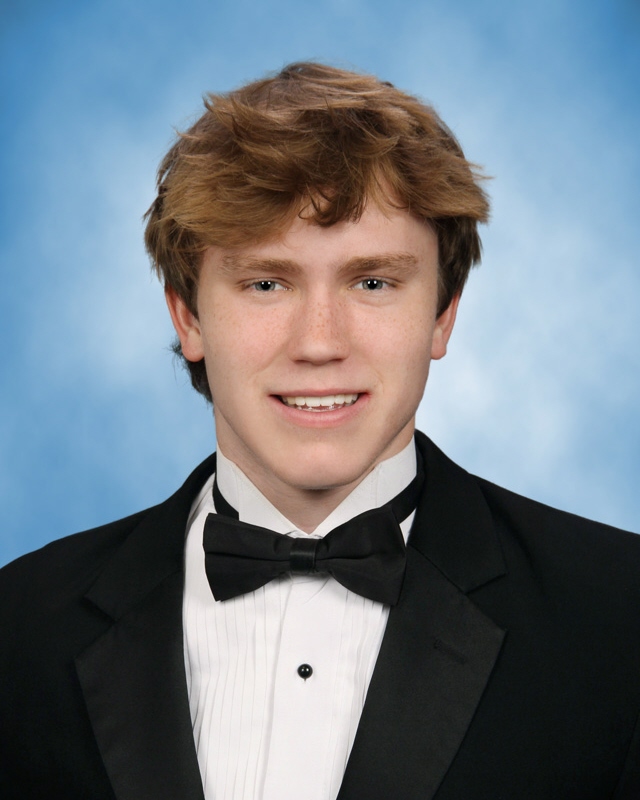
John Gardner is a first-year student pursuing a Bachelor of Science in Finance. He is a Presidential Scholar and member of the Honors Program, where he focuses on developing strong analytical and research skills related to economics, data analysis, and financial systems.
Gardner is currently conducting undergraduate research analyzing public transit efficiency in Tallahassee, Florida. His project examines whether bus stop service frequency aligns with observed ridership demand by integrating GTFS transit schedule data with stop-level ridership counts. Using tools such as QGIS and Excel, he maps patterns of service supply and passenger demand across the transit network and classifies stops into efficiency categories to identify potential mismatches in resource allocation. Through this work, he has developed skills in spatial analysis, data organization, and quantitative evaluation of infrastructure systems.
His research is conducted under the mentorship of Dr. Jelly Li, who has guided the development of the project’s research design and analysis. Kelly Grove also assisted Gardner by helping organize the project’s datasets and introducing him to the basics of using QGIS for spatial analysis.
Looking ahead, Gardner plans to pursue opportunities in finance and economic analysis, with particular interests in data-driven investment strategies and the evaluation of infrastructure and public systems.
Evaluating Bus Stop Efficiency in Tallahassee
Authors: John Gardner, Ziyue (Jelly) LiStudent Major: Finance
Mentor: Ziyue (Jelly) Li
Mentor's Department: FSU-FAMU College of Engineering Mentor's College: Florida State University Co-Presenters:
Abstract
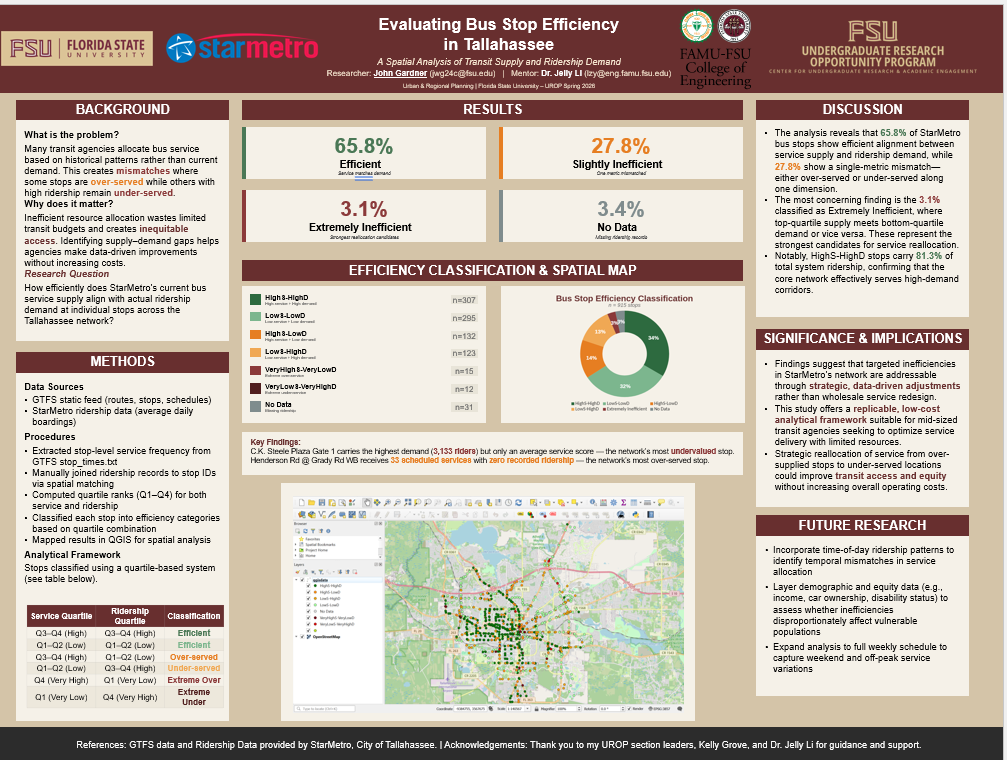
This study investigates whether bus stop service frequency in Tallahassee, Florida is aligned with observed ridership demand across the transit network. Identifying mismatches between scheduled service and actual usage is important because over-served stops represent inefficient resource allocation, while under-served stops limit rider access. For a mid-sized city reliant on public transit, understanding this relationship has direct implications for both equity and operational efficiency.
Stop-level service frequency was calculated from the Fall 2025 GTFS timetable by counting scheduled stop occurrences per stop. Ridership demand was measured by combining average weekday boardings and alightings per stop from October 2025. After manually standardizing stop identifiers across both datasets to ensure a reliable join, the data was mapped spatially in QGIS and stops were classified into six efficiency categories using a quartile-based bivariate model comparing scheduled service supply to observed ridership demand.
Of the 915 stops analyzed, 65.8% were classified as efficient, 27.8% as slightly inefficient, and 3.1% as extremely inefficient, representing the strongest candidates for service reallocation. The remaining 3.4% could not be classified due to missing ridership data. Future research incorporating time-of-day ridership patterns and demographic variables could further refine these classifications.
These findings suggest that Tallahassee's transit network contains targeted inefficiencies that could be addressed through strategic service adjustments rather than system-wide restructuring, potentially improving rider access without increasing overall operating costs.
Keywords: Transportation Transit Infrastructure Data Planning
26th annual Undergraduate Research Symposium, April 1, 2026
Eva Bouchard Poster Session 1: 9:30 am - 10:30 am / Poster #262
BIO
Eva is a 20-year-old sophomore at Florida State University majoring in Nursing, and is originally from Sarasota, Florida. Eva feels very fortunate to have been selected to participate in the UROP research project and has truly enjoyed Eva's involvement. This experience has given Eva the opportunity to explore research while continuing to pursue academic goals in nursing. Eva is grateful for the chance to learn, contribute, and grow through this program.
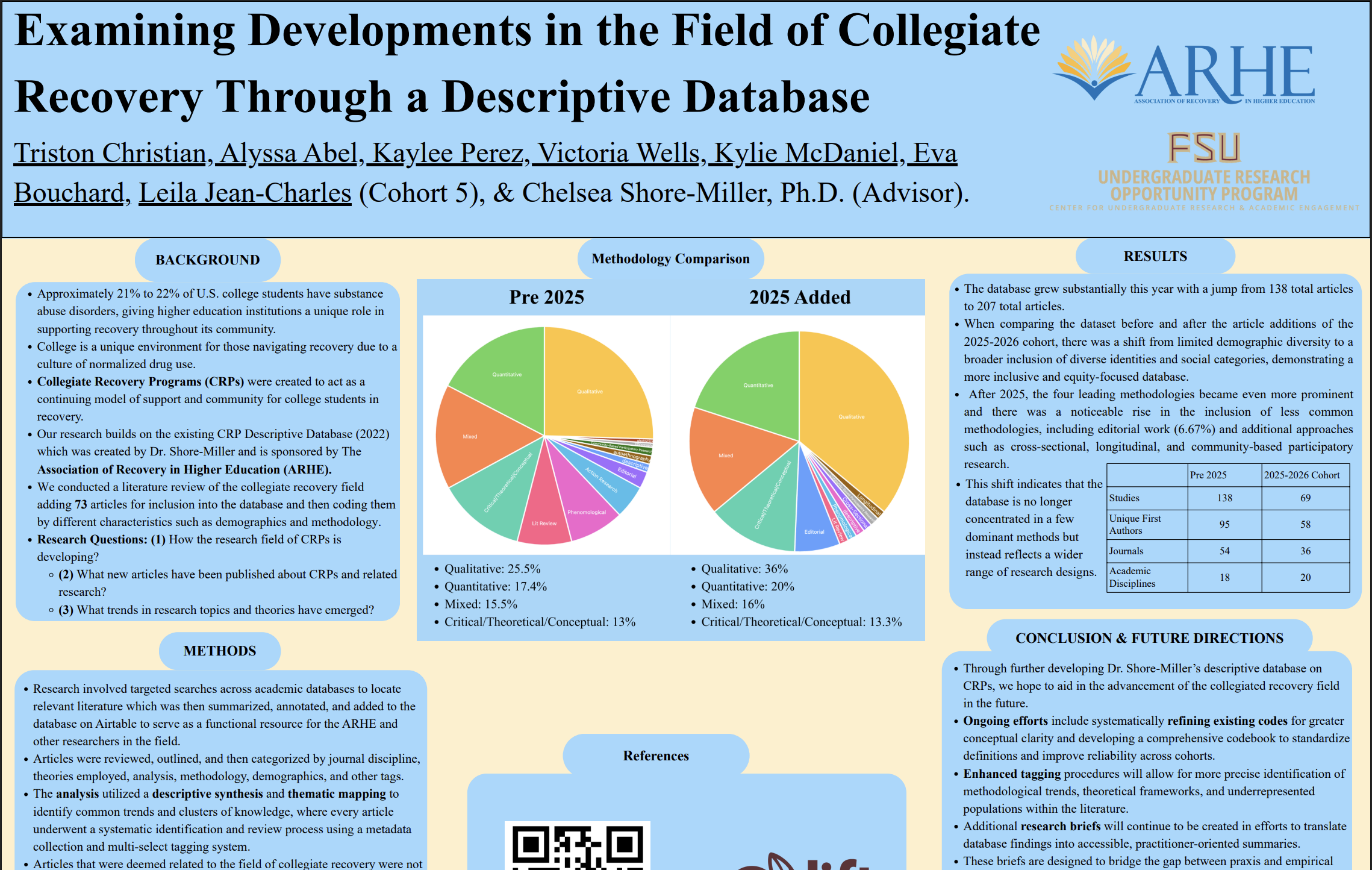
Examining Developments in the Field of Collegiate Recovery Through a Descriptive Database
Authors: Eva Bouchard, Dr. Chelsea Shore-MillerStudent Major: Nursing
Mentor: Dr. Chelsea Shore-Miller
Mentor's Department: Descriptive Database Mentor's College: Association of Recovery in Higher Education Co-Presenters:
Abstract
Approximately 21% to 22% of U.S. college students have substance
abuse disorders, giving higher education institutions a unique role in
supporting recovery throughout its community.
College is a unique environment for those navigating recovery due to a
culture of normalized drug use.
Collegiate Recovery Programs (CRPs) were created to act as a
continuing model of support and community for college students in
recovery.
Our research builds on the existing CRP Descriptive Database (2022)
which was created by Dr. Shore-Miller and is sponsored by The
Association of Recovery in Higher Education (ARHE).
We conducted a literature review of the collegiate recovery field
adding 73 articles for inclusion into the database and then coding them
by different characteristics such as demographics and methodology.
Research Questions: (1) How the research field of CRPs is
developing?
(2) What new articles have been published about CRPs and related
research?
(3) What trends in research topics and theories have emerged?
Keywords: Collegiate Recovery, Substance
26th annual Undergraduate Research Symposium, April 1, 2026
Angelina Alarcón Poster Session 1: 9:30 am - 10:30 am / Poster #272
BIO
Angelina Alarcón is a sophomore at Florida State University majoring in Cell and Molecular Neuroscience on the pre-med track. She is originally from Orlando, Florida, and is especially interested in organic chemistry and neuroscience. Angelina is currently involved in the Undergraduate Research Opportunity Program (UROP), where she works on a research project through the Florida State University College of Medicine under the mentorship of Shermeeka Hogans-Mathews, MD, and Ericka Horne, DrPH. After completing her degree, she plans to attend medical school and pursue a career as a physician.
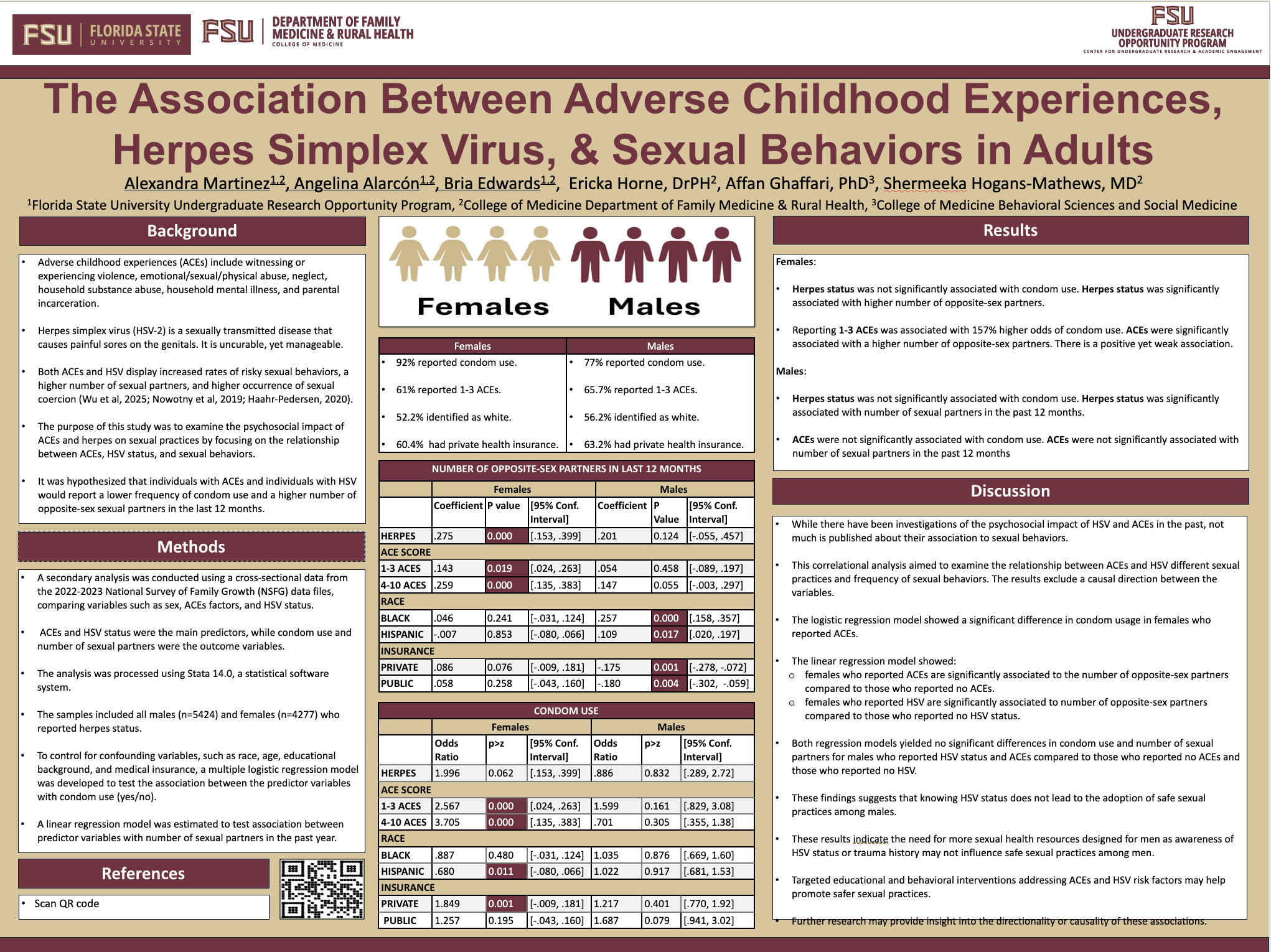
The Association Between Adverse Childhood Experiences, Herpes Simplex Virus, & Sexual Behaviors in Adults
Authors: Angelina Alarcón, Shermeeka Hogans-Mathews, MDStudent Major: Cell and Molecular Neuroscience
Mentor: Shermeeka Hogans-Mathews, MD
Mentor's Department: Department of Family Medicine & Rural Health Mentor's College: College of Medicine Co-Presenters: Alexandra Martinez and Bria Edwards
Abstract
Adverse childhood experiences (ACEs)—including, but not limited to, witnessing or receiving violence; exposure to emotional, sexual, and physical abuse; emotional and/or physical neglect; household substance abuse; household mental illness; parental incarceration—and Herpes Simplex Virus (HSV) status display increased rates of risky sexual behaviors, a higher number of sexual partners, and higher occurrence of sexual coercion (Wu et al, 2025; Nowotny et al, 2019; Haahr-Pedersen, 2020). This investigation focused on the relationship between ACEs and sexual behaviors compared to the relationship between HSV and sexual behaviors. The purpose of this study was to examine the psychosocial impact of ACEs and herpes on sexual practices. A secondary analysis was conducted using cross-sectional data from the 2022-2023 National Survey of Family Growth (NSFG), comparing variables such as sex, ACEs factors, and HSV status. The analysis showed a significant impact of traumatic childhood experiences and HSV—independent of each other—on sexual practices. Males who reported ACEs and males who reported HSV status demonstrated no significant association with condom usage and number of opposite-sex partners. Females who reported ACEs and females who reported HSV status also reported a higher number of opposite-sex partners. Females with ACEs were significantly associated with condom usage. Processes from this study incentivize further research that may answer questions relating to the lifestyle practices of persons with HSV and those who have experienced ACEs.
Keywords: ACEs, HSV, Health, Herpes, Behavior
26th annual Undergraduate Research Symposium, April 1, 2026
Kevin Marrero Bernabe Poster Session 2: 10:45 am - 11:45 am / Poster #278
BIO
Kevin Marrero Bernabe is a sophomore at Florida State University pursuing a Bachelor of Science in Exercise Physiology. From Crestview, Florida, he is involved in undergraduate research exploring healthcare disparities and ways to improve access to medical services for underserved and underrepresented populations. Through this work, he collaborates with faculty mentors and peers to gain a deeper understanding of how various factors influence health outcomes and access to care.
Beyond academics, Kevin is engaged in service and mentorship through USSTRIDE and the Honors Medical Scholars Program, which supports his development as a future healthcare professional. He has a strong interest in primary care and is committed to addressing disparities to improve equitable access to healthcare services.
After completing his Bachelor of Science, Kevin plans to attend medical school and pursue a career in primary care, combining clinical practice with community engagement to improve health outcomes and ensure all patients have access to quality care.
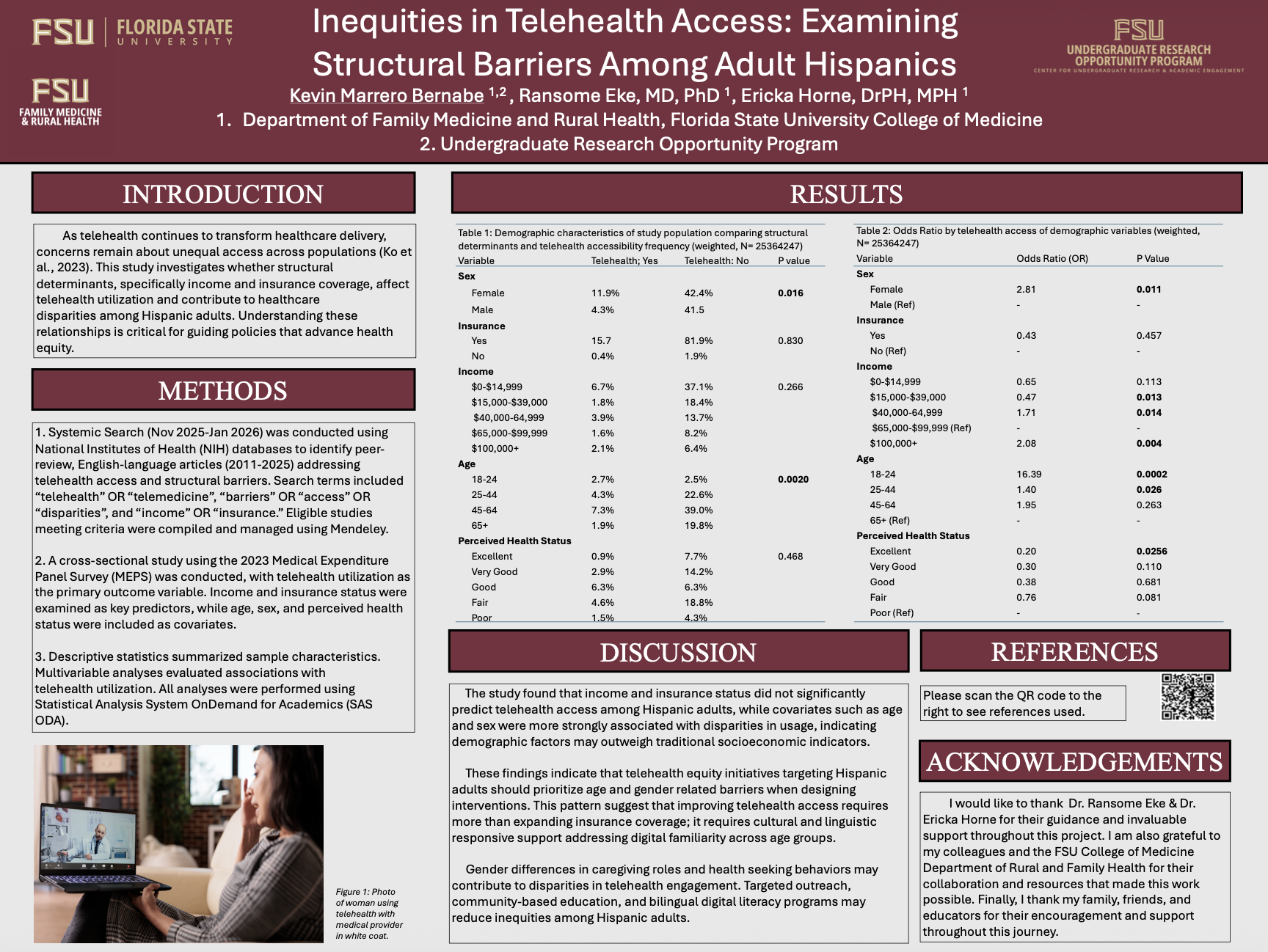
Inequities in Telehealth Access: Examining Structural Barriers Among Adult Hispanics
Authors: Kevin Marrero Bernabe , Dr. Ransome EkeStudent Major: Exercise Physiology
Mentor: Dr. Ransome Eke
Mentor's Department: Department of Family Medicine & Rural Health Mentor's College: College of Medicine Co-Presenters:
Abstract
Telehealth has become an increasingly essential component of healthcare delivery, offering the potential to expand access to care and improve health outcomes. However, not all populations benefit equally, particularly adult Hispanics in the United States, as structural barriers such as income and insurance coverage may create limited access to these services. Understanding these disparities is important for informing policies and interventions that promote equitable healthcare.
This study investigates the relationship between structural barriers and telehealth accessibility among adult Hispanics using data from the Medical Expenditure Panel Survey (MEPS). Variables related to income, insurance type, and healthcare utilization were coded and analyzed using Statistical Analysis Program (SAS) to identify patterns of inequity. Relevant literature was organized and reviewed using Mendeley to provide context and support interpretations of the findings.
Preliminary analysis aims to reveal how financial and insurance-related barriers influence telehealth use among adult Hispanic communities. By identifying populations at risk of limited access, this study showcases key areas where interventions and policy changes may be most effective. This research seeks to contribute evidence that can guide efforts to reduce systemic barriers and ensure all patients have equitable opportunities to benefit from telehealth.
Keywords: Telehealth, Accessibility, Health Disparities
26th annual Undergraduate Research Symposium, April 1, 2026
Alix Urban Poster Session 2: 10:45 am - 11:45 am / Poster #238
BIO
Alix Urban is a first-year student from Sarasota, FL. Currently, her undergraduate major is environmental chemistry. Alix has been conducting research projects throughout high school through a program known as MAST (Math, Science, and Technology). Alix was very excited to be able to continue her research through UROP. With her project, Alix conducted research at the FSU Coastal and Marine Laboratory to test soil samples from the Apalachicola River Delta. Samples went through testing to measure: dry-bulk-density, organic matter %, organic carbon, and total nitrogen concentrations. The soil samples were collected from varying marsh and forest plots. The results of the experiment concluded with the average concentrations of organic carbon and total nitrogen within the marsh and forest vegetation types. After UROP Alix hopes to continue with the research project and improve findings. Dr. Josh Breithaupt and Simone Schuster were very important assets to her project. Dr. Breithaupt is her research mentor, and Simone Schuster is the graduate student she worked closely with. In the future, Alix hopes to continue her research journey (at the Breithaupt lab and beyond) and graduate with her Bachelor of Science degree in Chemical Science.
Apalachicola River Delta Soil Nutrients
Authors: Alix Urban, Josh BreithauptStudent Major: Environmental Chemistry
Mentor: Josh Breithaupt
Mentor's Department: Coastal & Marine Lab Mentor's College: Arts & Sciences Co-Presenters:
Abstract
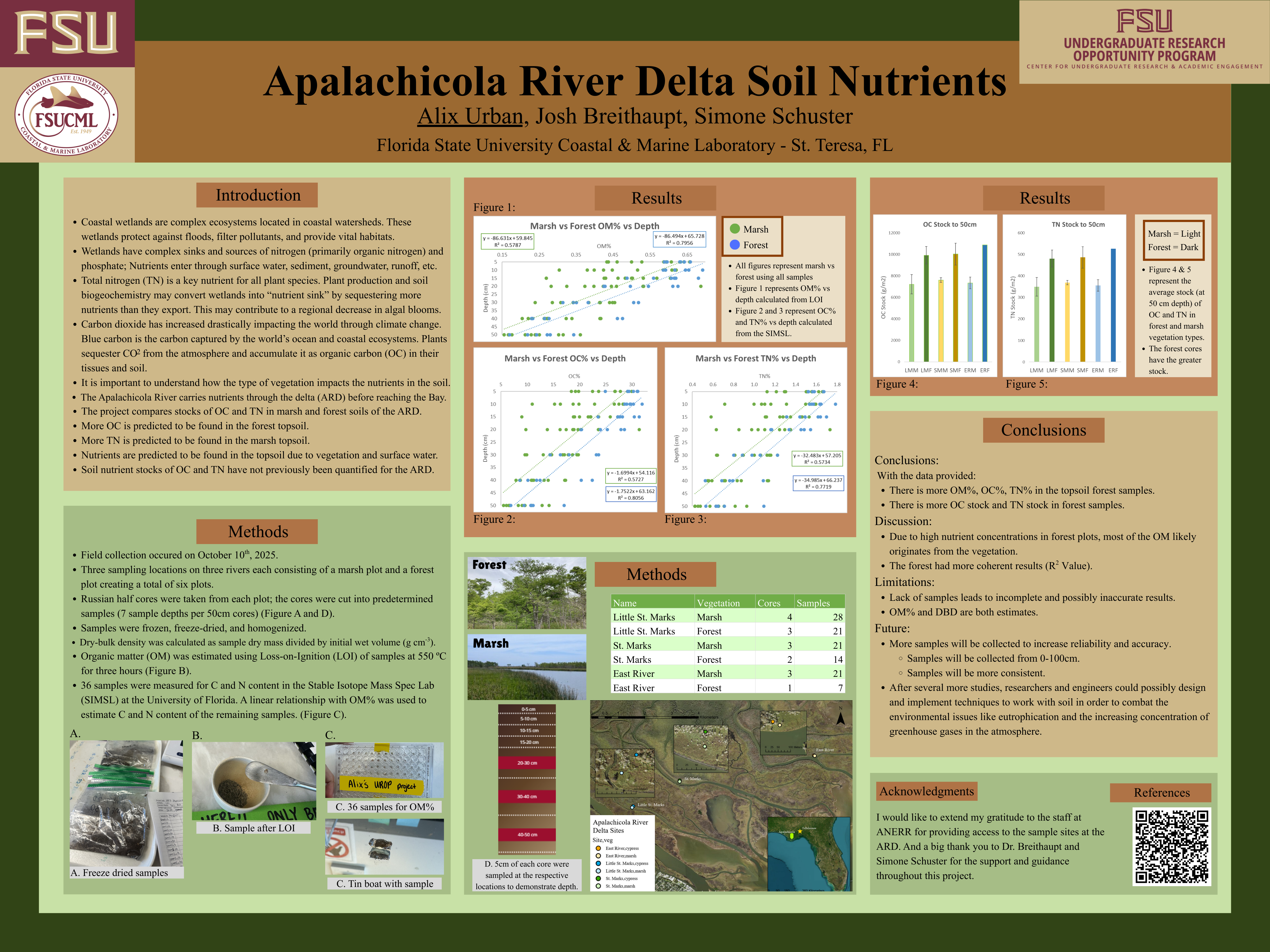
Eutrophication and climate change are two global-scale crises affecting coastal ecosystems. Eutrophication occurs when runoff of fertilizer-derived nutrients like nitrogen and phosphorus enter waterways. Greenhouse gas emissions have increased compounds like carbon dioxide and methane in the atmosphere. Wetland ecosystems can be a valuable nature-based solution for combating these issues through their ability to sequester carbon and nitrogen in their soils. The Apalachicola River Delta (ARD) transports nutrients before depositing into the ocean. This project aims to determine how different vegetation types in the ARD retain nutrients (total nitrogen (TN) and organic carbon (OC)) in the soil.
Three study sites in the ARD were sampled, each with a marsh-dominant plot (marsh) and a cypress-dominated plot (forest). Soil cores were collected using a Russian half-barrel corer and separated into the subsamples with depths from 0-50cm. All samples were frozen, freeze-dried, then recorded for dry weight to calculate dry bulk density (DBD). Subsamples were then combusted at 550°C to estimate organic matter (OM) content. 36 samples were homogenized using a ball mill, then weighed into tin microcapsules and sent to the Stable Isotope Mass Spec Laboratory at the University of Florida to quantify OC and TN content. Soil stocks of OC and TN were calculated as the cumulative mass of each constituent to a 50-cm depth.
The data proved that OC and TN had greater concentrations in forest and topsoil. Future samples will be collected to improve accuracy of concentrations. Future studies will investigate the ARD to combat climate change and eutrophication.
Keywords: Soil, Nutrients, Wetlands
26th annual Undergraduate Research Symposium, April 1, 2026
Alenisse Adorno-Roman Poster Session 4: 3:00 pm - 4:00 pm / Poster #1
BIO
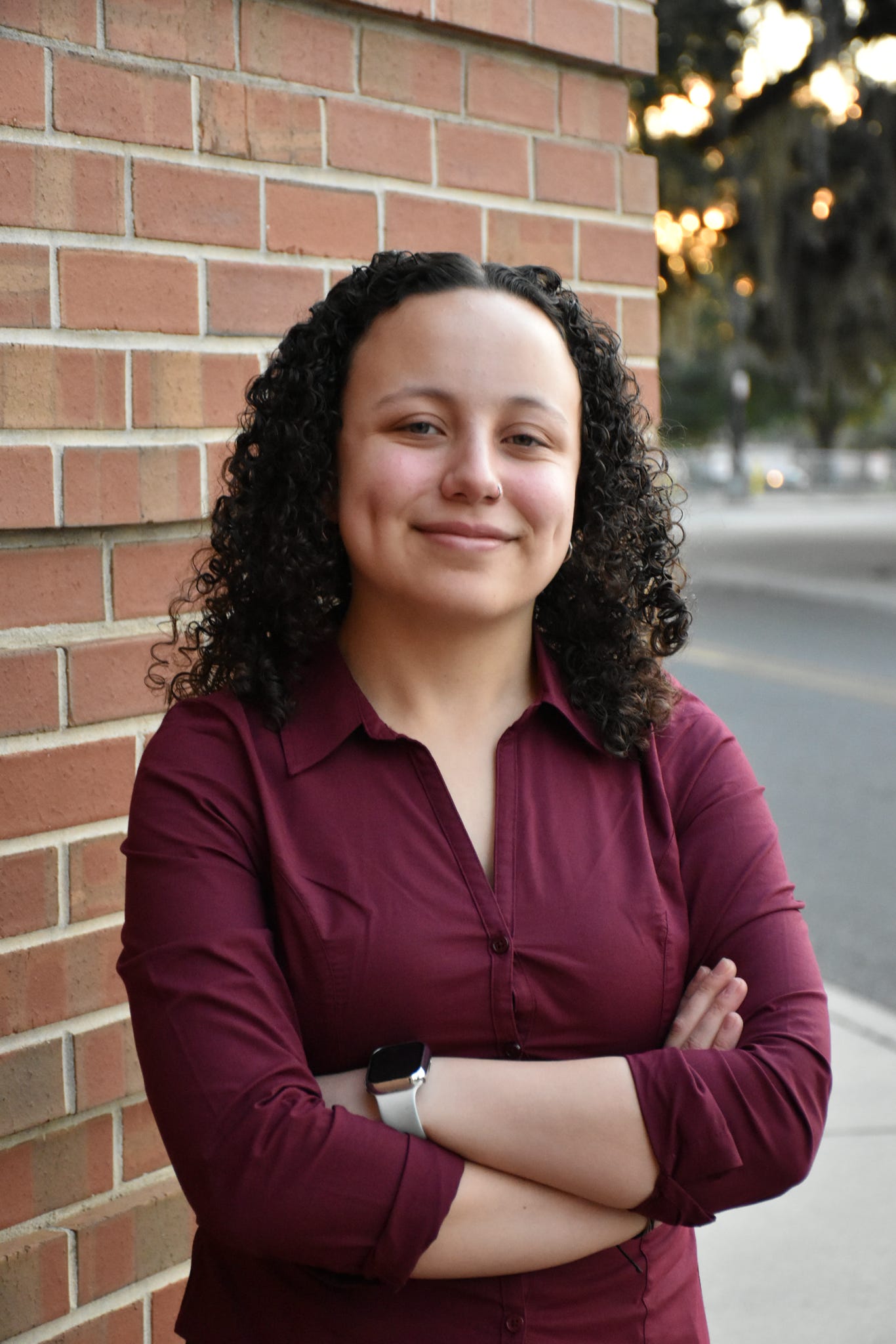
Alenisse Adorno-Roman is a second-year UROP student at FSU pursuing a Bachelor of Science in Biochemistry. After graduating, she hopes to attend medical school. Alenisse has spent the last six months working with Dr. Ameya Kolarkar at the Center for the Advancement of Teaching and a group of other UROP students to develop accessibility aids for low vision and blind students at FSU’s campus. She is also set to teach future UROP colloquiums starting in the 2026-2027 school year. Outside of UROP and research, Alenisse participates in various campus organizations such as USSTRIDE, the MRU, and ODK.
Research on Creating Accessible Materials for Low-Vision/Blind Students
Authors: Alenisse Adorno-Roman, Ameya KolarkarStudent Major: Biochemistry
Mentor: Ameya Kolarkar
Mentor's Department: Provost & VP Academic Affairs (PROVOST) 057000 Mentor's College: Center for the Advancement of Academic Teaching Co-Presenters: Benjamin Campos, Dominic DeNardis, Lupe Figueroa, Sophia Ocfemia, & Natalie Velazquez
Abstract
As we make progress toward universal accessibility and equitable education for students with disabilities, significant barriers persist in STEM education for low-vision and blind students (LVBS). This study investigates accessibility tools that can be researched or developed to support LVBS at Florida State University (FSU), where some course material and instruction remain inaccessible. Building on prior use of 3-D printing for tactile learning, our team uses coding and the PreTeXt format to translate core math units into multiple formats, including braille. We are also exploring assistive spatial intelligence that provide audio instructions for commonly traveled campus paths, such as Meta AI glasses. LVBS volunteers at FSU test each tool and provide structured feedback. Individual coding components are created separately, refined through trial and error, compiled into a single text, and converted into braille. In collaboration with the Innovation Hub, we are also developing tactile molecular models with embossed braille labels for chemistry instruction. Findings are preliminary but encouraging. Early LVBS feedback indicates that braille translations generated through PreTeXt increase access to visual STEM content, while tactile chemistry models and navigation improves confidence in learning and movement across campus. These results suggest that accessibility tools designed with direct LVBS input can strengthen learning experiences and campus participation. Grounded in Universal Design for Learning principles, this work supports equitable access at FSU and offers scalable strategies for broader adoption across higher education.

Keywords: Accessibility, Education tools, Learning
26th annual Undergraduate Research Symposium, April 1, 2026
Baraan Vassighi Poster Session 1: 9:30 am - 10:30 am / Poster #39
BIO
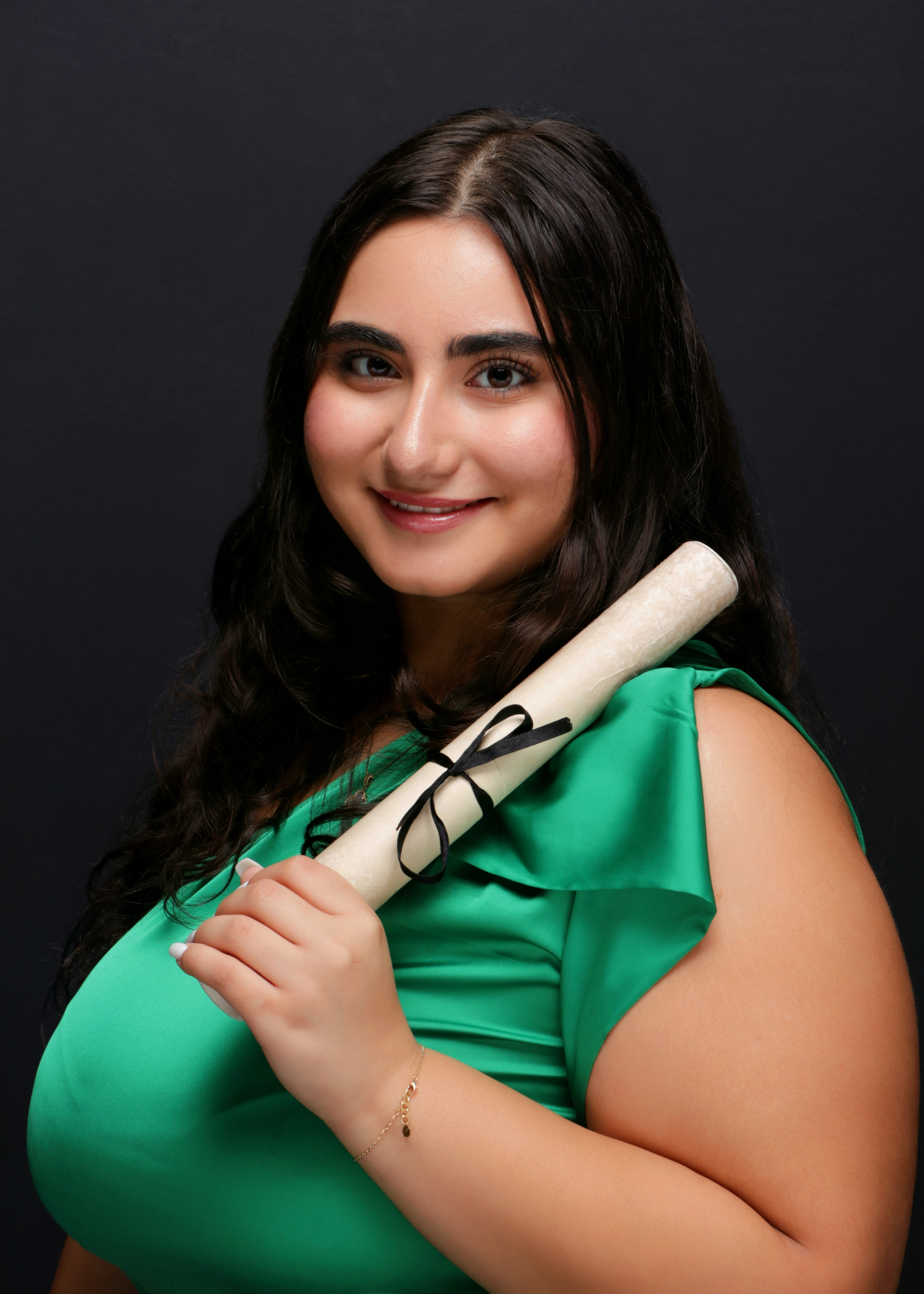
Baraan Vassighi is a second-year student at Florida State University pursuing a Bachelor of Science in Biochemistry on the pre-medical track. Originally from South Florida, she developed an early interest in science and medicine and is particularly interested in the chemical and molecular mechanisms that influence human health and disease. Her academic interests focus on biochemistry and the molecular processes underlying chronic illness and cellular function. Through undergraduate research, Baraan is developing skills in scientific inquiry, data analysis, and collaborative research while exploring how chemical processes within the body contribute to health and disease. In addition to her academic work, she is involved in campus organizations that promote health, fitness, and student engagement. Baraan hopes to further explore how discoveries in biochemistry can deepen our understanding of complex biological systems and inform future medical advancements. After completing her undergraduate degree, she plans to attend medical school and pursue a career as a physician, combining her interests in science, research, and patient care to improve health outcomes.
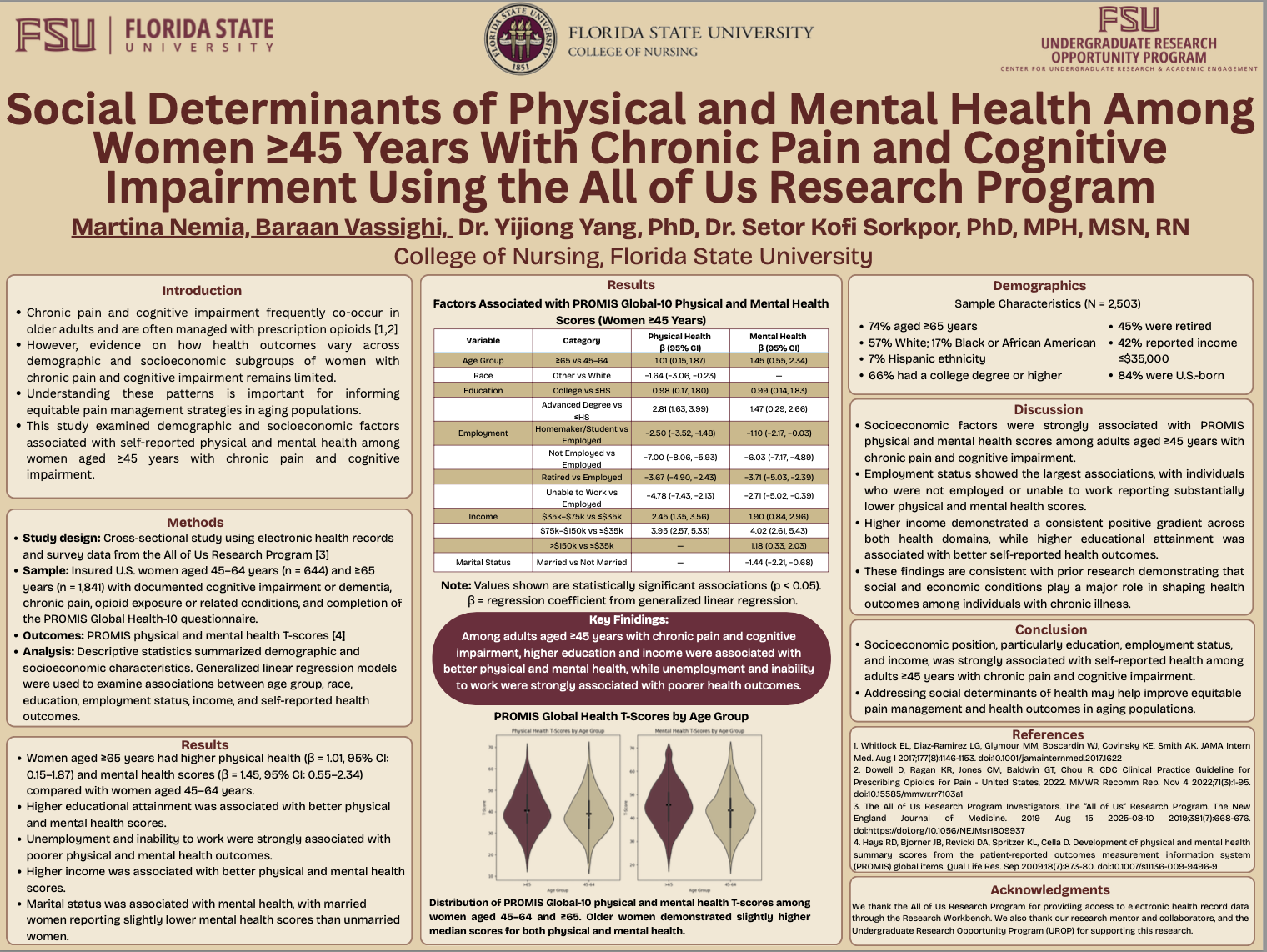
Social Determinants of Physical and Mental Health Among Women ≥45 Years With Chronic Pain and Cognitive Impairment Using the All of Us Research Program
Authors: Baraan Vassighi, Sector Kofi SorkporStudent Major: Biochemistry
Mentor: Sector Kofi Sorkpor
Mentor's Department: Nursing Mentor's College: College of Nursing Co-Presenters: Martina Nemia
Abstract
Chronic pain and cognitive impairment frequently co-occur in older adults and are often managed with prescription opioids. However, less is known about how health outcomes differ across demographic and socioeconomic groups of affected individuals. This study examined associations between social determinants of health and self-reported physical and mental health among women aged 45 years and older with chronic pain and cognitive impairment. A cross-sectional analysis was conducted using electronic health record and survey data from the All of Us Research Program. The sample included insured U.S. women aged 45–64 (n = 644) and ≥65 years (n = 1,841) who had documented cognitive impairment or dementia, chronic pain, opioid exposure or related conditions, and completion of the PROMIS Global Health-10 questionnaire. Physical and mental health outcomes were measured using PROMIS T-scores. Generalized linear regression models were used to examine associations between demographic and socioeconomic factors and health outcomes. Higher educational attainment and higher income were significantly associated with better physical and mental health scores. In contrast, unemployment and inability to work were strongly associated with poorer physical and mental health outcomes. Women aged ≥65 demonstrated slightly higher physical and mental health scores compared with women aged 45–64. Overall, socioeconomic position, particularly education, employment status, and income, was strongly associated with health outcomes among women with chronic pain and cognitive impairment. These findings highlight the importance of addressing social determinants of health to improve equitable health outcomes and pain management strategies in aging populations.
Keywords: Chronic Pain; ADRD; Opioid Exposure; Social Determinants of Health; PROMIS Global Health
26th annual Undergraduate Research Symposium, April 1, 2026
Daphne Broerman Poster Session 2: 10:45 am - 11:45 am / Poster #134
BIO
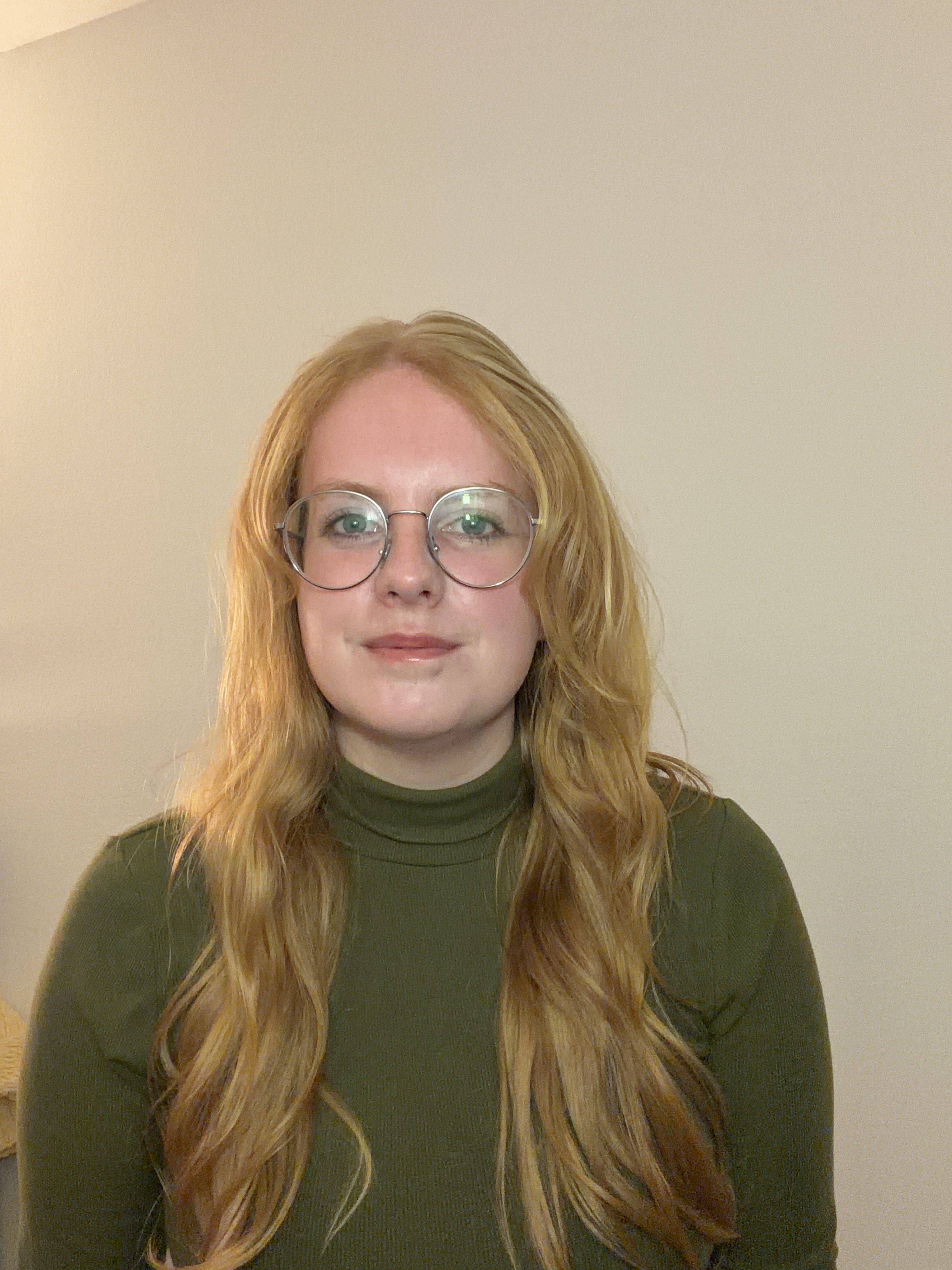
Daphne Broerman is from Jacksonville, Florida, and is currently a 2nd year chemistry major. After graduating from FSU, Daphne hopes to attend graduate school and continue working in research.
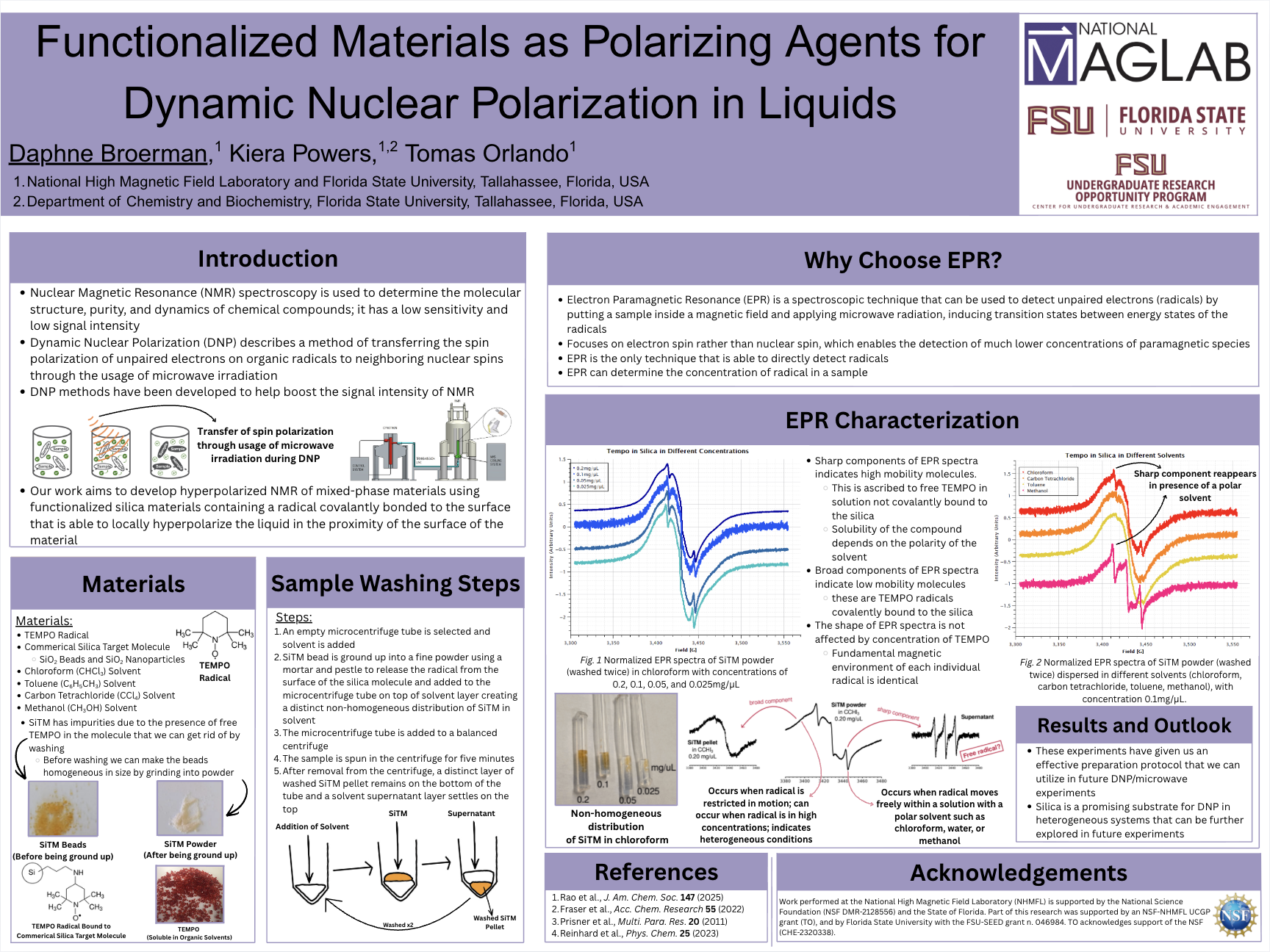
Functionalized Materials as Polarizing Agents for Dynamic Nuclear Polarization in Liquids
Authors: Daphne Broerman, Dr. Tomas OrlandoStudent Major: Chemistry
Mentor: Dr. Tomas Orlando
Mentor's Department: National High Magnetic Field Laboratory Mentor's College: Electron Magnetic Resonance Co-Presenters:
Abstract
Dynamic Nuclear Polarization (DNP) describes a method of transferring the spin polarization of unpaired electron spins on organic radicals to neighboring nuclear spins through the usage of microwave irradiation. DNP has been developed to enhance the sensitivity of Nuclear Magnetic Resonance (NMR) spectroscopy. The primary goal of our experiment was to develop hyperpolarized NMR of mixed-phase materials. To do this, we prepared functionalized silica materials that contain a radical covalently bonded to the surface that is able to locally hyperpolarize the liquid in the proximity of the surface of the material. To prepare the samples for our experiment, we ground up TEMPO on silica gel (SiTM) beads into a fine powder, washed this powder to release any remains of the radical, and suspended the washed powder into various concentrations of different solvents. To obtain the spectra of these samples we have utilized a benchtop Electron Paramagnetic Resonance (EPR) spectrometer so that we are able to analyze the hyperfine coupling present in these heterogeneous mixtures. This methodology has shown that these mixed-phase materials are useful polarizing agents that can be utilized in DNP. We have found that silica is a promising substrate that could be explored further in future DNP experiments of heterogeneous systems.
Keywords: Chemistry, Magnetic Resonance
26th annual Undergraduate Research Symposium, April 1, 2026
Bereline Jean Poster Session 3: 1:45 pm - 2:45 pm / Poster #57
BIO
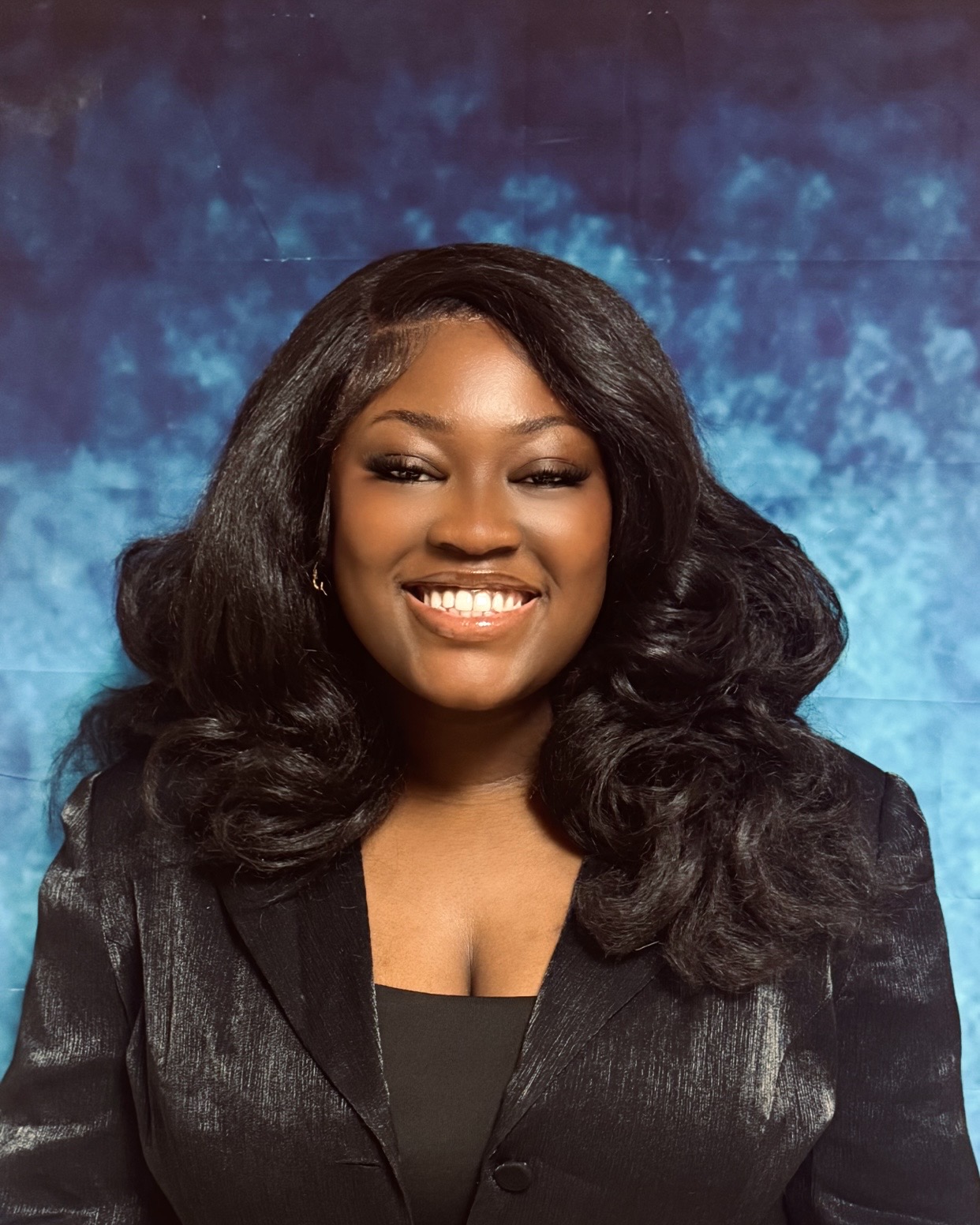
Bereline Jean is a first-year student at Florida State University pursuing a Bachelor of Science in Nursing with minors in Child Development and Psychology. Originally from Naples, Florida, she previously earned her Associate of Arts degree from Florida SouthWestern State College. She is currently a participant in the Undergraduate Research Opportunity Program for the 2025–2026 academic year.
Through this program, Bereline conducts research with the Institute of Digital Health and Innovation in the College of Nursing under the mentorship of Julia Brasileiro, Laura Widman, and Anderson Schlupp. Her work contributes to research examining digital health interventions and adolescent sexual health, providing experience in literature analysis, research design, and academic presentation. Her broader scholarly interests focus on the intersection of mental health, patient-centered care, and health equity, particularly among underserved populations.
Beyond her research involvement, Bereline is active in campus leadership and community engagement. She serves in Student Government as a College of Nursing Senator and is involved with the National Residence Hall Honorary and the Inter-Residence Hall Council, where she serves as Wildwood Hall Historian. She also serves as Outreach Chair for The Philanthropist In You and Traditions Programming Chair for FSU Homecoming. Her academic achievements have been recognized through the College Board National African American Recognition Program and the National First-Generation Recognition Program.
Following the completion of her undergraduate studies, Bereline plans to pursue a Doctor of Nursing Practice and become a Psychiatric Mental Health Nurse Practitioner.
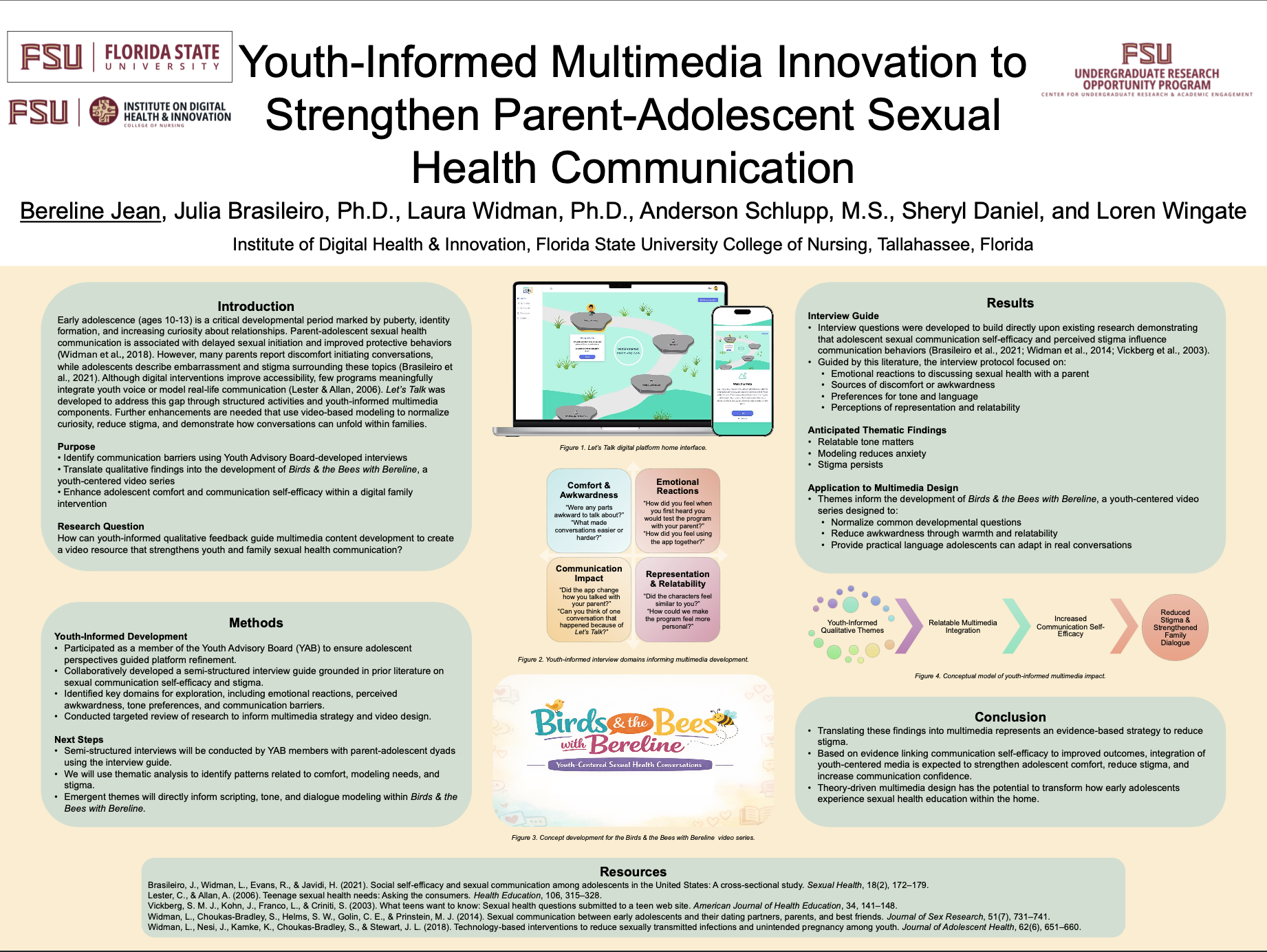
Youth-Informed Multimedia Innovation to Strengthen Parent-Adolescent Sexual Health Communication
Authors: Bereline Jean, Julia BrasileiroStudent Major: Nursing
Mentor: Julia Brasileiro
Mentor's Department: Institute of Digital Health & Innovation Mentor's College: College of Nursing Co-Presenters:
Abstract
Early adolescence (ages 10-13) is a critical developmental period marked by puberty, identity formation, and increasing curiosity about bodies and relationships. Research demonstrates that parent-adolescent sexual health communication is associated with delayed sexual initiation and greater engagement in protective behaviors; however, embarrassment, stigma, and low communication self-efficacy often limit open discussion. Digital health interventions have expanded access to sexual health education, yet few platforms meaningfully incorporate youth perspectives or model realistic family communication. This project contributes to the refinement of Let’s Talk, a two-user digital platform designed to strengthen parent-adolescent communication about sexual health. A Youth Advisory Board collaborated to develop a semi-structured interview guide used to explore adolescents’ emotional reactions, perceived awkwardness, representation, tone preferences, and perceived communication impact. Thematic analysis identifies barriers to comfort and opportunities for youth-informed multimedia design. Findings inform the development of Birds & the Bees with Bereline, a youth-centered video series integrated within the platform to normalize developmental curiosity, reduce stigma, and model supportive family dialogue. This work demonstrates how youth engagement can guide the development of scalable digital health tools that support effective, family-centered sexual health communication.
Keywords: Adolescent Sexual Health; Digital Health Interventions; Youth-Informed Research; Parent-Adolescent Communication; Health Education
26th annual Undergraduate Research Symposium, April 1, 2026
Lex Gilmore Poster Session 1: 9:30 am - 10:30 am / Poster #57
BIO
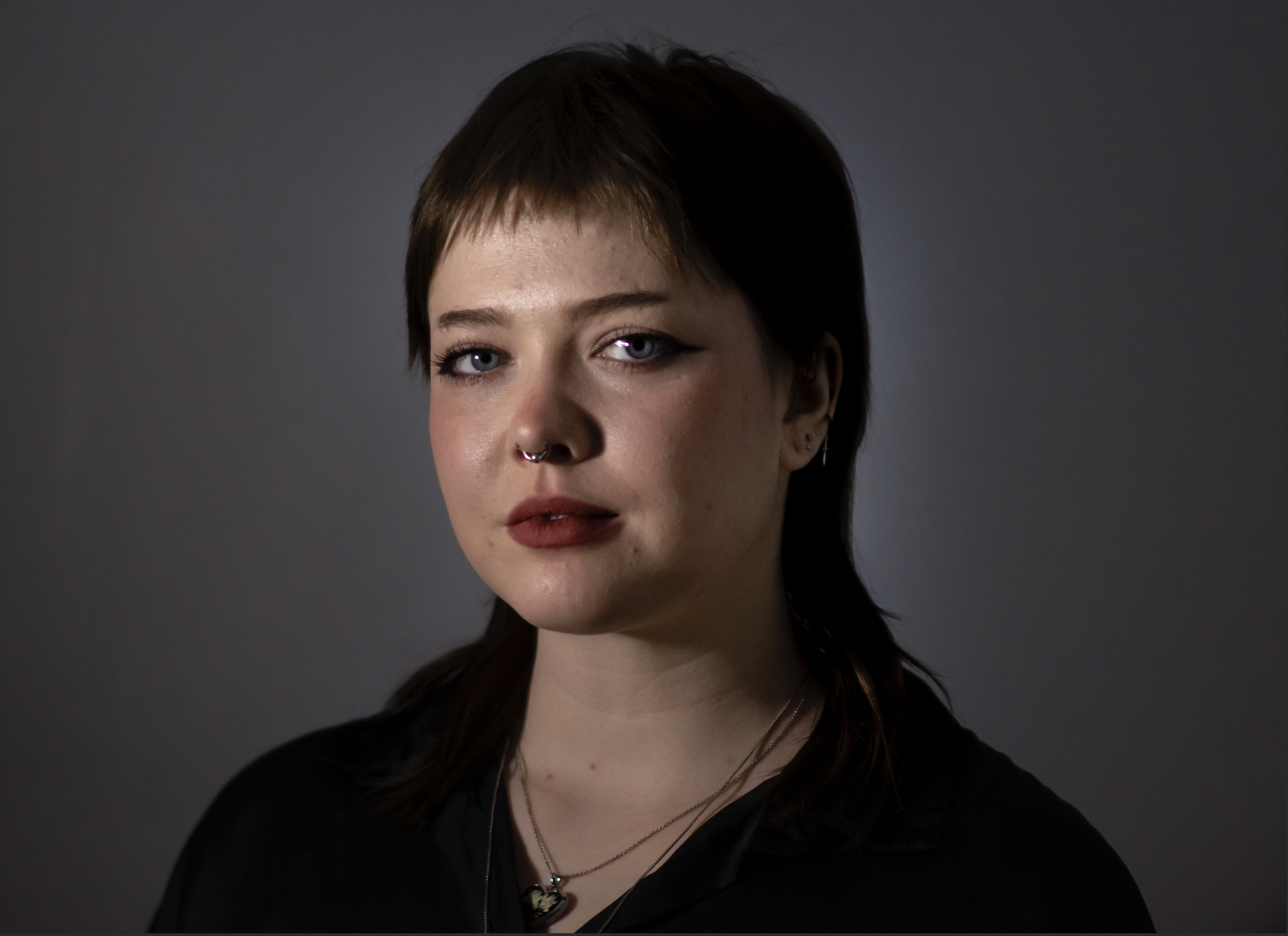
Lex is from Tallahassee, Florida. They are completing their Bachelor of Science in psychology this semester and are passionate to cultivate inclusive spaces in their field. Lex has been a part of Dr. Chris Martin’s memory lab working closely with Danielle Jones to integrate clinical and cognitive psychology for almost two years. They have found a passion for studying what one attends to and how that influences memory. They are intrigued by the way one’s experiences can create new perspectives and direct attention. They desire to pursue a PhD in cognitive psychology to further study such fascinating topics. Upon completion of a graduate program, they aspire to work as a faculty member at a university and continue expanding ideas in memory research.
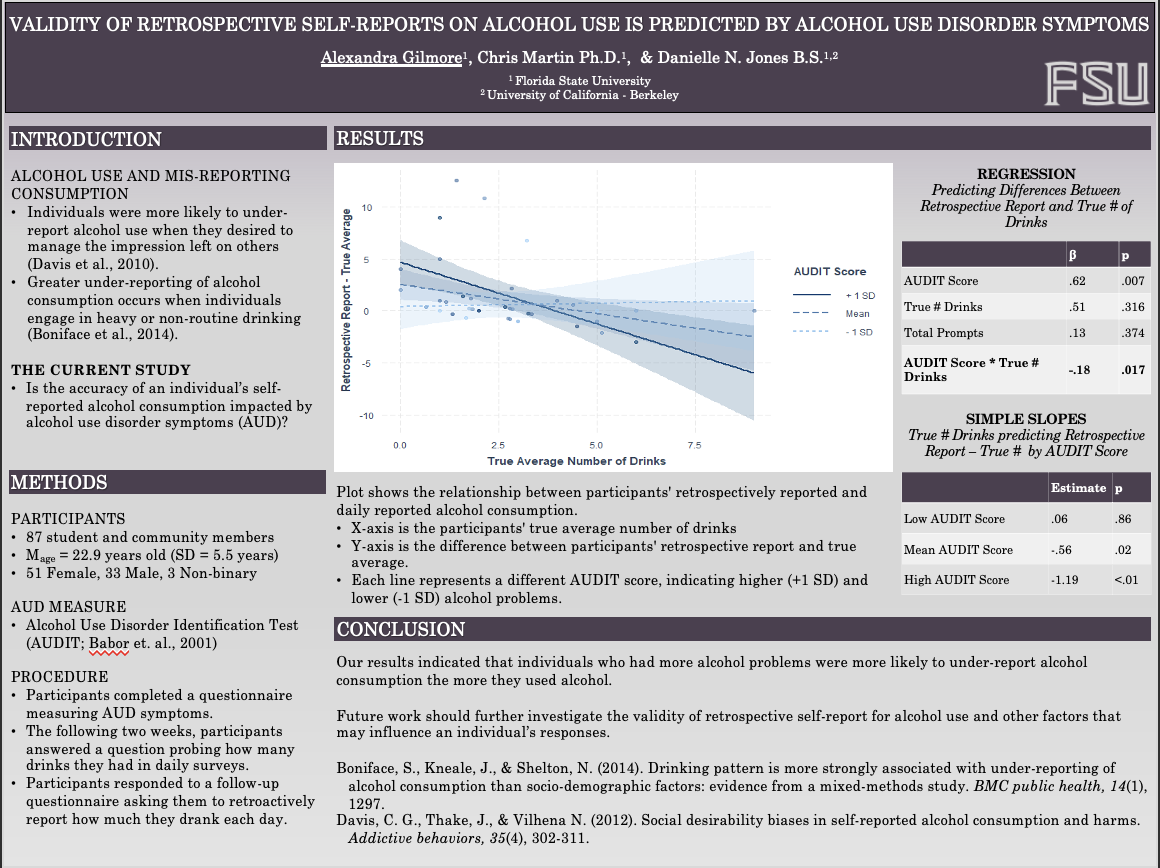
VALIDITY OF RETROSPECTIVE SELF-REPORTS ON ALCOHOL USE IS PREDICTED BY ALCOHOL USE DISORDER SYMPTOMS
Authors: Lex Gilmore, Dr. Chris MartinStudent Major: Psychology
Mentor: Dr. Chris Martin
Mentor's Department: Psychology Mentor's College: Arts and Sciences Co-Presenters:
Abstract
Research on alcohol use disorder (AUD) typically relies on retrospective self-report, yet prior research revealed that people systematically misreport their alcohol consumption. For example, individuals are more likely to under-report alcohol use when they desired to manage the impression they leave on others (Davis et al., 2010). Greater under-reporting of alcohol consumption was found in individuals who engaged in heavy and non-routine drinking (Boniface et al., 2014). Against this background, the current study examined whether the accuracy of self-reported alcohol consumption was dependent on AUD symptoms. Participants completed a questionnaire measuring AUD symptoms then, over the course of two weeks, daily surveys that included a question probing how many drinks they had each day. After the daily surveys, participants answered a follow-up questionnaire which asked them to retroactively report how much they drank each day. The difference between their retrospective self-report and their daily reports was calculated. A significant interaction was found showing that increased alcohol use was associated with under-reporting consumption for participants who measured high on the AUD symptom questionnaire. There was no relationship found between the amount of alcohol consumed and under- or over-reported alcohol use in participants who had no alcohol problems. These findings indicated that individuals who had more alcohol problems were more likely to under-report alcohol consumption the more they used alcohol.
Keywords: alcohol use, self-report, alcohol problems, under-report
26th annual Undergraduate Research Symposium, April 1, 2026
Evan Peterson Poster Session 4: 3:00 pm - 4:00 pm / Poster #260
BIO
Evan Peterson is a first-year Honors student at Florida State University pursuing a Bachelor of Science in Biology with a minor in Chemistry. Specialized in the Ecology, Evolutionary Biology, and Environmental Science track, Evan’s research background began with analyzing food insecurity trends and impacts for a nonprofit in his hometown near Cleveland, Ohio. Driven by this early meaningful experience, he sought to apply his research interests to the fields of biology and environmental science. Currently, he works under the mentorship of Dr. Shahin Alam to investigate the spatial distribution of per- and polyfluoroalkyl substances (PFAS) in Florida’s aquatic environments. His work utilizes predictive modeling to identify public water systems potentially vulnerable to contamination and inform environmental management. Following graduation, Evan intends to continue environmental research and pursue a career in conservation biology. Moving forward, his long-term career objective is to continue bridging the gap between scientific study and impactful environmental protection.
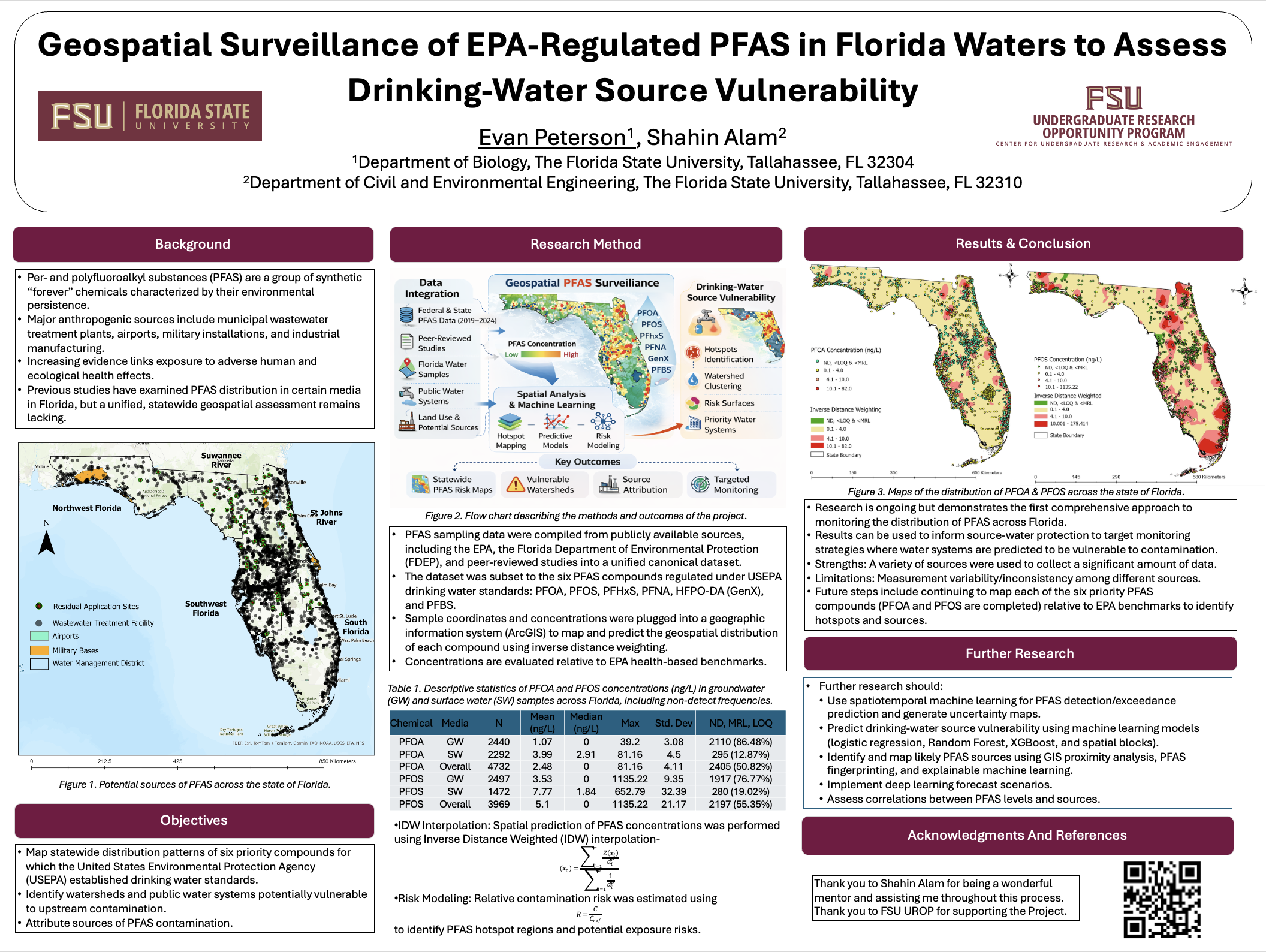
Geospatial Surveillance of EPA-Regulated PFAS in Florida Waters to Assess Drinking-Water Source Vulnerability
Authors: Evan Peterson, Shahin AlamStudent Major: Biological Science
Mentor: Shahin Alam
Mentor's Department: Department of Earth, Ocean and Atmospheric Science Mentor's College: Florida State University Co-Presenters:
Abstract
Per- and polyfluoroalkyl substances (PFAS) are persistent synthetic chemicals widely detected in aquatic environments. In 2024, the U.S. Environmental Protection Agency (EPA) established national drinking water standards for six PFAS compounds: PFOA, PFOS, PFHxS, PFNA, HFPO-DA (GenX), and PFBS, underscoring the need to evaluate upstream contamination threatening drinking-water supplies. Although PFAS have been reported in Florida water bodies, a unified statewide geospatial assessment linking multiple datasets with predictive modeling is lacking. This study integrates PFAS concentration data collected since 2019 from federal, state, and peer-reviewed sources to construct a statewide database of EPA-regulated PFAS in Florida waters. Geographic attributes were standardized and enriched using GIS to assign watershed boundaries (HUC) and proximity to contamination sources and public water system intakes. Concentrations were evaluated relative to EPA drinking-water health benchmarks to assess source-water vulnerability rather than regulatory compliance. Spatial analyses identified contamination hotspots and watershed-level clustering patterns. Machine learning models (logistic regression, XGBoost, and random forests) were developed to estimate the probability of PFAS detection and benchmark exceedance as functions of land use, hydrological context, and proximity to anthropogenic sources, with validation using spatial cross-validation. Results reveal heterogeneous spatial distributions of EPA-regulated PFAS across Florida, with higher detection frequencies and exceedance probabilities near urban areas, airports, and wastewater infrastructure. Predictive risk surfaces highlight watersheds and public water systems potentially vulnerable to upstream contamination. This study provides an integrated, geospatially explicit framework for statewide PFAS surveillance in Florida and demonstrates how drinking-water health benchmarks can inform source-water protection and targeted monitoring.
Keywords: Florida PFAS Geospatial Modeling, Watershed Contamination
26th annual Undergraduate Research Symposium, April 1, 2026
Hannah Glaydura Poster Session 4: 3:00 pm - 4:00 pm / Poster #244
BIO
Hannah Glaydura is a second-year student from Tampa pursuing a dual degree in Editing, Writing, & Media and Economics. She worked with Dr. Michael Neal on FSU's Postcard Archive alongside other UROP students on a research team. She is involved with Phi Eta Sigma and the Asian American Student Union on campus. This summer she will be interning at FSU's study center in Valencia with the Editing, Writing, & Media program. After undergraduate school, Hannah hopes to start a career in the publishing industry.
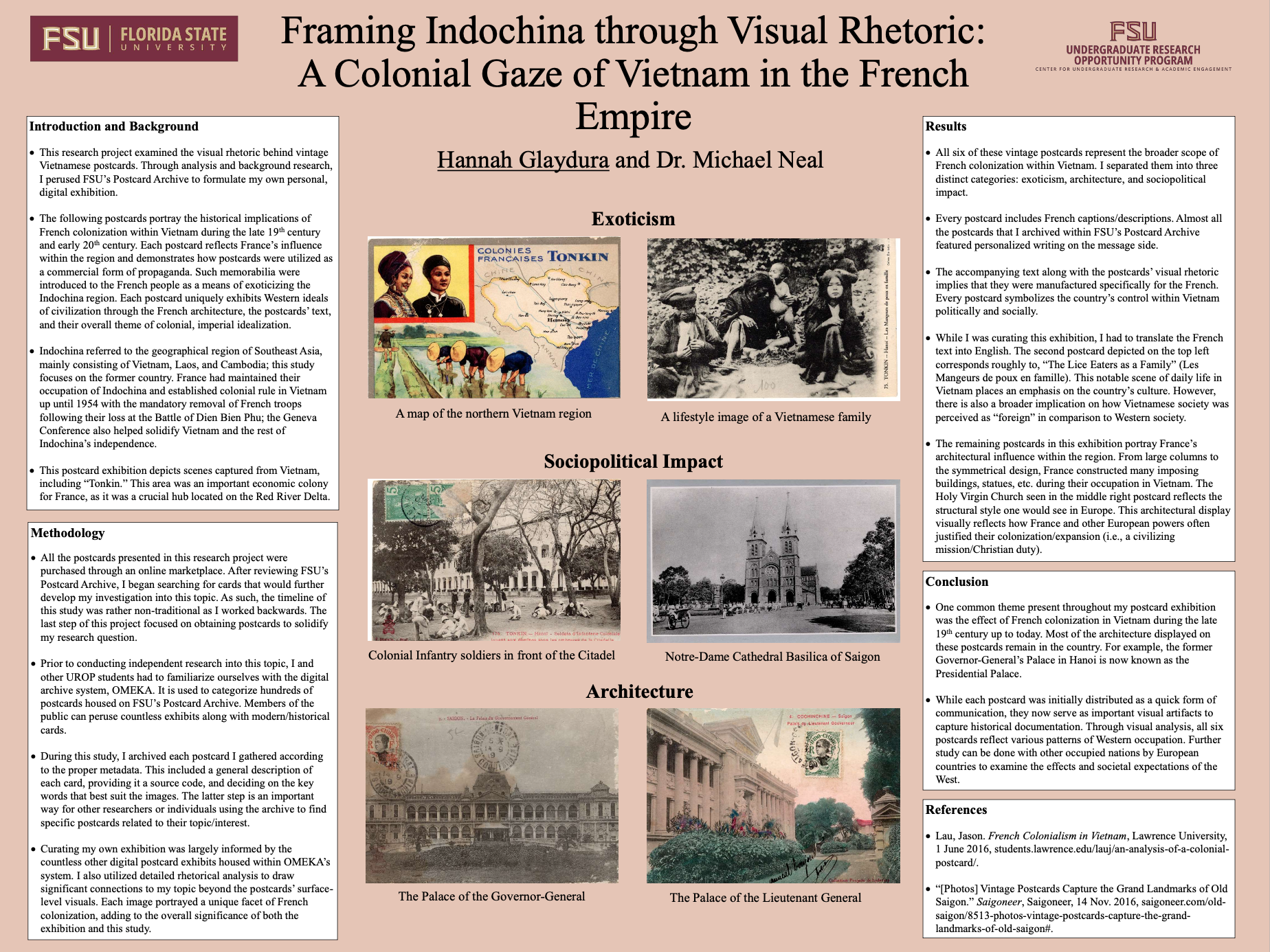
Framing Indochina through Visual Rhetoric: A Colonial Gaze of Vietnam in the French Empire
Authors: Hannah Glaydura, Dr. Michael NealStudent Major: Editing, Writing, & Media and Economics
Mentor: Dr. Michael Neal
Mentor's Department: English Department Mentor's College: College of Arts and Sciences Co-Presenters:
Abstract
From the late eighteenth century to the early twentieth century, France established colonial rule in Vietnam, beginning with its conquest of the southern region. The establishment of French Indochina followed a broader pattern of Western imperial expansion, as nations justified their conquests through claims of economic, political, and social benefit. This study examined vintage French colonial-era postcards and the ways they showcased imperial control while reflecting Western ideals and expectations of “civilization.”
This project explored the history of Vietnam and the tense relationship between occupied nations and their colonizers. Working with FSU’s Postcard Archive also influenced the direction of this research. Scanning postcards depicting a variety of themes and subjects revealed the importance of metadata, which archivists and researchers rely on to organize, understand, and interpret historical material.
This curated postcard exhibition demonstrates how representations of French architecture, language, and exoticism reinforced stereotypes and rationalized expansion into Indigenous lands. The legacy of French colonization remains visible in modern-day Vietnam, where prominent monuments, buildings, and statues serve as lasting reminders of France’s colonial era. Further study could strengthen this argument, particularly through comparative analysis of other Asian or African regions that underwent Western imperial rule. Overall, this investigation suggested the profound impact of France on Vietnamese society, effectively transforming the country’s cultural landscape.
Keywords: postcard, colonization, visual rhetoric
26th annual Undergraduate Research Symposium, April 1, 2026
Taylor Horner Poster Session 2: 10:45 am - 11:45 am / Poster #98
BIO
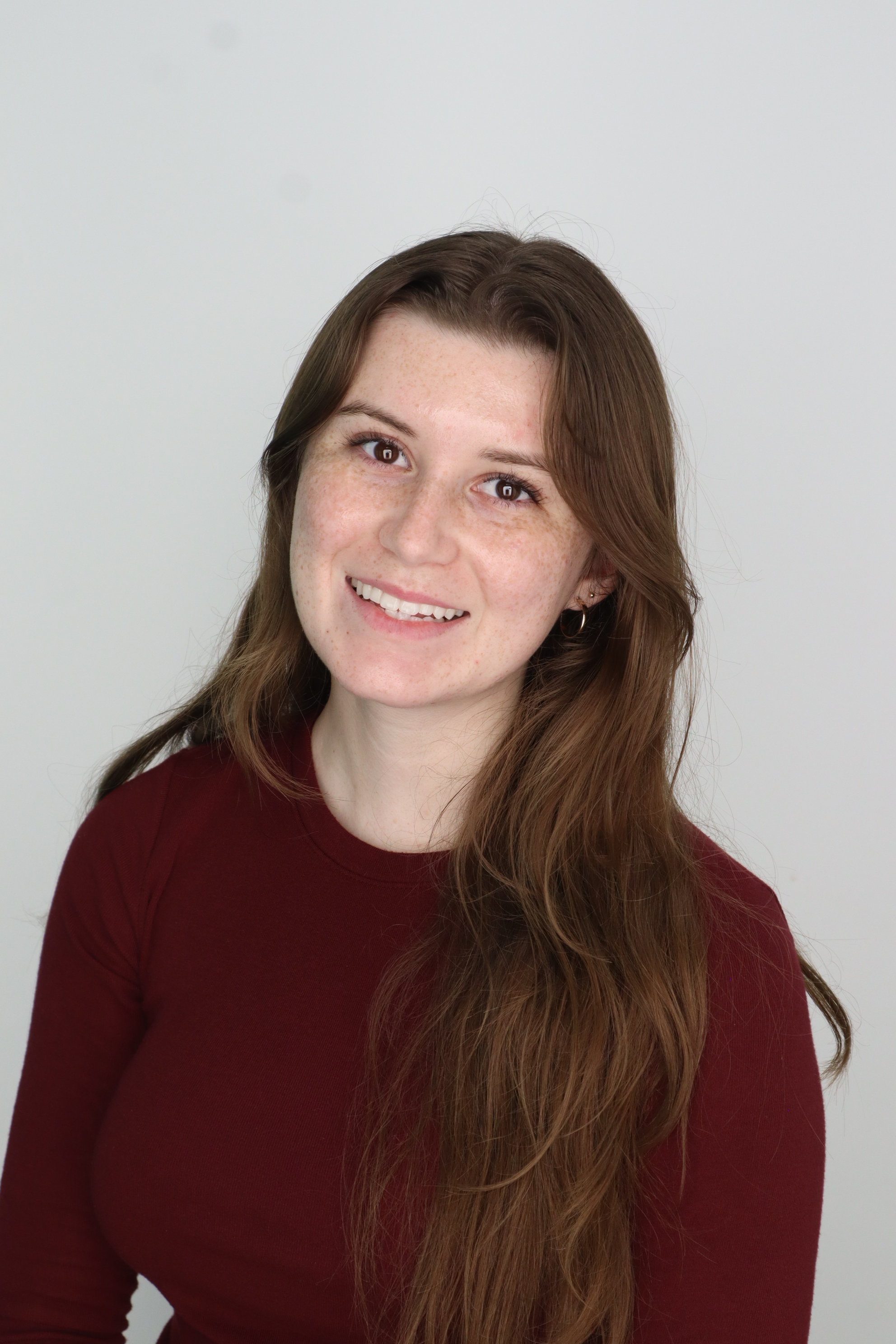
Taylor Horner is a first-year Cellular and Molecular Neuroscience student pursuing a minor in Italian. Taylor is a member of the University Honors Program and participates in the Undergraduate Research Opportunity Program (UROP), where they are beginning to develop research experience and engage with faculty mentors.
Taylor’s academic interests focus on understanding the underlying psychological processes related to suicide and mental health. Through coursework and research opportunities, she hopes to explore how biological and psychological factors interact in influencing human behavior and mental well-being.
In the future, Taylor plans to pursue a Master's degree in Clinical Psychology and eventually attend medical school to earn a Doctor of Medicine (M.D.)
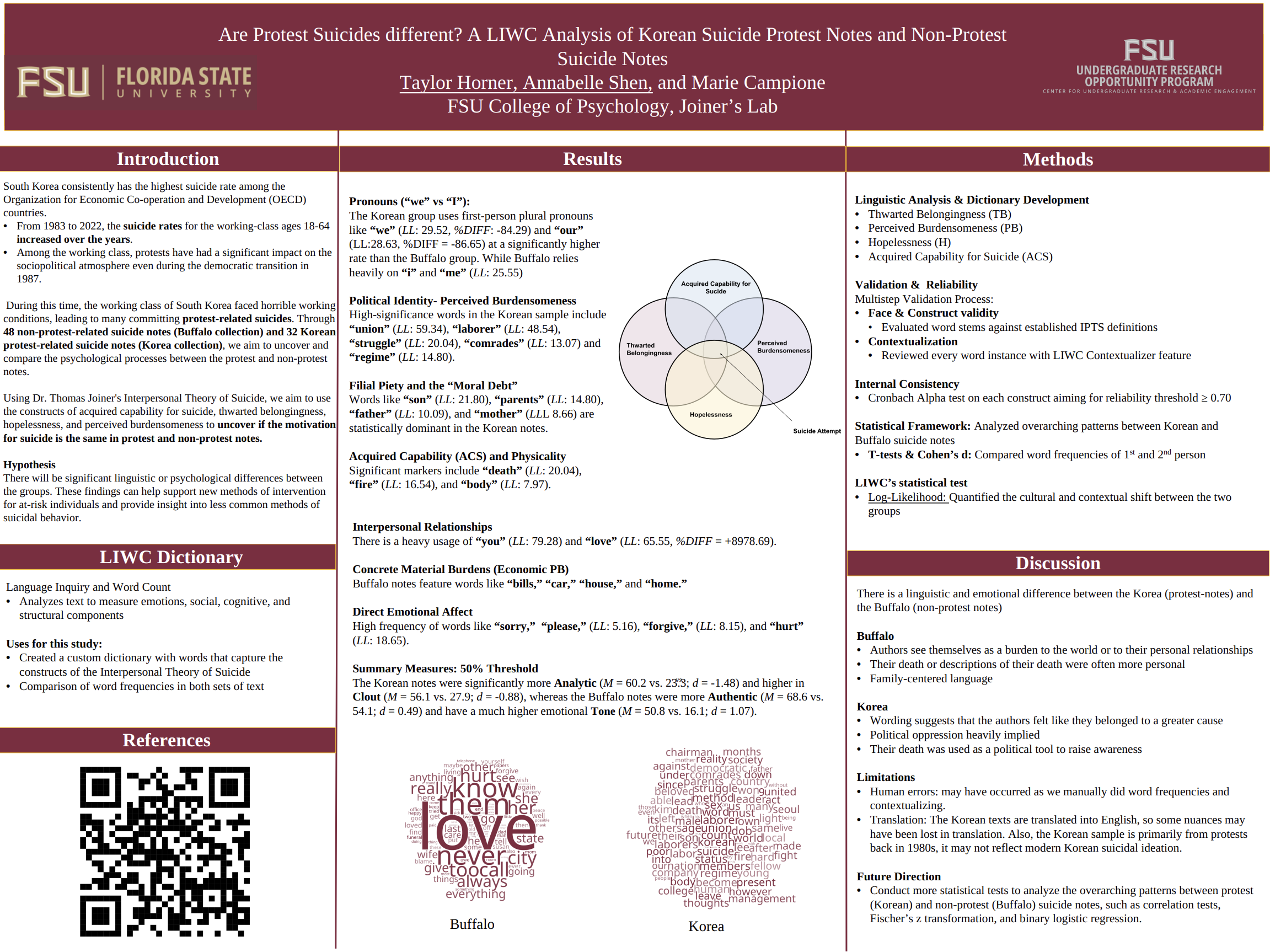
Are Protest Suicides different? A LIWC Analysis of Korean Suicide Protest Notes and Non-Protest Suicide Notes
Authors: Taylor Horner, Marie CampioneStudent Major: Cellular and Molecular Neuroscience
Mentor: Marie Campione
Mentor's Department: Department of Psychology Mentor's College: College of Arts and Sciences Co-Presenters:
Abstract
Suicide protest is a form of suicide in which an individual dies by suicide, due to a desire for social or political change. Research is limited on whether protest suicides share the same core psychological characteristics as non-protest suicides, leaving it unclear if they reflect true suicidal intent or are primarily acts of martyrdom. This study uses linguistic analysis of suicide notes to compare the psychological processes between protest and non-protest contexts. We hypothesize that, despite the political motivation, protest notes will not differ significantly, suggesting that the same core psychological processes are at play in both protest and non-protest notes.
We developed a LIWC dictionary to categorize words into the four constructs of the Interpersonal Theory of Suicide (IPTS) to conduct a linguistic analysis: Thwarted Belongingness (TB), Perceived Burdensomeness (PB), Hopelessness (H), and Acquired Capability for Suicide (ACS).
The dictionary was validated for face, statistical, and construct validity using a multistep validation process. T-tests, Cronbach's alpha, and the log-likelihood of the dictionary and data sets were performed to validate and produce word frequency trends.
Our research revealed a difference in the linguistic and psychological core processes between the protest and non-protest notes. The protest notes showed a higher frequency of words that alluded to a collective cause and sociopolitical movements. The non-protest notes alluded more towards personal affairs like familial relationships and economic burdens. These findings provide insight into less common avenues of suicidal behavior and can help inform intervention efforts for at-risk individuals.
Keywords: LIWC, protest, suicide
26th annual Undergraduate Research Symposium, April 1, 2026
Justin Bolt Poster Session 2: 10:45 am - 11:45 am / Poster #76
BIO
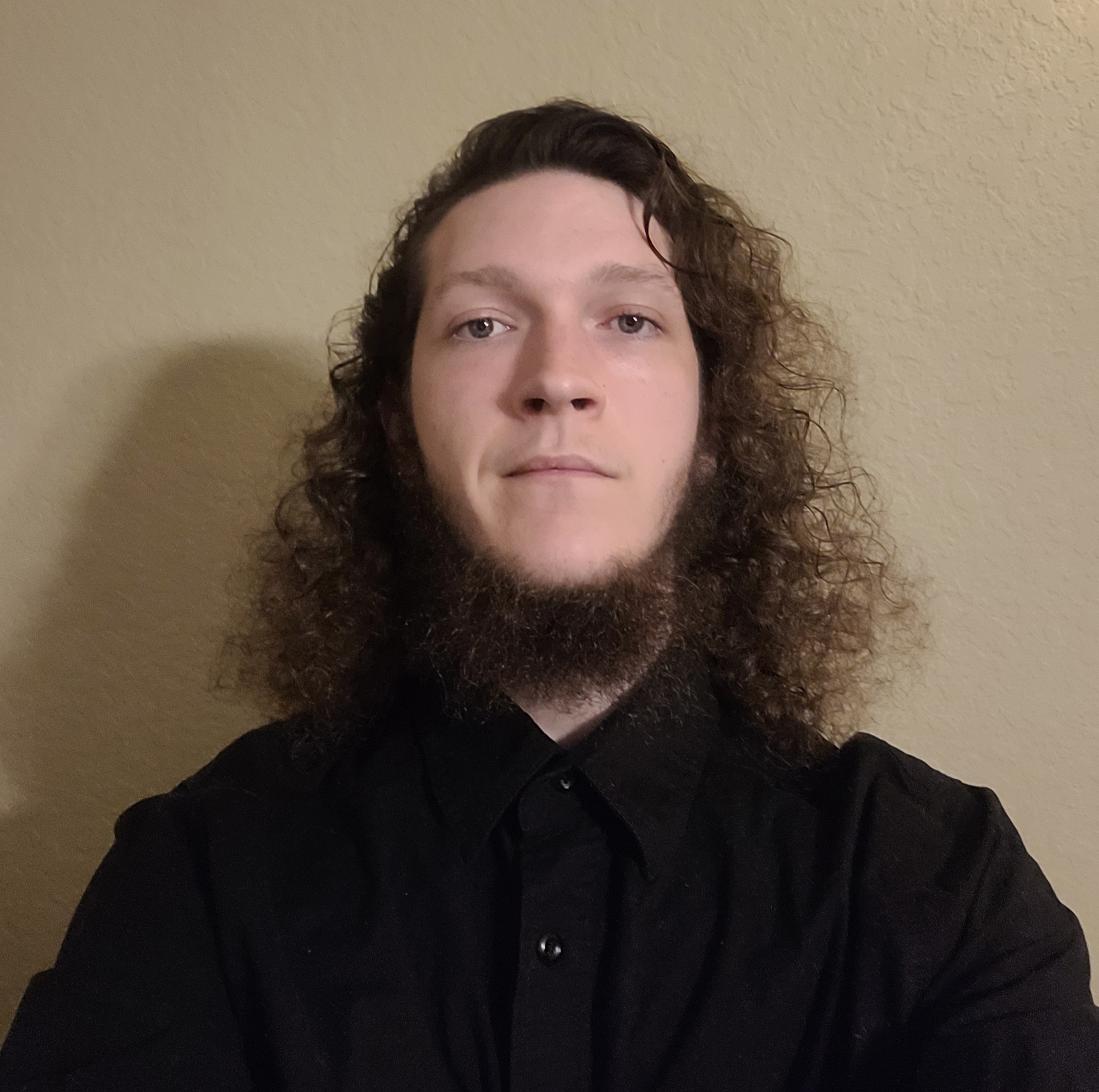
Justin Bolt is a senior striving towards a Bachelor of Science in Biochemistry. Justin transferred to Florida State from Tallahassee State College with an Associate in Arts Degree presented with honors. During his time at TSC, Justin participated in the TSC Undergraduate Research Symposium twice working under Dr. Renee Gordon (2024) and Dr. Joseph McNeil (2025). During the Summer of 2024, Justin was presented with the HBCU-RISE scholarship, granting a summer REU under the guidance of Dr. Natalie Arnett at the FAMU-FSU College of Engineering. In his spare time, Justin plays the tuba for the Capital City Band of TSC as well as the First Baptist Church Chamber Players Orchestra, where he continues to grow in his 13 years of performance experience. Justin Bolt wishes to dive into a Doctoral Program following his graduation to study the industrial commercialization of organic polymers as a replacement material to plastic for consumer goods.
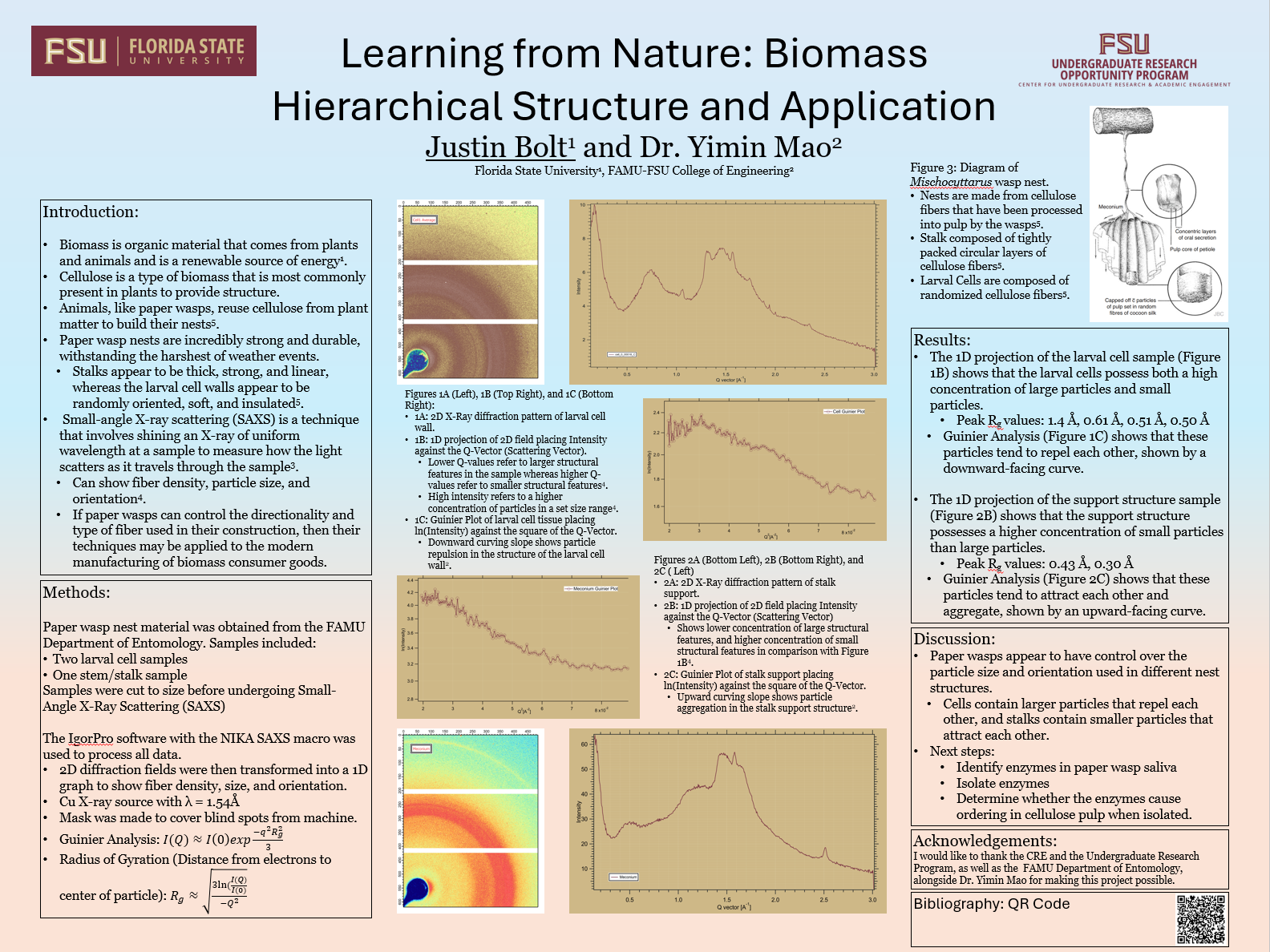
Learning From Nature: Biomass Hierarchical Structure and Application
Authors: Justin Bolt, Dr. Yimin MaoStudent Major: Biochemistry
Mentor: Dr. Yimin Mao
Mentor's Department: Chemical & Biomedical Engineering Mentor's College: FAMU-FSU College of Engineering Co-Presenters:
Abstract
The natural world has always been a point of interest for researchers and engineers alike, bringing innovation in unexpected forms. But what about paper wasps? Paper wasps are social creatures that tend to make large nests out of cellulose from specific plants that live near them. These nests are strong, durable, weather-resistant, and incredibly light. Understanding how wasps make these nests could yield innovative ideas that improve our daily lives, from cheaper, more durable housing to alternative materials for consumer goods. Unfortunately, biopolymers such as cellulose can be difficult to utilize once they have been deconstructed to their monomers due to the crystal structures forming with random orientations. Wasps seem to have control over this event, begging the question. How do wasps control the structure of cellulose during the creation of their nests? To better understand the structure of paper wasp nests, samples were taken from both the larval cells and the stalk of a paper wasp nest. Wide-angle X-ray scattering was then performed on the samples to examine the crystal orientation and to determine whether the cells share the same structure as the stalk. It was found that, while the fibers in the cells were mostly randomly oriented, the fibers in the stalk were more ordered. This means that the wasps specifically designed the stalk to be stronger than their cells by aligning the fibers into unidirectional polymer strands. Understanding this phenomenon is the key to utilizing biopolymers as a sustainable replacement for unsustainable goods.
Keywords: Biopolymer, Renewable, Biomaterial, X-Ray, Scattering
26th annual Undergraduate Research Symposium, April 1, 2026
Domenica Jaramillo Poster Session 1: 9:30 am - 10:30 am / Poster #263
BIO
Domenica Jaramillo is a first-year biochemistry student at Florida State University with a strong interest in chemistry and biomedical science. She is proud to represent the FSU Honors Program and the professional chemistry fraternity Alpha Chi Sigma. Through her current research experience, she has begun developing hands-on wet-lab skills while investigating biochemical processes related to human health and disease. Her work focuses on understanding how molecular interactions influence physiological processes, particularly in systems related to blood coagulation and cellular responses. Domenica enjoys the problem-solving and discovery involved in laboratory research and values the opportunity to contribute to projects that explore unanswered questions in biomedical science.
Looking ahead, Domenica hopes to continue expanding her research experience throughout her undergraduate career while deepening her understanding of the connections between fundamental biochemistry and clinical medicine. She is especially interested in research that merges laboratory science with real-world medical applications. Ultimately, she plans to pursue a career in both scientific research and medicine, where she can contribute to advancing healthcare through innovation, discovery, and the development of more effective treatments for patients.
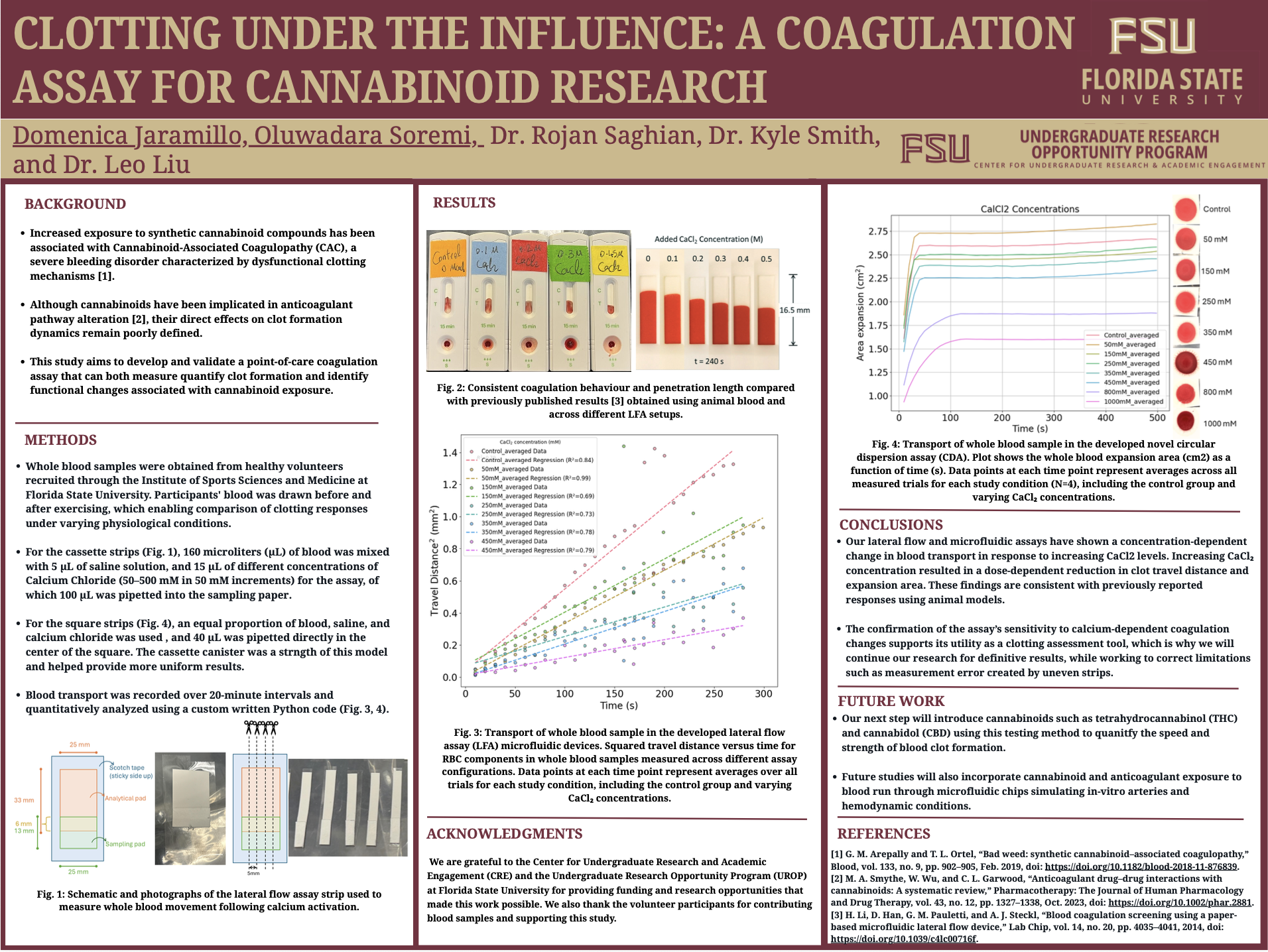
Clotting Under the Influence: A Coagulation Assay for Cannabinoid Research
Authors: Domenica Jaramillo, Dr. Rojan SaghianStudent Major: Biochemistry
Mentor: Dr. Rojan Saghian
Mentor's Department: Chemical and Biomedical Engineering Mentor's College: FAMU-FSU College of Engineering Co-Presenters: Oluwadara Soremi
Abstract
Cannabinoid-Associated Coagulopathy (CAC), a bleeding disorder linked to the use of synthetic cannabis, has seen a recent surge in cases that indicates an urgent need for rapid and personalized tools to assess coagulation risks. This research aims to investigate the clinical implications of CAC and help develop a point-of-care coagulation assay that can measure a patient’s clotting capacity and detect changes in anticoagulant therapy efficacy brought about by cannabinoid exposure.
A lateral-flow-based microfluidic technique, designed to simulate blood flow conditions that favor clotting, was used. Different concentrations of calcium chloride and protamine are the established methods utilized in controlling coagulation in citrate and heparinized blood samples. Samples of the blood were transferred onto the lateral flow assays to be analyzed by the length taken up on each strip and their area expansion over a certain time interval.
Consistent coagulation behavior throughout the trial’s results showed the length that the blood traveled and their circular area expansion decreased as the coagulant concentration increased over a set time span. Considering the viscosity of blood changes with its coagulation ability, the distance area blood travels is directly related to clotting rate. The clear CBD-dependent anticoagulation was seen in both heparinized and citrated blood neutralized with their respective counterparts.
This study’s findings aim to investigate the interaction between cannabinoids such as cannabidiol (CBD) and tetrahydrocannabinol (THC) and blood coagulation behavior.
Keywords: Coagulation, Cannabinoid, Blood, Assay, Anticoagulant
26th annual Undergraduate Research Symposium, April 1, 2026
Hayden Damelincourt Poster Session 3: 1:45 pm - 2:45 pm / Poster #259
BIO
Hayden Damelincourt is a freshman at Florida State University. Originally from Parkland, Florida, he is currently pursuing a Bachelor's degree in Finance and Real Estate. He is interested in pursuing a career in banking. Having received the Florida Bright Futures Scholarship, Hayden is committed to academic excellence. In the past, Hayden has conducted research on the use of emissions data to optimize cruise ship performance and sustainability, and he has also examined how dangerous behaviors among sports fans can be amplified during professional matches. During this semester, he conducted research with Dr. Mark Isaac on experimental economics and the development of market bubbles. Through this work, Hayden hopes to design his own experimental economics study that he can develop into a future research project. He is particularly interested in how experimental economics can test whether conventional economic theory translates into real-world asset markets. He also enjoys exploring how financial markets, behavioral economics, and real-world decision-making intersect. His interests include soccer, golf, and Star Wars.
Analyzing the Development of Market Bubbles in Experimental Economics
Authors: Hayden Damelincourt, Doctor Mark IssacStudent Major: Finance
Mentor: Doctor Mark Issac
Mentor's Department: Economics Mentor's College: Social Science Co-Presenters:
Abstract
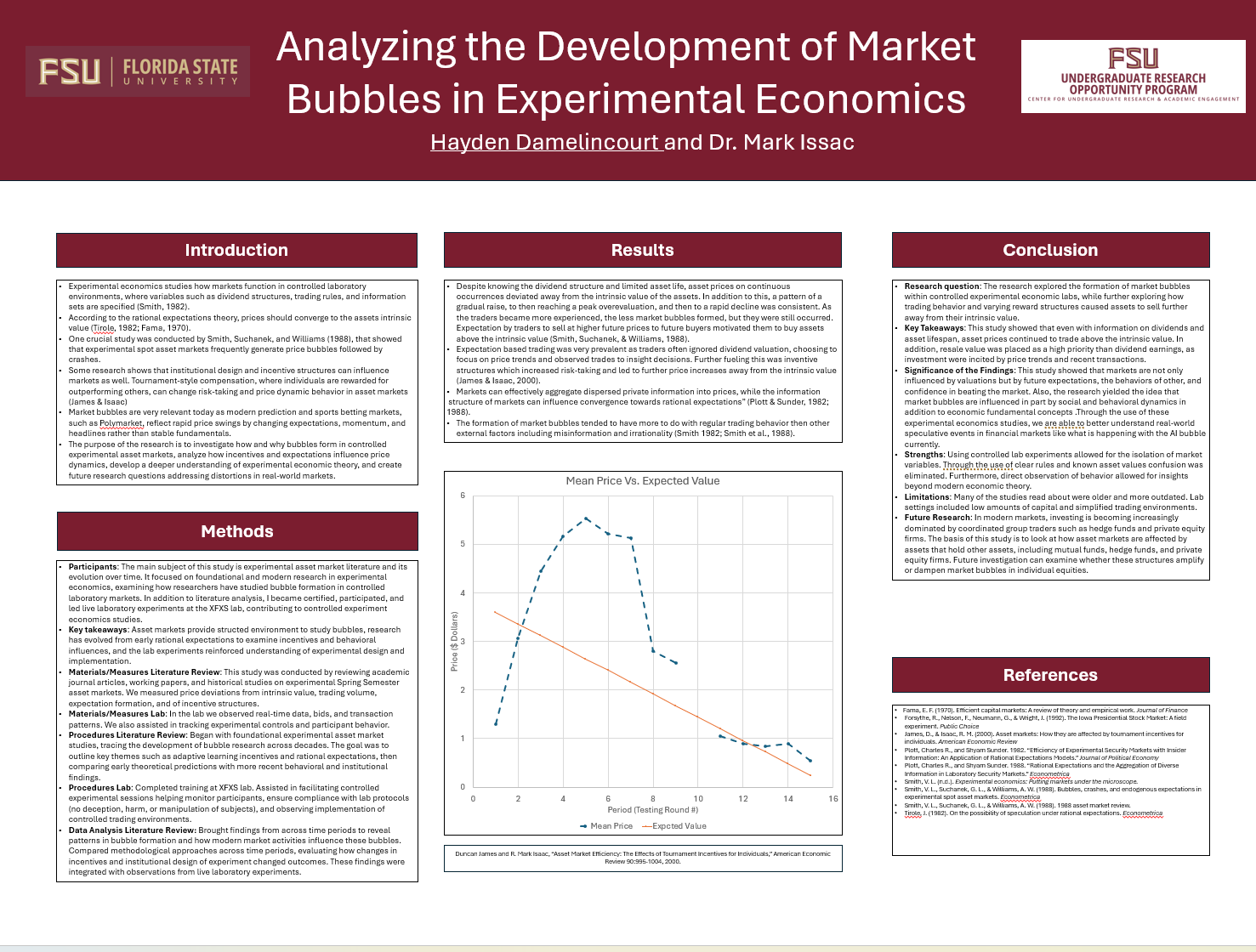
This paper is a literature review of market bubbles within sports betting and traditional trading markets. This research is being conducted to help gain insights into the activities of the current AI market bubble and how modern market bubbles are forming and acting. This research is relevant because with the new AI bubble and transforming market dynamics, it is essential to understand the potential outcomes and behaviors of the market to help mitigate any market crash and outcomes. In this research, we conducted labs and a literature review of past works on experimental economic market bubbles through mixed methods. We used data straight from past papers to act as precedents compared to past data. We also helped to conduct lab experiments within the testing lab for similar research, helping to gain a better grasping of the research process. Our results showed that market bubbles tend to occur regardless of past experiences, despite traders with experience. the mix of information and inside traders further adds to these spikes in markets. This means that with evolving market dynamics, crashes are likely to become increasingly common. Next steps are to further investigate these new market dynamics to further understand the modern market. The results of the study yield that market bubbles are ever present in modern trading markets. The implication of this research is that all these studies were tested in lab settings making it hard to perfectly replicate real trading markets.
Keywords: Economics, Experimental Economics, Assets, Markets, Finance
26th annual Undergraduate Research Symposium, April 1, 2026
Lauren Vann Poster Session 2: 10:45 am - 11:45 am / Poster #60
BIO
My name is Lauren Vann, and I am a sophomore studying biology on a pre-vet track with a minor in chemistry. As a military child, I grew up overseas and had the opportunity to live in Japan, Hawaii, Germany, and Okinawa before finishing high school in Pensacola, Florida, where I studied in an International Baccalaureate program. During high school, I developed many passions outside the classroom. I competed in surf competitions, worked at a local exotic pet store, promoted conservation efforts as a lionfish spearfisher, played varsity soccer, babysat and pet-sat for families in my community, and started my own volunteer organization focused on beach cleanups.
Now in college, I have continued to explore my interests and have found a strong passion for working with animals and being involved in my community, which led me to pursue a career in veterinary medicine. My goal is to become a veterinarian in the United States Army (even though my dad served in the Navy). While in college, I have conducted research in microbiology and art under the supervision of Jamel Ali, volunteered at the North Florida Wildlife Center, and served as an executive member of the FSU Surf Club. I have also taken up rock climbing and recently became paragliding certified. As I continue through college, I plan to keep working toward my goal of becoming a veterinarian while also seeking as much adventure and meaningful experience as I can along the way.
Microbio Art
Authors: Lauren Vann, Dr. Jamel AliStudent Major: Biology
Mentor: Dr. Jamel Ali
Mentor's Department: Chemical Engineering Mentor's College: FSU - FAMU College of Engineering Co-Presenters:
Abstract
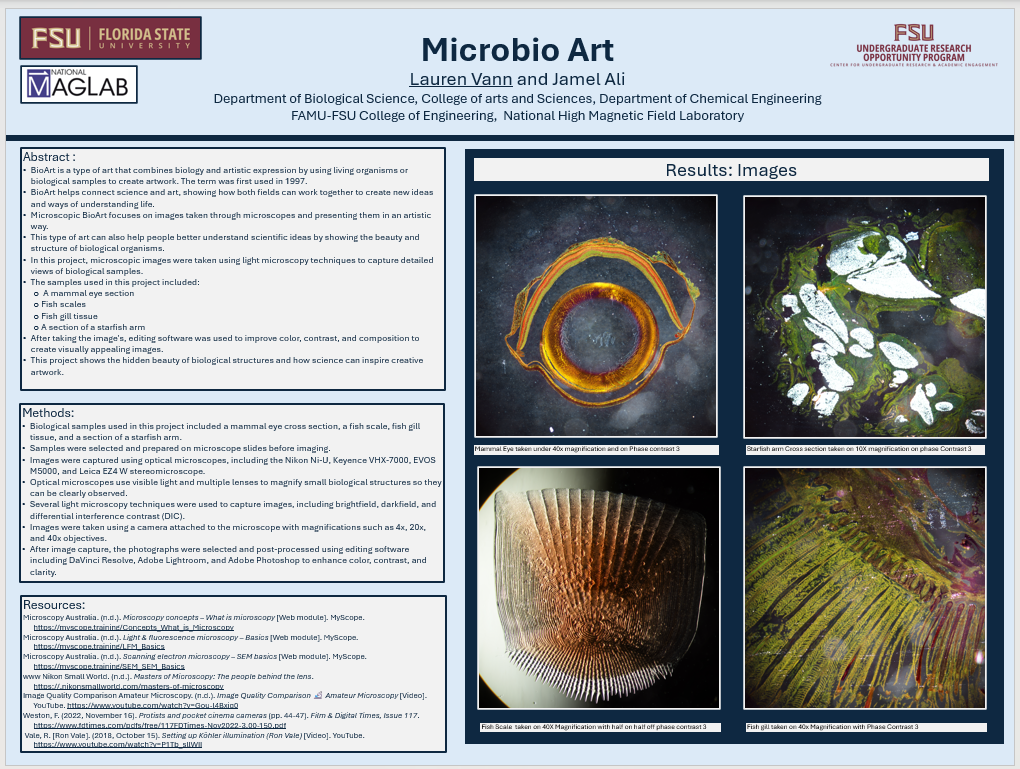
BioArt is an interdisciplinary field that combines biology and artistic expression by using living organisms or biological materials to create artwork. Microscopic BioArt specifically focuses on images captured through microscopes and presented in an artistic form, highlighting the structure and beauty of biological specimens. In this project, light microscopy techniques were used to capture detailed images of several biological samples, including a mammalian eye section, fish scales, fish gill tissue, and a cross-section of a starfish arm. Images were collected using multiple light microscopy methods to reveal structural detail. After image acquisition, editing software was used to enhance color, contrast, and overall composition, improving visual clarity and artistic presentation. The resulting images demonstrate how scientific imaging can reveal intricate biological patterns that are often invisible to the naked eye. This project illustrates the connection between science and art by showing how microscopic biological structures can inspire creative expression and deepen appreciation for the complexity and beauty of living systems.
Keywords: Microbiology
26th annual Undergraduate Research Symposium, April 1, 2026
Kristen Cavanagh Poster Session 2: 10:45 am - 11:45 am / Poster #260
BIO
Kristen Cavanagh is a first-year student at Florida State University. She is pursuing a degree in English, with a minor in religious studies. As a member of UROP, Kristen is studying representations of Christian evangelization through postcards, an under-represented cultural artifact, alongside her mentor Dr. Michael Neal. In her academic life, she is passionate about the interaction between religion and literature, with a specific focus on the influence of Catholicism. As a recipient of the Tyler Grant Fellowship, Kristen plans to study the resurgence of Catholicism among English youth in Oxford. She hopes to integrate this research into her Honors-in-the-Major project, which will examine Catholic novels as a literature of protest during the modernist period. Ultimately, Kristen aspires to attain a graduate degree in religious studies, where she can combine her love for religion and literature.
Postcard Representations of Proselytization
Authors: Kristen Cavanagh, Dr. Michael NealStudent Major: English: Literature, Media, and Culture
Mentor: Dr. Michael Neal
Mentor's Department: English Mentor's College: College arts and sciences Co-Presenters:
Abstract
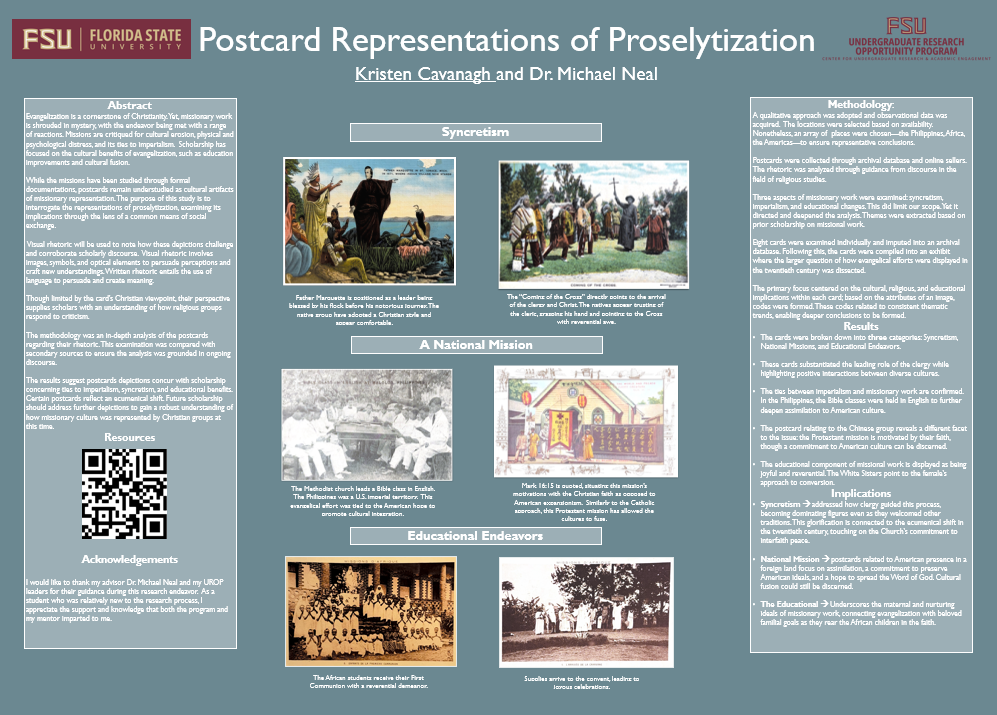
This study aims to understand how twentieth century postcards depict Christian missions. Through establishing the relationship between postcards and missionary work, one can grasp a unique facet of religious missions. With the twentieth century social movements, proselytization was critiqued for various reasons: cultural erosion, physical and psychological distress, and their ties to imperialism. However, scholarship has focused on the cultural benefits of evangelization, such as education improvements, health advancement, and cultural fusion. The purpose of this study is to interrogate representations of proselytization, examining its implications through the lens of a form of social exchange—postcards. Thus, this addresses a gap in scholarship. While these cards reflect the viewpoint of the Christians producing the cards, their perspective supplies scholars with an understanding of how religious groups respond to the waves of criticism while enabling researchers to grasp the nature of these missions through a distinct perspective. My methodology was an in-depth analysis of the postcards regarding their visual and written rhetoric. This examination was compared with secondary sources to ensure the analysis was grounded in ongoing discourse and well-established scholarship. The results suggest that postcards depictions appear to concur with scholarship concerning ties to imperialism, syncretism, and educational benefits. It was concluded that despite the biases within the cards, a nuanced perspective could be extracted. Finally, certain postcards reflect the ecumenical shift in the twentieth century. Future scholarship should address further depictions to gain a robust understanding of how missionary culture was represented by Christian groups at this time.
Keywords: Religion, Missionary, Postcard, and Representation
26th annual Undergraduate Research Symposium, April 1, 2026
Jo Fernandez-Jenkins Poster Session 3: 1:45 pm - 2:45 pm / Poster #35
BIO
Jo Fernandez-Jenkins is a freshman Biological Sciences major with minors in Chemistry and Psychology at Florida State. She's part of FSU's Honors Program, Tri-Beta Biological Honor Society, and Spoonbill Society. She loves birds and behavior, and she focused her research on better understanding the complexities of Lance-tailed Manakin courtship through machine learning with the guidance of Dr. Emily DuVal and the DuVal Lab DeepLabCut team. After graduation, she hopes to gain a PhD in Wildlife Biology and continue to contribute to our understanding of why birds do what they do.
Fine-scale dynamic adjustment of partner proximity during courtship displays in the Lance-tailed Manakin
Authors: Jo Fernandez-Jenkins, Emily DuValStudent Major: Biological Science
Mentor: Emily DuVal
Mentor's Department: Biological Sciences Mentor's College: Arts and Sciences Co-Presenters:
Abstract
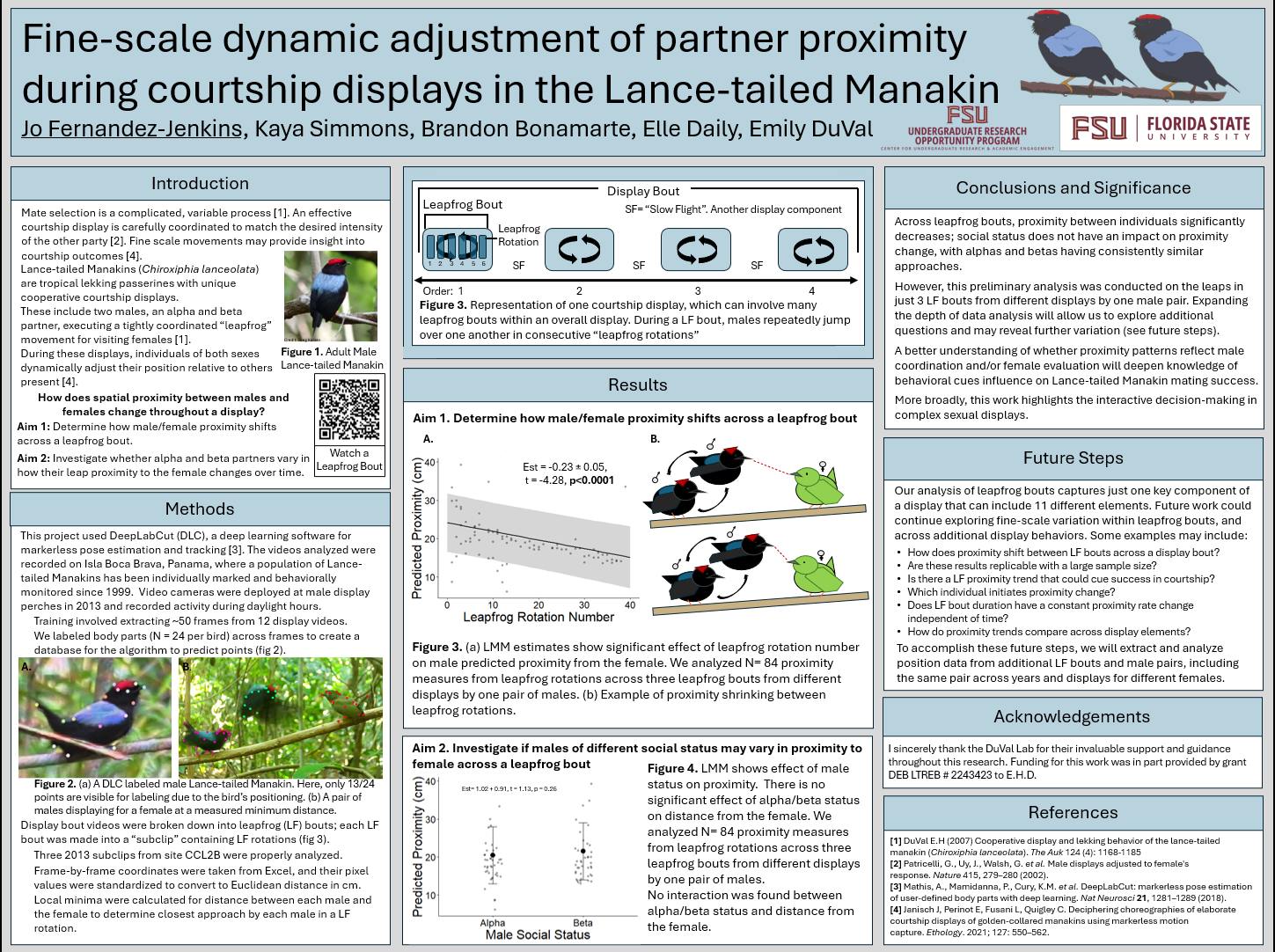
Mate selection is a complicated, variable process. Lance-tailed Manakins (Chiroxiphia lanceolata) are small, tropical passerines that perform unique cooperative courtship displays. These consist of two males, an alpha and beta partner, executing a tightly coordinated “leapfrog” movement in front of visiting females. During these displays, both sexes dynamically adjust their position relative to each other’s fluctuations. Here I investigate how spatial proximity between males and females changes throughout the display, and whether these distance patterns are correlated with the likelihood of copulation. Because manakin displays depend on coordination, spatial proximity may provide further insight into what can lead to successful courtship. Using DeepLabCut, an AI pose-estimation and tracking software, I will analyze at least ten recorded display bouts. For each bout, I will extract frame-by-frame coordinates for all individuals, identify all local minimum distances during each leapfrog sequence, and quantify how proximity changes across time using regression models. I will test whether distance consistently decreases within a single leapfrog bout or consistent in a leapfrog bout but “steps down” with each successive leapfrog across an overall display, and what may characterize successful displays. I will also evaluate whether male or female movements dictate these inter-individual distances using a logistic regression to assess whether closer displays are more likely to end in copulation. A better understanding of whether proximity patterns reflect male coordination and/or female evaluation will deepen knowledge of behavioral cues influence on Lance-tailed Manakin mating success. More broadly, this work highlights the interactive decision-making in complex sexual displays.
Keywords: Biology, ComputerScience, Birds, MachineLearning