
Research Symposium
26th annual Undergraduate Research Symposium, April 1, 2026
Bryan Alex Poster Session 1: 9:30 am - 10:30 am / Poster #47
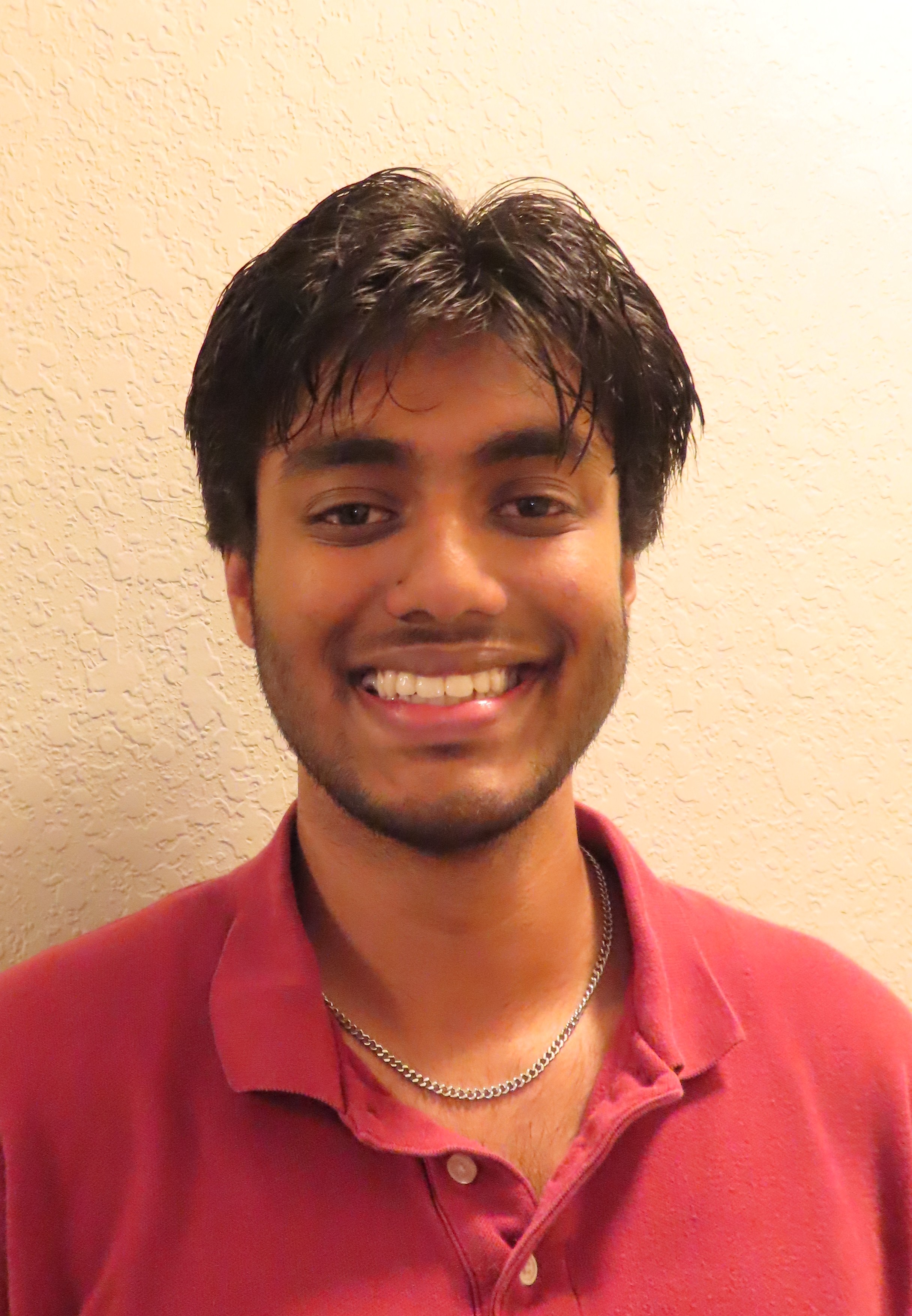
BIO
Bryan Alex is a junior at Florida State University majoring in Behavioral Neuroscience with minors in Chemistry & Child Development and on a track to Md-PhD. His current research is in Virology, specifically on how membrane fusion can increase the efficiency of cancer and gene therapies. Moreover, he is involved in research projects in the Psychology department of FSU and the Environmental Science department of FAMU. Outside of research he is credited with Academic Honors and the Vires Scholarship.
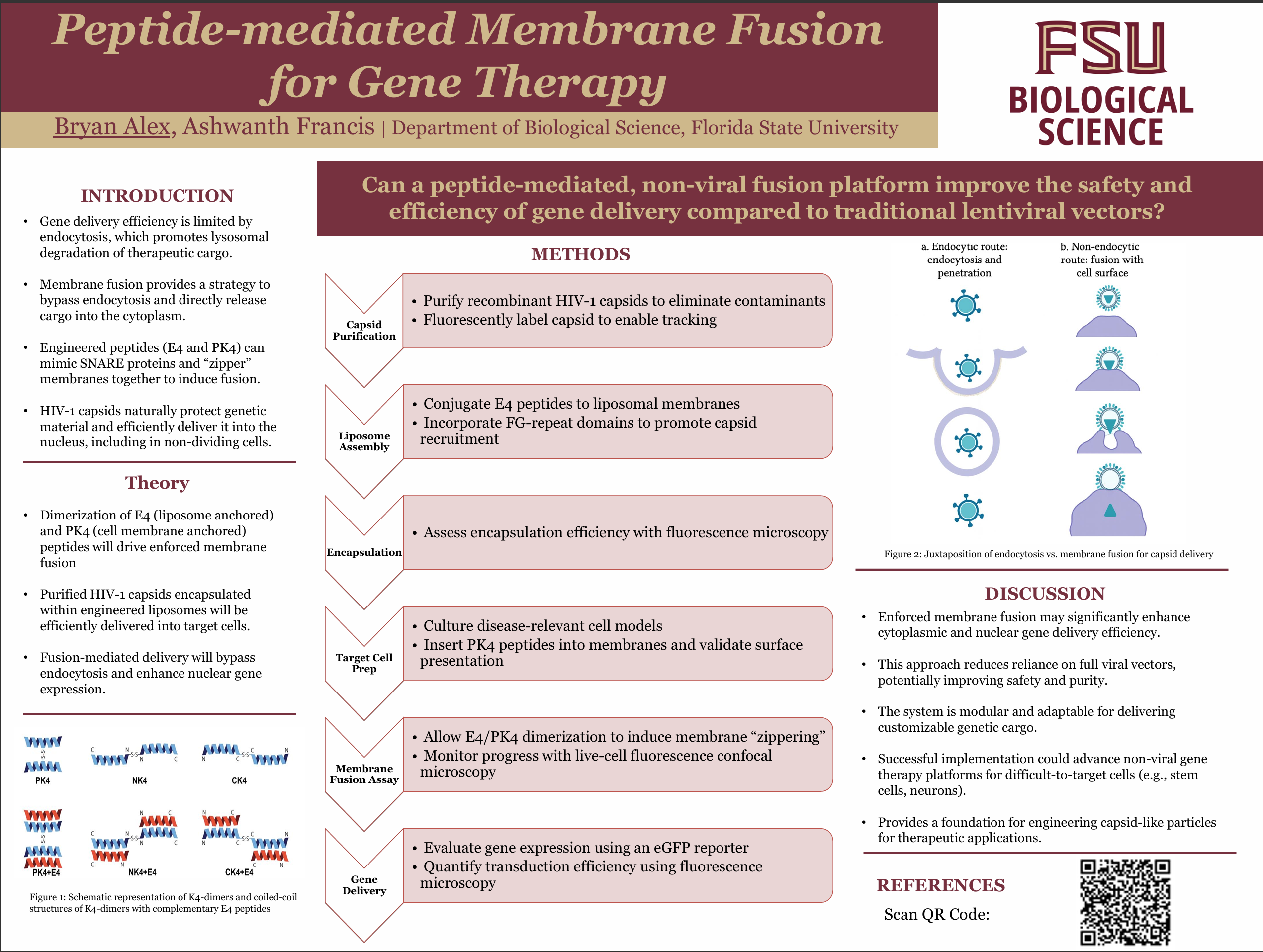
Peptide-Mediated Membrane Fusion for Gene Therapy
Authors: Bryan Alex, Dr. Ashwanth FrancisStudent Major: Behavioral Neuroscience
Mentor: Dr. Ashwanth Francis
Mentor's Department: Virology Mentor's College: College of Arts and Sciences Co-Presenters:
Abstract
Membrane fusion offers a promising strategy to improve gene delivery by bypassing
endocytosis, a pathway that often results in lysosomal degradation and reduced therapeutic
efficiency. This project evaluates an enforced membrane fusion approach to enhance targeted
gene delivery using recombinant peptide dimerization. Building on prior work demonstrating that
engineered peptides (E4 and PK4) can promote membrane fusion between synthetic liposomes
and cellular membranes, we aim to adapt this system to deliver purified HIV-1 capsids into cells.
The HIV capsid naturally protects and transports viral RNA into the nucleus, including in non-
dividing cells such as stem cells and neurons, making it an attractive gene delivery vehicle.
However, traditional lentiviral vectors face limitations including impurities, limited fusogenicity,
and safety concerns. To address these challenges, we propose ultra-purifying HIV capsids and
encapsulating them within de novo assembled liposomes functionalized with E4 peptides.
These peptides are designed to recruit capsids into liposomes and mediate high-affinity
interactions with complementary PK4 peptides anchored to target cell membranes.
Dimerization of E4 and PK4 is expected to mimic SNARE-mediated membrane fusion, driving
liposome–cell membrane fusion and enabling controlled cytoplasmic release of capsid-
contained genetic material. Successful nuclear delivery and gene expression will be evaluated
using an eGFP reporter system and fluorescence-based assays.
If successful, this platform would establish a modular, non-viral strategy for efficient and
targeted gene delivery, enabling the reconstitution of capsid-like particles capable of delivering
customizable genetic cargo for therapeutic applications.
Keywords: Gene, Cancer, HIV-1, Membrane Fusion
26th annual Undergraduate Research Symposium, April 1, 2026
Nicholas Collazos Poster Session 3: 1:45 pm - 2:45 pm / Poster #233
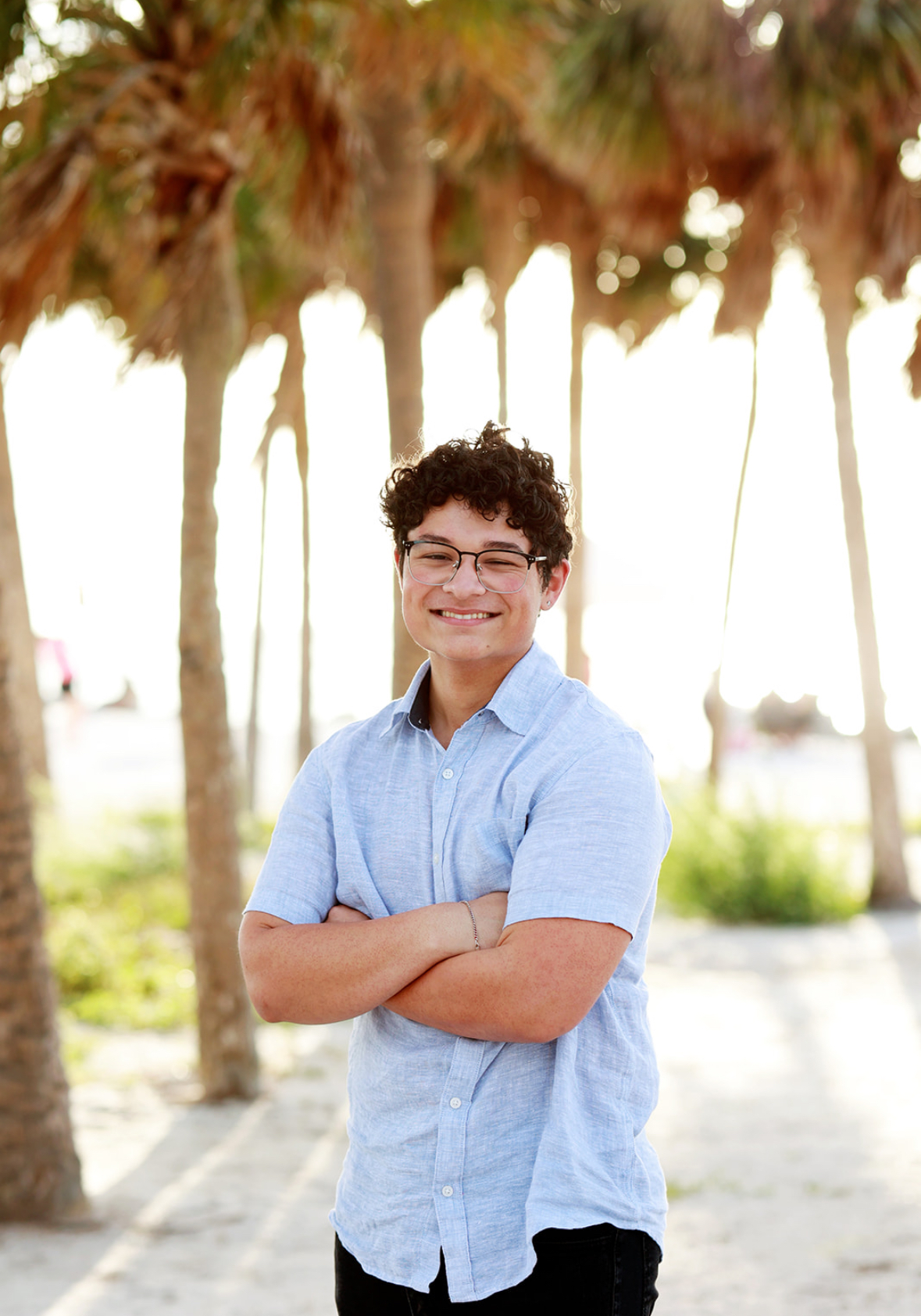
BIO
Nicholas is a first-year Presidential Scholar and Pre-Medical Behavioral Neuroscience honors student at Florida State University. Originally from Tampa, Florida, Nicholas plans on attending FSU until Spring of 2029, where he will then attend medical school to pursue a career in psychiatry. Through the Undergraduate Research Opportunity Program and under the mentorship of Landon Heller, Nicholas is researching different approaches to combating the reading comprehension gap present in students with reading disabilities through meta analyses of studies conducted around the world.
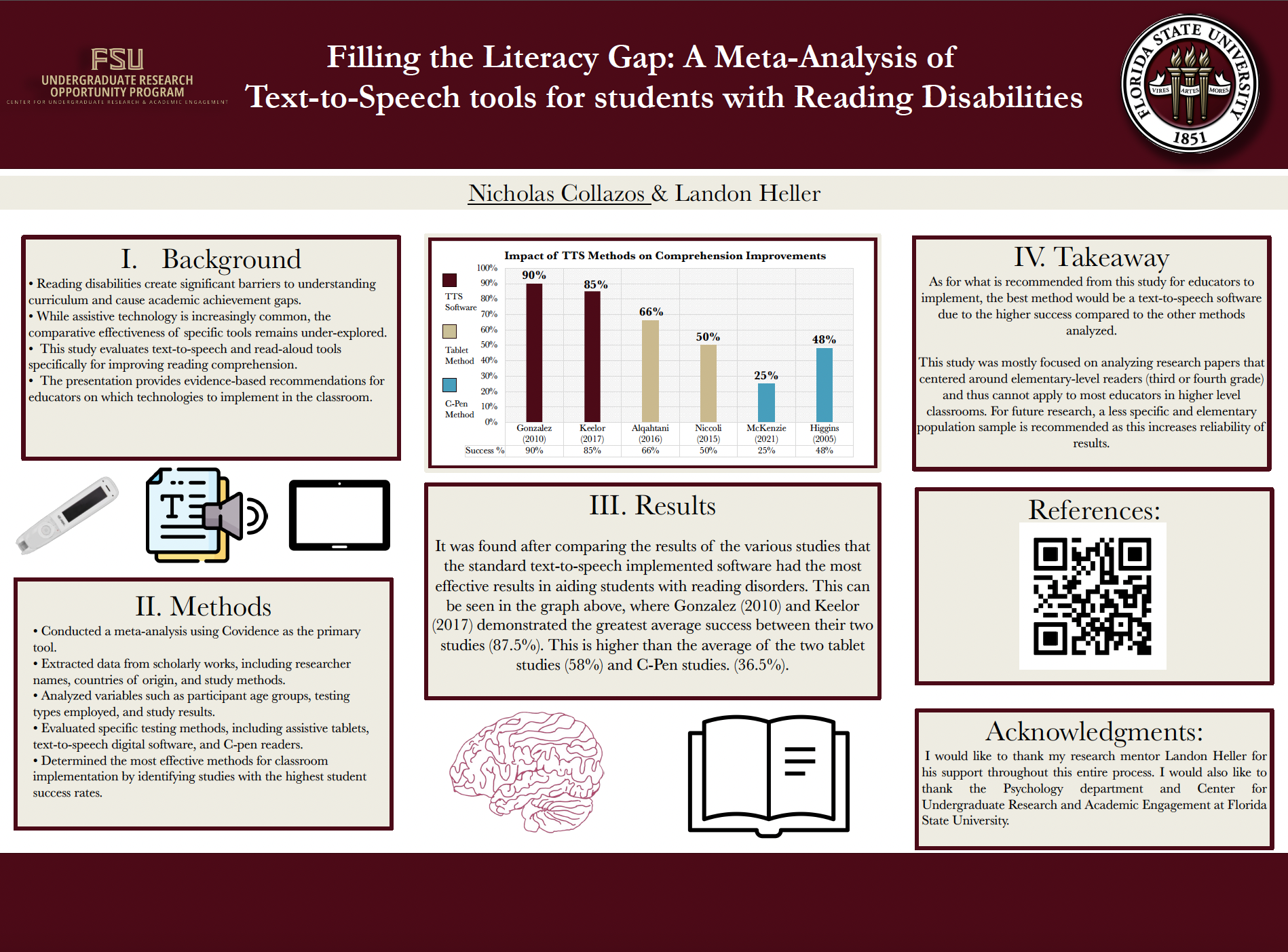
Filling the Literacy Gap: A Meta-Analysis of Text-to-Speech tools for students with Reading Disabilities
Authors: Nicholas Collazos, Landon HellerStudent Major: Behavioral Neuroscience
Mentor: Landon Heller
Mentor's Department: Psychology Mentor's College: Arts & Sciences Co-Presenters:
Abstract
Students with reading disabilities often face significant barriers to understanding curriculum
and demonstrating literacy proficiency, frequently leading to academic achievement gaps. While assistive technology has become increasingly prevalent in modern classrooms to combat these challenges, the comparative effectiveness of specific technologies remains under-explored. This study focuses on the effectiveness of different text-to-speech and read-aloud tools’ ability to improve the reading comprehension of students with reading disabilities. By conducting comprehensive meta-analyses of multiple scholarly studies, I assessed students’ comprehension levels across various digital read-aloud methods to determine which specific tools provide the most effective support for information retention and comprehension. I analyzed student performance based on quantifiable data extracted from previous studies to determine which software features contribute most significantly to student success. Past research suggests that high-quality text-to-speech software yields a significant increase in comprehension scores, particularly when students are engaging with complex texts for their grade level. These findings indicate that personalized digital interfaces can bridge the gap between decoding struggles and cognitive processing. This presentation evaluates current assistive technologies and provides evidence-based recommendations for educators on what technologies to implement for students with reading disabilities in their classroom.
Keywords: Psychology, Reading, Dyslexia
26th annual Undergraduate Research Symposium, April 1, 2026
Elisabeth Zink Poster Session 2: 10:45 am - 11:45 am / Poster #124
BIO
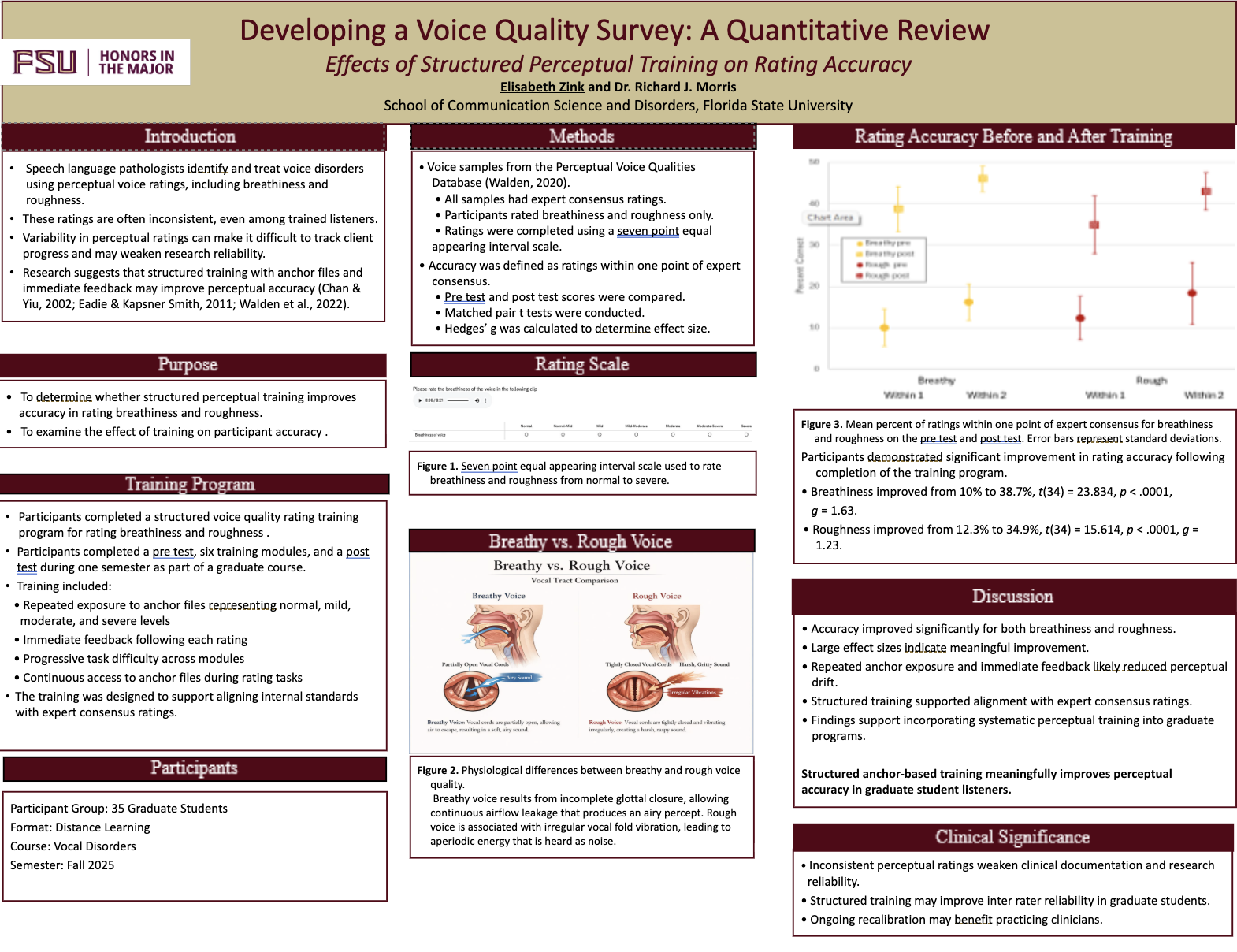
Elisabeth Zink is a senior at Florida State University majoring in Communication Sciences and Disorders. Her honors thesis, Developing a Voice Quality Survey: A Quantitative Review, examines how perceptual training can improve the reliability of voice quality ratings among speech language pathology students. Her research was conducted under the mentorship of Dr. Richard Morris. Elisabeth is especially interested in working with individuals with special needs and supporting communication development. After graduating with a Bachelor of Science in Communication Sciences and Disorders, she plans to pursue a Master’s degree in Speech Language Pathology.
Developing a Voice Quality Survey: A Quantitative Review
Authors: Elisabeth Zink, Dr. Richard MorrisStudent Major: Communication Sciences and Disorders
Mentor: Dr. Richard Morris
Mentor's Department: Communication Sciences and Disorders Mentor's College: Communication Co-Presenters: NA
Abstract
Accurate perceptual evaluation of voice quality is an essential skill for speech language pathology students. However, rating voice qualities such as breathiness and roughness remains difficult, even after clinical and academic training. Variability in ratings can make it harder to track client progress and can weaken research reliability. Previous research suggests that structured training that includes anchor files and immediate feedback may improve perceptual accuracy.
The purpose of this study was to determine whether a structured voice quality rating training program would improve accuracy in rating breathiness and roughness among graduate student listeners. Thirty five second year distance learning graduate students completed a pre test, six training modules, and a post test as part of a required course. The training modules included repeated exposure to anchor files representing normal, mild, moderate, and severe levels of breathiness and roughness. Immediate feedback was provided after each rating. Accuracy was defined as ratings within one point of expert consensus on a seven point scale.
Results showed significant improvements in rating accuracy for both breathiness and roughness from pre test to post test, with large effect sizes. These findings support the use of structured perceptual training in graduate programs to improve consistency in voice quality ratings.
Keywords: Voice, Breathiness and roughness, Listener training , Rating reliability
26th annual Undergraduate Research Symposium, April 1, 2026
Nikolas Kraft Poster Session 4: 3:00 pm - 4:00 pm / Poster #94
BIO
Nikolas Kraft is a second-year, honors, pre-medical sophomore at Florida State University where he is pursuing a Bachelor of Science in Biology along with a minor in chemistry. Additionally, Nikolas is involved in various on-campus organizations and societies such as USSTRIDE, RENEW, Phi Beta Kappa, CELLS, Omicron Delta Kappa, and ACE.
Prior to his work in research, Nikolas obtained his EMT certification through Tallahassee State College. During this time, he accumulated 350 hours in prehospital and hospital emergency care settings. After working as an EMT, Nikolas Kraft became an active volunteer for Big Bend Hospice, where he now provides bedside support and assistance for the staff. In addition to his volunteering position, Nikolas also works as an organic chemistry tutor for ACE at FSU.
Most of his current work has been, and future work will be, involved in biomedical and immunological fields. His most recent project was done under his mentor, Dr. Jingjiao Guan. Under Dr. Guan's mentorship, Nikolas was involved in macrophage cultivation and passaging, microscopy, imaging, and more. His latest project had him synthesize fluorescent particles required to transport amyloids into macrophages.
His future endeavors lie within biomedical research with a particular focus on muscular dystrophy, cardiac conditions, and neurological disorders. He intends to continue his education and research in medical school in hopes of becoming a cardiologist.
Development of Engineered Microparticles for Probing Insulin Balls
Authors: Nikolas Kraft, Jingjiao GuanStudent Major: Biological Sciences
Mentor: Jingjiao Guan
Mentor's Department: Department of Chemical and Biomedical Engineering (CBE) Mentor's College: FAMU-FSU College of Engineering Co-Presenters:
Abstract
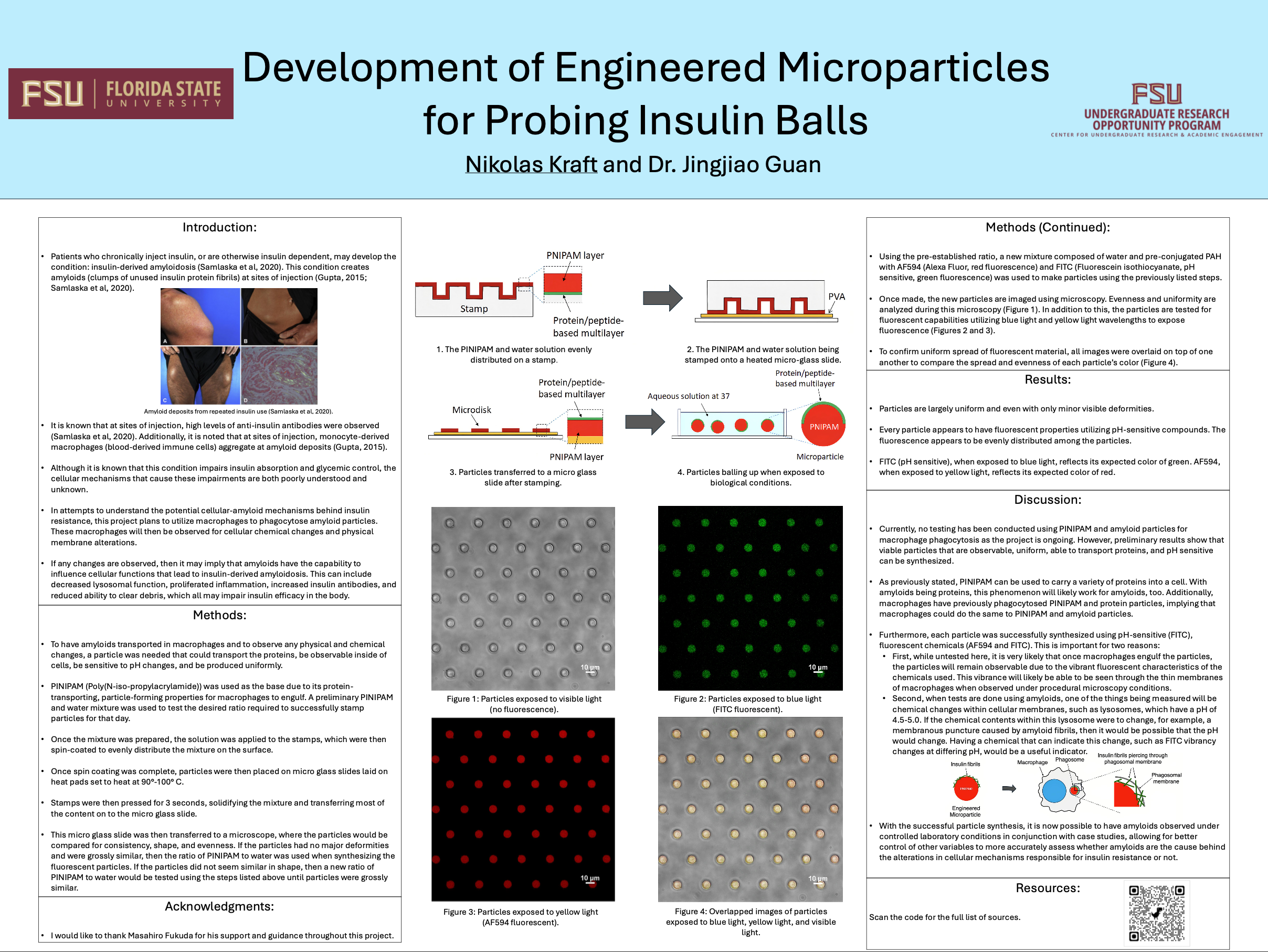
Insulin-derived amyloidosis develops large deposits of amyloid fibrils at sites of injection along with insulin resistance. Due to its rarity, scientists have a poor understanding as to how this happens. This project aims to evaluate how the macrophage-amyloid interactions may lead to insulin derived amyloidosis. Prior to utilizing amyloids, a particle was needed that is uniform, able to transport amyloids, detect changes in cellular environments, and be observable in cells. With these requirements in mind, an experimental fluorescent, circular, pH sensitive particle was produced. To test the fluorescent capabilities of these particles, a microscope with varying visible light wavelengths was used. If the particle emitted expected, different, and vibrant colors when exposed to different wavelengths, it was considered observable. This fluorescent property was achieved using AF594 (Alexa Fluor 594), and pH-sensitive FITC (Fluorescein itsothiocyanate). As for the uniformity, microscopic imaging was utilized to measure the diameters of particles and compare them for consistency in size and shape. Results showed that the method could produce fluorescent, uniform, and pH-sensitive particles to transport amyloids. This is significant because it implies that amyloid-macrophage interactions can be observed under laboratory conditions to detect chemical or physical changes within the cells. This would allow for a more accurate determination of whether the cellular mechanisms behind insulin-derived amyloidosis are caused by amyloids or other factors through artificially controlling variables that may contribute to insulin-derived amyloidosis and insulin resistance.
Keywords: Particles, amyloids, macrophages, fluorescence, microscopy
26th annual Undergraduate Research Symposium, April 1, 2026
Elizabeth Darwood Poster Session 1: 9:30 am - 10:30 am / Poster #127
BIO
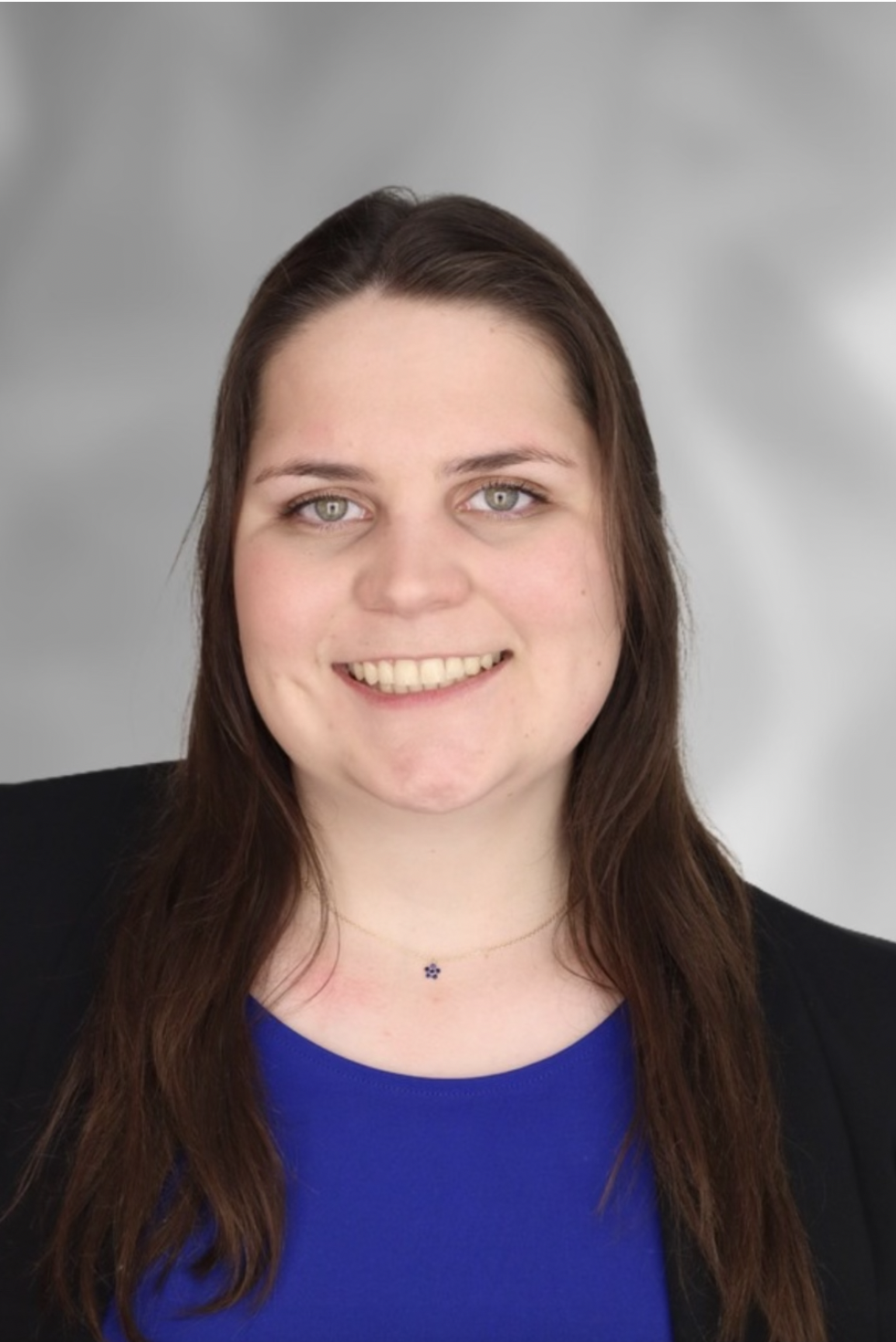
Elizabeth Darwood is a fourth year student pursuing a Bachelor of Science in Public Health and minoring in general business. Darwood's research experience includes her Honors in the Major thesis on "Obesity and Cost of Living by County in Florida". This thesis looked to explore the relationship between cost of living and obesity. Faculty mentors that advised Darwood during this experience were Dr. Ladanya Ramirez- Surmeier (Committee Chair), Dr. Annette Schwab (Committee Member), and Dr. Teresa Roach (Committee Chair).
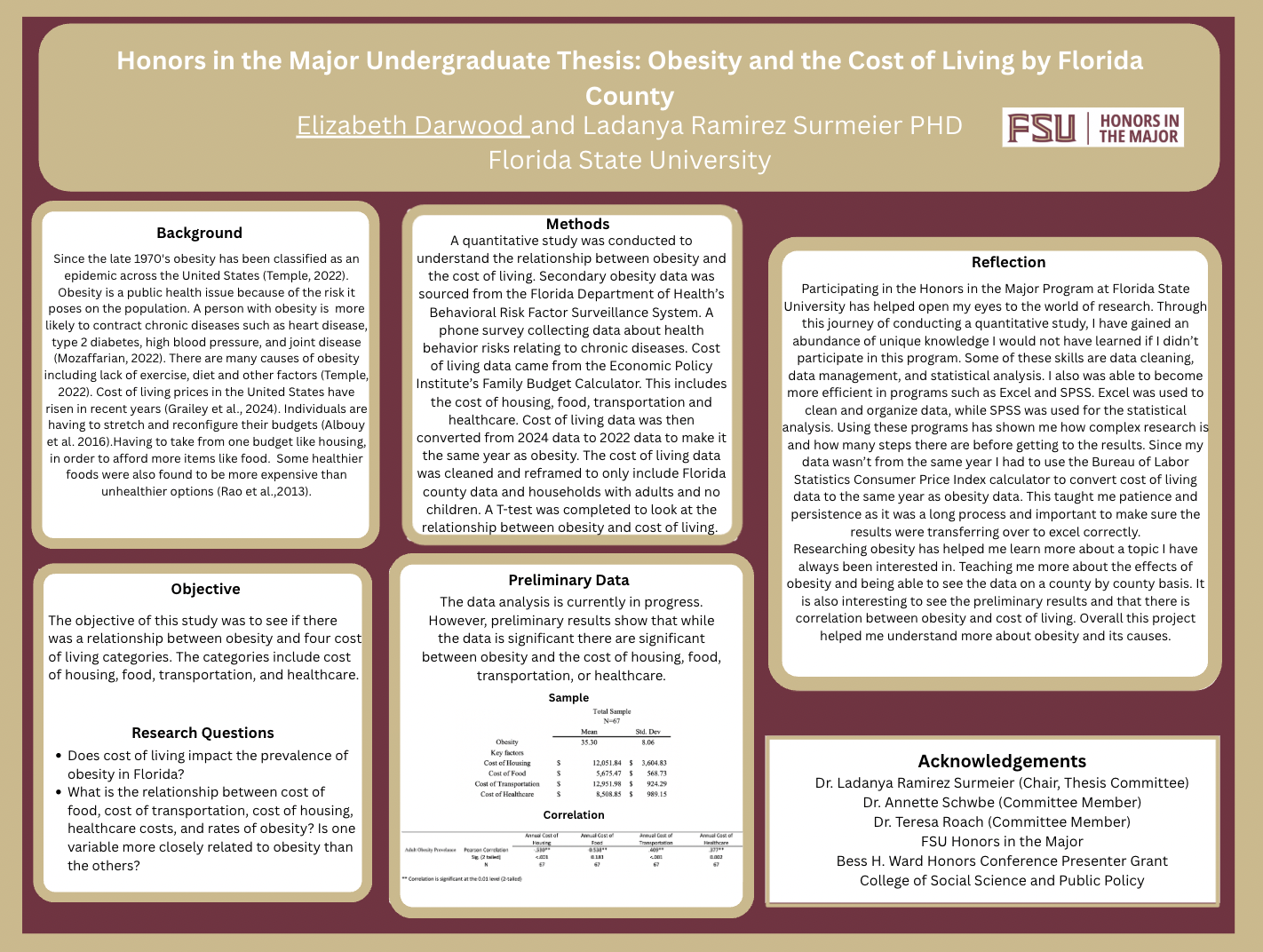
Honors in the Major Undergraduate Thesis: Obesity and the Cost of Living by Florida County
Authors: Elizabeth Darwood, Dr. Ladanya Ramirez-SurmeierStudent Major: Public Health
Mentor: Dr. Ladanya Ramirez-Surmeier
Mentor's Department: Public Health Mentor's College: College of Social Sciences and Public Policy Co-Presenters:
Abstract
This poster session will showcase what an undergraduate student learned during their year-long Research Project. Research skills the student learned were how to conduct a literature review, data management, data analysis, and how to use SPSS to conduct a T-Test. Quantitative methods were used for this study. This student is conducting this research as part of the Honors in the Major Program. Where the student picks a topic relating to their major and performs a research project.
This project’s goal was to determine if there is a relationship between obesity and the cost of living when it comes to food, healthcare, housing, and transportation by Florida county. Obesity is becoming more prevalent and can affect people’s health by making them more susceptible to chronic diseases such as heart disease, joint disease, and type 2 diabetes (Mozaffarian, 2022). In 2022 the obesity prevalence rate was 33.6% (Center for Disease Control, 2022). In Florida that same year the obesity rate was 31.4 (Florida Health Charts, 2022). During the same time of the obesity epidemic there is a cost-of-living crisis, causing many Americans to reallocate their funds to other necessities (Albouy et al, 2016) and increasing their consumption of ultra-processed foods which are usually more affordable than healthier food options (Rao et al., 2013). Temple et al., 2022 showed that ultra-processed foods, like cheaper and unhealthy fast food, are one of the causes of obesity.
Keywords: Obesity, Cost of Living, Public Health
26th annual Undergraduate Research Symposium, April 1, 2026
Julia Courtney Poster Session 3: 1:45 pm - 2:45 pm / Poster #301
BIO
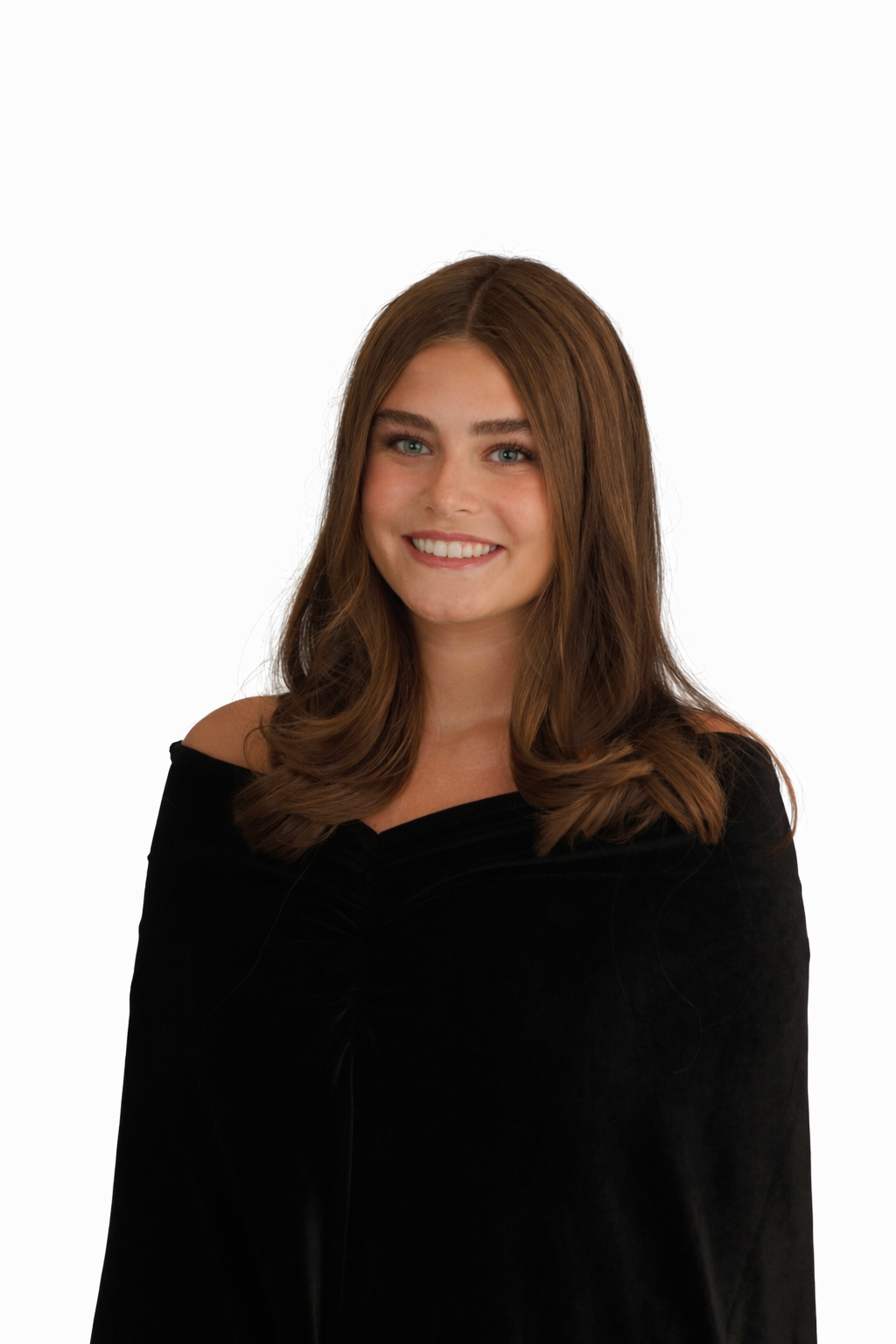
Julia Courtney is a second-year student at Florida State University pursuing a Bachelor of Science in Biochemistry with the Department of Chemistry & Biochemistry. She has been recognized on the Dean’s List for her academic achievements.
Julia is actively involved in undergraduate research through the Undergraduate Research Opportunity Program, where she works as a research assistant in the lab of Dr. Marcos Müller Vasconcelos. Her research focuses on quorum sensing in bacterial networks, where she helps model bacterial communication systems and analyze how signaling molecules influence population behavior and biofilm formation. Using computational tools such as MATLAB and Python, she contributes to numerical simulations and compares theoretical models with experimental microbiology literature to refine biological predictions.
Prior to attending Florida State University, Julia conducted independent research on bacteriophages at the Marymount School of New York under the mentorship of Dr. Vincent Fischetti, gaining experience in microbial culture techniques and experimental design.
In addition to her academic work, Julia is involved in several campus organizations that promote science outreach, community health, and service. She plans to pursue a career in the biomedical sciences, with interests in microbiology, systems biology, and infectious disease research.
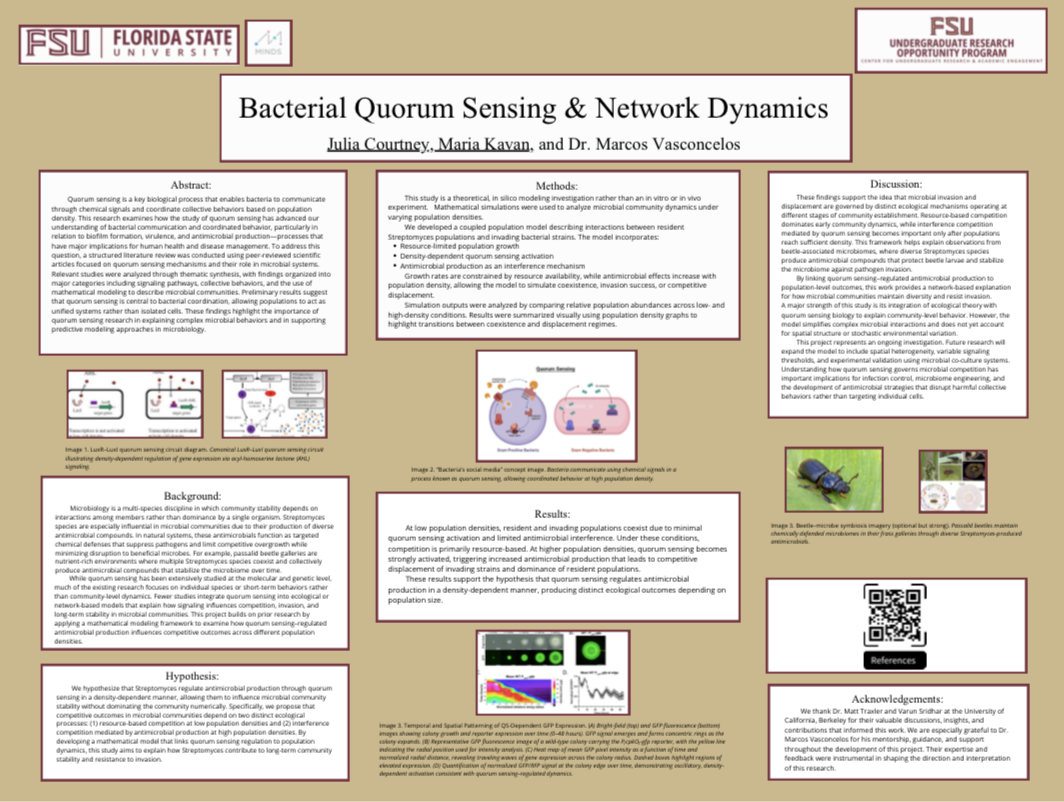
Bacterial Quorum Sensing & Network Dynamics
Authors: Julia Courtney, Dr. Marcos Müller VasconcelosStudent Major: Biochemistry
Mentor: Dr. Marcos Müller Vasconcelos
Mentor's Department: Engineering Mentor's College: College of Engineering Co-Presenters: Maria Kavan
Abstract
Quorum sensing is a key biological process that enables bacteria to communicate through chemical signals and coordinate collective behaviors based on population density. This research examines how the study of quorum sensing has advanced our understanding of bacterial communication and coordinated behavior, particularly in relation to biofilm formation, virulence, and antimicrobial production—processes that have major implications for human health and disease management. To address this question, a structured literature review was conducted using peer-reviewed scientific articles focused on quorum sensing mechanisms and their role in microbial systems. Relevant studies were analyzed through thematic synthesis, with findings organized into major categories including signaling pathways, collective behaviors, and the use of mathematical modeling to describe microbial communities. Preliminary results suggest that quorum sensing is central to bacterial coordination, allowing populations to act as unified systems rather than isolated cells. These findings highlight the importance of quorum sensing research in explaining complex microbial behaviors and in supporting predictive modeling approaches in microbiology.
Keywords: Quorum Sensing, Microbiology, Bacterial Communication
26th annual Undergraduate Research Symposium, April 1, 2026
Zoe Miner Poster Session 3: 1:45 pm - 2:45 pm / Poster #271
BIO
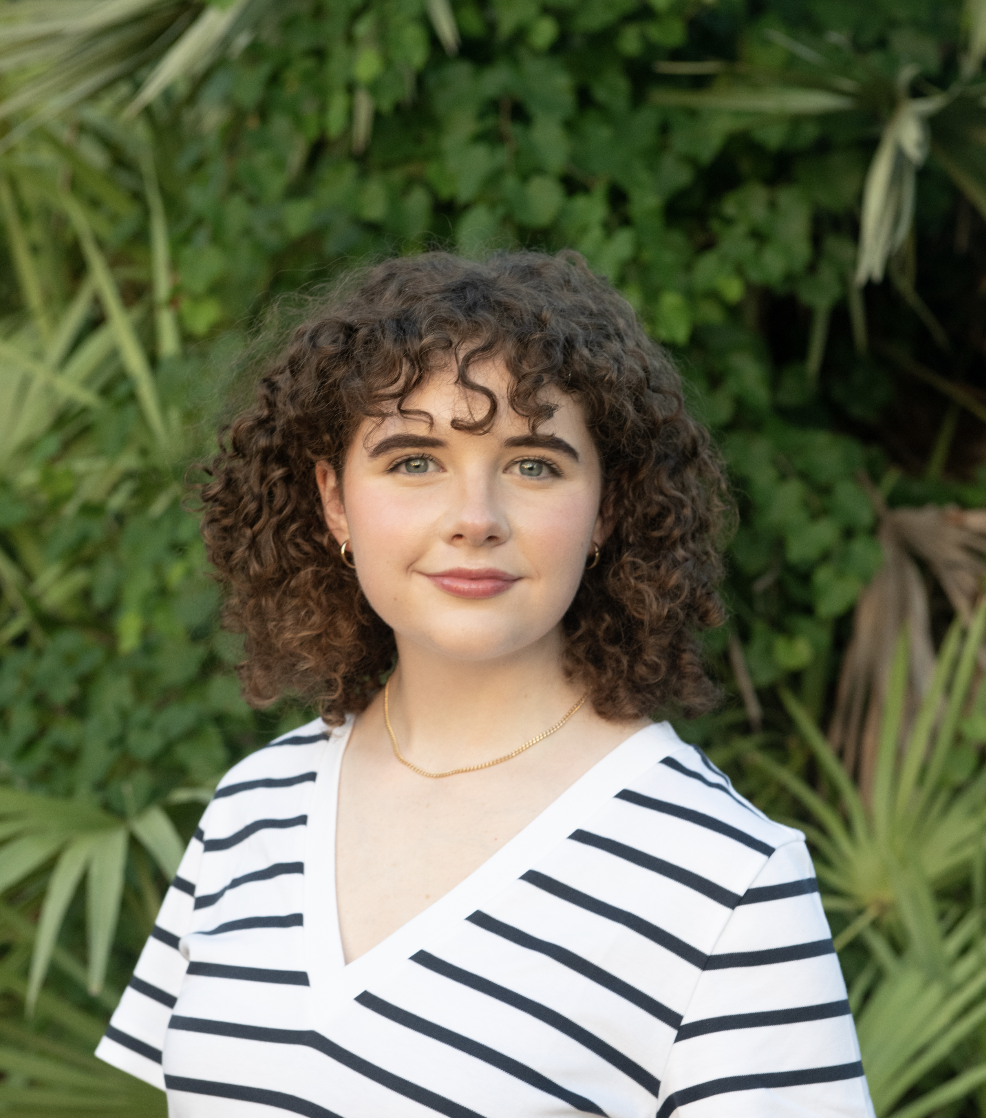
Zoe Miner is a first-year Classics student studying Ancient Greek and Latin. For UROP, she works as an editorial and research assistant and plans to pursue graduate study in Classics, with the goal of becoming a professor in the field.
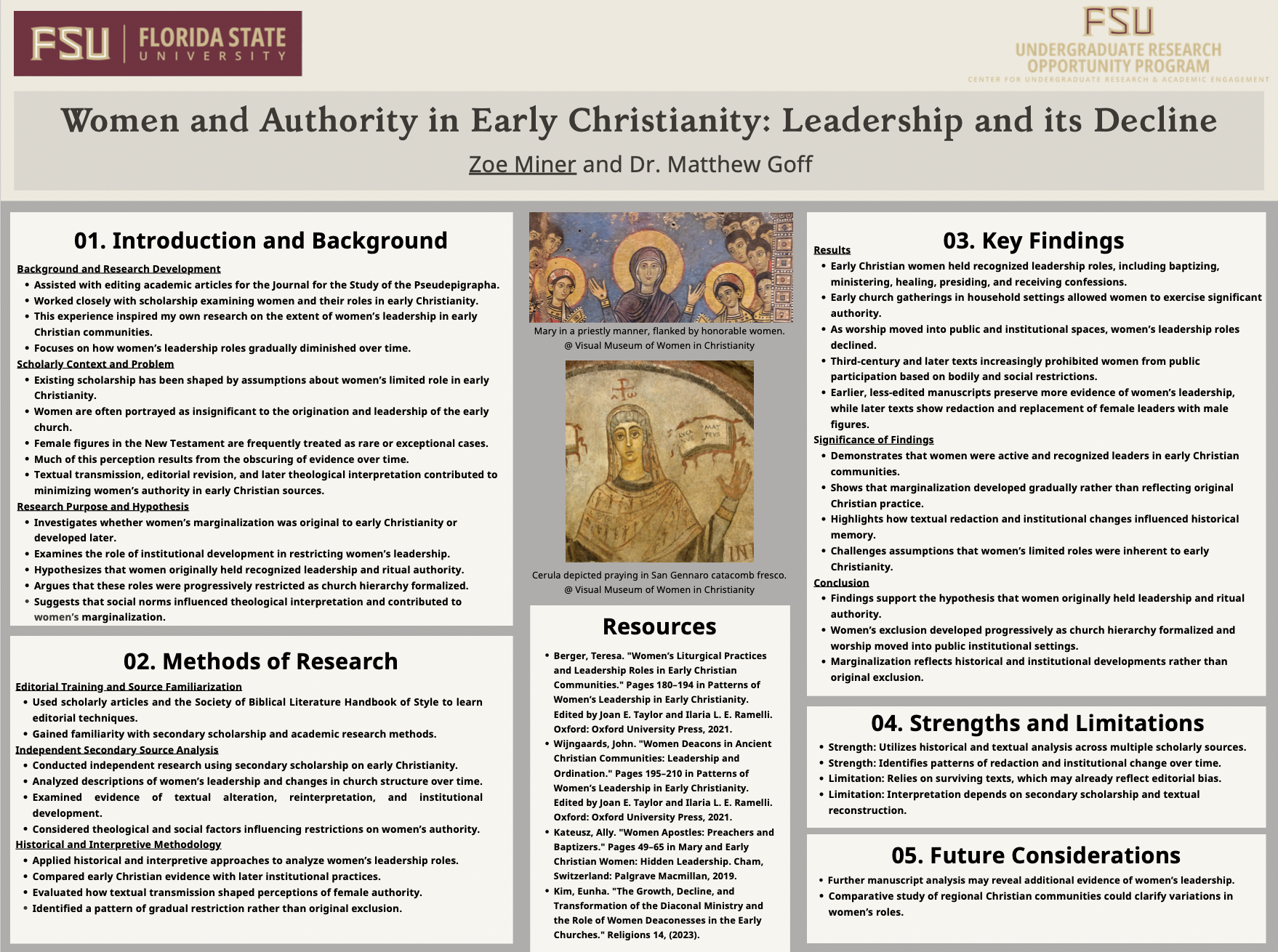
Women and Authority in Early Christianity: Leadership and its Decline
Authors: Zoe Miner, Matthew GoffStudent Major: Classics
Mentor: Matthew Goff
Mentor's Department: Religion Mentor's College: Arts and Sciences Co-Presenters:
Abstract
My research explored women leadership roles in the early Christian church and how those roles were diminished as the church became more institutionalized. Investigating this question is important because it challenges long-standing assumptions about women’s roles in Christianity and reveals how societal and institutional developments led to the marginalization of women in and out of the church. This research utilizes a historical and interpretive lens, analyzing various scholarship in order to understand women’s leadership in early Christian communities and evaluating how early evidence of women’s authority in the church was limited and obscured over time. Investigation into the sources showed that in early christian communities, women held strong leadership roles including baptizing, presiding, ministering, healing, and receiving confessions. Additionally, household-focused assemblies allowed for women to be significantly involved in church authority. As worship increasingly shifted into public spaces, leadership roles for women declined. Furthermore, texts from the third century onwards prohibited women from taking part in public worship on account of bodily functions such as menstruation or childbirth. Additionally, the research argues that modern assumptions on the type of leadership roles women had in the early church predominantly come from shortened and censored text. The oldest and least censored text include the most information on female authority and leadership. The study looks at how manuscripts have been redacted by inserting male leaders in place of women who held clear authoritative roles.
Keywords: religion, women, early christianity
26th annual Undergraduate Research Symposium, April 1, 2026
Nelson Keakopa Poster Session 4: 3:00 pm - 4:00 pm / Poster #50
BIO
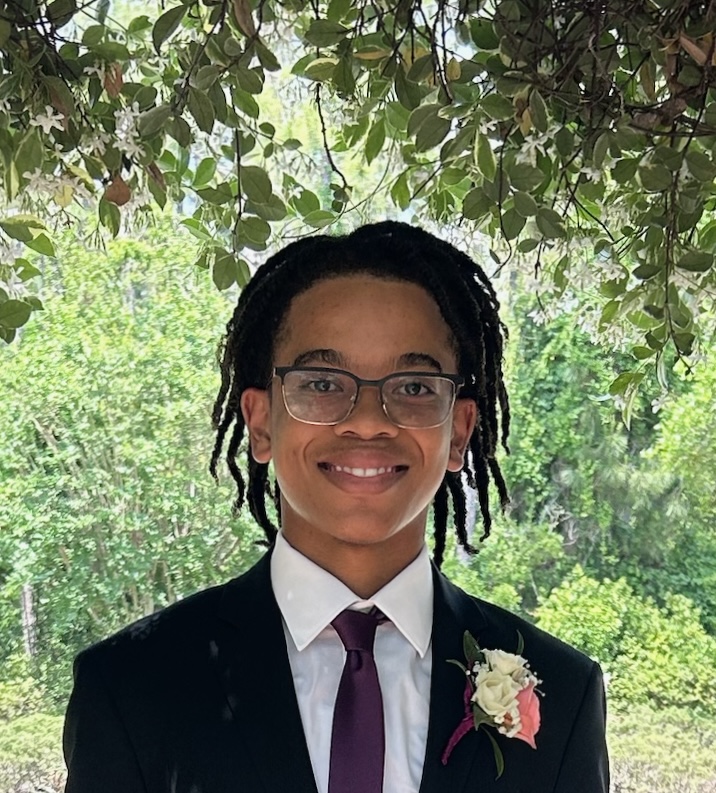
Nelson Keakopa is a sophomore pursuing a Bachelor of Science in Biochemistry at Florida State University. He is involved in undergraduate research studying proteasome assembly and dynamics in yeast under the mentorship of Daniel Betancourt. His work includes techniques such as pulse-chase experiments, plasmid construction, and fluorescence-based imaging to investigate protein localization and complex formation. In addition to his research interests, Nelson is an active musician and performs trumpet in the university’s Jazz Ensemble I. He plans to continue pursuing research in molecular and cellular biology and hopes to attend medical school, potentially following a physician-scientist pathway.
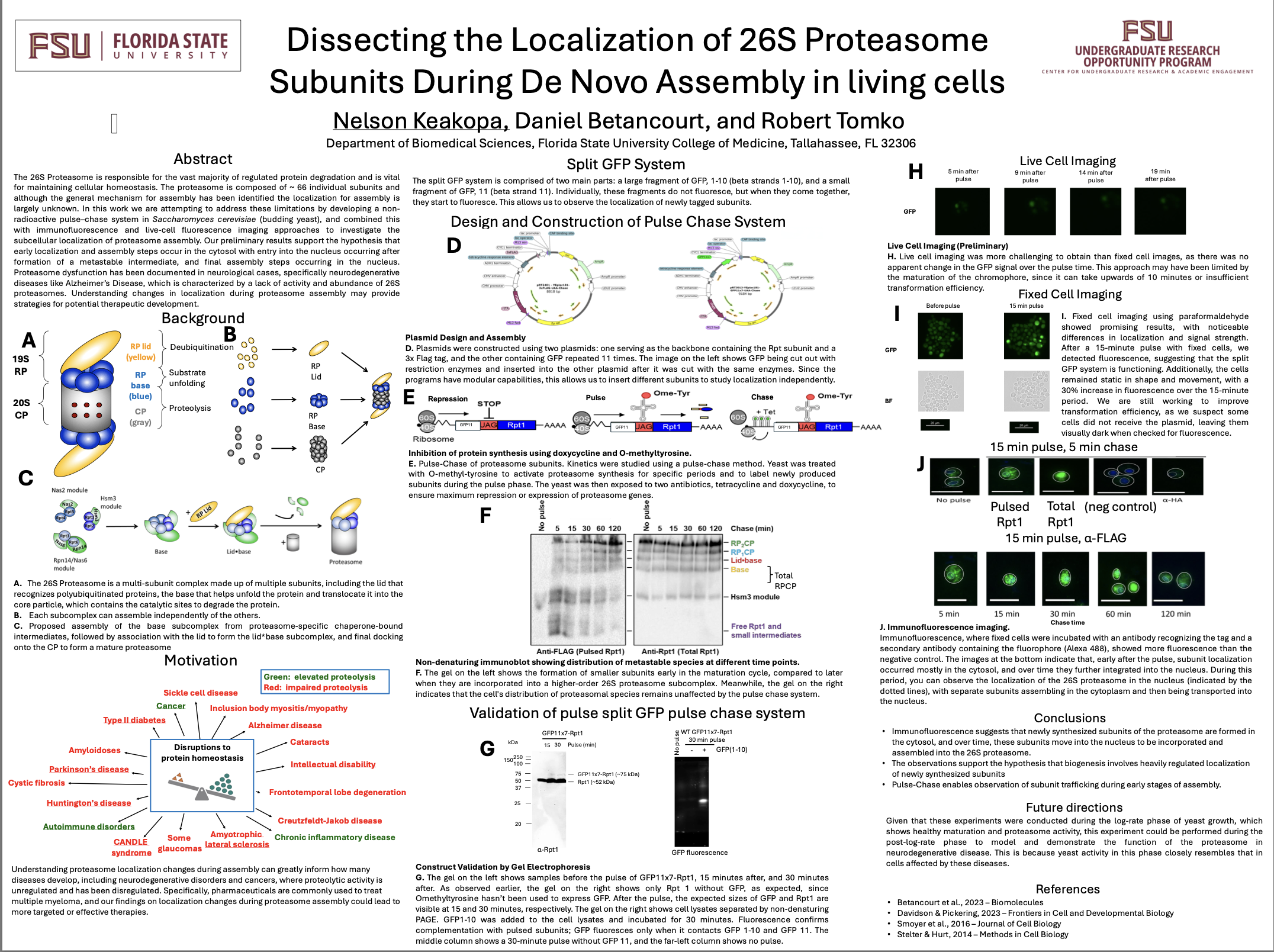
Dissecting the Localization of 26S Proteasome Subunits During De Novo Assembly in living cells
Authors: Nelson Keakopa , Daniel BetancourtStudent Major: Biochemistry
Mentor: Daniel Betancourt
Mentor's Department: Biomedical Sciences Mentor's College: Florida State University Co-Presenters:
Abstract
The 26S Proteasome is responsible for the vast majority of regulated protein degradation and is vital for maintaining cellular homeostasis. The proteasome is composed of ~ 66 individual subunits and although the general mechanism for assembly has been identified the localization for assembly is largely unknown. In this work we are attempting to address these limitations by developing a non-radioactive pulse–chase system in Saccharomyces cerevisiae (budding yeast), and combined this with immunofluorescence and live-cell fluorescence imaging approaches to investigate the subcellular localization of proteasome assembly. Our preliminary results support the hypothesis that early localization and assembly steps occur in the cytosol with entry into the nucleus occurring after formation of a metastable intermediate, and final assembly steps occurring in the nucleus. Proteasome dysfunction has been documented in neurological cases, specifically neurodegenerative diseases like Alzheimer’s Disease, which is characterized by a lack of activity and abundance of 26S proteasomes. Understanding changes in localization during proteasome assembly may provide strategies for potential therapeutic development.
Keywords: Molecular-Biology, Localization, proteasome biogenesis
26th annual Undergraduate Research Symposium, April 1, 2026
Thalia Dorisca Poster Session 3: 1:45 pm - 2:45 pm / Poster #32
BIO
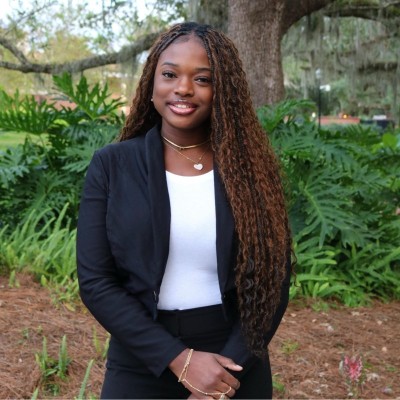
Thalia Dorisca is a first-year student at Florida State University, majoring in Interdisciplinary Social Sciences with a concentration in Law and Society on the Pre-law track. Her current research explores the effects of Teen Courts on recidivism through qualitative analysis. Beyond research, she currently serves on the Freshman Class Council as the Outreach Chair, where they utilize programming to create various events that foster community within the university. Her career aspirations include becoming a lawyer and advocating for underrepresented communities, just as she did with her film The Drive, which advocated for the homeless community. The Drive and her academic achievements were recognized by the Miami Herald with a Silver Knights Honorable Mention and by FSU with the 2025 Torch Knight Award, given to the top forty first-year students. As her academic journey continues, she wishes to acquire new skills and contribute to the community.
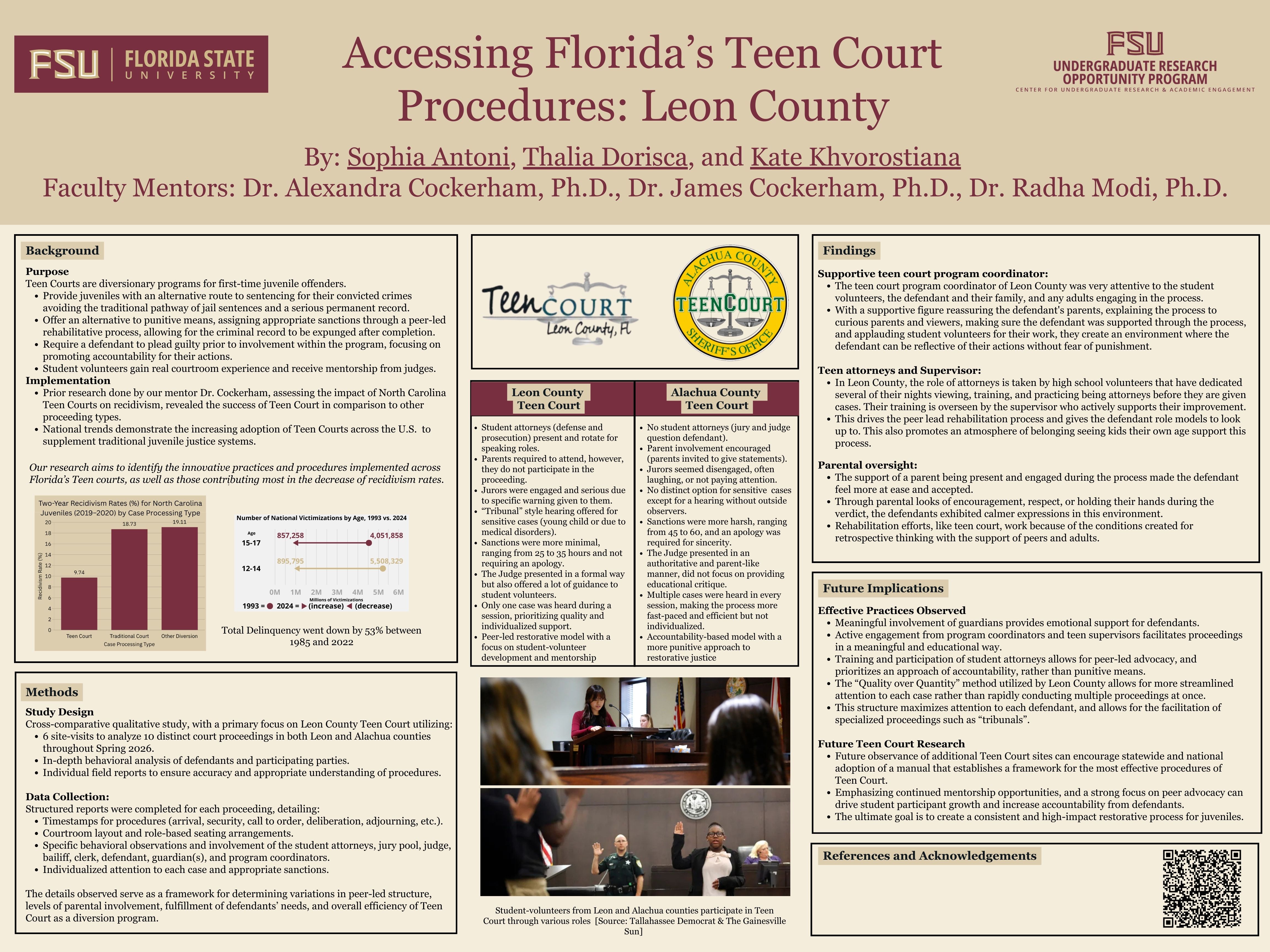
Accessing Florida's Teen Court Procedures: Leon County
Authors: Thalia Dorisca, Dr. Alexandra CockerhamStudent Major: Interdisciplinary Social Sciences with a concentration in Law and Society
Mentor: Dr. Alexandra Cockerham
Mentor's Department: Department of Political Science Mentor's College: College of Social Sciences and Public Policy Co-Presenters: Sophia Antoni and Kate Khvorostiana
Abstract
Teen Courts are a diversionary program meant to provide juveniles with an alternative route to that of the traditional justice system, which prioritizes punitive means. The hope is that through a restorative justice approach, including peer involvement to promote accountability and reflection, the juvenile will come to understand the harm they have caused to society, leading to a lower recidivism rate among juveniles. In our research project, we aim to identify the innovative practices and procedures that take place across Teen Courts in Florida and view the mechanisms through which they reduce recidivism. To achieve this, a comparative analysis of Leon County and Alachua County Teen Courts was conducted, focusing on qualitative data gathered through observation reports from various site visits to Teen Court sessions. The observations showed that Leon County employs a “Quality over Quantity” approach to handling Teen Court cases, by taking on one case per session, having teen attorneys who were trained by a Teen Attorney Supervisor, as well as modifying their process to a Tribunal-style teen court session to accommodate sensitive cases. Considering these findings in conjunction with Alachua’s as well as future observations of other Teen Courts in Florida, we seek to pinpoint optimal procedures for Teen Courts nationwide to adopt.
Keywords: Teen Court, Political Science, Sociology
26th annual Undergraduate Research Symposium, April 1, 2026
Tessa Ngo Poster Session 3: 1:45 pm - 2:45 pm / Poster #143
BIO
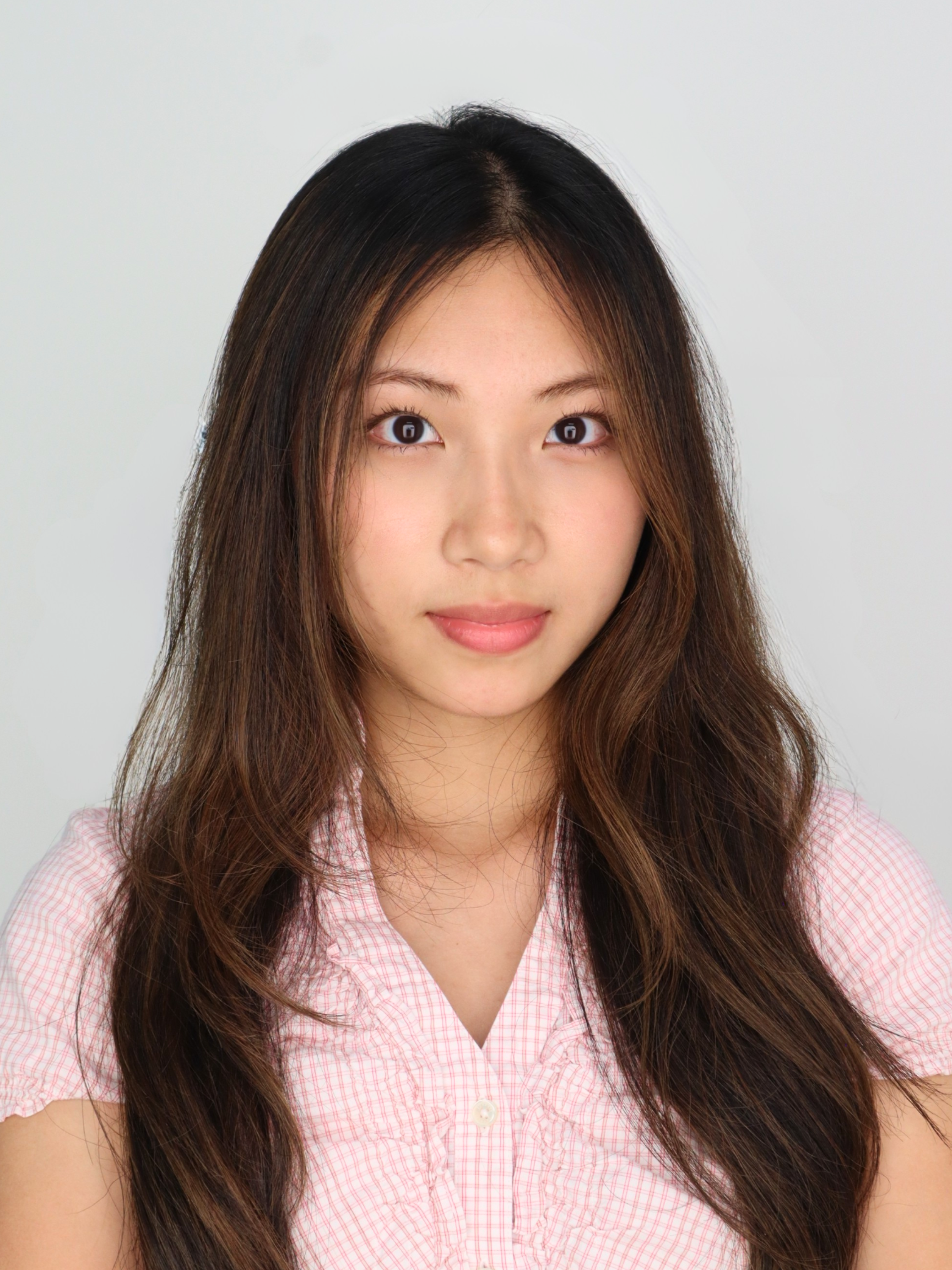
Hi! My name is Tessa Ngo, and I’m from Gulf Breeze, Florida. I’m a first-year student pursuing a Bachelor of Science in Psychology on the pre-med track.
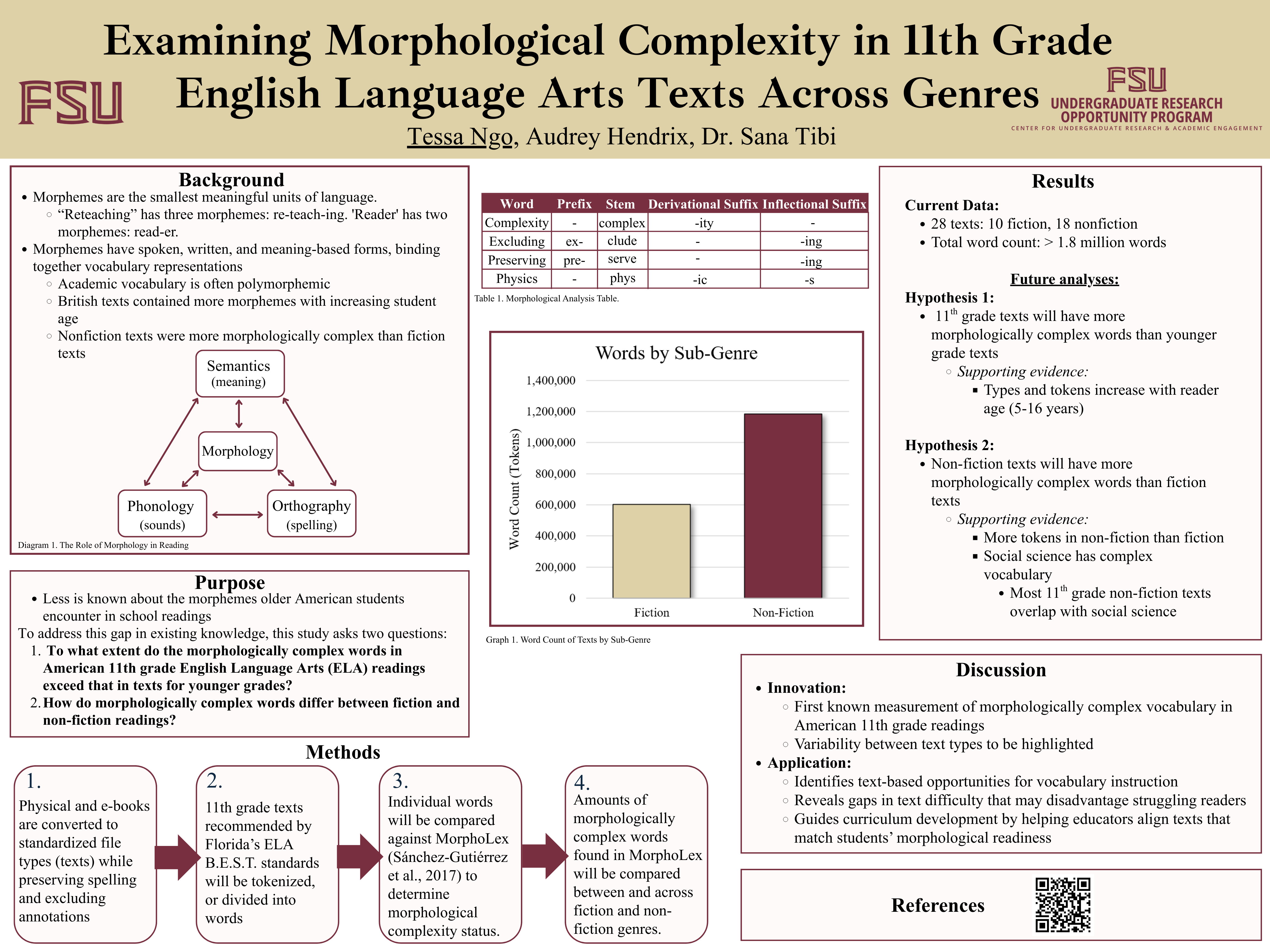
Examining Morphological Complexity in 11th Grade English Language Arts Texts Across Genres
Authors: Tessa Ngo, Audrey HendrixStudent Major: Psychology
Mentor: Audrey Hendrix
Mentor's Department: FSU School of Communication Science and Disorders Mentor's College: Florida State University Co-Presenters:
Abstract
Purpose:
Understanding morphemes, the smallest meaningful units of language (Carlisle, 2003), is essential to understanding complex academic vocabulary encountered in school readings (Nagy & Anderson, 1984) While previous studies (e.g., Dawson et al., 2023) examine both fiction and non-fiction British reading materials for students under 15, less is known about the morphemes encountered by older American teens. This study addresses two research questions: 1. To what extent does the proportion of morphologically complex words in American 11th grade English Language Arts (ELA) readings exceed that in texts for younger grades, reflecting increased morphological demands at the secondary level? 2. How does the proportion of morphologically complex words differ between fiction and non-fiction readings?
Method:
A corpus will be created from 32 eleventh-grade fiction and non-fiction texts recommended by Florida’s ELA B.E.S.T. standards. Words in these texts will be compiled, preserving original spelling and excluding annotations, and then categorized by morphological complexity within and across fiction and non-fiction genres.
Results:
Results are expected to show that Junior-level texts will have a higher amount of morphologically complex words compared to readings of students under 15. Non-fiction texts are expected to have a higher amount of morphologically complex words than fiction texts.
Conclusion:
Results are expected to inform reading instruction by providing detailed information on the amount of morphologically complex vocabulary that older high school students encounter in their ELA readings. Understanding how nonfiction and fiction texts differ in morphological complexity is expected to assist tailored reading instruction by genre.
Keywords: Morphology, Morphological Complexity, Corpus Analysis
26th annual Undergraduate Research Symposium, April 1, 2026
Leah Reardon Poster Session 2: 10:45 am - 11:45 am / Poster #164
BIO
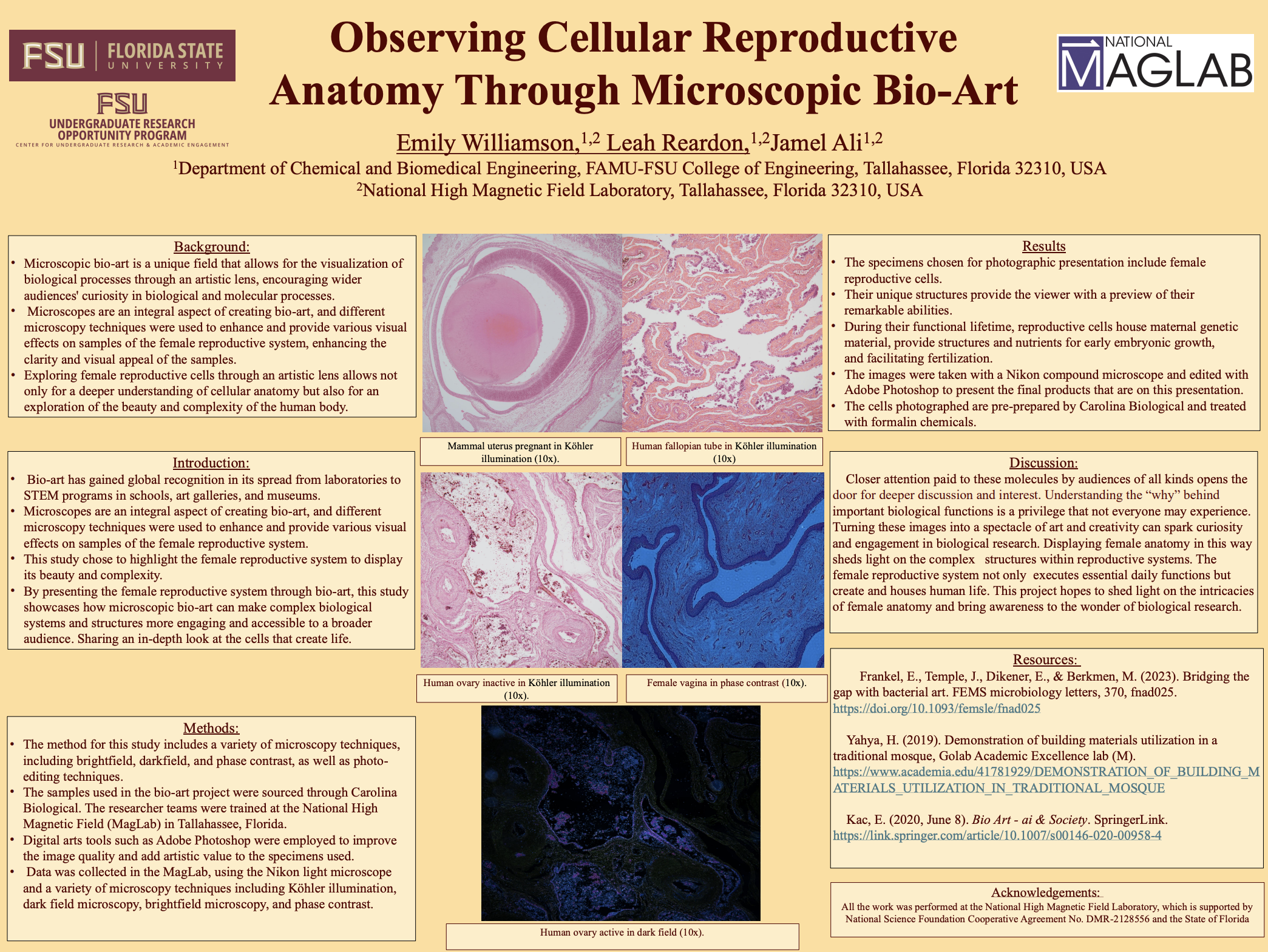
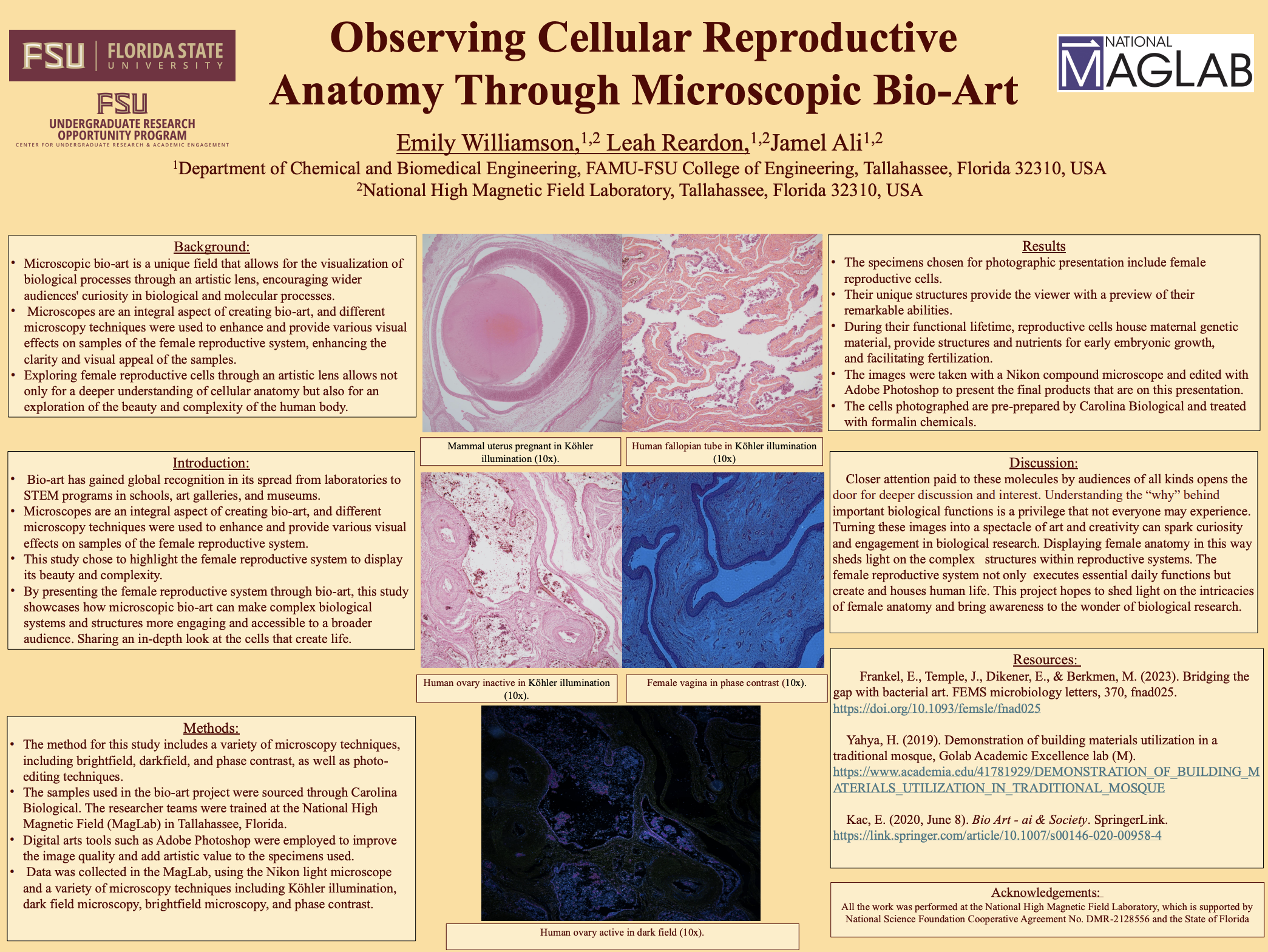
My name is Leah Reardon I am a neuroscience student pursing medical school, I am currently a junior at Florida State University. My research is on microscopic bio-art! This research integrates microscopy techniques such as kölher illumination, dark field, and bright field, and Adobe Photoshop to high. The purpose of this research is to bring awareness and outreach to biological research while highlighting the beauty of female anatomy.
Observing Cellular Reproductive AnatomyThrough Microscopic Bio-Art
Authors: Leah Reardon, Jamel AliStudent Major: Neuroscience
Mentor: Jamel Ali
Mentor's Department: Chemical Engineering Mentor's College: Florida State University Co-Presenters: Emily Williamson
Abstract
The Microscopic Bioart research project is a project designed to discover the artistic possibilities of biological tissues through microscopic photography. Eye-catching biological molecules bridge scientific and artistic mediums to the molecules that create life and allow us, as organisms, to exist. To be more specific, female reproductive cells are the carriers of our genetic information, and are crucial players in the process of beginning new life. Female reproductive cells were viewed through multiple types of microscopy, such as bright field, dark field, phase contrast, and Köhler illumination to capture the complexity of these cells. These photos were then edited through Adobe Photoshop to appear more aesthetically pleasing to the average viewer that may not know anything about biology. Photographs have been submitted to an annual Bioart competition hosted by Nikon, further spreading the works of art that come from human physiological systems. The unique structure of these complex molecules gives the viewer an idea of the impactful abilities they are able to perform. More attention brought to biological structures, such as female reproductive cells open the door for more conversation and engagement with research pertaining to them.
Keywords: Bio-Art; Biology; Female Anatomy
26th annual Undergraduate Research Symposium, April 1, 2026
Warren Miller Poster Session 4: 3:00 pm - 4:00 pm / Poster #268
BIO
Warren Miller is a first year undergraduate student pursuing a Bachelor of Science in Environmental Engineering. This year, he operated as a research mentee under Sumon Hossain Rabby within the Ahmadisharaf Research Lab.
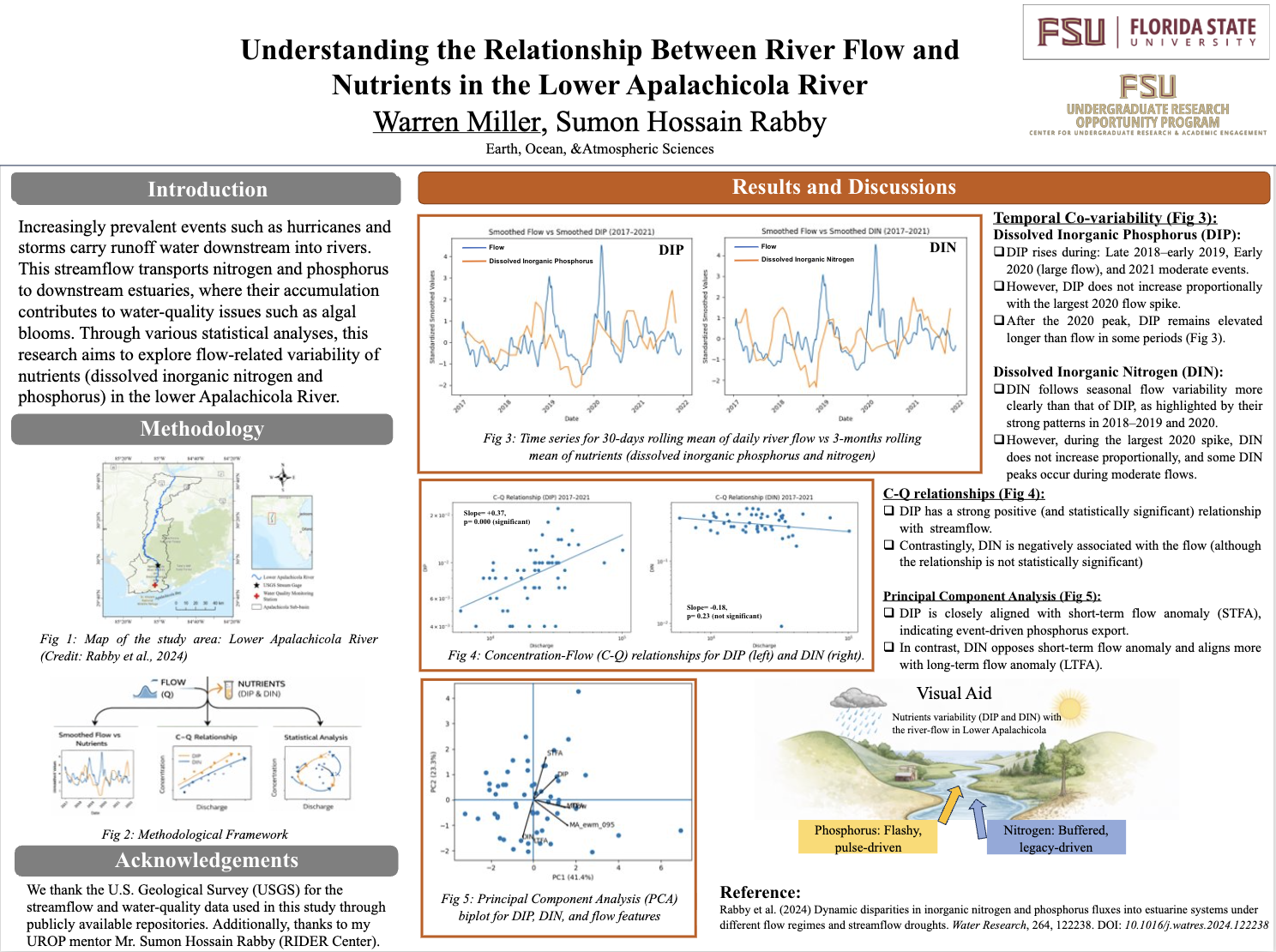
Understanding the Relationship Between River Flow and Nutrients in the Lower Apalachicola River
Authors: Warren Miller, Sumon Hossain RabbyStudent Major: Environmental Engineering
Mentor: Sumon Hossain Rabby
Mentor's Department: Department of Ocean and Atmospheric Sciences Mentor's College: Florida State University Co-Presenters:
Abstract
Increasingly prevalent events such as hurricanes and storms carry runoff water downstream into rivers. This streamflow transports nitrogen and phosphorus to downstream estuaries, where their accumulation contributes to water-quality issues such as algal blooms. Through various statistical analyses, this research aims to explore flow-related variability of nutrients (dissolved inorganic nitrogen and phosphorus) in the lower Apalachicola River.
Keywords: streamflow, water quality, nutrient variability, apalachicola river
26th annual Undergraduate Research Symposium, April 1, 2026
Jennifer Joseph Poster Session 2: 10:45 am - 11:45 am / Poster #24
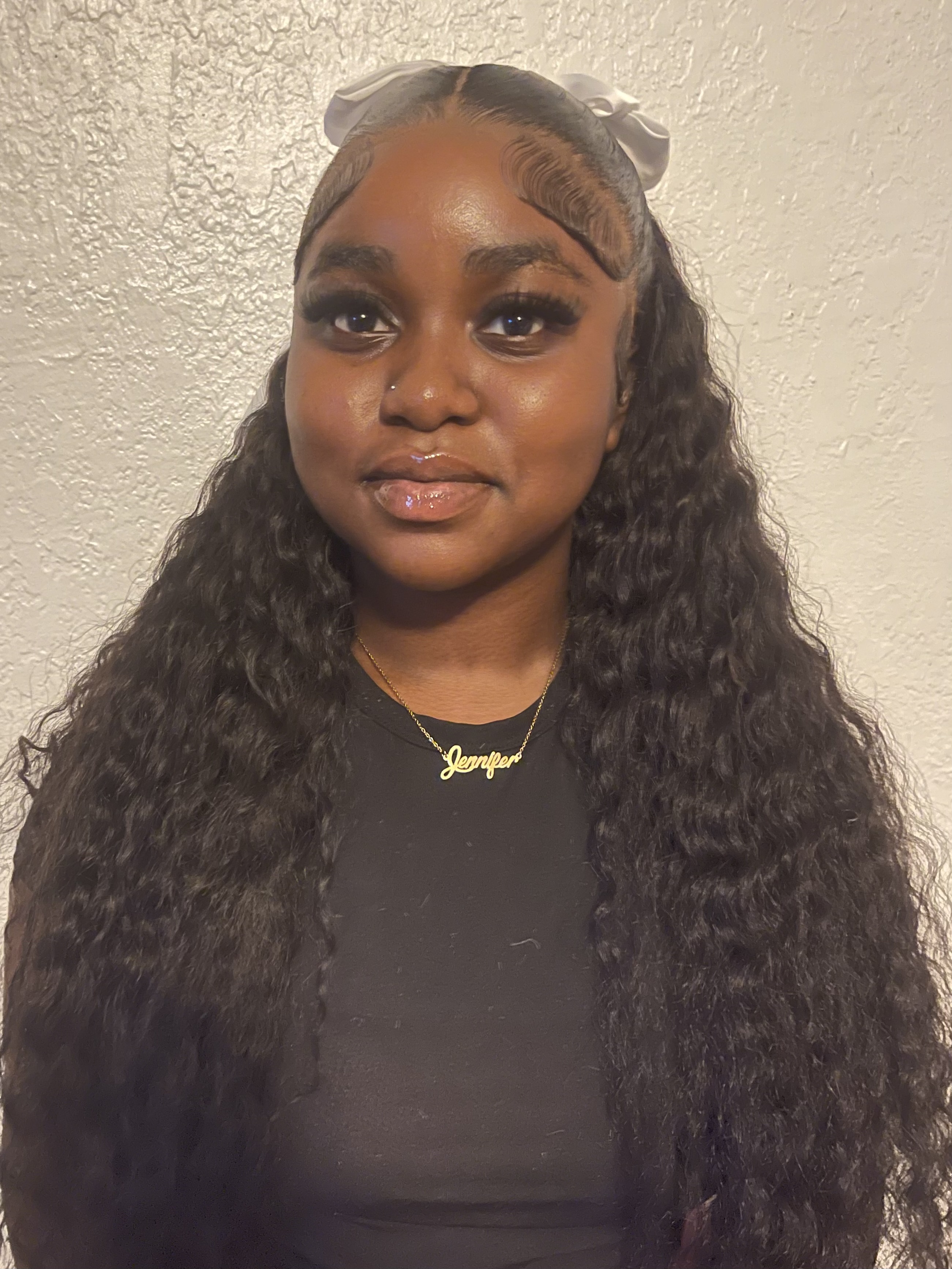
BIO
I am a psychology major on a pre-med track, originally from West Palm Beach, Florida. My research interests focus on lived experiences, identity development, mental health, and community-based storytelling, particularly within Black women’s communities. Through my work, I explore how personal narratives and shared experiences can serve as meaningful way of knowledge and reflection. My career goal is to attend medical school and become a child psychiatrist, where I hope to advocate for children’s mental health and support communities that have historically been overlooked in mental health research and care.
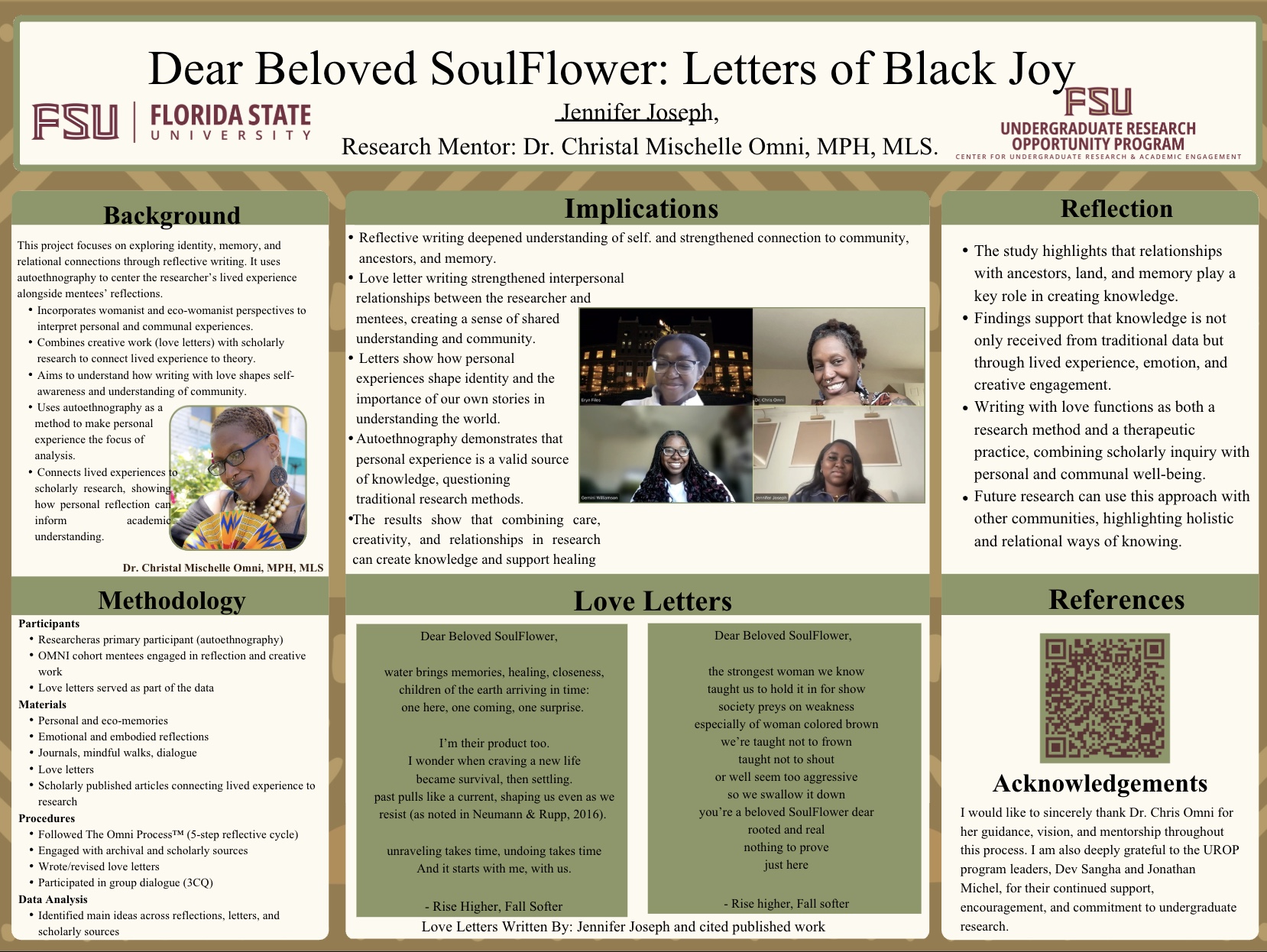
Dear Beloved SoulFlower: Letters of Black Joy
Authors: Jennifer Joseph, Dr. Christal Mischelle Omni, MPH, MLSStudent Major: Psychology
Mentor: Dr. Christal Mischelle Omni, MPH, MLS
Mentor's Department: Art Education Mentor's College: Fine Arts Co-Presenters:
Abstract
Autoethnography is a research method that centers personal experiences as a way of understanding culture and identity. Using this approach, this study examines Black women’s lived experiences as a meaningful source of knowledge. The research question focuses on how personal and communal experiences shape understanding and identity within Black women’s communities, highlighting why this research matters today. Instead of focusing on one specific research question, this project centers on connection, reflection, and shared understanding. Its purpose is to challenge traditional research methods that often overlook personal experiences and community-based knowledge. This study analyzed lived experiences using Kujima’s Theory of Collective Self-Motivation, eco-womanism, and the concept that knowledge can emerge from lived and embodied experiences. Personal experiences were treated as data and explored through a five-step process including visual analysis, mindful walking, reflective writing, and writing love letters. Fourteen love letters were created by mentees, and participants also completed 3CQ reflections (comment, compliment, connection, question, and quote) to encourage conversation and build community. The findings suggest that this approach strengthened relationships, encouraged deeper reflection, and highlighted the ways storytelling can influence understanding of identity and community. Results indicate that creative and experience-based methods can provide meaningful insights into personal and collective experiences. These findings help highlight the ways personal and shared experiences contribute to knowledge, showing the significance of lived experience in academic research. Future research should continue exploring autoethnography as a way to better understand lived experiences and scholarly writing.
Keywords: Eco-Womanism, Autoethnography, Idenitity
26th annual Undergraduate Research Symposium, April 1, 2026
Emal Kashif Poster Session 2: 10:45 am - 11:45 am / Poster #40
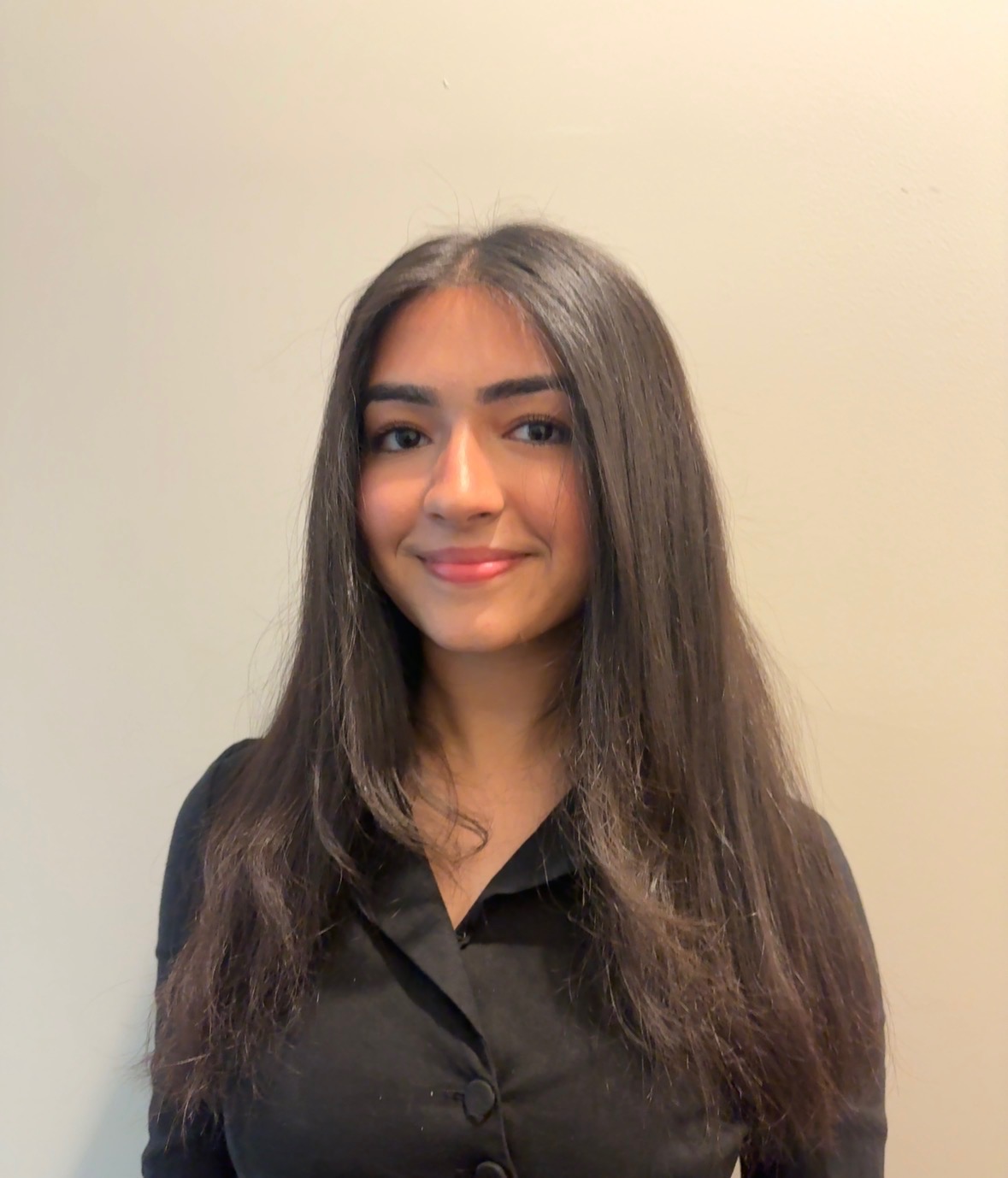
BIO
Emal Kashif is a second-year Biological sciences major at Florida State University pursuing a Bachelor of Science degree on the pre-dental track. She is involved in the Undergraduate Research Opportunity Program (UROP), researching in the Trauma-Informed Systems of Care program under Dr. Millender where her work focuses on color-based discrimination and mental health outcomes. Emal's academic interests center on a future in dental school where she plans to integrate her research on public health awareness and trauma-informed approaches into patient-centered care.
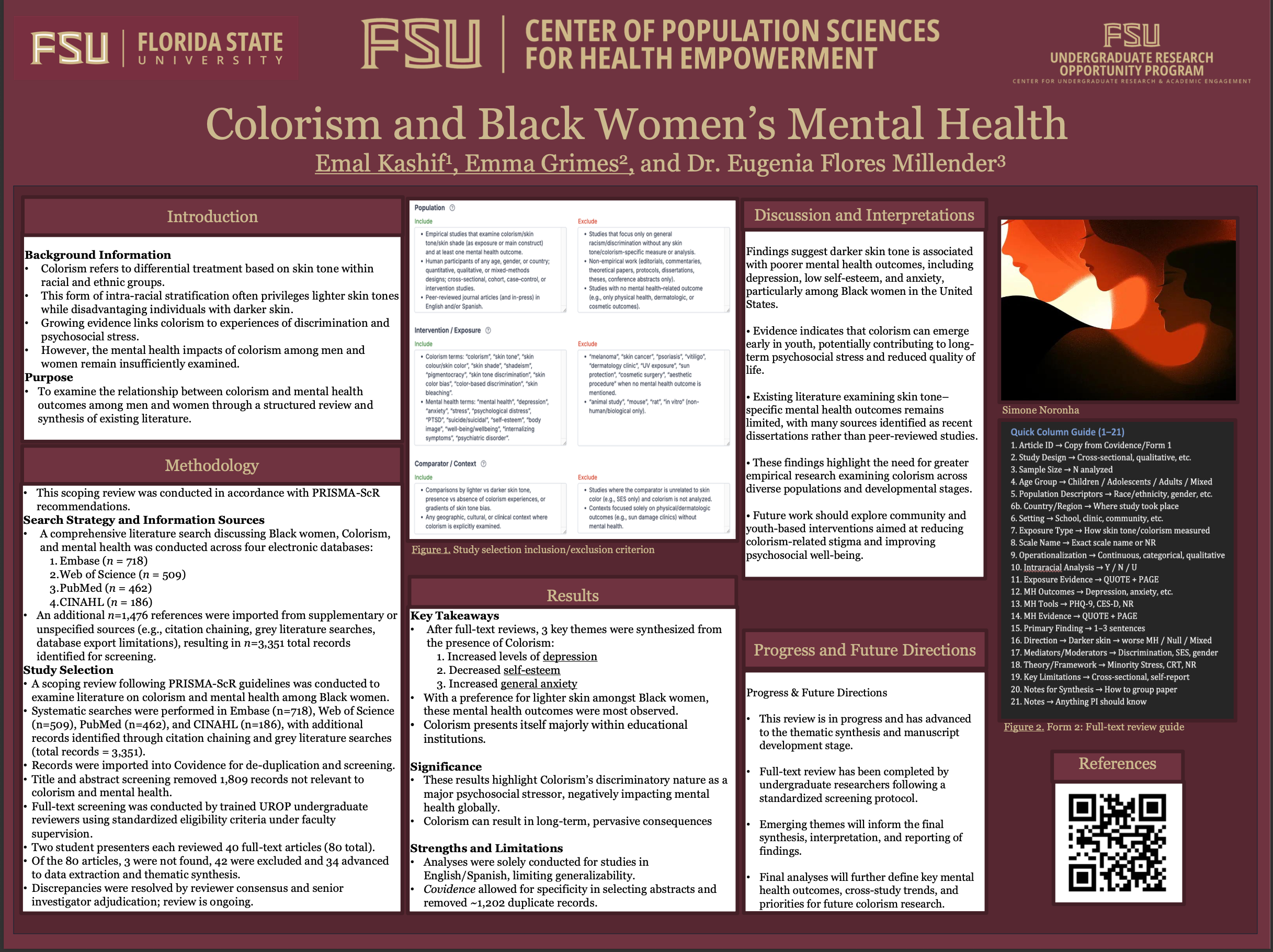
Colorism and Black Women's Mental Health
Authors: Emal Kashif, Dr. Eugenia Flores MillenderStudent Major: Biological sciences
Mentor: Dr. Eugenia Flores Millender
Mentor's Department: Center of Population Sciences for Health Empowerment Mentor's College: Nursing Co-Presenters: Emma Grimes
Abstract
Colorism refers to prejudice based on skin tone, with individuals of darker skin tones typically encountering negative biases more frequently in comparison to those of lighter skin tones. This phenomenon occurs within as well as between racial groups and has had a detrimental impact on the mental health of people with darker skin tones. On a team of several other research assistants, we each screened approximately 500 abstracts (2,145 total)
for relevant data concerning the effects of Colorism on the mental health of primarily African American women, then further reviewed 40 full-texts to determine if they were applicable for the final scoping review.
Keywords: Colorism, Mental health, Depression
26th annual Undergraduate Research Symposium, April 1, 2026
Adan Del Cid Oseguera Poster Session 4: 3:00 pm - 4:00 pm / Poster #294
BIO
Adan Del Cid is an undergraduate student pursuing a Bachelor of Science in Computer Engineering at Florida State University. Through the Undergraduate Research Opportunity Program, he is gaining hands-on research experience under the guidance of Dr. Ryan Gosse. His current work involves exploring Computational Fluid Dynamics for hypersonic flow. During his studies, which have included three appearances on the President's List, Adan has enjoyed developing practical skills with MATLAB and embedded systems. After graduation, he hopes to further his education in graduate school and contribute to the hardware engineering field.
Analysis of Hypersonic Flow Over Aircraft Pressure Sensors
Authors: Adan Del Cid Oseguera, Ryan GosseStudent Major: Computer Engineering
Mentor: Ryan Gosse
Mentor's Department: Mechanical Engineering Mentor's College: FAMU-FSU College of Engineering Co-Presenters:
Abstract
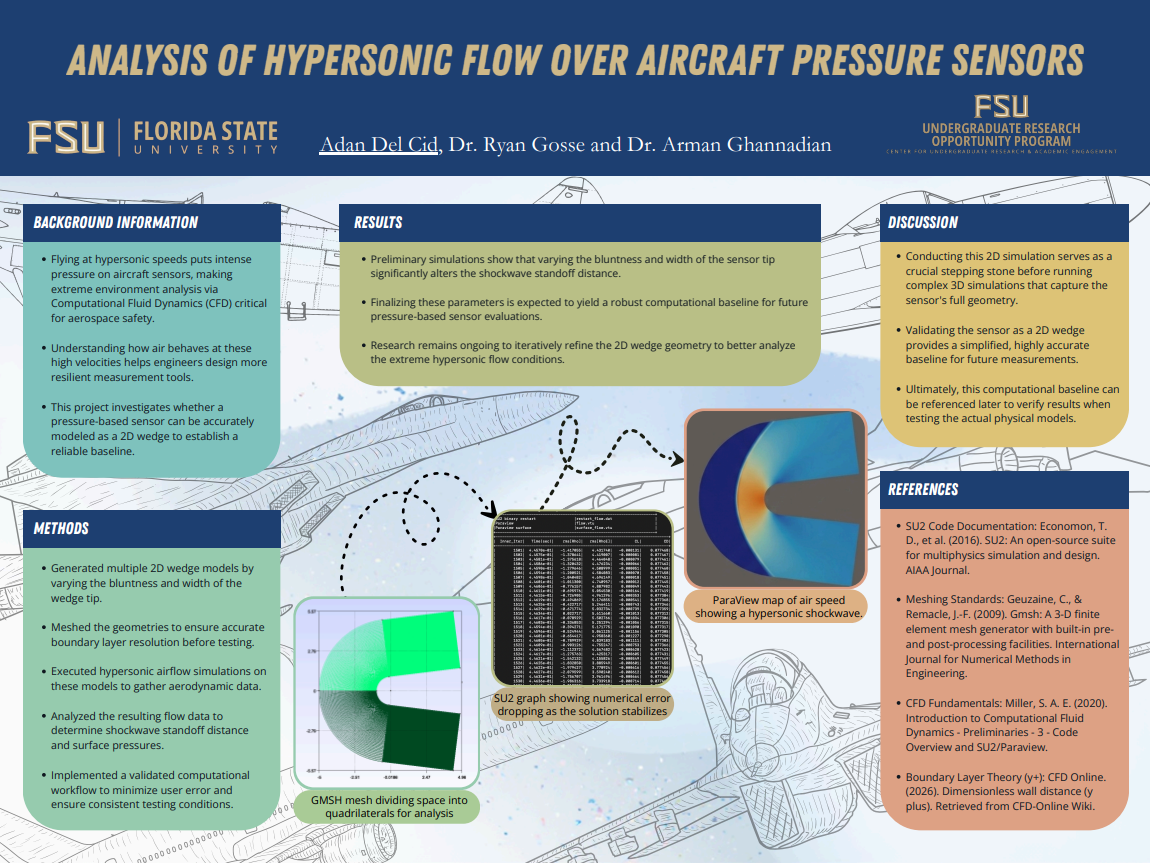
Flying at hypersonic speeds puts intense pressure on aircraft sensors. Analyzing this extreme environment using computer simulations known as Computational Fluid Dynamics is critical for aerospace safety. Understanding how air behaves at these high velocities helps engineers design more resilient measurement tools. This research is to understand if a pressure based sensor can be accurately modeled as a two dimensional wedge. This project focuses on generating various wedge models, running the airflow simulations, and analyzing the resulting aerodynamic data. Changing the bluntness and width of the wedge tip directly affects the shockwave standoff distance and the pressure reaching the sensor surface. Conducting this two dimensional simulation serves as a crucial step before running complex three dimensional simulations that capture the full geometry of the sensor for more accurate measures. Ultimately, this validated workflow reduces user error and provides a reliable computational baseline that can be referenced later when testing the physical models.
Keywords: Aerospace Plane Simulation Mechanical Engineering
26th annual Undergraduate Research Symposium, April 1, 2026
Alana Banton Poster Session 3: 1:45 pm - 2:45 pm / Poster #246
BIO
An undergraduate student pursuing a dual degree in Behavioral Neuroscience and Public Health, with minors in Chemistry and Biomedical Physics, Alana is deeply interested in understanding and addressing global health disparities. As a pre-medical student, her interests center on the inequities that affect populations in less fortunate countries, where access to healthcare, medical resources, and research opportunities is often limited.
Her academic focus explores the brain and its role in behavior, cognition, and disease while also examining the broader social, environmental, and structural factors that shape health outcomes. Through her studies, she has developed a strong foundation in neuroscience, experimental design, and quantitative analysis. Her training in public health further allows her to investigate how systemic and societal conditions influence population health on a global scale. Beyond academics, she is committed to serving underserved communities and advocating for more equitable healthcare systems. Ultimately, she hopes to pursue a career in medicine where she can integrate scientific research with compassionate patient care, working to reduce health disparities and improve outcomes for vulnerable populations worldwide.
Cognitive Skills Model for Predicting Alzheimer's Disease
Authors: Alana Banton, Dorota Kossowska-KuhnStudent Major: Behavioral Neuroscience + Public Health
Mentor: Dorota Kossowska-Kuhn
Mentor's Department: Psychology Mentor's College: Arts and Sciences Co-Presenters: Gianna Diaz and Davion Slocum
Abstract
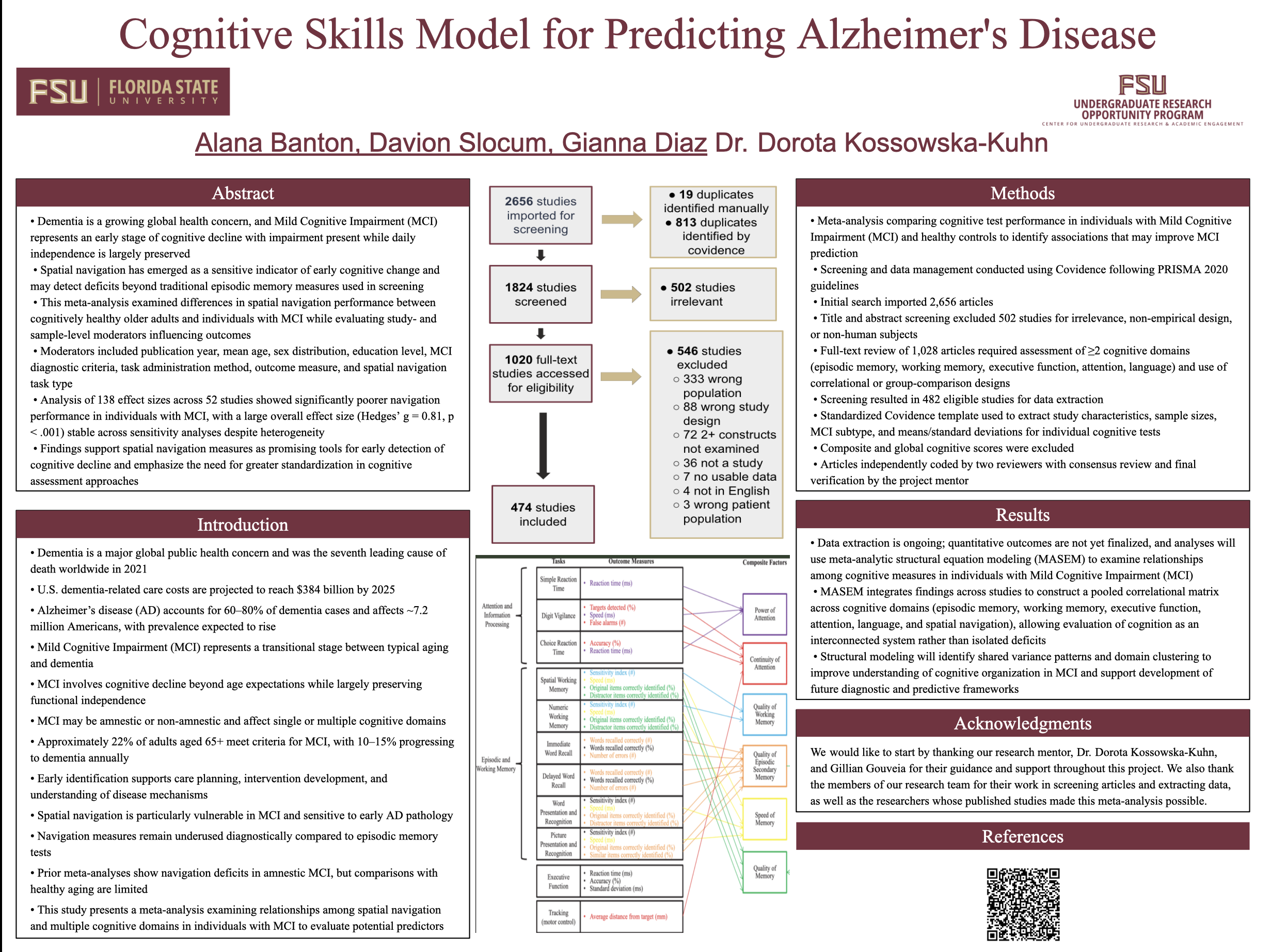
Across 52 studies (138 effect sizes), individuals with Mild Cognitive Impairment (MCI) performed significantly worse on spatial navigation tasks than cognitively healthy older adults, with a large overall effect (Hedges’ g = 0.81, p < .001). While this finding remained consistent across analyses, significant variability between studies suggested that other factors may influence the strength of this relationship. Because MCI is often considered a transitional stage between normal aging and dementia, identifying early indicators of decline is critical. Although episodic memory has traditionally been the focus of early detection, growing evidence suggests spatial navigation deficits may appear earlier and serve as sensitive markers of preclinical cognitive change. This meta-analysis examined spatial navigation performance differences between healthy older adults and individuals with MCI and explored potential moderating factors, including participant demographics, diagnostic criteria, and task characteristics. Moderator analyses showed marginal trends related to the proportion of male participants, the use of matrix-based navigation tasks, and the diagnostic criteria used for MCI, though none reached statistical significance. Overall, the findings support the potential of spatial navigation assessments as tools for early detection of cognitive decline and highlight the need for greater standardization in how these abilities are measured across studies.
Keywords: Alzheimer's Disease, Spatial Navigation, Dementia, Test Validation
26th annual Undergraduate Research Symposium, April 1, 2026
Sofia West Poster Session 3: 1:45 pm - 2:45 pm / Poster #205
BIO
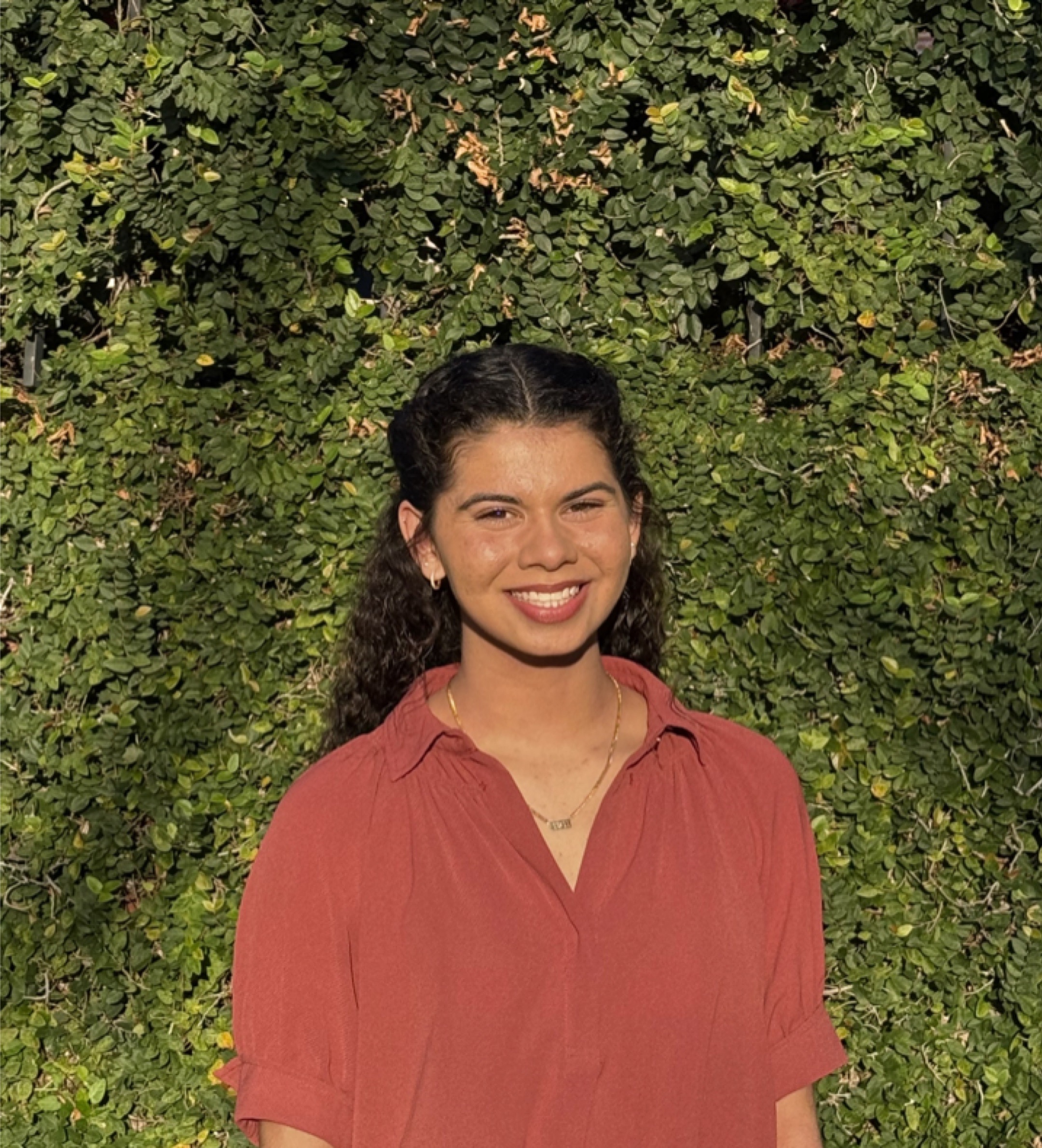
My name is Sofia West, and I am a first year biology major on the pre-med track at Florida State University. I am originally from Jacksonville, Florida, and I am an honors student as well as a member of the Presidential Scholars Program. I have a strong interest in biological and medical research, particularly in understanding how scientific discoveries can improve human health and advance medicine. Through my studies, I hope to gain meaningful research experience and continue developing my scientific and analytical skills. After completing my undergraduate education, I plan to attend medical school and pursue a career as a radiologist, where I can combine my passion for science with helping others.
Microscopic BioArt
Authors: Sofia West, Dr. Jamel AliStudent Major: Biological Sciences
Mentor: Dr. Jamel Ali
Mentor's Department: Chemical and Biomedical Engineering Mentor's College: FAMU-FSU College of Engineering Co-Presenters:
Abstract
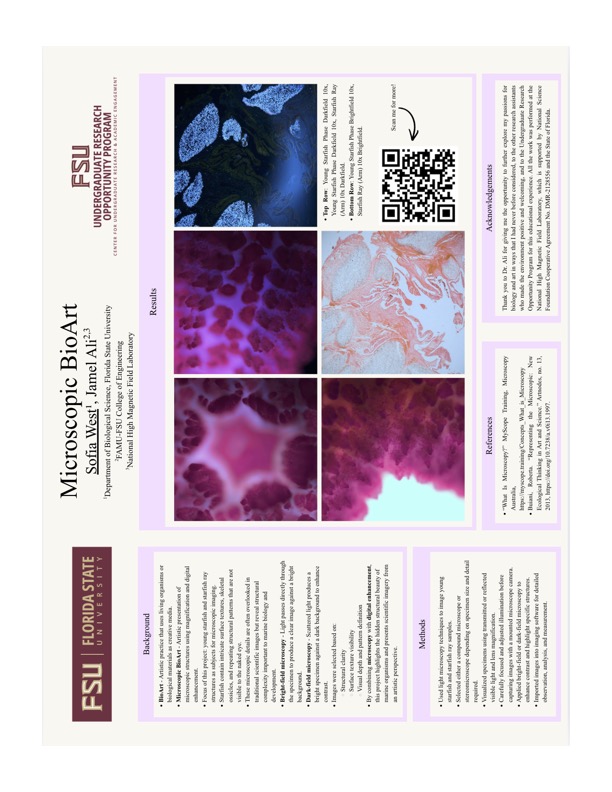
BioArt is an artistic movement at the intersection of biology and visual art that uses living tissues or organisms as its medium to highlight biological structures in ways that differ from traditional scientific presentation. The aim of this work was to reveal the hidden beauty of the ocean by presenting a series of microscopic images of starfish. Microscopic BioArt, in particular, reveals the complexity and beauty of the microscopic world through vivid color and striking imagery. In this project, a microscope equipped with a Nikon camera attachment was used to capture high-resolution images, which were then enhanced using DaVinci Resolve to add color and visual depth.The resulting images revealed complex, textured surfaces and structural patterns not visible to the naked eye. The digital enhancement process accentuated these details, transforming the biological structures into vibrant, abstract compositions.Through this fusion of science and art, viewers are encouraged to appreciate marine life from a new, artistic perspective.
Keywords: BioArt, Microscopes, Photography, Starfish
26th annual Undergraduate Research Symposium, April 1, 2026
Brylee Drennan Poster Session 2: 10:45 am - 11:45 am / Poster #276
BIO
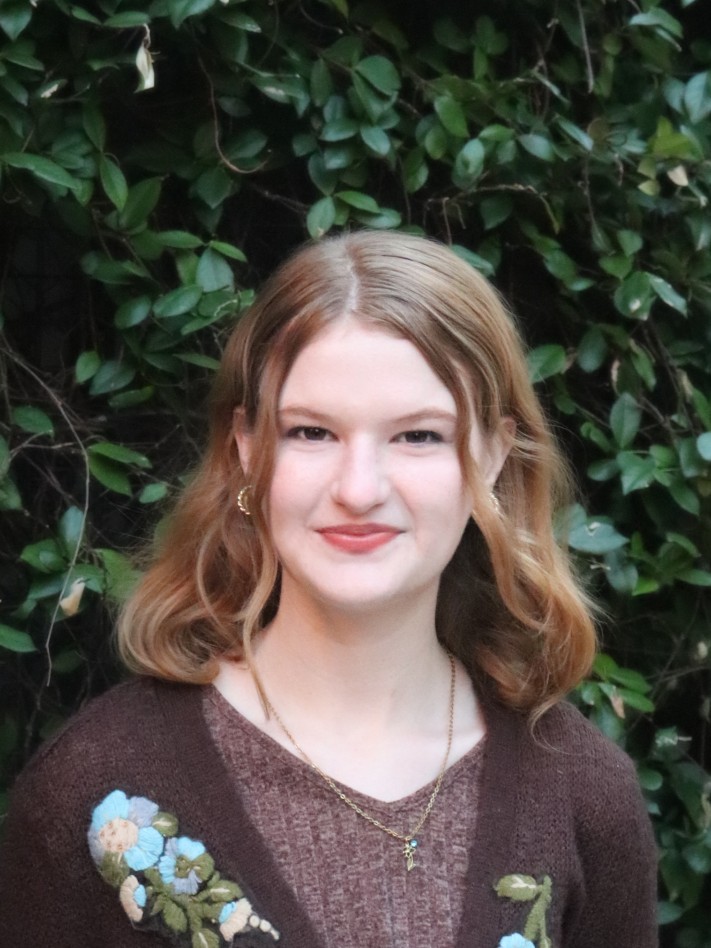
Brylee Drennan is a first-year undergraduate at Florida State University, pursuing a Bachelor of Science in Environmental Science. From McCormick, South Carolina, Brylee is driven by a passion for exploring the connections between people, their health, and the land. Her research interests lie at the intersection of anthropology and environmental science, with a particular focus on how ecological systems shape human well-being.
Brylee currently works as an Undergraduate Research Opportunity Program (UROP) researcher under the mentorship of Dr. Eric Shattuck, where she studies connectedness to nature and health in Florida State University students. After completing her undergraduate degree, Brylee plans to pursue graduate studies, further combining her interdisciplinary interests to address pressing environmental challenges.
EXPOSURE TO NATURAL SETTINGS AND HEALTH IN FLORIDA STATE UNIVERSITY STUDENTS
Authors: Brylee Drennan, Dr. Eric ShattuckStudent Major: Environmental Science
Mentor: Dr. Eric Shattuck
Mentor's Department: Anthropology Mentor's College: College of Arts and Sciences Co-Presenters: Danielle Fuentes
Abstract
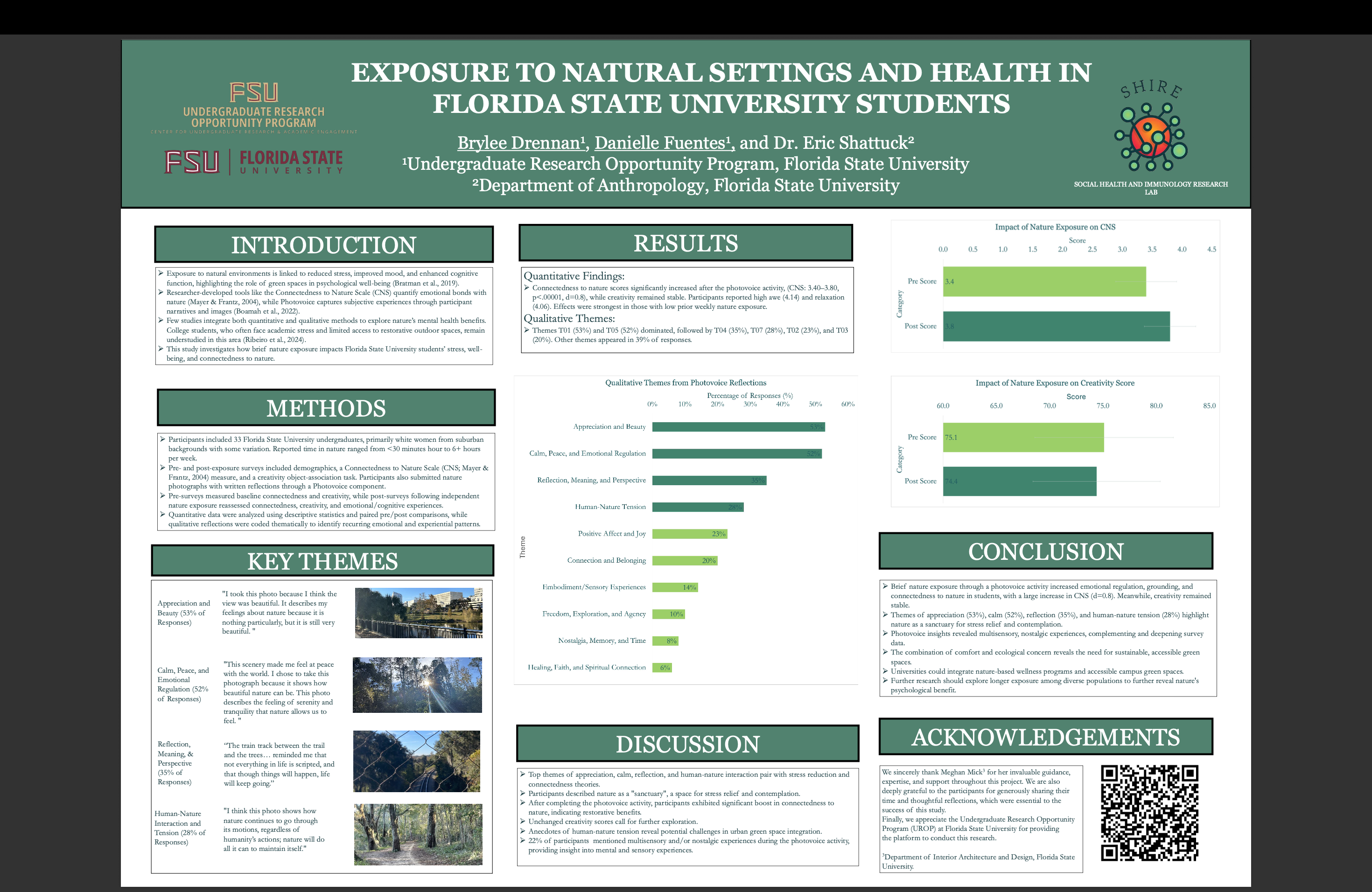
Exposure to natural settings is linked to improved mental well-being, but how college students personally experience nature remains understudied. This project explored perceptions of natural settings among 33 Florida State University students, primarily white (85%) women (82%) from suburban backgrounds (72%). Participants completed surveys before and after spending time in nature and were asked to provide three pictures that captured what nature means to them alongside written reflections.
Analysis of 88 thematic responses revealed several key themes. Appreciation of Beauty and Calm/Emotional Regulation were most prevalent, followed by Reflection and Perspective as well as Human-Nature Interaction. Participants also described Positive Affect, Connection to Nature, Sensory Experiences, and Spiritual/Healing themes respectively. Quantitatively, connectedness to nature increased modestly (pre: M=3.42, SD=0.98; post: M=3.82, SD=0.99), while creativity scores remained fairly stable (pre: M=75.28, SD=6.46; post: M=74.43, SD=5.97).
Results highlight nature’s potential as a stress-relief resource for students. Future work could expand demographic diversity, refine mental health assessments, and explore longitudinal effects. Campus initiatives, such as guided nature walks, could promote outdoor engagement to support well-being and academic success.
Keywords: nature, mental health, student well-being
26th annual Undergraduate Research Symposium, April 1, 2026
Shae Steenbergh Poster Session 4: 3:00 pm - 4:00 pm / Poster #216
BIO
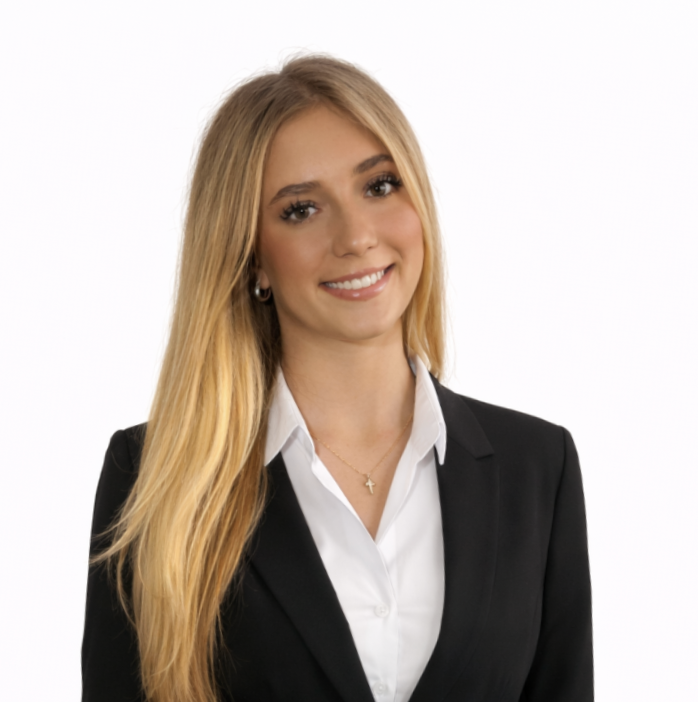
Shae Steenbergh is a second-year student at Florida State University pursuing a Bachelor of Science in Criminology with a minor in Psychology and a Certificate in U.S. Intelligence Studies. She has been recognized on the President’s List or Dean’s List each semester for her academic performance. Shae’s academic interests focus on the intersection of criminology, psychology, and intelligence analysis, particularly how psychological factors influence threat perception and investigative decision-making. She participates in the Undergraduate Research Opportunity Program (UROP) in the March Research Laboratory, where she contributes to research examining contamination threat perceptions and their relationship with authoritarian attitudes across ideological spectrums. Her work includes analyzing survey-based behavioral data, applying validated psychological scales, and translating quantitative findings into concise analytical summaries. In addition to her research, Shae has experience in data analysis, including cleaning and analyzing large datasets and creating dashboards to visualize trends and support data-driven decision-making. She also serves as an Open-Source Intelligence intern in a disaster intelligence analysis program, where she gathers and analyzes publicly available information to produce structured intelligence reports that support situational awareness for public safety stakeholders. Shae is an active member of Lambda Alpha Epsilon – the American Criminal Justice Association. Following graduation, she hopes to pursue a career in federal law enforcement or intelligence analysis, with a focus on investigative and national security-related work.
Contamination Threat Bias Predicts Left and Right-Wing Authoritarian Support
Authors: Shae Steenbergh, Dr. David MarchStudent Major: Criminology
Mentor: Dr. David March
Mentor's Department: Department of Psychology Mentor's College: College of Arts and Sciences Co-Presenters: Sarah Padron
Abstract
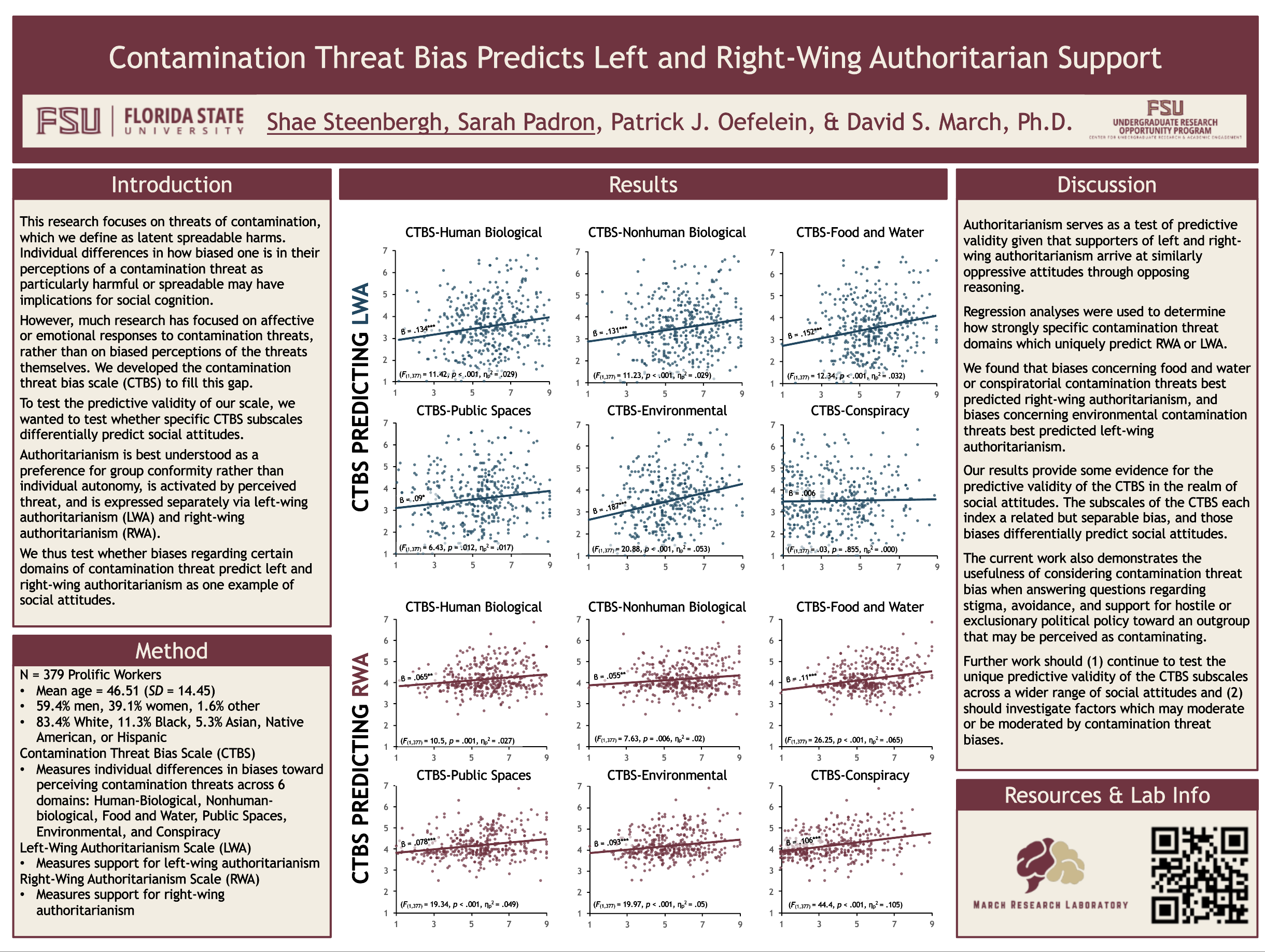
This research focuses on threats of contamination, which we define as latent spreadable harms. Individual differences in how biased one is in their perceptions of a contamination threat as particularly harmful or spreadable may have social cognitive implications. However, much research has focused on sensitivity to disgust, one emotional response to contamination threats, rather than on biased perceptions of the threats themselves. We thus developed the contamination threat bias scale (CTBS) to fill this gap. To test the predictive validity of our scale, we tested whether specific subscales can predict authoritarian support. Authoritarianism is best understood as a motivation for group conformity rather than individual autonomy, is activated by perceived threat, and is expressed separately via left-wing authoritarianism (LWA) and right-wing authoritarianism (RWA). We test whether biases regarding certain domains of contamination threat predict authoritarianism as a measure of social cognitive attitudes. Data were collected online through Prolific from a sample representative of the U.S. population on basic demographics. Participants rated how harmful and spreadable they believed different contamination sources were, including human biological, nonhuman biological, food and water, environmental, and public-space contaminants. These responses were used to predict support for RWA and LWA. We found that when controlling for every other subscale, food and water contaminants most strongly predict RWA, whereas environmental contaminants most strongly predict LWA. The findings show individual biases in contamination threat perception have social cognitive consequences, and thus the CTBS has useful applications in social cognitive research more generally.
Keywords: Threat bias, Social cognition, Individual differences, Pathogens, Contamination
26th annual Undergraduate Research Symposium, April 1, 2026
Neil Jhala Poster Session 2: 10:45 am - 11:45 am / Poster #62
BIO
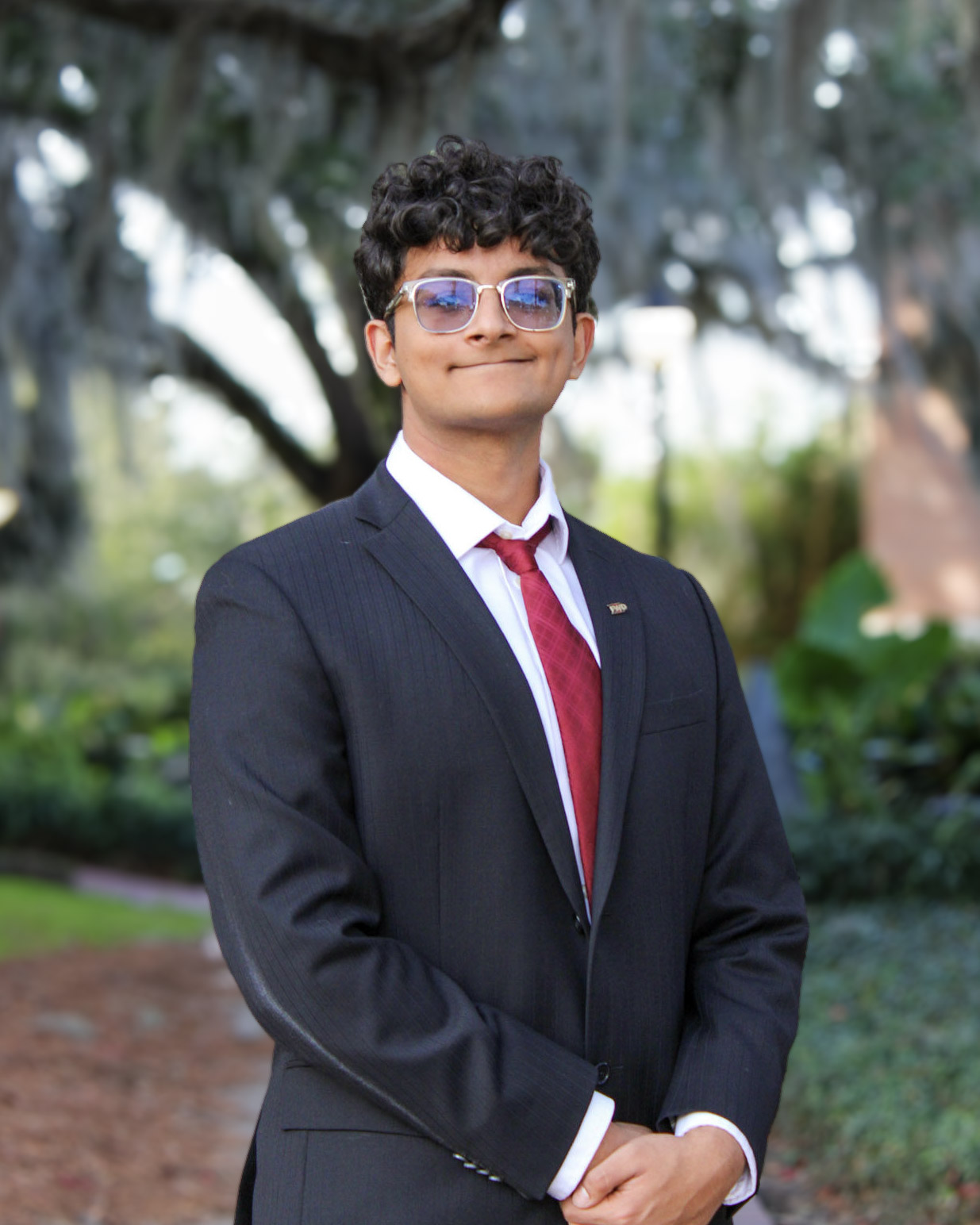
Neil Jhala is a sophomore at Florida State University, majoring in Biomedical Sciences on the Pre-med track. Originally from Margate, Florida, his research interests include Nephrology and Immunology.
he use of human and mouse PBMCs to identifying monoclonal antibodies against virulence factors of streptococcus pyogenes
Authors: Neil Jhala, Dr. Jarrod MousaStudent Major: Biomedical Sciences
Mentor: Dr. Jarrod Mousa
Mentor's Department: Department of Biomedical Sciences Mentor's College: College of Medicine Co-Presenters: n/a
Abstract
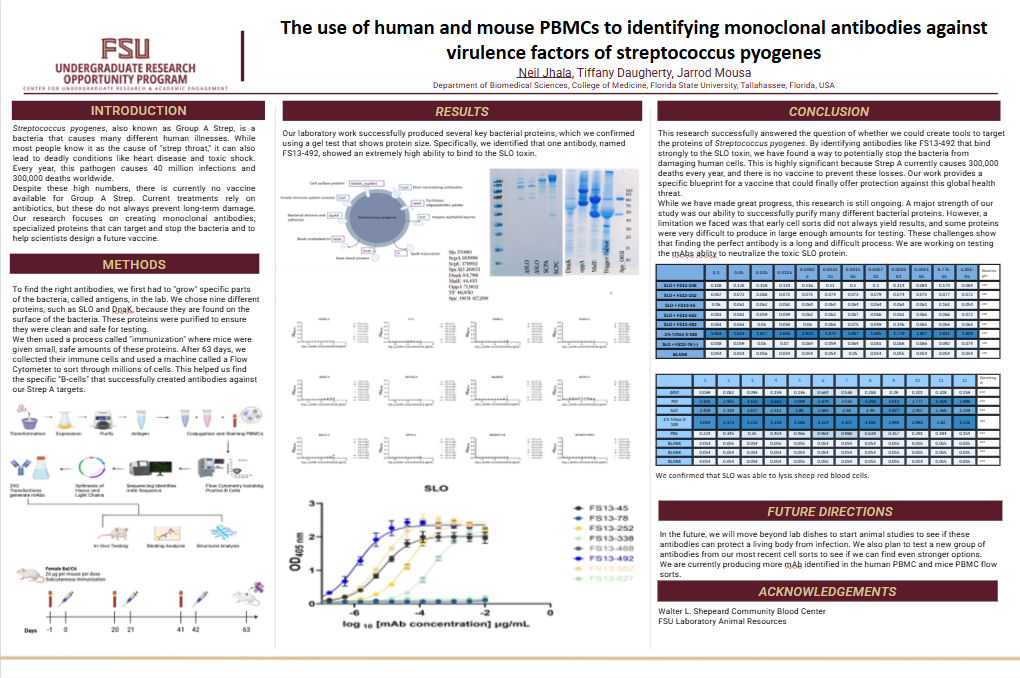
Streptococcus pyogenes, also known as Group A Strep, is a bacteria that causes many different human illnesses. While most people know it as the cause of "strep throat," it can also lead to deadly conditions like heart disease and toxic shock. Every year, this pathogen causes 40 million infections and 300,000 deaths worldwide. Despite these high numbers, there is currently no vaccine available for Group A Strep. Current treatments rely on antibiotics, but these do not always prevent long-term damage. Our research focuses on creating monoclonal antibodies; specialized proteins that can target and stop the bacteria and to help scientists design a future vaccine.
Keywords: Group A Strep