
Research Symposium
26th annual Undergraduate Research Symposium, April 1, 2026
Chloe Prodromou Poster Session 2: 10:45 am - 11:45 am / Poster #228

BIO
Chloe Prodromou is a first-year Marketing student at Florida State University. She plans to add a duel degree on to her academic track pursing International Affairs (Asian Studies). Originally from Miami Beach, Chloe is a first-generation college student with a passion for international business, philosophy, and history.
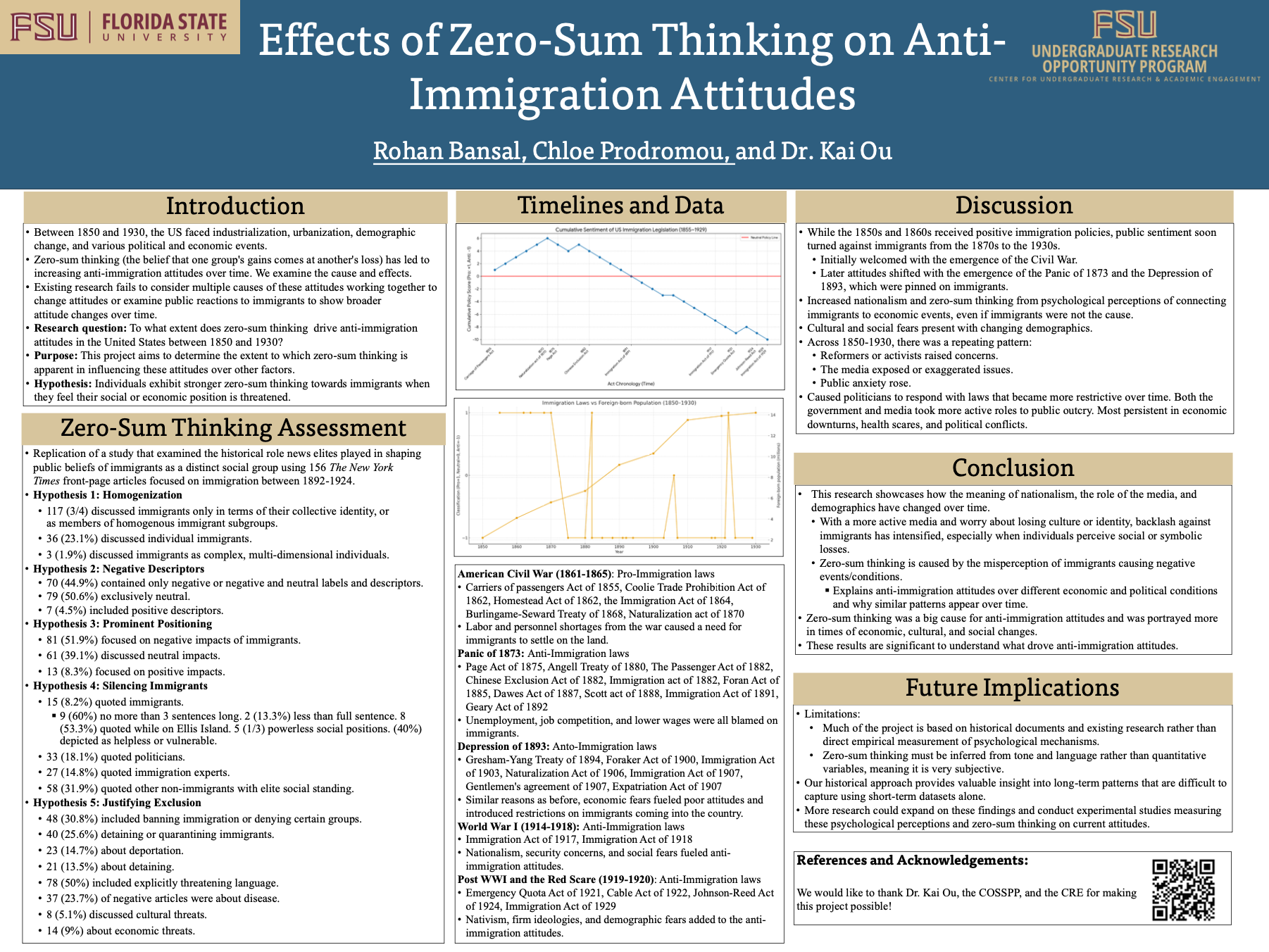
Effects of Zero-Sum Thinking on Anti-Immigration Attitudes
Authors: Chloe Prodromou, Dr. Kai OuStudent Major: Marketing
Mentor: Dr. Kai Ou
Mentor's Department: Political Science Mentor's College: College of Social Sciences and Public Policy Co-Presenters: Rohan Bansal
Abstract
Anti-Immigration attitudes have been held by various United States and foreign citizens, but what factors influence these anti-immigration attitudes? This project aims to determine the extent to which anti-immigration attitudes can be explained by zero-sum thinking, which is the tendency to believe one group’s gains come at another's loss. By examining zero-sum thinking and other relevant factors such as nationalism, patriotism, etc., we can determine what conditions lead to anti-immigration sentiments and whether history is repeating itself. We examined federal legislation from 1850-1930 to see how attitudes shifted over time. Additionally, we replicated a study that examined the historical role news elites played in shaping public beliefs of immigrants as a distinct social group. Through our research, we found that people tend to exhibit high levels of zero-sum thinking when they feel threatened in their current role, which influences negative attitudes. These preliminary results, based on historical documents and statistics, could be further studied through various experiments to ensure strict causality and determine which factors determine anti-immigration attitudes the most. Understanding the causes of anti-immigration attitudes allows us to understand the increasing degree of political polarization, how and why exclusionary policies are enacted, and demonstrates the psychological perceptions in driving public opinion and legislation. By analyzing past and current patterns, we can make predictions about the future and target the factors causing the anti-immigration attitudes.
Keywords: Zero-Sum Thinking, Immigration, Anti-Immigration
26th annual Undergraduate Research Symposium, April 1, 2026
Kylie McDaniel Poster Session 3: 1:45 pm - 2:45 pm / Poster #262
BIO
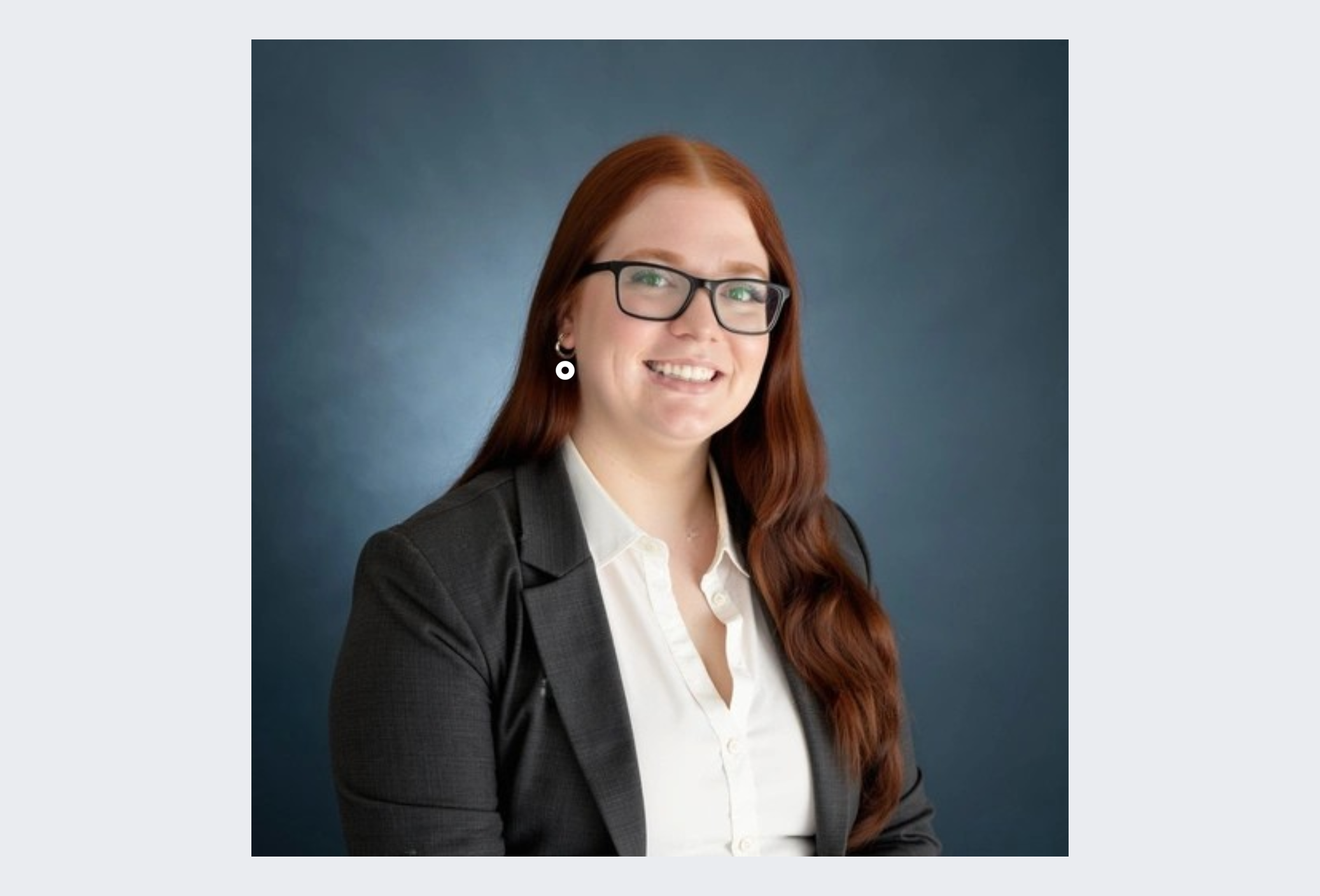
I am an undergraduate student studying Public Health on a pre-medical track. I am originally from Key West, Florida, where my interest in health promotion and community health first developed. My academic interests focus on substance use recovery, health behavior, and improving access to supportive health resources for students in higher education. My current research focuses on Collegiate Recovery Programs (CRPs) and the role of the Association of Recovery in Higher Education (ARHE) as an outlook on the effectiveness of these programs, particularly regarding student outcomes. This project examines how a specialized research database centered on collegiate recovery can serve as a resource for institutions looking to establish or improve recovery programs on campus. By analyzing existing research and organizing it within this database, the project aims to help guide new programs and interventions that can better support college students in recovery across the United States. Through my research and academic work, I hope to contribute to expanding recovery resources in higher education while preparing for a future career in medicine.
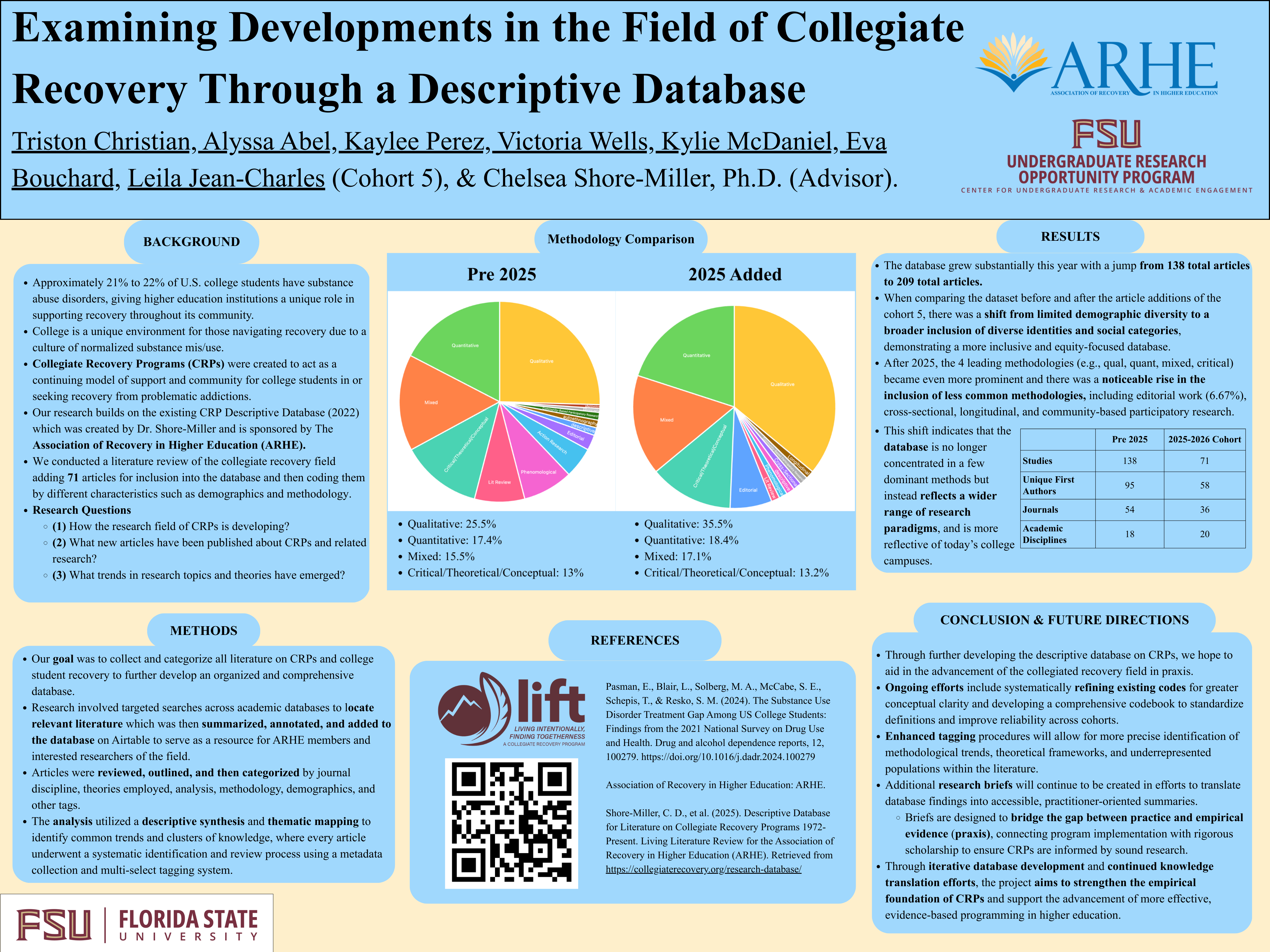
Examining Developments in the Field of Collegiate Recovery Through a Descriptive Database
Authors: Kylie McDaniel, Chelsea Shore-MillerStudent Major: Public Health
Mentor: Chelsea Shore-Miller
Mentor's Department: Descriptive Database Mentor's College: Association of Recovery in Higher Education Co-Presenters: Triston Christian, Alyssa Abel, Kaylee Perez, Victoria Wells, Eva Bouchard, Leila Jean-Charles
Abstract
Collegiate Recovery Programs (CRPs) are offered at most colleges and universities throughout the country as a way to help students recover from substance abuse issues and harbor new environments for them to succeed. Substance use disorder (SUDs) is a major problem on college campuses, according to studies that approximate 21% to 22% of U.S. college students have substance abuse disorders which is why CRPs are crucial to universities across the country. Throughout our research, we used an online descriptive database to integrate all existing research articles on the topic of CRPs starting from 2020. We input these articles categorizing them by theories, methods, demographics, etc. This database is provided to the Association of Recovery in Higher Education (ARHE) as an outlook on the effectiveness of CRPs, especially student outcomes. Using this specific database can be a resource for new programs and interventions that can be a better pathway for college students across the U.S. Limitations regarding this specific research project include research and coding variance and possible bias. With any research, limitations are always possible due to various circumstances but are useful to help strengthen projects.
Keywords: Collegiate Recovery Program, CRP
26th annual Undergraduate Research Symposium, April 1, 2026
Lani Watt Poster Session 2: 10:45 am - 11:45 am / Poster #215
BIO
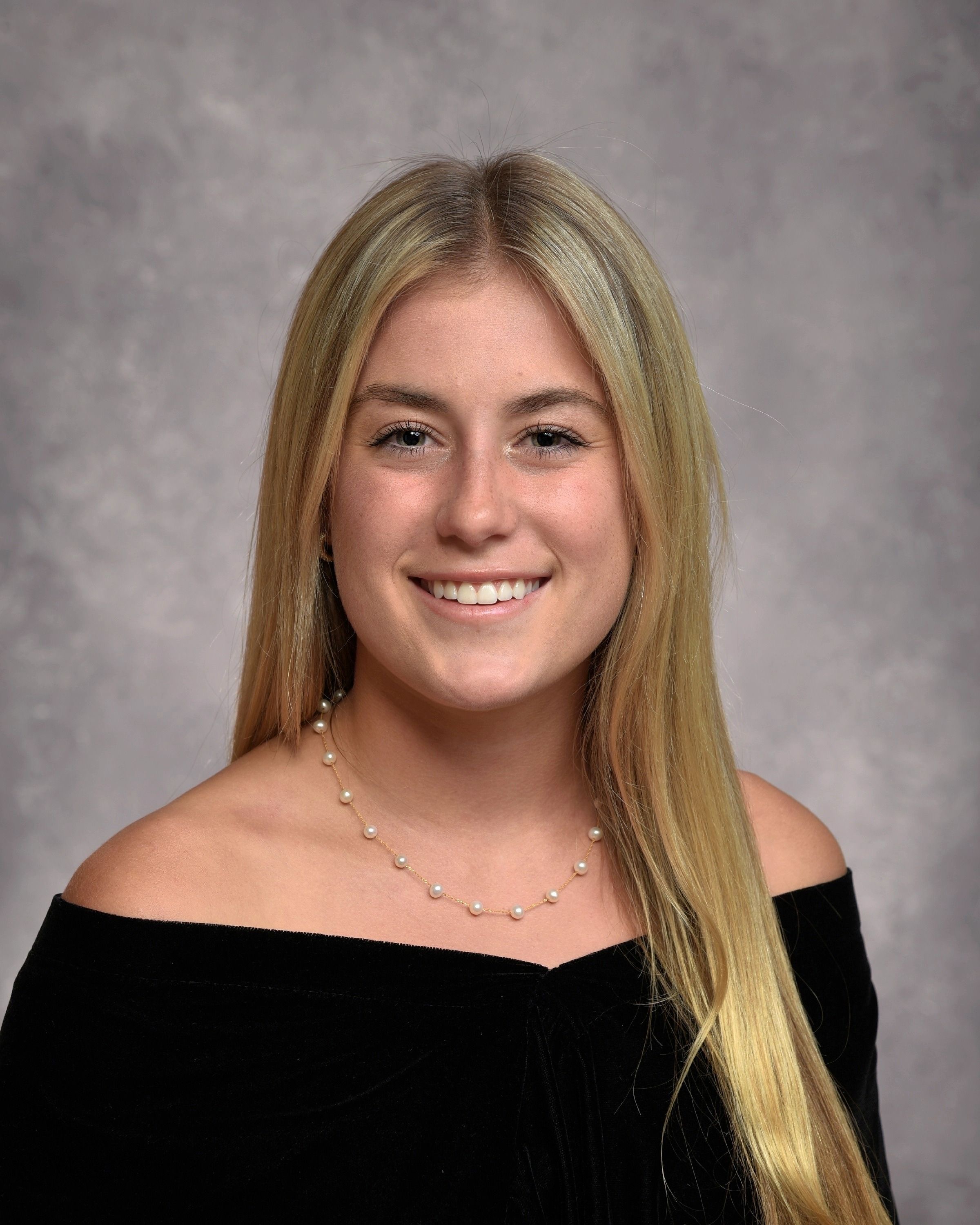
Lani is a second-year Clinical Professions student from Melbourne, Florida. She hopes to go to dental school after undergrad to be a Pediatric Dentist.
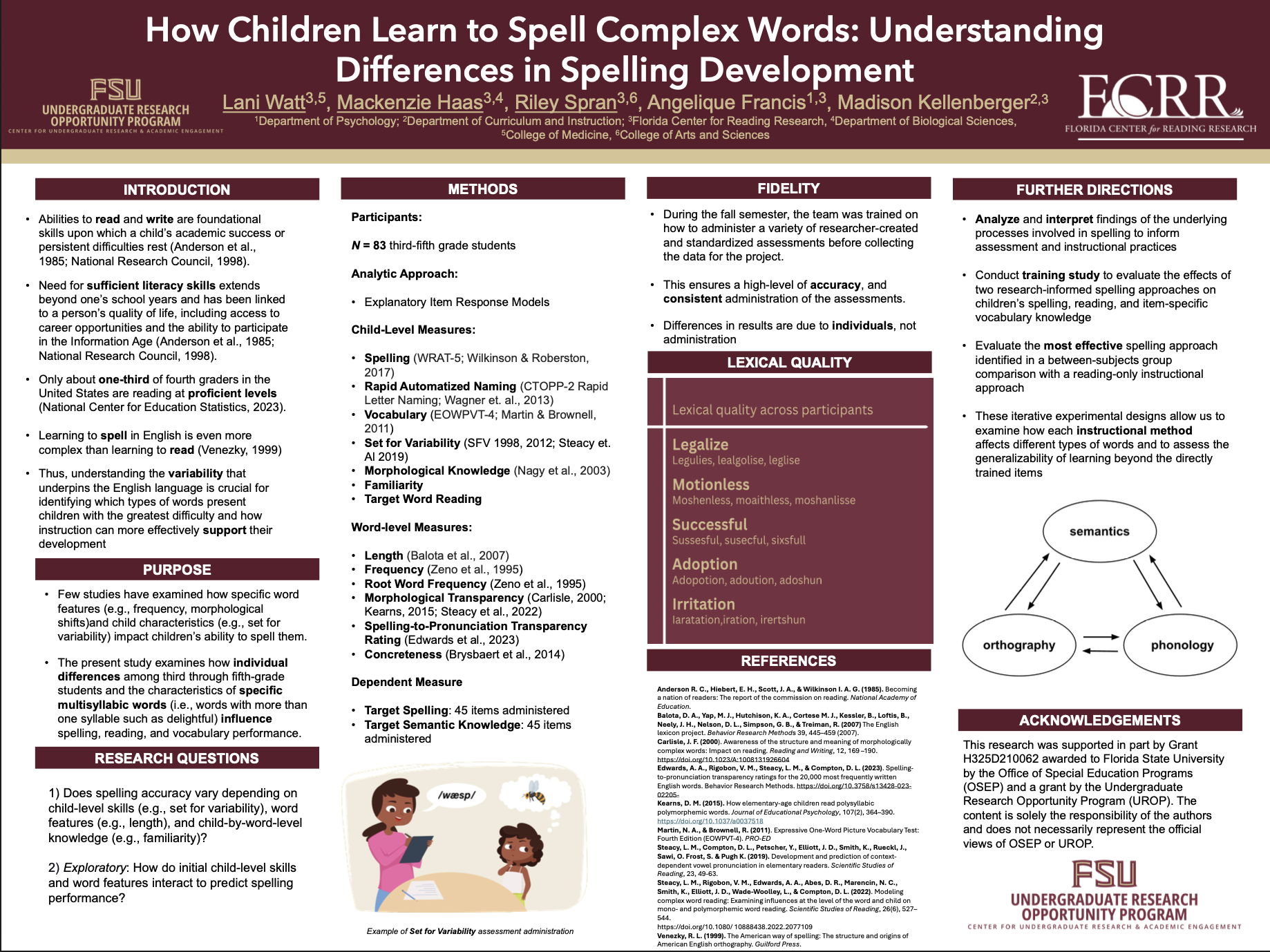
How Children Learn to Spell Complex Words: Understanding Differences in Spelling Development
Authors: Lani Watt, Madison KellenbergerStudent Major: Clinical Professions - IMS
Mentor: Madison Kellenberger
Mentor's Department: Department of Curriculum and Instruction Mentor's College: College of Education Co-Presenters: Mackenzie Haas, Riley Spran
Abstract
The abilities to read and write in elementary school students are foundational skills upon which a child’s academic success or persistent difficulties rest (Anderson et al., 1985; National Research Council, 1998). The overwhelming need for sufficient literacy skills extends far beyond one’s school years and has been linked to a person’s quality of life, including access to career opportunities and the ability to participate in the Information Age (Anderson et al., 1985; National Research Council, 1998). According to the 2022 National Assessment of Educational Progress (NAEP), which is the United States' biannual indicator of academic achievement, only about one-third of fourth graders in the United States are at proficient reading levels (National Center for Education Statistics, 2023).
Learning to spell in English is even more complex than learning to read (Venezky, 1999). Translating spoken words into their correct spelling requires exposure and experience, as many letters have multiple pronunciations and each of these pronunciations often has more than one spelling, creating what Venezky (1999) describes as a “spaghetti-like tangle” (p. 11). Understanding the variability that defines the English language is crucial for identifying which types of words present children with the greatest difficulty and how instruction can more effectively support their development. The present study examines how individual differences among third through fifth-grade students and the characteristics of specific words with more than one syllable influence spelling, reading, and vocabulary performance
Keywords: Spelling, Elementary Students, Comprehension, Literacy Development
26th annual Undergraduate Research Symposium, April 1, 2026
Kaylee Perez Poster Session 4: 3:00 pm - 4:00 pm / Poster #262

BIO
I am currently a second-year Clinical Professions major on the pre-medical track at Florida State University and plan to graduate in Fall 2027. I hope to attend medical school and pursue a career as a Cardiothoracic surgeon. I am passionate about helping others, which has guided my academic path and continues to motivate my goals in medicine and healthcare. I am also involved in Alpha Epsilon Delta and volunteer at Tallahassee Memorial HealthCare. Through my experience in the Undergraduate Research Opportunity Program (UROP), I developed a strong interest in research and academic collaboration and plan to continue pursuing research and volunteer opportunities. I hope to teach a UROP class this coming Fall to help introduce new students to undergraduate research.
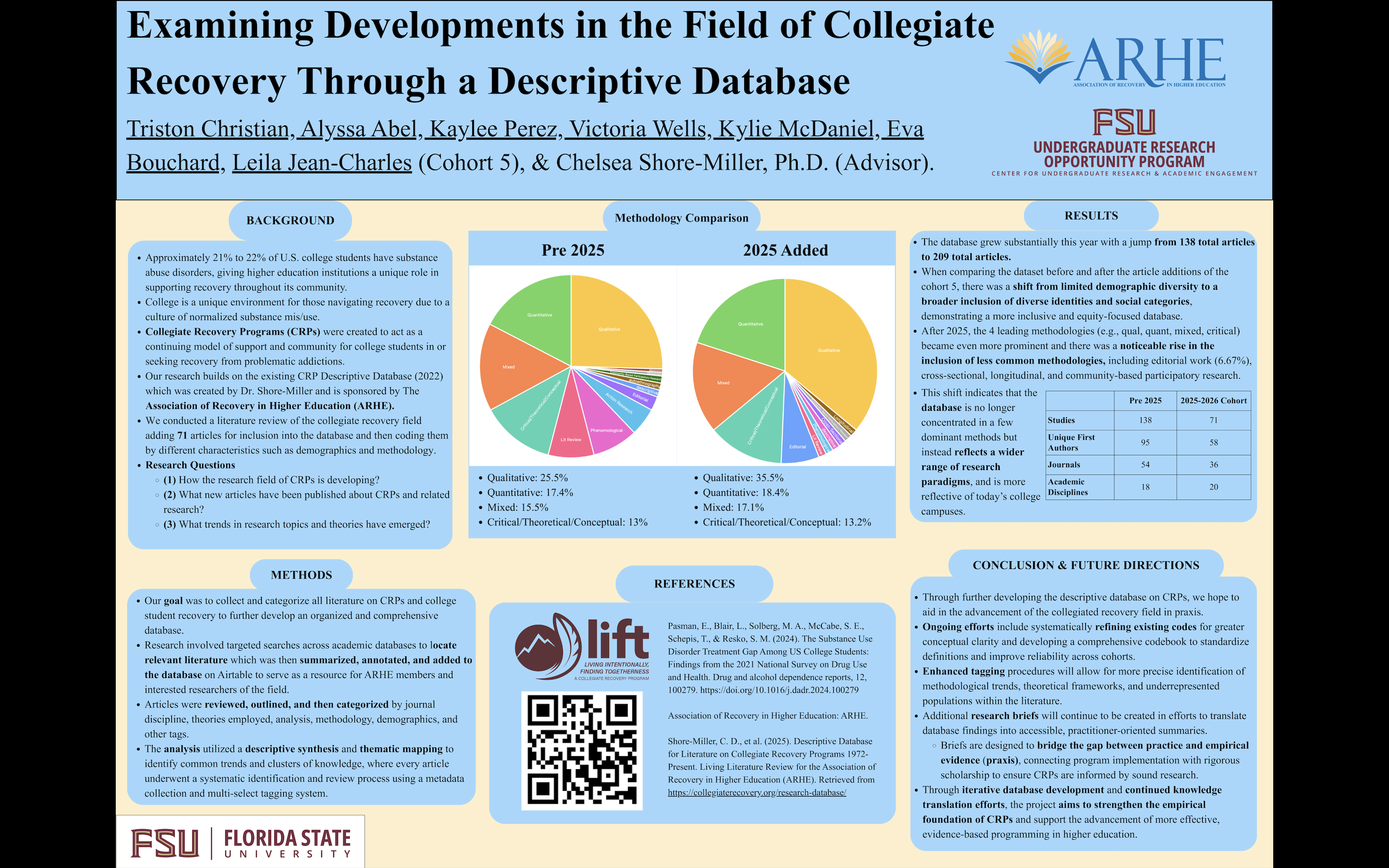
Examining Developments in the Field of Collegiate Recovery Through a Descriptive Database
Authors: Kaylee Perez, Dr. Chelsea Shore-MillerStudent Major: Interdisciplinary Medical Sciences Clinical Professions
Mentor: Dr. Chelsea Shore-Miller
Mentor's Department: Descriptive Database Mentor's College: Association of Recovery in Higher Education Co-Presenters: Triston Christian, Alyssa Abel, Victoria Wells, Kylie McDaniel, Eva Bouchard, Leila Jean- Charles
Abstract
Approximately 21% to 22% of U.S. college students have substance abuse disorders, giving higher education institutions a unique role in supporting recovery throughout its community.
College is a unique environment for those navigating recovery due to a culture of normalized substance mis/use.
Collegiate Recovery Programs (CRPs) were created to act as a continuing model of support and community for college students in or seeking recovery from problematic addictions.
Our research builds on the existing CRP Descriptive Database (2022) which was created by Dr. Shore-Miller and is sponsored by The Association of Recovery in Higher Education (ARHE).
We conducted a literature review of the collegiate recovery field adding 71 articles for inclusion into the database and then coding them by different characteristics such as demographics and methodology.
Research Questions
(1) How the research field of CRPs is developing?
(2) What new articles have been published about CRPs and related research?
(3) What trends in research topics and theories have emerged?
Keywords: CRP, Collegiate Recovery Program, LIFT, ARHE, substance use disorders
26th annual Undergraduate Research Symposium, April 1, 2026
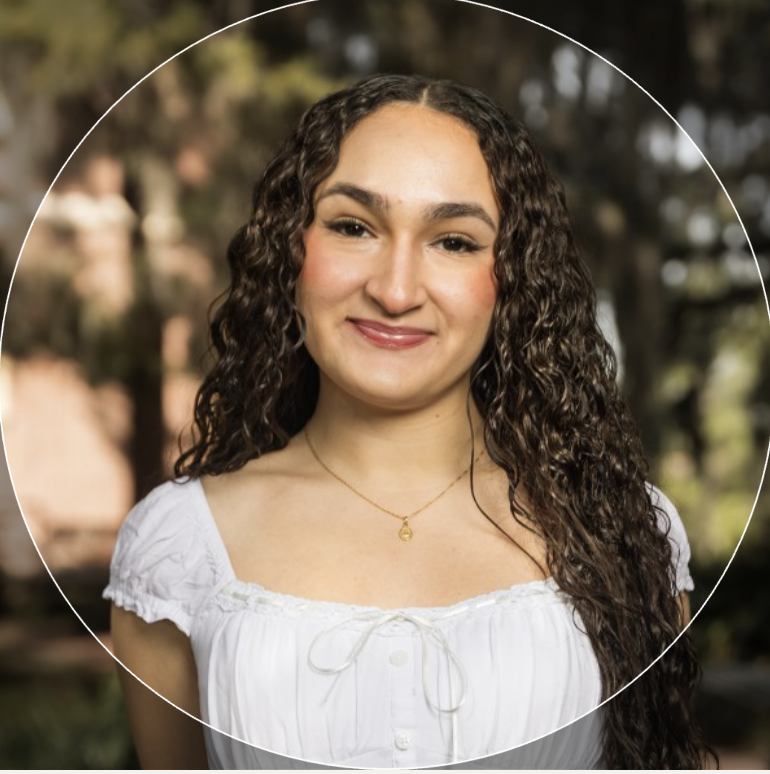
Gabriela De La Cruz Poster Session 2: 10:45 am - 11:45 am / Poster #78
BIO
Detail-oriented and passionate research Honors student majoring in Cell and Molecular Neuroscience in the Pre-Med track. Proficient in data analysis, biological research, and laboratory techniques, with a strong ability to communicate with others. Interested in contributing to neuroscience advancements, especially regarding neuro-radiology.Detail-oriented and passionate research Honors student majoring in Cell and Molecular Neuroscience in the Pre-Med track. Proficient in data analysis, biological research, and laboratory techniques, with a strong ability to communicate with others. Interested in contributing to neuroscience advancements, especially regarding neuro-radiology.
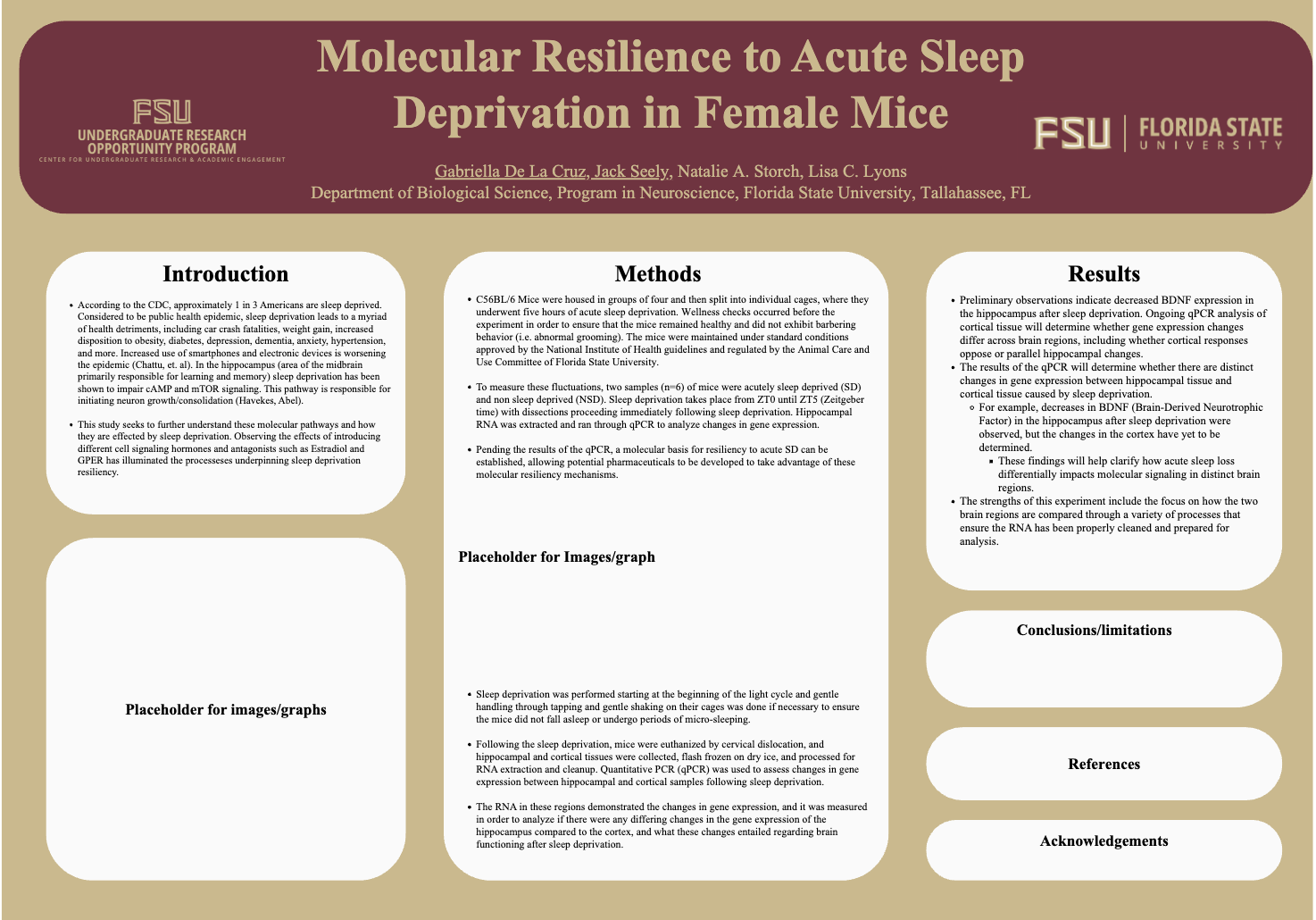
Molecular Resilience to Acute Sleep Deprivation in Female Mice
Authors: Gabriela De La Cruz, Natalie StorchStudent Major: Cell and Molecular Neuroscience
Mentor: Natalie Storch
Mentor's Department: College of Arts and Sciences Program of Neuroscience Mentor's College: Florida State University Co-Presenters: Jack Seely
Abstract
Sleep deprivation is a widespread public health concern linked to cognitive impairment and altered brain function. The hippocampus and cortex play key roles in learning, memory, and higher cognitive processing, yet these regions respond differently to physiological stressors such as sleep loss. Understanding region-specific gene expression changes following sleep deprivation helps clarify how molecular pathways contribute to functional outcomes. In this study, mice were group-housed and later separated into individual cages before undergoing five hours of acute sleep deprivation. Following sleep deprivation, mice were euthanized by cervical dislocation, and hippocampal and cortical tissues were collected, flash frozen on dry ice, and processed for RNA extraction and cleanup. Quantitative PCR (qPCR) is being used to assess changes in gene expression between hippocampal and cortical samples following sleep deprivation. Preliminary observations indicate decreased BDNF expression in the hippocampus after sleep deprivation. Ongoing qPCR analysis of cortical tissue will determine whether gene expression changes differ across brain regions, including whether cortical responses oppose or parallel hippocampal changes. These findings will help clarify how acute sleep loss differentially impacts molecular signaling in distinct brain regions.
Keywords: Sleep Deprivation, Hippocampal Tissue, Cognitive, Gene expressions
26th annual Undergraduate Research Symposium, April 1, 2026
Clarissa Bello Poster Session 3: 1:45 pm - 2:45 pm / Poster #249
BIO
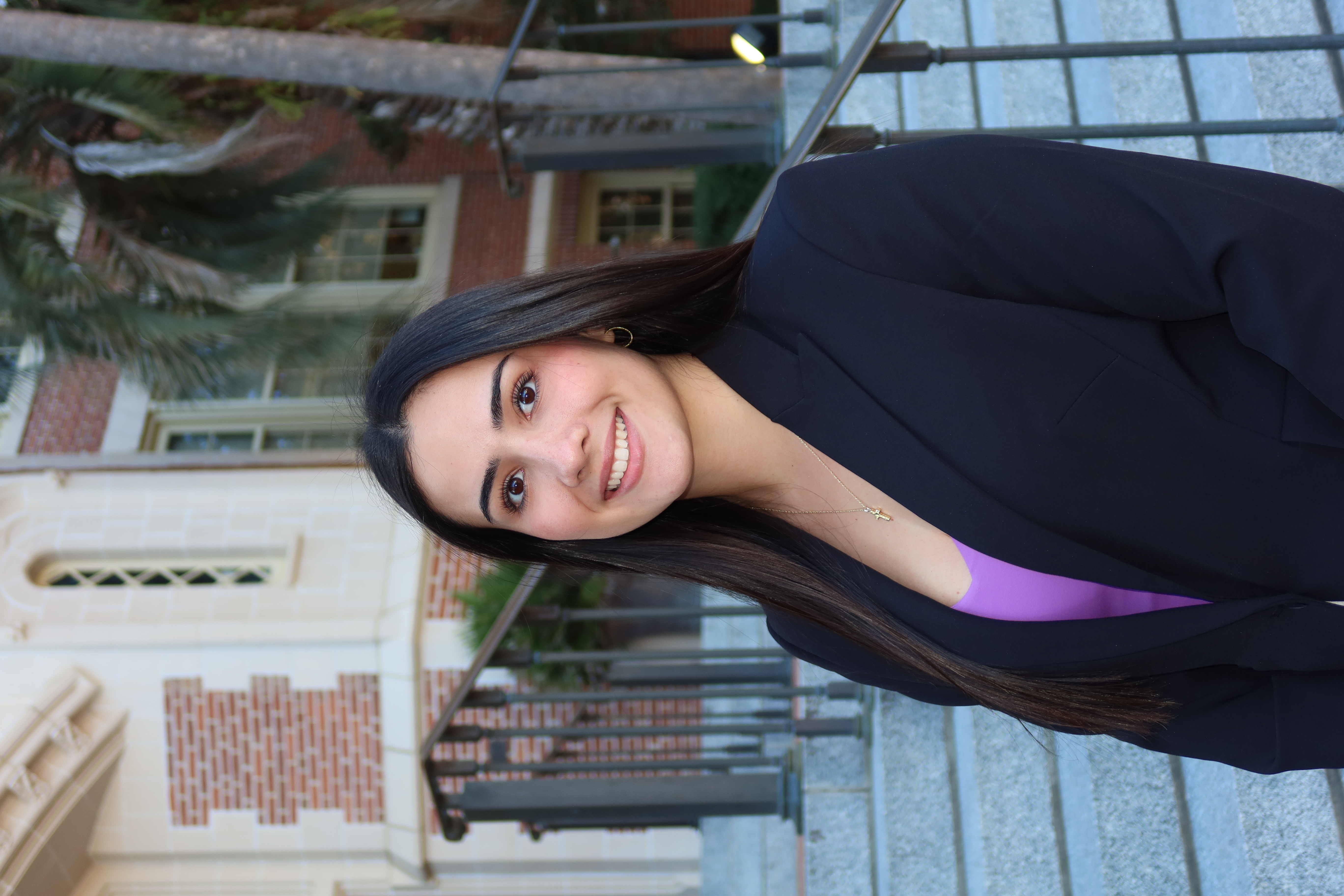
Clarissa Bello is a freshman pursuing a Bachelor of Science in Food and Nutrition Sciences. She is from Orlando, Florida, and is bilingual in Spanish. Clarissa has demonstrated strong academic achievement and has been recognized on the Dean’s List.
She has begun her research experience through the Undergraduate Research Opportunity Program (UROP), working as a research assistant under mentorship of Dr. Michael Lesser and Mrs. Rachel Flemming. This opportunity allowed her to begin exploring her interests and introduced her to the research process.
She is passionate in understanding how human behavior and psychological factors influence decision-making and relationships. These research interests correlate with her academic focus on nutritional health and future goals. Clarissa hopes to explore these interests through future research opportunities and mentorship.
Clarissa plans to attend dental school after completing her undergraduate studies. Her long-term goal is to become an orthodontist, where she can help patients with their oral health and confidence. She is driven to continue building a strong foundation in health sciences and gain hands-on experience that will prepare her for her career dedicated to helping others.
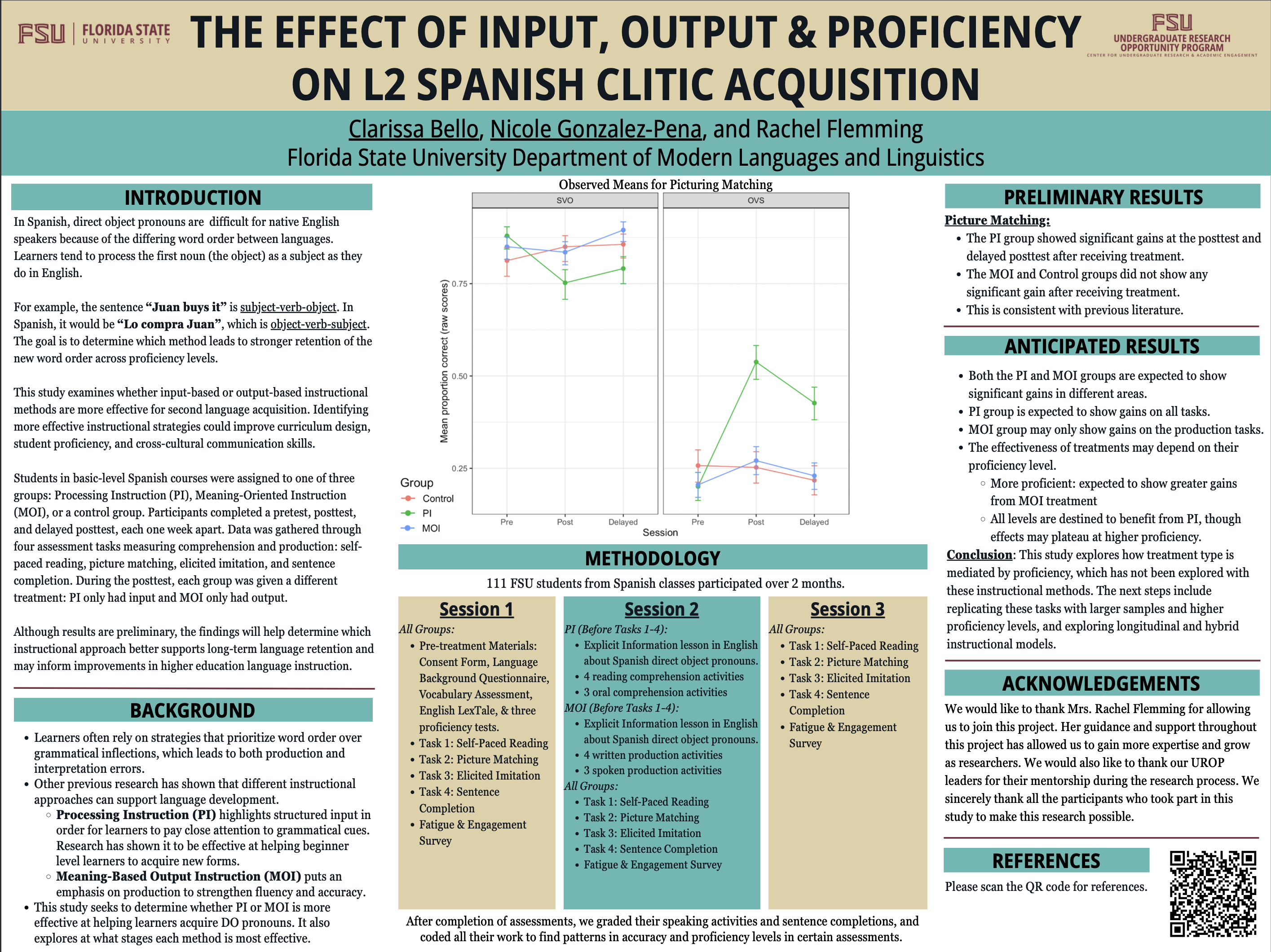
THE EFFECT OF INPUT, OUTPUT & PROFICIENCY ON L2 SPANISH CLITIC ACQUISITION
Authors: Clarissa Bello, Rachel FlemmingStudent Major: Food and Nutrition Sciences
Mentor: Rachel Flemming
Mentor's Department: Department of Modern Languages and Linguistics Mentor's College: College of Arts and Sciences Co-Presenters: Nicole Gonzalez-Pena
Abstract
Second language learners have presented a significant challenge in learning grammatical structures. This is especially present when native English speakers learn Spanish because grammatical orders in sentences differ. Spanish direct object pronouns are also difficult for learners because they must process meaning and grammatical forms at the same time.
Understanding how learners acquire Spanish grammatical forms is crucial for improving instructional methods. Prior research has shown that Processing Instruction (PI) and Meaning-Based Output Instruction (MOI) support the acquisition differently, but their effectiveness is still unclear. College students enrolled in basic-level Spanish courses were
assigned to 1 of 3 groups: PI, MOI, or a control group. Each group completed a pretest, posttest, and delayed posttest, each test being exactly 1 week apart from the previous. Data was collected using 4 assessment tasks which measured comprehension and sentence production: self-paced reading, picture matching, elicited imitation, and sentence completion. Data analysis and final results for this study are still in progress and not available yet. The analyses will compare and score participant’s performances amongst all tasks and proficiency levels. Results will help determine the effectiveness of PI and MOI, and evaluate the teaching methods used in the classroom and instructional effects vary depending on proficiency levels. These findings have the potential to identify strategies that help create methods to further support second language learner comprehension. Further research can examine the long-term retention of instructional effects. Overall, this research emphasizes the importance of aligning proficiency levels with specific instructional methods for second language learners.
Keywords: Processing Instruction, Meaning-Oriented, Spanish
26th annual Undergraduate Research Symposium, April 1, 2026
Bria Edwards Poster Session 3: 1:45 pm - 2:45 pm / Poster #272
BIO
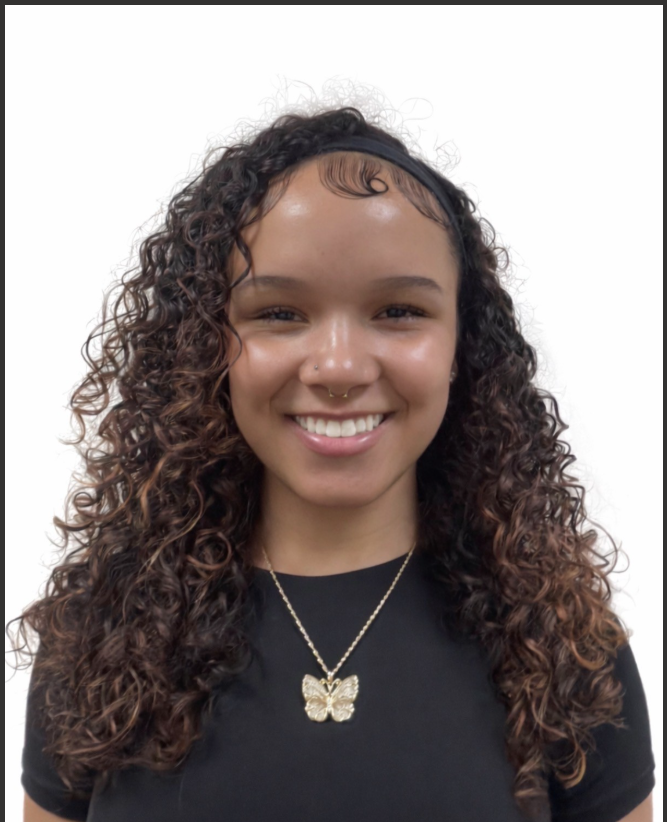
Bria Edwards is a first-generation college student and a freshman attending Florida State University, majoring in Cell & Molecular Neuroscience on the pre-medical track. She is not only a part of the Undergraduate Research Opportunity Program (UROP), but also the SSTRIDE Medical Program, and the Illuminate Scholars Program here at FSU. Her academic interests include neurology and infectious disease, particularly in underserved communities. Bria’s current research examines the prevalence of HSV-1 in communities affected by adverse childhood experiences (ACEs) and in rural populations, focusing on how social and environmental factors influence disease transmission and health outcomes. Through her research, she seeks to better understand how biological and social determinants of health contribute to disparities in disease prevalence and access to care. After completing her undergraduate degree, she plans to attend medical school and become a physician, opening up her own practice here in Florida.
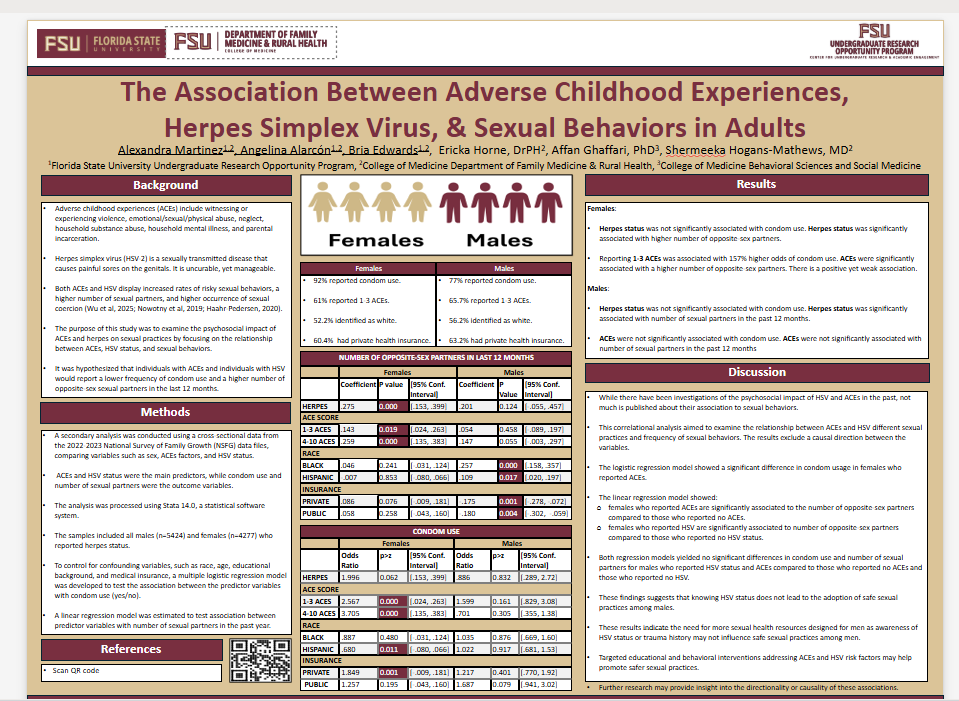
The Association Between Adverse Childhood Experiences, Herpes Simplex Virus, & Sexual Behaviors in Adults
Authors: Bria Edwards , Dr. Shermeeka Hogans-MathewsStudent Major: Cell & Molecular Neuroscience
Mentor: Dr. Shermeeka Hogans-Mathews
Mentor's Department: Department of Family Medicine & Rural Health Mentor's College: College of Medicine Behavioral Sciences and Social Medicine Co-Presenters: Alexandra Martinez, Angelina Alarcon
Abstract
Adverse childhood experiences (ACEs)- including, but not limited to, witnessing or receiving violence; exposure to emotional, sexual, and physical abuse; emotional and/or physical neglect; household substance abuse; household mental illness; parental incarceration- and Herpes Simplex Virus (HSV; genital herpes) status display increased rates of risky sexual behaviors, a higher number of sexual partners, and higher occurrence of sexual coercion (Wu et al, 2025; Nowotny et al, 2019; Haahr-Pedersen, 2020). This investigation focuses on the relationship between ACEs and sexual behaviors compared to the relationship between HSV genital herpes and sexual behaviors. The purpose of this study is to examine the psychosocial impact of ACEs and herpes on sexual practices. To do so, a secondary analysis was conducted using cross-sectional data from the 2022-2023 National Survey of Family Growth (NSFG), comparing variables such as sex, ACEs factors, and HSV status. Our analysis, along with other studies, show that there is a significant impact of traumatic childhood experiences, ranging from abuse to neglect to witnessing violence, and HSV-independent of each other-on sexual practices. We expect to broaden the investigation through a correlational measure between ACEs and HSV regarding sexual practices. Processes from this study incentivize further research that may answer questions relating to the lifestyle practices of HSV-affected and ACE individuals.
Keywords: ACEs, HSV-1, Sexual Behaviors
26th annual Undergraduate Research Symposium, April 1, 2026
Mollie Koetting Poster Session 4: 3:00 pm - 4:00 pm / Poster #147
BIO
Mollie Koetting is a second-year student at Florida State University pursuing a Bachelor of Arts and Sciences in Psychology with a minor in Chemistry. Following graduation, she plans to attend physician assistant school and is interested in pursuing a career in psychiatry or neurology.
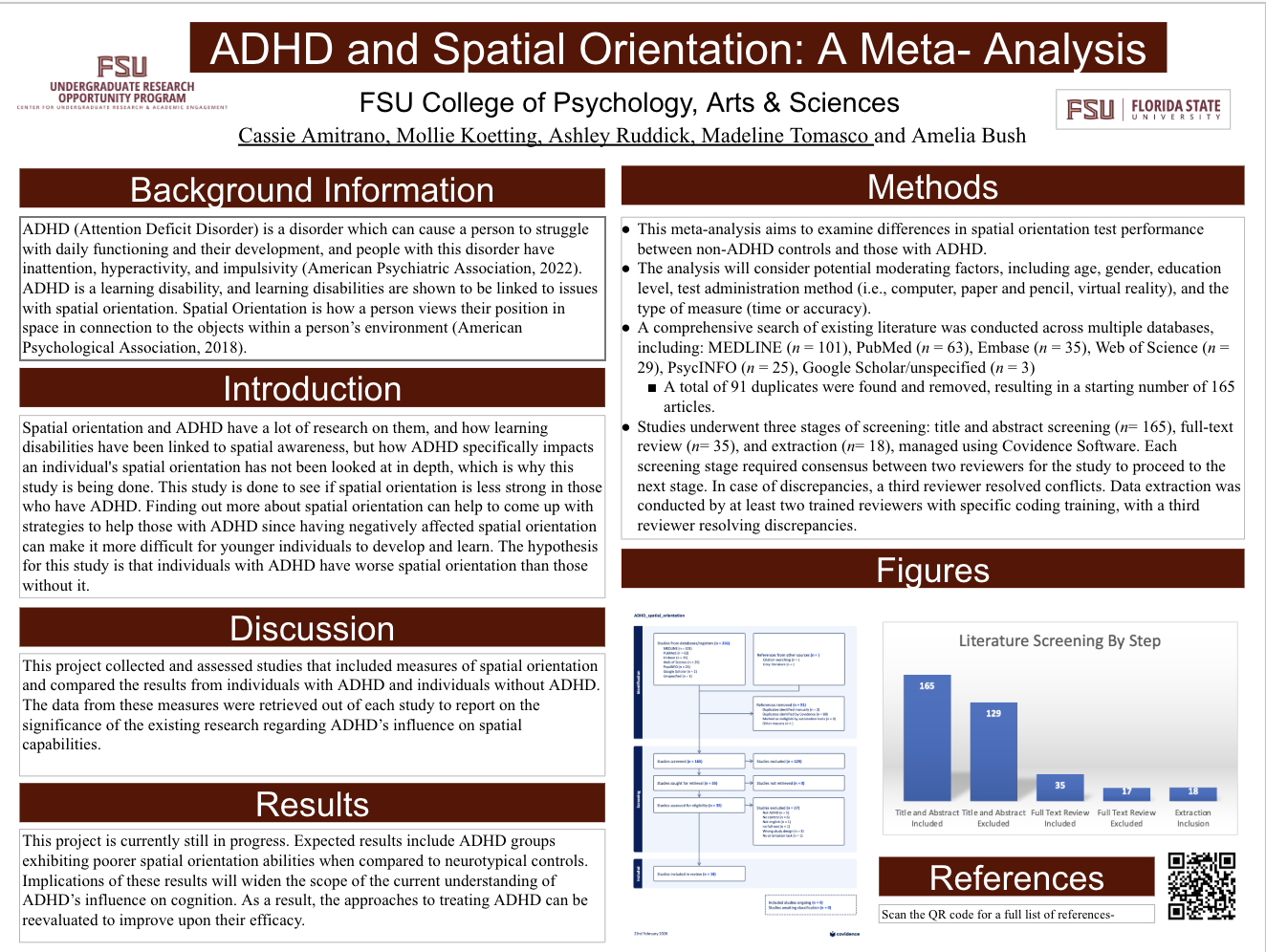
ADHD and Spatial Orientation: A Meta- Analysis
Authors: Mollie Koetting, Dr. Dorota Kossowska-KuhnStudent Major: Psychology
Mentor: Dr. Dorota Kossowska-Kuhn
Mentor's Department: Psychology Mentor's College: Arts and Sciencews Co-Presenters: Madeline Tomasco, Cassandra Amitrano, Ashley Ruddick
Abstract
This study evaluated spatial orientation abilities in individuals diagnosed with Attention Deficit/Hyperactivity Disorder (ADHD) compared to neurotypical controls. ADHD is defined in the DSM-5-TR as a neurodevelopmental disorder characterized by persistent patterns of inattention and/or hyperactivity-impulsivity interfering with functioning or development. Spatial orientation refers to the ability to perceive, interact with, and maintain awareness in a three-dimensional environment through integration of multisensory information. Spatial orientation has been associated with learning disabilities specific to geometric and mathematical reasoning. While prior research has studied spatial orientation and ADHD independently, their relationship has not been examined. Understanding this relationship may expand the scope of understanding of ADHD-related cognition and inform treatment approaches. This study holds importance as it examines under-researched aspects of neurodevelopment, addressing a significant gap in the existing literature. To investigate this relationship, a meta-analysis was conducted to review literature across databases using Covidence. The study began with 165 articles at the title and abstract stage, with 36 advancing to full-text review. Inclusion and exclusion criteria resulted in 18 articles being selected for extraction. Multiple reviewers were involved in the screening process, with consensus between two reviewers required for inclusion. Conflicts were resolved by a third reviewer to ensure reliability. Afterwards, relevant data were extracted and analyzed, providing a comprehensive overview of existing research on spatial orientation in ADHD. Expected results include ADHD groups exhibiting poorer spatial orientation abilities than neurotypical controls. Implications of these results will widen the scope of the current understanding of ADHD’s influence on cognition.
Keywords: ADHD, spatial, orientation, meta-analysis, abilities
26th annual Undergraduate Research Symposium, April 1, 2026
Marco Smith Poster Session 2: 10:45 am - 11:45 am / Poster #240
BIO
I am a Freshman Presidential Scholar and Mechanical Engineering major at Florida State University from Orlando, Florida. My research interests include aerospace, sustainable energy, and bio-inspired engineering (drawing design ideas from natural systems to develop more efficient and adaptable technologies). I hope to pursue a career that give me the means to create change and a more innovative society, specifically within aerospace, renewable energy, and automotive travel.
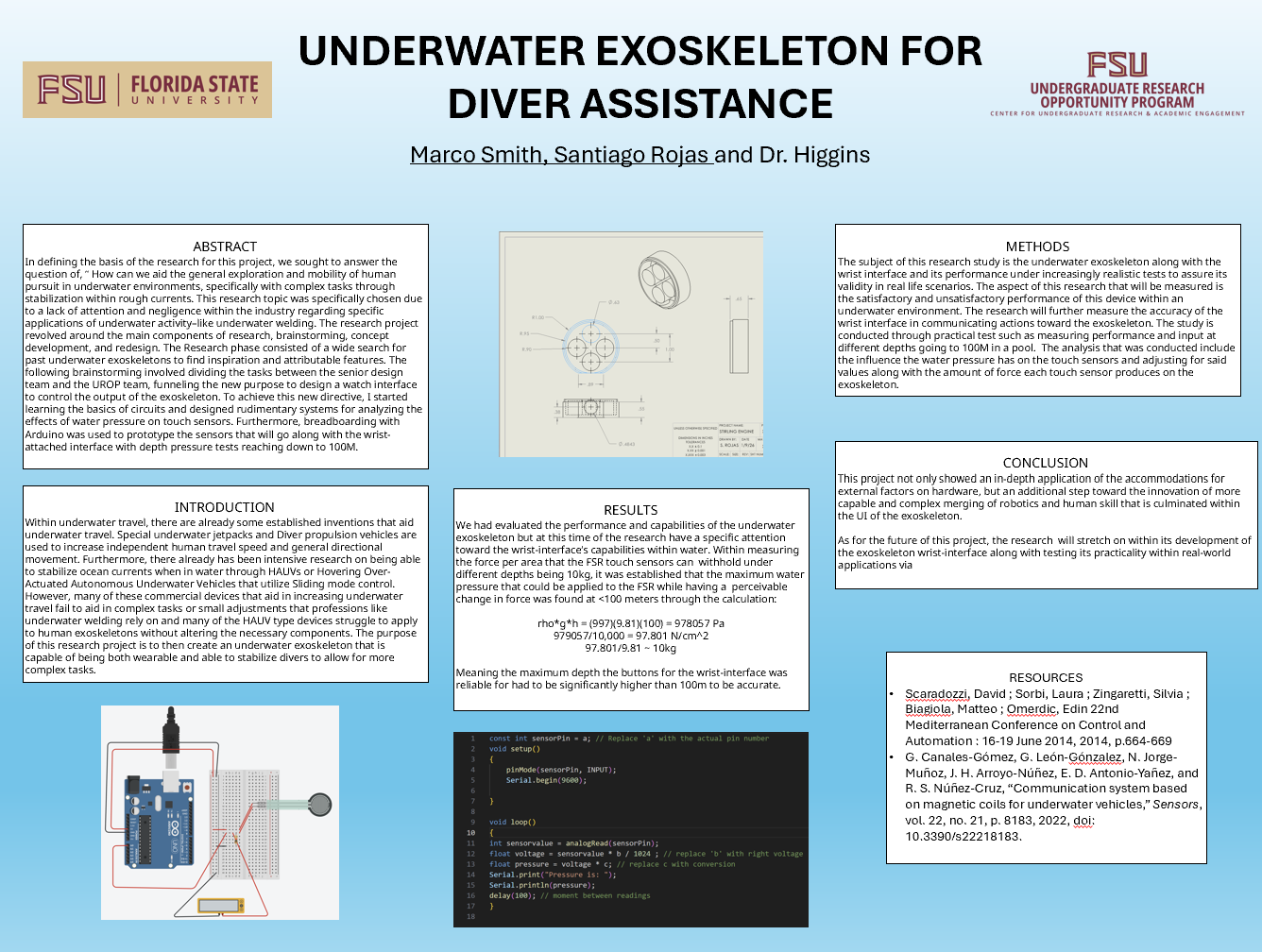
Underwater Exoskeleton For Diver Assistance
Authors: Marco Smith, Dr. Taylor HigginsStudent Major: Mechanical Engineering
Mentor: Dr. Taylor Higgins
Mentor's Department: Aero-Propulsion. Mechatronics, and Energy Mentor's College: College of Engineering Co-Presenters: Santiago Rojas
Abstract
In defining the basis of the research for this project, we sought to answer the question of, “ How can we aid the general exploration and mobility of human pursuit in underwater environments, specifically with complex tasks through stabilization within rough currents. This research topic was specifically chosen due to a lack of attention and negligence within the industry regarding specific applications of underwater activity–like underwater welding. The research project revolved around the main components of research, brainstorming, concept development, and redesign. The Research phase consisted of a wide search for past underwater exoskeletons to find inspiration and attributable features. The following brainstorming involved dividing the tasks between the senior design team and the UROP team, funneling the new purpose to design a watch interface to control the output of the exoskeleton. To achieve this new directive, I started learning the basics of circuits and designed rudimentary systems for analyzing the effects of water pressure on touch sensors. Furthermore, breadboarding with Arduino was used to prototype the sensors that will go along with the wrist-attached interface with depth pressure tests reaching down to 100M.
Keywords: Exoskeleton, Diver, Underwater
26th annual Undergraduate Research Symposium, April 1, 2026
Paola Herrera Poster Session 4: 3:00 pm - 4:00 pm / Poster #258
BIO
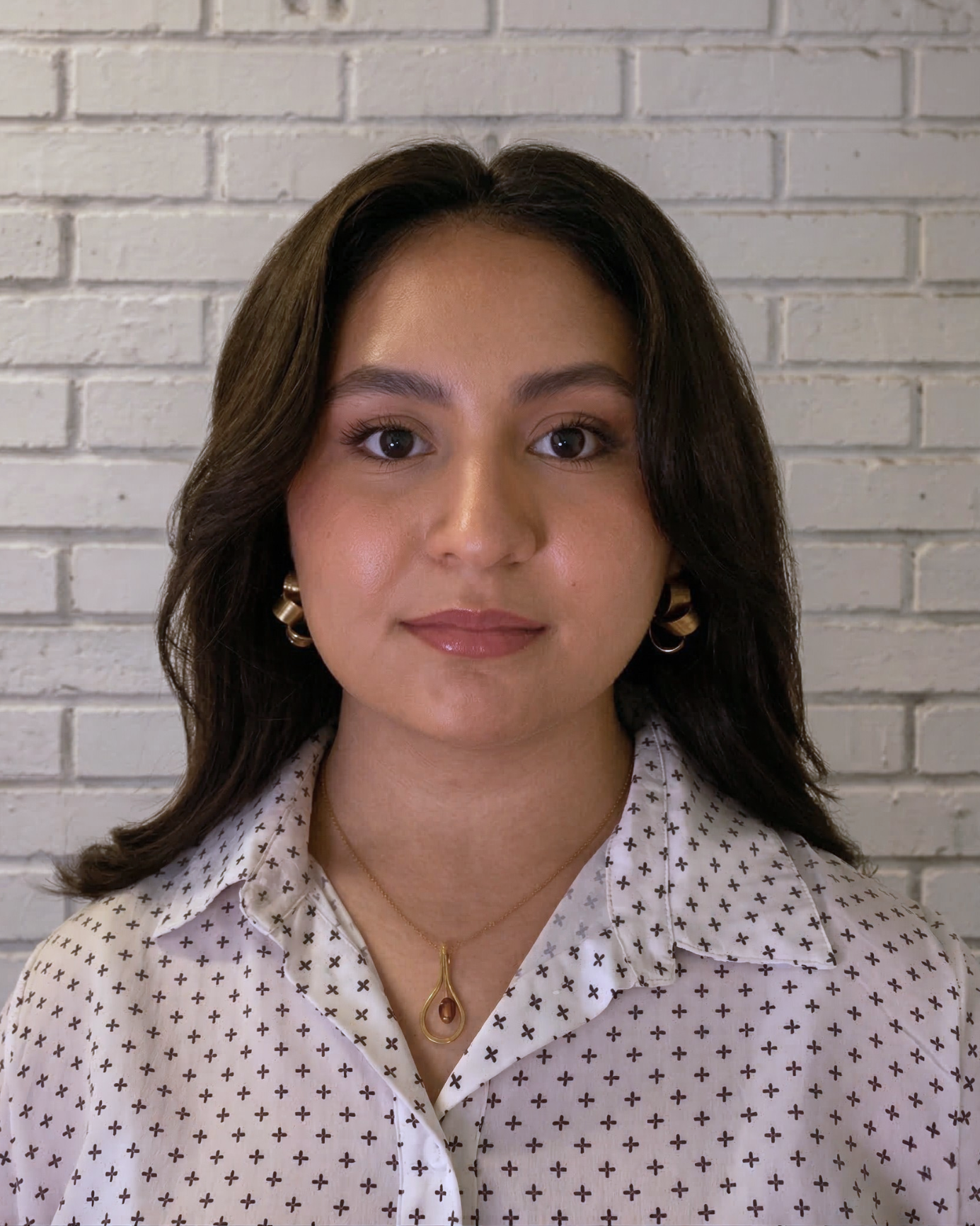
Paola Herrera is a junior at the FAMU-FSU College of Engineering pursuing a Bachelor of Science in Chemical Engineering. Currently a participant in the Undergraduate Research Opportunity Program (UROP), Paola works under the mentorship of Professor Sastry Pamidi to research the development of green hydrogen as a sustainable energy solution. Her technical background is further highlighted by her success in the 2024 F1 in Schools North America National Finals, where her team earned the Women in Motorsports North America (WIMNA) Award for “determination and dedication to the project”. Looking toward the future, Paola aims to enter the nuclear energy industry, where she hopes to contribute to the integration of nuclear power plants to meet the world’s growing energy needs.
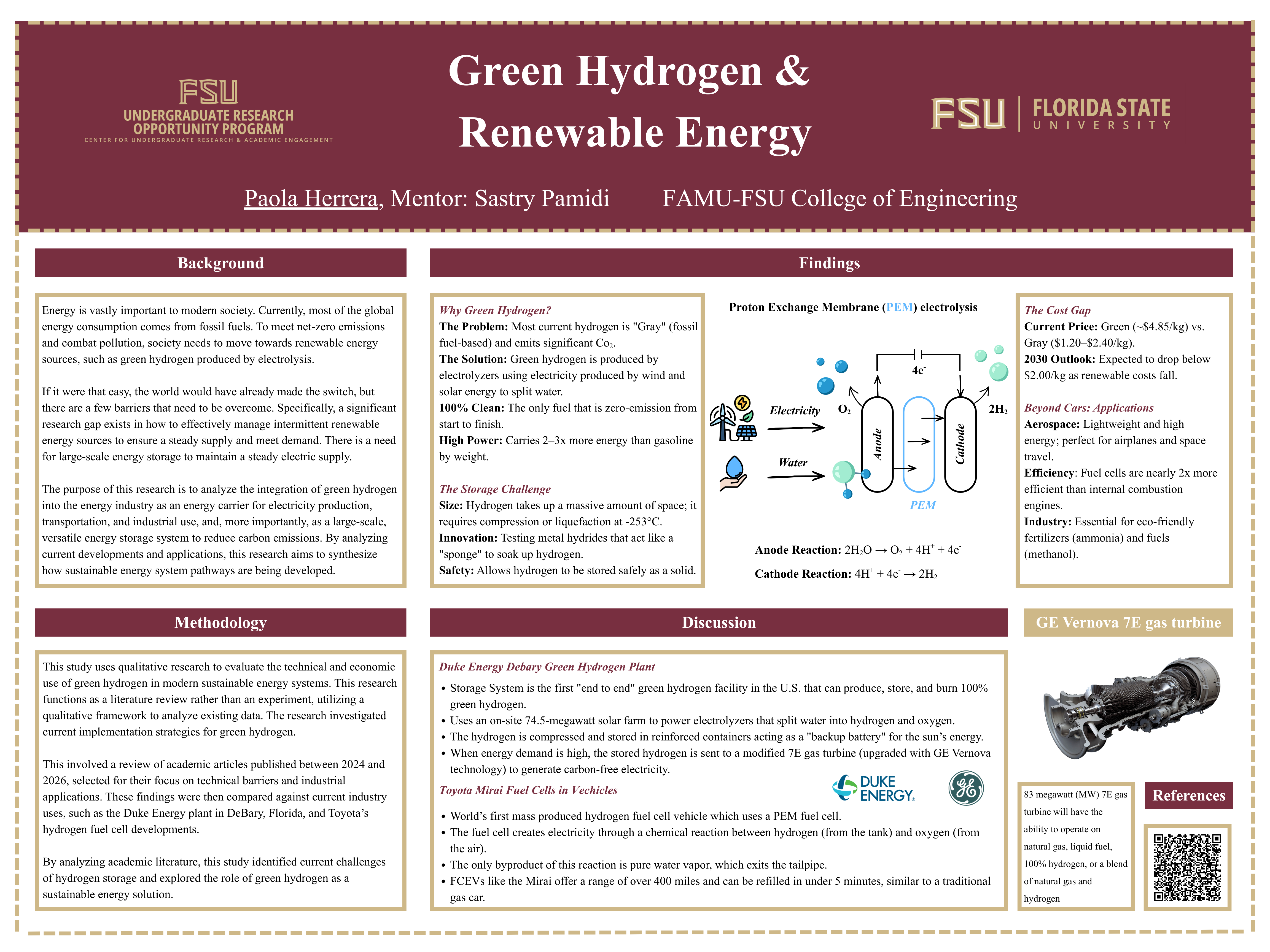
Green Hydrogen & Renewable Energy
Authors: Paola Herrera, Sastry PamidiStudent Major: Chemical Engineering
Mentor: Sastry Pamidi
Mentor's Department: Electrical & Computer Engineering Mentor's College: FAMU-FSU College of Engineering Co-Presenters:
Abstract
As society transitions toward net-zero emissions, green hydrogen has emerged as a critical component for a sustainable energy future. This study investigated the implementation of green hydrogen as a sustainable alternative to fossil fuels. Green hydrogen can be produced through electrolysis, a process that involves splitting water molecules into hydrogen and oxygen using renewable electricity (such as solar or wind power). My UROP research seeks to determine how green hydrogen can be effectively integrated into existing energy systems. The research involved a literature review under mentorship and a case study analysis of electric utility and industry applications. A particular focus was placed on the Duke Energy Green Hydrogen plant in DeBary, Florida, which reached full operational status in early 2026, and on the development of fuel cells in the automotive industry, such as those from Toyota. By synthesizing academic research with industry perspectives, this study demonstrates that green hydrogen is a viable solution for global decarbonization. While technology is proven, the primary remaining challenges are the efficiency of long-term storage and government policy support. The UROP research findings suggest that green hydrogen offers an emissions-free option for achieving sustainable energy systems.
Keywords: Energy, Hydrogen, Engineering
26th annual Undergraduate Research Symposium, April 1, 2026
Tirza Savellano Poster Session 4: 3:00 pm - 4:00 pm / Poster #178
BIO
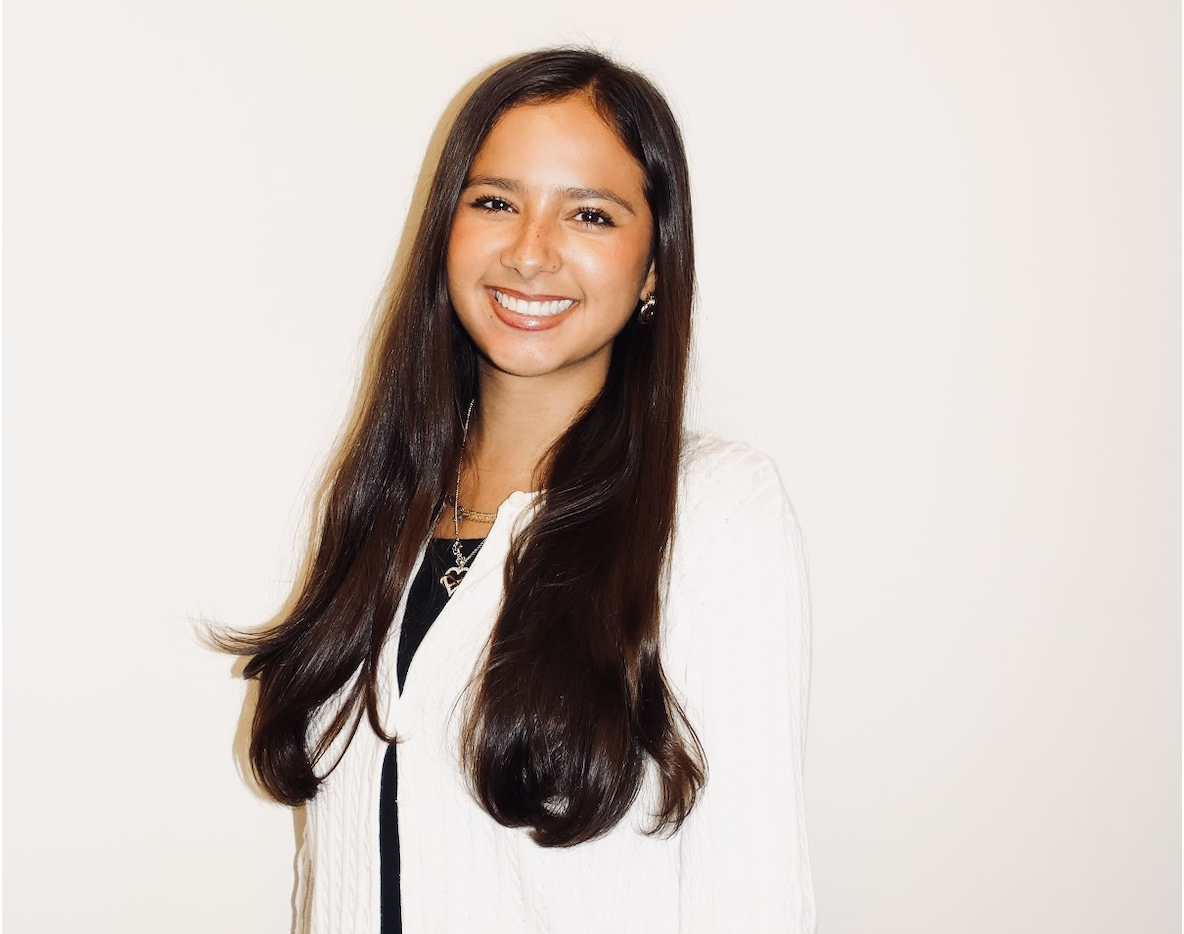
Tirza Savellano is a first-year student at Florida State University pursuing a Bachelor of Science in Public Health with a minor in Chemistry on the pre-medical track. Originally from Hanover, New Hampshire, she is a student in the Florida State University Honors College and is involved with Alpha Epsilon Delta Pre-Medical Honor Society and the Women’s Leadership Network within the College of Social Sciences and Public Policy.
Savellano serves as a research assistant under Casey D. Xavier Hall, Ph.D., M.P.H., at the Center of Population Sciences for Health Empowerment in the Florida State University College of Nursing. In this role, she contributes to a scoping review examining geospatial stigma at the neighborhood level and its influence on health outcomes. Her work includes conducting literature reviews, extracting and organizing data, and synthesizing findings to support peer-reviewed manuscripts. Through this experience, she has developed a growing interest in structural determinants of health, health disparities, and community-level influences on population health.
In July 2026, Savellano will participate in the Oxford Consortium for Human Rights at University of Oxford through the Honors College under the guidance of Honors faculty mentor Ross Moret, Ph.D. She will also conduct an original research project undergoing Institutional Review Board approval examining the reintegration of formerly incarcerated individuals into the workforce in Leon County, Florida, and its relationship to health outcomes.
Following graduation, Savellano plans to attend medical school and pursue a career integrating clinical medicine with public health approaches to advance equitable healthcare delivery.
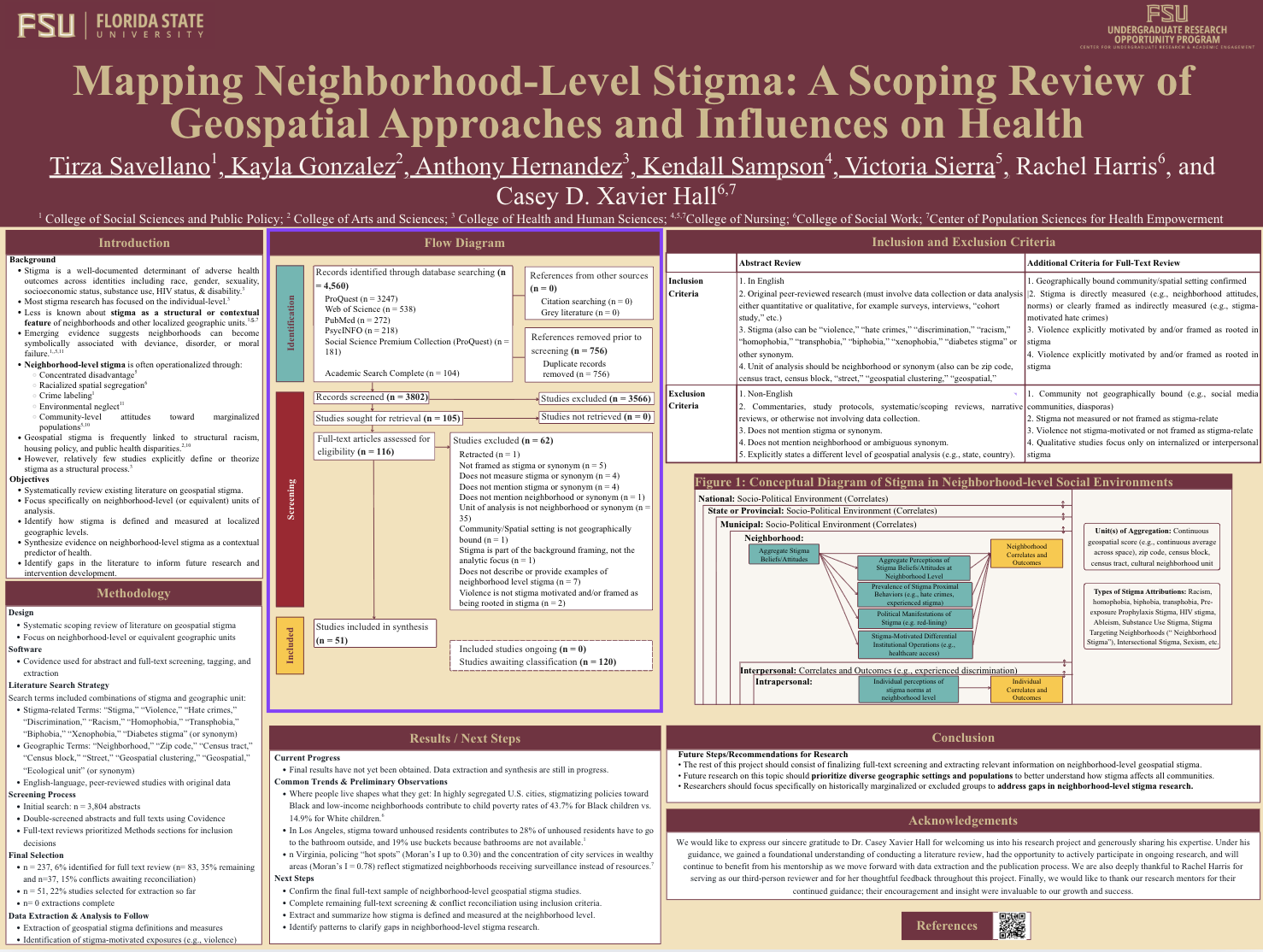
Mapping Neighborhood-Level Stigma: A Scoping Review of Geospatial Approaches and Influences on Health
Authors: Tirza Savellano, Casey D. Xavier Hall, Ph.D., M.P.H.Student Major: Public Health
Mentor: Casey D. Xavier Hall, Ph.D., M.P.H.
Mentor's Department: Nursing Department Mentor's College: College of Nursing, Center of Population Sciences for Health Empowerment Co-Presenters: Kayla Gonzalez, Anthony Hernandez, Kendall Sampson, Victoria Sierra
Abstract
Stigma is a well-documented determinant of adverse health outcomes across diverse identities and lived experiences, including race, gender, sexuality, socioeconomic status, substance use, HIV status, and disability. While most stigma research focuses on individual-level experiences, less is known about stigma as a structural or contextual feature of neighborhoods and other localized geographic units. This project systematically reviews the literature on geospatial stigma, with emphasis on neighborhood-level units of analysis. Using Covidence, a comprehensive search yielded n=3,804 abstracts for screening. Each abstract was independently reviewed by two researchers using predefined inclusion and exclusion criteria, with disagreements resolved by a third reviewer. Eligible studies were published in English, involved original peer-reviewed research with data collection or analysis, explicitly addressed geospatial stigma or a related construct, and used a neighborhood-level (or equivalent) geospatial unit. Studies were excluded if they were non-English, lacked original data, did not address stigma, or focused on broader geographic levels (e.g., state or country). Preliminary screening identified n=237 (6.2%) full texts for review, of which 137 (57.8%) are quantitative; n=44 (18.6%) have been included in the dataset and n=130 (55.9%) remain under review. Early observations indicate that neighborhood-level stigma is commonly operationalized through concentrated disadvantage, racialized spatial segregation, crime labeling, environmental neglect, and community attitudes toward marginalized populations. Neighborhoods are often symbolically associated with deviance or disorder, contributing to disinvestment and reduced healthcare access. Upon completion, this review will synthesize evidence on neighborhood-level stigma and identify gaps, advancing understanding of geospatial stigma as a structural determinant of health.
Keywords: Neighborhood-Level Stigma, Geospatial Approaches, Scoping Review, Health Disparities, Social Determinants of Health
26th annual Undergraduate Research Symposium, April 1, 2026
Veronika Gardulski Poster Session 3: 1:45 pm - 2:45 pm / Poster #129

BIO
Veronika is a junior studying Finance and plans to pursue graduate school to further her research career. Her academic work focuses on how global trade and labor markets affect real-world issues. Before joining the Undergraduate Research Opportunity Program (UROP), Veronika authored a paper on contemporary garment slavery, where she examined the economic and legal hurdles of keeping slave-made products out of the U.S. market. By looking at how these goods flow across borders, she highlighted the challenges of maintaining ethical standards in global trade. Through UROP, Veronika has turned her attention to the workforce gap in Turkey. Her project explores the mismatch between the jobs available and the people ready to fill them, offering a closer look at the economic factors shaping the country’s current labor landscape.
Veronika would like to give a special thanks to Dr. Amy Kowal for being an incredibly supportive mentor. She is excited to see her research help Dr. Kowal’s students create an exhibit for the Department of Anthropology, which will bring these global labor and trade issues to life for the campus community.
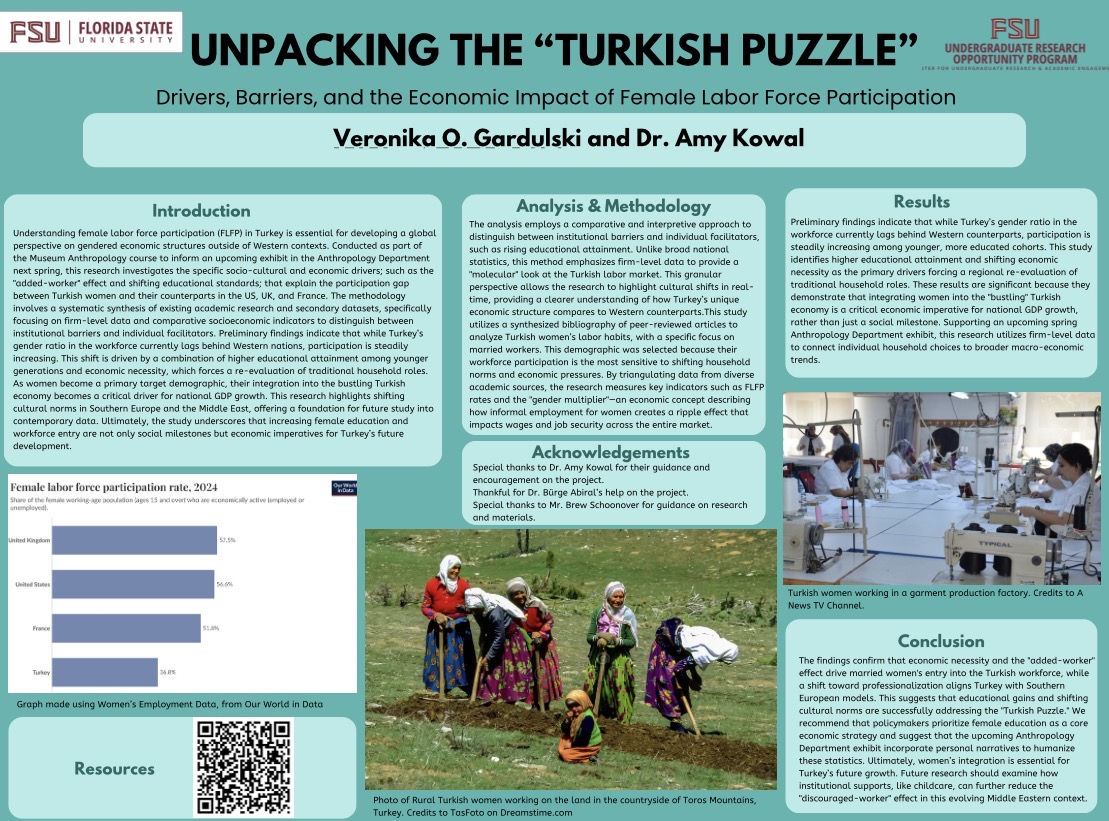
Unpacking the “Turkish Puzzle”: Drivers, Barriers, and the Economic Impact of Female Labor Force Participation
Authors: Veronika Gardulski, Dr. Amy KowalStudent Major: Finance
Mentor: Dr. Amy Kowal
Mentor's Department: Anthropology Mentor's College: College of Arts and Sciences Co-Presenters:
Abstract
Understanding female labor force participation (FLFP) in Turkey is essential for developing a global perspective on gendered economic structures outside of Western contexts. Conducted as part of the Museum Anthropology course to inform an upcoming exhibit in the Anthropology Department next spring, this research investigates the specific socio-cultural and economic drivers; such as the "added-worker" effect and shifting educational standards; that explain the participation gap between Turkish women and their counterparts in the US, UK, and France. The methodology involves a systematic synthesis of existing academic research and secondary datasets, specifically focusing on firm-level data and comparative socioeconomic indicators to distinguish between institutional barriers and individual facilitators. Preliminary findings indicate that while Turkey’s gender ratio in the workforce currently lags behind Western nations, participation is steadily increasing. This shift is driven by a combination of higher educational attainment among younger generations and economic necessity, which forces a re-evaluation of traditional household roles. As women become a primary target demographic, their integration into the bustling Turkish economy becomes a critical driver for national GDP growth. This research highlights shifting cultural norms in Southern Europe and the Middle East, offering a foundation for future study into contemporary data. Ultimately, the study underscores that increasing female education and workforce entry are not only social milestones but economic imperatives for Turkey’s future development.
Keywords: Turkey, Women in the Workforce, Global Comparisons, Barriers to Employment, Economic Growth
26th annual Undergraduate Research Symposium, April 1, 2026
Andrew Somerset Poster Session 1: 9:30 am - 10:30 am / Poster #219
BIO
Andrew Somerset is a sophomore Industrial Engineering major at Florida State University. He is interested in AI/ML entrepreneurship and enjoys basketball, weightlifting, and travel.
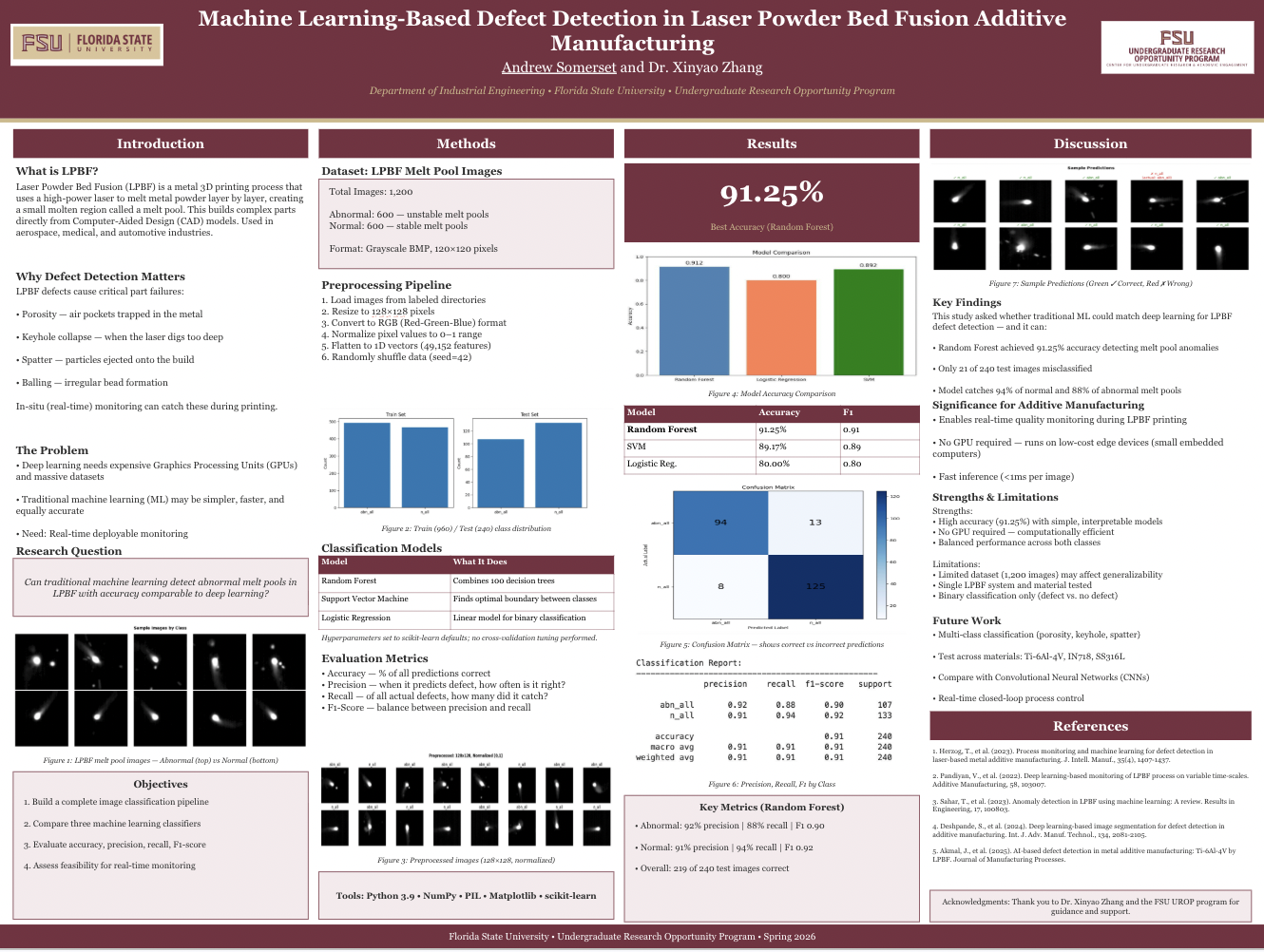
Machine Learning-Based Defect Detection in Laser Powder Bed Fusion Additive Manufacturing
Authors: Andrew Somerset, Dr. Xinyao ZhangStudent Major: Industrial Engineering
Mentor: Dr. Xinyao Zhang
Mentor's Department: Industrial Engineering Mentor's College: College of Engineering Co-Presenters:
Abstract
Machine Learning-Based Defect Detection in Laser Powder Bed Fusion Additive Manufacturing
Background: Laser Powder Bed Fusion (LPBF) is a metal 3D printing process used in aerospace, medical, and automotive industries. Defects such as porosity, keyhole collapse, and spatter can compromise part integrity, making quality monitoring essential. While deep learning approaches show promise, they require expensive Graphics Processing Units (GPUs) and large datasets. This research investigates whether traditional machine learning classifiers can effectively detect melt pool anomalies in LPBF images.
Methods: A dataset of 1,200 grayscale melt pool images (600 normal, 600 abnormal) was preprocessed using Python. Images were resized to 128×128 pixels and normalized to a 0–1 range. Data was split 80/20 for training and testing. Three classifiers were compared: Random Forest, Support Vector Machine (SVM), and Logistic Regression. Performance was evaluated using accuracy, precision, recall, and F1-score.
Results: Random Forest achieved the highest accuracy at 91.25%, with 92% precision and 88% recall for anomaly detection. SVM reached 89.17% accuracy, while Logistic Regression achieved 80%. Only 21 of 240 test images were misclassified, with balanced performance across both classes.
Significance: Traditional machine learning can effectively automate LPBF defect detection without complex deep learning or GPU resources. This computationally efficient approach offers a practical solution for real-time, in-situ monitoring. Limitations include the small dataset size and a single material tested. Future work will explore multi-class defect classification, additional materials, and real-time closed-loop process control.
Keywords: Machine Learning, Smart Manufacturing, Artificial Intelligence, Python
26th annual Undergraduate Research Symposium, April 1, 2026
Joseph Alonso Poster Session 1: 9:30 am - 10:30 am / Poster #169
BIO
Joseph Alonso is an honors student at Florida State University studying political science, religion, and Spanish. Joseph has been recognized as a Mas Family Scholar for his academic and community successes, and as a Silver Knight Nominee for his work in the community, expanding access to Speech & Debate to underresourced schools. Joseph is a part of the FSU Speech & Debate team, being recognized as a nationally awarded debater. Joseph is also a high school Speech & Debate coach, working with students in a variety of events to enhance research, presentation, and rhetorical skills. After graduating, Joseph hopes to attend a top-14 law school and practice in a field of law that involves litigation.
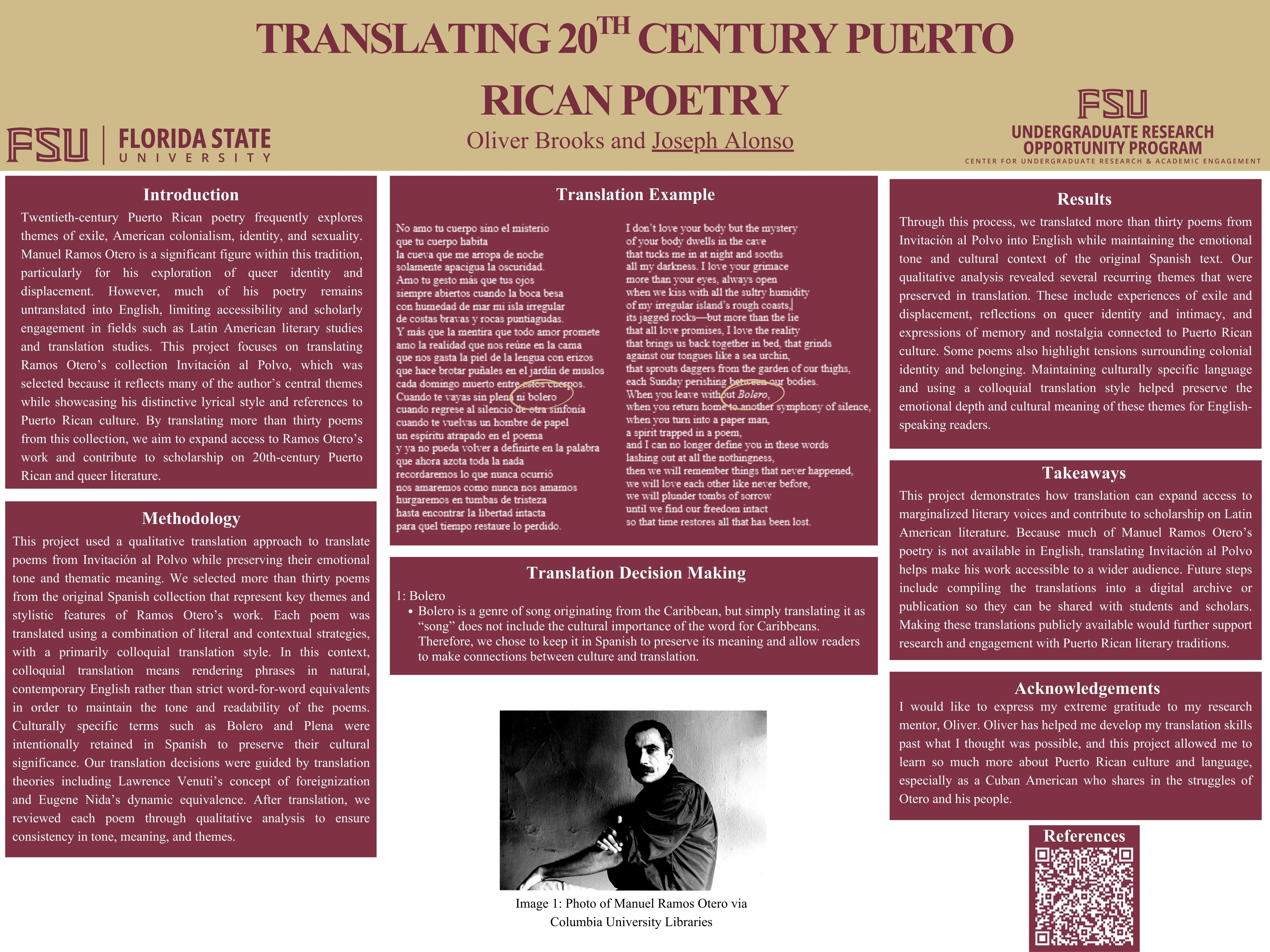
Translating 20th century puerto rican poetry
Authors: Joseph Alonso, Oliver BrooksStudent Major: Political Science
Mentor: Oliver Brooks
Mentor's Department: English Mentor's College: English Co-Presenters:
Abstract
My research project, called Translating 20th Century Puerto Rican Poetry, aims to translate a collection of poetry into English from Spanish that has been previously untranslated. This piece of literature was deemed important to translate as it tackles the themes of Puerto Rican exile from the island, American colonialism, and eroticism that expose different social issues present during the 20th century. Through this project, my mentor and I have worked to translate over 30 distinct poems and used strategies of translation to do so. By using scholarly sources on the authors’ biography and learning modern translation practices, we were able to begin translating Manuel Ramos Otero’s collection of poetry titled Invitación al Polvo. As a native Spanish speaker, I began using my language skills to translate the poetry into English, choosing to have a more colloquial version of translation to make it understandable in the modern era while keeping the spirit and message of the original poetry intact. Stemming from these translations has come a deeper understanding of the life lived by exiled Puerto Ricans and the struggles of queer people in the early 20th century. This has also served the purpose of allowing more people to see Otero’s poetry and better appreciate the struggles of the Puerto Rican people in both historical and modern contexts.
Keywords: Poetry, Translation, Puerto Rico
26th annual Undergraduate Research Symposium, April 1, 2026
Timothy Chance Poster Session 2: 10:45 am - 11:45 am / Poster #192
BIO
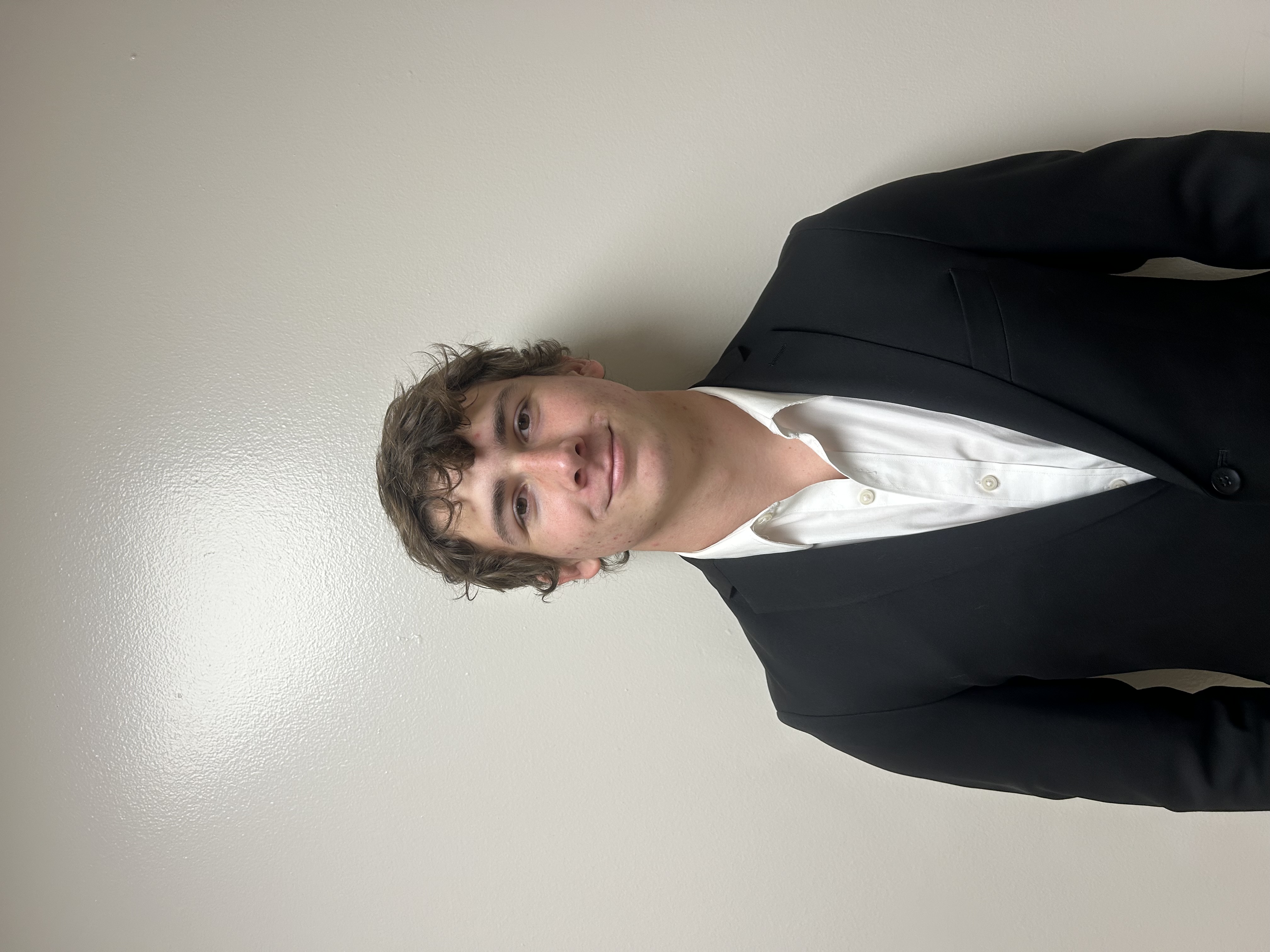
I am a 2nd year Undergraduate Chemical Engineering student at the Joint FAMU-FSU College of Engineering. My involvements on campus involve the Undergraduate Research Program (UROP), Marching Chiefs, and the Chi Phi Fraternity. In the future I hope to pursue a graduate degree in Chemical Engineering
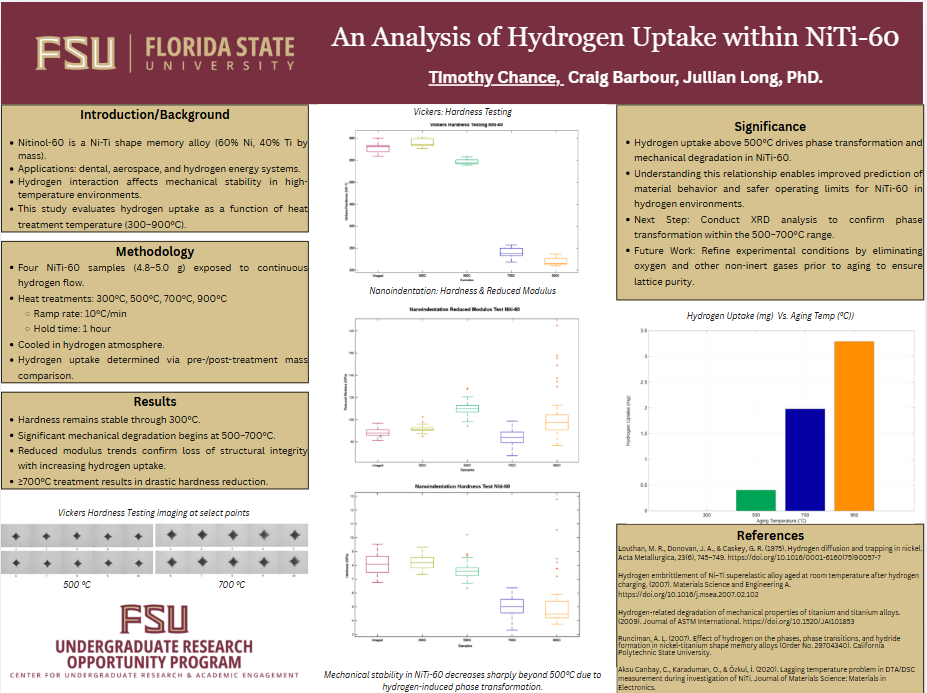
An Analysis of Hydrogen Uptake Within Nitinol-60
Authors: Timothy Chance, Craig BarbourStudent Major: Chemical Engineering
Mentor: Craig Barbour
Mentor's Department: Department of Mechanical Engineering Mentor's College: FAMU-FSU College of Engineering Co-Presenters: N/a
Abstract
Nitinol-60, a shape-memory alloy composed of 60% titanium and 40% nickel by mass, is widely used in dental appliances, aeronautic systems, and hydrogen energy applications. Understanding how this alloy interacts with hydrogen is critical for its safe and effective use in hydrogen energy processes. This study investigates the relationship between temperature and hydrogen uptake in Nitinol-60 to establish quantitative standards for its utilization in high-temperature hydrogen environments.
Keywords: Material Science, Tribology, Mechanical Engineering
26th annual Undergraduate Research Symposium, April 1, 2026
Andrew Robinson Poster Session 1: 9:30 am - 10:30 am / Poster #141

BIO
Andrew Robinson is a pre-law student pursuing a degree in Economics. Outside of class he enjoys working at FSU Rec, hiking, writing and reading.
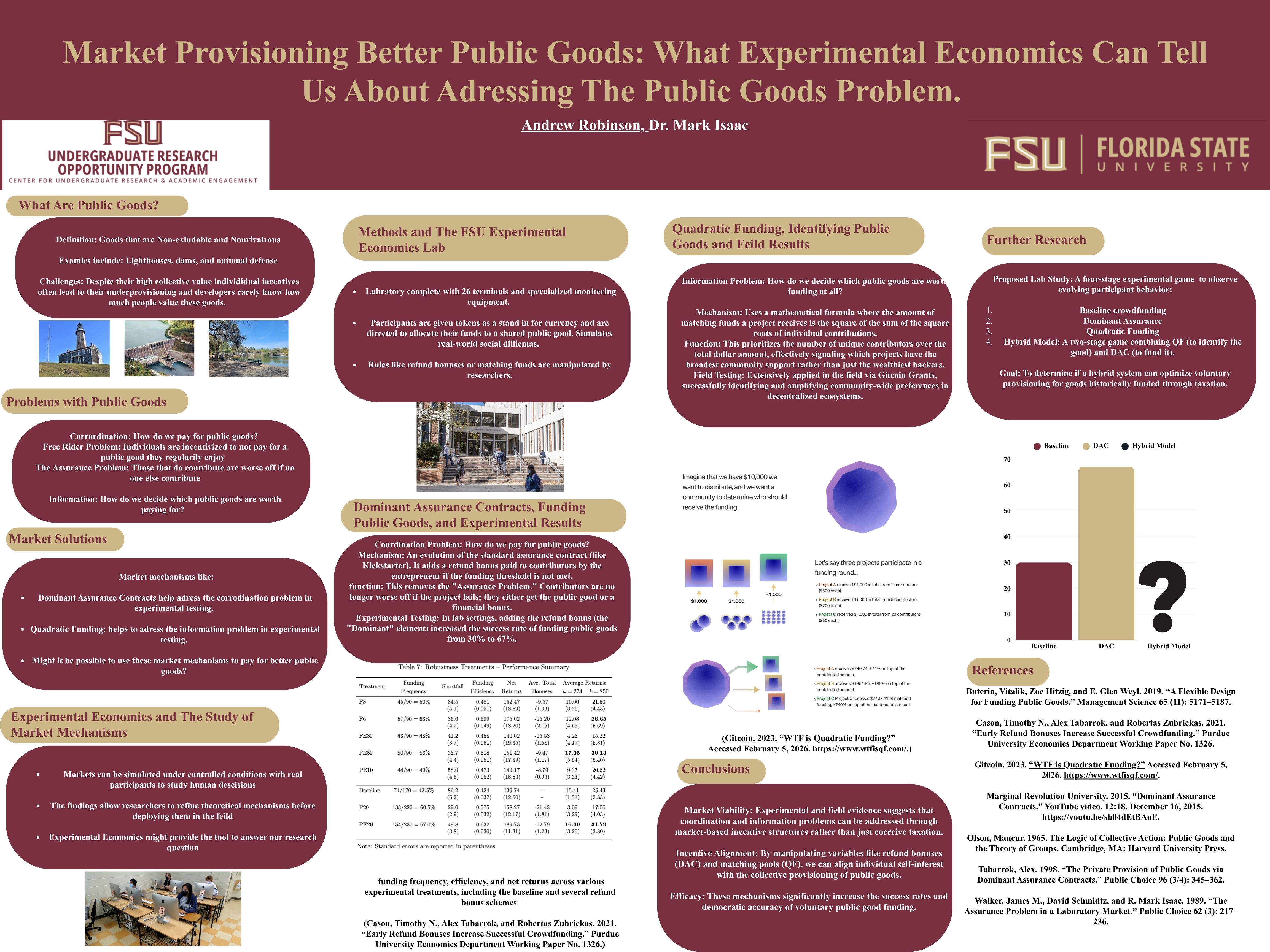
Market Provisioning Better Public Goods: What Experimental Economics Can Tell Us About Addressing The Public Good Problem.
Authors: Andrew Robinson, Mark IsaacStudent Major: Economics
Mentor: Mark Isaac
Mentor's Department: Economics Mentor's College: College Of Social Science and Public Policy Co-Presenters:
Abstract
Public goods like lighthouses, public parks and national defense are notoriously
difficult to fund through private voluntary contributions. Public goods fall prey to problems
of coordination and problems of information. However, theoretical mechanisms like
Dominant assurance contracts and quadratic funding attempt to address these problems
with voluntary public goods (market) provisioning by changing the incentives present in the
market provisioning of these goods. These theoretical considerations reveal the following
questions: Is it possible to solve both the coordination problem and the information
problem by manipulating market incentives and side-stepping coercive measures for
provisioning public goods (taxes)? What can experimental economics tell us about this
question? Experimental evidence shows that Dominant Assurance Contracts increase
successful market provisioning even from basic assurance contract systems. Field
evidence shows that quadratic funding is a viable way to address the information problems
inherent to choosing a public good to fund. It may be possible that a hybrid system
(matching funds and Dominant Assurance Contracts) allows for the optimal voluntary
provisioning of public goods, previously funded through coercion (taxation).
Keywords: Economics, Public Goods, Market Design
26th annual Undergraduate Research Symposium, April 1, 2026
John Mikutel Poster Session 3: 1:45 pm - 2:45 pm / Poster #131
BIO
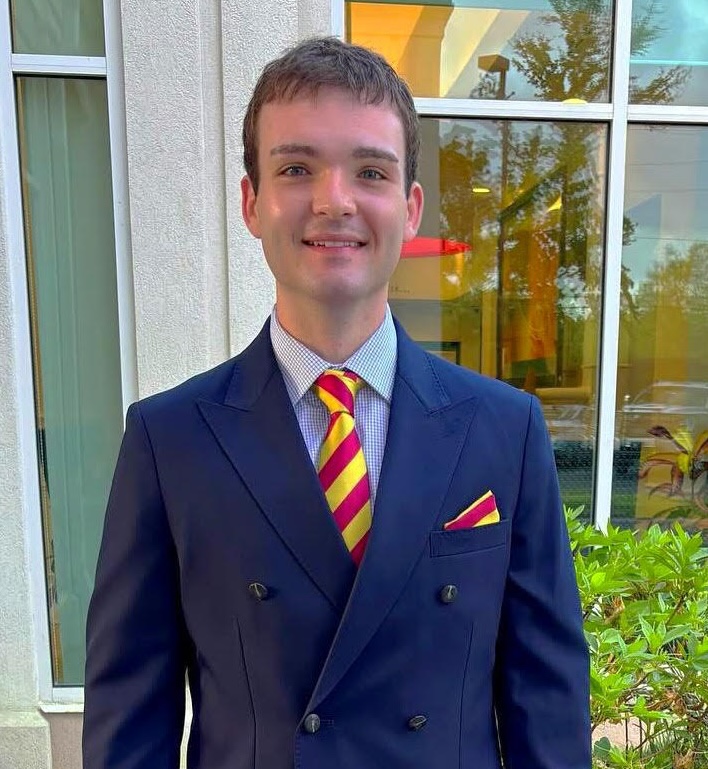
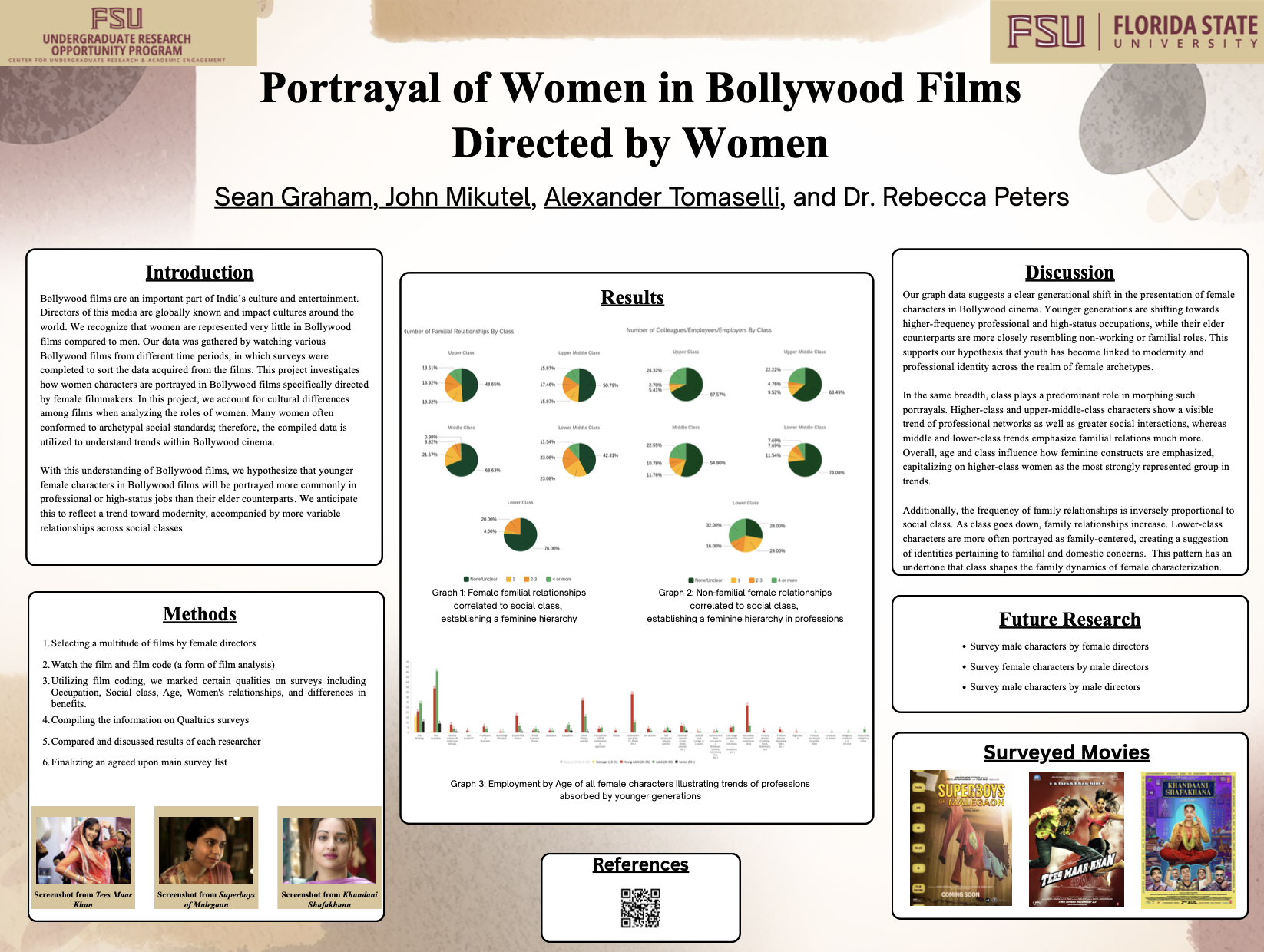
Jack Mikutel, is from Palm Coast, Florida, where he is a first-year undergraduate at Florida State University and a Presidential Scholar majoring in Economics with a minor in Classical Civilizations. As part of the Undergraduate Research Opportunity Program (UROP), he is involved in a research project titled “Portrayal of Women in Bollywood Films Directed by Women.” The project analyzes how female directors in Bollywood depict women’s roles, careers, and social identities, contributing to broader trends of gender representation in Bollywood cinema.
In addition to his academic and research work, Jack is actively engaged in mentoring, leadership, and volunteer initiatives through the lens of the Florida State University Presidential Scholars program. Through these experiences, he continues to build a strong interdisciplinary foundation that connects the humanities, social sciences, and service-oriented work while preparing for future opportunities in healthcare and research.
Portrayal of Women in Bollywood Films Directed by Women
Authors: John Mikutel, Rebecca PetersStudent Major: Economics
Mentor: Rebecca Peters
Mentor's Department: Religion Mentor's College: Florida State University Co-Presenters: Sean Graham and"Alexander Tomaselli
Abstract
This study explores the portrayal of women in Bollywood films directed by female directors and examines whether these films challenge traditional gender stereotypes. Although Bollywood is one of the largest and most globally recognized film industries, women remain underrepresented in directing roles. Because directors play a significant role in shaping narratives and character development, this research investigates whether female-directed films present women as more empowered, multidimensional, and socially diverse compared to mainstream portrayals.
To address this question, we conducted a qualitative content analysis of a selected sample of Bollywood films directed by women. Each film was systematically coded based on key character variables, including occupation, age, social class, relationships, independence, and overall agency. This structured approach allowed us to evaluate both individual character traits and broader thematic trends across the films.
The findings suggest that female-directed Bollywood films more frequently depict women as career-oriented, ambitious, and independent individuals. Many protagonists occupy professional roles and demonstrate higher levels of personal agency compared to traditional portrayals. However, the data also reveal continued patterns related to class and age, with upper-middle-class characters appearing more prominently than lower-class or older women.
Overall, this study indicates that women directors contribute to more progressive and nuanced representations of female characters. Increasing female participation behind the camera may therefore play a meaningful role in reshaping gender narratives and promoting more inclusive storytelling within Bollywood cinema.
Keywords: Bollywood, Cinema, Female, Representation
26th annual Undergraduate Research Symposium, April 1, 2026
Benny Vargas Poster Session 1: 9:30 am - 10:30 am / Poster #261
BIO
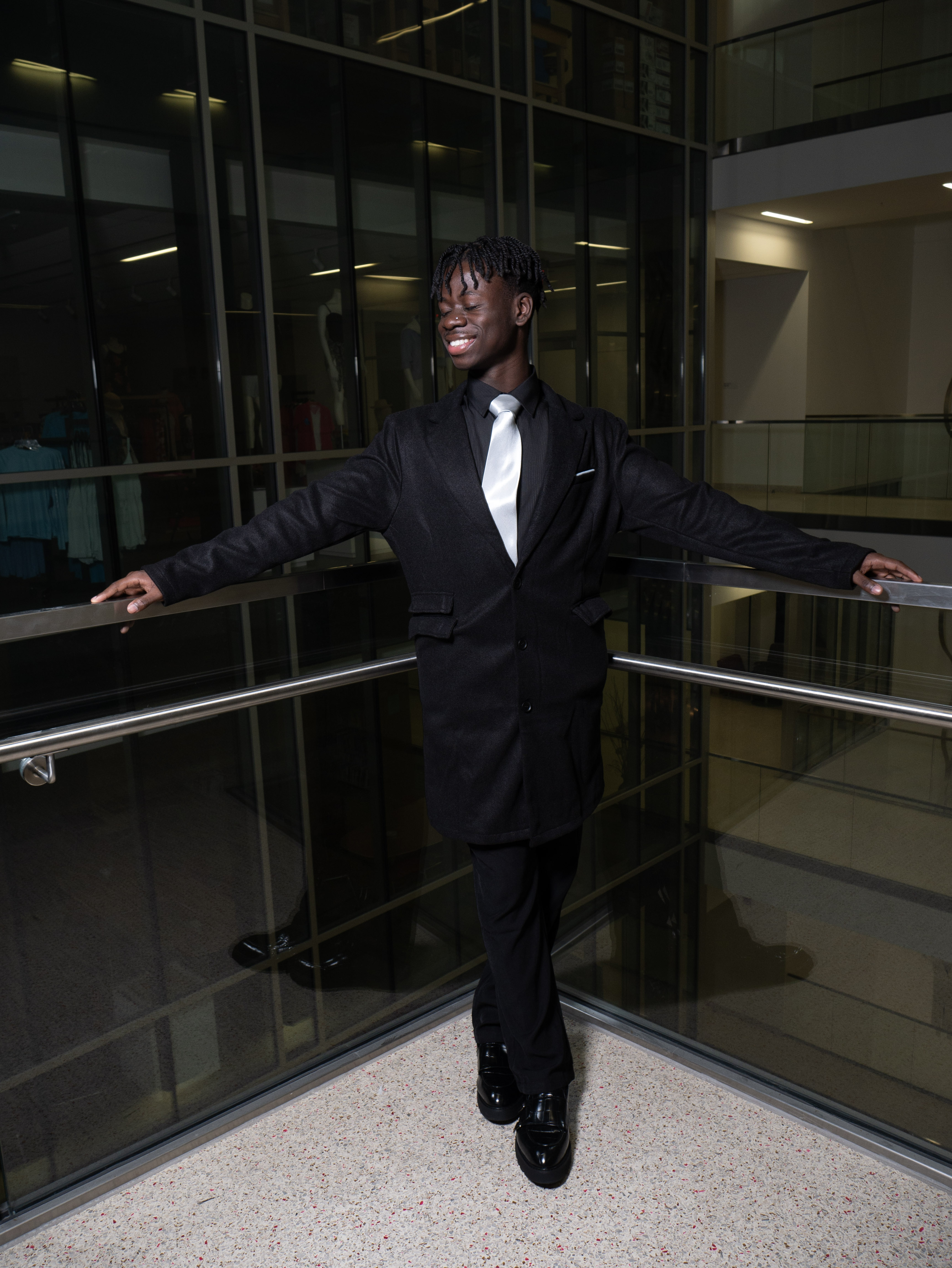
Benny Vargas is a second-year student at Florida State University pursuing a Bachelor of Science in Biomedical Engineering, specialized in Cell & Bioprocesses on the pre-medical track. His academic interests lie at the intersection of biomedical innovation, digital health technologies, and patient-centered design.
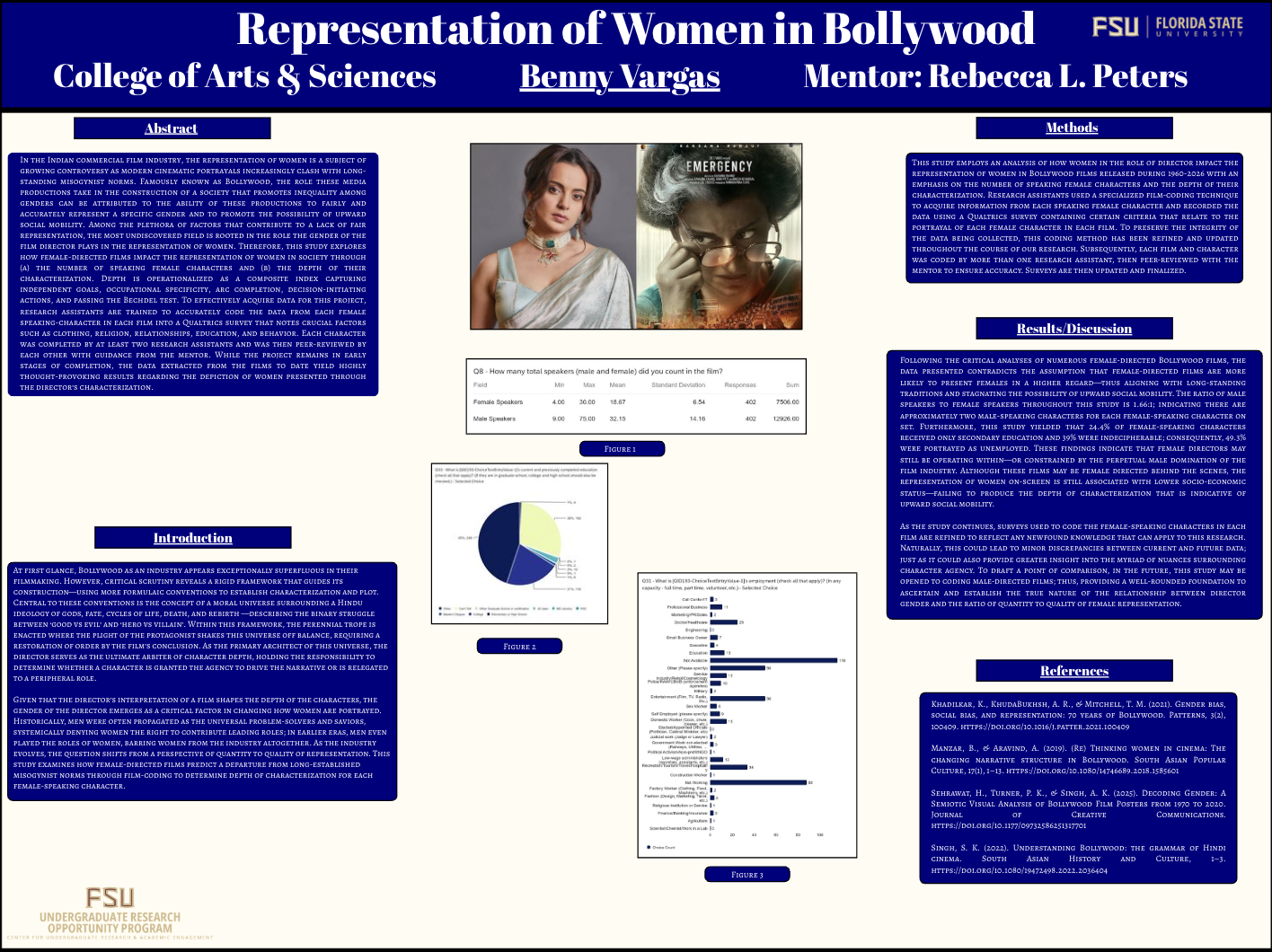
Benny is actively engaged in undergraduate research through Florida State University’s Undergraduate Research Opportunity Program (UROP). His current project examines gender representation in Hindi-language commercial cinema, specifically investigating whether director gender influences the number of named female characters and the depth of their characterization.
Beyond research, Benny is the Founder and Chief Executive Officer of Try B4 U Buy, a startup developing an augmented reality–powered virtual fitting ecosystem designed to reduce return rates in fashion e-commerce by allowing consumers to visualize garment fit and drape in real time. Through this work, he has gained experience in product design, market research, and technology-driven entrepreneurship.
Following graduation, Benny plans to attend medical school and pursue a career in cardiothoracic surgery, with the long-term goal of contributing to advancements at the intersection of surgical innovation, biomedical engineering, and emerging medical technologies.
Representation of Women in Bollywood
Authors: Benny Vargas, Rebecca L. PetersStudent Major: Biomedical Engineering - Cell & Bioprocess
Mentor: Rebecca L. Peters
Mentor's Department: Religion Mentor's College: Arts & Sciences Co-Presenters:
Abstract
In the Indian commercial film industry, the representation of women is a subject of growing controversy as modern cinematic portrayals increasingly clash with long-standing misogynist norms. Famously known as Bollywood, the role these media productions take in the construction of a society that promotes inequality among genders can be attributed to the ability of these productions to fairly and accurately represent a specific gender and to promote the possibility of upward social mobility. Among the plethora of factors that contribute to a lack of fair representation, the most undiscovered field is rooted in the role the gender of the film director plays in the representation of women. Therefore, this study explores how female-directed films impact the representation of women in society through (a) the number of speaking female characters and (b) the depth of their characterization. Depth is operationalized as a composite index capturing independent goals, occupational specificity, arc completion, decision-initiating actions, and passing the Bechdel test. To effectively acquire data for this project, research assistants are trained to accurately code the data from each female speaking-character in each film into a Qualtrics survey that notes crucial factors such as clothing, religion, relationships, education, and behavior. Each character was completed by at least two research assistants and was then peer-reviewed by each other with guidance from the mentor. While the project remains in early stages of completion, the data extracted from the films to date yield highly thought-provoking results regarding the depiction of women presented through the director’s characterization.
Keywords: Bollywood, Representation, Hindi, Cinema
26th annual Undergraduate Research Symposium, April 1, 2026
Diego Llaverias Poster Session 1: 9:30 am - 10:30 am / Poster #75
BIO
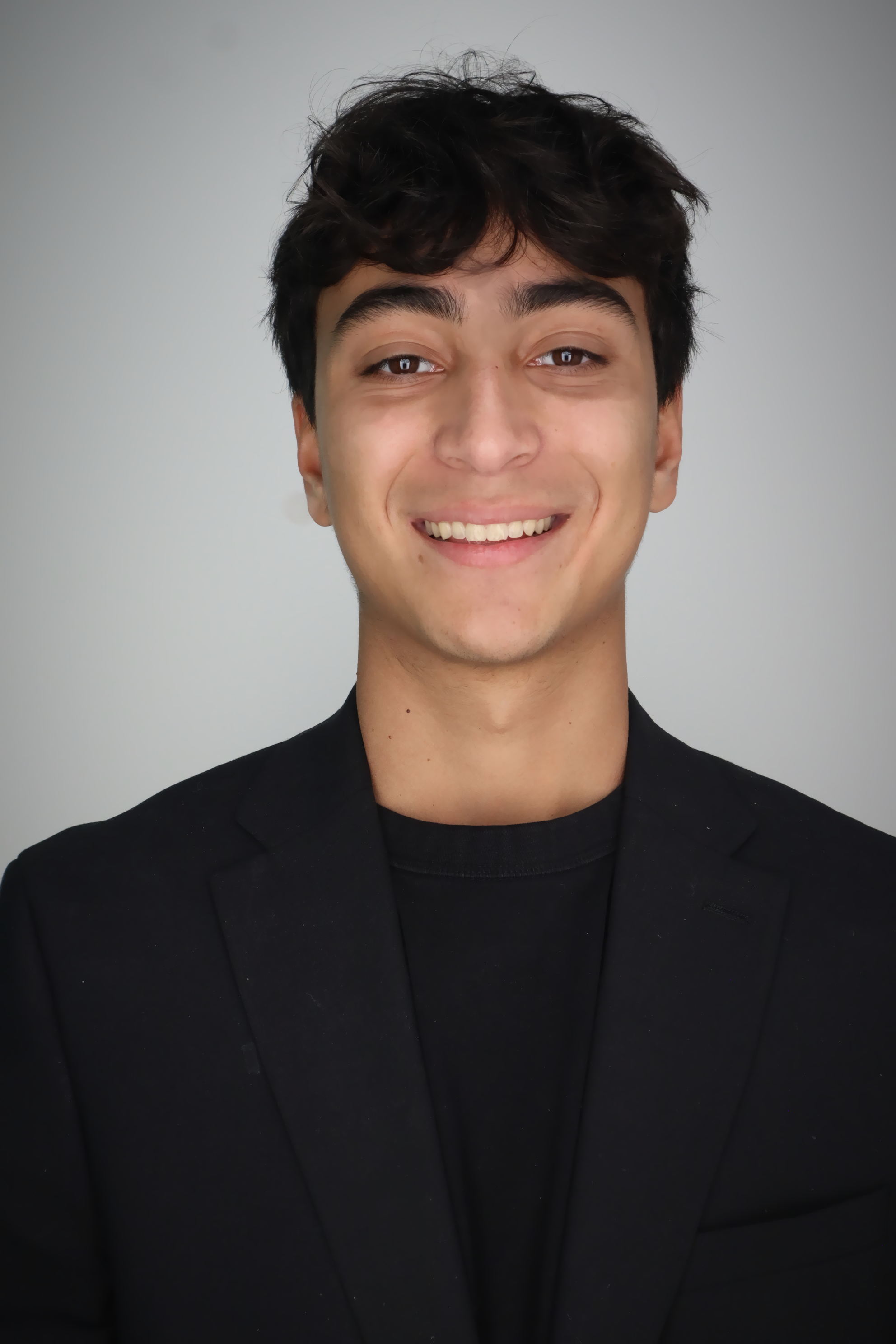
Diego Llaverias is a sophomore at Florida State University pursuing a Bachelor of Science in Biomedical Engineering. His academic interests center on the intersection of engineering, medicine, and technology, with a particular focus on the development of prosthetics, biomedical implants, and biomimetic medical devices that improve patient outcomes and quality of life.
Diego is actively involved in undergraduate research exploring biomimetic robotics and machine learning applications in aquatic locomotion. His work focuses on designing and testing fish-inspired robotic systems using computer-aided simulations and experimental facilities to study efficient and agile movement in water. Through this research, he has gained experience in engineering design, computational modeling, and interdisciplinary collaboration while working alongside faculty mentors and fellow researchers in the biomedical engineering department.
In addition to his academic and research work, Diego gained clinical experience working as a medical assistant at a Hand and Wrist Institute, where he assisted with patient care and clinic operations. Through this role, he developed strong patient interaction and clinical support skills and discovered a passion for helping people through healthcare.
After completing his Bachelor of Science in Biomedical Engineering, Diego plans to pursue a Master of Business Administration (MBA). He hopes to combine engineering expertise with business and leadership skills to contribute to the development and commercialization of innovative medical technologies, particularly in the fields of prosthetics and biomedical implants.
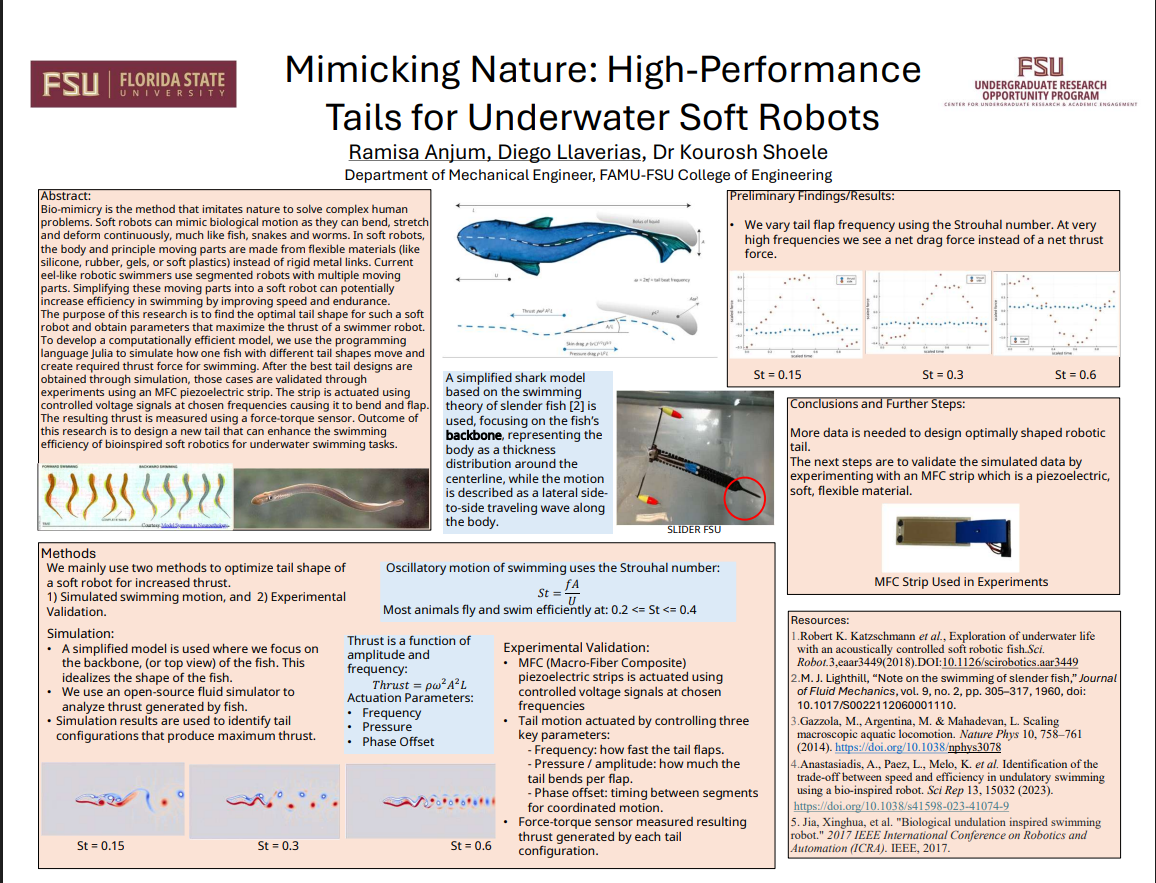
Mimicking Nature: High-Performance Tails for Underwater Soft Robots
Authors: Diego Llaverias, Dr. Kourosh ShoeleStudent Major: Biomedical Engineering
Mentor: Dr. Kourosh Shoele
Mentor's Department: Mechanical Engineering Mentor's College: FAMU-FSU College of Engineering Co-Presenters: Ramisa Anjum
Abstract
Bio-mimicry is the method that imitates nature to solve complex human
problems. Soft robots can mimic biological motion as they can bend, stretch
and deform continuously, much like fish, snakes and worms. In soft robots,
the body and principle moving parts are made from flexible materials (like
silicone, rubber, gels, or soft plastics) instead of rigid metal links. Current
eel-like robotic swimmers use segmented robots with multiple moving
parts. Simplifying these moving parts into a soft robot can potentially
increase efficiency in swimming by improving speed and endurance.
The purpose of this research is to find the optimal tail shape for such a soft
robot and obtain parameters that maximize the thrust of a swimmer robot.
To develop a computationally efficient model, we use the programming
language Julia to simulate how one fish with different tail shapes move and
create required thrust force for swimming. After the best tail designs are
obtained through simulation, those cases are validated through
experiments using an MFC piezoelectric strip. The strip is actuated using
controlled voltage signals at chosen frequencies causing it to bend and flap.
The resulting thrust is measured using a force-torque sensor. Outcome of
this research is to design a new tail that can enhance the swimming
efficiency of bioinspired soft robotics for underwater swimming tasks.
Keywords: Robotics, Swimmers, Fluid Dynamics, Machine Learning
26th annual Undergraduate Research Symposium, April 1, 2026
Charlotte Brown Poster Session 2: 10:45 am - 11:45 am / Poster #68
BIO
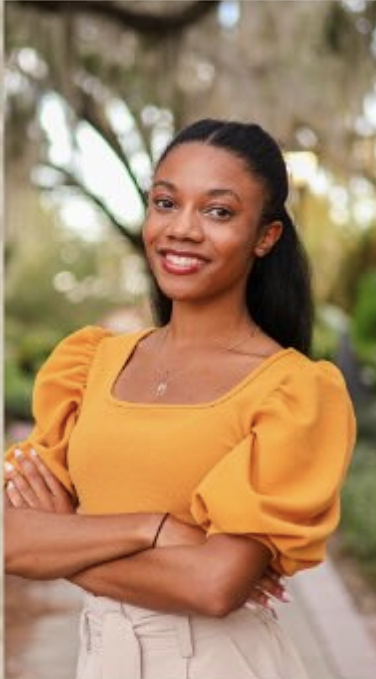
Charlotte Brown is a first-year Student and Presidential Scholar at Florida State University, where she is pursuing a degree in Civil Engineering with a minor in Art Entrepreneurship. Deeply committed to environmental advocacy, Charlotte serves as the Sustainability Coordinator for the Student Government Association. In this role, and through various diversity-focused initiatives, she is laying the groundwork for a future career in environmental consulting following her graduation in 2029.
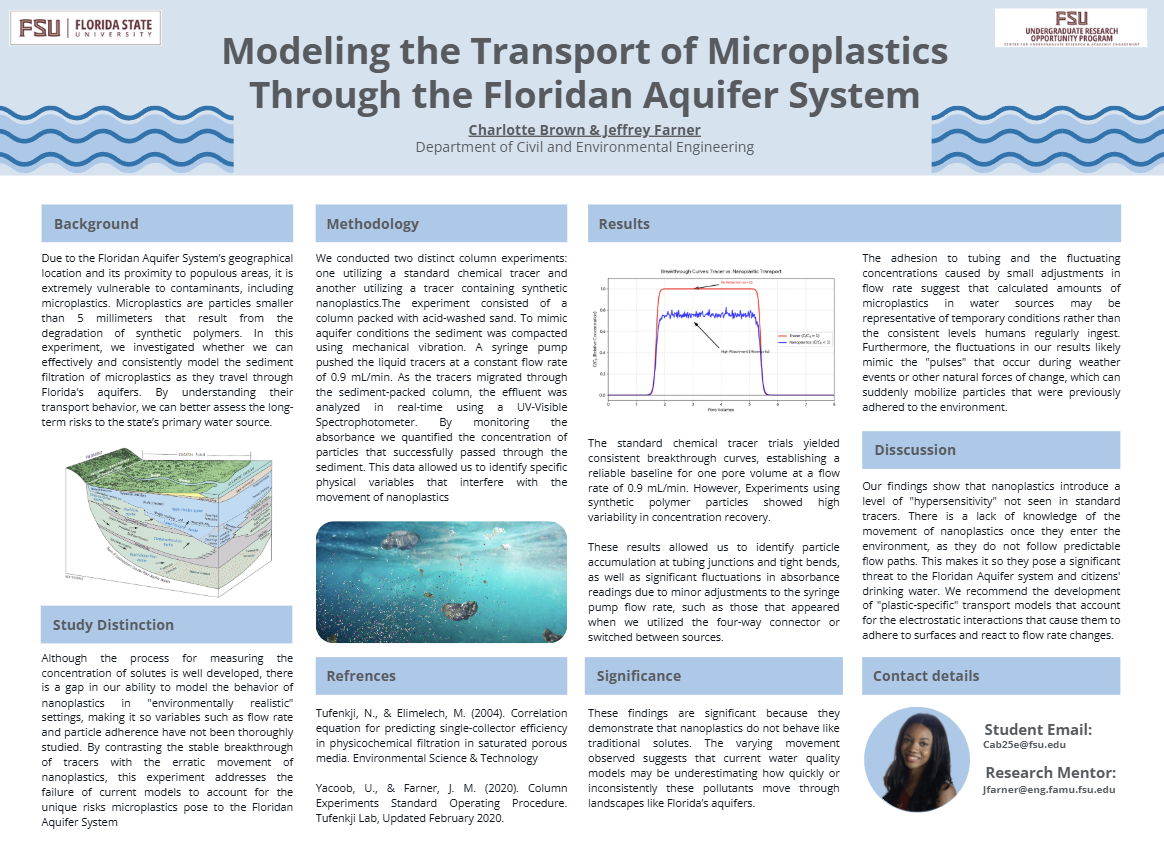
Modeling the Transport of Microplastics Through the Floridan Aquifer System
Authors: Charlotte Brown, Jeffrey FarnerStudent Major: Civil Engineering
Mentor: Jeffrey Farner
Mentor's Department: Civil and Environmental Engineering Mentor's College: College of Engineering Co-Presenters:
Abstract
The Floridan Aquifer System provides 90% of Florida’s drinking water. However, due to its geographical location, it is extremely vulnerable to contaminants, including microplastics. Microplastics are particles smaller than 5 millimeters that result from the degradation of synthetic polymers. In this experiment, we investigated whether we can effectively and consistently model the sediment filtration of microplastics as they travel through Florida's aquifers. By understanding their transport behavior, we can better assess the risks to the state’s water source. To achieve this, we conducted column experiments where a liquid tracer containing microplastics was passed through a sediment-packed column. Utilizing a UV-Visible Spectrometer, we analyzed the microplastics that successfully passed through the sediment. This data allowed us to evaluate the efficacy of our experimental design and identify possible variables that interfere with the movement of microplastics. While we researched consistent results with standard chemical tracers, the microplastic trials showed lower consistency. This inconsistency demonstrates the unique physical properties of microplastics, such as their microscopic size, causing them to adhere to tubing, or their hypersensitivity to changes in flow rate. These findings demonstrate that microplastics do not behave like traditional solutes found in drinking water. The difficulty in consistently modeling microplastic movement underscores the lack of control humans have over these particles once they enter the environment, causing them to pose a significant risk to public safety. This research emphasizes the urgent need for research concerning water quality to protect citizens in Florida and across the country from microplastics and their potential hazards.
Keywords: Civil Engineering, Sustainability, Microplastic