
UROP Project
Science Prediction Market
experiment, hypothesis, biology, chemistry, economics
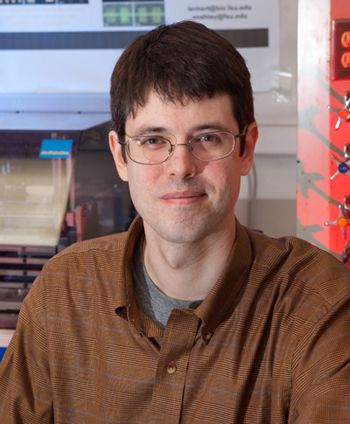
Research Mentor: Steven Lenhert,
Department, College, Affiliation: Biological Science, Arts and Sciences
Contact Email: lenhert@bio.fsu.edu
Research Assistant Supervisor (if different from mentor):
Research Assistant Supervisor Email:
Faculty Collaborators:
Faculty Collaborators Email:
Department, College, Affiliation: Biological Science, Arts and Sciences
Contact Email: lenhert@bio.fsu.edu
Research Assistant Supervisor (if different from mentor):
Research Assistant Supervisor Email:
Faculty Collaborators:
Faculty Collaborators Email:
Looking for Research Assistants: Yes
Number of Research Assistants: 2
Relevant Majors: Open to all majors
Project Location: On FSU Main Campus
Research Assistant Transportation Required: Remote or In-person: Partially Remote
Approximate Weekly Hours: 8, Flexible schedule (Combination of business and outside of business. TBD between student and research mentor.)
Roundtable Times and Zoom Link:
Number of Research Assistants: 2
Relevant Majors: Open to all majors
Project Location: On FSU Main Campus
Research Assistant Transportation Required: Remote or In-person: Partially Remote
Approximate Weekly Hours: 8, Flexible schedule (Combination of business and outside of business. TBD between student and research mentor.)
Roundtable Times and Zoom Link:
- Day: Monday, August 31
Start Time: 2:00
End Time: 2:30
Zoom Link: https://fsu.zoom.us/j/92271342903
Project Description
What is the difference between a good and bad science experiment? This is a question that was thoroughly answered by Karl Popper in the early 20th century. He came to the now widely accepted conclusion that good science involves falsifiable hypotheses, while pseudoscience is unfalsifiable. Popper explained the reason for this rule nicely in an article entitled, "Science as Falsification”.1 Briefly, the idea is that science should answer questions to which we do not already know the answer. Theories and hypothesis that have a chance to be proven wrong through experimental observation are therefore valuable contributions to our advancement of knowledge, while theories and hypotheses that have no risk of being wrong do not increase knowledge. This “demarcation line” so nicely distinguishes science from pseudoscience, that I propose to take it one step further – can we quantify the amount of knowledge gained by an experiment by making predictions and measuring how much of a chance it is perceived to have of falsifying a hypothesis? Furthermore, the predictive value of completed science is what makes technology possible.This project will set up a new kind of scientific evaluation system.2 A scientist can propose a scientific question, hypothesis, and experiment to test the hypothesis. That scientist can provide possible outcomes of the experiment, along with proposed probabilities for each outcome. Reviewers can then predict the outcomes and wager points to indicate their level of confidence. The value of the knowledge to be gained by the experiment can then be gauged by how much wagering takes place, as well as what the odds are for different outcomes. Presentation of published experiments and results in this format can allow students to experience the scientific process of discovery and develop their scientific prediction skills.
References:
1 Science as Falsification, by Karl Popper
https://staff.washington.edu/lynnhank/Popper-1.pdf
2 Science Prediction Market
https://www.bio.fsu.edu/lenhertgroup/prediction_market.php
Research Tasks: The students will set up a prediction market using points within the Lenhert group and other interested students and researchers. Experiments from the scientific literature that are perceived to be relevant to current projects in the group will be identified. The experiments will be presented to the group without providing the results. Other group members will predict the outcome of the experiments and express their confidence in the outcomes using points. The market will be extended to real experiments in the Lenhert lab as well as other labs.
Skills that research assistant(s) may need: Required: Critical thinking; communication; basic understanding of science
Recommended: STEM, physics, chemistry, biology, finance, economics, business
Mentoring Philosophy
I seek to understand student’s goals and current abilities and to provide guidance to enable them to achieve their goals. This involves providing opportunities as they appear. Examples of opportunities could be an experiment that the student could carry out, coauthorship on a publication, or involvement in a collaboration. As an interdisciplinary scientist, I value different ways of thinking and approaching research tasks. When working in groups I look for synergy. If I’m teaching a student a skill that I have myself, then I demonstrate it and then let the student repeat it. I also tend to think of my students as collaborators and appreciate learning from them as well. I use, and encourage use of deliberate practice, which is an approach to developing expertise based on solving well designed achievable goals using feedback and guidance from a mentor. I meet at least once a week with my research group where we discuss our research, get feedback from each other, and identify achievable goals. Examples of research goals could be to take steps towards constructing a device, design or carry out an experiment, analyze a data set, search the literature for relevant papers, work on some scientific writing and communication. I continue to practice these skills myself and to improve my mentoring as well, doing my best to be a good example. As Isaac Asimov once wrote, “education is not something that can be finished.”Additional Information
Link to Publications
https://www.bio.fsu.edu/lenhertgroup/prediction_market.phpBuilding a Shared Curriculum for Student Success: Mapping Themes and Resources Across Engage 100
Benchmarking, curriculum, first-year experience, lesson-plans, course materials, database
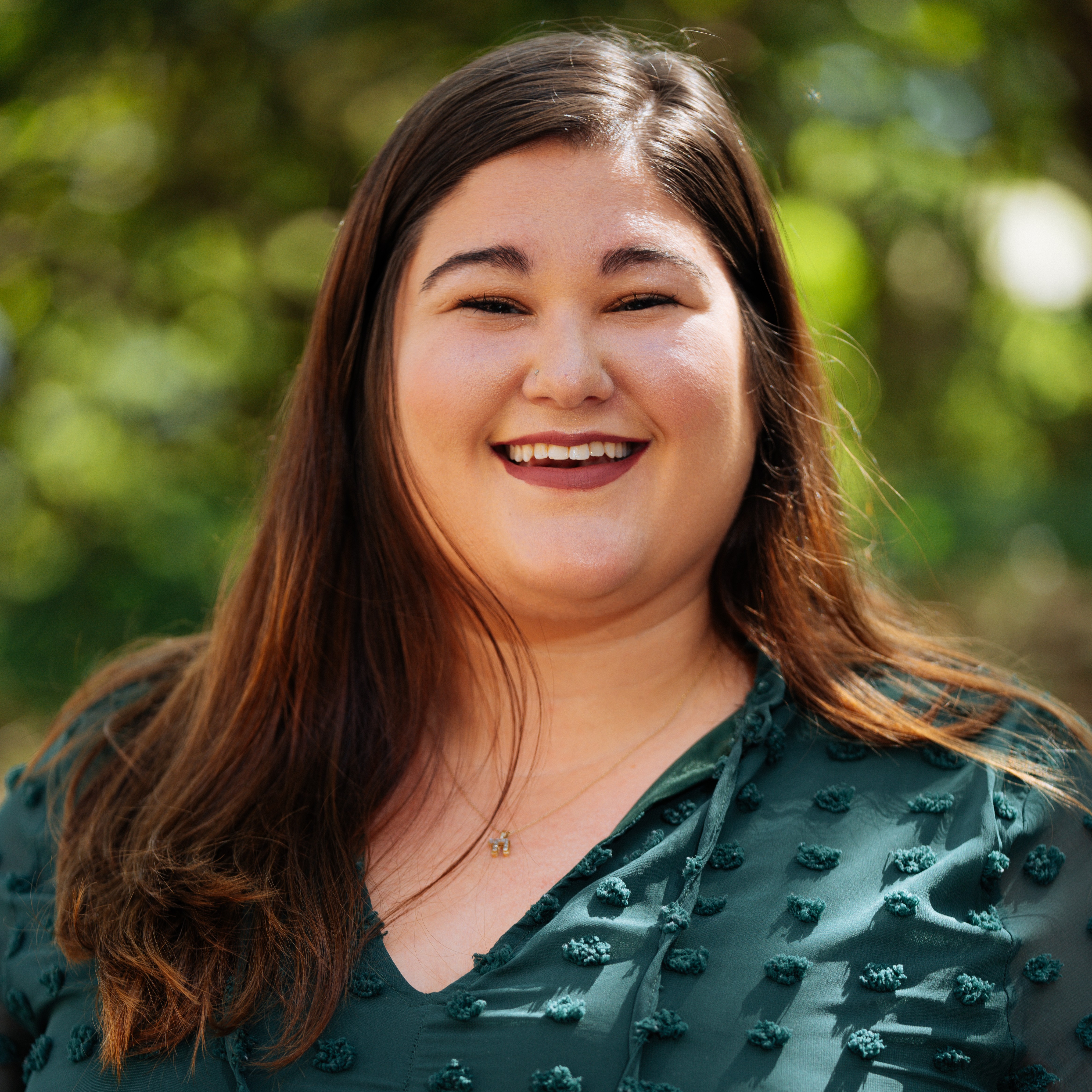
Research Mentor: Danielle Porter, She/hers
Department, College, Affiliation: Retention - Engage 100, Undergraduate Studies
Contact Email: danielle.lewis@fsu.edu
Research Assistant Supervisor (if different from mentor):
Research Assistant Supervisor Email:
Faculty Collaborators:
Faculty Collaborators Email:
Department, College, Affiliation: Retention - Engage 100, Undergraduate Studies
Contact Email: danielle.lewis@fsu.edu
Research Assistant Supervisor (if different from mentor):
Research Assistant Supervisor Email:
Faculty Collaborators:
Faculty Collaborators Email:
Looking for Research Assistants: Yes
Number of Research Assistants: 2
Relevant Majors: Open to all majors
Project Location: On FSU Main Campus
Research Assistant Transportation Required: Remote or In-person: Partially Remote
Approximate Weekly Hours: 7, Flexible schedule (Combination of business and outside of business. TBD between student and research mentor.)
Roundtable Times and Zoom Link:
Number of Research Assistants: 2
Relevant Majors: Open to all majors
Project Location: On FSU Main Campus
Research Assistant Transportation Required: Remote or In-person: Partially Remote
Approximate Weekly Hours: 7, Flexible schedule (Combination of business and outside of business. TBD between student and research mentor.)
Roundtable Times and Zoom Link:
- Day: Monday, August 31
Start Time: 4:30
End Time: 6:00
Zoom Link: https://fsu.zoom.us/j/91217766531 - Day: Thursday, September 3
Start Time: 1:00
End Time: 2:00
Zoom Link: https://fsu.zoom.us/j/91217766531
Project Description
Engage 100 is Florida State University's collection of first-year success courses designed to help new students transition to college and build the skills, knowledge, and connections needed to thrive at FSU. The program includes approximately 30 unique courses that serve different student populations and interests, including academic, experiential, identity-based, and general success seminars. Because each course is designed independently, there is significant variation in the topics, activities, and resources used across programs.This project will create the first comprehensive review of curriculum used throughout Engage 100. Undergraduate researchers will collect and organize course materials such as syllabi, assignments, lesson plans, learning outcomes, assessments, and peer mentor training resources. Students will then analyze these materials to identify common topics, important themes, and effective practices that appear across multiple courses. Researchers will also look for gaps, overlaps, and opportunities to strengthen collaboration among programs.
In addition, student researchers will review historical student survey data and explore first-year seminar programs at peer institutions to better understand how FSU's approach compares to national practices. This work will help identify new ideas and opportunities for future curriculum development.
The project will result in the creation of a centralized SharePoint resource library that allows Engage 100 instructors and partners to easily access and share course materials, activities, assignments, and other educational resources. By making high-quality materials more accessible, the project will support greater collaboration and help instructors learn from one another's successes.
Students participating in this project will gain hands-on experience with qualitative research methods, content analysis, theme development, benchmarking, information management, and database design. They will learn how educational research can be used to improve programs and support student success. The project will conclude with a research poster presentation highlighting major findings, common themes across courses, and recommendations for future curriculum development within Engage 100.
Research Tasks: material collection and coding, benchmarking similar programs, data analysis, creating and organizing material database,
Skills that research assistant(s) may need: Required Skills:
Strong organizational skills
Attention to detail
Written communication skills
Ability to work independently and as part of a team
Interest in education, student success, or research
Recommended Skills:
Familiarity with Microsoft Office applications
Experience with research projects or data collection
Ability to review and summarize information
Interest in higher education, leadership, or curriculum development
Mentoring Philosophy
My mentoring philosophy is rooted in the belief that growth and development occur when individuals are both supported and appropriately challenged. I strive to create an environment where students feel valued, respected, and empowered to explore their interests while developing new skills and confidence. I believe effective mentoring requires transparency, open communication, and a commitment to equity. As a mentor, I seek to model the same level of engagement and accountability that I expect from my students, and I would never ask them to do work I would not be willing to do myself.I view mentoring as a collaborative process that should be both impactful and enjoyable. While structure and clear expectations are important, I also recognize that learning is rarely linear. Students' interests, goals, and emerging questions can reshape the direction of a project, and I value the curiosity and adaptability that come from embracing those opportunities. My role is to provide guidance, resources, and constructive feedback while creating space for students to take ownership of their learning and contributions.
Above all, I believe mentoring begins with recognizing that we are humans first. Understanding students' goals, interests, strengths, and aspirations allows me to tailor support in meaningful ways. By fostering strong communication, mutual respect, and shared investment in the process, I hope to create experiences that contribute to both personal and professional growth for everyone involved.
Additional Information
Link to Publications
https://engage100.fsu.edu/Macbeth: A Critical Edition
Shakespeare, drama, literature, text editing, bibliography

Research Mentor: Dr. Molly Hand, she/her
Department, College, Affiliation: English, Arts and Sciences
Contact Email: mhand@fsu.edu
Research Assistant Supervisor (if different from mentor):
Research Assistant Supervisor Email:
Faculty Collaborators:
Faculty Collaborators Email:
Department, College, Affiliation: English, Arts and Sciences
Contact Email: mhand@fsu.edu
Research Assistant Supervisor (if different from mentor):
Research Assistant Supervisor Email:
Faculty Collaborators:
Faculty Collaborators Email:
Looking for Research Assistants: Yes
Number of Research Assistants: 2
Relevant Majors: English or other humanities majors preferred, but open to all majors.
Project Location: On FSU Main Campus
Research Assistant Transportation Required: Yes Remote or In-person: Partially Remote
Approximate Weekly Hours: 5-10, Flexible schedule (Combination of business and outside of business. TBD between student and research mentor.)
Roundtable Times and Zoom Link:
Number of Research Assistants: 2
Relevant Majors: English or other humanities majors preferred, but open to all majors.
Project Location: On FSU Main Campus
Research Assistant Transportation Required: Yes Remote or In-person: Partially Remote
Approximate Weekly Hours: 5-10, Flexible schedule (Combination of business and outside of business. TBD between student and research mentor.)
Roundtable Times and Zoom Link:
- Day: Monday, August 31
Start Time: 12:00
End Time: 12:30
Zoom Link: https://fsu.zoom.us/rec/share/myJsNMydNSvmXDRrNr36mFh4ONo_pBNOYcICNcACDtknepAqdtAA8jpCkyBZqEZX.UO8J8xxFd-bpcxV4
Project Description
The project is a critical edition of Shakespeare's Macbeth for New Internet Shakespeare Editions and Linked Early Modern Drama Online.This critical edition will include a fully annotated modernized version of the play, a thorough transcription of the original 1623 playtext, a critical introduction, a textual introduction, a performance introduction, bibliography of scholarship on the play, and more. The work is in early stages, so there is plenty of opportunity for a research assistant to tackle areas that are most of interest.
Research Tasks: bibliography compiling, assisting with glossing and annotations, collation, comparing paratexts from other critical editions, researching performances from around the globe, could also include text encoding
Skills that research assistant(s) may need: Recommended:
Familiarity with databases such as MLA International Bibliography and Oxford English Dictionary
Familiarity with Shakespeare/early modern English literature
Experience with humanities-based scholarly research
Required
Writing and editing skills
Ability to read carefully for detail
Ability to focus on specific (sometimes tedious) tasks with patience and thoroughness
Ability to conduct deep research without the use of AI
Ability to meet deadlines
Ability to think critically
Ability to work independently
Ability to ask for guidance and clarification when needed
Mentoring Philosophy
When serving in a teaching-mentoring capacity and working closely with a student, whether through UROP or HitM or a DIS, I encourage students to articulate their own objectives at the beginning of the project and term. With those objectives in mind, I can then work to align tasks with a student's interests and goals. This particular project is ideal for UROP in the sense that while it has a very specific outcome - a critical edition of Macbeth - the work towards that outcome includes many different tasks and types of work. I hope to build on a student's existing strengths, while offering opportunities to develop their research experience in new directions. I am interested in a collaborative relationship - not one in which I'm "the boss," but rather one in which we approach challenges together, work toward projected outcomes, and also hold space for curiosity and new discoveries. I am not a "micromanager"; I trust a mentee to be somewhat self-guided while being aware that I am always available to provide clarification. Work-life balance is crucial, and we will establish both project milestones and a meeting schedule with a comfortable pace in mind. Ultimately, this project will benefit from the thoughtful input of an undergraduate research assistant (undergraduate students are one intended audience of the edition), and I look forward to learning and gaining fresh insight and new perspectives along with way.Additional Information
Zoom roundtable recording: https://fsu.zoom.us/rec/share/myJsNMydNSvmXDRrNr36mFh4ONo_pBNOYcICNcACDtknepAqdtAA8jpCkyBZqEZX.UO8J8xxFd-bpcxV4Link to Publications
https://lemdo.uvic.ca/lemdo/index.htmlThe Role of Intellectual Humility in Evaluating and Sharing Information
Intellectual Humility, Epistemic Virtuosity, Information Processing, Information Evaluation, Information Sharing, Persuasive Arguments, Media Literacy

Research Mentor: Ms. Julia Lombard, she/her
Department, College, Affiliation: Psychology, Arts and Sciences
Contact Email: jlombard@psy.fsu.edu
Research Assistant Supervisor (if different from mentor):
Research Assistant Supervisor Email:
Faculty Collaborators:
Faculty Collaborators Email:
Department, College, Affiliation: Psychology, Arts and Sciences
Contact Email: jlombard@psy.fsu.edu
Research Assistant Supervisor (if different from mentor):
Research Assistant Supervisor Email:
Faculty Collaborators:
Faculty Collaborators Email:
Looking for Research Assistants: Yes
Number of Research Assistants: 2
Relevant Majors: Psychology preferred, although open to all majors!
Project Location: On FSU Main Campus
Research Assistant Transportation Required: Remote or In-person: In-person
Approximate Weekly Hours: 5-10 hours, During business hours
Roundtable Times and Zoom Link:
Number of Research Assistants: 2
Relevant Majors: Psychology preferred, although open to all majors!
Project Location: On FSU Main Campus
Research Assistant Transportation Required: Remote or In-person: In-person
Approximate Weekly Hours: 5-10 hours, During business hours
Roundtable Times and Zoom Link:
- Day: Friday, September 4
Start Time: 2:00
End Time: 3:00
Zoom Link: https://fsu.zoom.us/j/92158880121
Project Description
Modern society is rapidly changing, and the ease of access to the internet and online social networks allows individuals to obtain information and advice from others with just a few clicks. Although this technological revolution has brought immeasurable benefits, it has also introduced potential risks for internet users. Information shared online is not always subject to reliable quality control, particularly on social media platforms. Moreover, individuals may unintentionally or deliberately disseminate misinformation or low-quality information to others. Consequently, researchers have had a growing interest in identifying factors that may help individuals navigate online information more effectively and enhance media literacy more broadly.The present study investigates whether intellectual humility (IH) may be a key factor in helping individuals evaluate information, particularly persuasive arguments, more effectively and cautiously in online environments. Often regarded as a golden mean of epistemic virtuosity, IH encompasses valuing both one's own knowledge and the knowledge of others while remaining open to revising one's own beliefs. Thus, IH can be conceptualized as a balance between intellectual arrogance, or overconfidence in one's knowledge, and intellectual servility, or insufficient confidence in one's beliefs and judgments.
Previous research has demonstrated that higher levels of IH are associated with a greater ability to distinguish between weakly and strongly framed arguments across polarized political topics, everyday domains, and, as demonstrated in our recent work, mental health contexts. Additionally, individuals higher in IH are less likely to report intentions to share false information rather than true information and weak arguments rather than strong arguments. The present project seeks to extend these findings to additional domains, particularly to more controversial and potentially polarizing topics. Further, this project examines whether IH is associated with actual information-sharing behavior, rather than just self-reported sharing intentions.
Research Tasks: Literature review, stimulus creation, and possibly data collection & analysis.
Skills that research assistant(s) may need: Recommended: Has taken Psychology Research Methods and understands how to complete a literature review and the ethics involved in conducting psychological research.
Mentoring Philosophy
Julia Lombard’s mentorship philosophy centers on cultivating a safe and inclusive environment where mentees can freely explore their interests, engage in respectful collaboration, and grow through challenging experiences. In her work, she actively welcomes and values perspectives from all walks of life. By guiding students in setting clear goals and encouraging thoughtful questions and interdisciplinary thinking, Julia strives to fuel intellectual curiosity, foster critical reflection, and develop lifelong organizational skills. Her mentorship style emphasizes open and frequent communication, aiming to ensure mentees feel supported in voicing concerns, sharing their viewpoints, and seeking guidance. Her mentorship approach includes establishing clear expectations early on (for both the student and what they can expect from her) while maintaining a balance between providing students the flexibility to explore their interests and offering the structure needed to achieve goals in a reasonable timeframe. She also seeks frequent feedback from her students about what is and isn’t working so she can adapt her guidance to their evolving needs. That is, she recognizes that students may require different types of instruction or levels of guidance, and that their degree of independence can fluctuate over time. Her primary objectives are to foster autonomy and independence in her students, cultivate an ethos of respect and collaboration, and ensure that students approach their academic work with rigor, seriousness, and the humility needed to revise and expand their knowledge as they consider perspectives that may differ from their own.Additional Information
Link to Publications
Visit my lab's website and learn more about the types of research we do here!: https://www.motivatedsocialcognition.com/Installing three phase power loggers and analyzing data collected
Data analysis, MRI, Power loggers
Research Mentor: me09e@fsu.edu Malathy Elumalai,
Department, College, Affiliation: National High Magnetic Field Laboratory, N/A
Contact Email: me09e@fsu.edu
Research Assistant Supervisor (if different from mentor):
Research Assistant Supervisor Email:
Faculty Collaborators:
Faculty Collaborators Email:
Department, College, Affiliation: National High Magnetic Field Laboratory, N/A
Contact Email: me09e@fsu.edu
Research Assistant Supervisor (if different from mentor):
Research Assistant Supervisor Email:
Faculty Collaborators:
Faculty Collaborators Email:
Looking for Research Assistants: Yes
Number of Research Assistants: 1
Relevant Majors: Electrical Engineering, Data Scientist, Statistics
Project Location: 1800 E Paul Dirac Drive, Tallahassee, Florida- 32310.
Research Assistant Transportation Required: Yes Remote or In-person: In-person
Approximate Weekly Hours: 10, Flexible schedule (Combination of business and outside of business. TBD between student and research mentor.)
Roundtable Times and Zoom Link:
Not participating in the roundtable
Number of Research Assistants: 1
Relevant Majors: Electrical Engineering, Data Scientist, Statistics
Project Location: 1800 E Paul Dirac Drive, Tallahassee, Florida- 32310.
Research Assistant Transportation Required: Yes Remote or In-person: In-person
Approximate Weekly Hours: 10, Flexible schedule (Combination of business and outside of business. TBD between student and research mentor.)
Roundtable Times and Zoom Link:
Not participating in the roundtable
Project Description
This project involves working with facility electrical supervisor to wire 3-phase loggers to the MRI console. Make measurements and analyze the data recorded.Research Tasks: Will need to review the literature for power loggers and MRI instrumentation.
Evaluate and analyze the power logged across instruments.
Skills that research assistant(s) may need: Basic understanding of electronics, Data analysis software.
Mentoring Philosophy
My mentoring philosophy is centered on helping students develop both technical expertise and professional skills while building confidence in their ability to pursue STEM careers. Curiosity and perseverance brought me into science, and I hope to provide opportunities for students who may not otherwise have access to research experiences. I strongly believe that if you truly understand a concept, you can teach it clearly to others. My goal as a mentor is to make science approachable, encourage critical thinking, and help students develop the independence needed to solve problems on their own. Success, to me, is when a student finishes a project having gained both a valuable technical skill and a transferable soft skill such as communication, teamwork, or leadership.As an engineer and MRI researcher, I approach mentoring through a combination of clear expectations, regular communication, and gradual independence. I work with students to establish project goals, develop a communication plan, and create opportunities for feedback and growth throughout the semester. I encourage students to take ownership of their work while providing guidance when needed. Beyond the research itself, I emphasize two principles that I consider essential: safety and wellness. Research must be conducted responsibly, and maintaining a healthy work-life balance is critical for a long and successful career in science. I strive to create an environment where students feel supported, respected, and challenged to grow, while recognizing that each individual brings unique experiences, perspectives, and strengths to the research process.
Additional Information
Link to Publications
Building an Evidence-Based Framework for STEM Outreach in Title I Communities
Outreach, STEM research
Research Mentor: me09e@fsu.edu Malathy Elumalai,
Department, College, Affiliation: National High Magnetic Field Laboratory, N/A
Contact Email: me09e@fsu.edu
Research Assistant Supervisor (if different from mentor):
Research Assistant Supervisor Email:
Faculty Collaborators:
Faculty Collaborators Email:
Department, College, Affiliation: National High Magnetic Field Laboratory, N/A
Contact Email: me09e@fsu.edu
Research Assistant Supervisor (if different from mentor):
Research Assistant Supervisor Email:
Faculty Collaborators:
Faculty Collaborators Email:
Looking for Research Assistants: Yes
Number of Research Assistants: 1
Relevant Majors: Education, Psychology , Sociology, Public Health , Engineering, Biological Science, Physics , Chemistry
Project Location: 1800 E Paul Dirac Drive, Tallahassee, Florida- 32310.
Research Assistant Transportation Required: Live Oak and Dogwood Remote or In-person: In-person
Approximate Weekly Hours: 10, Flexible schedule (Combination of business and outside of business. TBD between student and research mentor.)
Roundtable Times and Zoom Link:
Not participating in the roundtable
Number of Research Assistants: 1
Relevant Majors: Education, Psychology , Sociology, Public Health , Engineering, Biological Science, Physics , Chemistry
Project Location: 1800 E Paul Dirac Drive, Tallahassee, Florida- 32310.
Research Assistant Transportation Required: Live Oak and Dogwood Remote or In-person: In-person
Approximate Weekly Hours: 10, Flexible schedule (Combination of business and outside of business. TBD between student and research mentor.)
Roundtable Times and Zoom Link:
Not participating in the roundtable
Project Description
Community organizations, schools, universities, and student groups invest significant time in STEM outreach activities, but it is often unclear which approaches are most effective at engaging students and families. This project will study community-based STEM outreach programs in Tallahassee, including STEM nights, camp fairs, and hands-on STEM activities, with a focus on understanding what attracts and engages K–12 students, particularly those from underserved communities.Undergraduate researchers will actively participate in outreach events by leading STEM activities, interacting with K–12 students and families, and helping organize hands-on learning experiences. While supporting these activities, students will also collect and analyze data on participation, engagement, and parent involvement. The goal is to develop practical tools for evaluating STEM outreach and identifying effective approaches that can be used by schools, community organizations, and student groups. Students will gain experience in STEM outreach, research methods, science communication, and community engagement.
Research Tasks: Lead hands-on STEM activities for K–12 students and families at community outreach events.
Collect data through observations, brief surveys, and activity tracking.
Analyze student and family engagement in STEM activities.
Organize and summarize research data using quantitative and qualitative methods.
Present findings through research posters, reports, and presentations.
Skills that research assistant(s) may need: Strong communication skills.
Interest in STEM education and outreach.
Ability to work with children and families.
Attention to detail and reliability.
Willingness to learn basic research and data analysis methods.
Mentoring Philosophy
I believe that meaningful STEM outreach goes beyond sharing information about science. It is about creating experiences that spark curiosity, build confidence, and help students see themselves as future scientists, engineers, healthcare professionals, and innovators. My goal is to mentor undergraduate students to become effective STEM ambassadors who can communicate scientific concepts in ways that are engaging, accessible, and relevant to K-12 students and their families. Through participation in community outreach activities, students will develop both technical and interpersonal skills while making a positive impact in underserved communities.As a mentor, I encourage students to take ownership of outreach activities while providing guidance and support throughout the process. Undergraduate researchers will gain experience in planning and leading STEM activities, interacting with diverse audiences, collecting and analyzing data, and reflecting on ways to improve community engagement. I hope students leave the project with stronger communication, leadership, and teamwork skills, as well as an appreciation for the role that outreach and service play in broadening participation in STEM. Success for me is seeing students grow into confident leaders who can effectively connect science with the communities they serve.
Additional Information
Link to Publications
Mapping the Premodern Body: A Digital Humanities Study of Medieval and Early Modern Anatomical Knowledge
History, medicine, manuscripts, digital humanities, anatomy
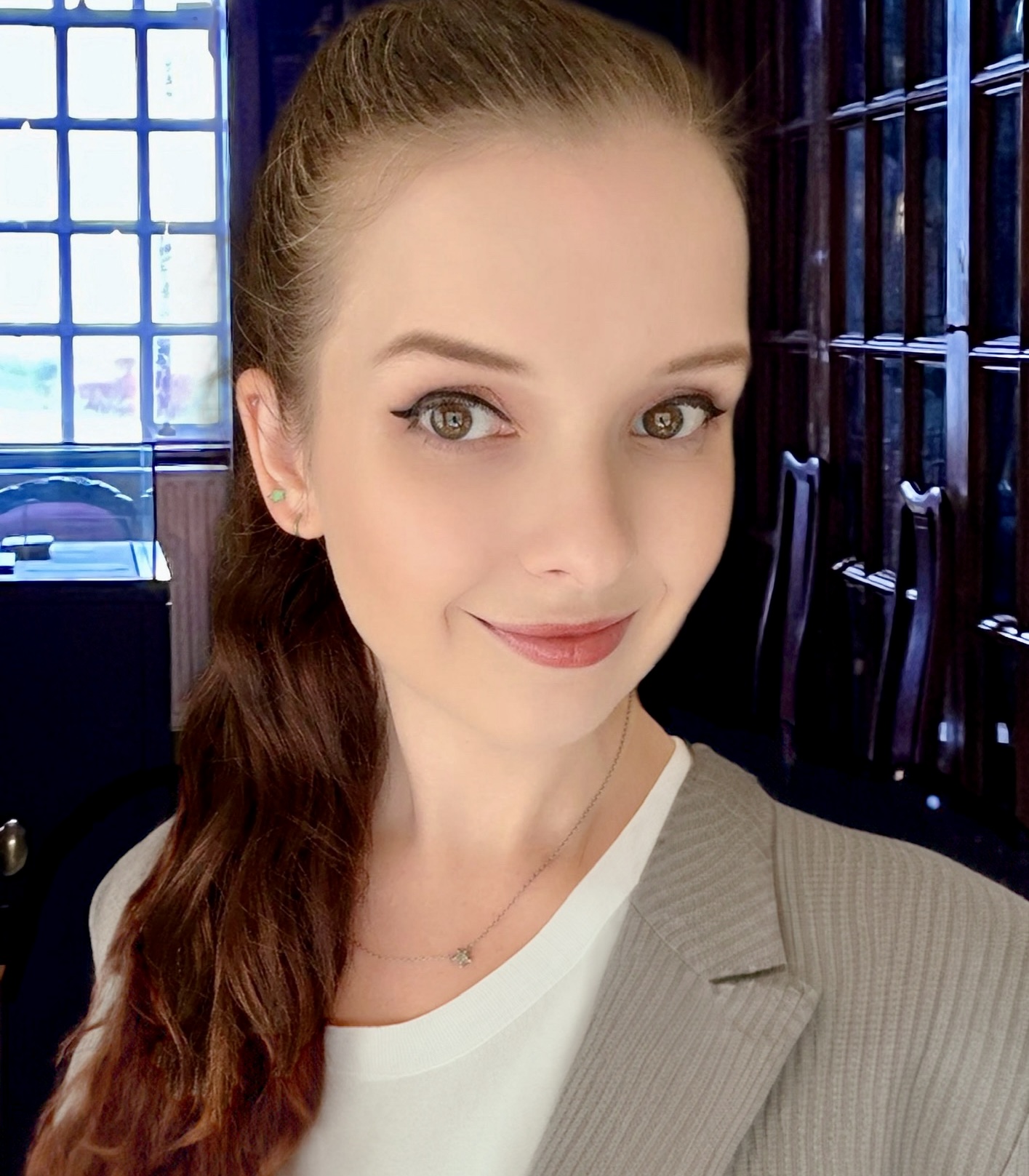
Research Mentor: Baylee Staufenbiel, She/her
Department, College, Affiliation: History, Arts and Sciences
Contact Email: bstaufenbiel@fsu.edu
Research Assistant Supervisor (if different from mentor):
Research Assistant Supervisor Email:
Faculty Collaborators:
Faculty Collaborators Email:
Department, College, Affiliation: History, Arts and Sciences
Contact Email: bstaufenbiel@fsu.edu
Research Assistant Supervisor (if different from mentor):
Research Assistant Supervisor Email:
Faculty Collaborators:
Faculty Collaborators Email:
Looking for Research Assistants: Yes
Number of Research Assistants: 2
Relevant Majors: Open to all majors
Project Location: On FSU Main Campus
Research Assistant Transportation Required: Remote or In-person: Partially Remote
Approximate Weekly Hours: 5-10, Flexible schedule (Combination of business and outside of business. TBD between student and research mentor.)
Roundtable Times and Zoom Link:
Not participating in the roundtable
Number of Research Assistants: 2
Relevant Majors: Open to all majors
Project Location: On FSU Main Campus
Research Assistant Transportation Required: Remote or In-person: Partially Remote
Approximate Weekly Hours: 5-10, Flexible schedule (Combination of business and outside of business. TBD between student and research mentor.)
Roundtable Times and Zoom Link:
Not participating in the roundtable
Project Description
This project looks at how people understood and represented the human body in medieval and early modern Europe. Before modern anatomical textbooks and atlases, information about the body appeared in manuscripts, medical texts, diagrams, illustrations, and early printed books. Many of these materials have now been digitized by libraries and museums, but they are spread across different collections and can be difficult to study together.The goal of this project is to find examples of anatomical texts and images and bring information about them together into a searchable dataset. We will record basic information about each source, such as when and where it was made, by whom, the publisher, author, possible translations and copies, where it is currently held, what parts of the body it represents, what text or image it contains, and how it relates to other examples.
Once we have collected enough material, we can use the dataset to look for patterns. For example: Do certain kinds of anatomical images become more common during particular periods? Do different ways of representing the body appear in different places? Do the same images appear alongside different medical texts? What changes when anatomical information moves from handwritten manuscripts into printed books?
The larger goal is to use digital tools to make connections between historical sources that are now scattered across libraries and collections around the world.
Research Tasks: Students working on this project may:
Search digital libraries, museum collections, manuscript databases, and other online resources for medieval and early modern anatomical texts and images.
Enter information about sources into a shared spreadsheet or database.
Help decide how information should be categorized and recorded.
Find additional information or metadata when needed about manuscripts, books, images, authors, dates, and places.
Learn how to analyze written or printed materials across time, space, and place.
Depending on interest and experience, create maps, timelines, charts, visualizations, or other ways of presenting data.
Learn how historians evaluate incomplete or uncertain evidence and how those uncertainties can be represented accurately in a digital dataset.
Students will not be expected to arrive knowing how to work with medieval manuscripts or historical medical texts. Training will be provided, and tasks can be divided according to students’ interests and strengths. Students will have the opportunity to pursue a smaller questions of their own using material gathered by the team.
Skills that research assistant(s) may need: Required:
Ability to use a computer and learn how to enter and organize information in a spreadsheet or similar format.
Attention to detail.
Willingness to learn unfamiliar material and ask questions.
Ability to follow an agreed system for recording information.
Ability to work independently and as part of a research team.
Recommended but not required:
No particular major or academic background is required. Students in history, computer science, information technology, data science, biology, pre-medical fields, art history, classics, languages, or other areas may all be a good fit for the project.
Experience with spreadsheets, databases, coding, data visualization, digital humanities, historical research, languages, or medieval and early modern history is welcome but not required.
Students are not expected to have all of these skills. Different students may contribute different strengths to the team. For example, a student with a history background may help interpret historical sources while a student with a computing background could help determine how information can efficiently be organized and analyzed digitally. Students will learn from one another as well as from the mentor.
Mentoring Philosophy
My goal as a mentor is to help students become comfortable with the process of research, including the fact that research often involves uncertainty, experimentation, and learning new skills along the way. I do not expect students to begin the project already knowing how to work with historical sources, digital humanities methods, or specialized research tools. These skills can be learned through the project.At the beginning, I will provide precise instructions, examples, and smaller tasks so that students can become familiar with the sources and methods we are using. As they gain experience, students will have more opportunities to direct parts of the project. I encourage students to ask questions, especially when they encounter information that is unclear or does not fit neatly into the categories we have created. Recognizing and grappling with uncertainty is an important part of all research.
I also want students to contribute the knowledge and skills they already have. Because this is an interdisciplinary project, students may approach the material from very different backgrounds. A historian, computer science student, biology student, or art history student may notice different problems and possibilities in the same corpus. I want students to learn from each other and recognize interdisciplinary in even small things like data analysis.
Ultimately, I want students to leave the project understanding how historical research works. I want them to develop practical research skills and make an identifiable intellectual contribution to a digital project that has real world benefits for researchers.
Additional Information
Many of the manuscripts that the students will encounter are in various languages, such as Latin, French, Italian, Old English German, etc.Many are also handwritten and require paleography to read them. I don’t expect students to be able to actually read the manuscripts or the early books themselves. What they will need to be able to read is the library or museum databases that have already been established.
Link to Publications
3rd Placemaking through Community Collaboration
FSU/Providence Community Partnership 3rd Placemaking
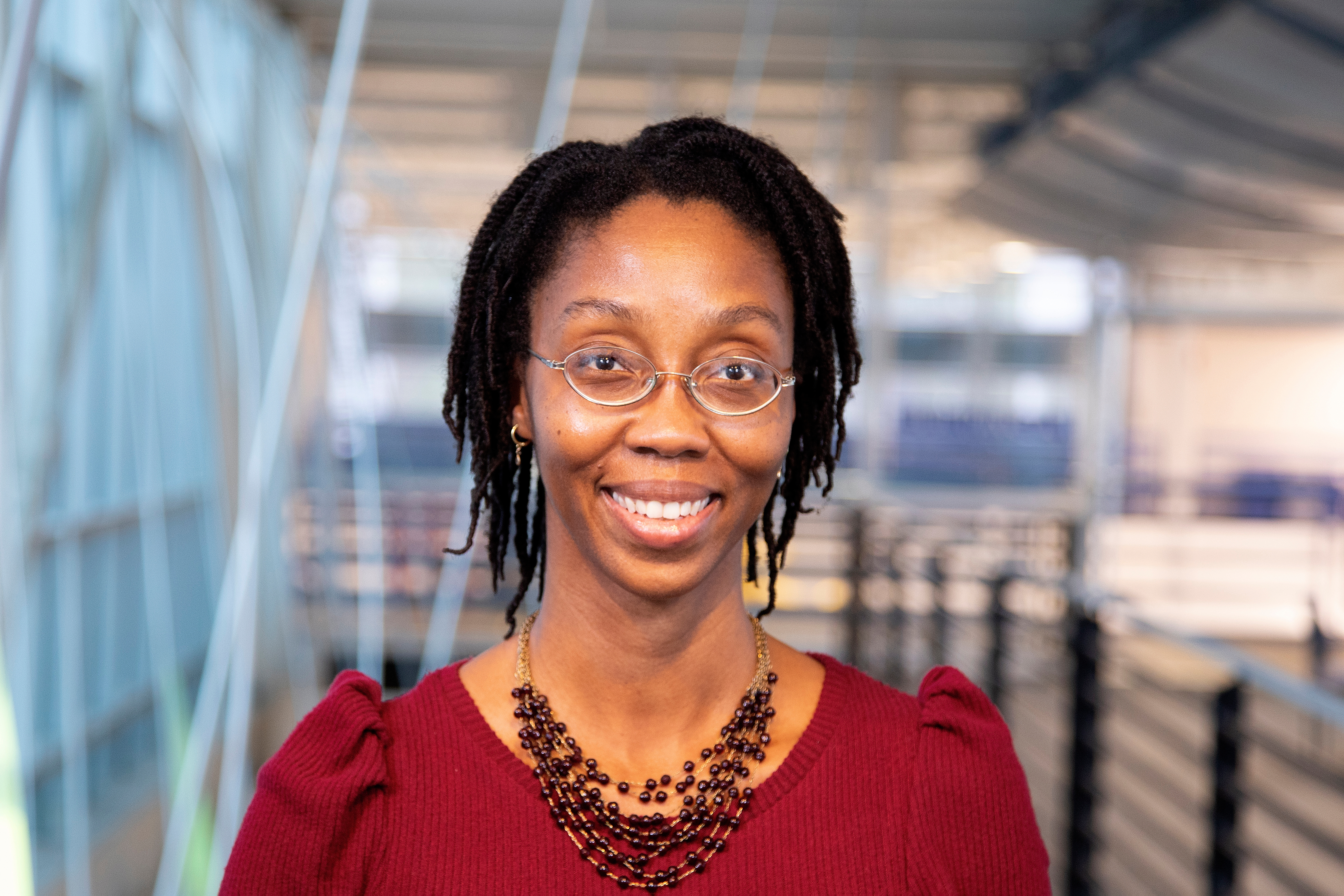
Research Mentor: Ms. Rahni Wright, She/Her
Department, College, Affiliation: Gulf Scholars Program at the FAMU-FSU COE -Resiliency , N/A
Contact Email: rbs02c@fsu.edu
Research Assistant Supervisor (if different from mentor):
Research Assistant Supervisor Email:
Faculty Collaborators:
Faculty Collaborators Email:
Department, College, Affiliation: Gulf Scholars Program at the FAMU-FSU COE -Resiliency , N/A
Contact Email: rbs02c@fsu.edu
Research Assistant Supervisor (if different from mentor):
Research Assistant Supervisor Email:
Faculty Collaborators:
Faculty Collaborators Email:
Looking for Research Assistants: Yes
Number of Research Assistants: 3
Relevant Majors: Open to all majors
Project Location: 1800 Indian River, Tallahassee, FL 32310
Research Assistant Transportation Required: Yes Remote or In-person: In-person
Approximate Weekly Hours: 6, Outside of business hours
Roundtable Times and Zoom Link:
Number of Research Assistants: 3
Relevant Majors: Open to all majors
Project Location: 1800 Indian River, Tallahassee, FL 32310
Research Assistant Transportation Required: Yes Remote or In-person: In-person
Approximate Weekly Hours: 6, Outside of business hours
Roundtable Times and Zoom Link:
- Day: Wednesday, September 2
Start Time: 2:30
End Time: 3:00
Zoom Link: https://fsu.zoom.us/j/96364466303?pwd=W8TCPuHnGbSqqCY49rGFyOfH3cjPl8.1
Project Description
Resiliency is a project that is a part of the Gulf Scholars Program at the FAMU-FSU College of Engineering. This project is an ongoing companion to the four-semester undergraduate program that is designed to support student progress in community engagement and research about the Gulf Region. Resiliency is a new addition to the program to open the base program to more students who are not currently accepted as Gulf Scholars. Resiliency is open to all students enrolled in classes at FAMU-FSU College of Engineering (COE) and all students at FSU.Originally, Gulf Scholars did individual projects to support the Providence Garden’s goals of
1. Increasing Providence neighbor participation in having a garden plot
2. Increasing Providence neighbor education around growing food
Resiliency now supports third place community building to benefit students and neighbors of the COE.
Resiliency works on our Gulf Scholar learning outcomes of experiential learning and interdisciplinary work. Additionally, Resiliency supports the student skill building around moderating burnout, understanding the nature of change, understanding what to do with failure, intercultural communication, and collaboratively identifying issues.
Resiliency addresses this skill building within the scope of food security and mental health.
This UROP project seeks to have one student focus on college student participation and have two students look at community participation. Each have different desires that would have to be met to determine 3rd placemaking for the garden.
Research Tasks: Interact with the community at the Providence Community Garden Workdays (3rd Saturday of each month) 10-Noon
Determine the best way to increase community garden participation through interviews, surveys and research.
Develop at least one event to be hosted during the for the community to test the feedback.
Analyze the event (and past events) for success and improvements.
Repeat as time and resources allow.
Skills that research assistant(s) may need: The student will need to have some familiarity with social media communications (recommended). They are required to speak to strangers and be comfortable with or be willing to hold conversations with people they don't know. They must be comfortable or willing to become comfortable with getting quick feedback from multiple people as the "lessons" most often come from peers and people outside of the academic structure (required). The student will also need to coordinate with other members of this project to survey on foot (in a peer-pair) throughout the community (required). They must be comfortable with partner work (required).
Mentoring Philosophy
This mentorship rests within the rest of your full life. I need for you to keep me abreast of your changes as we work together toward our mutual goals. We will discuss what is important to this project and what you find important to your academic and skills development. Communication is key to the support and maintenance of your comfort and boundaries.Additional Information
There are several active organizations that work in the garden therefore there are many other students to work with. Engineers Without Borders is one of the reoccurring student organizations that are interested in project making that would support 3 place use of the space.There is parking available right at the site. The researchers would get access codes and keys to the garden during their research time. There are additional resources from the Providence Neighborhood (multiple iPads for Qualtrics surveys and/sign in, speaker and microphone for events.
Link to Publications
https://eng.famu.fsu.edu/gulf-scholars-program/community-innovationOnline Dating Implications for Sexual Health and Personal Well-Being: Attachment Style and Hyperpersonal Effects in Online Dyadic Communication
online dating; attachment; sexual health; well-being; communication; risk behavior; mental health
Research Mentor: Trayana Kaleycheva, She/her/hers
Department, College, Affiliation: School of Communication, Communication and Information
Contact Email: tkaleycheva@fsu.edu
Research Assistant Supervisor (if different from mentor):
Research Assistant Supervisor Email:
Faculty Collaborators:
Faculty Collaborators Email:
Department, College, Affiliation: School of Communication, Communication and Information
Contact Email: tkaleycheva@fsu.edu
Research Assistant Supervisor (if different from mentor):
Research Assistant Supervisor Email:
Faculty Collaborators:
Faculty Collaborators Email:
Looking for Research Assistants: Yes
Number of Research Assistants: 2
Relevant Majors: Communication, Media Studies, Psychology, Family Studies, Social Work, Sociology.
Project Location: On FSU Main Campus
Research Assistant Transportation Required: Remote or In-person: Partially Remote
Approximate Weekly Hours: 5, Flexible schedule (Combination of business and outside of business. TBD between student and research mentor.)
Roundtable Times and Zoom Link:
Not participating in the roundtable
Number of Research Assistants: 2
Relevant Majors: Communication, Media Studies, Psychology, Family Studies, Social Work, Sociology.
Project Location: On FSU Main Campus
Research Assistant Transportation Required: Remote or In-person: Partially Remote
Approximate Weekly Hours: 5, Flexible schedule (Combination of business and outside of business. TBD between student and research mentor.)
Roundtable Times and Zoom Link:
Not participating in the roundtable
Project Description
Online dating has become one of the most common ways U.S. adults meet romantic partners, yet accumulating evidence shows that people who use dating apps consistently report higher rates of depression, anxiety, emotional dysregulation, and loneliness, as well as rising rates of sexually transmitted infections than those who do not. These findings raise serious questions about what the implications of online dating platforms are for our mental and sexual health. This proposal will combine a large-scale survey with in-depth personal interviews to examine how two powerful psychological forces (the hyperpersonal effects of online communication that can make people feel artificially closer and more intimate than they really are, and the deep-seated attachment patterns people develop in childhood and then display in their adult relationships) shape the choices app users make about sex and love and the impact on their psychological well-being. This project will test whether people who struggle with attachment insecurities are the ones most harmed by dating app use, seeking to identify who is most at risk, to explain the hidden psychological mechanisms driving that risk, and to generate practical knowledge that can directly inform how these platforms are designed, how mental health services address the issue, and how public health campaigns promote safer, healthier relationships in the digital age.Research Tasks: Data analysis – I need up to two assistants to help me with the textual analysis of the interview data for my dissertation (qualitative work). They can also observe the data collection process and help with other analysis-related tasks.
Skills that research assistant(s) may need: Experience with textual analysis, preferably qualitative content analysis (required).
Experience with software/s for qualitative data analysis (recommended).
Experience/ strong interest in conducting interviews (recommended).
Mentoring Philosophy
My mentoring philosophy centers on building an environment of mutual growth, where I learn from my mentees as much as they learn from me. I take seriously the responsibility of listening: before I set direction for a project, I make space for mentees to articulate their own ideas, questions, and needs, and I treat those as legitimate inputs into how we proceed together.Critical thinking is the engine of everything we do. Rather than handing mentees answers or procedures to follow, I push them to interrogate assumptions, weigh evidence, and defend their reasoning, so that the research process itself becomes a training ground for independent judgment.
I want mentees to leave with two intertwined sets of gains. The first is technical: fluency in the specific research methods and tools our research work demands. The second, but equally important, is interpersonal: empathy, the ability to collaborate on a team, the confidence to lead when needed, the skill of giving and receiving constructive feedback, and clear communication. These qualities combine technical competence with effective, sustainable work with other people.
My end goal as a mentor is to inspire and facilitate each mentee’s own pursuit of knowledge and meaning, not only within their research and careers but across their broader lives as well. I see mentoring as successful when a mentee leaves not merely having produced good work, but having grown into someone who thinks more rigorously, relates more thoughtfully to colleagues, and carries a genuine curiosity forward into whatever they do next.
Additional Information
Link to Publications
Carbon Nanotube Z-Stitching of Hybrid Carbon-Carbon Composites for Enhanced Thermal Conductivity and Interlaminar Toughness
Z-stitching, Carbon-Carbon Materials, Thermal and Electrical Conductivity
Research Mentor: Mr. Bryan Carpio, He/him
Department, College, Affiliation: High Performance Materials Institute, FAMU-FSU College of Engineering
Contact Email: bc21g@fsu.edu
Research Assistant Supervisor (if different from mentor):
Research Assistant Supervisor Email:
Faculty Collaborators:
Faculty Collaborators Email:
Department, College, Affiliation: High Performance Materials Institute, FAMU-FSU College of Engineering
Contact Email: bc21g@fsu.edu
Research Assistant Supervisor (if different from mentor):
Research Assistant Supervisor Email:
Faculty Collaborators:
Faculty Collaborators Email:
Looking for Research Assistants: Yes
Number of Research Assistants: 1
Relevant Majors: Mechanical Engineering, Materials Engineering, Industrial Engineering
Project Location: 2005 Levy Ave, Tallahassee, FL 32310
Research Assistant Transportation Required: The Innovation Route (The Seminole Express system) Remote or In-person: In-person
Approximate Weekly Hours: about 5-10 hours a week , During business hours
Roundtable Times and Zoom Link:
Not participating in the roundtable
Number of Research Assistants: 1
Relevant Majors: Mechanical Engineering, Materials Engineering, Industrial Engineering
Project Location: 2005 Levy Ave, Tallahassee, FL 32310
Research Assistant Transportation Required: The Innovation Route (The Seminole Express system) Remote or In-person: In-person
Approximate Weekly Hours: about 5-10 hours a week , During business hours
Roundtable Times and Zoom Link:
Not participating in the roundtable
Project Description
This research investigates the use of three-dimensional through-thickness stitching to improve the performance of carbon-based composite materials. The project focuses on integrating carbon nanotube (CNT) yarn through layered carbon-fiber preforms to create a 3D-reinforced composite structure. The primary goal is to determine how stitching configuration and density influence through-thickness thermal transport and the mechanical strength of the composite. The research includes composite fabrication, specimen preparation, materials characterization, thermal and mechanical testing, and analysis of experimental data.Research Tasks: Literature review; preparation and fabrication of carbon-fiber composite specimen; manual through-thickness stitching using CNT yarn; measurement and documentation of stitch patterns and densities; specimen preparation for thermal and mechanical characterization testing; collection and organization of experimental data; calculation and analysis of thermal and mechanical properties; microscopy; comparison of stitched and unstitched composite specimens; data visualization; and assistance with interpreting and presenting research findings.
Skills that research assistant(s) may need: Required: Reliability, attention to detail, willingness to learn, ability to follow laboratory safety procedures, and careful documentation of experimental work.
Recommended: familiarity with composite materials, materials science, mechanical engineering, or related fields; basic experience with data collection and analysis; proficiency with Excel or similar software; comfort working with small specimens and repetitive fabrication tasks
Mentoring Philosophy
My mentoring philosophy is centered on creating opportunities for students who are genuinely curious, motivated to learn, and excited about contributing to cutting-edge research in aerospace engineering. I was fortunate to have a mentor who recognized those same qualities in me early in my research experience and invested the time to teach me how to become an independent and capable researcher. That experience strongly influences the way I hope to mentor others.I believe mentorship should extend beyond teaching students how to perform laboratory procedures. While I want my mentees to develop practical skills in specimen preparation, materials characterization, laboratory equipment, data collection, and safe research practices, I also want them to understand why the work they are doing matters. I encourage students to ask questions, learn from mistakes, take increasing ownership of their work, and connect individual laboratory tasks to the larger research of our field.
One of the most valuable skills my own mentor taught me was how to communicate research effectively. For that reason, I place particular importance on helping students learn how to explain their methods, results, and significance to both technical and non-technical audiences. My goal is for students to leave the research experience not only with stronger technical skills, but also with greater confidence, independence, and the ability to communicate the value of their work to others.