
UROP Project
Another Digital Humanities: Bridging of Art, Society, and Popular Culture in New Media Storytelling
research + contemporary art + popular culture + society + new media journalism + social media + digital art history + content development

Research Mentor: JC Bright,
Department, College, Affiliation: Art History, Fine Arts
Contact Email: jb25w@fsu.edu
Research Assistant Supervisor (if different from mentor):
Research Assistant Supervisor Email:
Faculty Collaborators:
Faculty Collaborators Email:
Department, College, Affiliation: Art History, Fine Arts
Contact Email: jb25w@fsu.edu
Research Assistant Supervisor (if different from mentor):
Research Assistant Supervisor Email:
Faculty Collaborators:
Faculty Collaborators Email:
Looking for Research Assistants: Yes
Number of Research Assistants: 2
Relevant Majors: 1. Art History
2. Digital Media Production
3. Media/Communications studies
4. Public Relations
5. Creative Writing
6. Design and Visual Communication
Project Location: On FSU Main Campus
Research Assistant Transportation Required: Remote or In-person: Partially Remote
Approximate Weekly Hours: 5-10 hours a week, Flexible schedule (Combination of business and outside of business. TBD between student and research mentor.)
Roundtable Times and Zoom Link:
Number of Research Assistants: 2
Relevant Majors: 1. Art History
2. Digital Media Production
3. Media/Communications studies
4. Public Relations
5. Creative Writing
6. Design and Visual Communication
Project Location: On FSU Main Campus
Research Assistant Transportation Required: Remote or In-person: Partially Remote
Approximate Weekly Hours: 5-10 hours a week, Flexible schedule (Combination of business and outside of business. TBD between student and research mentor.)
Roundtable Times and Zoom Link:
- Day: Tuesday, September 1
Start Time: 5:00
End Time: 5:30
Zoom Link: JC Bright/ Research Mentor Roundtable 1 - https://fsu.zoom.us/j/95375446507 - Day: Wednesday, September 2
Start Time: 6:00
End Time: 6:30
Zoom Link: JC Bright/ Research Mentor Roundtable 2 - https://fsu.zoom.us/j/93550861945
Project Description
This project is a digital humanities experiment linking art, society and popular culture in new media storytelling: it will complement the core of research with content development for select social media platforms, but operating within these editorial agendas: critical commentary and the emphasis on digestible delivery. Unpacking materials from the 1980s to date, research findings will convert to video and written contents. The use of a precise language approach to critical commentary is key to the project. In fact, it targets similar digestible tone deployed in brands like Duolingo: so that no one would need more than curiosity to grasp the stories. While we want to be everyone’s favorite place to read about the topics we cover, our content will maintain a bias for young people through editorial strategies that intensify their interest in critical dialogues with art, society, and popular culture.Research Tasks: 1. Research and Interviews
2. Ideate and produce social media stories from research activities (instagram, X—formerly twitter, tiktok, & substack)
3. Graphic Design
4. Video, Voice & Editing
5. Editorial Coordination
6. Collaborate across the different branches of the project to synthesize research and new media journalism into a digital humanities project.
Skills that research assistant(s) may need: 1. Interest in art history, contemporary art,
2. Writing and research skills
3. Concept & content Development
4. Curiosity and willingness to collaborate across disciplines
5. Interest in copywriting, voice, film & video
6. Basic project management skills
Mentoring Philosophy
I promote alternative bumps on canonical approaches, encouraging students to transcend the strictures of academia or their primary area of expertise. Students should borrow from each other as the project is intentionally transdisciplinary to help them peep into the experiences and contributions of their colleagues or societal conventions. I center collaboration, experimentation, and leadership. Emphasis on leadership because it is important that in students, the audacity of ownership is embodied for use in future projects/professional settings. I see new media storytelling as a space with endless opportunities: I encourage students to embrace this alternative of conveying research outcomes in ways different from the academic speak they are used to, in case they pursue careers that demand this type of communication.Additional Information
This project is separate from doctoral focus but it is the subject of my PhD Research Hours for Fall 2026. The main aim is to complement my academic mode of research communication with a nonacademic option. I do not seek perfection but remain open to seeing what works or not. Hence, students should expect a communal creative process that allows us to make mistakes and learn together. It is a safe space!Link to Publications
CAPS Digital Ecosystem
SysML v2, Model-Based Engineering, Digital Engineering, Artificial Intelligence, Data Analytics, Cloud Computing, Systems Engineering, Digital Ecosystem
Research Mentor: Dr. David C. Gross,
Department, College, Affiliation: FSU CAPS, FAMU-FSU College of Engineering
Contact Email: dcgross@fsu.edu
Research Assistant Supervisor (if different from mentor): na22j@fsu.edu Naqash Ali
Research Assistant Supervisor Email: na22j@fsu.edu
Faculty Collaborators: Matt Bosworth
Faculty Collaborators Email: matt@caps.fsu.edu
Department, College, Affiliation: FSU CAPS, FAMU-FSU College of Engineering
Contact Email: dcgross@fsu.edu
Research Assistant Supervisor (if different from mentor): na22j@fsu.edu Naqash Ali
Research Assistant Supervisor Email: na22j@fsu.edu
Faculty Collaborators: Matt Bosworth
Faculty Collaborators Email: matt@caps.fsu.edu
Looking for Research Assistants: Yes
Number of Research Assistants: 2
Relevant Majors: Systems Engineering, Computer Science, Computer Engineering, Electrical Engineering, Information Technology, Data Science, or related majors
Project Location: On FSU Main Campus
Research Assistant Transportation Required: Remote or In-person: Partially Remote
Approximate Weekly Hours: 5-10, During business hours
Roundtable Times and Zoom Link:
Not participating in the roundtable
Number of Research Assistants: 2
Relevant Majors: Systems Engineering, Computer Science, Computer Engineering, Electrical Engineering, Information Technology, Data Science, or related majors
Project Location: On FSU Main Campus
Research Assistant Transportation Required: Remote or In-person: Partially Remote
Approximate Weekly Hours: 5-10, During business hours
Roundtable Times and Zoom Link:
Not participating in the roundtable
Project Description
This project will explore how SysML v2, model-based engineering, artificial intelligence, data analytics, and cloud computing can be combined to create an integrated digital engineering environment. The research will examine how engineering models, data, documents, and software tools can be connected to improve collaboration, traceability, analysis, and decision-making throughout the system lifecycle.Research Tasks: Conduct literature and technology reviews.
Evaluate digital engineering tools.
Document workflows and use cases.
Organize engineering data.
Develop small demonstrations or prototypes.
Present findings to the research team.
Skills that research assistant(s) may need: Required: Willingness to learn, clear communication, organization, and basic computer skills.
Recommended: Familiarity with systems engineering, programming, data analysis, cloud platforms, AI tools, or modeling languages such as SysML or UML.
Prior experience with SysML v2 is not required.
Mentoring Philosophy
My mentoring approach is based on clear expectations, regular communication, and learning through practical work. I will help students understand the purpose of the project, identify goals that match their interests, and divide the research into manageable tasks. Students will receive guidance and examples at the beginning, followed by increasing ownership as their skills develop. Progress will be reviewed through short meetings, demonstrations, and feedback on completed work. Questions, experimentation, and mistakes will be treated as part of the learning process. Students will be encouraged to document their work, explain their decisions, and connect their contributions to the larger research objective. The goal is for each student to develop technical skills, research confidence, and a useful work product that they can discuss in future academic or professional opportunities.Additional Information
Link to Publications
Dyadic Situationship Experiences
Situationships, Qualitative Research, Interviewing, Recruitment
Research Mentor: Dr. Langlais Dr. Mickey Langlais,
Department, College, Affiliation: Baylor University, N/A
Contact Email: mickey_langlais@baylor.edu
Research Assistant Supervisor (if different from mentor):
Research Assistant Supervisor Email:
Faculty Collaborators:
Faculty Collaborators Email:
Department, College, Affiliation: Baylor University, N/A
Contact Email: mickey_langlais@baylor.edu
Research Assistant Supervisor (if different from mentor):
Research Assistant Supervisor Email:
Faculty Collaborators:
Faculty Collaborators Email:
Looking for Research Assistants: Yes
Number of Research Assistants: 2
Relevant Majors: Human Development and Family Science, Psychology
Project Location: Virtual
Research Assistant Transportation Required: No, the project is remote Remote or In-person: Fully Remote
Approximate Weekly Hours: 5-10, Flexible schedule (Combination of business and outside of business. TBD between student and research mentor.)
Roundtable Times and Zoom Link:
Not participating in the roundtable
Number of Research Assistants: 2
Relevant Majors: Human Development and Family Science, Psychology
Project Location: Virtual
Research Assistant Transportation Required: No, the project is remote Remote or In-person: Fully Remote
Approximate Weekly Hours: 5-10, Flexible schedule (Combination of business and outside of business. TBD between student and research mentor.)
Roundtable Times and Zoom Link:
Not participating in the roundtable
Project Description
The goal of this study is to understand the dyadic nature of situationships. We will interview individuals and couples in situationships to learn more about how these relationships form, and how and why they are maintained.Research Tasks: Recruiting participants, interviewing participants, and analyzing data.
Skills that research assistant(s) may need: Recommended: Communication skills, recruitment skills a plus
Mentoring Philosophy
My mentoring philosophy is grounded in the belief that effective mentorship should help undergraduate students recognize their potential, develop professionally, and gain the confidence needed to pursue their academic and career goals. I strive to create a supportive environment characterized by open, honest, and respectful communication, where students feel comfortable asking questions, discussing challenges, and sharing their aspirations. Because students enter mentoring relationships with different experiences, interests, and needs, I take an individualized, strengths-based approach. I work collaboratively with each student to identify their existing talents and consider how those strengths can be applied to research, coursework, leadership, service, and future employment or graduate education. I also encourage students to pursue opportunities that expand their skills, professional networks, and understanding of possible career paths. When students encounter challenges, I view these moments as opportunities to promote reflection, problem-solving, resilience, and growth. Rather than making decisions for students, I aim to provide guidance, constructive feedback, and appropriate resources so they can make informed choices and become increasingly independent. Ultimately, my goal is to ensure that students feel valued and supported while helping them develop the knowledge, skills, and professional identity needed to succeed during college and beyond.Additional Information
Link to Publications
https://scholar.google.com/citations?user=lS3v7pUAAAAJ&hl=enTrans-Ancestry Genome-Wide Association Study of Alzheimer’s Disease and Amyloid-Associated Risk in the All of Us Research Program
Alzheimer’s disease; whole-genome sequencing (WGS); APOE e4; genetic risk
Research Mentor: Yijiong Yang, Dr.
Department, College, Affiliation: College of Nursing, Nursing
Contact Email: yy22f@fsu.edu
Research Assistant Supervisor (if different from mentor):
Research Assistant Supervisor Email:
Faculty Collaborators: Dr. Kofi Sorkpor Dr.
Faculty Collaborators Email: ssorkpor@fsu.edu
Department, College, Affiliation: College of Nursing, Nursing
Contact Email: yy22f@fsu.edu
Research Assistant Supervisor (if different from mentor):
Research Assistant Supervisor Email:
Faculty Collaborators: Dr. Kofi Sorkpor Dr.
Faculty Collaborators Email: ssorkpor@fsu.edu
Looking for Research Assistants: Yes
Number of Research Assistants: 2
Relevant Majors: Open to all majors, biology or genetics research background more preferred.
Project Location: FSU Panama City campus or remote
Research Assistant Transportation Required: No, the project is remote Remote or In-person: Fully Remote
Approximate Weekly Hours: 5, During business hours
Roundtable Times and Zoom Link:
Number of Research Assistants: 2
Relevant Majors: Open to all majors, biology or genetics research background more preferred.
Project Location: FSU Panama City campus or remote
Research Assistant Transportation Required: No, the project is remote Remote or In-person: Fully Remote
Approximate Weekly Hours: 5, During business hours
Roundtable Times and Zoom Link:
- Day: Thursday, September 3
Start Time: 1:00
End Time: 2:00
Zoom Link: https://teams.microsoft.com/meet/293030415451892?p=5q8ihErGJciVRtFsYN Meeting ID: 293 030 415 451 892 Passcode: Ch98xo7N
Project Description
Amyloid-β deposition is central to Alzheimer’s disease (AD) pathogenesis, yet most genetic studies have focused on European populations and biomarker-defined cohorts. The aim of this study was to investigate the trans-ancestry genetic architecture of ADRD, identify ancestry-specific genetic variants associated with ADRD risk, and assess how WGS-derived APOE e4 modifies these associations across ancestries.Research Tasks: ADRD cases were defined using validated ICD-10 codes and cognitively unimpaired participants served as controls. APOE ε4 serves as a well-established proxy for amyloid-related genetic risk. Logistic and linear regression models, adjusted for age, sex, and population structure (principal components), were applied within major ancestry groups, followed by trans-ancestry meta-analysis. Interaction effects between SNVs and APOE ε4 status on ADRD risk and age at onset were evaluated.
Skills that research assistant(s) may need: Genetics background required.
Mentoring Philosophy
My mentoring philosophy is grounded in individualized development, mutual respect, intellectual curiosity, and increasing independence. I view mentoring as a collaborative relationship in which the mentor provides guidance, resources, and constructive feedback while helping mentees develop ownership of their work and confidence in their abilities. I begin by understanding each mentee’s goals, prior experiences, strengths, and areas for growth. Because trainees enter research with different levels of experience, I tailor my mentoring accordingly—providing more structure and hands-on guidance initially, then gradually increasing independence and responsibility as their skills develop. I encourage mentees to ask questions, critically evaluate evidence, and understand not only how to conduct an analysis but also why particular methodological decisions are appropriate. I also believe that productive mentoring requires a safe and supportive learning environment. Research inevitably involves unexpected findings, unsuccessful analyses, and mistakes. I encourage mentees to view these experiences as opportunities to refine their thinking rather than reasons to avoid challenging questions. At the same time, I promote accountability through clear expectations, regular communication, achievable milestones, and shared responsibility for research quality and integrity.Ultimately, my goal is not simply to help mentees complete a project, but to help them become increasingly independent researchers. I hope mentees leave the experience with stronger analytical and communication skills, greater confidence in asking meaningful scientific questions, and an understanding of how rigorous and inclusive research can contribute to improving health across diverse populations.
Additional Information
Link to Publications
https://scholar.google.com/citations?user=ugDimawAAAAJ&hl=en***AI-Powered Autonomous Robot Racing: Perception, Decision-Making, and Control
Robotics; Artificial Intelligence; Reinforcement Learning; Computer Vision; Control
Research Mentor: Dr. Amit Dutta,
Department, College, Affiliation: Electrical & Computer Engineering, FAMU-FSU College of Engineering
Contact Email: adutta@fsu.edu
Research Assistant Supervisor (if different from mentor):
Research Assistant Supervisor Email:
Faculty Collaborators: Dr. Olugbenga Moses Anubi
Faculty Collaborators Email: oanubi@fsu.edu
Department, College, Affiliation: Electrical & Computer Engineering, FAMU-FSU College of Engineering
Contact Email: adutta@fsu.edu
Research Assistant Supervisor (if different from mentor):
Research Assistant Supervisor Email:
Faculty Collaborators: Dr. Olugbenga Moses Anubi
Faculty Collaborators Email: oanubi@fsu.edu
Looking for Research Assistants: Yes
Number of Research Assistants: 2
Relevant Majors: Electrical and Computer Engineering, Computer Science, Mechanical Engineering
Project Location: The Center for Advanced Power Systems - 2000 Levy Avenue Tallahassee, FL 32310
Research Assistant Transportation Required: Yes Remote or In-person: Partially Remote
Approximate Weekly Hours: 6-8 hours, Flexible schedule (Combination of business and outside of business. TBD between student and research mentor.)
Roundtable Times and Zoom Link:
Number of Research Assistants: 2
Relevant Majors: Electrical and Computer Engineering, Computer Science, Mechanical Engineering
Project Location: The Center for Advanced Power Systems - 2000 Levy Avenue Tallahassee, FL 32310
Research Assistant Transportation Required: Yes Remote or In-person: Partially Remote
Approximate Weekly Hours: 6-8 hours, Flexible schedule (Combination of business and outside of business. TBD between student and research mentor.)
Roundtable Times and Zoom Link:
- Day: Monday, August 31
Start Time: 1:00
End Time: 3:00
Zoom Link: https://fsu.zoom.us/j/5851111074 - Day: Tuesday, September 1
Start Time: 3:00
End Time: 4:00
Zoom Link: https://fsu.zoom.us/j/5851111074 - Day: Thursday, September 3
Start Time: 2:30
End Time: 3:30
Zoom Link: https://fsu.zoom.us/j/5851111074 - Day: Friday, September 4
Start Time: 1:30
End Time: 2:30
Zoom Link: https://fsu.zoom.us/j/5851111074 - Day: Wednesday, September 2
Start Time: 1:00
End Time: 2:00
Zoom Link: https://fsu.zoom.us/j/5851111074
Project Description
This project will develop a small-scale autonomous racing platform in which multiple wheeled robots compete on a physical race track. Four overhead cameras will observe the racing area and provide information about each robot's position and motion. Each robot must then use this information to make real-time decisions while attempting to complete the race as quickly as possible.With a single robot, the problem is relatively straightforward: follow the track and complete each lap efficiently. With multiple robots, however, the challenge changes. A robot may need to slow down to avoid a collision, choose a different path through a corner, respond to a nearby competitor, or identify an opportunity to overtake. Its best decision therefore depends continuously on what the other robots are doing.
Students will help build this autonomous racing system by combining computer vision, robotics, artificial intelligence, estimation, and control. The project will begin with accessible tasks such as detecting robots with cameras, visualizing their motion, and programming a robot to complete a lap. As the system develops, students will investigate increasingly intelligent behaviors, including multi-robot racing, opponent-aware decision-making, and reinforcement learning, where robots can improve racing strategies through simulated experience.
The goal is to create a physical testbed in which autonomous robots can perceive the race, make decisions, control their motion, and compete with one another with minimal human intervention.
Project summary: How can an autonomous robot learn to race - not simply by following a track, but by reacting intelligently to other robots competing against it?
Research Tasks: The tasks will include:
1. Robot programming and experimentation: Program small wheeled robots, control their speed and steering, conduct track experiments, and collect experimental data.
2. Computer vision and robot tracking: Use the overhead cameras to detect and track multiple robots and visualize their positions, speeds, and trajectories during a race.
3. Autonomous track following: Develop and test algorithms that allow a robot to follow the race track reliably and improve its lap time.
4. Multi-robot racing: Conduct experiments with multiple robots and investigate how a robot should change its motion when competitors are nearby, including collision avoidance and overtaking situations.
5. AI and reinforcement learning: Help develop simulation environments in which robots can learn racing strategies through repeated experience before selected strategies are evaluated on the physical robots.
6. Experimental analysis: Compare different algorithms using measurements such as lap time, tracking accuracy, race position, successful overtakes, and collision rate; prepare figures and videos showing the results.
Skills that research assistant(s) may need: 1. Interest in robotics, autonomous systems, and AI (Required).
2. Basic familiarity with robotics (Required).
3. Programming experience in C/C++ or Python (Required).
4. Ability to work collaboratively and communicate progress effectively (Required).
5. Familiarity with computer vision, AI/ML, or control systems (Recommended).
6. Experience with MATLAB (Recommended).
7. Hands-on experience with robotics and programming embedded systems (Recommended).
Mentoring Philosophy
My mentoring approach is based on progressive independence. Students will begin with clearly defined tasks and regular guidance, then gradually take greater responsibility as they develop the necessary technical skills and understanding of the project.Because many undergraduate researchers are new to research, initial activities will focus on practical and manageable tasks such as programming the robot, processing camera data, running simulations, and testing algorithms. As students gain experience, they will be encouraged to identify problems, propose improvements, design experiments, and interpret results more independently.
I will meet with students in person twice weekly to review progress, address technical challenges, and set clear short-term goals. I will also be available for brief Zoom meetings, as needed and when mutually available, to address quick questions or immediate issues between scheduled meetings. My objective is for students to gain hands-on experience in robotics and AI while learning the research process: formulating questions, developing and testing solutions, analyzing results, and communicating findings. Students making strong progress will have opportunities to contribute to research presentations and publications.
Additional Information
Link to Publications
Rare Odes: A Rare Print of Keats’ Odes
Keats, Manuscript, Rare
Research Mentor: Forrest Rapier, He-him
Department, College, Affiliation: English, Arts and Sciences
Contact Email: fkr11@my.fsu.edu
Research Assistant Supervisor (if different from mentor):
Research Assistant Supervisor Email:
Faculty Collaborators:
Faculty Collaborators Email:
Department, College, Affiliation: English, Arts and Sciences
Contact Email: fkr11@my.fsu.edu
Research Assistant Supervisor (if different from mentor):
Research Assistant Supervisor Email:
Faculty Collaborators:
Faculty Collaborators Email:
Looking for Research Assistants: Maybe one more
Number of Research Assistants: 2
Relevant Majors: Open to all majors
Project Location: On FSU Main Campus
Research Assistant Transportation Required: No, the project is remote Remote or In-person: Partially Remote
Approximate Weekly Hours: 5, Flexible schedule (Combination of business and outside of business. TBD between student and research mentor.)
Roundtable Times and Zoom Link:
Not participating in the roundtable
Number of Research Assistants: 2
Relevant Majors: Open to all majors
Project Location: On FSU Main Campus
Research Assistant Transportation Required: No, the project is remote Remote or In-person: Partially Remote
Approximate Weekly Hours: 5, Flexible schedule (Combination of business and outside of business. TBD between student and research mentor.)
Roundtable Times and Zoom Link:
Not participating in the roundtable
Project Description
FSU Special Collections has a dearth of rare manuscripts and printings by the British Romantic poets, all of which merit further research. However, I am extremely interested in accessing, digitizing, creating a video montage, and organizing an overall viewing of Keats’ Odes. This would be an audio-visual experience of Keats’ Odes with images and videos of the rare collected versions in special collections, in combination with campus readers and poets who’d lend their voice to Keats work. This would create a polyphonic, polyvocal, multilingual, and multimodal presentation and movie experience of the odes themselves.Research Tasks: Scanning images, literature review, data collection, make videos, editing videos, recording audio, editing audio, blending audio and visual—recording film.
Skills that research assistant(s) may need: Moviemaking, digital studio experience, audio/visual recording and mixing experience, poetic storytelling or oration—acting
Mentoring Philosophy
My goals in mentorship include involving ourselves in-campus with rare texts and giving these rare texts a moment to shine in a digital era that would better suit their status.Additional Information
Link to Publications
forrestrapier.com/publications***Fiesta 1789: Spanish Florida Crowns a King
history, theater, Florida, reenactment, team
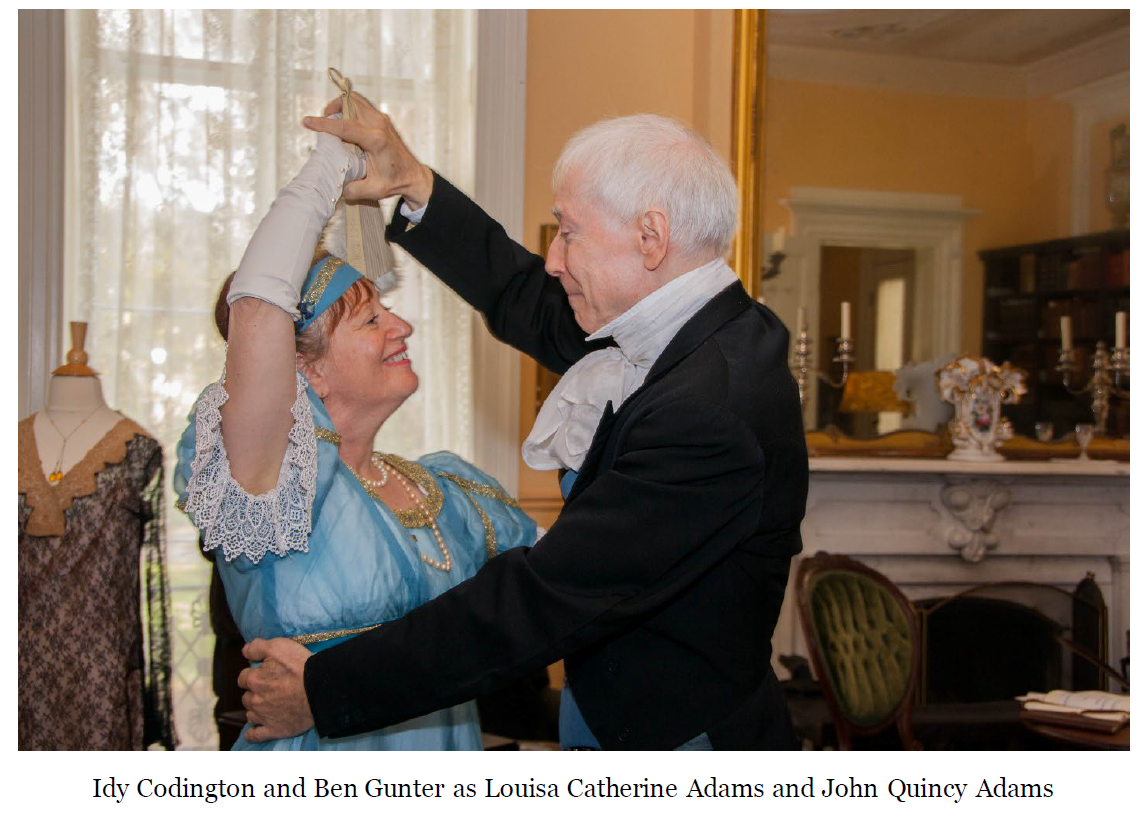
Research Mentor: Dr. Benjamin Gunter, he, his, him
Department, College, Affiliation: Theater with a Mission, Communication and Information
Contact Email: bgunter@fsu.edu
Research Assistant Supervisor (if different from mentor): Idy Codington she, hers, her
Research Assistant Supervisor Email: idycodington@theaterwithamission.com
Faculty Collaborators:
Faculty Collaborators Email:
Department, College, Affiliation: Theater with a Mission, Communication and Information
Contact Email: bgunter@fsu.edu
Research Assistant Supervisor (if different from mentor): Idy Codington she, hers, her
Research Assistant Supervisor Email: idycodington@theaterwithamission.com
Faculty Collaborators:
Faculty Collaborators Email:
Looking for Research Assistants: Yes
Number of Research Assistants: 6
Relevant Majors: open to all majors
Project Location: On FSU Main Campus
Research Assistant Transportation Required: Remote or In-person: In-person
Approximate Weekly Hours: 7.5, Flexible schedule (Combination of business and outside of business. TBD between student and research mentor.)
Roundtable Times and Zoom Link:
Number of Research Assistants: 6
Relevant Majors: open to all majors
Project Location: On FSU Main Campus
Research Assistant Transportation Required: Remote or In-person: In-person
Approximate Weekly Hours: 7.5, Flexible schedule (Combination of business and outside of business. TBD between student and research mentor.)
Roundtable Times and Zoom Link:
- Day: Tuesday, September 1
Start Time: 3:30
End Time: 4:30
Zoom Link: https://fsu.zoom.us/rec/share/1TGjnrC5x1VeFT0LKZSI-RCTM4ChNxsWIDhQ33TmrVPmoeP6Pxoz2p4PsUNMsXs.WH-WI1cRNa0iUf-n - Day: Wednesday, September 2
Start Time: 12:00
End Time: 12:30
Zoom Link: https://fsu.zoom.us/rec/share/i-GzqsB1fy09toN-AViz2pJOlAs9CKlzjD9S_dWuWcEzTxuh8frANyOU-M11SmMT.IX6w3CQPmMQBlqPh - Day: Thursday, September 3
Start Time: 5:30
End Time: 6:00
Zoom Link: https://fsu.zoom.us/rec/share/uw2-7_qgKjY36PAFfdmcP2LSsJ-Gg_fnAqe0ekdp2miladeOZvoHphZtuW8FmQNx.2N6ysltdQd1Cmmgx
Project Description
This project transports you back to 1789 – a banner year for revolutionary changes in governments and social structures. In weekly meetings with a team of mentors and fellow researchers, you’ll reconstruct the best-documented party in Spanish Florida history. The same year the USA inaugurated its first President and France started a revolution, Florida celebrated the coronation of Spain’s Carlos IV. You’ll research the royal flag, investigate the Native dances performed by City clerks, reconstruct the marches, music, and commemorative coins minted for the parade, read the first English translation of the play presented by Black troops from Cuba, and explore why this festive wrinkle in time still matters today.Research Tasks: We’ll start with orientation. You’ll get a crash course in the events that make 1789 unforgettable – George Washington’s inauguration in New York, the storming of the Bastille in Paris, Zéspedes’s farewell as Governor in St. Augustine. And you’ll do a deep dive into the details that historians have already printed about Zéspedes’s crowning achievement: a 3-day party chronicled in histories of music, politics, and playmaking.
We’ll proceed to specialization. Each member of the team will select one facet of St. Augustine’s coronation fiesta to research in detail – for example, the commemorative coins described by historians but not publicly accessible through pictures, or the Native dances that documents tell us clerks performed but no one described in choreographic detail, or who acted which parts in the play that citizens of St. Augustine brought back by popular demand all three days of the fiesta. With the help of two mentors and five UROP team members, you’ll build an annotated bibliography of sources, and you’ll produce a poster that suggests ways to reenact your specialty during a reconstruction of the fiesta by Theater with a Mission.
Skills that research assistant(s) may need: You need 5 essential skills for success with “Fiesta 1789”:
1) Curiosity, since the past does not reveal itself unless you look for it. (Required.)
2) Collaboration, since understanding context from many points of view makes history come to life, for you and for your teammates. (Required.)
3) Creative critical thinking, since every research project demands diligence, hits snags, and profits by calling others in to help. (Required.)
4) Time management, since “Fiesta 1789” calls for averaging 7.5 hours of work per week over 2 semesters of research, and a project this large calls for breaking big goals into manageable bites. (Required.)
5) Technological know-how, since your research will involve strategic use of digital libraries, our team meetings may include Zoom, and your research progress will be posted on a Google Drive. (Required.)
Mentoring Philosophy
We find that research (like rehearsing a play) achieves breakthroughs when people work together to examine turning points from different viewpoints, reading between the lines. That’s why our approach to mentoring is collaborative, guided, and flexible.We believe in giving you lots of team support as you put into practice a research process that we have repeatedly proven effective, progressing from guided orientation to mentored specialization.
And we believe in giving you all the freedom you need to blaze a highly individual research trail, across barriers of time and space into face-to-face encounters with Florida’s multicultural past.
Additional Information
Want to get hands-on with evidence – evidence you learn to locate for yourself?Want to have a say in research design?
Want to map out your own area of expertise within a field that shapes our nation’s self-perception and public policy?
Want to become the resident expert for one key part of a big project?
Want to exercise skills that equip you to excel in your major, minor, or a field of study that whispers “try me”?
Want to see your research create public impact, right away?
Theater with a Mission (TWAM) wants to talk with you!
Link to Publications
TheaterwithaMission.comThe Rental Market Effects of Florida's 2023 Housing Policy Reforms
Housing Choice Voucher, Source-of-Income Discrimination, Rental Market, Security Deposits
Research Mentor: jwang@wertheim.fsu.edu Jingfang Wang, Dr.
Department, College, Affiliation: Department of Finance, Business
Contact Email: jwang@wertheim.fsu.edu
Research Assistant Supervisor (if different from mentor):
Research Assistant Supervisor Email:
Faculty Collaborators:
Faculty Collaborators Email:
Department, College, Affiliation: Department of Finance, Business
Contact Email: jwang@wertheim.fsu.edu
Research Assistant Supervisor (if different from mentor):
Research Assistant Supervisor Email:
Faculty Collaborators:
Faculty Collaborators Email:
Looking for Research Assistants: Yes
Number of Research Assistants: 1
Relevant Majors: Finance, Real Estate
Project Location: On FSU Main Campus
Research Assistant Transportation Required: Remote or In-person: Partially Remote
Approximate Weekly Hours: 6, Flexible schedule (Combination of business and outside of business. TBD between student and research mentor.)
Roundtable Times and Zoom Link:
Not participating in the roundtable
Number of Research Assistants: 1
Relevant Majors: Finance, Real Estate
Project Location: On FSU Main Campus
Research Assistant Transportation Required: Remote or In-person: Partially Remote
Approximate Weekly Hours: 6, Flexible schedule (Combination of business and outside of business. TBD between student and research mentor.)
Roundtable Times and Zoom Link:
Not participating in the roundtable
Project Description
In July 2023, two Florida statutes reshaped landlord-tenant relations across the state. CS/HB 1417 overrode local ordinances that had (i) prohibited landlords from refusing tenants who pay with federal Housing Choice Vouchers and (ii) required landlords to give sixty days' notice before raising rent. CS/HB 133 simultaneously allowed landlords statewide to offer a monthly fee or insurance policy in place of the traditional lump-sum security deposit. Together these laws changed housing access for roughly one hundred thousand voucher-holding Florida households, altered the move-in cost barrier facing every new renter, and reshaped rent-setting practices. This project tries to rigorous evaluate and quantify how landlords and tenants actually responded.Undergraduate Research Assistants will play a critical role by manually validating the machine-learning classifier that identifies landlord refusal and deposit-alternative language in listings, assembling supplementary policy timelines across Florida jurisdictions, and contributing to the final report. Students will gain hands-on experience with large-scale housing data, causal inference methods, and academic policy writing.
Research Tasks: Literature review, data collection, data analysis, conducting interviews, etc.
Skills that research assistant(s) may need: Required: Microsoft Excel proficiency; attention to detail; strong written English; ability to work independently.
Recommended: Coursework in economics/statistics/policy; exposure to Python; familiarity with housing policy or Section 8 vouchers; interest in graduate school or applied research careers.
Mentoring Philosophy
I value curiosity, active knowledge acquisition, and responsibility in the students I mentor. My approach treats research training as a mutual learning process: I bring project structure, standards, and my own experience, and students bring fresh questions, effort, and perspectives that often sharpen my own thinking. I hold high standards for rigor and accuracy, but alongside the recognition that early mistakes are how researchers learn to see problems clearly. I create space for mentees to try, be wrong, and try again. My role is to keep the intellectual space open and the standards clear; the growth belongs to the mentee.Additional Information
Link to Publications
***Loneliness and Digital Health Interventions
Loneliness, men how have sex with men, HIV
Research Mentor: ikp25a@fsu.edu Isaac Keifer Payton, He/His/Him
Department, College, Affiliation: The Center for Population Sciences and Health Empowerment , Nursing
Contact Email: ikp25a@fsu.edu
Research Assistant Supervisor (if different from mentor): Dr. Eugenia Flores Millender She/Her
Research Assistant Supervisor Email: emillender@fsu.edu
Faculty Collaborators:
Faculty Collaborators Email:
Department, College, Affiliation: The Center for Population Sciences and Health Empowerment , Nursing
Contact Email: ikp25a@fsu.edu
Research Assistant Supervisor (if different from mentor): Dr. Eugenia Flores Millender She/Her
Research Assistant Supervisor Email: emillender@fsu.edu
Faculty Collaborators:
Faculty Collaborators Email:
Looking for Research Assistants: Yes
Number of Research Assistants: 3
Relevant Majors: Social Behavioral Sciences (i.e., Psychology, Sociology, Social Work, and Public Health), but also open to all majors.
Project Location: On FSU Main Campus
Research Assistant Transportation Required: No, the project is remote Remote or In-person: Partially Remote
Approximate Weekly Hours: 10 hours a week, Flexible schedule (Combination of business and outside of business. TBD between student and research mentor.)
Roundtable Times and Zoom Link:
Not participating in the roundtable
Number of Research Assistants: 3
Relevant Majors: Social Behavioral Sciences (i.e., Psychology, Sociology, Social Work, and Public Health), but also open to all majors.
Project Location: On FSU Main Campus
Research Assistant Transportation Required: No, the project is remote Remote or In-person: Partially Remote
Approximate Weekly Hours: 10 hours a week, Flexible schedule (Combination of business and outside of business. TBD between student and research mentor.)
Roundtable Times and Zoom Link:
Not participating in the roundtable
Project Description
I am seeking the assistance of a UROP student to support an ongoing and time-sensitive literature review project. Under the guidance of the Principal Investigator, the student will be responsible for systematically screening 3,040 articles according to established inclusion and exclusion criteria and documenting eligibility determinations. Additional research-related responsibilities may be assigned as needed to facilitate the progression, synthesis, and successful completion of the literature review.Research Tasks: Literature Review
Skills that research assistant(s) may need: We will provide the selected UROP student with the training, guidance, and resources necessary to successfully perform assigned responsibilities.
Required Skills
Strong attention to detail and ability to follow established protocols.
Ability to apply inclusion and exclusion criteria consistently when screening research articles.
Basic understanding of research methods and scholarly literature.
Strong organizational and time-management skills.
Effective written and verbal communication skills.
Ability to ask questions and seek clarification when needed.
Ability to work independently while collaborating with the Principal Investigator.
Proficiency in Microsoft Word, Excel, and academic database searches.
Recommended Skills
Prior experience assisting with literature reviews, research projects, or evidence synthesis.
Familiarity with databases such as PubMed, CINAHL, PsycINFO, Scopus, or Web of Science.
Knowledge of citation management software (e.g., EndNote, Zotero, or Mendeley).
Experience with systematic, scoping, or integrative reviews.
Ability to critically evaluate and summarize scientific literature.
Interest in nursing, public health, mental health, HIV research, or related health science fields.
Demonstrated initiative, curiosity, and willingness to learn new research methodologies.
Mentoring Philosophy
The UROP student will receive individualized mentorship from the Principal Investigator throughout the literature review process. Training will be provided on article screening, application of inclusion and exclusion criteria, research best practices, and literature synthesis. Regular meetings will offer opportunities for feedback, skill development, and discussion of questions or challenges encountered during the project. The student will be encouraged to develop critical thinking, scientific inquiry, and evidence appraisal skills. This mentorship experience is designed to foster research competence, professional growth, and preparation for future academic and research opportunities.Additional Information
Link to Publications
Project Title: Bridging the Gap: A Qualitative Analysis of Perceived Risk Needs and Targeted Reintegration Strategies for Juvenile Offenders in the US and the Caribbean.
Juvenile Offenders, Recidivism, Qualitative
Research Mentor: Shanel Stephens, Ms. She/ Her
Department, College, Affiliation: Department of Human Development and Family Science, Anne Spencer Daves College of Education, Health, and Human Sciences, Education, Health, and Human Sciences
Contact Email: SPS25A@FSU.EDU
Research Assistant Supervisor (if different from mentor):
Research Assistant Supervisor Email:
Faculty Collaborators:
Faculty Collaborators Email:
Department, College, Affiliation: Department of Human Development and Family Science, Anne Spencer Daves College of Education, Health, and Human Sciences, Education, Health, and Human Sciences
Contact Email: SPS25A@FSU.EDU
Research Assistant Supervisor (if different from mentor):
Research Assistant Supervisor Email:
Faculty Collaborators:
Faculty Collaborators Email:
Looking for Research Assistants: Yes
Number of Research Assistants: 2
Relevant Majors: Criminal Justice, Social work or counseling field is preferable.
Project Location: On FSU Main Campus
Research Assistant Transportation Required: No, the project is remote Remote or In-person: Partially Remote
Approximate Weekly Hours: 5 hrs. Weekly, Flexible schedule (Combination of business and outside of business. TBD between student and research mentor.)
Roundtable Times and Zoom Link:
Not participating in the roundtable
Number of Research Assistants: 2
Relevant Majors: Criminal Justice, Social work or counseling field is preferable.
Project Location: On FSU Main Campus
Research Assistant Transportation Required: No, the project is remote Remote or In-person: Partially Remote
Approximate Weekly Hours: 5 hrs. Weekly, Flexible schedule (Combination of business and outside of business. TBD between student and research mentor.)
Roundtable Times and Zoom Link:
Not participating in the roundtable
Project Description
To map and analyze existing qualitative data in a systematic research synthesis of the perceived risk-related needs of juvenile offenders transitioning from correctional facilities into the wider community and to gain insight into their lived experiences. The aim is to eventually conduct qualitative, semi-structured interviews with juvenile offenders (ages 12-18) from the US and the Caribbean region (specifically focusing on sites with high disproportionality). In our data collection, we will focus on their personal perspectives on the drivers of their recidivism, including family dynamics, school disengagement, community violence, peer pressure, and lack of other support services.Research Tasks: Mainly data collection, data analysis, supporting tasks concerning IRB Submission.
Skills that research assistant(s) may need: Data Entry: Typing with minimal errors.
Organization: Keep files neat and safe.
Attention to Detail: Follow exact study rules.
Basic Ethics: Know participant privacy rules.
Mentoring Philosophy
My mentoring approach centers on a strong partnership built on mutual respect, honesty, and integrity. I set an example by leading proactively and supporting my mentee through each challenge, fostering mutual development and trust. This active engagement creates a safe environment where vulnerability becomes an opportunity for learning, and failures become steps toward growth. By understanding their individual goals, I customize my advice to help them reach their full potential and build lasting professional confidence.Core Pillars:
• Mutual Trust: Clear communication keeps our relationship honest and transparent.
• Shared Growth: We grow together by learning from each success and setback.
• Actionable Insight: Practical tips turn ideas into real, tangible results.
Ultimately, I treat others the way I want to be treated, recognizing that this is a learning process I am also part of. I feel privileged to support and mentor someone at a different stage in their life.