
Research Symposium
26th annual Undergraduate Research Symposium, April 1, 2026
Luis Acosta Poster Session 3: 1:45 pm - 2:45 pm / Poster #183
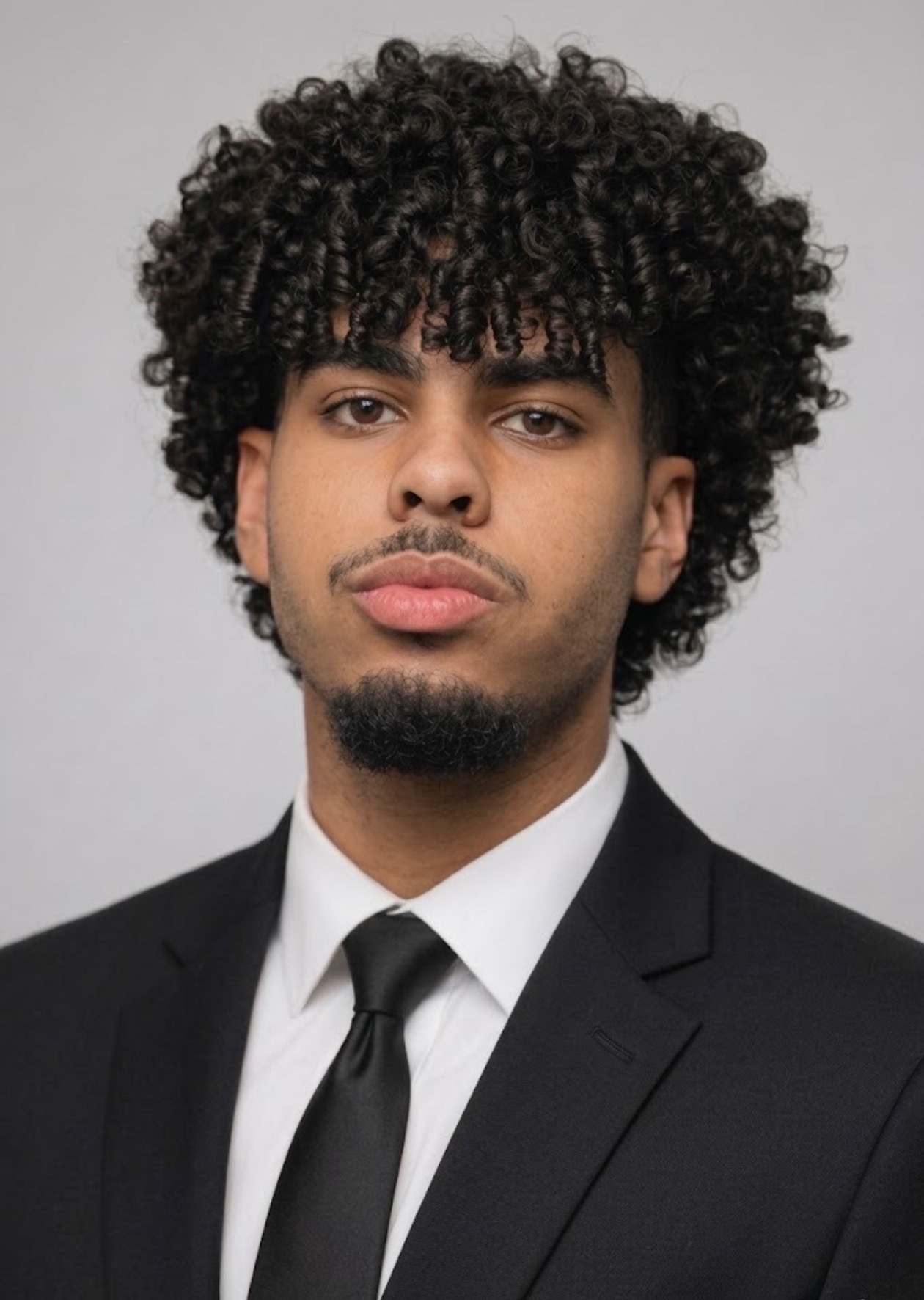
BIO
Luis Acosta is a sophomore at Florida State University pursuing a Bachelor of Science in Cell and Molecular Neuroscience on the pre-medical track. His academic interests focus on cognitive neuroscience, neurodegenerative disease, and early cognitive markers of neurological disorders. Luis plans to attend medical school and pursue a career in neurosurgery, with the goal of integrating clinical practice and research to improve the understanding and treatment of neurological disease.
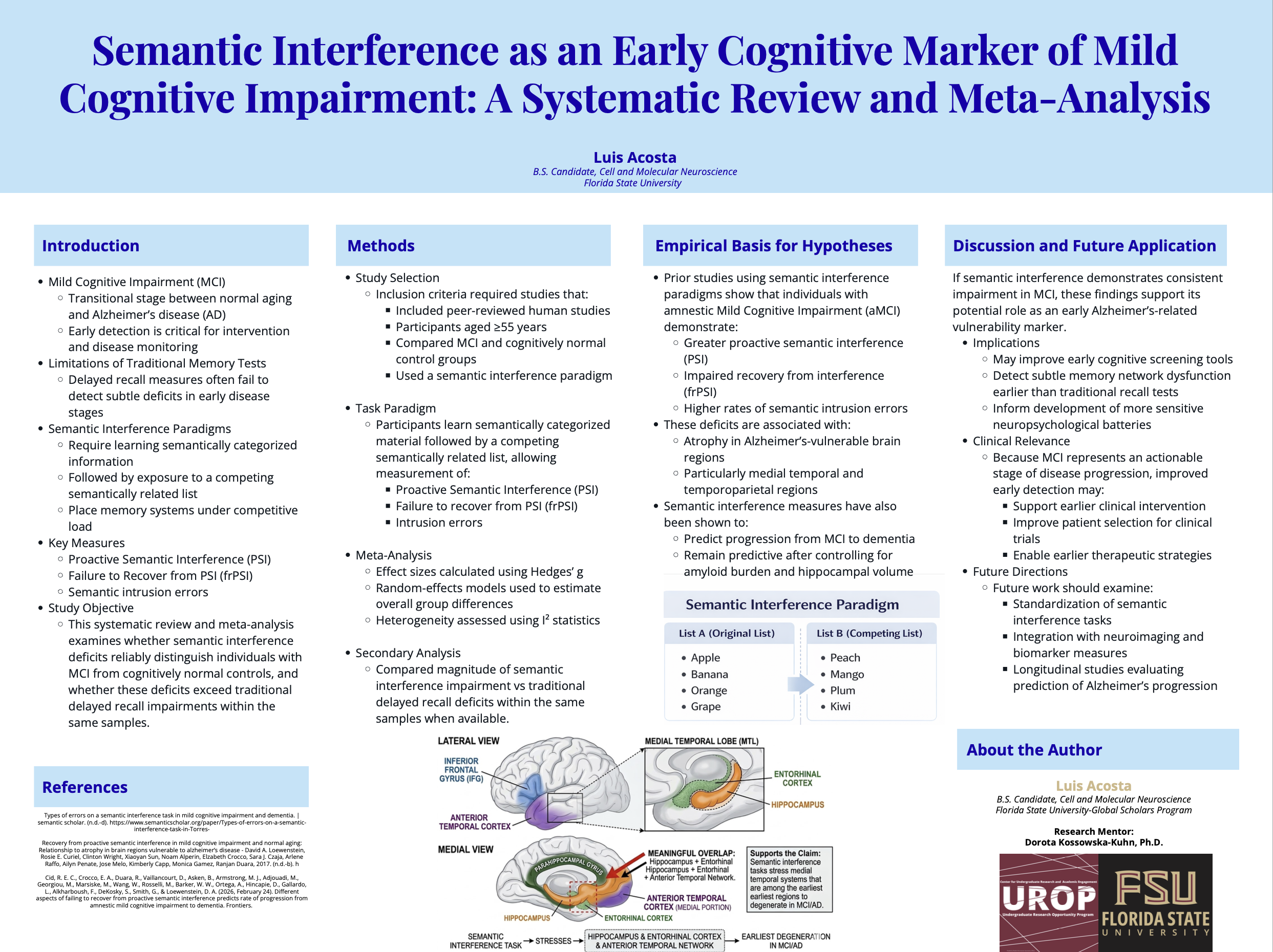
Semantic Interference as an Early Cognitive Marker of Mild Cognitive Impairment: A Systematic Review and Meta-Analysis
Authors: Luis Acosta, Dorota Kossowska-KuhnStudent Major: Cell and Molecular Neuroscience
Mentor: Dorota Kossowska-Kuhn
Mentor's Department: Psychology Mentor's College: Florida State University Co-Presenters:
Abstract
Mild Cognitive Impairment (MCI) represents a clinically critical stage between normal aging and Alzheimer’s disease (AD), during which intervention strategies may be most effective. Traditional delayed recall measures, however, may insufficiently detect early vulnerability in neural systems affected by AD-related pathology. Semantic interference paradigms, requiring encoding of semantically categorized material followed by exposure to a competing semantically related list, place memory networks under competitive load and may reveal deficits not captured by conventional recall testing.
Individuals with amnestic MCI demonstrate increased vulnerability to proactive semantic interference (PSI), impaired recovery from interference (frPSI), and elevated semantic intrusion errors relative to cognitively normal older adults. Prior studies report associations between interference vulnerability and atrophy in AD-sensitive medial temporal and temporoparietal regions, as well as predictive value for progression to dementia. However, the magnitude and consistency of these effects have not been quantitatively synthesized.
This project will conduct a systematic review and meta-analysis to evaluate semantic interference as a potential early cognitive marker of MCI. Following PRISMA guidelines, electronic databases (PubMed, PsycINFO, and Web of Science) will be systematically searched. Eligible studies must include clinically diagnosed MCI and cognitively normal comparison groups and report sufficient data to compute standardized mean differences. The primary outcome will be Hedges’ g comparing interference performance between groups using a random-effects model, with secondary analyses examining comparisons to traditional delayed recall.
By integrating findings across studies, this work aims to determine whether semantic interference demonstrates sufficient magnitude and consistency to support its role in early cognitive detection frameworks.
Keywords: Alzheimer’s; Cognition; Memory; Neurodegeneration; Neuroscience
26th annual Undergraduate Research Symposium, April 1, 2026
Kayla Gonzalez Poster Session 4: 3:00 pm - 4:00 pm / Poster #178
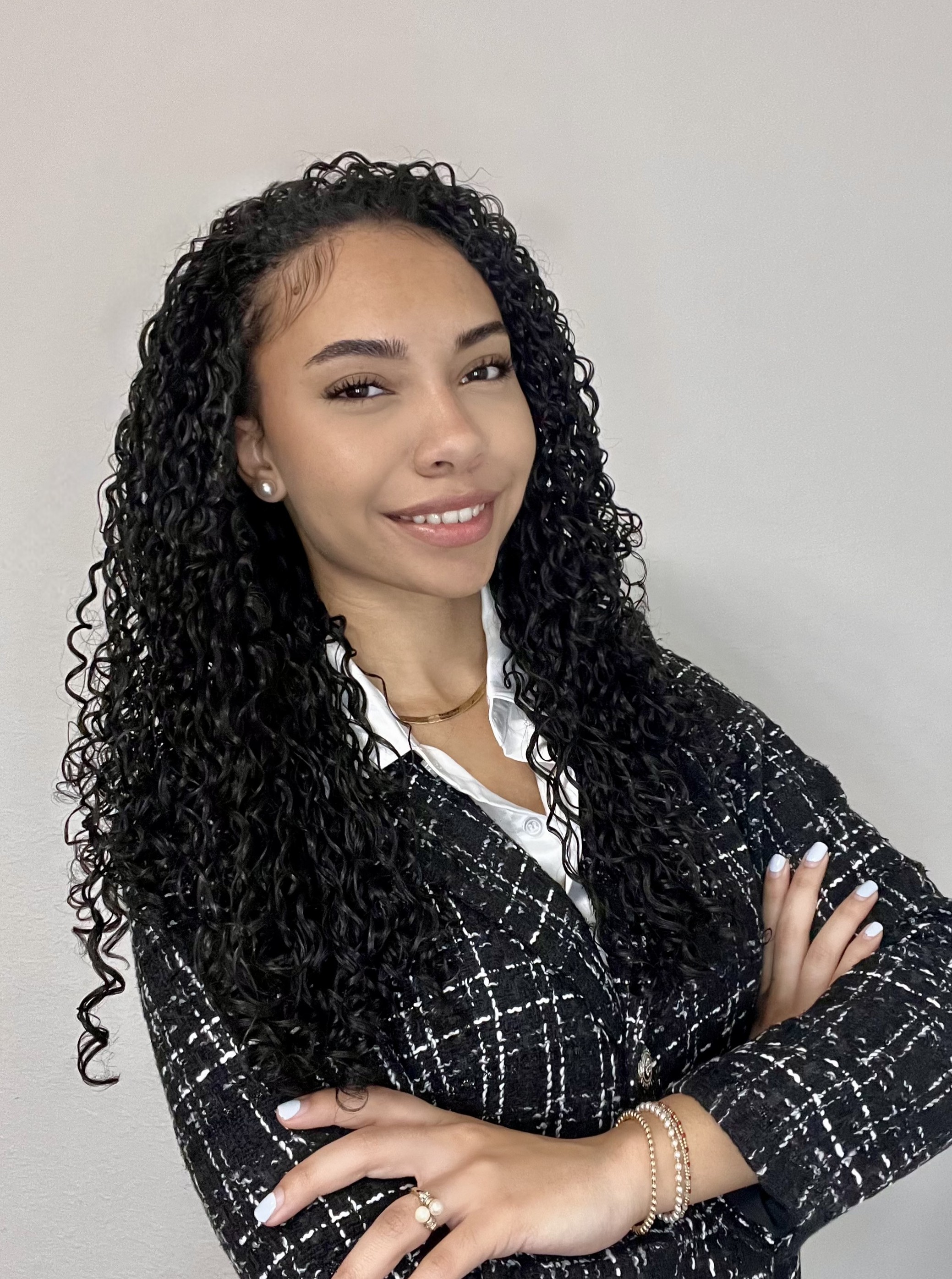
BIO
Kayla Gonzalez is a sophomore at Florida State University pursuing a Bachelor of Science in Biology. Originally from Miami, Florida, she is interested in public health, health disparities, and how social and environmental factors influence health outcomes. Kayla has contributed to research examining geospatial stigma and neighborhood-level influences on health under the mentorship of Dr. Casey D. Xavier Hall, where she assisted with screening and reviewing literature for a systematic review. After completing her undergraduate degree, Kayla plans to become a Dermatology Physician Assistant.
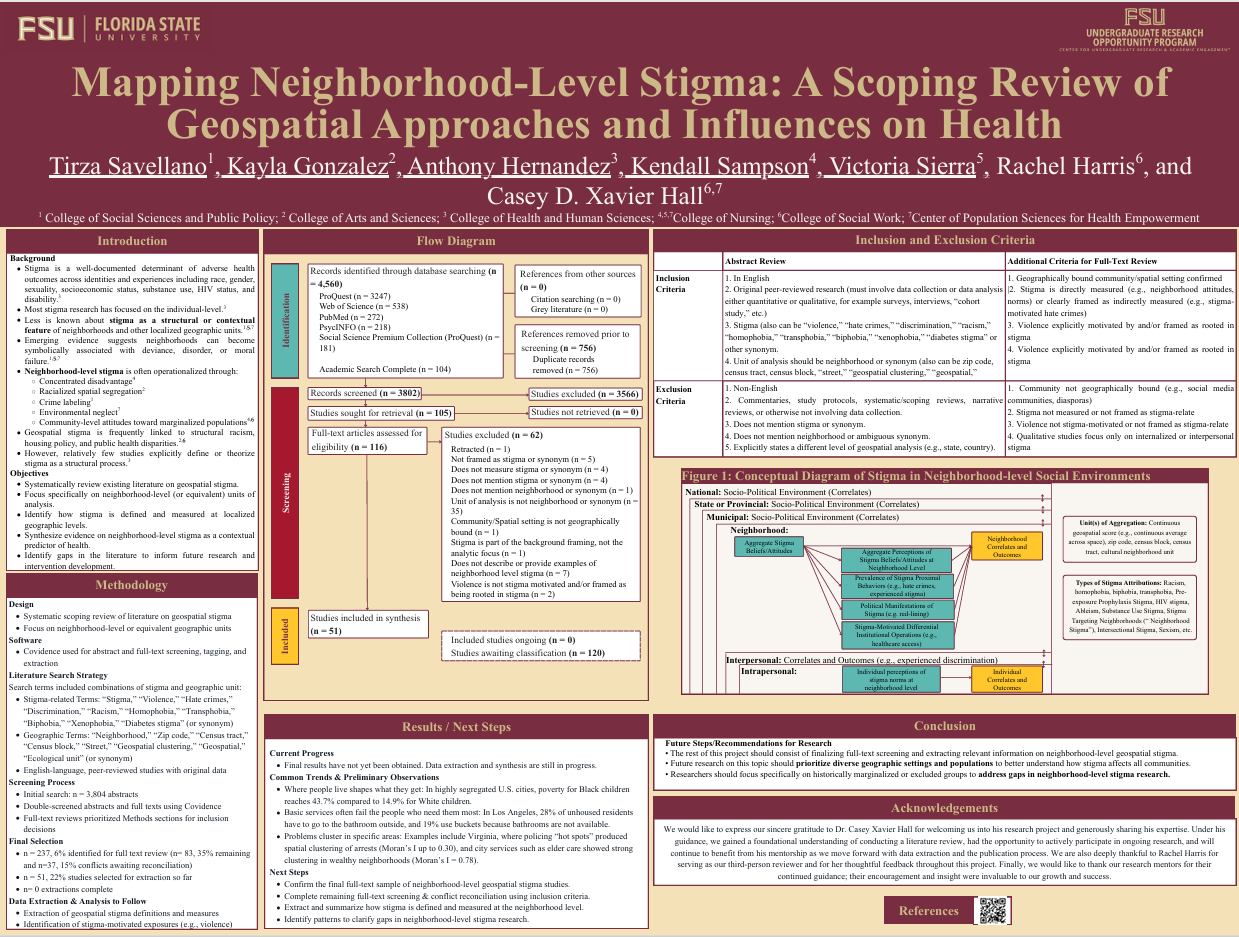
Mapping Neighborhood-Level Stigma: A Scoping Review of Geospatial Approaches and Influences on Health
Authors: Kayla Gonzalez, Casey D. Xavier Hall, Ph.D., M.P.H.Student Major: Biological Sciences
Mentor: Casey D. Xavier Hall, Ph.D., M.P.H.
Mentor's Department: Nursing Department Mentor's College: College of Nursing, Center of Population Sciences for Health Empowerment Co-Presenters: Tirza Savellano, Anthony Hernandez, Kendall Sampson, Victoria Sierra
Abstract
Background
Stigma is a well-documented determinant of adverse health
outcomes across identities and experiences including race, gender,
sexuality, socioeconomic status, substance use, HIV status, and
disability.3
Most stigma research has focused on the individual-level.3
Less is known about stigma as a structural or contextual
feature of neighborhoods and other localized geographic units. ⁵1, ,7
Emerging evidence suggests neighborhoods can become
symbolically associated with deviance, disorder, or moral
failure. ⁵1, ,7
Neighborhood-level stigma is often operationalized through:
Concentrated disadvantage4
Racialized spatial segregation2
Crime labeling1
Environmental neglect7
Community-level attitudes toward marginalized populations ⁶4,
Geospatial stigma is frequently linked to structural racism,
housing policy, and public health disparities. ⁶2,
However, relatively few studies explicitly define or theorize
stigma as a structural process.3
Objectives
Systematically review existing literature on geospatial stigma.
Focus specifically on neighborhood-level (or equivalent) units of
analysis.
Identify how stigma is defined and measured at localized
geographic levels.
Synthesize evidence on neighborhood-level stigma as a contextual
predictor of health.
Identify gaps in the literature to inform future research and
intervention development
Keywords: Geospatial Stigma
26th annual Undergraduate Research Symposium, April 1, 2026
Danielle Fuentes Poster Session 2: 10:45 am - 11:45 am / Poster #276
BIO
Danielle Fuentes is a sophomore at Florida State University pursuing a Bachelor of Science in Biological Sciences with a minor in Sociology. She is a member of the University Honors Program and the Honors Medical Scholars Program, where she engages in advanced coursework and interdisciplinary learning. Danielle is conducting undergraduate research through the Undergraduate Research Opportunity Program under the mentorship of Dr. Eric Shattuck, focusing on exposure to natural settings and health in Florida State University students.
Beyond research, Danielle is actively involved in leadership and service. She is a member of the Medical Response Unit, where she trains in emergency response, and serves as an Honors Colloquium Leader, facilitating seminars for fellow honors students. She is also an Honors Peer Mentor, supporting fellow university honors students, and a SSTRIDE mentor, where she guides high school students interested in pursuing careers in healthcare through academic support and college preparation. Additionally, she co-founded Fuel for Futures, a student-led initiative that provides food assistance to local children facing food insecurity, helping raise over $600 this semester to support meal distribution efforts.
After graduation, Danielle plans to pursue medical school with the goal of becoming a physician who prioritizes patient-centered care, preventive medicine, and community outreach. She is particularly interested in working in fast-paced clinical settings while also addressing the broader social and environmental factors that influence health.
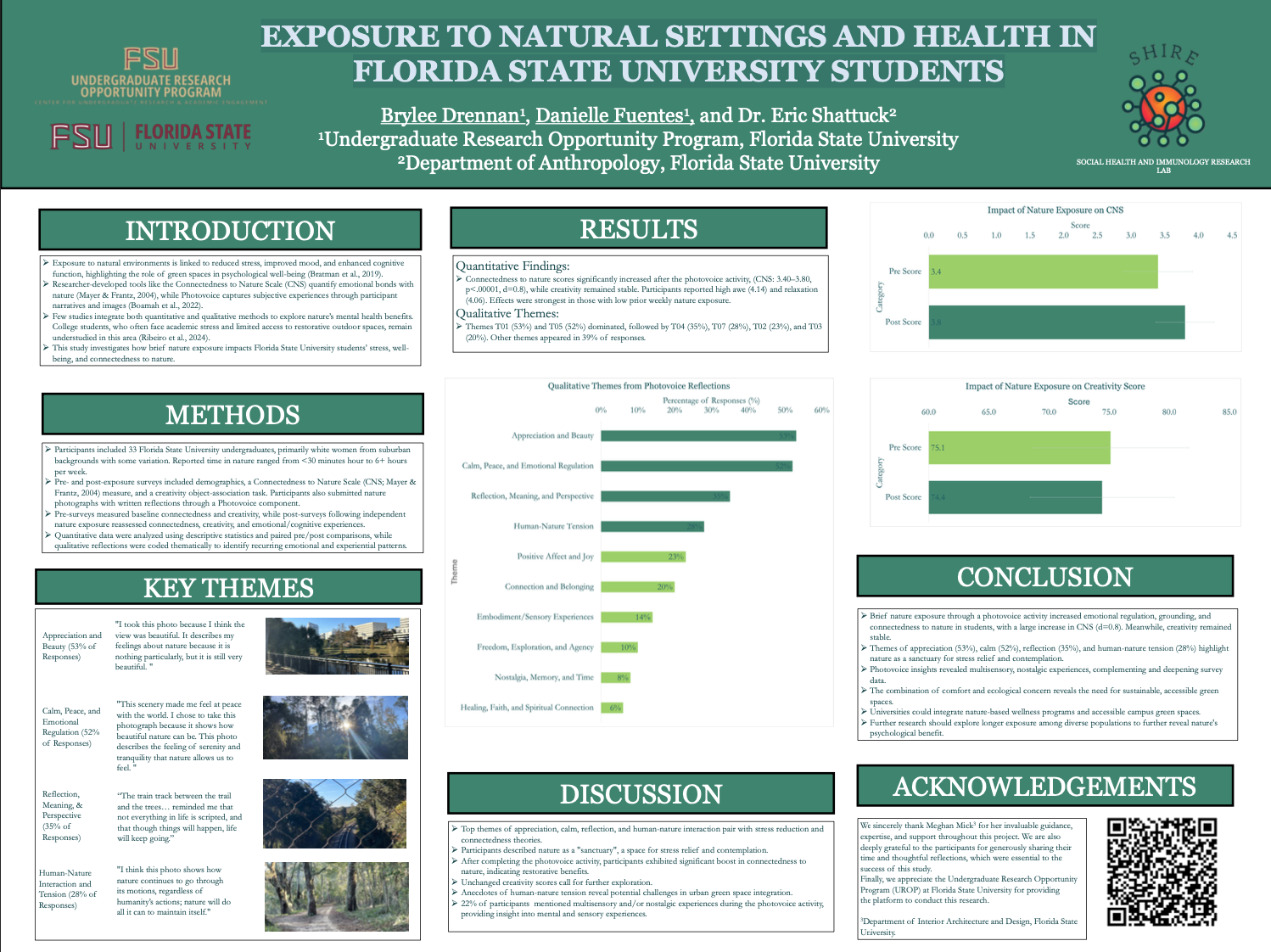
Exposure to Natural Settings and Health in Florida State University Students
Authors: Danielle Fuentes, Dr. Eric ShattuckStudent Major: Biological Sciences
Mentor: Dr. Eric Shattuck
Mentor's Department: Department of Anthropology Mentor's College: College of Arts and Sciences Co-Presenters: Brylee Drennan
Abstract
Exposure to natural settings is linked to improved mental well-being, but how college students personally experience nature remains understudied. This project explored perceptions of natural settings among 33 Florida State University students, primarily white (85%) women (82%) from suburban backgrounds (72%). Participants completed surveys before and after spending time in nature and were asked to provide three pictures that captured what nature means to them alongside written reflections.
Analysis of 88 thematic responses revealed several key themes. Appreciation of Beauty and Calm/Emotional Regulation were most prevalent, followed by Reflection and Perspective as well as Human-Nature Interaction. Participants also described Positive Affect, Connection to Nature, Sensory Experiences, and Spiritual/Healing themes respectively. Quantitatively, connectedness to nature increased modestly (pre: M=3.42, SD=0.98; post: M=3.82, SD=0.99), while creativity scores remained fairly stable (pre: M=75.28, SD=6.46; post: M=74.43, SD=5.97).
Results highlight nature’s potential as a stress-relief resource for students. Future work could expand demographic diversity, refine mental health assessments, and explore longitudinal effects. Campus initiatives, such as guided nature walks, could promote outdoor engagement to support well-being and academic success.
Keywords: Nature, Environment, Health, Wellness, Exposure
26th annual Undergraduate Research Symposium, April 1, 2026
Sid Nguyen Poster Session 4: 3:00 pm - 4:00 pm / Poster #230
BIO
Sid Nguyen is an honors undergraduate student at Florida State University pursuing a Bachelor of Science in Computer Science and Applied Mathematics. His academic interests center on artificial intelligence, machine learning, and computational modeling, particularly in understanding complex systems through data-driven methods.
Sid’s research explores predictive modeling and sequence learning, with current work focused on modeling human mobility patterns using large-scale spatiotemporal data. By studying how populations move through space over time, his work investigates probabilistic approaches to forecasting movement flows and understanding the structure underlying seemingly irregular real-world behavior. He has also developed projects in reinforcement learning, evolutionary learning systems, and AI-driven simulations, reflecting a broader interest in building adaptive and interpretable intelligent systems.
Beyond research, Sid has worked in technical roles including IT support and web development, and has contributed to computing education through teaching and mentorship. Following graduation, Sid hopes to pursue graduate study and research in artificial intelligence and machine learning, with a focus on developing computational systems that help model and understand complex real-world processes.
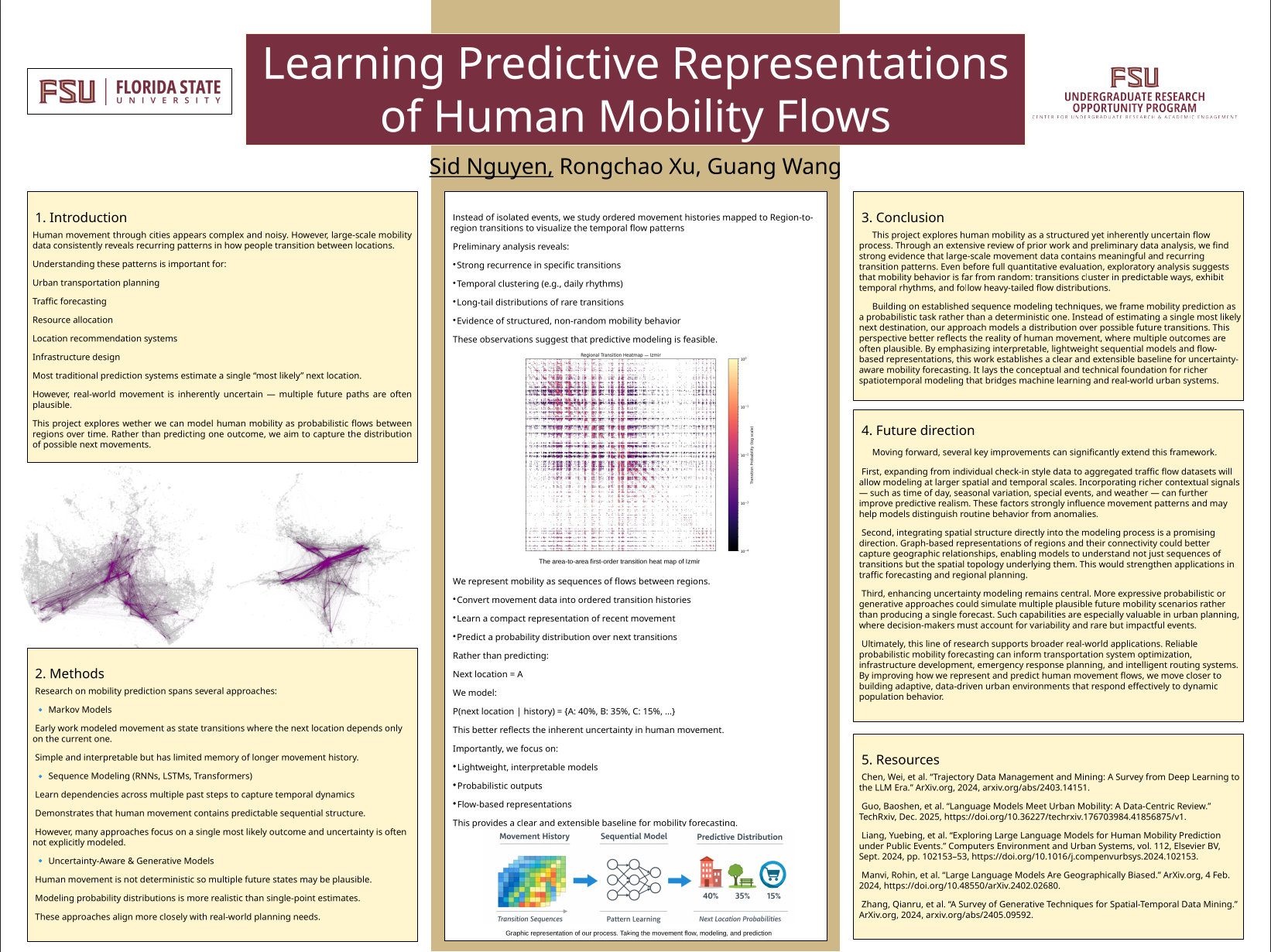
Learning Predictive Representations of Human Mobility Flows
Authors: Sid Nguyen, Guang WangStudent Major: Bacholer's of Science in Computer Science and Applied Math
Mentor: Guang Wang
Mentor's Department: Computer Science Mentor's College: College of Arts and Sciences Co-Presenters:
Abstract
Human movement through space and time exhibits complex but recurrent patterns that can be leveraged to understand and anticipate behavior. We hope to explore whether large-scale time and location transition data can be effectively encoded into a predictive representation that reflects how people transition between locations based on their recent history. Drawing on techniques from sequence modeling and stochastic prediction, we transform real-world check-in data into structured movement histories and learn the relationships between past and future locations. The resulting representation highlights regularities in mobility behavior and demonstrates that even lightweight sequential models can capture meaningful predictive structure from noisy, irregular real-world data. Unlike deterministic approaches that only estimate a single expected outcome, our analysis underscores the importance of capturing the variety of possible next states, aligning conceptually with recent advances in uncertainty-aware and generative spatiotemporal models in the literature. This contributes an interpretable baseline for prediction of human movement and points toward richer, context-aware modeling. More broadly, the ability to capture human mobility in prediction is essential in urban transportation planning and point of interest recommendation.
Keywords: spacialtemporal data, computer science, neural networks, machine learning, urban mobility
26th annual Undergraduate Research Symposium, April 1, 2026
Jack Seely Poster Session 2: 10:45 am - 11:45 am / Poster #78
BIO
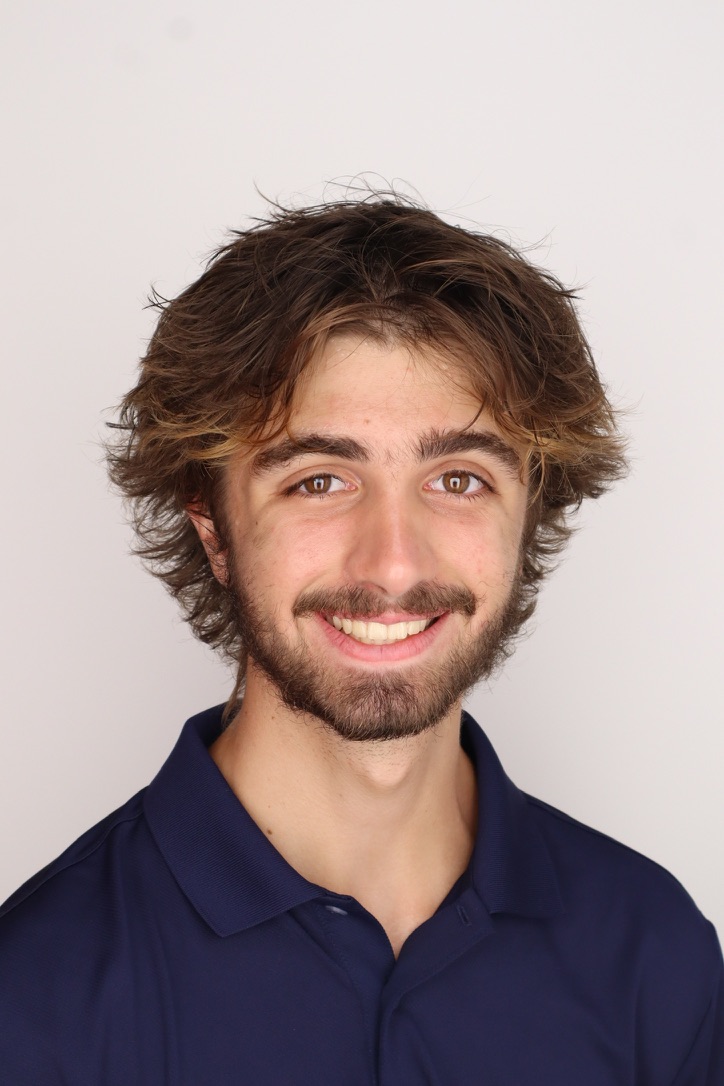
My name I Jack Seely, I am from Orlando FL, and currently a first year Public Health student here at FSU. My primary interests lie in biology, health disparities, and education. Outside of UROP I volunteer in the SHIRE (Social Health and Immunology Research) Lab in the Department of Anthropology, compete with the FSU Striders of the State, and learn in the Second Language Acquisition Networking Group. Post graduation I plan on participating in the US Peace Corps and perusing a career in international Public Health.
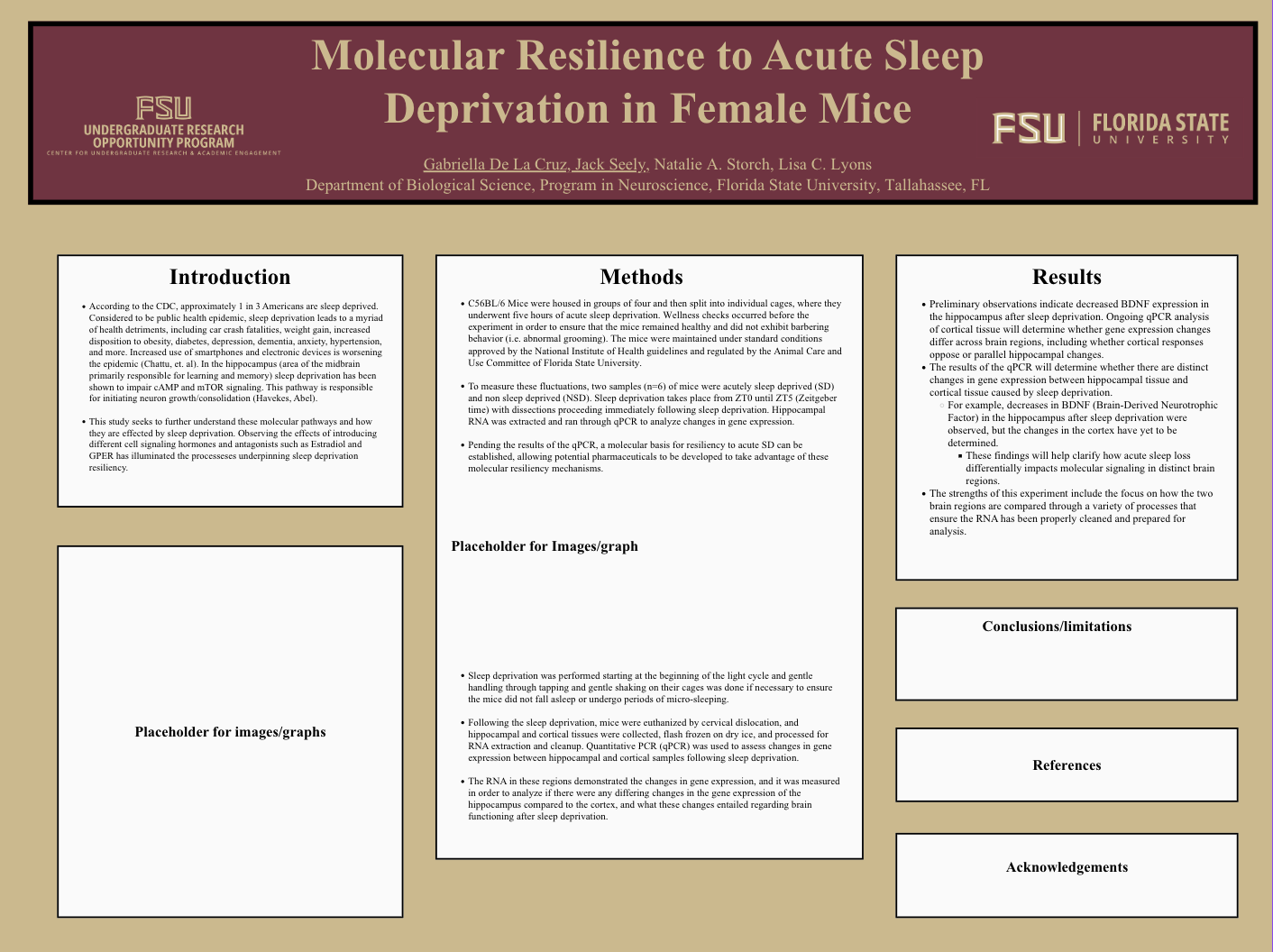
Molecular Resilience to Acute Sleep Deprivation in Female Mice
Authors: Jack Seely, Natalie StorchStudent Major: Public Health, Spanish
Mentor: Natalie Storch
Mentor's Department: Biological Sciences Mentor's College: Arts and Sciences Co-Presenters: Gaby De La Cruz
Abstract
Sleep deprivation is a widespread public health concern linked to cognitive impairment and altered brain function. The hippocampus and cortex play key roles in learning, memory, and higher cognitive processing, yet these regions respond differently to physiological stressors such as sleep loss. Understanding region-specific gene expression changes following sleep deprivation helps clarify how molecular pathways contribute to functional outcomes. In this study, mice were group housed and later separated into individual cages before undergoing five hours of acute sleep deprivation. Following sleep deprivation, mice were euthanized by cervical dislocation, and hippocampal and cortical tissues were collected, flash frozen on dry ice, and processed for RNA extraction and cleanup. Quantitative PCR (qPCR) is being used to assess changes in gene expression between hippocampal and cortical samples following sleep deprivation. Preliminary observations indicate decreased BDNF expression in the hippocampus after sleep deprivation. Ongoing qPCR analysis of cortical tissue will determine whether gene expression changes differ across brain regions, including whether cortical responses oppose or parallel hippocampal changes. These findings will help clarify how acute sleep loss differentially impacts molecular signaling in distinct brain regions.
Keywords: Neuroscience, Sleep, Molecular Biology
26th annual Undergraduate Research Symposium, April 1, 2026
Vivian Liu Poster Session 4: 3:00 pm - 4:00 pm / Poster #190
BIO
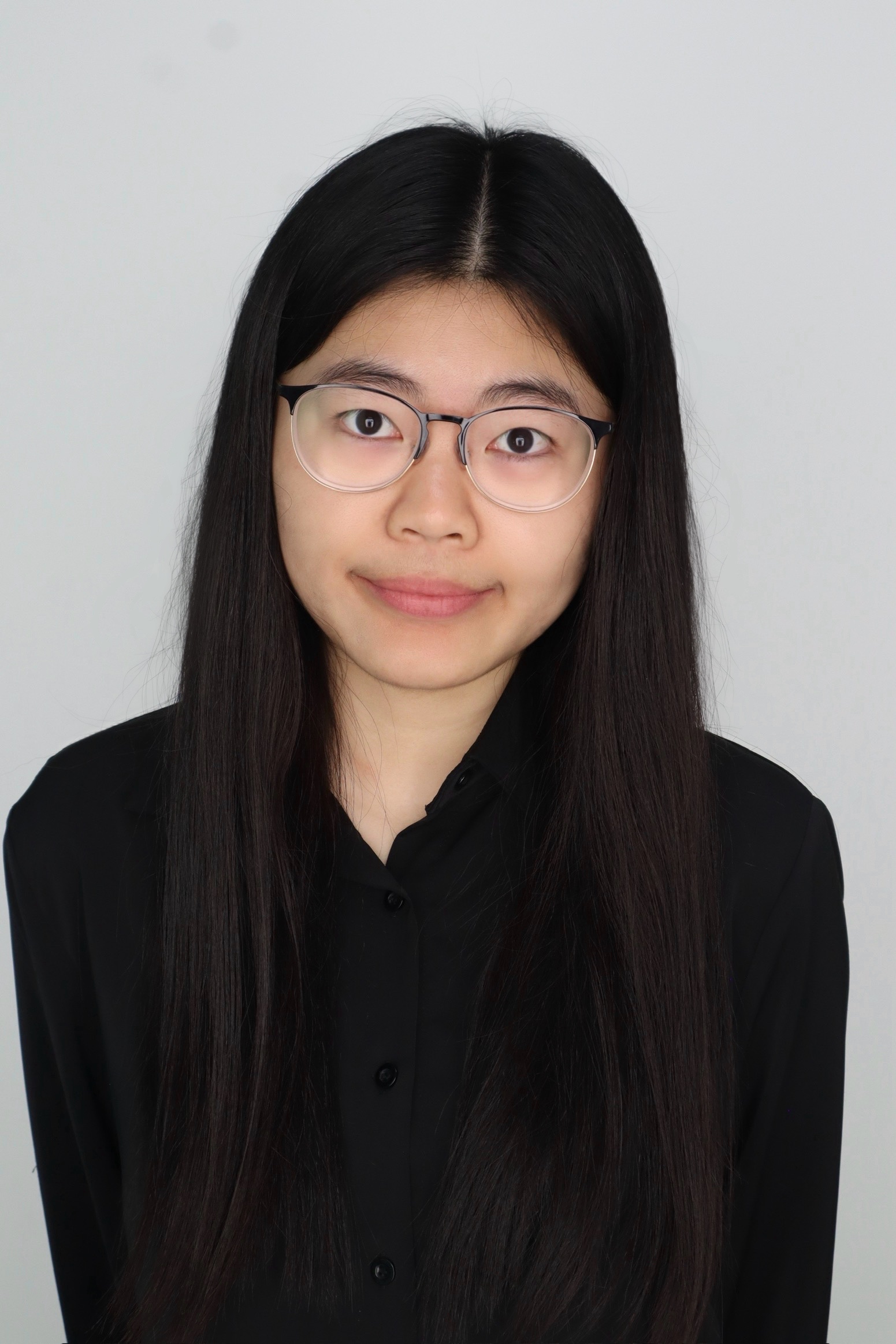
Vivian Liu is a sophomore double-majoring in Statistics and Psychology with a minor in Mathematics. Originally from New York, she moved to Fort Myers, Florida, in high school. After being guided by her amazing research mentor, Dr. Lauren Rice, in the Undergraduate Research Opportunity Program here at FSU, she has taken an interest in working in environmental science labs and would love to continue down this path. Vivian hopes to explore research that intersects the fields of Statistics, Psychology, and Environmental Science.
Factors Driving Reproductive Differences Between Crassostrea virginica in the Eastern and Western Sides of Apalachicola Bay
Authors: Vivian Liu, Dr. Lauren RiceStudent Major: Statistics & Psychology
Mentor: Dr. Lauren Rice
Mentor's Department: Department of Earth, Ocean, and Atmospheric Science Mentor's College: College of Arts and Sciences Co-Presenters: Noah Peterson
Abstract
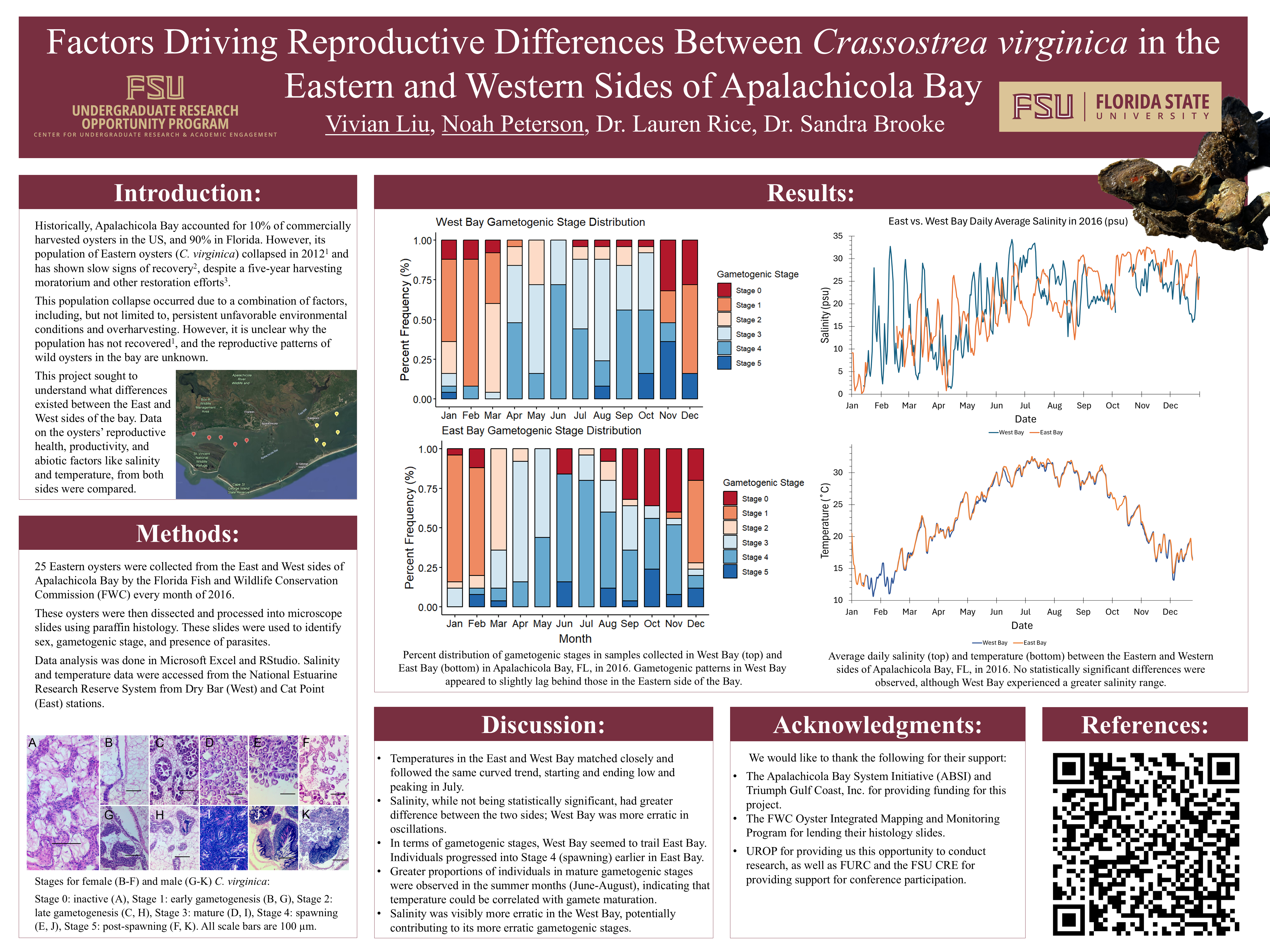
Apalachicola Bay in Florida supports wild populations of the Eastern oyster (Crassostrea virginica), whose historical prevalence supplied 90% of all oysters sold in Florida. After their collapse in 2012, the oyster population has shown slow signs of recovery despite various restoration efforts, including a 2020 harvest moratorium. As part of the Apalachicola Bay System Initiative project at the Florida State University Coastal and Marine Lab, our study seeks to determine the environmental factors that are driving oyster reproductive patterns on the eastern and western regions of Apalachicola Bay. To do this, 25 oysters were collected each month in 2016 from both sides of Apalachicola Bay and then processed by the Florida Fish and Wildlife Conservation Commission using paraffin histology. Slides of each individual were viewed using light microscopy and categorized as either: inactive, early gametogenesis, late gametogenesis, mature, spawning, or post-spawning, and parasite presence and instances of hermaphroditism were recorded. Then, 100 randomly selected oocytes were measured from each female, when possible. Water quality and nutrient data collected in 2016 were accessed from the National Estuarine Research Reserve System to examine potential environmental differences across the bay. These data will be used to identify possible correlations between oyster reproduction and environmental conditions, and can be used to make inferences about oyster population reproductive potential across Apalachicola Bay. In doing so, our project will contribute towards larger initiatives to identify long-term trends of oyster reproductive health, environmental drivers, and help contribute towards data-informed management strategies.
Keywords: Apalachicola Bay, Oysters, Salinity, Temperature
26th annual Undergraduate Research Symposium, April 1, 2026
Lexa Kooistra Poster Session 3: 1:45 pm - 2:45 pm / Poster #285
BIO
Lexa Kooistra is a sophomore student at Florida State University pursuing a Bachelor of Science in Biochemistry with minors in Biological Sciences and Linguistics. Originally from Windermere, Florida, Kooistra conducts research under Dr. Ming Ye, where she is working to develop a lake-specific organic carbon correction factor for nitrate concentration determination with UV-Vis spectrophotometry. Her work aims to support efficient and cost-effective nutrient level monitoring, contributing to broader efforts to improve water quality and combat eutrophication in lake systems. Through this research, she has gained experience in environmental chemistry, spectrophotometric analysis, and data interpretation. Kooistra is a member of the Florida State University Honors Program and a recipient of the Vires scholarship. She is also involved in organizations such as Tri-Beta Biological Honor Society, Connecting Experimental Lab and Life Sciences (CELLS), and FSU Fencing Club. After earning her Bachelor of Science, Kooistra plans to pursue graduate school, followed by a career in the biotechnology industry, with interests in specific sectors such as pharmaceutical development, genetics research, and environmental management.
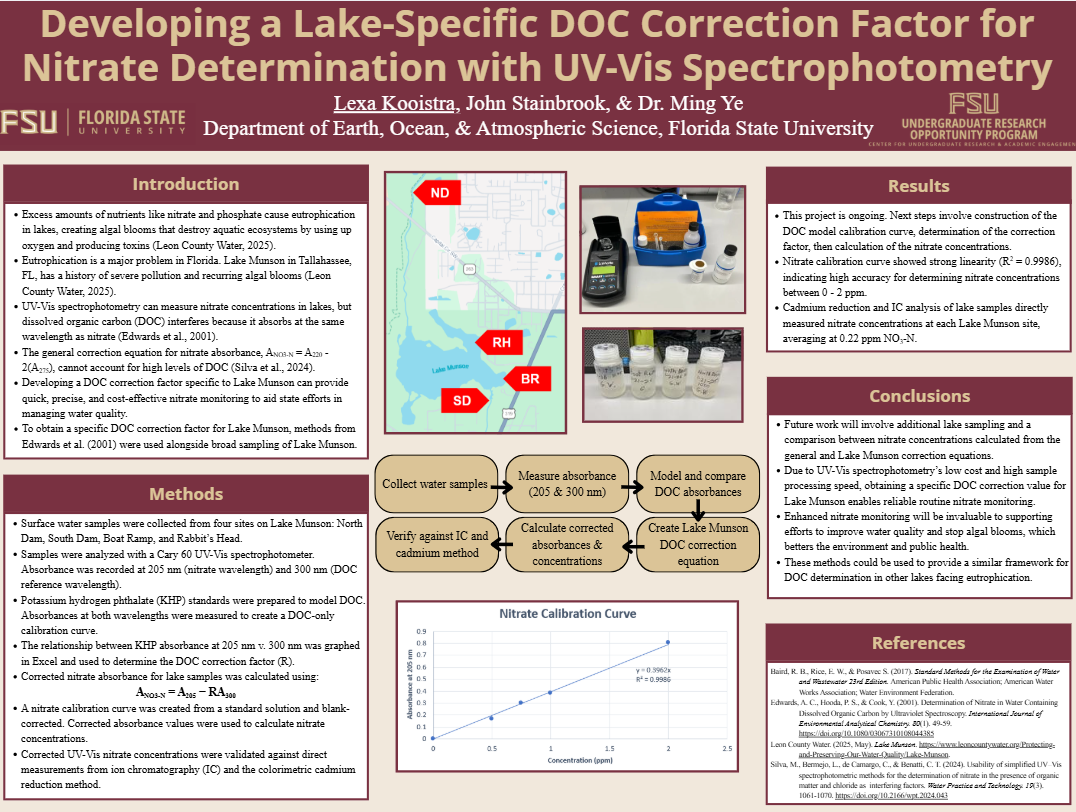
Developing a Lake-Specific DOC Correction Factor for Nitrate Determination with UV-Vis Spectrophotometry
Authors: Lexa Kooistra, Ming YeStudent Major: Biochemistry
Mentor: Ming Ye
Mentor's Department: Department of Earth, Ocean, and Atmospheric Science Mentor's College: College of Arts and Sciences Co-Presenters:
Abstract
Excess nitrate (NO3-N) contributes to eutrophication, a process that produces ecosystem-degrading algal blooms. Researchers often utilize UV-Vis spectrophotometry to measure the concentration of nitrate in natural waters, but this method is constrained by interference from naturally occurring dissolved organic carbon (DOC). This research aims to develop a specific DOC correction factor for Lake Munson UV-Vis nitrate determination, based on the methods described in Edwards et al. (2001). Water samples were collected from multiple sites in Lake Munson and analyzed with UV-Vis spectrophotometry at 205 and 300 nm. The DOC correction factor for Lake Munson was derived from regression analysis of DOC-modelling standard solutions between these two wavelengths. For validation, the nitrate concentration determined using the DOC value was referenced against direct measurements from ion chromatography and cadmium reduction. This research is currently ongoing, and future plans include refining the correction value with additional Lake Munson sampling. This project offers a streamlined framework for UV-Vis nitrate measurements in lake water, supporting more reliable and rapid nutrient monitoring for specific lake systems and, in turn, aiding water quality improvement efforts against eutrophication.
Keywords: UV-Vis Spectrophotometry, Water Quality, Environmental Science
26th annual Undergraduate Research Symposium, April 1, 2026
Sophia Lockwood Poster Session 1: 9:30 am - 10:30 am / Poster #97
BIO
Sophia Lockwood is a second year Biology major from Martin County, Florida. Sophia is passionate about biomedical sciences and microbiology and hopes to apply this interest in a future career in medicine. Sophia is particularly interested in understanding the biological mechanisms underlying human disease and how scientific research can contribute to improved treatments and patient care.
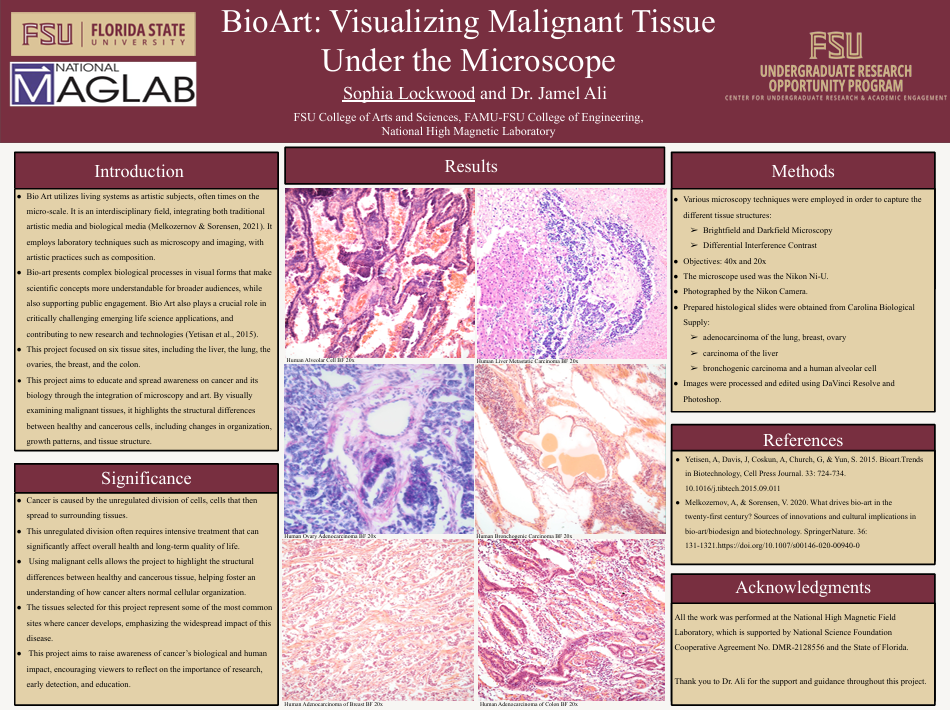
BioArt: Visualizing Malignant Tissue Under the Microscope
Authors: Sophia Lockwood, Dr. Jamel AliStudent Major: Biology
Mentor: Dr. Jamel Ali
Mentor's Department: Department of Chemical and Biomedical Engineering Mentor's College: FAMU-FSU College of Engineering Co-Presenters:
Abstract
Microscopic bio-art is an interdisciplinary field integrating both arts and sciences, drawing on biotechnological tools to investigate biotic systems as artistic subjects. Through the use of biological structures as subjects, bio-art is able to foster the collaboration of differing disciplines, as well as educate the public about science, thus increasing the general population's scientific literacy. Malignant tissue consists of cells characterized by unregulated growth and the ability to spread throughout the body, arising from DNA mutations that disrupt the normal cell cycle and enable the cells to evade apoptosis. Viewing malignant tissues as an artistic subject allows for a deeper understanding of the structural changes that differentiate cancerous tissue from healthy tissue at the microscopic level. Several malignant tissues, ranging from cerebral to cardiac tissue, were viewed through a variation of multiple microscopy techniques. The techniques used included light microscopy, specifically darkfield and phase-contrast imaging. This interdisciplinary study seeks to show the complex structure and behavior of malignant tissue while also fostering public engagement with cancer biology.
Keywords: BioArt, Microscopy, Biology, Photography
26th annual Undergraduate Research Symposium, April 1, 2026
Amanda Altree Poster Session 3: 1:45 pm - 2:45 pm / Poster #165
BIO
Hi! I'm a junior biochemistry student from Fort Lauderdale, Florida. I'm passionate about biochemistry and our environment. In my free time I love to travel, bake, and visit state parks.
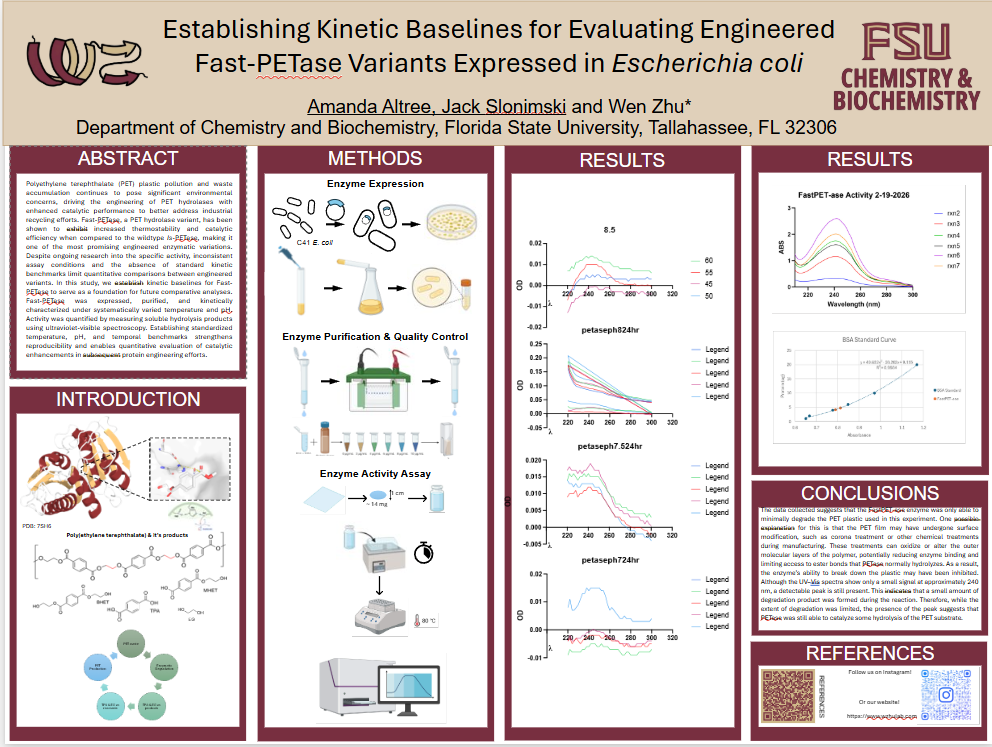
Establishing Kinetic Baselines for Evaluating Engineered Fast-PETase Variants Expressed in Escherichia coli
Authors: Amanda Altree, Wen ZhuStudent Major: Biochemistry
Mentor: Wen Zhu
Mentor's Department: Chemistry & Biochemistry Mentor's College: Purdue University, Cardiff University, University of California Berkeley Co-Presenters: Jack Slonimski
Abstract
Polyethylene terephthalate (PET) plastic pollution and waste accumulation continues to pose significant environmental concerns, driving the engineering of PET hydrolases with enhanced catalytic performance to better address industrial recycling efforts. Fast-PETase, a PET hydrolase variant, has been shown to exhibit increased thermostability and catalytic efficiency when compared to the wildtype Is-PETase, making it one of the most promising engineered enzymatic variations. Despite ongoing research into the specific activity, inconsistent assay conditions and the absence of standard kinetic benchmarks limit quantitative comparisons between engineered variants. In this study, we establish kinetic baselines for Fast-PETase to serve as a foundation for future comparative analyses. Fast-PETase was expressed, purified, and kinetically characterized under systematically varied temperature and pH. Activity was quantified by measuring soluble hydrolysis products using ultraviolet-visible spectroscopy. Establishing standardized temperature, pH, and temporal benchmarks strengthens reproducibility and enables quantitative evaluation of catalytic enhancements in subsequent protein engineering efforts.
Keywords: Biochemistry, PET-ase, FastPET-ase, Enzyme, Plastic
26th annual Undergraduate Research Symposium, April 1, 2026
Kaylee Hartline Poster Session 3: 1:45 pm - 2:45 pm / Poster #89
BIO
Kaylee Hartline is an undergraduate student from Palm Coast, Florida, now studying at Florida State University pursuing a double major in Political Science and History. She previously completed dual enrollment coursework at Daytona State College before continuing her studies at FSU, leaving her at 19 at time of graduation. Her academic interests center on international politics, social injustice, and the historical development of political activism.
Kaylee’s primary passion is international human rights law and the ways legal frameworks shape global responses to conflict and humanitarian crises. Her current research examines how the Permanent Five (P5) members of the United Nations Security Council frame and respond to rebel groups, analyzing how international political dynamics influence decisions about intervention, legitimacy, and violence. Through this work, she explores the broader relationship between international law, power, and global governance.
Kaylee plans to continue her studies at Florida State University by pursuing a law degree with a focus on international law. She hopes to build a career centered on international human rights advocacy, using legal frameworks to address conflict, protect vulnerable populations, and promote accountability within global institutions.
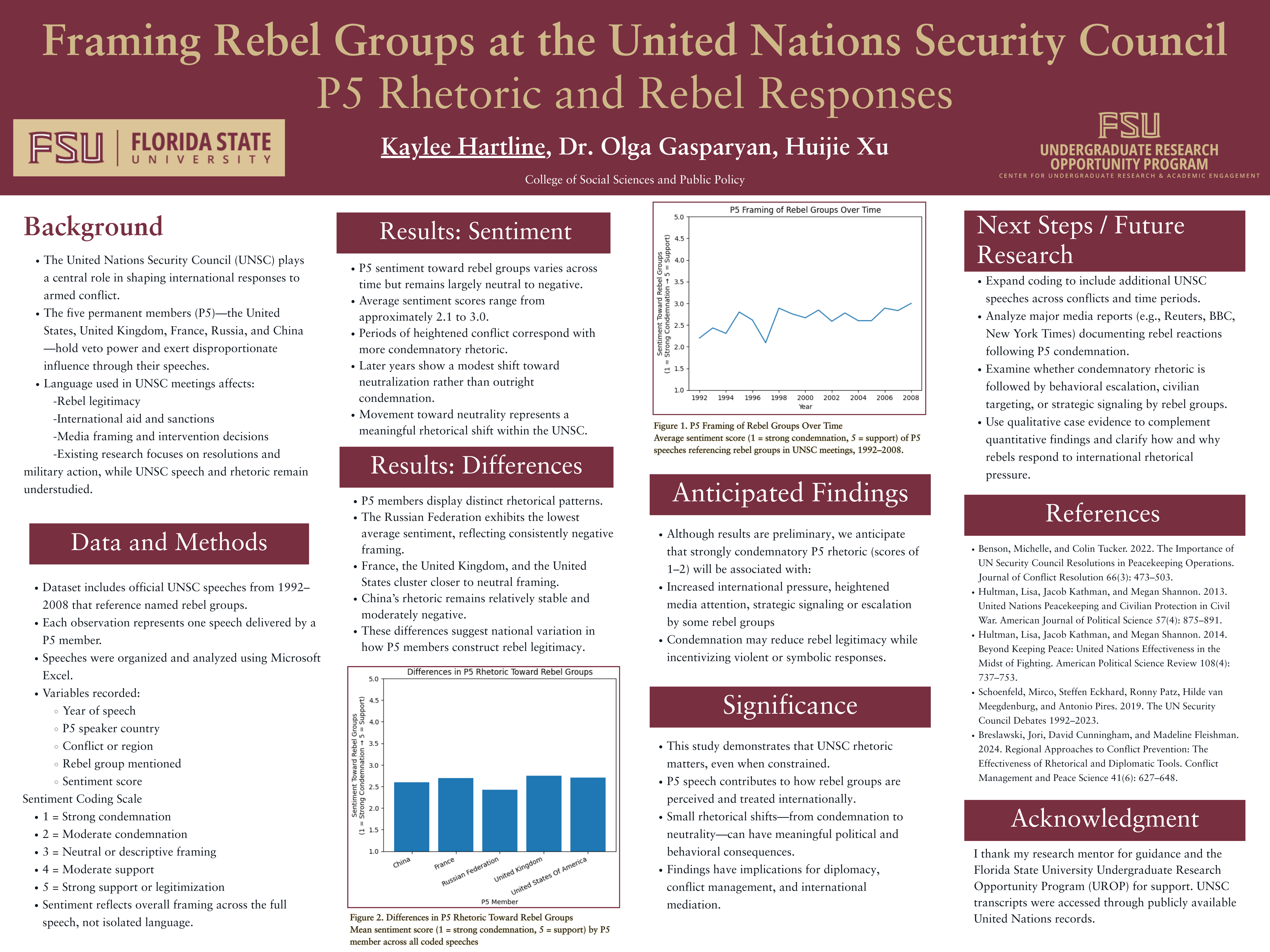
Framing Rebel Groups at the United Nations Security Council: P5 Rhetoric and Rebel Responses
Authors: Kaylee Hartline, Olga GasparyanStudent Major: Political Science and History
Mentor: Olga Gasparyan
Mentor's Department: Social Sciences and Public Policy Mentor's College: og23a@fsu.edu Co-Presenters:
Abstract
This study investigates how the United Nations Security Council (UNSC) has framed its language toward rebel groups since its creation, with particular attention to the influence of the Permanent Five (P5) members. Because UNSC rhetoric shapes global perceptions, international aid decisions, and the legitimacy of armed actors, understanding this language offers insight into how rebel behavior may shift in response to international condemnation or support. The project examines how P5 speeches portray rebel groups, how these portrayals evolve across historical periods, and how rebels react to UNSC interventions and rhetorical pressure.
The research design involves systematically reading and coding UNSC speeches that reference rebel groups, assigning each speech a 1–5 rating based on its reception and tone toward the group discussed. Using Microsoft Excel, speeches are categorized by speaker, country, conflict, and timeframe to identify patterns in international attitudes. Preliminary results show variation in how rebel groups are perceived across different eras and among different P5 states, suggesting that UNSC rhetoric is neither uniform nor static. These findings highlight how influential actors in the international community publicly construct rebel legitimacy or illegitimacy.
Next steps include coding an additional set of speeches and analyzing major media coverage to assess whether P5 condemnations correlate with shifts in rebel behavior, including potential escalations in violence. The significance of this research lies in demonstrating that UNSC rhetoric, especially from the P5, has meaningful global impact, shaping not only international opinion but also the strategic responses of rebel groups themselves.
Keywords: United Nations, International Law
26th annual Undergraduate Research Symposium, April 1, 2026
Tvisha Sarkar Poster Session 1: 9:30 am - 10:30 am / Poster #203
BIO
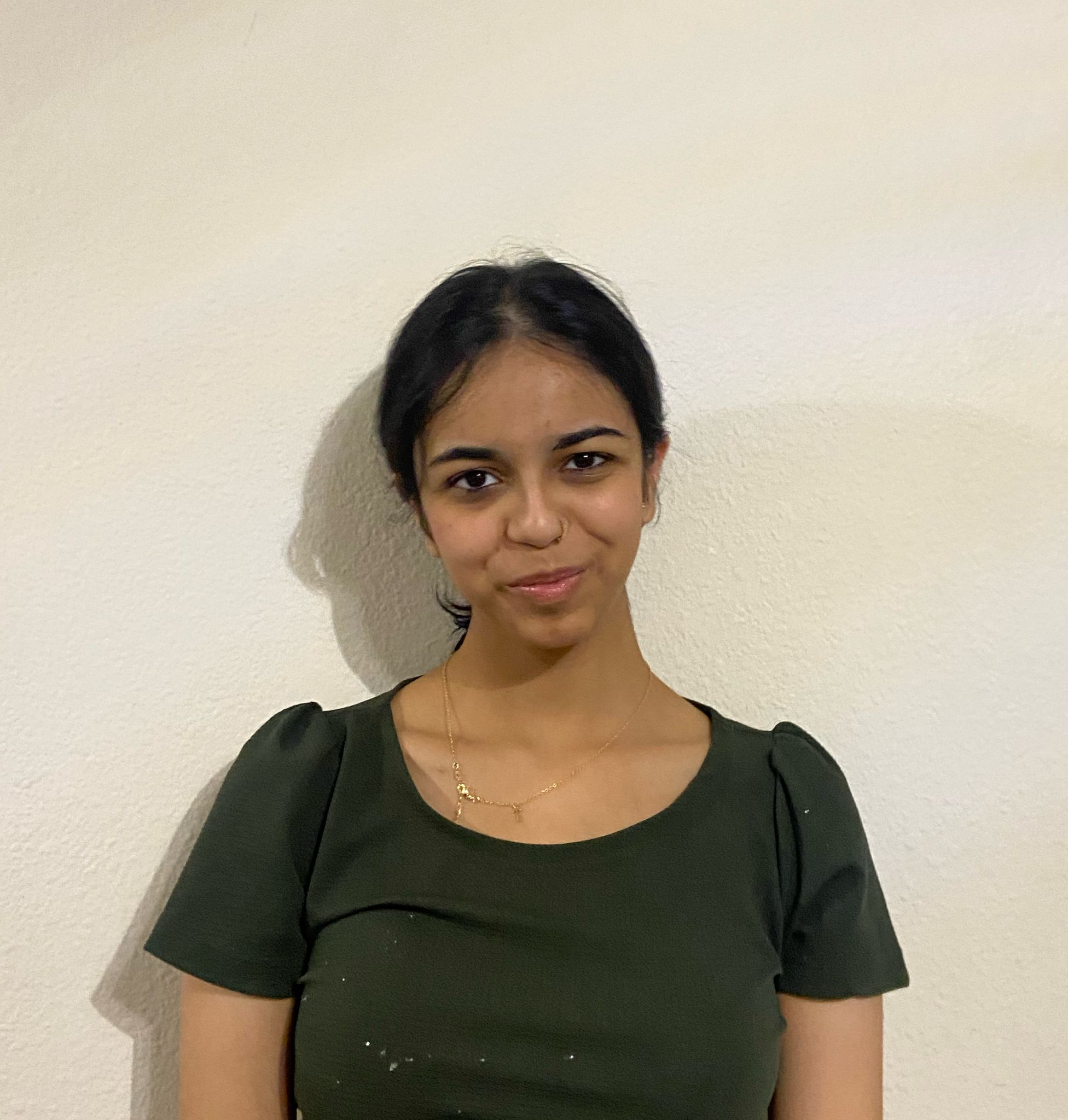
My name is Tvisha Sarkar, and I am a senior majoring in Psychology and Statistics. My primary research interests lie in PTSD and cognitive ability, with a growing passion for clinical psychology. I aspire to pursue a Ph.D. in Clinical Psychology, integrating my background in neuroscience research to explore innovative approaches to assessment and treatment.
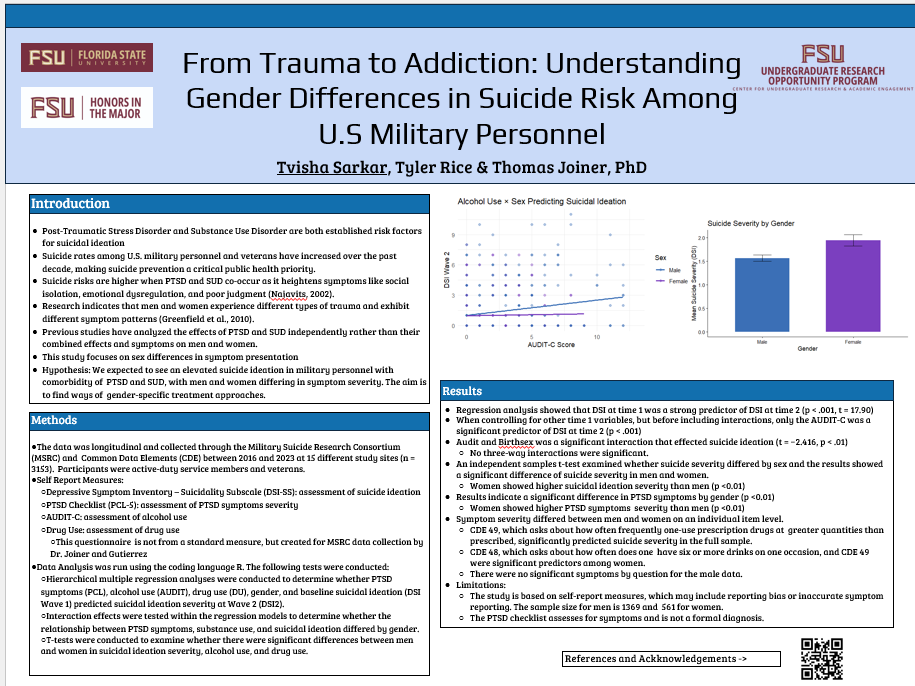
From Trauma to Addiction: Understanding Gender Differences in Suicide Risk Among U.S Military Personnel
Authors: Tvisha Sarkar, Dr. Thomas JoinerStudent Major: Psychology and Statistics
Mentor: Dr. Thomas Joiner
Mentor's Department: Psychology Mentor's College: Arts and Science Co-Presenters:
Abstract
Studies have shown that individuals with posttraumatic stress disorder (PTSD) and comorbid substance use disorder (SUD) are at increased risk for suicide. These two disorders are more prevalent in military personnel compared to civilians, largely due to heightened trauma exposure. Thus, understanding how PTSD and SUD contribute to suicide risk is critical for this population. Furthermore, males and females with PTSD and SUD have been shown to differ in their suicide risk presentations. Yet, how assigned sex at birth (ASAB) moderates the longitudinal effects of comorbid PTSD and SUD symptoms on suicide risk in military personnel is currently understudied. This project aims to investigate this gap, potentially leading to effective, sex-specific suicide prevention strategies.
Regressions were tested with longitudinal data from active and Veteran U.S. military personnel (N=1,930). Specifically, time one (T1) suicidal ideation, substance use, PTSD symptoms, ASAB, and their two-way interactions were tested as predictors of time two (T2) suicidal ideation. Results indicated that T1 alcohol use (p<0.001) and the interaction between T1 alcohol use and ASAB (p=0.016) were significant predictors of T2 suicidal ideation. When probing this interaction, results indicated that women show more significant results of drinking per occasion and more frequently than men. However, these scores do not predict suicide severity for women as it does for men, as the Alcohol use was not seen as a significant factor for women when running the regression test. This work has implications for military suicide prevention efforts, particularly via sex-specific interventions.
Keywords: PTSD, Gender, Substance Use
26th annual Undergraduate Research Symposium, April 1, 2026
Solangel Reyes Poster Session 3: 1:45 pm - 2:45 pm / Poster #105
BIO
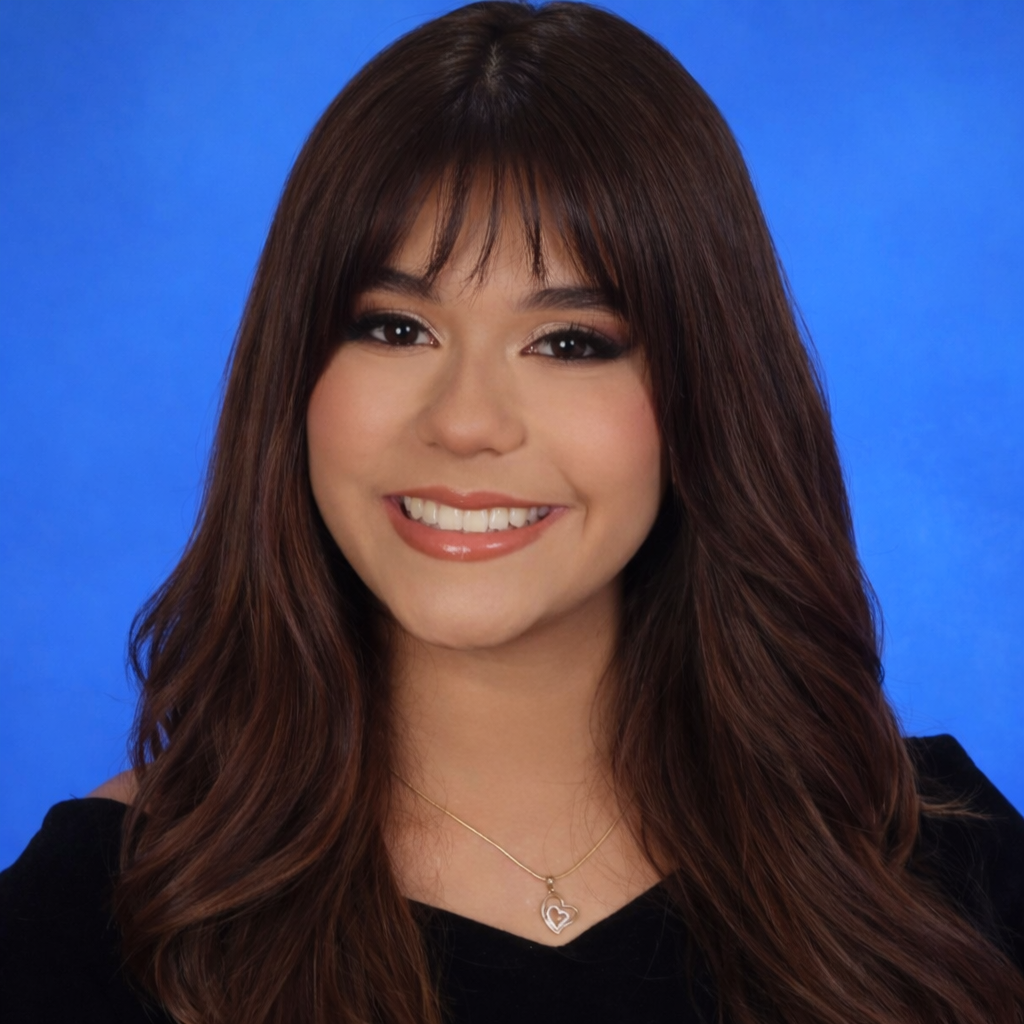
Solangel Reyes is a second-year student at Florida State University pursuing a Bachelor of Science in Behavioral Neuroscience with a minor in Chemistry. Driven by curiosity about the brain and a passion for helping others, she hopes to attend medical school and become a physician.
At FSU, Solangel is involved in research through the Undergraduate Research Opportunity Program, where she works with Dr. Dorota Kossowska-Kuhn on Alzheimer’s disease research. Her work focuses on examining cognitive changes associated with mild cognitive impairment, a condition that can precede Alzheimer’s disease. Through this research, she contributes to literature reviews and data coding for a large meta-analysis that explores early cognitive indicators of neurodegenerative disease.
Solangel has also gained hands-on experience in healthcare through several clinical roles. She previously worked at CVS as a certified pharmacy technician, where she assisted pharmacists, prepared medications, and helped patients navigate their prescriptions. She now works at Tallahassee Memorial Hospital as a Patient Resource Assistant, supporting patient care and providing one-on-one observation for individuals who require additional monitoring.
In addition to her research and clinical work, Solangel completed Florida State University’s Global Scholars Program, where she explored how financial barriers and access to resources affect cancer patients and their treatment experiences.
Known for her empathy, kindness, and strong work ethic, Solangel hopes to one day combine research and medicine to improve patient care and make healthcare more accessible to all communities.
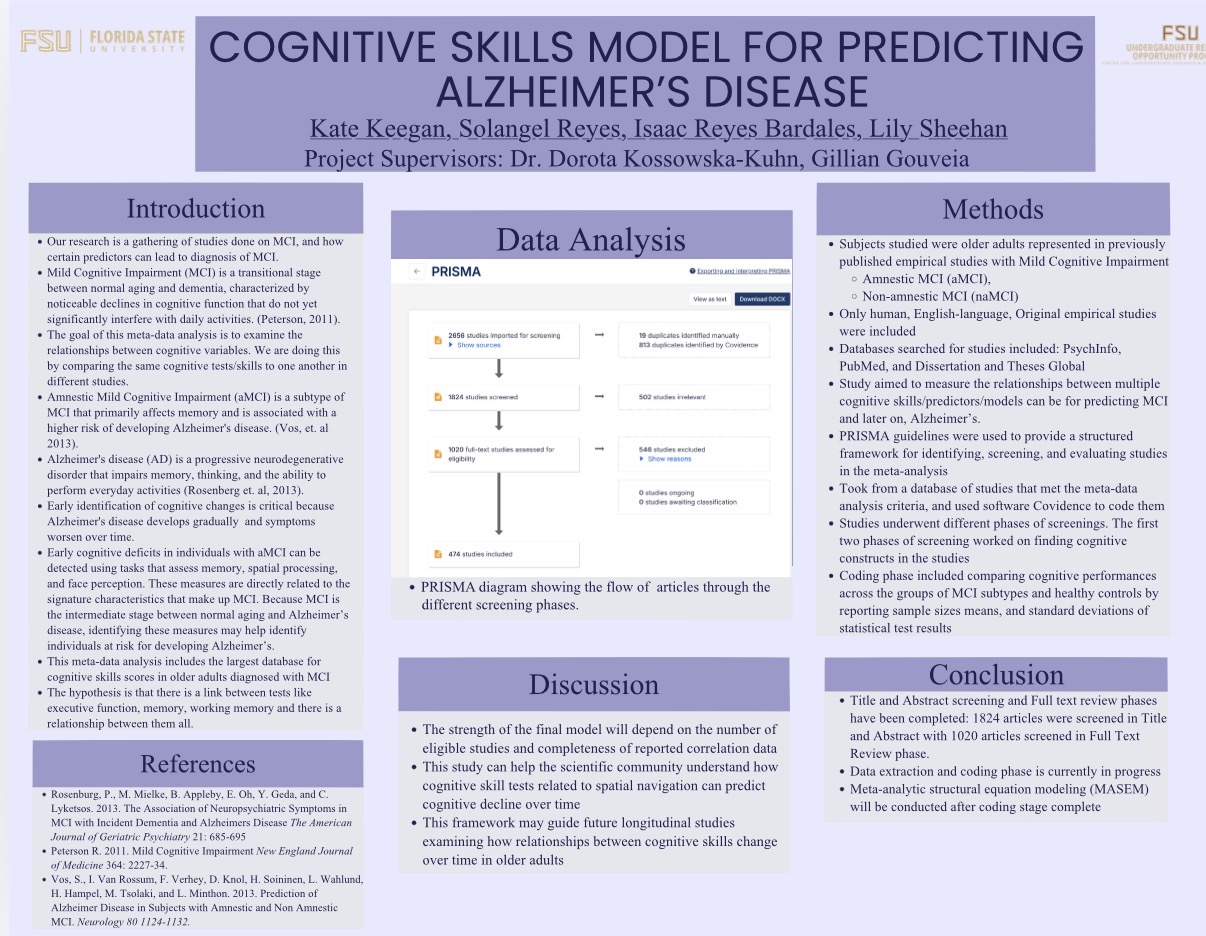
Cognitive Skills Model For Predicting Alzheimer’s Disease
Authors: Solangel Reyes, Dr. Dorota Kossowska-KuhnStudent Major: Behavioral Neuroscience
Mentor: Dr. Dorota Kossowska-Kuhn
Mentor's Department: Psychology Mentor's College: Florida State University Co-Presenters: Kate Keegan, Issac Reyes Bardales, Lily Sheehan
Abstract
Dementia is a growing health concern that affects many older adults around the world. Mild Cognitive Impairment (MCI) is often considered an early stage of dementia or Alzheimer’s disease. People with MCI may experience symptoms similar to dementia, although the changes are typically less severe. Spatial navigation refers to the ability to understand one’s position and movement within an environment. Changes in this ability may help researchers detect early cognitive decline. This meta-analysis examines differences in spatial navigation abilities between individuals with Mild Cognitive Impairment (MCI) and cognitively healthy (CH) older adults.
To conduct this study, research articles related to MCI and spatial navigation were carefully reviewed. The research process included screening article abstracts, conducting full-text reviews, and extracting key information from studies that met the inclusion criteria. At the time of writing, 207 articles have been screened and 37 studies have been fully extracted for the meta-analysis.
This project represents one of the largest studies examining spatial navigation in individuals with MCI. By combining findings across studies, this research aims to better understand how spatial navigation changes may signal early cognitive decline. Identifying these patterns may support earlier detection of MCI and contribute to future strategies aimed at slowing or preventing the progression of Alzheimer’s disease.
Keywords: Alzheimer’s, Meta analysis, Cognition
26th annual Undergraduate Research Symposium, April 1, 2026
Natalia Bartko Poster Session 3: 1:45 pm - 2:45 pm / Poster #313
BIO
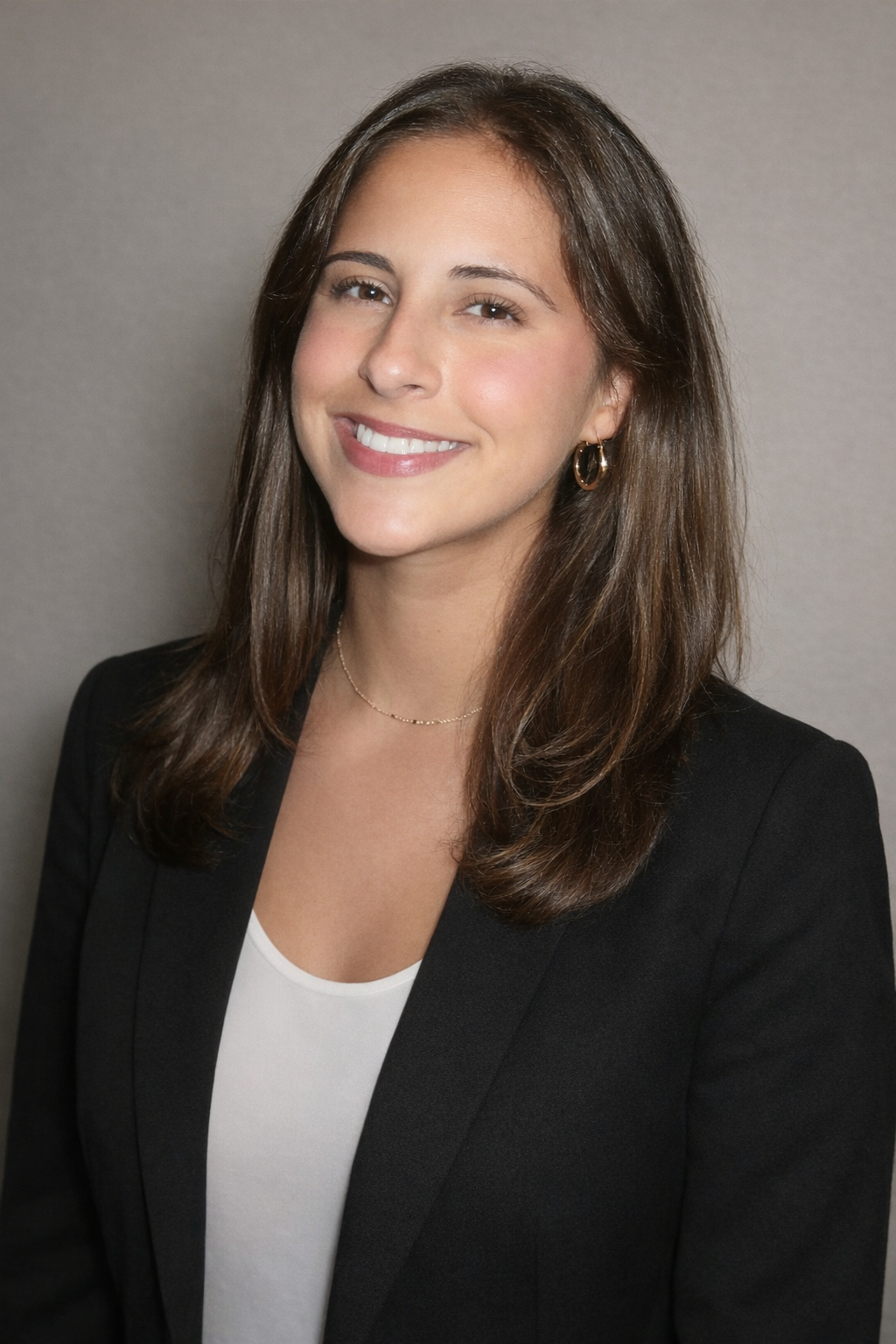
Natalia Bartko is a sophomore from Winter Garden, Florida, pursuing a dual degree in Criminology and Psychology. As a first-year research student, she investigates how people form spontaneous trait inferences about individuals and groups, focusing on how racial composition influences perceived group unity and impressions. Her current project builds on prior research on group perception by examining how perceived entitativity affects these inferences. Natalia plans to use her research experience and academic training to pursue a career with the FBI, applying insights from psychology and criminology to real-world investigative work.
The Role of Members' Characteristics in First Impressions
Authors: Natalia Bartko, Ayanna BrewtonStudent Major: Psychology and Criminology
Mentor: Ayanna Brewton
Mentor's Department: Psychology Mentor's College: College of Arts and Sciences Co-Presenters: Lexi Ramsay
Abstract
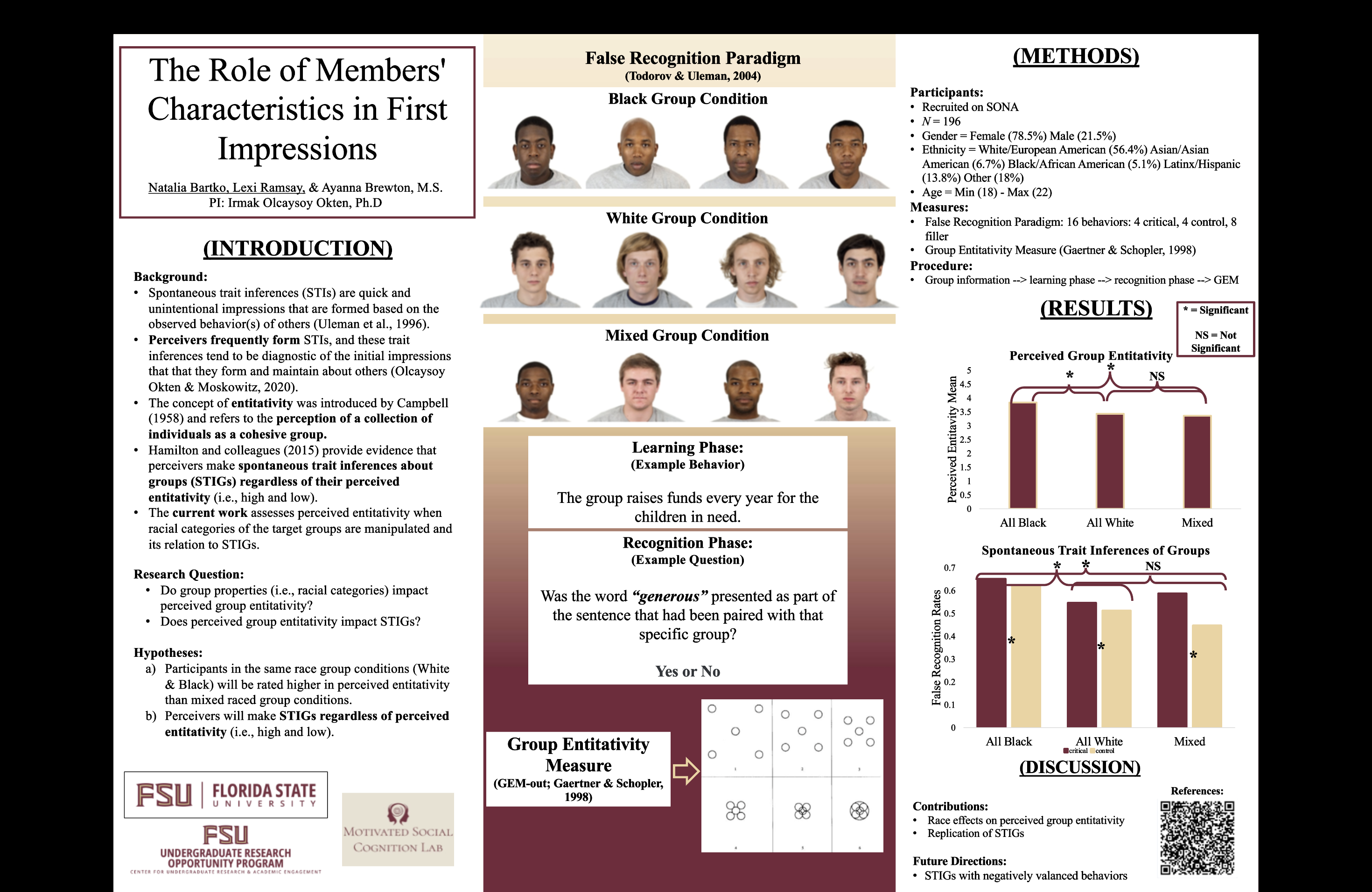
It is understood, in person perception research, that perceivers frequently form unintentional spontaneous trait inferences (STIs) based on the observed behavior of others (Uleman et al., 1996), and these trait inferences tend to be diagnostic of the initial impressions that they form and maintain about others (Olcaysoy Okten & Moskowitz, 2020). Similarly, Hamilton and colleagues (2015) provide evidence that perceivers also make spontaneous trait inferences about groups (STIGs). One of their main findings was that STIGs occur similarly for groups perceived high and low in entitativity. Perceived entitativity is the extent to which a group of individuals are perceived as a collective unit or a unified whole. The proposed project extends the research initiatives of Hamilton and colleagues’ (2015) study by building onto their target group manipulation. The purpose of the current work was to design a manipulation of perceived entitativity by adding racial categories to target groups (All Black/ All White/ Combination of Black and White). Specifically, we investigated whether (1) differences of perceived group entitativity would emerge when the physical similarities (i.e., race) of groups differ and (2) whether differences in perceived group entitativity, in turn, would affect STIGS. Our work seeks to offer a critical advancement in understanding how impressions of groups form as a result of shared (or unshared) group member characteristics.
Keywords: Spontaneous Trait Inferences (STI's), Group Entitativity, First Impressions in Groups, Race and Group Perception
26th annual Undergraduate Research Symposium, April 1, 2026
Angelo Dattoli Poster Session 4: 3:00 pm - 4:00 pm / Poster #60
BIO
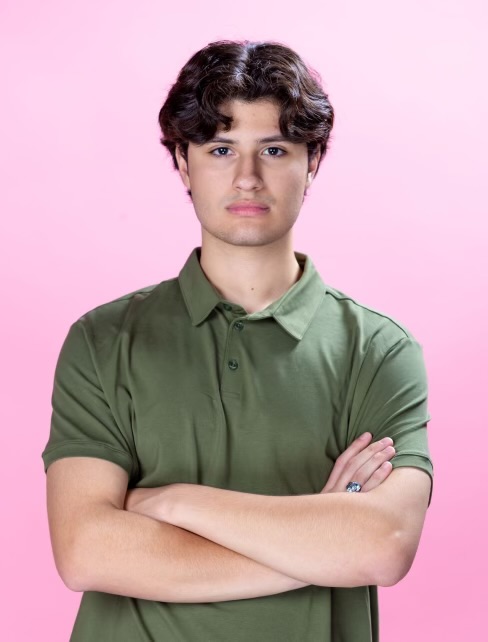
Angelo Dattoli is in his first year at FSU looking to obtain a Bachelor of Science in Physics. Under the guidance of his research mentor, Dr. Barriga, Angelo took part in analyzing data from the GlueX spectrometer. In the future, he plans on continuing to do research so that he can go to graduate school for theoretical physics. He hopes to one day become a researcher and professor, so that he may spend his career thinking about the universe.
Understanding the Momentum Dependence of the π0 Mass Resolution at GlueX
Authors: Angelo Dattoli, Edmundo BarrigaStudent Major: Physics
Mentor: Edmundo Barriga
Mentor's Department: Physics Mentor's College: College of Arts and Sciences Co-Presenters:
Abstract
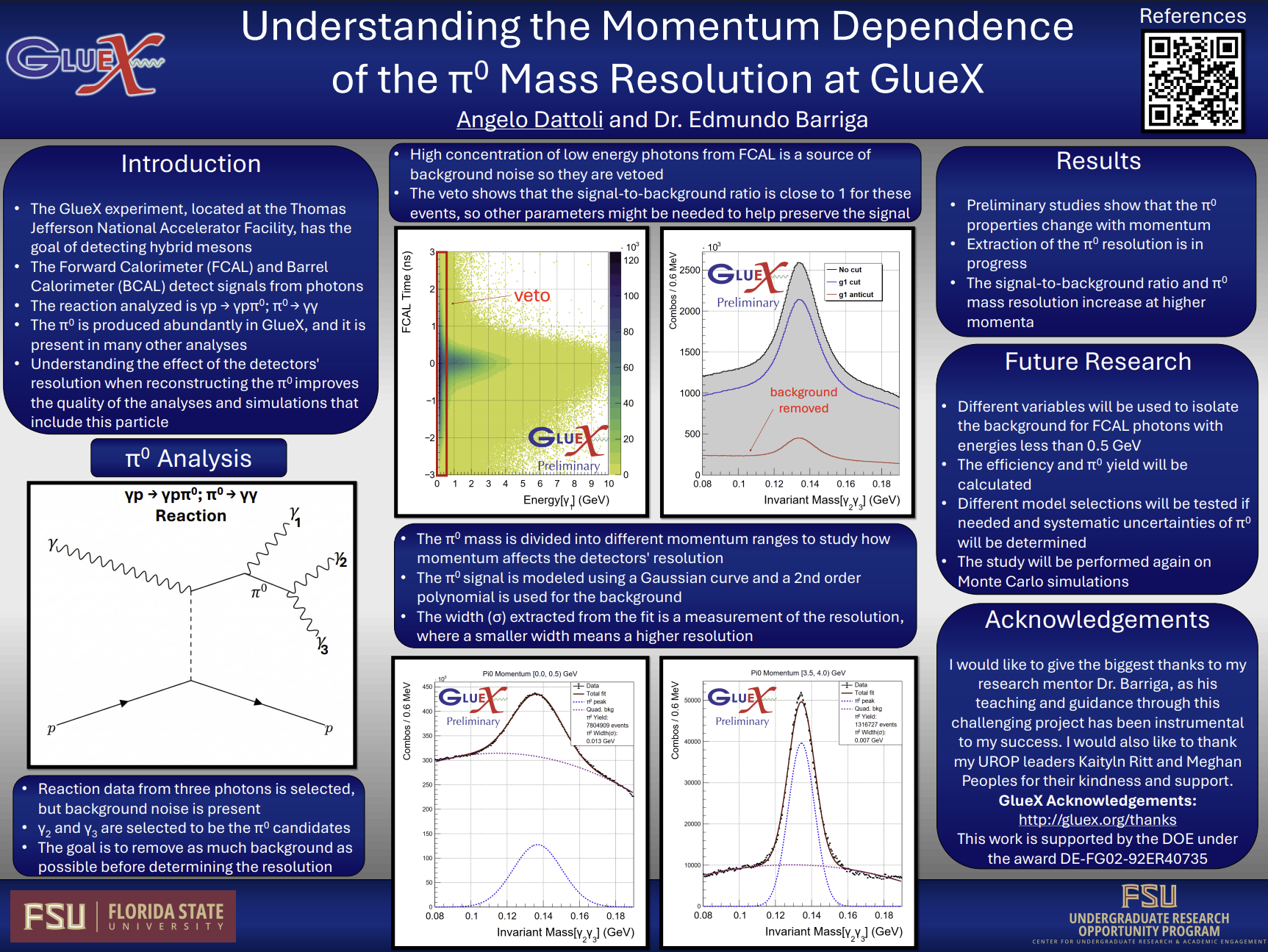
The GlueX experiment is a particle physics experiment based at the Thomas Jefferson National Accelerator Facility in Newport News, Virginia, with the aim of detecting hybrid mesons and achieving a better understanding of the light meson spectrum. Data collected with the GlueX detector is reconstructed to identify the particles produced and analyze their reactions. This research supports the GlueX analyses by evaluating the resolution of the detectors and how it depends on momentum. Specifically, this project applies chi-squared and event selection criteria to the γp → γpπ0 ; π0 → γγ reaction to suppress background noise and extract the π0 mass resolution. Then, the π0 resolution is used to assess how the detectors behave under different momentum ranges. Preliminary studies indicate that the π0 width and yield change across different momenta. While research is still ongoing, the results of this study will help build a greater understanding of the π0 mass resolution, leading to better analyses and Monte Carlo simulations in the future.
Keywords: resolution, momentum, GlueX
26th annual Undergraduate Research Symposium, April 1, 2026
Ramon Morales III Poster Session 4: 3:00 pm - 4:00 pm / Poster #200
BIO
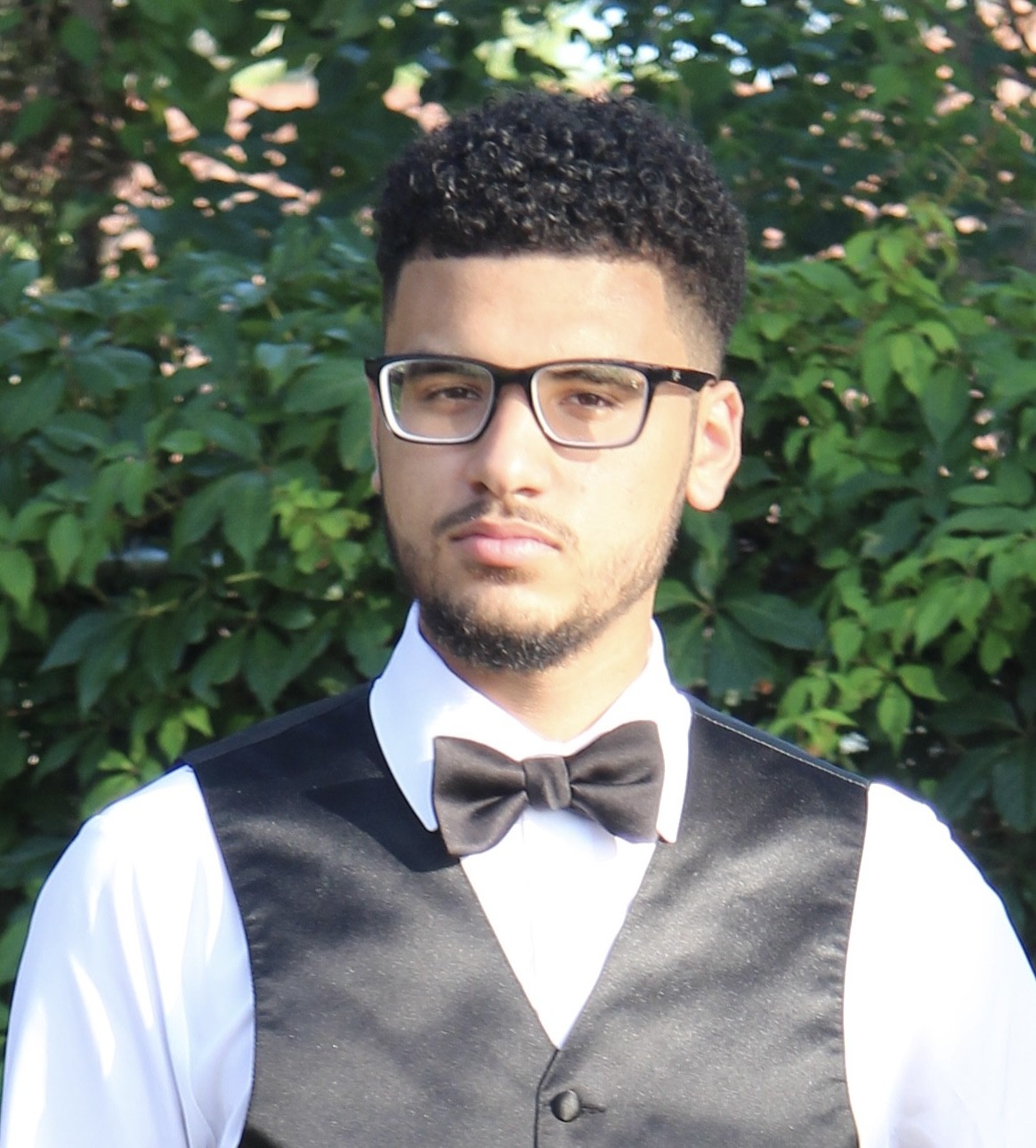
Ramon Morales III, an undergraduate of physics at FSU. He has been interested in learning the mechanics of how the universe has worked, so he has perused studying STEM in Highschool, but he really fell in love with Physics in my senior year, where he decided to pursue a physics path. He joined the UROP program to pursue undergraduate research in his freshman year.
1-Dimesional Random Walk Simulations
Authors: Ramon Morales III, Sandeep JoyStudent Major: Physics
Mentor: Sandeep Joy
Mentor's Department: Physics (Maglab) Mentor's College: FSU Co-Presenters:
Abstract
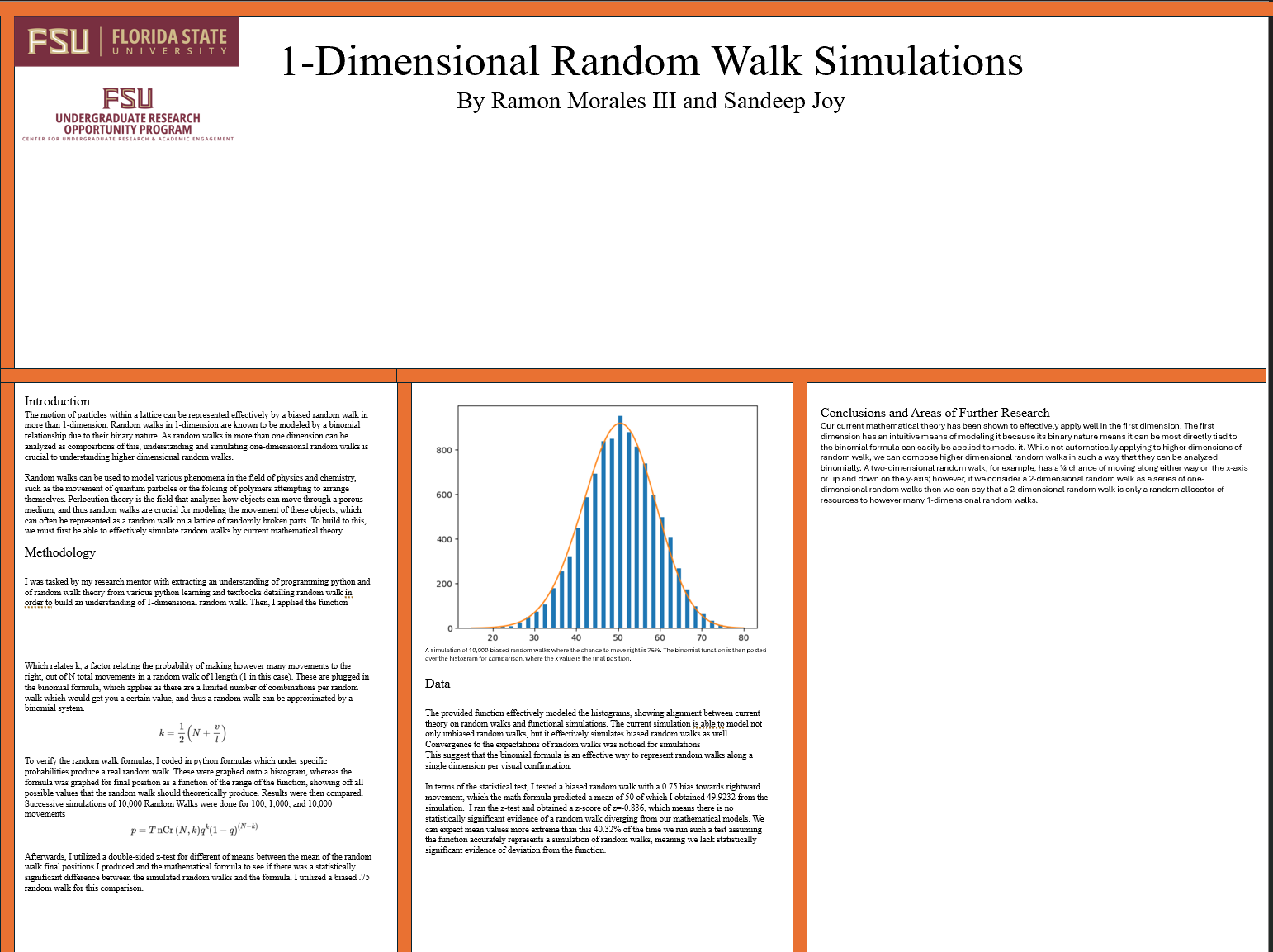
Random walks are a situation where an object has a randomized probability of moving in a direction on a grid. Random walks can be used to model various phenomena in the field of physics and chemistry, such as the movement of quantum particles or the folding of polymers attempting to arrange themselves. Perlocution theory analyzes how objects move through a porous medium; random walks are crucial for such modeling, which can be represented as a random walk on a lattice of randomly broken parts. To build to this, we must first be able to effectively simulate random walks by current mathematical theory.
In the course of my research I simulated random walks by constructing a histogram-based python code which simulated a 1 dimensional random walk which either symmetrical, equal chance left or right movement, or bias towards a side. Afterwards, I ran a z-test to see how far my histogram deviated from the mathematical formula in its mean.
Visually, the divergence between the shape of the graph and the area under it represented by the histogram is minimal, suggesting accurate representation. I obtained a z-score of z=-0.836 for the deviation of the mean from the formula, which means there is no statistically significant evidence of a random walk diverging from our mathematical models.
Thus, our current understanding of 1-dimensional random walks are shown to be accurate at predicting random walks in 1-dimension. The simulation can be generalized to the second dimension by applying on 2 variables.
Keywords: Random Walk, Simulation, Coding
26th annual Undergraduate Research Symposium, April 1, 2026
Jenna Sparling Poster Session 1: 9:30 am - 10:30 am / Poster #295
BIO
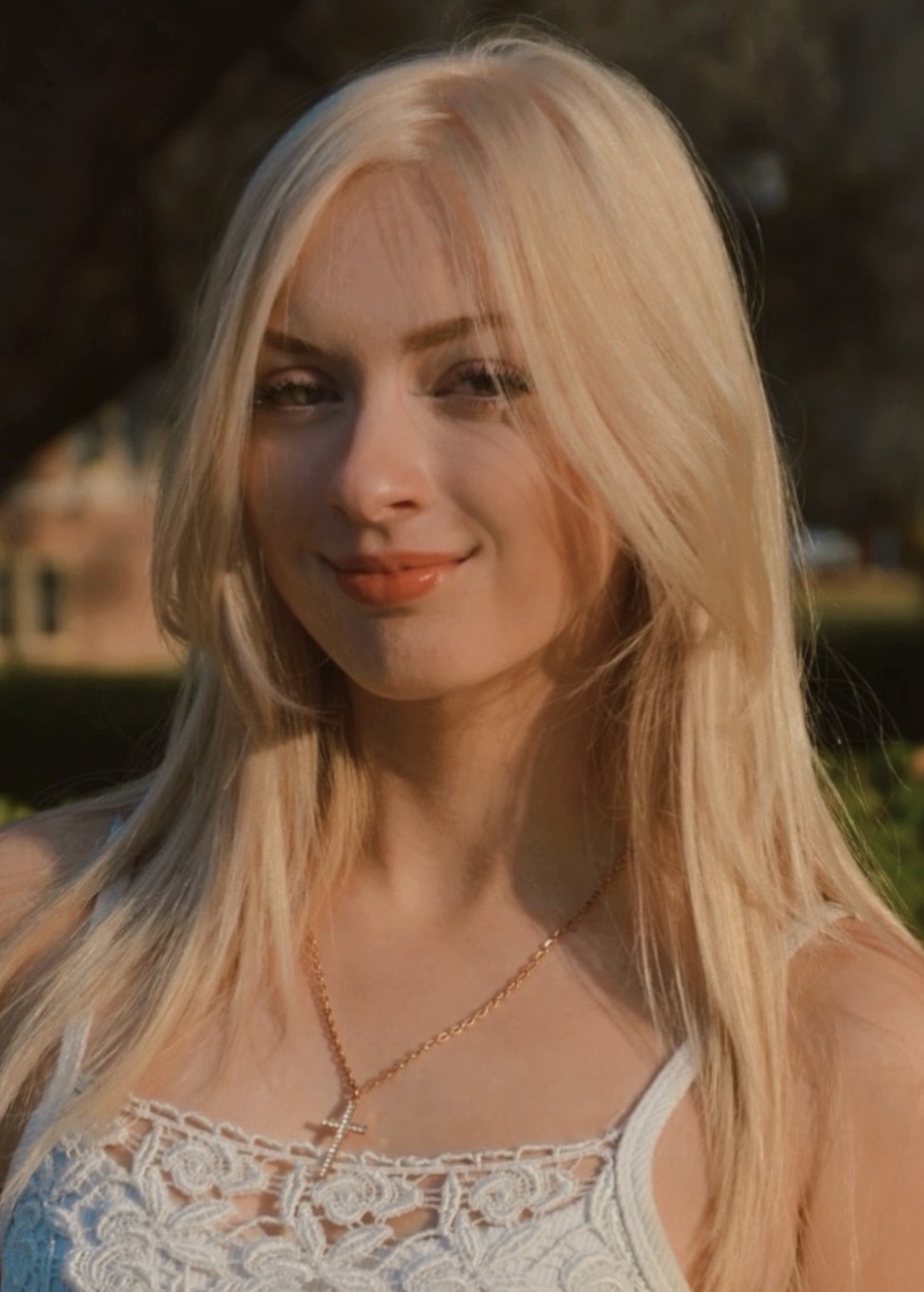
Jenna Sparling is a second-year student at Florida State pursuing Dual Bachelor’s Degrees in Geography and Economics with minors in Urban and Regional Planning and Political Science. Her academic interests include urban planning, economic development, and spatial data analysis. She currently conducts research with Dr. Veronica M. White, an Assistant Professor of Data Science in Health Systems Engineering at the FAMU-FSU College of Engineering. Jenna is currently working on Dr. White’s crisis planning tool project, collecting data for a case study in Honolulu, Hawaii. Alongside the crisis planning tool project, she is also involved in a separate research project examining the effects of college sports on economic and urban development. This project is overseen by Dr. Victor Mesev, a professor in the Department of Geography. In the summer, she plans to continue working for her research mentor, Veronica White, on a new project studying holistic defense outcomes. She plans to attend graduate school and may pursue academia in the future.
The Data Behind Deployment: Simulating Crisis Response in Honolulu
Authors: Jenna Sparling, Veronica WhiteStudent Major: Geography and Economics
Mentor: Veronica White
Mentor's Department: Industrial and Manufacturing Engineering Mentor's College: FAMU-FSU College of Engineering Co-Presenters:
Abstract
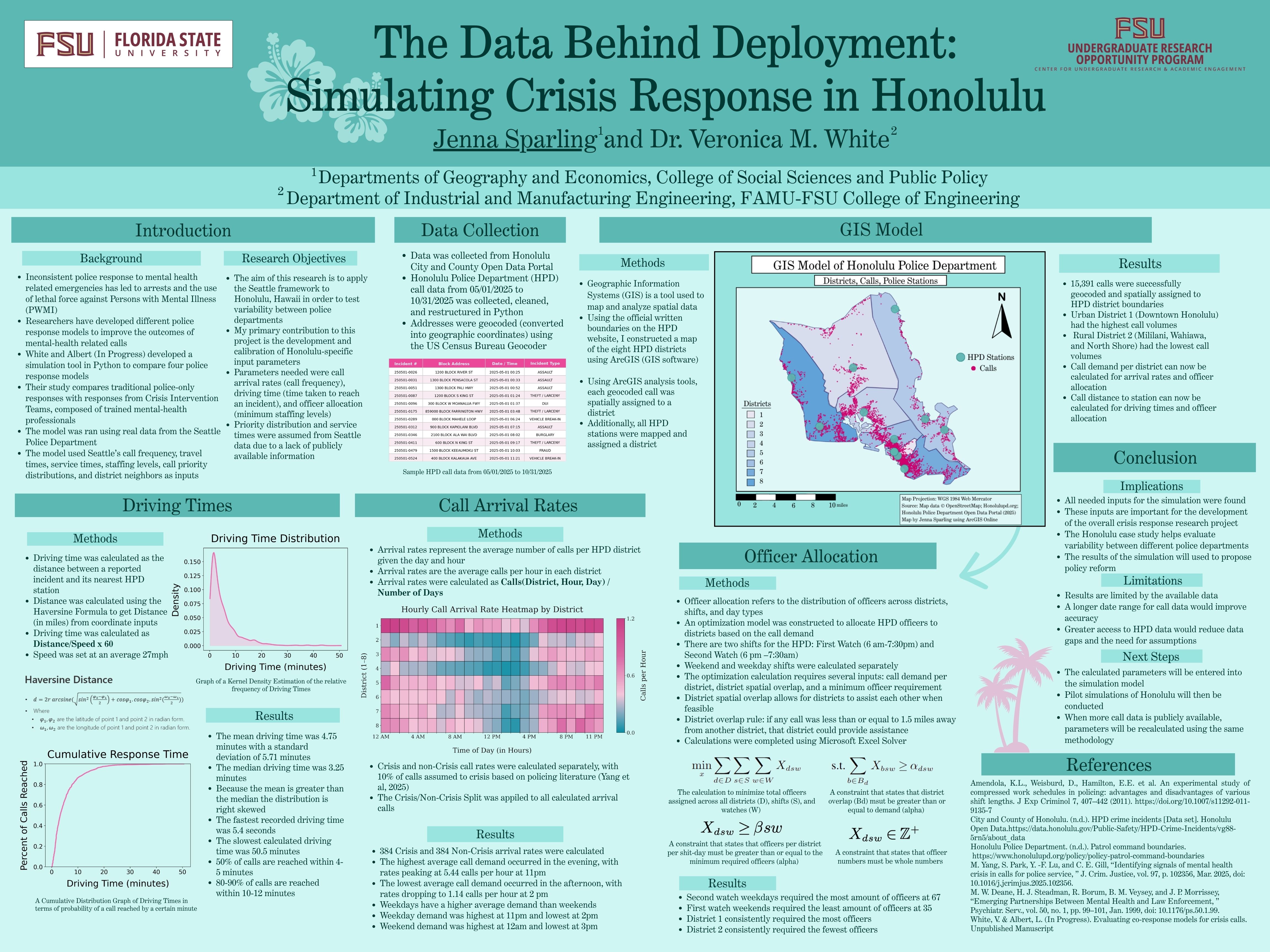
Inconsistent police response to mental health related emergencies in the United States has led to extreme and, at times, deadly outcomes. Police response to mental health crises has resulted in arrests, mercy bookings, and even the use of lethal force among Persons with Mental Illness (PWMI). Different police response models have been constructed to propose alternative response plans for crisis calls. To compare these different models, a simulation-based planning tool was constructed with Python. The planning tool requires several input parameters constructed from real police department data. This research explores Honolulu and the data collection needed to construct input parameters for future simulations. Data was derived from the Honolulu Police Department incident portal. Data was analyzed using spatial and statistical modeling. The models displayed demand and call distance in relation to HPD districts and stations. Using this information, the average frequency of crisis related and non-crisis related calls was calculated in Python. Additionally, the travel times were calculated for each call. Call demand was also utilized in an Excel optimization model to allocate police staffing across districts. The results show that policing demand in Honolulu varies heavily across urban and rural districts. Driving times were relatively short, with a few taking longer due to delays. Highest call volumes were recorded on weekdays, particularly during night shifts. These results will be used as inputs in future test simulations. The results of the simulation will assist policy makers in crafting data-driven crisis response systems.
Keywords: Crisis Response, Simulation, Police, Honolulu
26th annual Undergraduate Research Symposium, April 1, 2026
Patrick Noble Poster Session 4: 3:00 pm - 4:00 pm / Poster #42
BIO
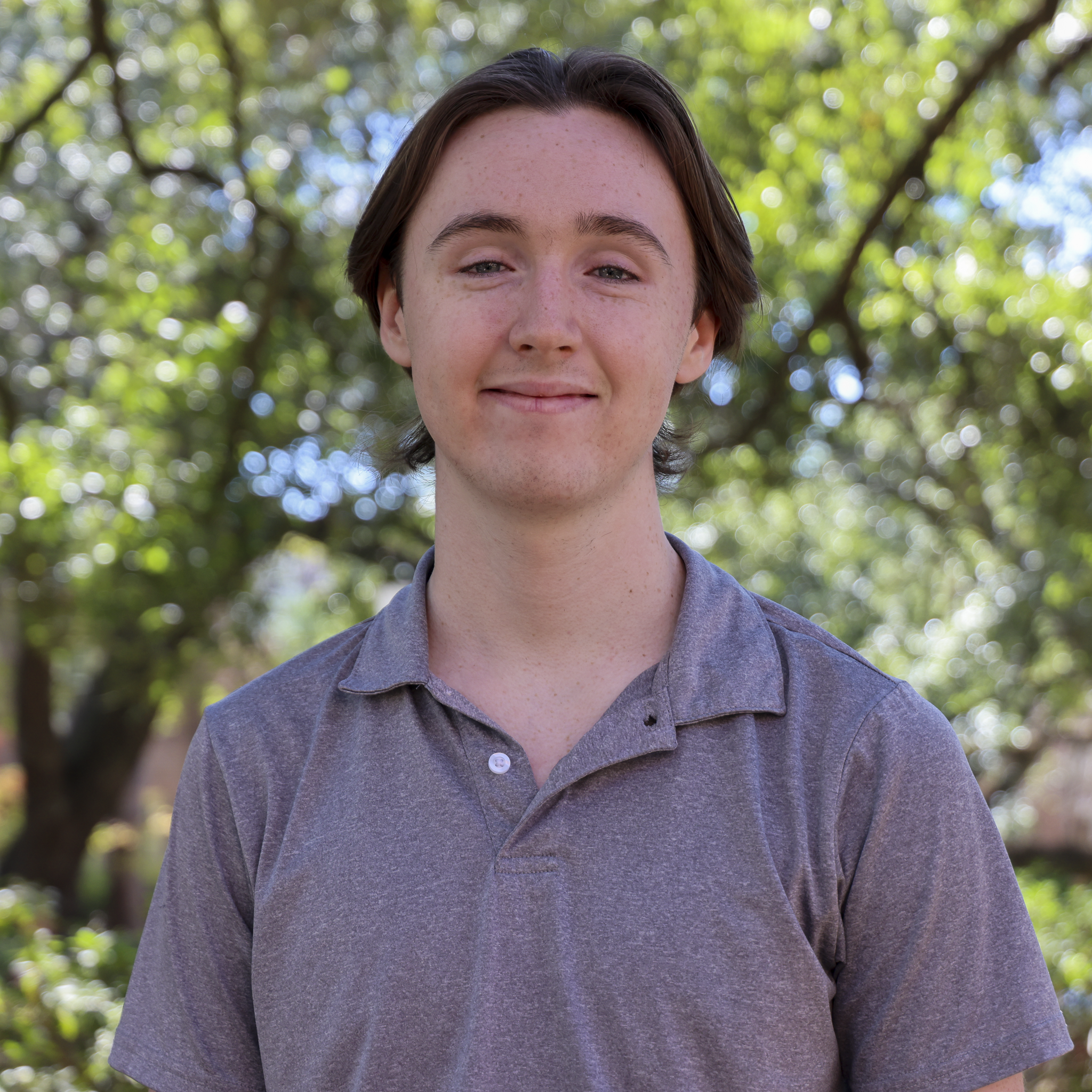
Patrick Noble is a first-year at Florida State University, majoring in Biological Science. Originally from Loxahatchee, Florida, Patrick is passionate about investigating the biological mechanisms that impact the development of illness.
His academic and professional interests include the gut and oral microbiomes, with a particular focus on how microbial composition affects the onset of systemic illness in children. Patrick plans to pursue a career in pediatric medicine, with the goal of providing evidence-based, nutrition-informed to care to children and their families.
Currently, Patrick is involved in research on the relationship between ultra-processed foods and the gut and oral microbiome. His work explores how dietary patterns in young adults may influence health in the long-term, examining the impact of refined carbohydrates, industrial fats, and other additives on metabolic and oral health. Through this research, he aims to offer dieticians and healthcare providers with a strong basis for nutritional counseling at a time when ultra-processed foods dominate American diets.
Beyond his research and coursework, Patrick is interested in healthcare policy and science communication. He hopes to continue expanding his work exploring the microbiome and one day apply his findings to his own patients in Florida.

Ultra-processed Food Consumption and Oral Microbiome Characteristics in Young Adults
Authors: Patrick Noble, Cole PatoineStudent Major: Biological Science
Mentor: Cole Patoine
Mentor's Department: Department of Health, Nutrition, & Food Sciences Mentor's College: FSU Anne Spencer Daves College of Education, Health, and Human Sciences Co-Presenters:
Abstract
Objectives: Ultra-processed foods (UPFs) account for more than half of daily energy intake among young adults in the United States and have increased steadily in recent decades. These foods, typically high in refined carbohydrates and added sugars, may alter the oral environment by increasing fermentable substrates and promoting growth of unfavorable microbes. Resulting shifts in the oral microbiome may contribute to oral dysbiosis. Young adults represent an understudied population due to high UPF consumption and evolving dietary and oral hygiene behaviors. This study examined associations between UPF intake and oral microbiome composition in young adults.
Methods: We performed a cross-sectional study including 50 adults aged 18 to 30 years who completed a single study visit. Dietary intake was assessed using 3-day diet records, and foods were classified as UPFs using the NOVA system. Participants provided oral microbiome samples through sterile swabs of oral sites and saliva. Microbial DNA was extracted for 16S rRNA sequencing and processed using QIIME2. Associations between UPFs and oral microbiome features were evaluated using ANOVA and Spearman correlations with FDR corrections.
Results: Shannon diversity showed no differences, while Chao1 richness demonstrated a trend toward variation. Beta-diversity analyses showed no significant clustering by UPF intake. Taxa-level analyses suggested higher relative abundance of Veillonella and Megasphaera (p<0.1) in the highest UPF intake quartile. Added sugar intake was positively associated with oral Megasphaera (p<0.05).
Conclusion: Greater UPF intake may promote modest shifts toward sugar tolerant, proinflammatory bacteria and depletion of health associated commensals without altering overall oral microbial diversity.
Keywords: microbiome, ultra-processed, oral, nutrition, diet
26th annual Undergraduate Research Symposium, April 1, 2026
Alexander Fernandez Poster Session 3: 1:45 pm - 2:45 pm / Poster #13
BIO
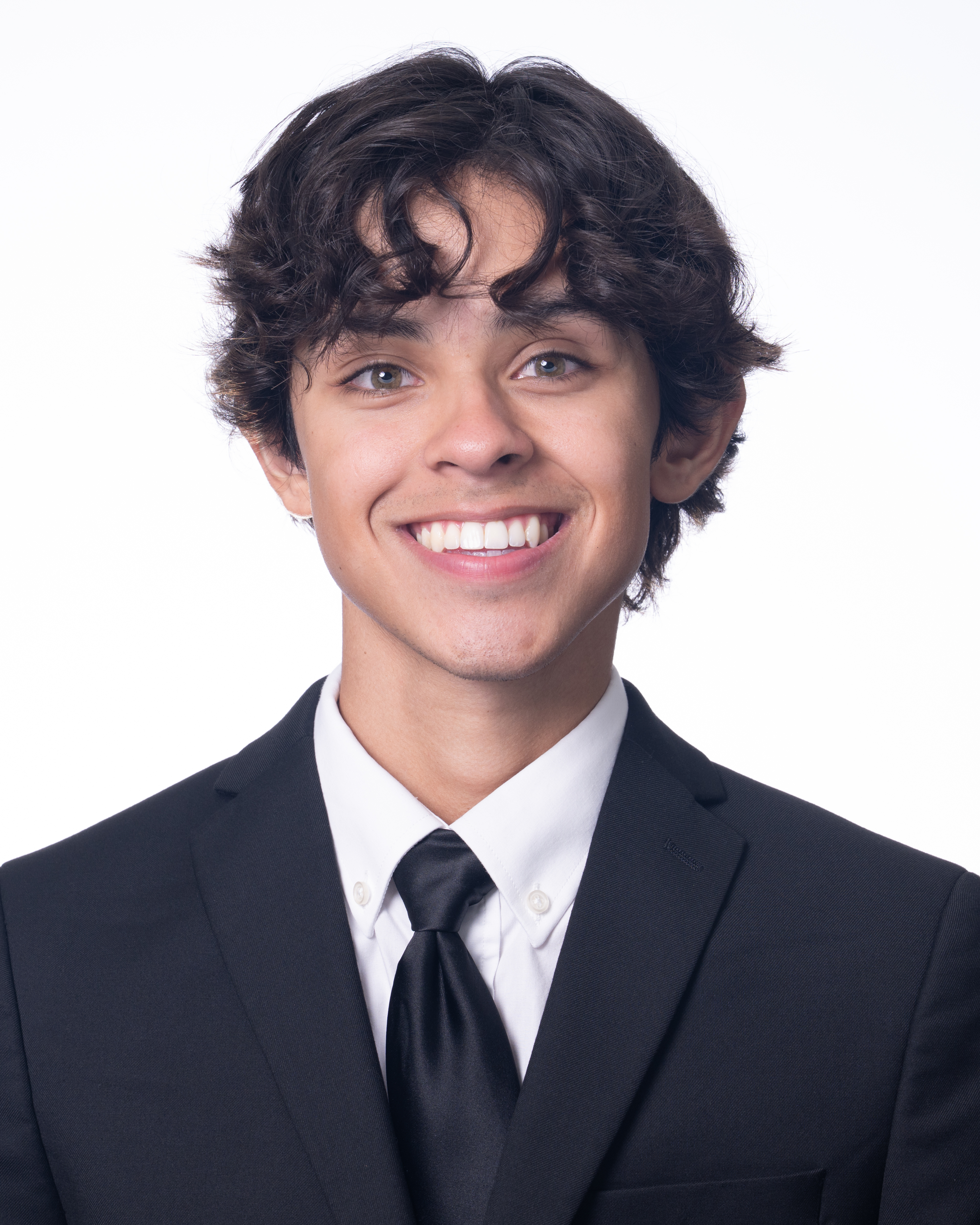
Alexander Fernandez is a first-year mechanical engineering student from Broward County, Florida. He previously conducted research in chemistry and chose this project because it bridges his background in chemistry with his interest in engineering. In the future, he hopes to work in industry after graduation and eventually own a beach house.
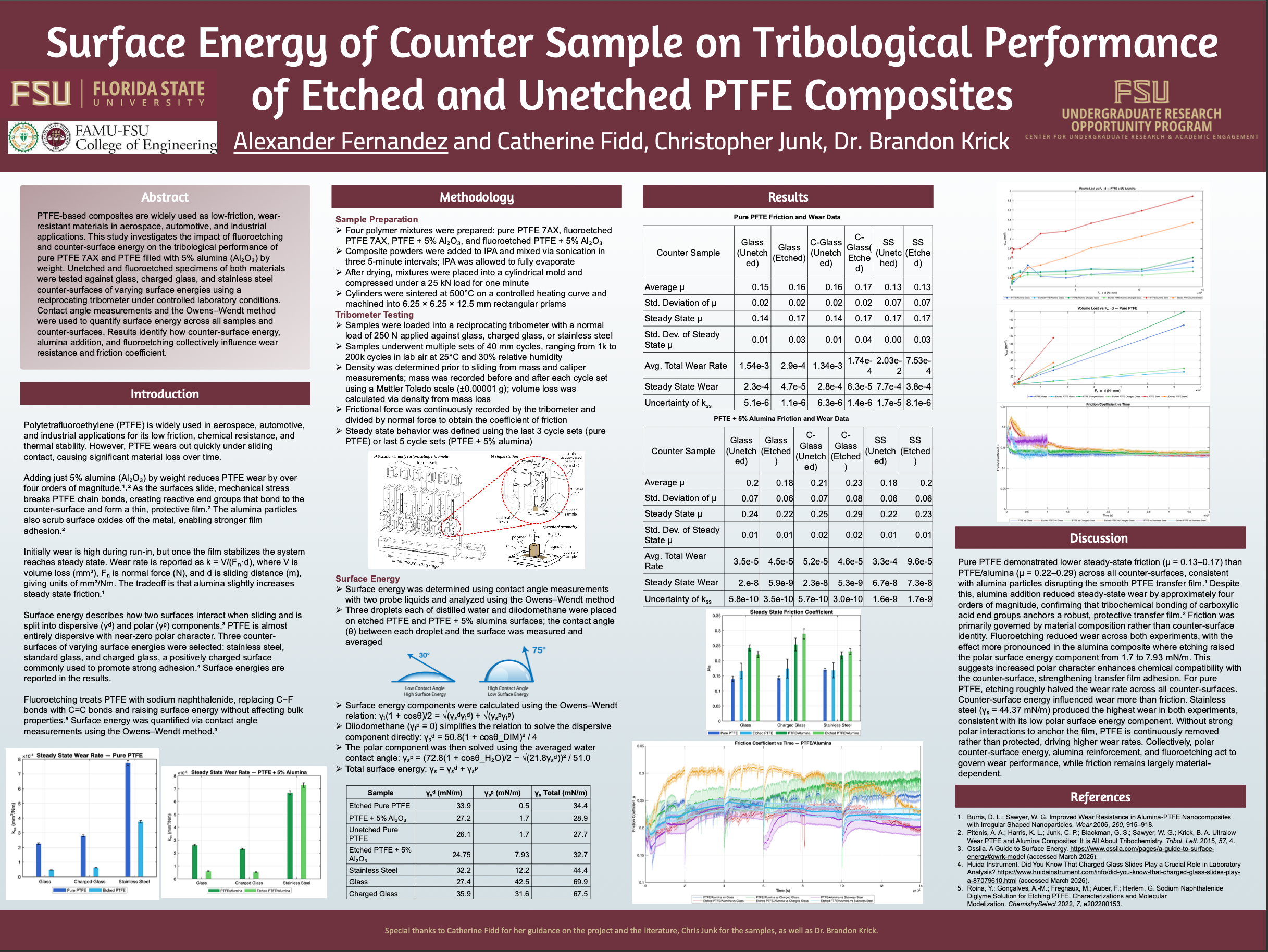
Surface Energy of Counter Sample on Tribological Performance of Etched and Unetched PTFE Composites
Authors: Alexander Fernandez, Catherine FiddStudent Major: Mechanical Engineering
Mentor: Catherine Fidd
Mentor's Department: Mechanical Engineering Mentor's College: Material Science and Engineering Co-Presenters:
Abstract
PTFE-based composites are widely used as low-friction, wear-resistant materials in aerospace, automotive, and industrial applications. This study investigates the impact of fluoroetching and counter-surface energy on the tribological performance of pure PTFE 7AX and PTFE filled with 5% alumina (Al₂O₃) by weight. Unetched and fluoroetched specimens of both materials were tested against glass, charged glass, and stainless steel counter-surfaces of varying surface energies using a reciprocating tribometer under controlled laboratory conditions. Contact angle measurements and the Owens–Wendt method were used to quantify surface energy across all samples and counter-surfaces. Results identify how counter-surface energy, alumina addition, and fluoroetching collectively influence wear resistance and friction coefficient.
Keywords: tribology, PTFE, materials
26th annual Undergraduate Research Symposium, April 1, 2026
Nghi (Minci) Tran Poster Session 4: 3:00 pm - 4:00 pm / Poster #76

BIO
Nghi (Minci) Van Tran is a second-year student from Vietnam pursuing a Bachelor of Science degree in Chemistry. She is an research assistant in Dr. Jack Saltiel's group, and currently she is researching the photochemistry of a molecule called 1,4-diphenyl-1,3-butadiene -- specifically how it isomerizes when react to light. Besides chemistry, Nghi is pursuing an FSU-Teach Certificate and a minor in English. Nghi is also a Service Scholar and an executive board member of the Pride Student Union and Generation Action at FSU.
Photoisomerization of cis,trans-1,4-diphenyl-1,3-butadiene
Authors: Nghi (Minci) Tran, Jack SaltielStudent Major: Biochemistry
Mentor: Jack Saltiel
Mentor's Department: Department of Chemistry and Biochemistry Mentor's College: College of Arts and Sciences Co-Presenters: none
Abstract
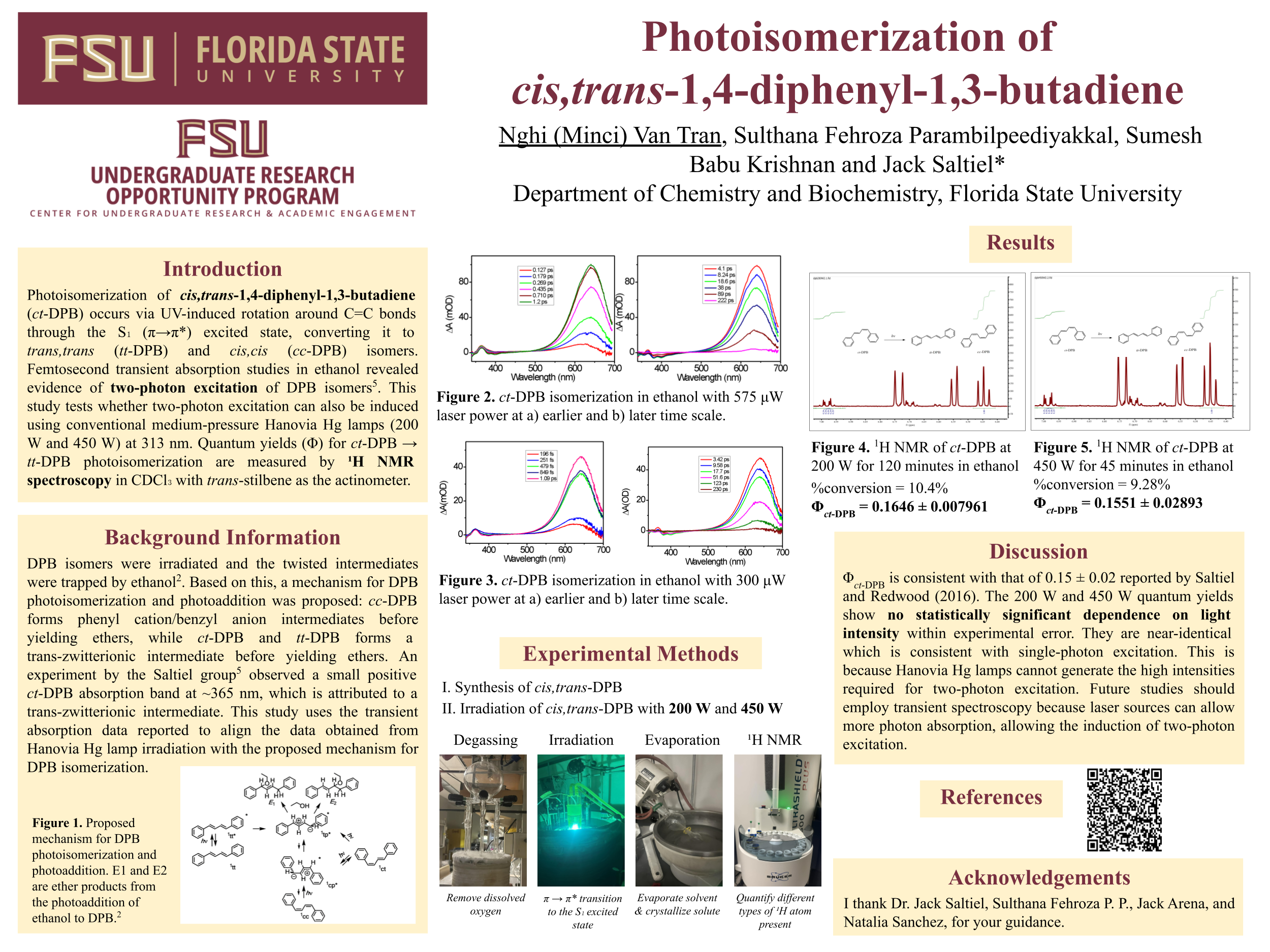
Photoisomerization of cis,trans-1,4-diphenyl-1,3-butadiene (ct-DPB) occurs via UV-induced rotation around C=C bonds through the S₁ (π→π*) excited state, converting it to trans,trans (tt-DPB) and cis,cis (cc-DPB) isomers. A previous femtosecond transient absorption study in ethanol revealed evidence of two-photon excitation of DPB isomers. This study tests whether two-photon excitation can also be induced using conventional medium-pressure Hanovia Hg lamps (200 W and 450 W) at 313 nm. Quantum yields for ct-DPB → tt-DPB photoisomerization are measured by ¹H NMR spectroscopy in CDCl₃ with trans-stilbene as the actinometer. The measured quantum yields of ct-DPB is 0.1646 ± 0.007961 at 200 W and 0.1551 ± 0.02893 at 450 W, consistent with that of 0.15 ± 0.02 reported by the literature. The 200 W and 450 W quantum yields show no statistically significant dependence on light intensity within experimental error. They are near-identical which is consistent with single-photon excitation. This is because Hanovia Hg lamps cannot generate the high intensities required for two-photon excitation. Future studies should employ transient spectroscopy because laser sources can allow more photon absorption, allowing the induction of two-photon excitation.
Keywords: nghi tran minci photochemistry cis,trans-1,4-diphenyl-1,3-butadiene
26th annual Undergraduate Research Symposium, April 1, 2026
Nicky Ven Poster Session 1: 9:30 am - 10:30 am / Poster #223
BIO
Nicky Ven is a Computational Biology and Studio Art major. Her research interests include how game-based interventions affect people. After her bachelor's, she wants to pursue a graduate degree in medical and biological illustration, or something adjacent to that, and have a career as a scientific illustrator that creates scientific animations, 3D models, and interactive media.
NutriQuest: A Serious Game for Improving Eating Habits in Young Adults
Authors: Nicky Ven, Chaewon KimStudent Major: Computational Biology and Studio Art
Mentor: Chaewon Kim
Mentor's Department: Educational Psychology and Learning Sciences Mentor's College: Education, Health, and Human Sciences Co-Presenters: Laila McCullers
Abstract
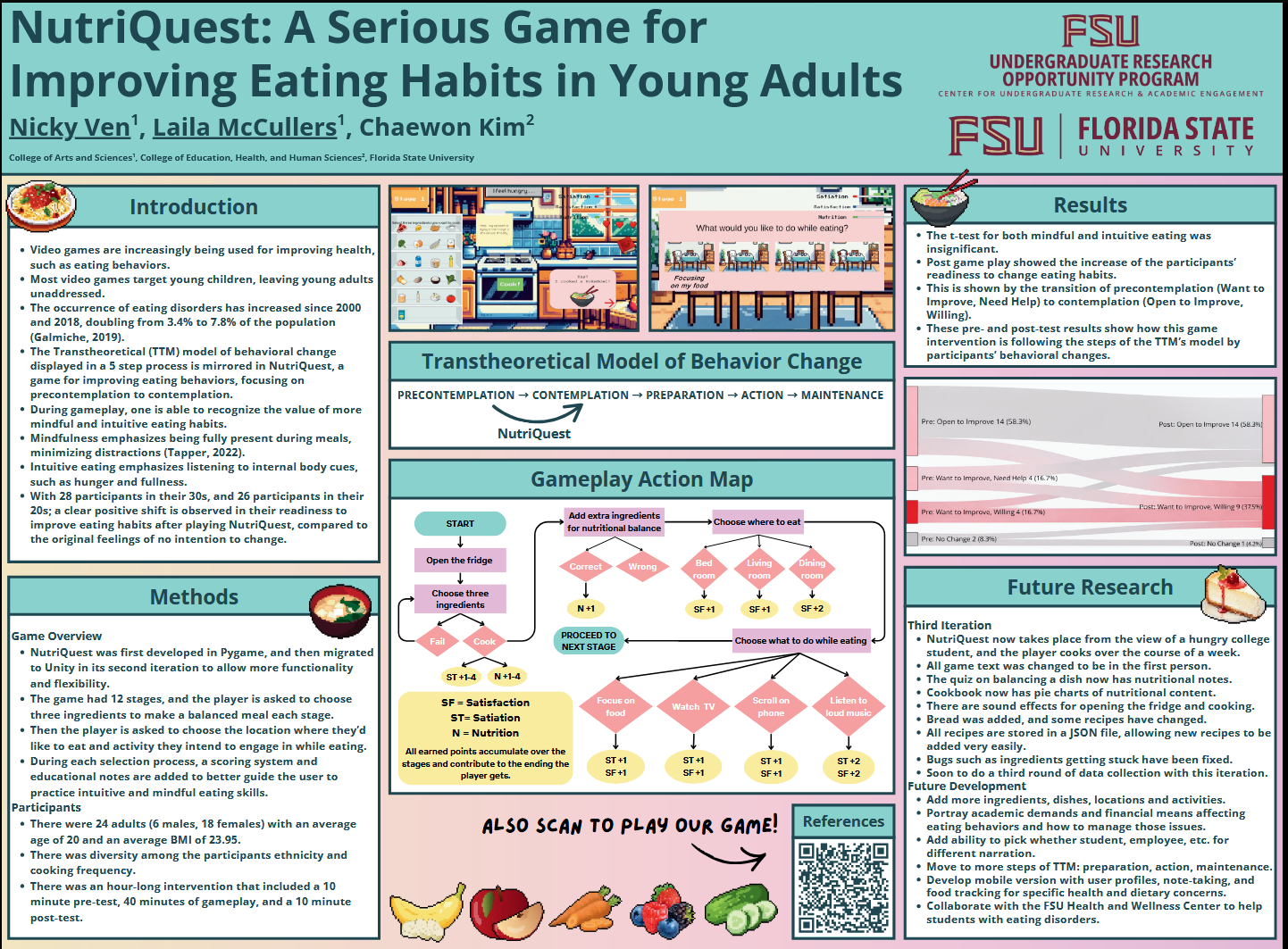
Video games have increasingly been used to improve health-related behaviors, including addiction, weight management, and eating practices. However, many of these interventions have primarily targeted young children, leaving young adults in their 20s and 30s, an age group particularly vulnerable to developing unhealthy eating habits due to stress and fast-paced lifestyles, largely unaddressed. Grounded in the transtheoretical model of behavior change (TTM), this study investigates the potential of NutriQuest, a serious game designed to promote mindful and intuitive eating, in supporting positive eating behavior change among young adults. TTM proposes that individuals progress through five stages of change: precontemplation, contemplation, preparation, action, and maintenance. By encouraging users to reflect on their daily eating patterns and cooking behaviors during gameplay, NutriQuest aims to guide players from precontemplation, where they are not yet considering change, toward contemplation, where they begin to recognize the value of adopting more mindful and intuitive eating habits. We tested the game with 28 participants in their 30s and 26 participants in their 20s. Results indicated a clear positive shift in readiness to improve eating habits, with users moving away from states of needing help or expressing no intention to change, and toward greater willingness and proactive engagement in the improvement process. Notably, no participants regressed to lower-readiness categories, suggesting that the game may effectively support forward momentum in behavior change. Future work will focus on refining the game experience and examining its long-term impact, particularly for individuals with disordered eating tendencies.
Keywords: educational game, serious game, video game, nutrition education, gamified learning, healthy eating, diet, game-based intervention