
Research Symposium
26th annual Undergraduate Research Symposium, April 1, 2026
Kevin Patty Poster Session 4: 3:00 pm - 4:00 pm / Poster #72
BIO
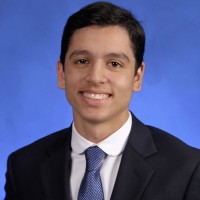
Kevin Patty is a second-year undergraduate student pursuing a Bachelor of Science in Physics. His academic interests focus on the mathematical foundations of physical theory and the study of modern physics, particularly in areas related to theoretical physics.
Kevin is a participant in the Undergraduate Research Opportunity Program (UROP), where he conducts research under the mentorship of Dr. Herschel Chawdhry. Through this experience, he has been introduced to the process of scientific research and has had the opportunity to engage with current problems in physics involving quantum computing while developing skills in collaboration and scientific communication. Outside of academics, Kevin enjoys listening to music, which provides a creative outlet and balance alongside his studies. As he continues his undergraduate education, he hopes to expand his research experience and deepen his understanding of advanced topics in physics, with the long-term goal of pursuing graduate study and contributing to research in theoretical physics.
Noise In Quantum Computers
Authors: Kevin Patty, Herschel ChawdhryStudent Major: Physics
Mentor: Herschel Chawdhry
Mentor's Department: Physics Mentor's College: Florida State University Co-Presenters:
Abstract
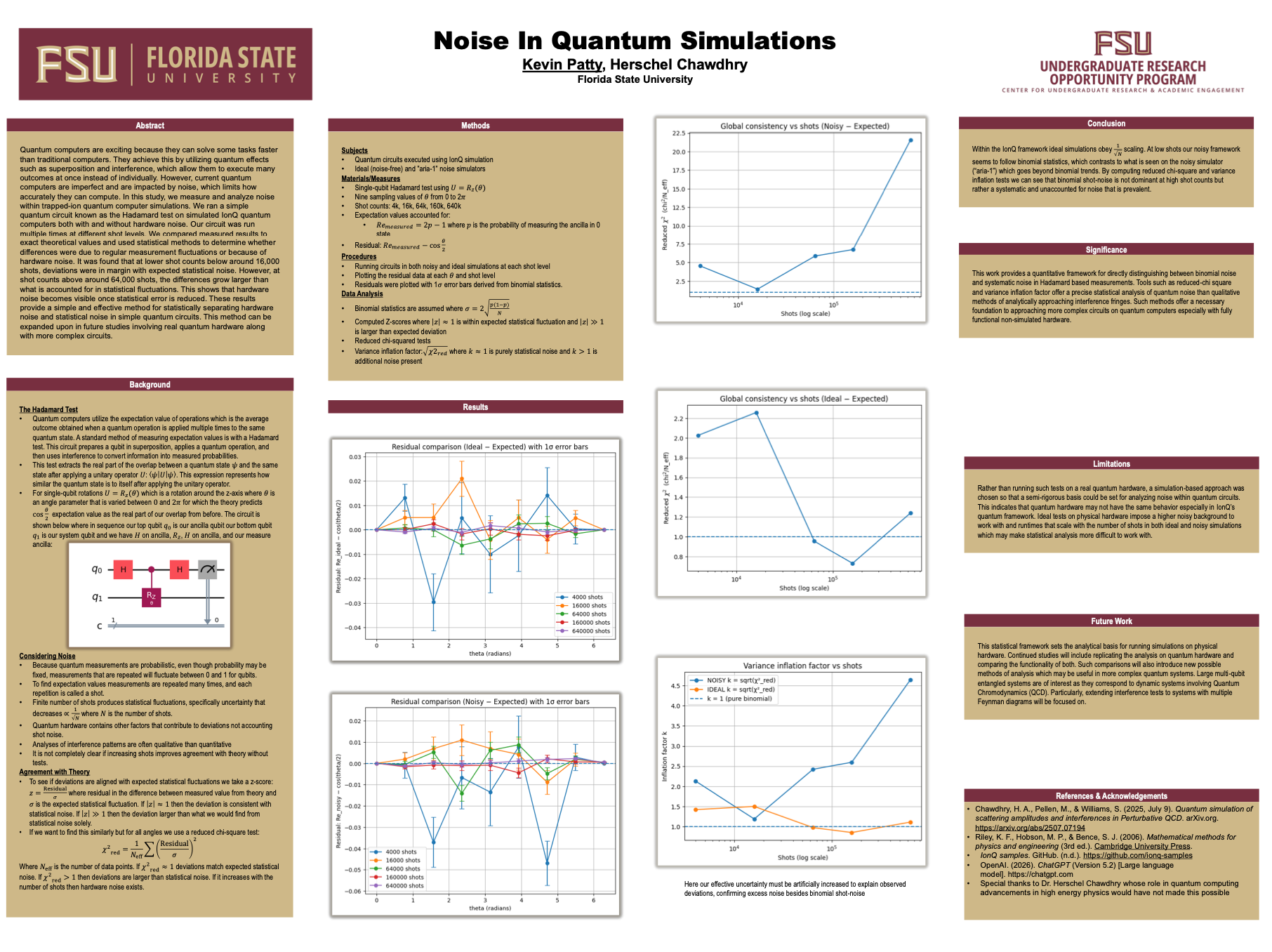
Quantum computers are exciting because they can solve some tasks faster than traditional computers. They achieve this by utilizing quantum effects such as superposition and interference, which allow them to execute many outcomes at once instead of individually. However, current quantum computers are imperfect and are impacted by noise, which limits how accurately they can compute. In this study, we measure and analyze noise within trapped-ion quantum computer simulations. We ran a simple quantum circuit known as the Hadamard test on simulated IonQ quantum computers both with and without hardware noise. Our circuit was run multiple times at different shot levels. We compared measured results to exact theoretical values and used statistical methods to determine whether differences were due to regular measurement fluctuations or because of hardware noise. It was found that at lower shot counts below around 16,000 shots, deviations were in margin with expected statistical noise. However, at shot counts above around 64,000 shots, the differences grow larger than what is accounted for in statistical fluctuations. This shows that hardware noise becomes visible once statistical error is reduced. These results provide a simple and effective method for statistically separating hardware noise and statistical noise in simple quantum circuits. This method can be expanded upon in future studies involving real quantum hardware along with more complex circuits.
Keywords: Quantum Computers, Noise, Physics