
UROP Research Mentor Project Submission Portal: Submission #1094
Submission information
Submission Number: 1094
Submission ID: 20066
Submission UUID: 1d455dc4-3ece-4046-b900-522d2ca62dc9
Submission URI: /urop-research-mentor-project-submission-portal
Created: Wed, 08/06/2025 - 03:44 PM
Completed: Wed, 08/06/2025 - 04:18 PM
Changed: Tue, 09/02/2025 - 01:37 PM
Remote IP address: 216.9.110.5
Submitted by: Anonymous
Language: English
Is draft: No
Submitted to: UROP Research Mentor Project Submission Portal
Research Mentor Information
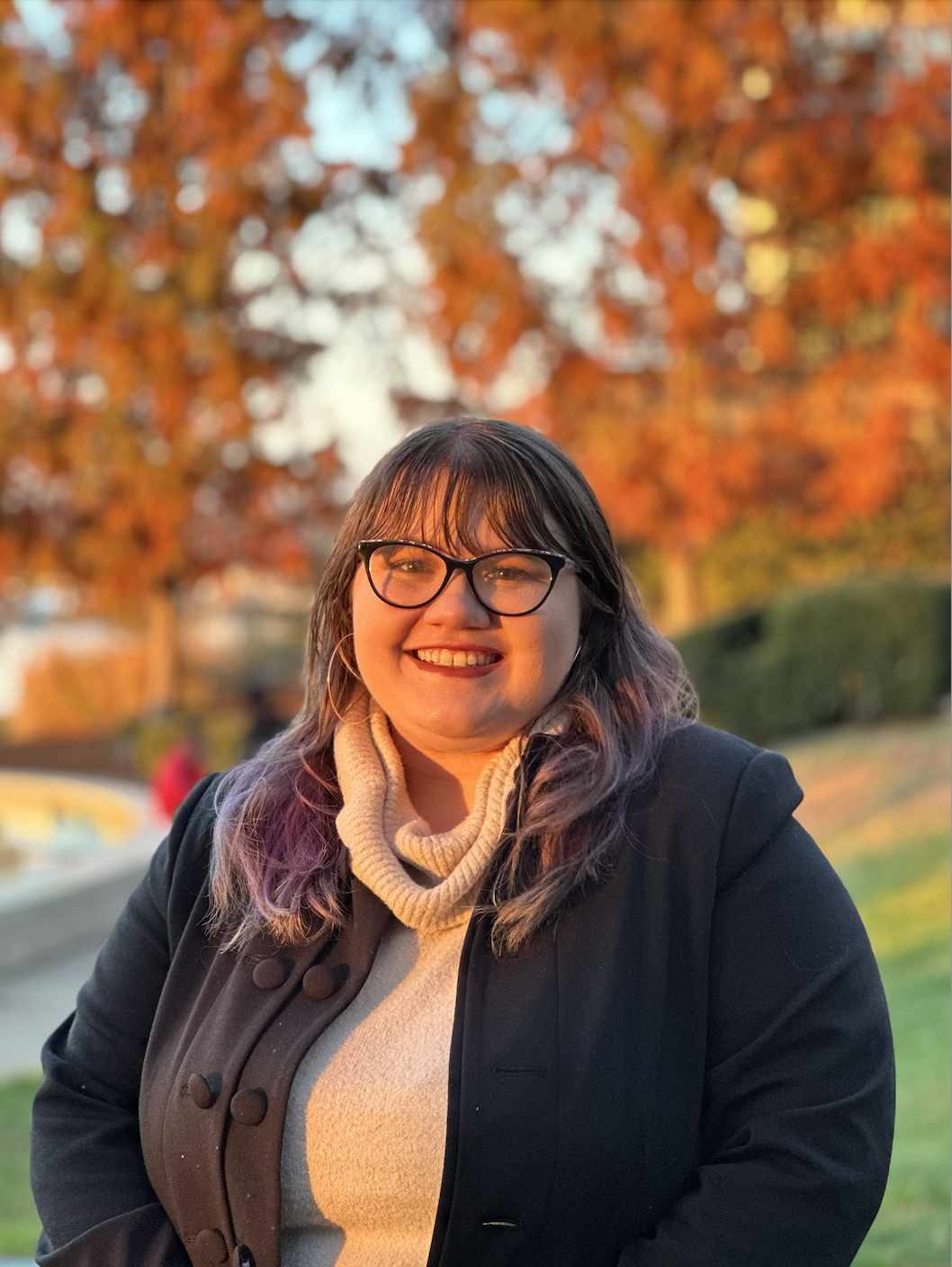
Ashley N Johns
She/her
Ms.
Graduate Student
{Empty}
Sindy Chapa
Communication and Information
School of Communication
Additional Research Mentor(s)
{Empty}
{Empty}
{Empty}
{Empty}
Alessandra Noli Peschiera, Chris Gurrie
{Empty}
{Empty}
Overall Project Details
The Bait Debate: Understanding Queerbaiting Through Focus Group Interactions
Queerbaiting, Focus Group, LGBTQ+, Qualitative Analysis, Qualitative Coding
Yes
3
Open to all majors
Media Communication Studies
Women's Studies
Editing, Writing, and Media
Information, Communication, and Technology
Media Communication Studies
Women's Studies
Editing, Writing, and Media
Information, Communication, and Technology
On FSU Main Campus
{Empty}
Partially Remote
5-7 hours per week, flexible schedule
Flexible schedule (Combination of business and outside of business. TBD between student and research mentor.)
This qualitative study investigates how people define and understand the concept of queerbaiting through interactions with others. While academic definitions of queerbaiting vary, limited research has explored how everyday media consumers conceptualize the term. Grounded in symbolic interactionism, this research will conduct focus groups to understand this phenomenon
-assist in facilitating focus groups
-become familiar with and conduct qualitative coding
-engage in data analysis after coding process
-attend meetings every two weeks
-become familiar with and conduct qualitative coding
-engage in data analysis after coding process
-attend meetings every two weeks
Recommended
-comfort in interacting with and facilitating conversations with multiple people (we will train you on focus group facilitation but you should be comfortable with facilitating conversations)
-proficiency in academic writing
-basic understanding of Google Suite Applications (Google Sheets, Docs, etc)
-previous experience with qualitative research
-detail-oriented
-ability to synthesize and analyze information
-comfort in interacting with and facilitating conversations with multiple people (we will train you on focus group facilitation but you should be comfortable with facilitating conversations)
-proficiency in academic writing
-basic understanding of Google Suite Applications (Google Sheets, Docs, etc)
-previous experience with qualitative research
-detail-oriented
-ability to synthesize and analyze information
"No matter what anybody tells you, words and ideas can change the world."
– Mr. Keating, Dead Poets Society
At the heart of research mentorship is a belief that every student, regardless of background, experience level, or identity, has the capacity to contribute meaningfully to academic knowledge. As a mentor, I see it as my role to support, challenge, and walk alongside mentees as they explore ideas that matter to them, while developing the confidence and skillsets to navigate the research process and larger academic community. My approach to research mentorship is guided by four key commitments: (1) amplifying diverse voices and approaches, (2) connecting research to future goals, (3) meeting mentees where they are, and (4) fostering a respectful, inclusive, and collaborative research environment.
– Mr. Keating, Dead Poets Society
At the heart of research mentorship is a belief that every student, regardless of background, experience level, or identity, has the capacity to contribute meaningfully to academic knowledge. As a mentor, I see it as my role to support, challenge, and walk alongside mentees as they explore ideas that matter to them, while developing the confidence and skillsets to navigate the research process and larger academic community. My approach to research mentorship is guided by four key commitments: (1) amplifying diverse voices and approaches, (2) connecting research to future goals, (3) meeting mentees where they are, and (4) fostering a respectful, inclusive, and collaborative research environment.
{Empty}
{Empty}
No
N/A
UROP Program Elements
Yes
Yes
Yes
Yes
Yes
No
{Empty}
2025