
UROP Project
Post-victimization reporting and help-seeking behaviors among hate crime victims: A systematic review
hate crime victimization, victim reporting, help-seeking, victim services, systematic review

Research Mentor: Sarah Wouters, she/her
Department, College, Affiliation: Criminology, Criminology and Criminal Justice
Contact Email: swouters@fsu.edu
Research Assistant Supervisor (if different from mentor): Lexi Faulkner she/her
Research Assistant Supervisor Email: afaulkner2@fsu.edu
Faculty Collaborators:
Faculty Collaborators Email:
Department, College, Affiliation: Criminology, Criminology and Criminal Justice
Contact Email: swouters@fsu.edu
Research Assistant Supervisor (if different from mentor): Lexi Faulkner she/her
Research Assistant Supervisor Email: afaulkner2@fsu.edu
Faculty Collaborators:
Faculty Collaborators Email:
Looking for Research Assistants: Yes
Number of Research Assistants: 1
Relevant Majors: Criminology, sociology, social work, psychology, public health, or related majors.
Project Location: On FSU Main Campus
Research Assistant Transportation Required: Remote or In-person: Partially Remote
Approximate Weekly Hours: 5-6, Flexible schedule (Combination of business and outside of business. TBD between student and research mentor.)
Roundtable Times and Zoom Link:
Not participating in the roundtable
Number of Research Assistants: 1
Relevant Majors: Criminology, sociology, social work, psychology, public health, or related majors.
Project Location: On FSU Main Campus
Research Assistant Transportation Required: Remote or In-person: Partially Remote
Approximate Weekly Hours: 5-6, Flexible schedule (Combination of business and outside of business. TBD between student and research mentor.)
Roundtable Times and Zoom Link:
Not participating in the roundtable
Project Description
A growing body of research has begun to identify the different ways in which hate crime versus non-hate crime victims seek help to cope with their experiences. However, these studies vary widely in terms of the populations, help-seeking behaviors, and victimization types they include, as well as the methodologies used to examine help-seeking patterns. Our project involves conducting a systematic review of the existing literature on hate crime victim help-seeking in order to take stock of what we know (and don't know) and subsequently guide future policy/research.Research Tasks: Database searches for relevant literature
Article screening (using Covidence)
Reading, annotating, and extracting important information from scientific articles
Basic coding/data management (in Stata)
Citation management
Skills that research assistant(s) may need: Required: Strong academic writing and verbal communication skills
Required: Strong attention to detail
Required: Experience reading and annotating scientific research articles
Recommended: Experience using databases to identify relevant research (e.g., using GoogleScholar, Scopus, PubMed, ProQuest, etc.)
Recommended: Experience or familiarity with citation management programs (e.g., Zotero, Mendeley, EndNote, etc.
Recommended: Basic knowledge of research methods and statistics.
Mentoring Philosophy
Our priority as research mentors is to promote your transition from a passive consumer of knowledge to an active producer of it. As graduate students ourselves, we will promote a safe space for you to ask questions and make mistakes (arguably, the most important steps in this transition). We hope to learn about your individual goals and unique skills, knowledge, and lived experiences, then offer flexible support that meets you where you are as aspiring researchers. Over the course of this project, we will strive to provide you with transferrable skills and resources to elevate your reading, synthesis, and data skills moving forward. In return, we ask that you engage in this partnership with the highest level of integrity, honesty, and a willingness to accept and apply constructive feedback.Additional Information
Link to Publications
Educational AI Chatbots for Children's STEM Learning at Public Libraries
AI chatbot; STEM learning; parent-child interaction; public library
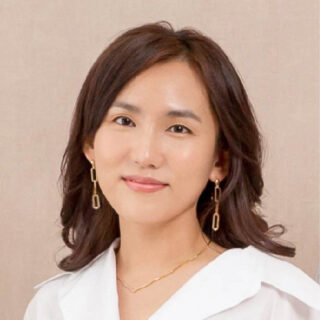
Research Mentor: Dr. Soo Hyeon Kim, she/her
Department, College, Affiliation: School of Information, Communication and Information
Contact Email: soohyeon.kim@fsu.edu
Research Assistant Supervisor (if different from mentor): Gi Woong Choi he/his
Research Assistant Supervisor Email: giwoong.choi@fsu.edu
Faculty Collaborators:
Faculty Collaborators Email:
Department, College, Affiliation: School of Information, Communication and Information
Contact Email: soohyeon.kim@fsu.edu
Research Assistant Supervisor (if different from mentor): Gi Woong Choi he/his
Research Assistant Supervisor Email: giwoong.choi@fsu.edu
Faculty Collaborators:
Faculty Collaborators Email:
Looking for Research Assistants: Yes
Number of Research Assistants: 2
Relevant Majors: computer science, data science, software engineering, information science
Project Location: This job will require travel to local public libraries in Tallahassee area.
Research Assistant Transportation Required: Yes Remote or In-person: Partially Remote
Approximate Weekly Hours: 5-10, During business hours
Roundtable Times and Zoom Link:
Not participating in the roundtable
Number of Research Assistants: 2
Relevant Majors: computer science, data science, software engineering, information science
Project Location: This job will require travel to local public libraries in Tallahassee area.
Research Assistant Transportation Required: Yes Remote or In-person: Partially Remote
Approximate Weekly Hours: 5-10, During business hours
Roundtable Times and Zoom Link:
Not participating in the roundtable
Project Description
Are you interested in building AI chatbots for children’s STEM learning program at public libraries through two research projects, funded the Institute of Museum and Library Services (IMLS)? The first project, entitled Family Makers, focuses on integrating an AI chatbot within public library engineering programs for collaborative use by parents and children without librarian facilitation. The second project aims to develop a GenAI-integrated Mathematizing Public Library Storytimes (MPLS) program that can increase children’s (3-5 years) algebraic reasoning, as well as caregivers’ and public librarians’ self-efficacy in math literacy skills. Once developed, AI chatbots will be tested at children’s STEM programming at two public libraries.Research Tasks: AI chatbot development for two projects; data collection at public libraries; data analysis
Skills that research assistant(s) may need: Required qualification:
• Previous experience developing an AI chatbot (or similar applications)
• Valid driver’s license and access to reliable personal transportation.
Recommended qualification:
• Previous experience working with children
Mentoring Philosophy
Mentoring is a big part of my professional identity, and I am very excited to collaborate with students at all levels. I take great fulfillment in guiding students as they transition into critical thinkers and independent researchers. To support this, I employ a research-apprenticeship model rooted in learning-by-doing approach. Students will work side-by-side with me through data collection and analysis and have ample opportunity to observe real-world research practices while actively engaging in them. I have witnessed that this research-apprenticeship model provides students a safe and supportive environment to experiment, learn, and grow as a researcher and a critical thinker.Additional Information
Link to Publications
https://soohyeon.kim/Vision-Language-Action Models for Robotic Assembly in Modular Construction
Vision-Language-Action Models (VLA); Construction Robotics; Modular Construction; Computer Vision; Robotic Assembly
Research Mentor: Prof. Juyeong Choi,
Department, College, Affiliation: Civil and Environmental Engineering, FAMU-FSU College of Engineering
Contact Email: jchoi3@fsu.edu
Research Assistant Supervisor (if different from mentor): Dr. Roshan Panahi Roshan
Research Assistant Supervisor Email: rp25q@fsu.edu
Faculty Collaborators:
Faculty Collaborators Email:
Department, College, Affiliation: Civil and Environmental Engineering, FAMU-FSU College of Engineering
Contact Email: jchoi3@fsu.edu
Research Assistant Supervisor (if different from mentor): Dr. Roshan Panahi Roshan
Research Assistant Supervisor Email: rp25q@fsu.edu
Faculty Collaborators:
Faculty Collaborators Email:
Looking for Research Assistants: Yes
Number of Research Assistants: 3
Relevant Majors: Relevant Research Assistant Major(s):
Computer Science
Electrical Engineering
Computer Engineering
Mechanical Engineering
Civil Engineering
Industrial Engineering
Project Location: RIDER Center (1753 W Paul Dirac Dr, Tallahassee, FL 32310)
Research Assistant Transportation Required: Yes Remote or In-person: In-person
Approximate Weekly Hours: 7, During business hours
Roundtable Times and Zoom Link:
Number of Research Assistants: 3
Relevant Majors: Relevant Research Assistant Major(s):
Computer Science
Electrical Engineering
Computer Engineering
Mechanical Engineering
Civil Engineering
Industrial Engineering
Project Location: RIDER Center (1753 W Paul Dirac Dr, Tallahassee, FL 32310)
Research Assistant Transportation Required: Yes Remote or In-person: In-person
Approximate Weekly Hours: 7, During business hours
Roundtable Times and Zoom Link:
- Day: Monday, August 31
Start Time: 3:30
End Time: 4:00
Zoom Link: https://fsu.zoom.us/j/99874344936?from=addon - Day: Tuesday, September 1
Start Time: 4:30
End Time: 5:00
Zoom Link: https://fsu.zoom.us/j/91434855422?from=addon - Day: Wednesday, September 2
Start Time: 3:30
End Time: 4:00
Zoom Link: https://fsu.zoom.us/j/98206142929?from=addon - Day: Thursday, September 3
Start Time: 4:30
End Time: 5:00
Zoom Link: https://fsu.zoom.us/j/97177409136?from=addon
Project Description
This project investigates the use of vision-language models (VLMs) and vision-language-action (VLA) models to enable more flexible robotic assembly in modular construction. Modular construction can improve productivity, quality, and construction speed, but customized production often requires frequent changes to manufacturing processes and robot programming. To address this challenge, the research will explore how artificial intelligence can allow a robotic arm to interpret visual information, understand natural-language instructions, and perform construction-related pick-and-place and assembly tasks with minimal task-specific programming. The project will integrate computer vision, Python programming, and robotic control to detect construction materials, determine their locations, and guide a robotic arm to manipulate them. The long-term goal is to support more adaptable and automated manufacturing systems for mass-customized modular construction.Research Tasks: • Use ChatGPT, Claude, or a similar AI tool to: (1) generate code that instructs the robotic arm to pick up an object and place it at a specified location; (2) generate Python-based computer vision code to detect a piece of lumber in a video; and (3) detect the center point of the lumber and control the robotic arm to pick up the object using the detected coordinates.
• Learn about vision-language-action (VLA) models through online videos and other educational resources.
• Test the developed models in the lab using the robotic arm and provided software, and assist with data annotation, writing, and presentations as needed.
Skills that research assistant(s) may need: Requirements: Familiarity with Python programming. Prior experience with robotics projects is highly encouraged. Strong interest in robotics and artificial intelligence (AI). Self-motivated, disciplined, and willing to learn independently. Ability to attend in-person lab sessions for approximately 7 hours per week.
Mentoring Philosophy
I believe that open and consistent communication is essential to a successful mentor-mentee relationship. To support this, I will hold bi-weekly meetings with my UROP students to help them define their goals, monitor their progress, and reflect on their development. In addition, I will invite them to my research group’s Slack channel, where they can easily reach out to me or other mentors at any time for guidance, feedback, or support.Additional Information
Link to Publications
Ecological Encounter - Meeting More-than-human beings affectively through Arts
Affective knowing, Ecological Awareness, Arts-making, Living Inquiries, More-than-human encounters
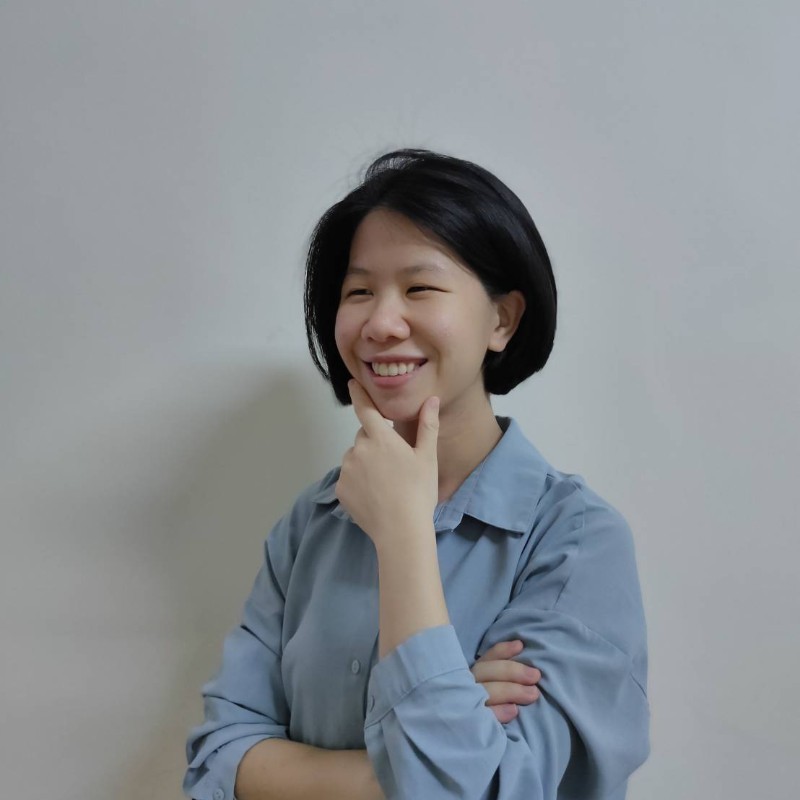
Research Mentor: hl23d@fsu.edu Hsuan-Chi Liu, she/ they
Department, College, Affiliation: Arts Leadership, Education and Therapy, Fine Arts
Contact Email: hl23d@fsu.edu
Research Assistant Supervisor (if different from mentor):
Research Assistant Supervisor Email:
Faculty Collaborators:
Faculty Collaborators Email:
Department, College, Affiliation: Arts Leadership, Education and Therapy, Fine Arts
Contact Email: hl23d@fsu.edu
Research Assistant Supervisor (if different from mentor):
Research Assistant Supervisor Email:
Faculty Collaborators:
Faculty Collaborators Email:
Looking for Research Assistants: Yes
Number of Research Assistants: 1
Relevant Majors: Open to all majors while preferring environmental sciences or arts majors, or those who embrace ecological knowledge or practices artistically in life.
Project Location: We can discuss online and see how the mentee would like to participate. I am now based in Sarasota and in the process of conducting this dissertation research in a museum space. Also welcome the in-person help if the assistant would like to participate!
Research Assistant Transportation Required: No, the project is remote Remote or In-person: Partially Remote
Approximate Weekly Hours: 5 hours, Flexible schedule (Combination of business and outside of business. TBD between student and research mentor.)
Roundtable Times and Zoom Link:
Number of Research Assistants: 1
Relevant Majors: Open to all majors while preferring environmental sciences or arts majors, or those who embrace ecological knowledge or practices artistically in life.
Project Location: We can discuss online and see how the mentee would like to participate. I am now based in Sarasota and in the process of conducting this dissertation research in a museum space. Also welcome the in-person help if the assistant would like to participate!
Research Assistant Transportation Required: No, the project is remote Remote or In-person: Partially Remote
Approximate Weekly Hours: 5 hours, Flexible schedule (Combination of business and outside of business. TBD between student and research mentor.)
Roundtable Times and Zoom Link:
- Day: Monday, August 31
Start Time: 1:30
End Time: 2:30
Zoom Link: https://fsu.zoom.us/j/99284452032 - Day: Tuesday, September 1
Start Time: 1:30
End Time: 2:30
Zoom Link: https://fsu.zoom.us/j/99284452032 - Day: Wednesday, September 2
Start Time: 1:30
End Time: 2:30
Zoom Link: https://fsu.zoom.us/j/99284452032 - Day: Friday, September 4
Start Time: 12:00
End Time: 8:00
Zoom Link: The recording from the main part of the roundtable on Sep 2nd: https://fsu.zoom.us/rec/share/f30lWtWVRDnjbQl7U5BVuDty26jDtrj2T71a-9tUPYVhCyBA4fsJc5DzADXBZcw_.fUjj_9Z8uhPBVHuL
Project Description
The goal of this project for my PhD dissertation is to engage community participants in a museum setting for scientific and artistic practices within an education program. It aims to engage the community in civic practices across backgrounds, and I would like to serve as a facilitator-researcher who creates a framework that can ignite possibilities to conserve the environment creatively, while advocating community dialogues and care for more-than-human beings drawing on creative powers.As my pedagogical practices develop these three years, I value roaming, embodied, affective, and expressive ways to engage people into the ecology so as to unfold imagination and affects that can awaken ecological awareness. Prompting community members to foster deep understanding and drawing on the affective forces those species and spaces may hold from a post-human angle, the final design would be envisioned as participatory artistic practices with community members, while the unique prompts I create for facilitation or response to the place can also be documented or cataloged as a zine for more people to learn about sustainable actions and practice that can be taken.
Research Tasks: - Program ideation (If participating in this collaboration, the acknowledgement should also be given)
- Experimenting with arts materials or practices
- Guidance Booklet Making (If participating in this collaboration, the acknowledgement should also be given)
- Conducting interviews (TBA, this needs to be confirmed)
- On-site photography (If the mentee would like to come)
- On-site assistance and/or facilitation (If the mentee would like to come)
Skills that research assistant(s) may need: Feel comfortable with artistic practices (required)
Feel comfortable with open-ended discussion and honor their creativity to enrich the project (required)
Be responsive and prompt to the emails or other communication forms (required)
Mentoring Philosophy
I believe in how human beings can unfold their potential through connections with the surroundings and inner creativity. Learning from my work experience at a science center in Taiwan as well as workshop facilitation experiences I gained during my doctoral studies in the Museum Education and Visitor-Centered Curation program, I hold an educational perspective foregrounding creating pedagogical encounters. From my internship experience at the John and Mable Ringling Museum, I also learned how their “wonder” practices truly shape their institutional culture. Accordingly, I would like to work with a mentee to explore how our communication and collaboration can motivate each other in the research process and to witness how creativity and the moments of awe can shape us. I envision building trust and connection in a kind of open, inspiration-sparking dialogues, while setting explicit goals for us. I view mentorship as a scaffolding and reciprocally nourishing process, in which I listen to the mentee's current stage and challenges, and share my experience or suggested directions accordingly. Creative practices may also take place to support our work and communication. Overall, I will remain mindful of checking in with the mentee about our progress and examining if the work also celebrates our creativity and brings a sense of achievement. While there is expected work for the mentee, a degree of freedom should also be valued for them to unfold their interest and autonomy.Additional Information
CV: https://drive.google.com/file/d/1QXk_cZZFmZp0--BYP0weiZb_vgL7_anJ/view?usp=sharingPortfolio: https://drive.google.com/file/d/1wJT2P4Wkbec9tetgE-3IzeowIQRAmoUb/view?usp=sharing (Some cases that show my orientation can be found Page 9-12 and 20-24).
Link to Publications
Analyzing large-scale traces of online health behaviors using LLM-infused content analysis
LLM, content analysis, social media data analysis
Research Mentor: Subhasree Sengupta,
Department, College, Affiliation: Learning Systems Institute & School of Information, Communication and Information
Contact Email: ss24da@fsu.edu
Research Assistant Supervisor (if different from mentor):
Research Assistant Supervisor Email:
Faculty Collaborators: Yin Yang
Faculty Collaborators Email: yin.yang@fsu.edu
Department, College, Affiliation: Learning Systems Institute & School of Information, Communication and Information
Contact Email: ss24da@fsu.edu
Research Assistant Supervisor (if different from mentor):
Research Assistant Supervisor Email:
Faculty Collaborators: Yin Yang
Faculty Collaborators Email: yin.yang@fsu.edu
Looking for Research Assistants: Yes
Number of Research Assistants: 1
Relevant Majors: Information
Communication
Computer Science
Project Location: On FSU Main Campus
Research Assistant Transportation Required: Remote or In-person: Partially Remote
Approximate Weekly Hours: 5, Flexible schedule (Combination of business and outside of business. TBD between student and research mentor.)
Roundtable Times and Zoom Link:
Not participating in the roundtable
Number of Research Assistants: 1
Relevant Majors: Information
Communication
Computer Science
Project Location: On FSU Main Campus
Research Assistant Transportation Required: Remote or In-person: Partially Remote
Approximate Weekly Hours: 5, Flexible schedule (Combination of business and outside of business. TBD between student and research mentor.)
Roundtable Times and Zoom Link:
Not participating in the roundtable
Project Description
This project explores how online health forums provide extended avenues for people to discuss sensitive and stigmatized health concerns, seek support, and create enclaves for informal learning on topics pertaining to women’s health. Many such topics may be highly contextual and subjective and may not be fully captured by standardized documents and resources. Sharing lived experiences and building community may be essential for those experiencing such health conditions to develop the necessary resilience and recovery mechanisms that a more formalized, institutionalized health infrastructure may not offer. To study the emerging knowledge-exchange ecosystems in this context more deeply, we collected approximately 100,000 posts from various women’s health subreddits, with a specific focus on menstrual disorders. To classify all these posts, we aim to develop a human-AI content analysis framework and tool based on available large language models (LLMs). However, incorporating LLMs into content analysis remains an unresolved challenge. The application of LLMs remains fragmented, and a cohesive unified scholarly framework is yet to be fully established, especially for social media data analysis. Thus, our proposed project will have the following goals:1) Conduct a survey of existing papers that have used LLMs in qualitative coding
2) Create a step-by-step process map of how LLMs can be holistically integrated into existing qualitative content analysis work and the associated parameters, considerations that are necessary for validation and quality control.
3) Conduct a detailed comparison of how existing Machine learning pipelines traditionally used for large-scale content analysis may evolve with the LLM-infused pipeline
Expected outcomes:
1. UROP presentation on the literature synthesis and annotation architecture
2. Participating in the larger research study data annotation
3. Involvement in the manuscript development and dissemination process
Research Tasks: Conducting literature reviews
Experimenting with different LLM frameworks
Machine learning experiments
Content analysis
Skills that research assistant(s) may need: Required
Familiarity with Python programming
Recommended
Some programming experience/familiarity with machine learning packages in Python
Some experience with different LLM models and packages
Mentoring Philosophy
My mentoring approach centers on empathy, understanding, and adaptability. I firmly believe that one size does not fit all; therefore, I never parameterize, compare, or set fixed metrics for any of my mentees. Communication, transparency, and commitment to the project are the key aspects of any research collaboration. I am flexible with deadlines and am willing to work with mentees to adjust the pace of the work depending on their schedule. Still, commitment and enthusiasm about the work are critical to me, and I hold myself accountable for it as well. Usually, in the 1st week of associating with the mentee, we will craft a clear communication plan and ensure that the structure is maintained. I typically follow a goal-based approach for my projects. Thus, each week, my mentees and I will decide on 1-2 goals to accomplish, and every subsequent meeting will focus on discussing the status of those goals. This helps to modularize the tasks and enables incremental progress for all engaged. Overall, my goal is to craft long-lasting associations and collaborations if there is mutual alignment with my mentees and grow with them as a mentor as our collaborations progress.Additional Information
Link to Publications
Using Artificial Intelligence to Support Social Connection and Healthy Aging
Health Informatics, Data Science, Machine Learning, AI
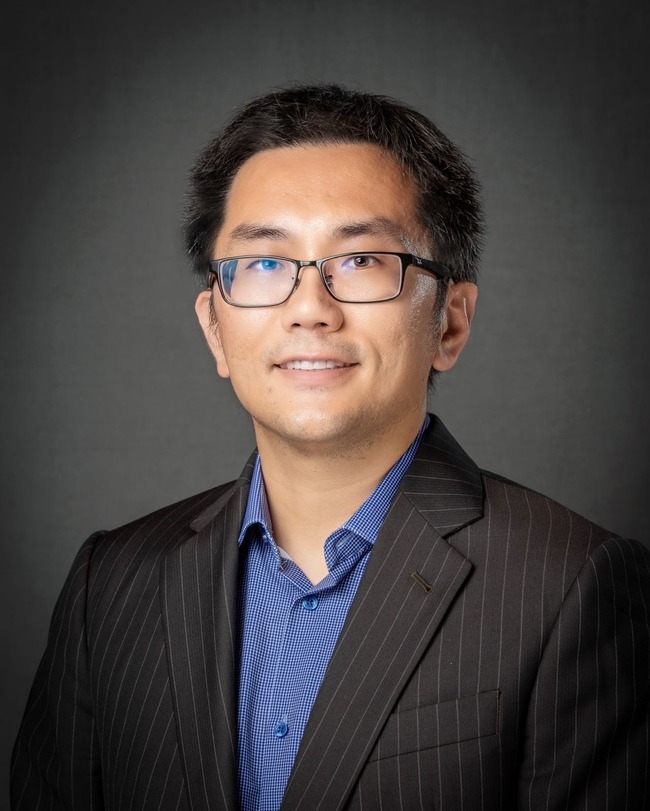
Research Mentor: Dr. Zhe He,
Department, College, Affiliation: School of Information, Communication and Information
Contact Email: zhe@fsu.edu
Research Assistant Supervisor (if different from mentor): Dr. Balu Bhasuran He, Him, His
Research Assistant Supervisor Email: bb23u@fsu.edu
Faculty Collaborators: Dr. Mia Lustria She, her, hers
Faculty Collaborators Email: mlustria@fsu.edu
Department, College, Affiliation: School of Information, Communication and Information
Contact Email: zhe@fsu.edu
Research Assistant Supervisor (if different from mentor): Dr. Balu Bhasuran He, Him, His
Research Assistant Supervisor Email: bb23u@fsu.edu
Faculty Collaborators: Dr. Mia Lustria She, her, hers
Faculty Collaborators Email: mlustria@fsu.edu
Looking for Research Assistants: Yes
Number of Research Assistants: 4
Relevant Majors: Computer Science; Information Technology; Information, Communication and Technology (ICT); Public Health; Psychology; Behavioral Neuroscience; Biological Science; Statistics; Data Science; Nursing; Social Work; Sociology; and related majors.
Project Location: On FSU Main Campus
Research Assistant Transportation Required: Yes Remote or In-person: Partially Remote
Approximate Weekly Hours: 5, Flexible schedule (Combination of business and outside of business. TBD between student and research mentor.)
Roundtable Times and Zoom Link:
Number of Research Assistants: 4
Relevant Majors: Computer Science; Information Technology; Information, Communication and Technology (ICT); Public Health; Psychology; Behavioral Neuroscience; Biological Science; Statistics; Data Science; Nursing; Social Work; Sociology; and related majors.
Project Location: On FSU Main Campus
Research Assistant Transportation Required: Yes Remote or In-person: Partially Remote
Approximate Weekly Hours: 5, Flexible schedule (Combination of business and outside of business. TBD between student and research mentor.)
Roundtable Times and Zoom Link:
- Day: Friday, September 4
Start Time: 12:00
End Time: 12:30
Zoom Link: https://fsu.zoom.us/j/92169841983
Project Description
This research opportunity focuses on the development and evaluation of human-centered artificial intelligence (AI) technologies to improve health communication, patient engagement, and healthy aging. Undergraduate research assistants will have opportunities to contribute to two ongoing projects in the FSU eHealth Lab and Institute for Successful Longevity.LabGenie is an AI-based educational tool designed to help patients better understand their laboratory test results. The project uses large language models and a multi-agent AI framework to generate personalized, easy-to-understand explanations of lab results and support patients in preparing for conversations with their healthcare providers. Undergraduate researchers will support an upcoming study evaluating how different AI-generated explanations affect users' understanding, trust, and ability to identify appropriate next steps.
ALCOVE explores how AI can help older adults identify and engage with meaningful social, recreational, educational, and wellness opportunities in their communities. The project aims to develop an AI-powered social concierge that provides personalized recommendations based on an individual's interests, needs, and preferences, with the broader goal of promoting social connection and healthy aging.
Students may contribute to activities such as literature reviews, preparation of study materials, evaluation of AI-generated content, participant recruitment and research coordination, data collection and management, qualitative and quantitative data analysis, and dissemination of research findings. Students will gain hands-on experience with interdisciplinary research at the intersection of AI, health informatics, human-centered design, and aging research. No prior AI research experience is required; training and mentorship will be provided.
Research Tasks: Evaluating and annotating large language model (LLM) outputs for accuracy, relevance, readability, and appropriateness; conducting literature searches and reviews related to AI, health communication, and healthy aging; assisting with preparation of study materials and research protocols; recruiting and communicating with research participants; supporting participant screening, scheduling, and data collection; assisting with interviews, focus groups, and usability studies; organizing and managing research data; coding qualitative data; assisting with basic quantitative and qualitative data analysis; and contributing to research presentations, reports, and manuscripts.
Skills that research assistant(s) may need: Strong communication and interpersonal skills; attention to detail and ability to follow research protocols; good organizational and time-management skills; basic computer skills (e.g., Microsoft Office/Google Workspace); ability to conduct literature searches and summarize scientific information; willingness to learn research methods and data analysis; and an interest in AI, health, aging, or human-centered technology. Experience with data analysis, qualitative research, programming (e.g., Python or R), or AI/LLMs is helpful but not required. Training will be provided.
Mentoring Philosophy
My mentoring philosophy is to provide undergraduate students with a supportive, structured, and hands-on introduction to research while helping them develop increasing independence over time. Students will work closely with faculty, research staff, and graduate students and receive training appropriate to their backgrounds and research tasks. Regular meetings will provide opportunities to discuss progress, ask questions, troubleshoot challenges, and connect day-to-day research activities to the broader scientific goals of the projects.I encourage students to take ownership of their work, develop critical thinking and communication skills, and explore their individual research interests. Whenever possible, students will have opportunities to contribute to research presentations, abstracts, and manuscripts and to learn about graduate education and careers in AI, health informatics, and aging research. Prior research experience is not required; curiosity, reliability, and a willingness to learn are most important.
Additional Information
eHealth Lab: https://ehealthlab.cci.fsu.edu/FSU Profile: https://directory.cci.fsu.edu/zhe-he/
Link to Publications
https://sites.google.com/site/henryhezhe2003/publicationsAnother Digital Humanities: Bridging of Art, Society, and Popular Culture in New Media Storytelling
research + contemporary art + popular culture + society + new media journalism + social media + digital art history + content development
Research Mentor: JC Bright,
Department, College, Affiliation: Art History, Fine Arts
Contact Email: jb25w@fsu.edu
Research Assistant Supervisor (if different from mentor):
Research Assistant Supervisor Email:
Faculty Collaborators:
Faculty Collaborators Email:
Department, College, Affiliation: Art History, Fine Arts
Contact Email: jb25w@fsu.edu
Research Assistant Supervisor (if different from mentor):
Research Assistant Supervisor Email:
Faculty Collaborators:
Faculty Collaborators Email:
Looking for Research Assistants: Yes
Number of Research Assistants: 2
Relevant Majors: 1. Art History
2. Digital Media Production
3. Media/Communications studies
4. Public Relations
5. Creative Writing
6. Design and Visual Communication
Project Location: On FSU Main Campus
Research Assistant Transportation Required: Remote or In-person: Partially Remote
Approximate Weekly Hours: 5-10 hours a week, Flexible schedule (Combination of business and outside of business. TBD between student and research mentor.)
Roundtable Times and Zoom Link:
Number of Research Assistants: 2
Relevant Majors: 1. Art History
2. Digital Media Production
3. Media/Communications studies
4. Public Relations
5. Creative Writing
6. Design and Visual Communication
Project Location: On FSU Main Campus
Research Assistant Transportation Required: Remote or In-person: Partially Remote
Approximate Weekly Hours: 5-10 hours a week, Flexible schedule (Combination of business and outside of business. TBD between student and research mentor.)
Roundtable Times and Zoom Link:
- Day: Tuesday, September 1
Start Time: 5:00
End Time: 5:30
Zoom Link: JC Bright/ Research Mentor Roundtable 1 - https://fsu.zoom.us/j/95375446507 - Day: Wednesday, September 2
Start Time: 6:00
End Time: 6:30
Zoom Link: JC Bright/ Research Mentor Roundtable 2 - https://fsu.zoom.us/j/93550861945
Project Description
This project is a digital humanities experiment linking art, society and popular culture in new media storytelling: it will complement the core of research with content development for select social media platforms, but operating within these editorial agendas: critical commentary and the emphasis on digestible delivery. Unpacking materials from the 1980s to date, research findings will convert to video and written contents. The use of a precise language approach to critical commentary is key to the project. In fact, it targets similar digestible tone deployed in brands like Duolingo: so that no one would need more than curiosity to grasp the stories. While we want to be everyone’s favorite place to read about the topics we cover, our content will maintain a bias for young people through editorial strategies that intensify their interest in critical dialogues with art, society, and popular culture.Research Tasks: 1. Research and Interviews
2. Ideate and produce social media stories from research activities (instagram, X—formerly twitter, tiktok, & substack)
3. Graphic Design
4. Video, Voice & Editing
5. Editorial Coordination
6. Collaborate across the different branches of the project to synthesize research and new media journalism into a digital humanities project.
Skills that research assistant(s) may need: 1. Interest in art history, contemporary art,
2. Writing and research skills
3. Concept & content Development
4. Curiosity and willingness to collaborate across disciplines
5. Interest in copywriting, voice, film & video
6. Basic project management skills
Mentoring Philosophy
I promote alternative bumps on canonical approaches, encouraging students to transcend the strictures of academia or their primary area of expertise. Students should borrow from each other as the project is intentionally transdisciplinary to help them peep into the experiences and contributions of their colleagues or societal conventions. I center collaboration, experimentation, and leadership. Emphasis on leadership because it is important that in students, the audacity of ownership is embodied for use in future projects/professional settings. I see new media storytelling as a space with endless opportunities: I encourage students to embrace this alternative of conveying research outcomes in ways different from the academic speak they are used to, in case they pursue careers that demand this type of communication.Additional Information
This project is separate from doctoral focus but it is the subject of my PhD Research Hours for Fall 2026. The main aim is to complement my academic mode of research communication with a nonacademic option. I do not seek perfection but remain open to seeing what works or not. Hence, students should expect a communal creative process that allows us to make mistakes and learn together. It is a safe space!Link to Publications
Evaluation of clothing comfort physiology of high-performance fabrics and ergonomic comfort of full garment ensembles used in protective clothing.
Comfort, human physiology, ergonomic, protective clothing
Research Mentor: Dr. Josephine Bolaji,
Department, College, Affiliation: ThermaNOLE Lab., Jim Moran College of Entrepreneurship
Contact Email: jtb24@fsu.edu
Research Assistant Supervisor (if different from mentor): Dr. Dr. Meredith McQuerry
Research Assistant Supervisor Email: mmquerry@fsu.edu
Faculty Collaborators: Caroline Symons
Faculty Collaborators Email: crs22i@fsu.edu
Department, College, Affiliation: ThermaNOLE Lab., Jim Moran College of Entrepreneurship
Contact Email: jtb24@fsu.edu
Research Assistant Supervisor (if different from mentor): Dr. Dr. Meredith McQuerry
Research Assistant Supervisor Email: mmquerry@fsu.edu
Faculty Collaborators: Caroline Symons
Faculty Collaborators Email: crs22i@fsu.edu
Looking for Research Assistants: Yes
Number of Research Assistants: 3
Relevant Majors: Science and Applied Sciences
Engineering
Health and Human Sciences
Project Location: On FSU Main Campus
Research Assistant Transportation Required: Remote or In-person: In-person
Approximate Weekly Hours: 10, During business hours
Roundtable Times and Zoom Link:
Number of Research Assistants: 3
Relevant Majors: Science and Applied Sciences
Engineering
Health and Human Sciences
Project Location: On FSU Main Campus
Research Assistant Transportation Required: Remote or In-person: In-person
Approximate Weekly Hours: 10, During business hours
Roundtable Times and Zoom Link:
- Day: Thursday, September 3
Start Time: 2:30
End Time: 3:30
Zoom Link: https://teams.microsoft.com/l/meetup-join/19%3ameeting_M2E4NmU5YTMtNjY3NC00MTk2LTgyZGQtODI3OTZiMTI5ZDg4%40thread.v2/0?context=%7b%22Tid%22%3a%22a36450eb-db06-42a7-8d1b-026719f701e3%22%2c%22Oid%22%3a%22d1059a76-1692-484e-972c-6c1f830076f1%22%7d
Project Description
Protective clothing (PC) provides a protective barrier for occupational workers by minimizing exposures to hazards that cause serious workplace injuries and illnesses. However, uncomfortable PC can act as a deterrent to wearing protective clothing, the duration of wear, and most importantly counter the protection provided by the protective clothing. Physiological clothing comfort is influenced by moisture. During physically demanding activities, the body perspires leading to retained moisture between the human body and the surrounding environment. The entrapped moisture within the clothing system results in increased skin temperature and humidity which contributes to discomfort, fatigue, and heat or cold stress. Therefore, moisture is a significant component of protective clothing efficiency. Ergonomic clothing discomfort is often induced by material bulk, stiffness, poor sizing and fit. Poor ergonomic protective clothing can limit the body’s normal physical abilities to move precisely, quickly, or with needed force leading to trips, falls, and musculoskeletal injuries. For example, protective gear worn by firefighters is proven to limit range of movement and, therefore, inhibit dynamic task performance. Hence, despite its benefits, protective clothing can induce physiological and ergonomic discomfort which are detrimental for performance optimization in occupational settings.This project focuses on the evaluation of moisture management of PC fabrics including air permeability, porosity, and water vapor of high-performance protective clothing fabrics and examines their relationship with clothing comfort and physiological responses. In addition, the project will evaluate the ergonomic comfort of PC through surveys and wear trials to improve the wearer’s mobility. The study is particularly relevant to functional and occupational protective clothing where the wearer may undertake physically demanding activities while exposed to challenging environmental conditions
Research Tasks: • Conduct background literature review on the moisture management of high-performance fabrics,
• Develop questionnaire and conduct surveys,
• Source and prepare lab-scale samples for experimentations,
• Conduct experiments on the air permeability, porosity, water vapor, and microscopic properties of high-performance fabrics,
• Conduct thermal analysis using the hot plate,
• Conduct wear and ergonomic assessment of full PC garments,
• Analyze data, and
• Contribute to preparing reports, presentations, and articles on findings.
Skills that research assistant(s) may need: Required:
• Willingness to learn
• Commitment to in-person meetings and lab. time
• Adequate use of Microsoft package
• Organization
• Attention to details
• Critical thinking
Recommended:
• Data Collection and Entry
• Knowledge of statistical analysis
Mentoring Philosophy
My mentoring philosophy is grounded in the belief that effective mentoring is a collaborative process that empowers mentees to recognize their potential, take ownership of their development, and become confident, independent learners. I view my role as a mentor not simply as a provider of knowledge, but as a guide, facilitator, and supportive partner in the mentee’s personal, academic, and professional growth. By identifying their existing knowledge and understanding, as well as their goals, needs, and aspirations, I establish their unique talents, strengths, and abilities. Then, collaboratively we establish a plan to grow areas of strength and improve upon areas of weakness based on individual mentees.I strive to create an interactive environment founded on mutual respect, trust, openness, and communication in which mentees feel comfortable asking questions, expressing their ideas, challenging assumptions, and engaging actively in the learning process. I believe that mentoring should be a two-way relationship in which both mentor and mentee learn from one another. Sharing my own experiences, including both successes and challenges, allows mentees to connect theoretical knowledge with practical experience while understanding that professional growth is an ongoing journey.
Additional Information
Link to Publications
Pretrial Justice and Community Bail Funds: A Collaborative Project with the Tallahassee Bail Fund
criminal justice; incarceration; inequality
Research Mentor: Jennifer Copp,
Department, College, Affiliation: Criminology and Criminal Justice, Criminology and Criminal Justice
Contact Email: jcopp@fsu.edu
Research Assistant Supervisor (if different from mentor): Rebecca Ballard
Research Assistant Supervisor Email: rebecca.ballard@fsu.edu
Faculty Collaborators:
Faculty Collaborators Email:
Department, College, Affiliation: Criminology and Criminal Justice, Criminology and Criminal Justice
Contact Email: jcopp@fsu.edu
Research Assistant Supervisor (if different from mentor): Rebecca Ballard
Research Assistant Supervisor Email: rebecca.ballard@fsu.edu
Faculty Collaborators:
Faculty Collaborators Email:
Looking for Research Assistants: Yes
Number of Research Assistants: 1
Relevant Majors: Open to all majors.
Project Location: remote
Research Assistant Transportation Required: No, the project is remote Remote or In-person: Fully Remote
Approximate Weekly Hours: 5-8, Flexible schedule (Combination of business and outside of business. TBD between student and research mentor.)
Roundtable Times and Zoom Link:
Number of Research Assistants: 1
Relevant Majors: Open to all majors.
Project Location: remote
Research Assistant Transportation Required: No, the project is remote Remote or In-person: Fully Remote
Approximate Weekly Hours: 5-8, Flexible schedule (Combination of business and outside of business. TBD between student and research mentor.)
Roundtable Times and Zoom Link:
- Day: Wednesday, September 2
Start Time: 12:00
End Time: 12:30
Zoom Link: https://fsu.zoom.us/j/97476999985 - Day: Wednesday, September 2
Start Time: 12:30
End Time: 1:00
Zoom Link: https://fsu.zoom.us/j/91215877010
Project Description
On any given day, more than 600,000 people are incarcerated in local jails across the U.S., a majority of whom have yet to be convicted of any crime and thus are legally presumed innocent. These “pretrial” defendants primarily remain in custody because they are unable to afford the monetary bail amount set in their case. A growing body of research has documented the immediate and long-term consequences of money bail and pretrial detention across multiple domains. In light of the growing recognition of the harms associated with unnecessary detention, a range of community responses have emerged to reduce the number of people detained on unaffordable bail and lessen the harms endured by defendants, their families, and their broader communities. One example is the community bail fund. Community bail funds help low-income defendants by posting their bail and, in many cases, connecting them to supportive services in the community. Despite the proliferation of bail funds, however, they have been subject to limited empirical examination.To help address this gap, the Tallahassee Bail Fund is looking for a research assistant to develop and investigate original research questions related to client outcomes. Topics might include:
- Analyzing comparative demographic patterns across clients, potential clients, and all arrests in Leon County
- Analyzing legal case dispositions to compare plea versus trial rates between clients and non-clients
- Generating and analyzing patterns in rates of failures to appear
- Identifying correlations between time from booking to release date and other factors
The Tallahassee Bail Fund (TBF) is a 501(c)(3) nonprofit that since its founding in 2020 has posted bail for people who cannot afford it in Leon County. The TBF is a grassroots, volunteer-run organization that operates on a revolving bail fund model, meaning that when a previous client’s case is closed and the county returns the funds to the organization, it uses those funds to post bail for somebody else. Its motto is “get free, stay free,” and as part of the “stay free” component it has a strong commitment to providing support throughout the pretrial period, partnering with licensed social workers at the Big Bend AFTER (A Fight To End Recidivism) Reentry Coalition (BBARC) to help clients access social services, secure housing and employment, and seek mental and physical healthcare as they await their court dates.
The TBF members, including a number of FSU faculty, are eager to support the UROP student in making this experience meaningfully their own and pursuing original research that is beneficial both to the organization and to the student’s personal and professional goals. The student may be asked to attend some of the organization’s weekly meetings (held virtually on Monday evenings).
Research Tasks: - Going through existing data to locate, look up, and complete missing information
- Going through existing data to format demographic and other entries for standardization
- Migrating old client data into new spreadsheets
Once these tasks are complete, the UROP student will work with their mentor and TBF team members to develop and pursue original research questions and activities based on their interests and goals.
Skills that research assistant(s) may need: - Required: attention to detail; basic familiarity with Google Sheets/Microsoft Excel; familiarity with, or willingness to be trained on how to navigate, court records sites
- Recommended: interest in law, criminal justice, and/or carceral reform; interest in practicing data analysis on real and evolving dataset with material local implications
Mentoring Philosophy
My approach to mentorship involves helping students develop both research and professional skills that will serve them in a range of future careers. I seek to provide individualized guidance that balances support with increasing independence, encouraging students to take ownership of their learning and research. By engaging students in collaborative research, exposing them to the norms and expectations of the profession, and providing honest and constructive feedback, I aim to help students become thoughtful, rigorous, and ethical researchers who are prepared to make meaningful contributions to their fields of study.Additional Information
Link to Publications
Redesigning Post-Mastectomy Bras: Investigating Design Innovations to Reduce Seroma and Hematoma Formation and Enhance Patient Satisfaction
design, breast cancer, women's heath
Research Mentor: Dr. Jessica Ridgway Clayton,
Department, College, Affiliation: Fashion, Merchandising, and Product Development , Jim Moran College of Entrepreneurship
Contact Email: jridgway@fsu.edu
Research Assistant Supervisor (if different from mentor):
Research Assistant Supervisor Email:
Faculty Collaborators:
Faculty Collaborators Email:
Department, College, Affiliation: Fashion, Merchandising, and Product Development , Jim Moran College of Entrepreneurship
Contact Email: jridgway@fsu.edu
Research Assistant Supervisor (if different from mentor):
Research Assistant Supervisor Email:
Faculty Collaborators:
Faculty Collaborators Email:
Looking for Research Assistants: Yes
Number of Research Assistants: 1
Relevant Majors: Open to all majors
Project Location: TMH
Research Assistant Transportation Required: Yes Remote or In-person: In-person
Approximate Weekly Hours: 10, Flexible schedule (Combination of business and outside of business. TBD between student and research mentor.)
Roundtable Times and Zoom Link:
Not participating in the roundtable
Number of Research Assistants: 1
Relevant Majors: Open to all majors
Project Location: TMH
Research Assistant Transportation Required: Yes Remote or In-person: In-person
Approximate Weekly Hours: 10, Flexible schedule (Combination of business and outside of business. TBD between student and research mentor.)
Roundtable Times and Zoom Link:
Not participating in the roundtable
Project Description
This project is in collaboration with TMH where we are working with clinical staff to redesigning post-mastectomy bras. We will be conducting focus groups, collecting body scans, and constructing prototypes of new mastectomy bras.Research Tasks: The primary tasks associated with this project will be assisting with focus groups, data collection and analysis. Additionally, prototype creation will play a large role in the tasks so proficiency in sewing is critical.
Skills that research assistant(s) may need: Required: proficient in sewing with a sewing machine
Recommended: previous research experience with focus groups or clinical setting research experience