
Research Symposium
26th annual Undergraduate Research Symposium, April 1, 2026
George McMaster Poster Session 2: 10:45 am - 11:45 am / Poster #126
BIO
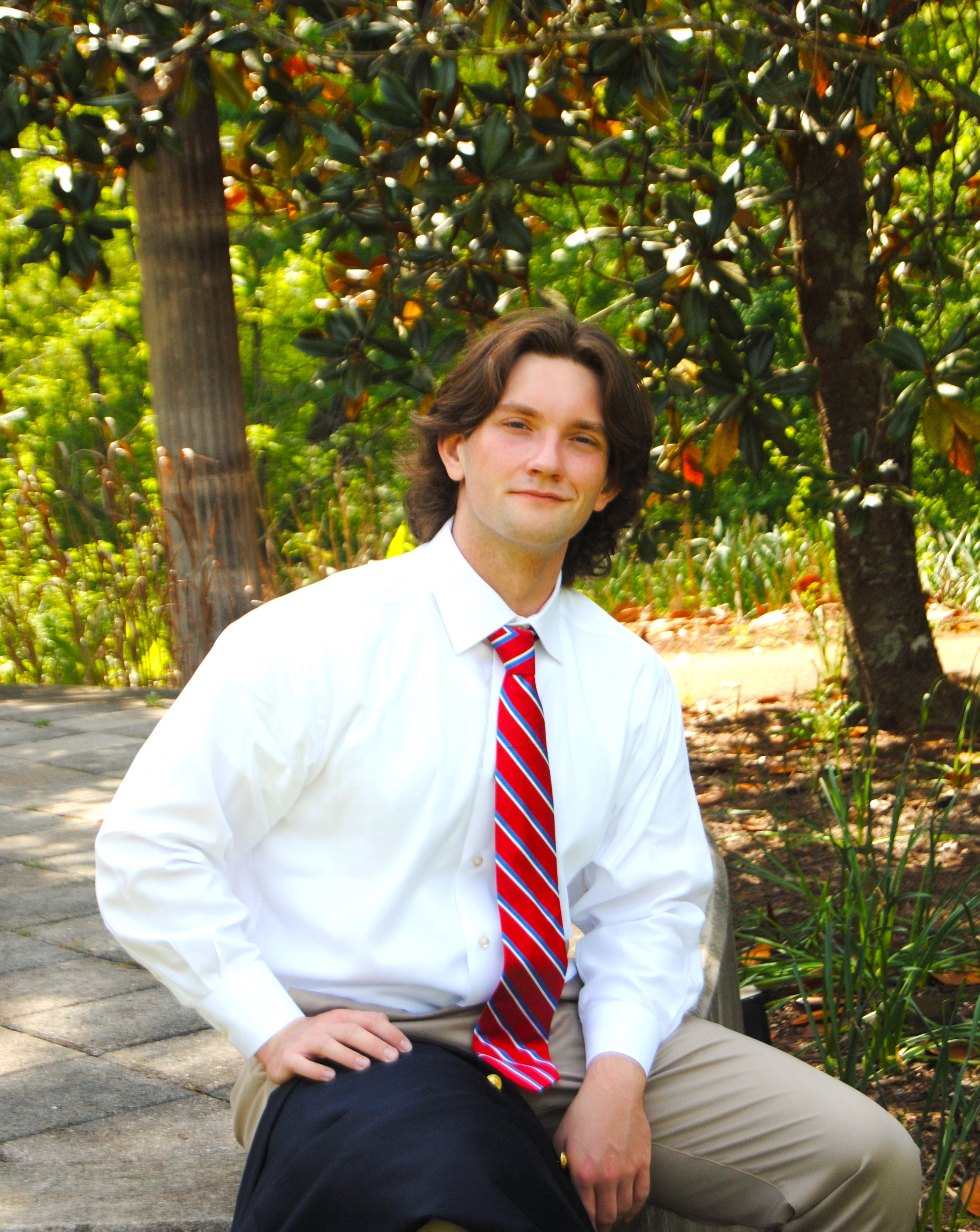
Hello! My name is George McMaster, and I’m a freshmen majoring in exercise physiology looking to pursue a doctor of physical therapy post undergrad. Outside of UROP, I’m currently involved in Presidential Scholars, ODK and the Student Athletic Training Association.
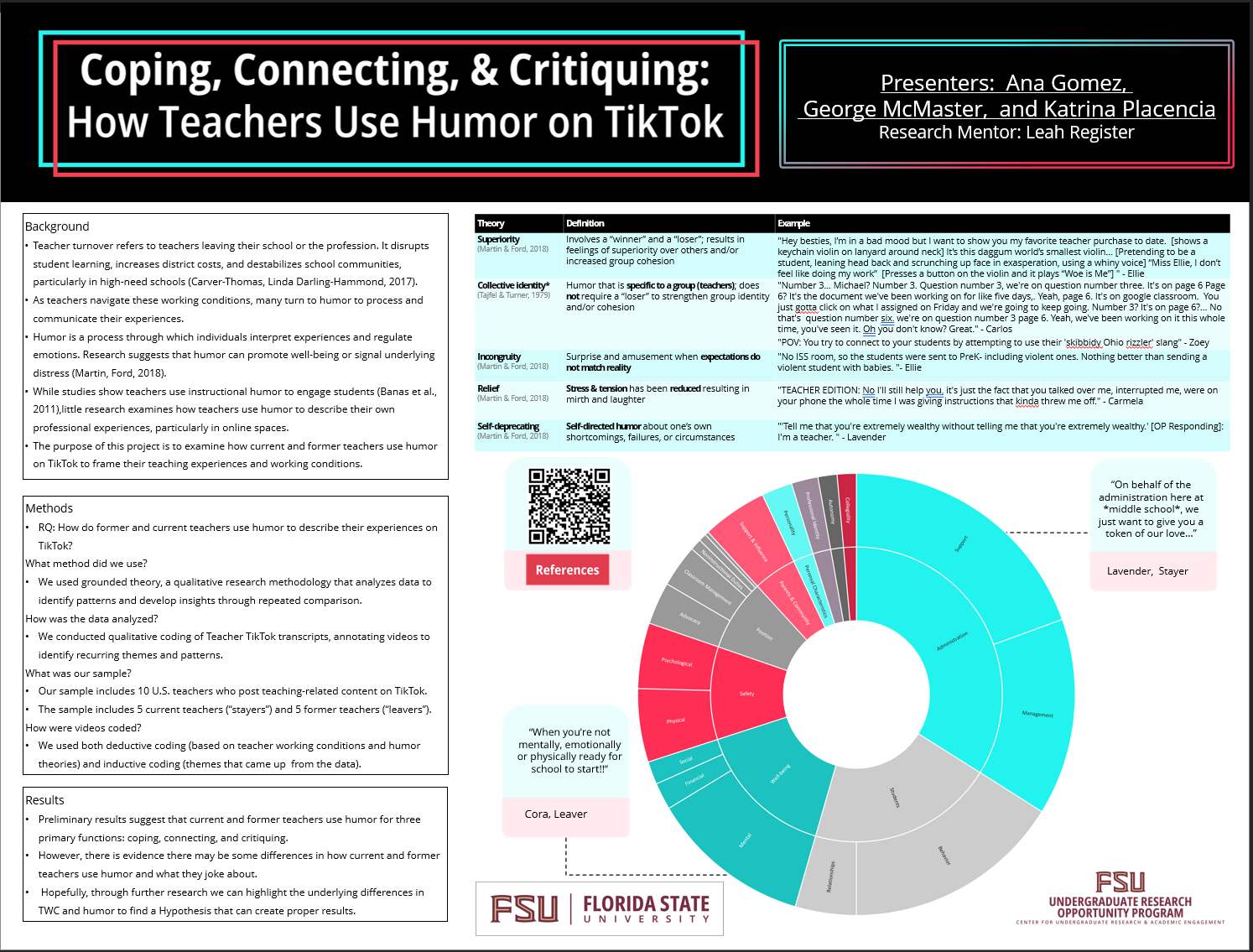
Coping, Connecting and Critiquing: How Teachers Use Humor on TikTok
Authors: George McMaster, Leah RegisterStudent Major: Exercise Physiology
Mentor: Leah Register
Mentor's Department: Department of Educational Leadership and Policy Studies Mentor's College: Anne's College of Health, Education and Human Sciences Co-Presenters: Ana Gomez, Katrina Placencia
Abstract
Teacher turnover has increased above pre-pandemic levels, undermining instructional quality, student achievement, and district budgets. Often driven by challenging working conditions, including managing student misbehavior, turnover reflects the daily realities teachers navigate. Current and former teachers use TikTok to share and process their professional experiences, often through humor, offering insight into how they make sense of challenges that can contribute to attrition. While prior research has examined humor in instructional contexts, less is known about how teachers use non-instructional humor. We ask, how do current and former teachers use humor to describe their experiences on TikTok?
This study uses a qualitative, grounded theory approach to analyze publicly available TikTok videos from self-identifying current and former U.S. teachers. From each account, we analyzed roughly 30 videos, examining verbal & non-verbal communication. Data were coded iteratively, beginning with deductive codes drawn from humor theory and Merrill’s (2021) teacher working conditions framework, followed by inductive coding to more fully capture teachers’ experiences.
Preliminary analysis reveals that for many teachers, humor functions as a coping mechanism and as a way to connect with other teachers who understand the realities of the job. For others, humor was used to express dissatisfaction and disappointment with the profession, such as the lack of administrative support in addressing student misbehavior. By examining humor as a way to cope, connect, and critique, this study illuminates how teachers process working conditions that may shape decisions to remain in or leave the profession.
Keywords: TikTok, Humor, Teacher Turnover, TWC