
Research Symposium
26th annual Undergraduate Research Symposium, April 1, 2026
Grace Quam Poster Session 1: 9:30 am - 10:30 am / Poster #3
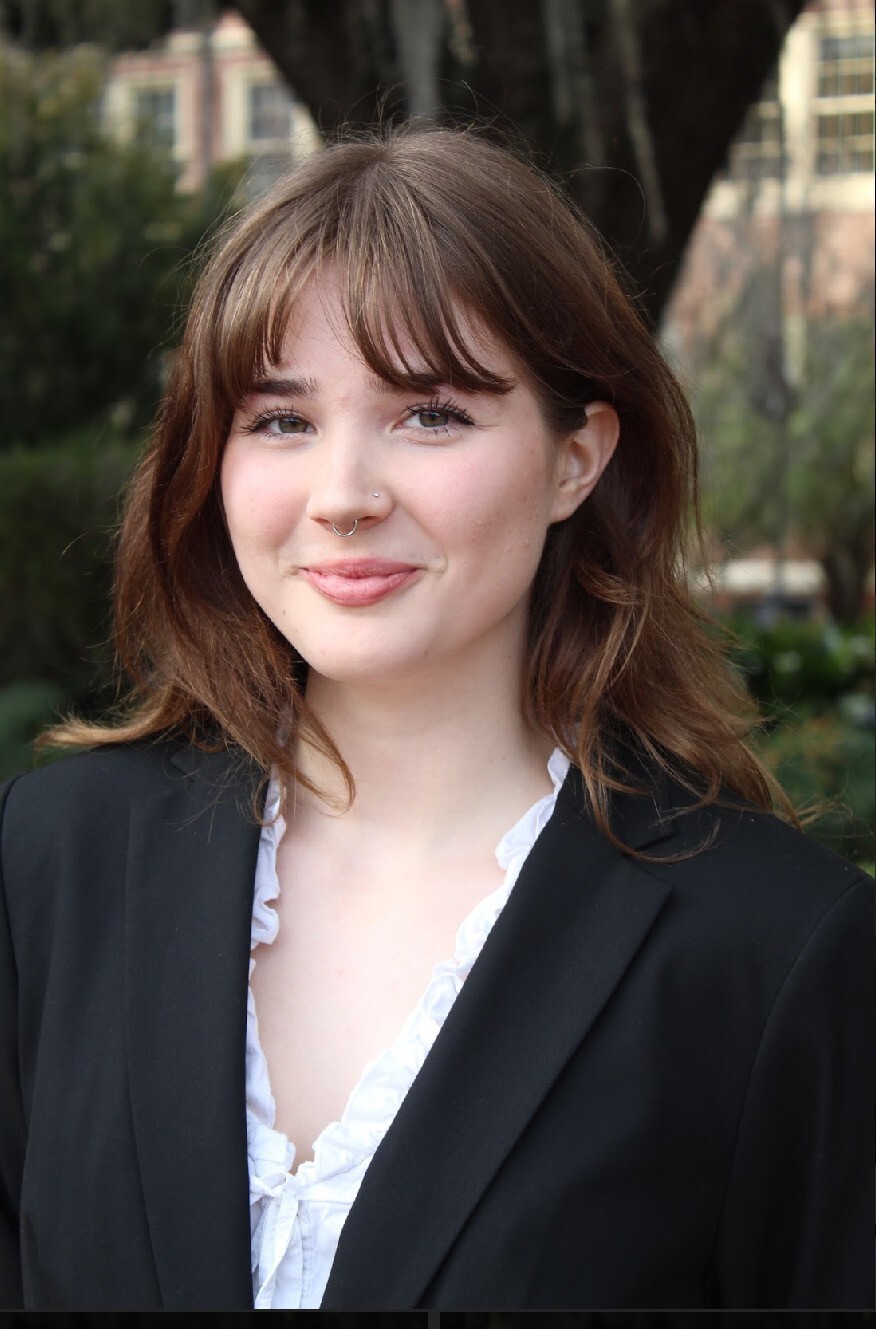
BIO
Grace is completing her 4th year at Florida State University, and will earn her Bachelor of Social Work (BSW) in Spring 2026. She has collaborated with the FSU Center for Couple and Family Therapy and the FSU Department of Human Development and Family Sciences to support research on parenting, relationships, and trauma-informed care. She is eager to begin her Master of Social Work (MSW) program at FSU in the Fall and aims to become a Licensed Clinical Social Worker.
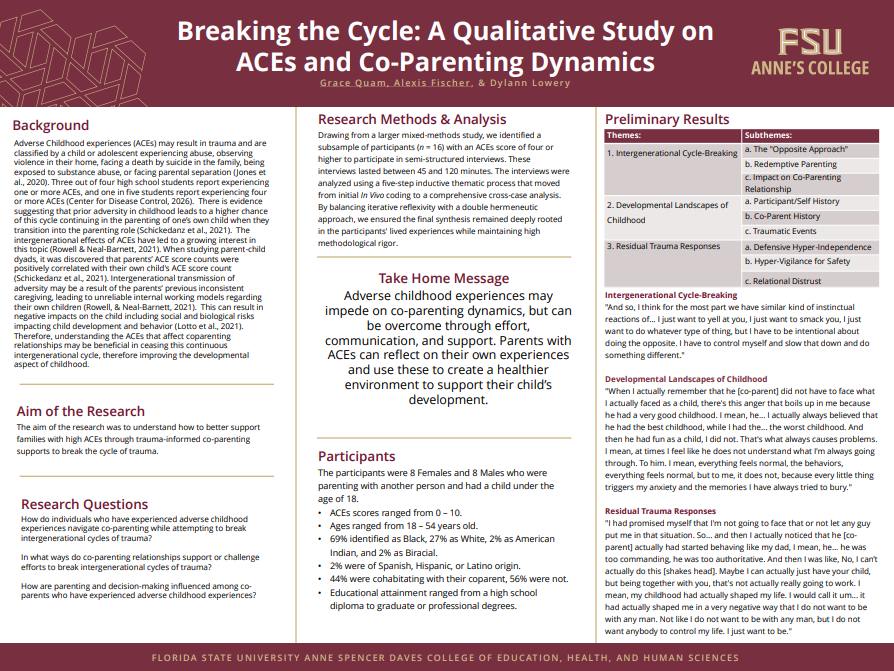
Breaking the Cycle: A Qualitative Study on ACEs and Co-Parenting Dynamics
Authors: Grace Quam, Dylann LoweryStudent Major: Social Work
Mentor: Dylann Lowery
Mentor's Department: Department of Human Development and Family Sciences Mentor's College: Anne Spencer Daves College of Education, Health, and Human Sciences Co-Presenters: Alexis Fischer
Abstract
This study presents Phase 2 of an explanatory sequential mixed-methods project investigating how clinically severe Adverse Childhood Experiences (ACEs) shape contemporary co-parenting relationships. Through purposeful subsample recruitment, we identified and interviewed 16 participants (n = 16) who reported an ACE score of 4 or higher. The final subsample was diverse, including 56% identifying as Black or African American, and represented various cohabitation and educational backgrounds.
Our research team employed a five-step inductive thematic analysis. We used In Vivo and axial coding to preserve participants’ voices while identifying core categories across the data. To ensure analytic rigor, we implemented an interactive intercoder agreement session and reflexivity memos. Within- and cross-case analyses further contextualized how individual trauma histories manifested as specific intergenerational implications.
A central theme was Intergenerational Cycle Breaking, with subthemes of The “Opposite Approach,” Redemptive Parenting, and the Impact on the Co-Parenting relationship. These preliminary findings highlight how survivors of childhood trauma and their co-parents navigate the tension between past experiences and present parenting goals. This research provides a roadmap for clinicians to support families with high ACEs better and informs family policies for the need for trauma-informed co-parenting supports. Breaking the cycle of trauma requires more than individual healing; it demands co-parenting environments that transform past trauma into relational resilience through targeted systemic support.
Keywords: Co-parenting, Adverse Childhood Experiences, Intergenerational cycle-breaking