
Research Symposium
26th annual Undergraduate Research Symposium, April 1, 2026
Alex Rapp Poster Session 3: 1:45 pm - 2:45 pm / Poster #151
BIO
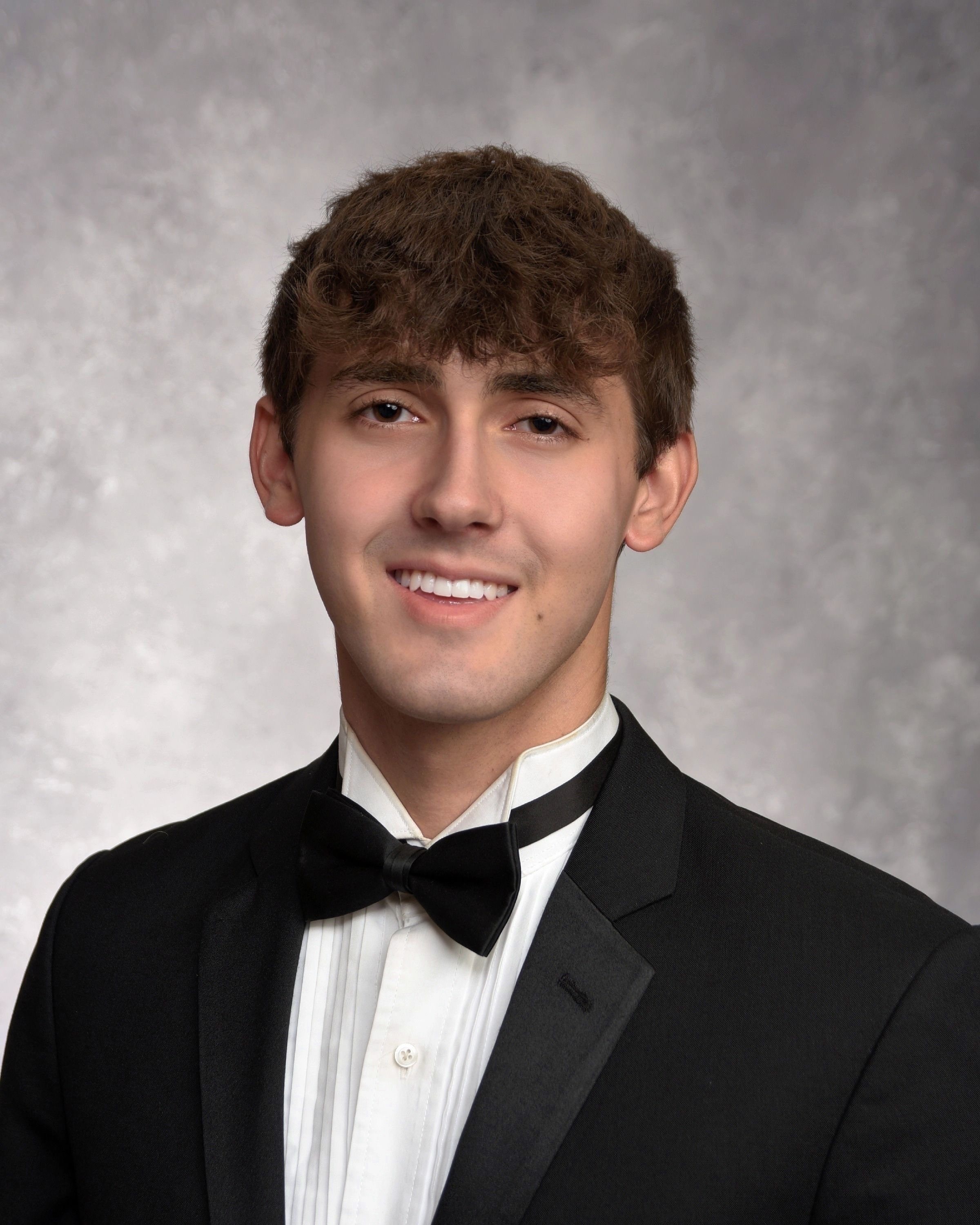
Alex Rapp is a second-year student at Florida State University pursuing a Bachelor of Science in Biological Science on the pre-med track. Their research interests center on the psychological and behavioral mechanisms underlying suicide risk and prevention. As part of the Undergraduate Research Opportunity Program (UROP), Alex works under the mentorship of Sara Prostko and Dr. Thomas Joiner, examining how perceived burdensomeness, thwarted belongingness, and acquired capability relate to decision-making latency in suicide-related virtual reality scenarios. Through this work, Alex is gaining experience in psychological research methods and data analysis. In the future, they hope to attend medical school and pursue a career in neurology.
Predicting Decision Latency in Suicide-Related Virtual Reality: The Role of Perceived Burdensomeness, Thwarted Belongingness, and Capability
Authors: Alex Rapp, Sara ProstkoStudent Major: Biological Sciences
Mentor: Sara Prostko
Mentor's Department: Department of Psychology Mentor's College: College of Arts and Sciences Co-Presenters: Hansini Reddy
Abstract
Suicide remains a leading cause of death worldwide, with complex and multifactorial psychological contributors. The Interpersonal Theory of Suicide (ITS) posits that a combination of perceived burdensomeness (PB), thwarted belongingness (TB), and capability for suicide are necessary for a lethal or near-lethal suicide attempt to occur. The present study utilized virtual reality (VR) to examine whether the ITS predicts decision latency during suicide-related VR scenarios. After providing informed consent, participants (n = 39) completed surveys assessing ITS constructs. Then, participants completed four VR suicide scenarios randomized by a Latin balance design. In each scenario, participants chose between a suicide-related option and a neutral alternative, and reaction time was recorded. We hypothesized that higher capability would predict shorter decision times, that higher PB and TB would predict longer decision times for non-suicide choices, and that capability would remain predictive when accounting for PB and TB. Linear regression analyses, including stepwise models, indicated that none of these relationships reached statistical significance. These findings were preliminary and may have been underpowered due to sample size and incomplete data. Further research should increase sample size and control for possible confounding variables such as prior VR experience and demographic differences. Despite these largely non-significant findings, this study demonstrates that VR can be used to measure objective behavioral decision-making processes in suicide-related contexts. The findings also represent a continued need to investigate decision latency as a potential marker for mechanisms involved in the transition from suicidal ideation to behavior.
Keywords: Psychology, suicide, virtual reality