
Research Symposium
26th annual Undergraduate Research Symposium, April 1, 2026
Tatum Cempella Poster Session 1: 9:30 am - 10:30 am / Poster #167
BIO
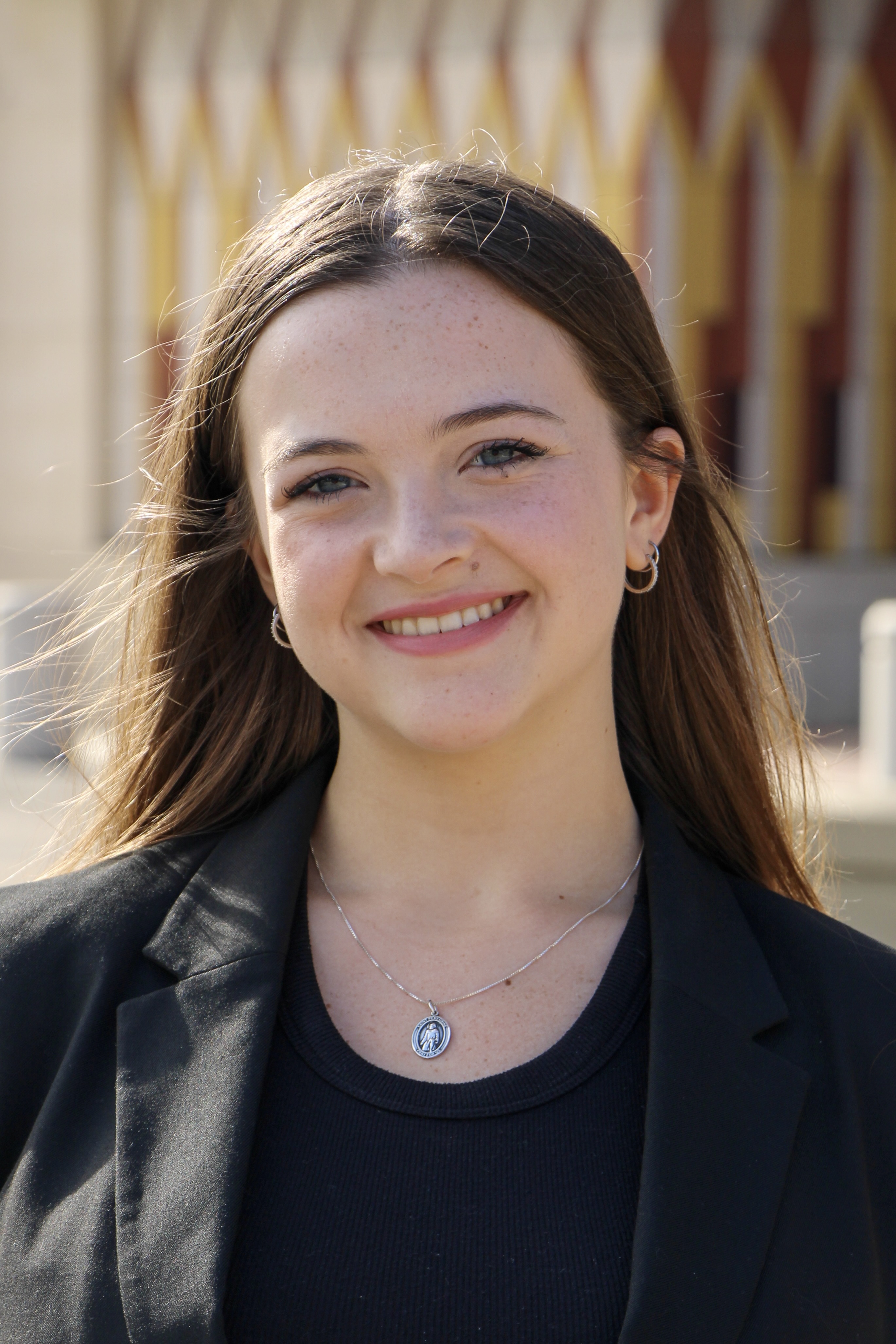
Tatum Cempella is a second year undergraduate student from Orlando, FL pursuing a Bachelor of Science in English and Political Science with plans to pursue a career in politics and law. She is interested in the intersection of the power of rhetoric and politics, which she was able to explore through her research with Ms. Huijie Xu and Dr. Olga Gasparyan.
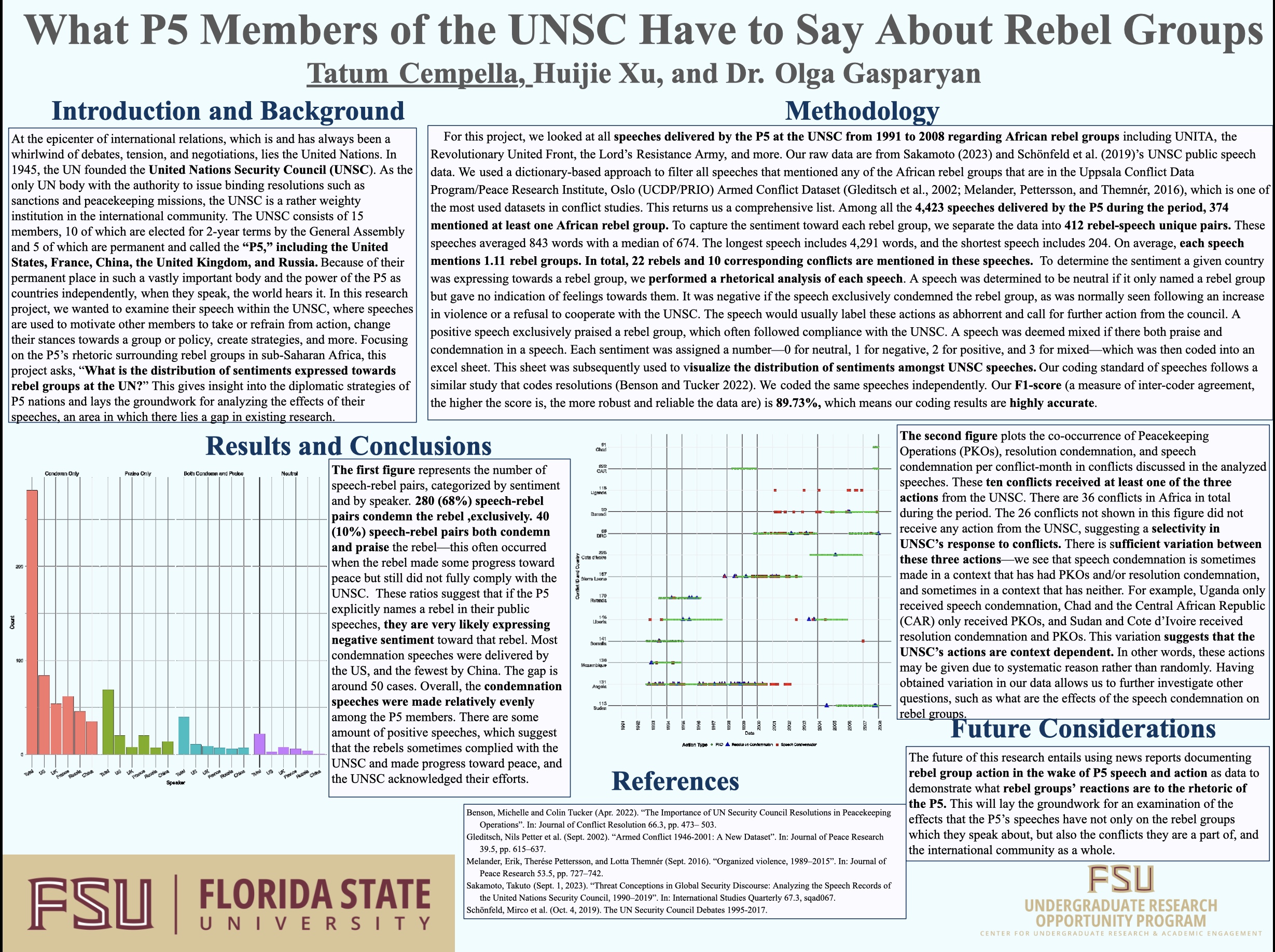
What P5 Members of the UNSC Have to Say About Rebel Groups
Authors: Tatum Cempella, Ms. Huijie Xu, Dr. Olga GasparyanStudent Major: English and Political Science
Mentor: Ms. Huijie Xu, Dr. Olga Gasparyan
Mentor's Department: Political Science Mentor's College: College of Social Science and Public Policy Co-Presenters:
Abstract
TThis research project asks “What is the distribution of sentiments expressed towards rebel groups at the UN?” We looked at the rhetorical make up of all speeches delivered by the P5 at the UNSC from 1991 to 2008 regarding African rebel groups to determine their sentiments. A speech was positive when it exclusively praised a rebel group, negative when it exclusively condemned it, mixed when it did both, and neutral when it only mentioned a group but did not express any feeling towards it. Each sentiment was assigned a number which was coded into an excel sheet. This sheet was subsequently used to visualize the distribution of sentiments amongst speeches. An overwhelming number of speeches were negative, suggesting that if the UNSC mentions a rebel group it is highly likely to condemn it. Overall, negative speeches were made relatively evenly among the P5 members. There are some amount of positive speeches, which implies that the rebels sometimes complied with the UNSC made progress toward peace, and the UNSC acknowledged this. These observations gave possible insight into the differing diplomatic strategies of the P5 nations and lays the groundwork for analyzing the effects of their speeches. The significance of this research directly affects all of us. P5 speeches dominate the rhetoric of the UNSC, which in turn has a dominant hold over international relations in terms of peace and security. Therefore, what these leaders say can change hearts and minds that have the power to change sentiments on a national scale.
Keywords: international relations, United Nations, rhetoric