
Research Symposium
26th annual Undergraduate Research Symposium, April 1, 2026
Madelyn Hild Poster Session 1: 9:30 am - 10:30 am / Poster #152
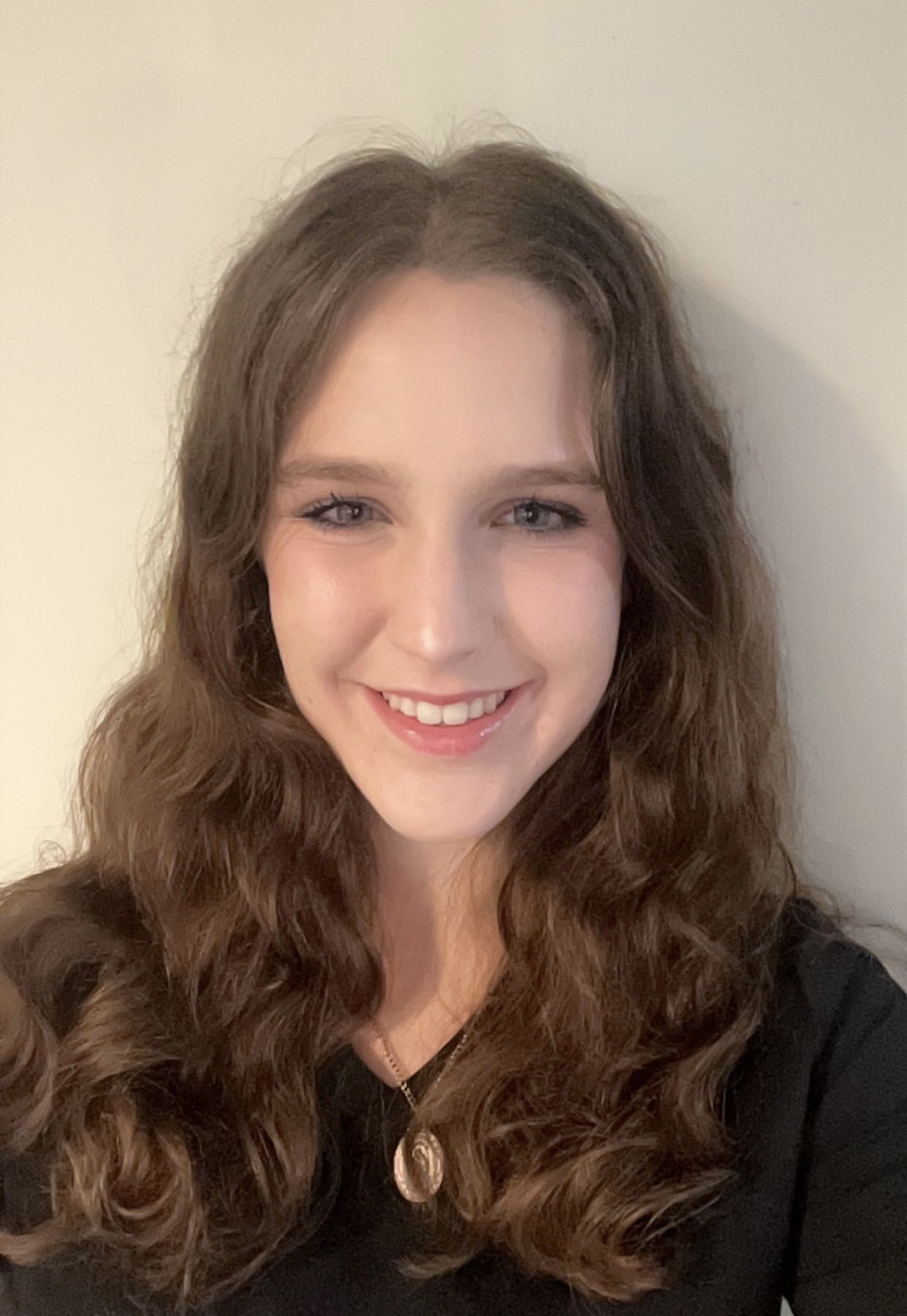
BIO
Madelyn Hild’s research interests center on behavioral neuroscience, with a focus on how brain function relates to cognition, and neurological disorders. Her long-term goal is to contribute to a research team studying neurodegenerative conditions, working toward interventions that improve patients’ quality of life.
She is currently pursuing a Bachelor of Science in Behavioral Neuroscience at Florida State University, where she is expected to graduate in Fall of 2026. Madelyn has strengthened her academic and research background through roles as a Tutor and Lab Assistant since 2024, supporting students in STEM subjects and conducting analysis of environmental samples. She hopes to continue her studies through graduate school in 2027.
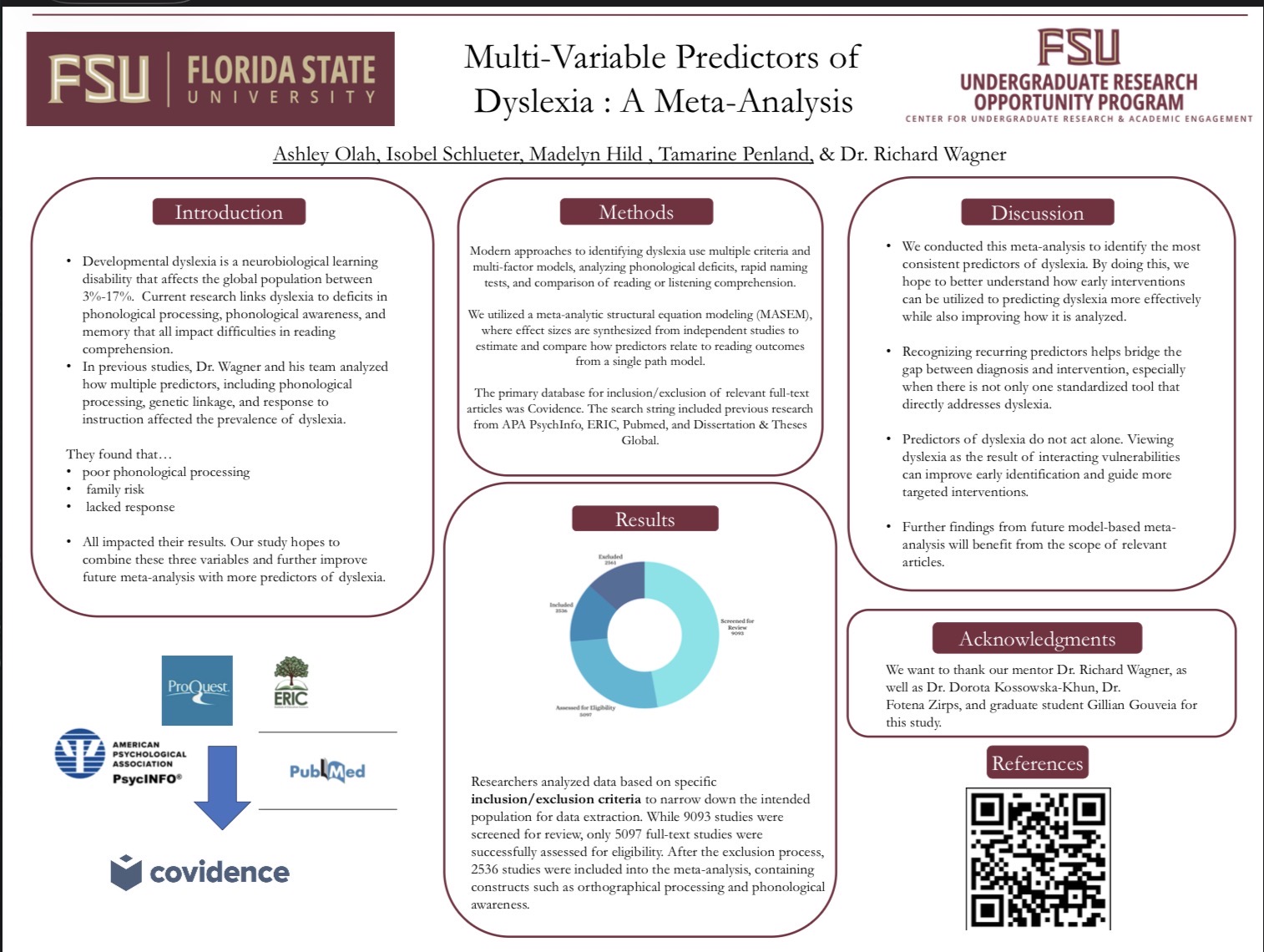
Multi-Variable Predictors of Dyslexia : A Meta-Analysis
Authors: Madelyn Hild, Richard WagnerStudent Major: Behavioral Neuroscience
Mentor: Richard Wagner
Mentor's Department: Psychology Mentor's College: College of Arts and Sciences Co-Presenters: Ashley Olah, Isobel Schleuter, Tamarine Penland
Abstract
This study investigates the prevalence and factors regarding individuals that have dyslexia or other neurobiological learning disabilities. Utilizing the model-based meta-analysis, MASEM, our research team reviewed and extracted previous research. The primary database for inclusion/exclusion of relevant full-text articles was Covidence. The search string from Covidence included previous research from APA PsycInfo, ERIC, Pubmed, and Dissertation & Theses Global. Researchers analyzed data based on specific inclusion/exclusion criteria to narrow down the intended population for data extraction. While 9099 studies were screened for review, only 3571 full-text studies were successfully assessed for eligibility. After the exclusion process, 1515 studies were included into the meta-analysis, containing constructs such as orthographical processing and phonological awareness. Future research will analyze correlational and group-difference data to determine certain predictors of dyslexia. These findings may show promising approaches that can help guide educational practices, early intervention, and clinical support.
Keywords: Meta-analysis, dyslexia, decoding