
Research Symposium
26th annual Undergraduate Research Symposium, April 1, 2026
Diego Covarrubias Poster Session 4: 3:00 pm - 4:00 pm / Poster #196
BIO
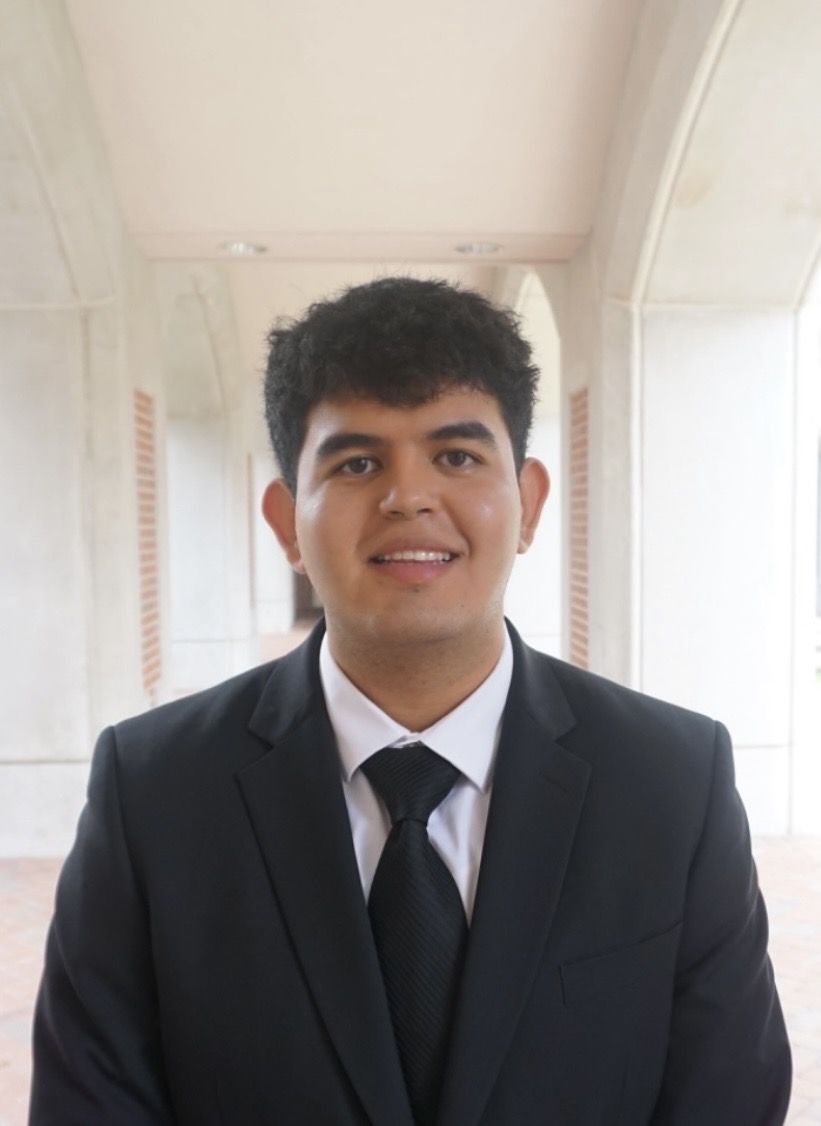
Diego Covarrubias is a sophomore majoring in Behavioral Neuroscience. Originally from Dallas, Texas, he is involved in clinical research involving caregivers of individuals with dementia. After completing his degree, Diego aspires to attend medical school. Long-term, he aims to become a physician with the goal of contributing to innovation in healthcare, advancing treatment, and improving patient education.
Transfer of Training of Cognitive-Behavioral Intervention for Black Caregivers of Loved Ones with Dementia: Initial Qualitative Analysis
Authors: Diego Covarrubias, Dr. Robert GlueckaufStudent Major: Behavioral Neuroscience
Mentor: Dr. Robert Glueckauf
Mentor's Department: Department of Behavioral Sciences and Social Medicine Mentor's College: College of Medicine Co-Presenters:
Abstract
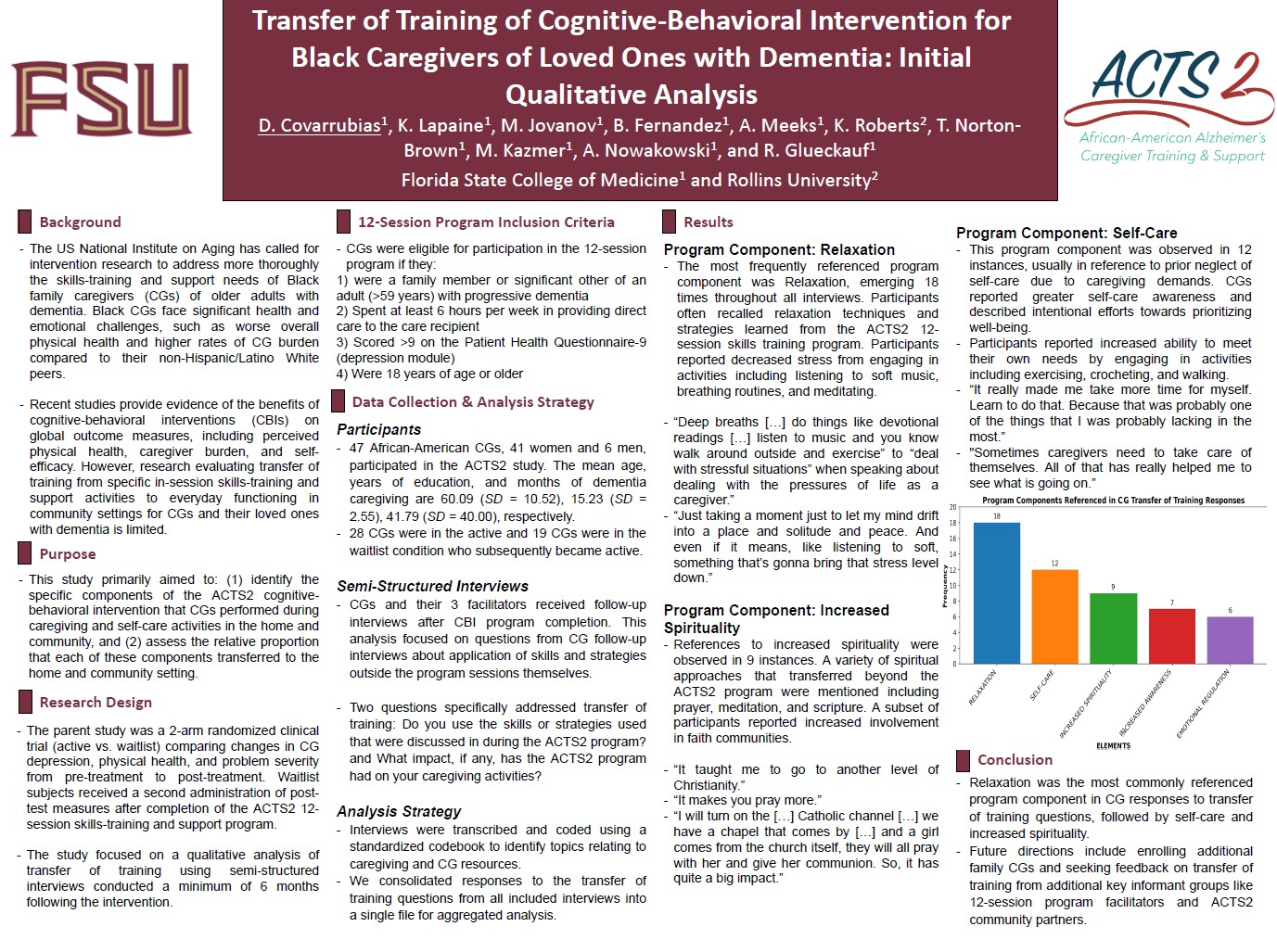
The U.S National Institute on Aging has called for interventional research to address the skills-training and support needs of Black family caregivers (CGs) of older adults with dementia more thoroughly. Black CGs face significant health and emotional challenges, such as worse overall physical health and higher rates of caregiver burden compared to their non-Hispanic/Latino White peers. Recent studies provide evidence of the benefits of cognitive-behavioral interventions (CBIs) on global outcome measures, including perceived physical health, caregiver burden, and self-efficacy. However, limited research has evaluated the extent to which benefits transfer from specific in-session skills-training and support activities to function in community settings for CGs and their loved ones with dementia. This study primarily aims to: (1) identify the specific components of CB training that CGs performed during caregiving and self-care activities in the home and community, and (2) describe CGs' perceptions of the impact of these activities on the quality of their caregiving activities and psychosocial functioning. To date, qualitative analyses of 59 follow-up telephone interviews with CGs and their 12-session program facilitators have been conducted. Interviews were transcribed and coded using a standardized codebook to identify topics relating to caregiving and caregiver resources. Preliminary findings of the current transfer of training study highlighted the use and benefits of relaxation skills, cognitive strategies focusing on patience, self-awareness, shifting perspectives, as well as incorporation of self-care strategies.
Keywords: dementia, caregiver, intervention, Alzheimer's