
Research Symposium
26th annual Undergraduate Research Symposium, April 1, 2026
Hailey Long Poster Session 1: 9:30 am - 10:30 am / Poster #195
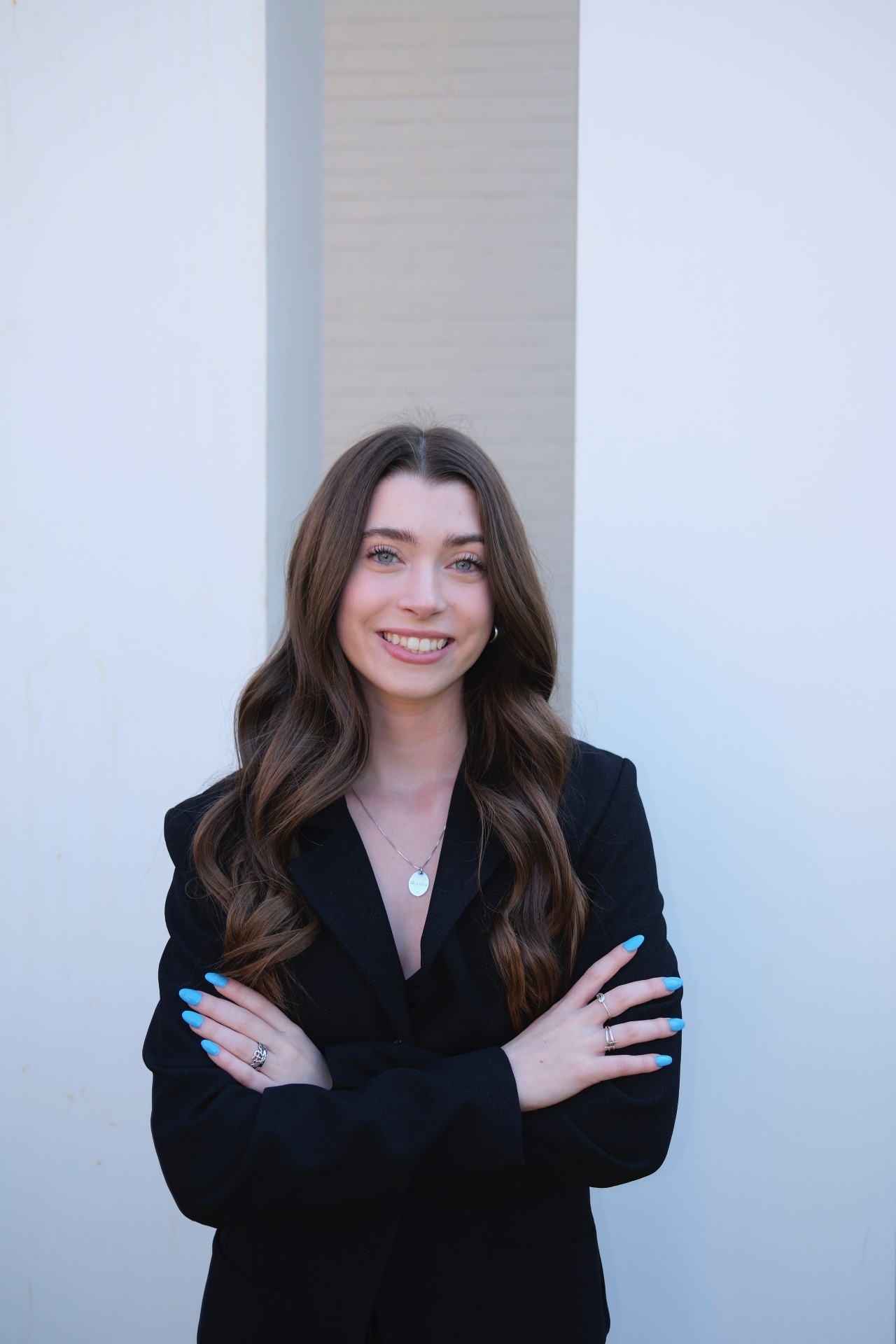
BIO
Hailey is currently a sophomore here at Florida State University majoring in meteorology with a minor in mathematics and plans on attending grad school to further her education and specialize in climate science. Her current research interests focus on long-term variability in sea surface temperatures in the Gulf of Mexico and how these patterns show larger climate trends. Originally from Orlando, Florida, she is actively involved on campus as a member of Phi Mu, assisting in recruitment and acting as banner chair. Hailey is also a frequent volunteer with a local dog rescue called Champ’s Chance, providing support and care for dogs in need. Through her studies and research, she hopes to contribute to a better understanding of climate variability and its long-term effects.
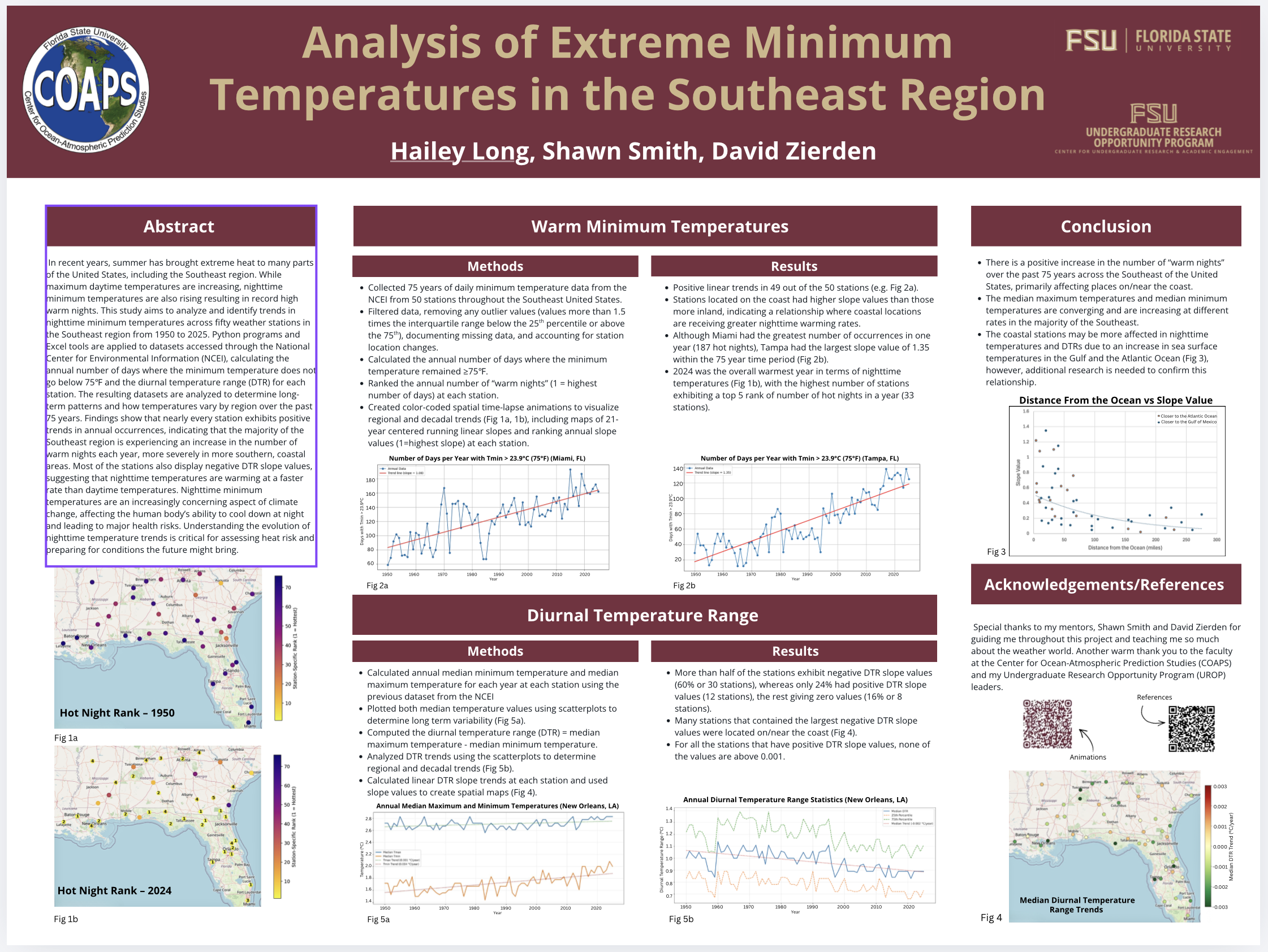
Analysis of Extreme Minimum Temperatures in the Southeast
Authors: Hailey Long, Shawn SmithStudent Major: Meteorology
Mentor: Shawn Smith
Mentor's Department: Center for Ocean-Atmospheric Predictions Studies (COAPS) Mentor's College: College of Arts and Sciences Co-Presenters:
Abstract
In recent years, summer has brought extreme heat to many parts of the United States, including the Southeast region. While maximum daytime temperatures are increasing, nighttime minimum temperatures are also rising resulting in record high warm nights. This study aims to analyze and identify trends in nighttime minimum temperatures across fifty weather stations in the Southeast region from 1950 to 2025. Python programs and Excel tools are applied to datasets accessed through the National Center for Environmental Information (NCEI), calculating the annual number of days where the minimum temperature does not go below 75℉ and the diurnal temperature range (DTR) for each station. The resulting datasets are analyzed to determine long-term patterns and how temperatures vary by region over the past 75 years. Findings show that nearly every station exhibits positive trends in annual occurrences, indicating that the majority of the Southeast region is experiencing an increase in the number of warm nights each year, more severely in more southern, coastal areas. Most of the stations also display negative DTR slope values, suggesting that nighttime temperatures are warming at a faster rate than daytime temperatures. Nighttime minimum temperatures are an increasingly concerning aspect of climate change, affecting the human body’s ability to cool down at night and leading to major health risks. Understanding the evolution of nighttime temperature trends is critical for assessing heat risk and preparing for conditions the future might bring.
Keywords: Climate, Temperature, Environment, Southeast