
UROP Project Proposal Portal 2026: Submission #1370
Submission information
Submission Number: 1370
Submission ID: 21426
Submission UUID: 3e1649b9-92d2-4381-9a71-cd0b36aa36ce
Submission URI: /urop-project-proposal-portal-2026
Submission Update: /urop-project-proposal-portal-2026?token=zViB2yTV3-YhBoddirc4IoRF3C8GBUj3l6bzACgKfpA
Created: Tue, 02/10/2026 - 08:48 PM
Completed: Tue, 02/10/2026 - 09:38 PM
Changed: Tue, 02/10/2026 - 09:38 PM
Remote IP address: 2607:fb90:cd62:c33a:2dbe:59ca:e14b:fb8c
Submitted by: Anonymous
Language: English
Is draft: No
Webform: UROP Project Proposal Portal
Submitted to: UROP Project Proposal Portal 2026
Research Mentor Information
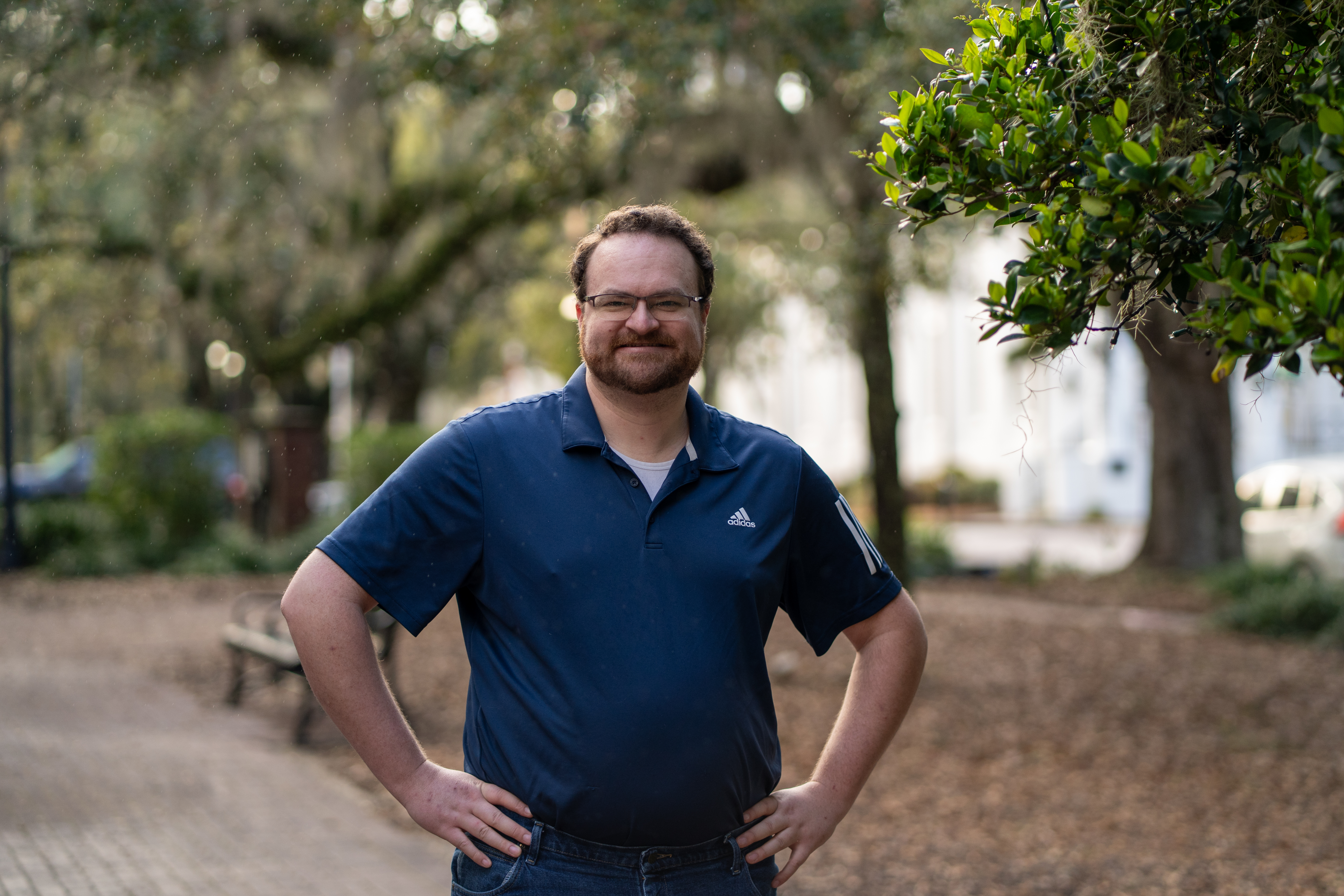
Tyler Hall
he/him
{Empty}
Graduate Student
{Empty}
Dr. Myriam Rudaz
Education, Health, and Human Sciences
Human Development and Family Sciences
Additional Research Mentor(s)
{Empty}
{Empty}
{Empty}
{Empty}
{Empty}
{Empty}
{Empty}
{Empty}
Overall Project Details
Exploring the Role of Religious Expression in Parent-Child Relationships in Single-Parent Families
Religion; Single-Parent; Parenting; Qualitative
Yes
2
Open to all majors.
On FSU Main Campus
No, the project is remote
Fully Remote
6-8
Flexible schedule (Combination of business and outside of business. TBD between student and research mentor.)
My study is a qualitative, interview-based study on how religious beliefs, practices, and other religious factors strengthen or strain the relationship between single parents and their teenage children. Participants will be interviewed in pairs - an interview with a single parent, and an interview with their child. Afterwards, all the interviews will be transcribed and analyzed to identify overall themes.
I have already written the literature review, and will personally be conducting the interviews. The research assistant tasks would be primarily related to data analysis: transcribing interviews, coding the interviews, synthesizing overall themes from the interviews, and writing out a final summary of what it is like to be religious and be in a single-parent family.
Required: Ability to read through and analyze long passages of text. The main task we will have as a research team is reading through many hours worth of interviews to identify common themes that show up between all the interviews.
Required: Access to a computer and internet.
Required: Ability to learn and use new software (we will be using NVivo - a text analysis software).
Required: Ability to work and collaborate with a small team.
Recommended: Excellent typing skills. Before analyzing the interviews, we will need to type them out.
Required: Access to a computer and internet.
Required: Ability to learn and use new software (we will be using NVivo - a text analysis software).
Required: Ability to work and collaborate with a small team.
Recommended: Excellent typing skills. Before analyzing the interviews, we will need to type them out.
I believe mentoring is, first and foremost, about the person. It goes beyond just teaching skills or techniques (though that is important); it is characterized by an investment in the mentee’s life and well-being. I’ve been very lucky to have had warm and supportive mentors in my life – both in my professional training as a therapist, as well as in my education as a researcher. For me, the best mentors were the ones who would not only teach me, but ask about my life, my concerns, and so on. As is often said, people don’t care how much you know until they know how much you care.
My mentoring style is typically characterized by warmth and positivity, but with clear directness when it comes to feedback. I want those I mentor to feel supported while they learn and grow professionally. Growth requires feedback, but that feedback can be hard to implement if it’s vague and sugarcoated, or conversely, if it’s harsh and overly critical. As such, my mentees can expect feedback that is clear, direct, and kind.
As a mentor, I expect my mentees to be responsible, timely, and honest. This is especially important in a research capacity, where dishonesty or corner-cutting is unethical, and has significant consequences for both the researchers and the public. If it is discovered that mentees are lying or being dishonest in any way, the mentee-mentor relationship will not be able to continue, and other measures may need to be taken.
My mentoring style is typically characterized by warmth and positivity, but with clear directness when it comes to feedback. I want those I mentor to feel supported while they learn and grow professionally. Growth requires feedback, but that feedback can be hard to implement if it’s vague and sugarcoated, or conversely, if it’s harsh and overly critical. As such, my mentees can expect feedback that is clear, direct, and kind.
As a mentor, I expect my mentees to be responsible, timely, and honest. This is especially important in a research capacity, where dishonesty or corner-cutting is unethical, and has significant consequences for both the researchers and the public. If it is discovered that mentees are lying or being dishonest in any way, the mentee-mentor relationship will not be able to continue, and other measures may need to be taken.
{Empty}
{Empty}
Yes
{Empty}
UROP Program Elements
Yes
Yes
Yes
Yes
Yes
Yes
{Empty}
2026