
UROP Project
Changes in bone structure and quality in the recovery from prostate cancer treatment
Bone quality, osteoporosis, prostate cancer
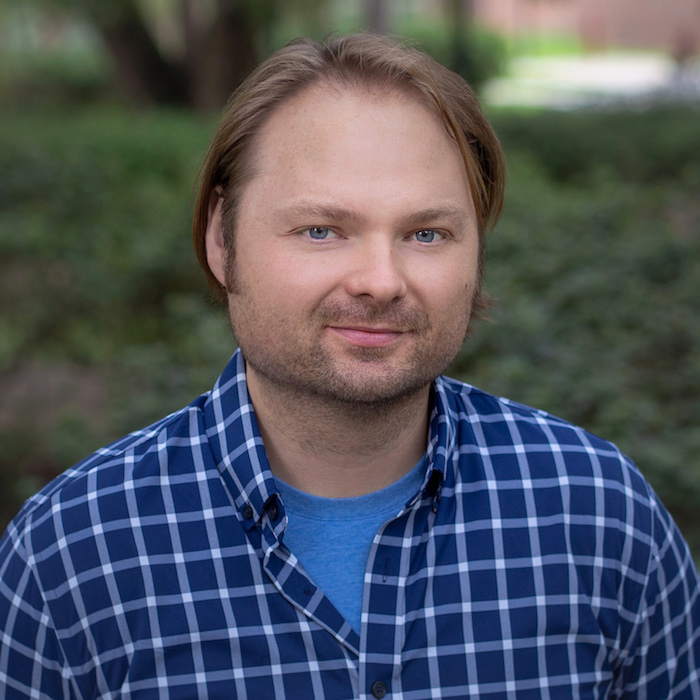
Research Mentor: Dr. Justin La Favor,
Department, College, Affiliation: Health, Nutrition, and Food Sciences, Education, Health, and Human Sciences
Contact Email: jlafavor@fsu.edu
Research Assistant Supervisor (if different from mentor):
Research Assistant Supervisor Email:
Faculty Collaborators:
Faculty Collaborators Email:
Department, College, Affiliation: Health, Nutrition, and Food Sciences, Education, Health, and Human Sciences
Contact Email: jlafavor@fsu.edu
Research Assistant Supervisor (if different from mentor):
Research Assistant Supervisor Email:
Faculty Collaborators:
Faculty Collaborators Email:
Looking for Research Assistants: Yes
Number of Research Assistants: 2
Relevant Majors: Exercise Physiology, Biomedical Engineering, Biological Science, Neuroscience, Clinical Professions
Project Location: On FSU Main Campus
Research Assistant Transportation Required: Remote or In-person: In-person
Approximate Weekly Hours: 6, During business hours
Roundtable Times and Zoom Link:
Not participating in the roundtable
Number of Research Assistants: 2
Relevant Majors: Exercise Physiology, Biomedical Engineering, Biological Science, Neuroscience, Clinical Professions
Project Location: On FSU Main Campus
Research Assistant Transportation Required: Remote or In-person: In-person
Approximate Weekly Hours: 6, During business hours
Roundtable Times and Zoom Link:
Not participating in the roundtable
Project Description
Androgen deprivation therapy (ADT) is a common treatment for prostate cancer patients. This treatment suppresses testosterone to very low levels and is typically conducted for approximately two years. Many prostate cancer patients experience an increased risk for osteoporosis and bone fractures both during ADT and for several years after completion. We are administering a common drug to mice that is used for ADT and testing mice immediately following the ADT period, and after short-term and long-term recovery periods. We will be harvesting bones and testing for structural quality, architecture, and risk of fracture.Research Tasks: Literature review, data collection, data analysis.
Skills that research assistant(s) may need: Required: Attention to detail and a willingness to learn. Comfortable being around research mice and handling biological samples that may contain tissue or blood. Ability to communicate and work as part of a team.