
UROP Project
Do relationships help or hurt? Exploring the role of couple relationships in the trauma-pain connection
pain; trauma; couples; health; relationships; mental health
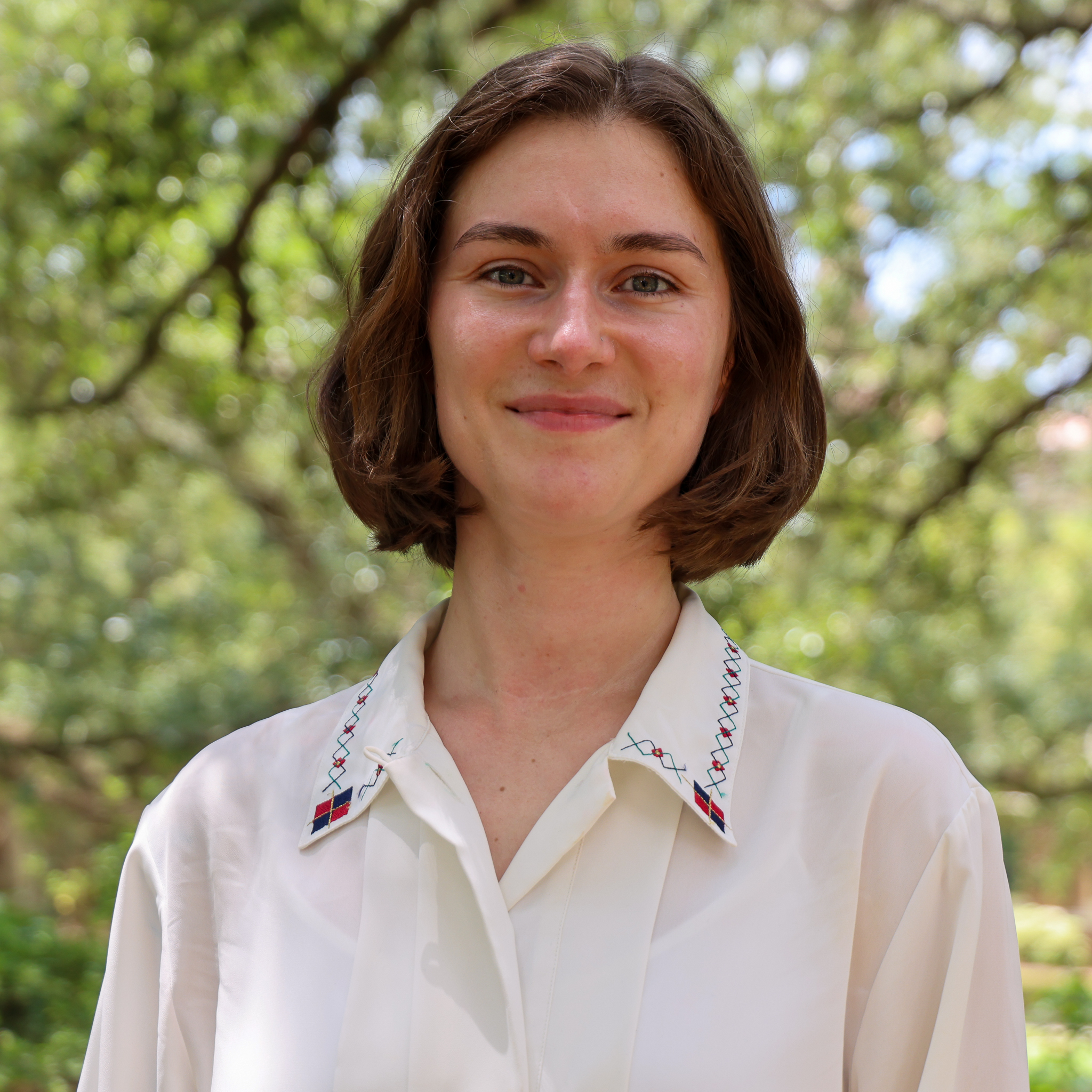
Research Mentor: Dr. Emilie Ellis, they/them
Department, College, Affiliation: Human Development and Family Science , Education, Health, and Human Sciences
Contact Email: eellis@fsu.edu
Research Assistant Supervisor (if different from mentor):
Research Assistant Supervisor Email:
Faculty Collaborators:
Faculty Collaborators Email:
Department, College, Affiliation: Human Development and Family Science , Education, Health, and Human Sciences
Contact Email: eellis@fsu.edu
Research Assistant Supervisor (if different from mentor):
Research Assistant Supervisor Email:
Faculty Collaborators:
Faculty Collaborators Email:
Looking for Research Assistants: Yes
Number of Research Assistants: 2
Relevant Majors: Human Development and Family Science
Psychology
Social Work
Nursing
Project Location: On FSU Main Campus
Research Assistant Transportation Required: Remote or In-person: Partially Remote
Approximate Weekly Hours: 5-10, Flexible schedule (Combination of business and outside of business. TBD between student and research mentor.)
Roundtable Times and Zoom Link:
Number of Research Assistants: 2
Relevant Majors: Human Development and Family Science
Psychology
Social Work
Nursing
Project Location: On FSU Main Campus
Research Assistant Transportation Required: Remote or In-person: Partially Remote
Approximate Weekly Hours: 5-10, Flexible schedule (Combination of business and outside of business. TBD between student and research mentor.)
Roundtable Times and Zoom Link:
- Day: Wednesday, September 2
Start Time: 2:00
End Time: 2:30
Zoom Link: https://fsu.zoom.us/rec/share/O4ZcGSTa-8xfJ05mvRog6Usfd2_w7iZ20ZAyaGNsud8dK3emx8ZqYVtqNgsC39g8.fFH1g3aDTEoqWFx8?startTime=1788372363000
Project Description
Survivors of traumatic events are at increased risk of developing long-term pain disorders (chronic pain), especially if they develop symptoms of traumatic stress, such as posttraumatic stress disorder (PTSD) or complex posttraumatic stress disorder (CPTSD). Evidence suggests there may be a trauma-pain connection, and those who have both traumatic stress and chronic pain, i.e., comorbid conditions, are at increased risk of opioid misuse. Therefore, there is a need for more trauma-informed interventions that don’t rely on medication (i.e., nonpharmacologic) to meet their unique needs. Further, marginalized groups, such as LGBTQ+ and racialized populations, make up a larger share than expected among those with comorbid traumatic stress and chronic pain.While biological and psychological mechanisms in the trauma-pain connection are better understood, less is known about the role that couple and family relationships may play in this connection. For example, research is mixed on how a partner's behavior affects chronic pain. When a partner validates and pays attention to their loved one's pain, it can help; but in some cases, it can make pain worse. Further, traumatic stress has also been linked to poorer relationship outcomes and weakened ability for partners to calm each other’s stress responses (i.e., co-regulation). Therefore, to understand the potential for couple relationships to serve as a focus point for treatment in the trauma-pain connection, more research is needed to understand when couple-level factors help and when they harm pain outcomes among populations with comorbid traumatic stress.
This mixed-methods project will use qualitative interviews (in-depth conversation) with couples and quantitative survey data (numerical data from questionnaires) to answer two research questions: (a) what are the day-to-day experiences of individuals with comorbid traumatic stress and chronic pain and their partners; (b) what could be changed in the individual and the relationship to improve chronic pain management in individuals with comorbid traumatic stress.
Research Tasks: As a research assistant you may be involved in the following tasks:
- Conducting literature reviews on traumatic stress, chronic pain, and couple relationships
- Transcribing interviews and cleaning qualitative data for analysis
- Inputting questionnaires into data collection software (e.g., Qualtrics)
- Participant recruitment in a variety of settings
- Preparing a research poster for the Undergraduate Research Symposium
Skills that research assistant(s) may need: Skills/interests that may set you apart:
- Interest/experience in qualitative research
- Strong verbal and written communication skills
- Interest/experience in healthcare research in the Tallahassee area
- Experience working in a team