
UROP Project
Individual Variability in Learning and Development
Reading Difficulties, Multilingual Learners, ar-risk, Kenya, Individual Differences
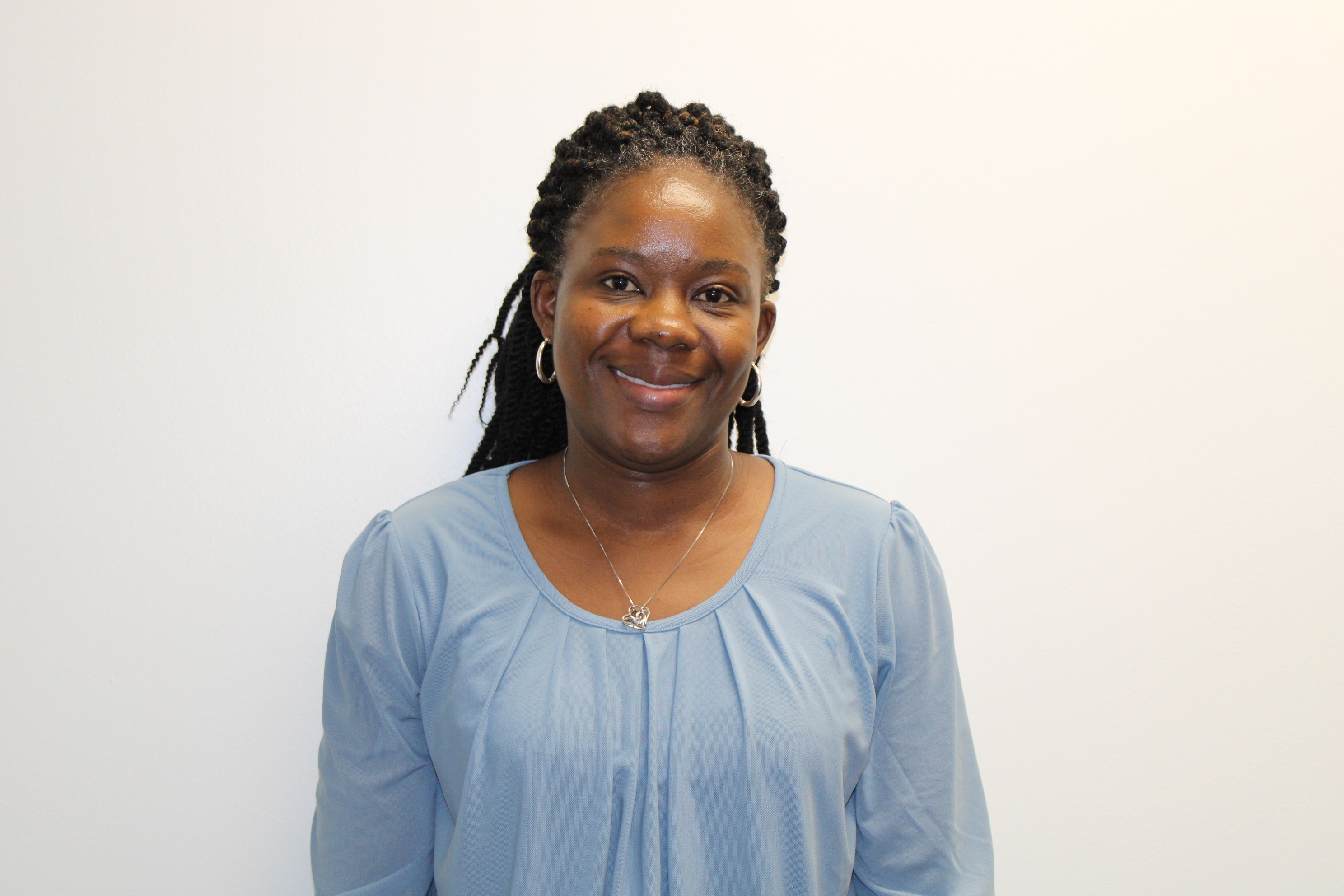
Research Mentor: Dr. Brenda Wawire, She
Department, College, Affiliation: Learning Systems Institute, Education, Health, and Human Sciences
Contact Email: bwawire@fsu.edu
Research Assistant Supervisor (if different from mentor):
Research Assistant Supervisor Email:
Faculty Collaborators:
Faculty Collaborators Email:
Department, College, Affiliation: Learning Systems Institute, Education, Health, and Human Sciences
Contact Email: bwawire@fsu.edu
Research Assistant Supervisor (if different from mentor):
Research Assistant Supervisor Email:
Faculty Collaborators:
Faculty Collaborators Email:
Looking for Research Assistants: Yes
Number of Research Assistants: 6
Relevant Majors: Open to all majors
Project Location: On FSU Main Campus
Research Assistant Transportation Required: No, the project is remote Remote or In-person: Fully Remote
Approximate Weekly Hours: 10, Flexible schedule (Combination of business and outside of business. TBD between student and research mentor.)
Roundtable Times and Zoom Link:
Not participating in the roundtable
Number of Research Assistants: 6
Relevant Majors: Open to all majors
Project Location: On FSU Main Campus
Research Assistant Transportation Required: No, the project is remote Remote or In-person: Fully Remote
Approximate Weekly Hours: 10, Flexible schedule (Combination of business and outside of business. TBD between student and research mentor.)
Roundtable Times and Zoom Link:
Not participating in the roundtable
Project Description
My lab investigates the sources of variability in early literacy development. Current work examines how cognitive traits — executive function, rapid automatized naming (RAN), and working memory — interact with environmental factors such as the home literacy environment, socioeconomic status, and family risk to shape literacy growth and outcomes among at-risk learners. The work is grounded in Bronfenbrenner and Morris's bioecological model, which treats development as the product of ongoing person–context interaction.The core project is an ongoing longitudinal study in Kenya spanning 35 primary schools, 1,002 learners, and 978 parents and caregivers, with two waves of data collected to date. A second strand investigates sources of reading difficulty among multilingual learners; to support this, I developed a screening tool for developmental dyslexia in Kiswahili, currently being pilot-tested in participating schools. The aim throughout is to generate evidence that helps stakeholders distinguish among profiles of struggling readers, so that interventions reach the right learners in the right form.
UROP students will join this work in two ways. The main task is analyzing qualitative data from teachers and parents of at-risk learners to understand their perspectives and experiences. Students will be trained to use Dedoose and will code interview transcripts, prepare code summaries, and help synthesize findings across participants. They will also contribute to the project's literature review.
Research Tasks: Data analysis ( coding data, thematic analysis, preparing code summaries) and literature review
Skills that research assistant(s) may need: No prior experience needed.
Mentoring Philosophy
Umoja ni nguvu utengano ni udhaifu. Unity is strength separation/division is weakness. This Swahili proverb, one of my favorites, aligns with my belief that we must work together to create a supportive academic culture. Critical components of such an environment are effective communication, mutual respect, and the ability to work toward common objectives while celebrating individual differences. Mentorship is integral in fostering a climate conducive to inclusion, support, and professional growth. Since my early days as a graduate student and throughout various stages of my career, I have significantly benefited from the support of mentors, and it is essential to pay it forward.The following principles guide my mentoring:
Communication and caring. I maintain open communication lines with my mentees and encourage them to ask questions and request support as needed. I am keen to listen to their experiences, concerns, and knowledge and skills they have to share. Fostering a culture of caring in academic work is crucial for me.
Time. Working with a timeline is critical to meeting the needs of the various projects I support. I plan regular meetings with my mentees to check in, provide guidance, and help them maximize their benefits from this experience.
Goal setting: Each semester, I set goals that I endeavor to achieve. When I work with mentees, I share the project goals with them and also help them plan their own goals for the duration of our collaboration.