
UROP Project
***Communication and Marketing Evaluation for Higher Education Opportunities
communication, marketing, social media
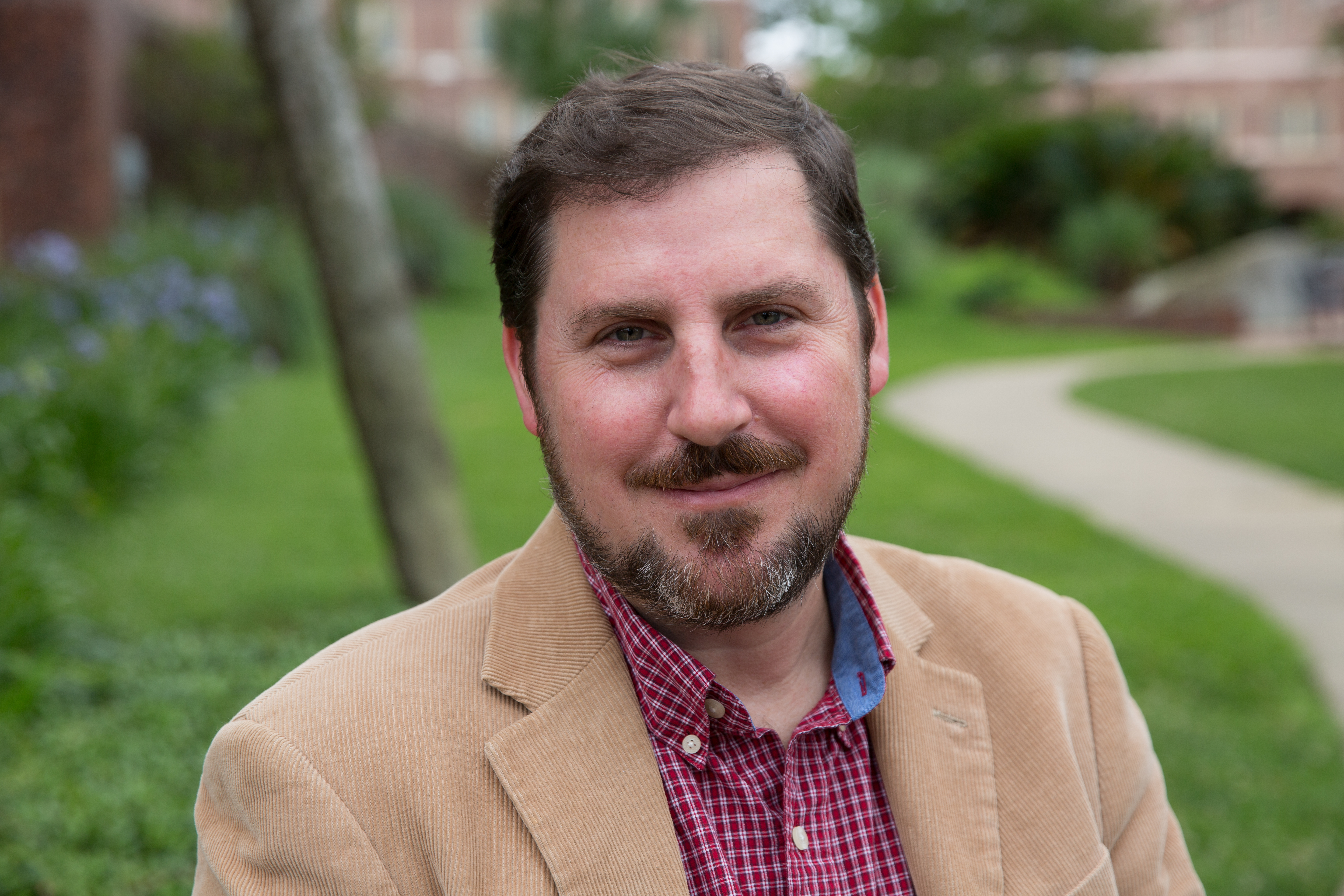
Research Mentor: David Montez, He/Him
Department, College, Affiliation: Center for Undergraduate Research and Academic Engagement, Undergraduate Studies
Contact Email: dmontez@fsu.edu
Research Assistant Supervisor (if different from mentor): Juniper Curtis She/Her
Research Assistant Supervisor Email: jsc21g@fsu.edu
Faculty Collaborators:
Faculty Collaborators Email:
Department, College, Affiliation: Center for Undergraduate Research and Academic Engagement, Undergraduate Studies
Contact Email: dmontez@fsu.edu
Research Assistant Supervisor (if different from mentor): Juniper Curtis She/Her
Research Assistant Supervisor Email: jsc21g@fsu.edu
Faculty Collaborators:
Faculty Collaborators Email:
Looking for Research Assistants: Yes
Number of Research Assistants: 2
Relevant Majors: Media Communication Studies, Advertising, Public Relations, Marketing, English, Statistics, Professional Sales, still open to all majors
Project Location: On FSU Main Campus
Research Assistant Transportation Required: Remote or In-person: Partially Remote
Approximate Weekly Hours: 7, During business hours
Roundtable Times and Zoom Link:
Number of Research Assistants: 2
Relevant Majors: Media Communication Studies, Advertising, Public Relations, Marketing, English, Statistics, Professional Sales, still open to all majors
Project Location: On FSU Main Campus
Research Assistant Transportation Required: Remote or In-person: Partially Remote
Approximate Weekly Hours: 7, During business hours
Roundtable Times and Zoom Link:
- Day: Wednesday, September 2
Start Time: 12:00
End Time: 1:00
Zoom Link: https://fsu.zoom.us/j/99434762956 - Day: Thursday, September 3
Start Time: 4:00
End Time: 5:00
Zoom Link: https://fsu.zoom.us/j/92478878403
Project Description
This project will examine how social media can most effectively promote undergraduate research opportunities and events at Florida State University. The student researcher will conduct a structured literature review of academic and industry sources on social media promotion best practices, covering topics such as posting frequency, content format, audience targeting, and platform-specific engagement strategies. In parallel, the researcher will collect and statistically analyze two years of historical social media engagement data (e.g., likes, shares, comments, click-throughs, follower growth) from the program's accounts to identify patterns, high-performing content types, and opportunities for improvement. The project will conclude with a set of evidence-based recommendations that synthesize findings from the literature with the program's own engagement data, informing future social media strategy for undergraduate research marketing efforts.Research Tasks: Conduct literature search — Search academic databases (e.g., Google Scholar, Communication & Mass Media Complete) and industry sources (e.g., Hootsuite, Sprout Social, HubSpot reports) for best-practice literature.
Synthesize literature review — Organize findings into themes (e.g., content type, timing, audience engagement tactics, platform algorithms) and write a summary report.
Collect engagement data — Pull two years of historical post-level data from relevant social platforms (via native analytics tools or export).
Clean and organize data — Structure the dataset for analysis (e.g., by platform, post type, date, engagement metric).
Conduct statistical analysis — Apply descriptive and/or inferential statistics to identify trends, correlations, and top-performing content characteristics.
Compare findings to literature — Assess how well the program's actual engagement patterns align with (or diverge from) best practices identified in the review.
Develop recommendations — Draft actionable, evidence-based recommendations for improving future social media strategy.
Prepare final deliverables — Write up the literature review, data analysis, and recommendations; prepare a poster presentation summarizing key findings.
Skills that research assistant(s) may need: Recommended: Microsoft software suite including Excel
Mentoring Philosophy
My mentoring philosophy is grounded in the belief that undergraduate research should serve the student's growth first, and the project's output second. I see my role less as a supervisor directing a set of tasks and more as a guide helping students build confidence, curiosity, and ownership over their own intellectual work. Research skills matter, but so does learning to ask good questions, and tolerate ambiguity, — skills that outlast any single project.In practice, this means I involve students early in shaping the direction of their work rather than simply assigning tasks. I encourage them to voice ideas, challenge assumptions, and make real decisions about their project, even when that means a slower or less polished result than if I directed every step myself. I also prioritize open communication. I check in regularly, not just on progress, but on how a student is experiencing the work — what's engaging them, what's frustrating them, and what they hope to get out of the experience. I try to meet students where they are, adjusting my level of guidance based on their confidence and experience rather than applying a one-size-fits-all approach. Ultimately, I measure success not by what a project produces, but by whether a student leaves the experience more curious, more capable, and more confident in their own ability to think and work independently.