
UROP Project
Building Belonging: Relationship Education and Mental Health Prevention in Emerging Adulthood
Relationships, Mental Health, Emerging Adulthood, Social Connectedness, Prevention
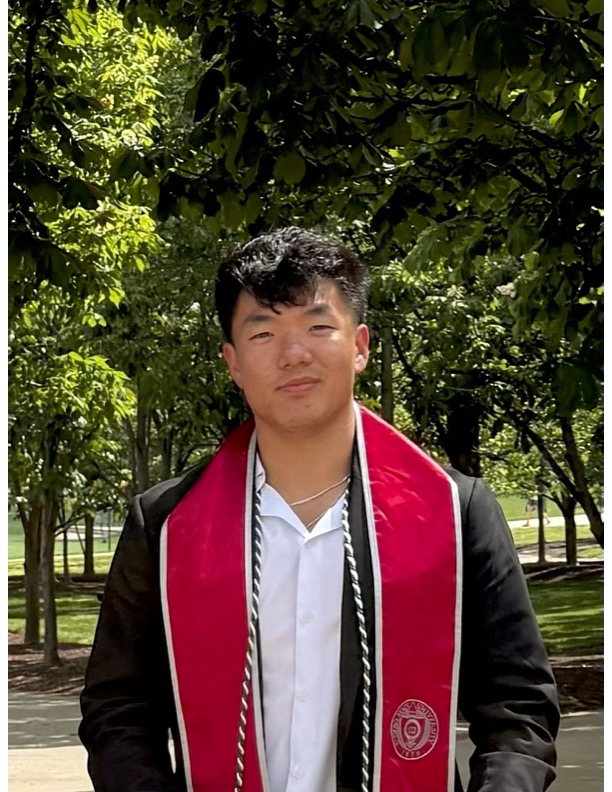
Research Mentor: Sam Yu, He/Him/His
Department, College, Affiliation: Human Development and Family Science, Education, Health, and Human Sciences
Contact Email: shy25@fsu.edu
Research Assistant Supervisor (if different from mentor): Dr. Lenore McWey (Co-Advisor) She/Her/Hers
Research Assistant Supervisor Email: lmcwey@fsu.edu
Faculty Collaborators:
Faculty Collaborators Email:
Department, College, Affiliation: Human Development and Family Science, Education, Health, and Human Sciences
Contact Email: shy25@fsu.edu
Research Assistant Supervisor (if different from mentor): Dr. Lenore McWey (Co-Advisor) She/Her/Hers
Research Assistant Supervisor Email: lmcwey@fsu.edu
Faculty Collaborators:
Faculty Collaborators Email:
Looking for Research Assistants: Yes
Number of Research Assistants: 2
Relevant Majors: Open to all majors
Project Location: On FSU Main Campus
Research Assistant Transportation Required: No, the project is remote Remote or In-person: Partially Remote
Approximate Weekly Hours: 5-10, Flexible schedule (Combination of business and outside of business. TBD between student and research mentor.)
Roundtable Times and Zoom Link:
Number of Research Assistants: 2
Relevant Majors: Open to all majors
Project Location: On FSU Main Campus
Research Assistant Transportation Required: No, the project is remote Remote or In-person: Partially Remote
Approximate Weekly Hours: 5-10, Flexible schedule (Combination of business and outside of business. TBD between student and research mentor.)
Roundtable Times and Zoom Link:
- Day: Monday, August 31
Start Time: 12:00
End Time: 1:00
Zoom Link: https://fsu.zoom.us/rec/share/9x-Wk0OvdxrwivUY2KD7mdfwYm_LrKi3tB-Bl2Xp1bqPzcBeZ7KQ3RdyHbQMVOpT.QyEFJFDfgEWVOu-n - Day: Wednesday, September 2
Start Time: 2:00
End Time: 3:00
Zoom Link: https://fsu.zoom.us/j/9997165131 - Day: Friday, September 4
Start Time: 1:00
End Time: 1:30
Zoom Link: https://fsu.zoom.us/j/9997165131
Project Description
Emerging adulthood is a time of major change as young adults navigate new relationships, greater independence, and important life decisions. During this period, strong relationships and a sense of belonging can play an important role in supporting mental health and reducing feelings of loneliness and isolation.This project explores how romantic relationships, friendships, and other social connections can support emerging adults' well-being. It will also examine how research on healthy relationships and social connection can be translated into practical relationship education and public resources. The broader goal is to help emerging adults build meaningful relationships, strengthen their sense of belonging, and promote well-being before mental health concerns become more serious.
Research Tasks: Undergraduate research assistants will support multiple stages of the research and public scholarship process. Tasks may include:
- Conducting literature searches on relationships, sense of community, social connection, emerging adulthood, and mental health prevention.
- Reviewing and summarizing research on how romantic relationships and friendships may support well-being and reduce loneliness and isolation.
- Data analysis around what the current allocation of funding goes to for supporting young adults (i.e., on college campuses, etc.)
- Assisting with identifying key themes and patterns across studies.
- Evaluating how relationship and mental health research is communicated to the general public.
- Translating research findings into clear, accessible language for relationship education and public scholarship.
- Participating in regular research meetings to discuss findings, receive feedback, and develop research and professional skills.
- Contributing to potential research presentations, posters, reports, or other scholarly and public-facing products.
Skills that research assistant(s) may need: Required:
- Attention to detail and organization
- Reliability and ability to meet deadlines
- Ability to work collaboratively
- Willingness to learn
Recommended:
- Previous research or literature review experience
- Familiarity with APA
- Interest in relationship education, prevention, or public scholarship
Mentoring Philosophy
My mentoring philosophy centers on creating a supportive and collaborative environment where students feel comfortable learning, asking questions, and developing confidence in their abilities. I hope to meet students where they are, help them identify and unlock their own passions, and provide opportunities to connect research with their academic, professional, and personal interests.Teaching and mentorship have always been passions of mine, but I also view mentoring as a two-way learning process. Students bring new perspectives, questions, and ideas that can strengthen my own thinking and the quality of our work. I believe research is stronger through collaboration, as bringing together different perspectives can refine ideas and improve how findings are communicated and disseminated.
Ultimately, I hope students leave the experience with stronger research and communication skills, greater confidence in their interests, and an understanding of how research can extend beyond academia to educate and support communities.
Additional Information
I am particularly interested in public scholarship and translational research, bridging the gap between what we learn through research and how that knowledge is used in everyday life. I currently work with a public scholarship team that translates evidence-based relationship research into accessible resources for broader audiences.As a Marriage and Family Therapy PhD student, I hope to explore how research on relationships, belonging, and well-being can be translated into practical resources for both emerging adults and the therapists who work with them. This may include educational materials that therapists can use to support conversations with clients about relationships, social connection, and building supportive communities.
More broadly, I am interested in how relationship research can inform education, prevention programs, and community efforts that help young adults build meaningful relationships and feel more connected to the environments around them. Ultimately, I hope this work contributes to a larger conversation about how research can be used to better support emerging adults as they navigate relationships, mental health, and the transition into adulthood.