
UROP Project
Carbon Nanotube Z-Stitching of Hybrid Carbon-Carbon Composites for Enhanced Thermal Conductivity and Interlaminar Toughness
Z-stitching, Carbon-Carbon Materials, Thermal and Electrical Conductivity
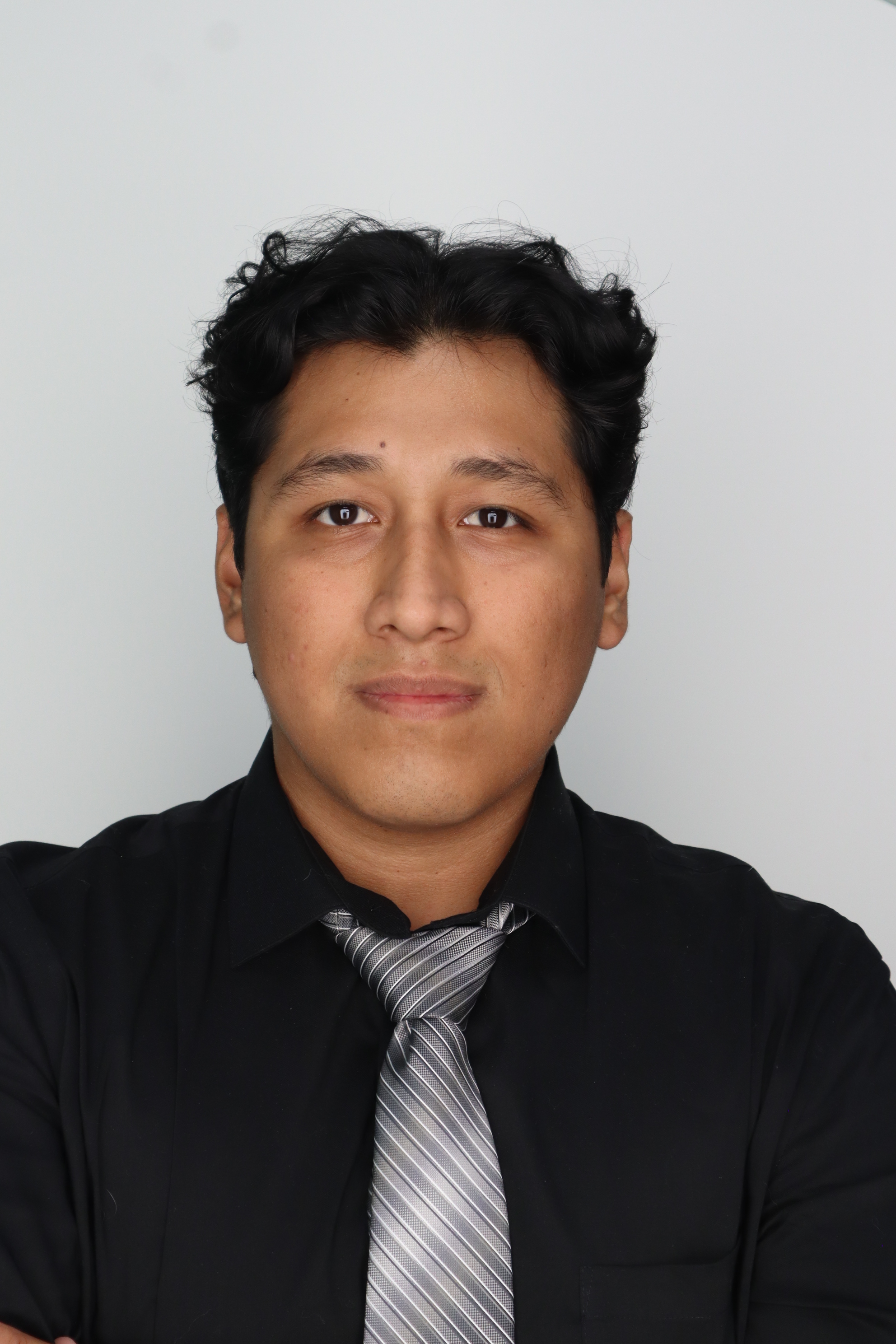
Research Mentor: Mr. Bryan Carpio, He/him
Department, College, Affiliation: High Performance Materials Institute, FAMU-FSU College of Engineering
Contact Email: bc21g@fsu.edu
Research Assistant Supervisor (if different from mentor):
Research Assistant Supervisor Email:
Faculty Collaborators:
Faculty Collaborators Email:
Department, College, Affiliation: High Performance Materials Institute, FAMU-FSU College of Engineering
Contact Email: bc21g@fsu.edu
Research Assistant Supervisor (if different from mentor):
Research Assistant Supervisor Email:
Faculty Collaborators:
Faculty Collaborators Email:
Looking for Research Assistants: Yes
Number of Research Assistants: 1
Relevant Majors: Mechanical Engineering, Materials Engineering, Industrial Engineering
Project Location: 2005 Levy Ave, Tallahassee, FL 32310
Research Assistant Transportation Required: The Innovation Route (The Seminole Express system) Remote or In-person: In-person
Approximate Weekly Hours: about 5-10 hours a week , During business hours
Roundtable Times and Zoom Link:
Not participating in the roundtable
Number of Research Assistants: 1
Relevant Majors: Mechanical Engineering, Materials Engineering, Industrial Engineering
Project Location: 2005 Levy Ave, Tallahassee, FL 32310
Research Assistant Transportation Required: The Innovation Route (The Seminole Express system) Remote or In-person: In-person
Approximate Weekly Hours: about 5-10 hours a week , During business hours
Roundtable Times and Zoom Link:
Not participating in the roundtable
Project Description
This research investigates the use of three-dimensional through-thickness stitching to improve the performance of carbon-based composite materials. The project focuses on integrating carbon nanotube (CNT) yarn through layered carbon-fiber preforms to create a 3D-reinforced composite structure. The primary goal is to determine how stitching configuration and density influence through-thickness thermal transport and the mechanical strength of the composite. The research includes composite fabrication, specimen preparation, materials characterization, thermal and mechanical testing, and analysis of experimental data.Research Tasks: Literature review; preparation and fabrication of carbon-fiber composite specimen; manual through-thickness stitching using CNT yarn; measurement and documentation of stitch patterns and densities; specimen preparation for thermal and mechanical characterization testing; collection and organization of experimental data; calculation and analysis of thermal and mechanical properties; microscopy; comparison of stitched and unstitched composite specimens; data visualization; and assistance with interpreting and presenting research findings.
Skills that research assistant(s) may need: Required: Reliability, attention to detail, willingness to learn, ability to follow laboratory safety procedures, and careful documentation of experimental work.
Recommended: familiarity with composite materials, materials science, mechanical engineering, or related fields; basic experience with data collection and analysis; proficiency with Excel or similar software; comfort working with small specimens and repetitive fabrication tasks
Mentoring Philosophy
My mentoring philosophy is centered on creating opportunities for students who are genuinely curious, motivated to learn, and excited about contributing to cutting-edge research in aerospace engineering. I was fortunate to have a mentor who recognized those same qualities in me early in my research experience and invested the time to teach me how to become an independent and capable researcher. That experience strongly influences the way I hope to mentor others.I believe mentorship should extend beyond teaching students how to perform laboratory procedures. While I want my mentees to develop practical skills in specimen preparation, materials characterization, laboratory equipment, data collection, and safe research practices, I also want them to understand why the work they are doing matters. I encourage students to ask questions, learn from mistakes, take increasing ownership of their work, and connect individual laboratory tasks to the larger research of our field.
One of the most valuable skills my own mentor taught me was how to communicate research effectively. For that reason, I place particular importance on helping students learn how to explain their methods, results, and significance to both technical and non-technical audiences. My goal is for students to leave the research experience not only with stronger technical skills, but also with greater confidence, independence, and the ability to communicate the value of their work to others.