
UROP Project
Online Dating Implications for Sexual Health and Personal Well-Being: Attachment Style and Hyperpersonal Effects in Online Dyadic Communication
online dating; attachment; sexual health; well-being; communication; risk behavior; mental health
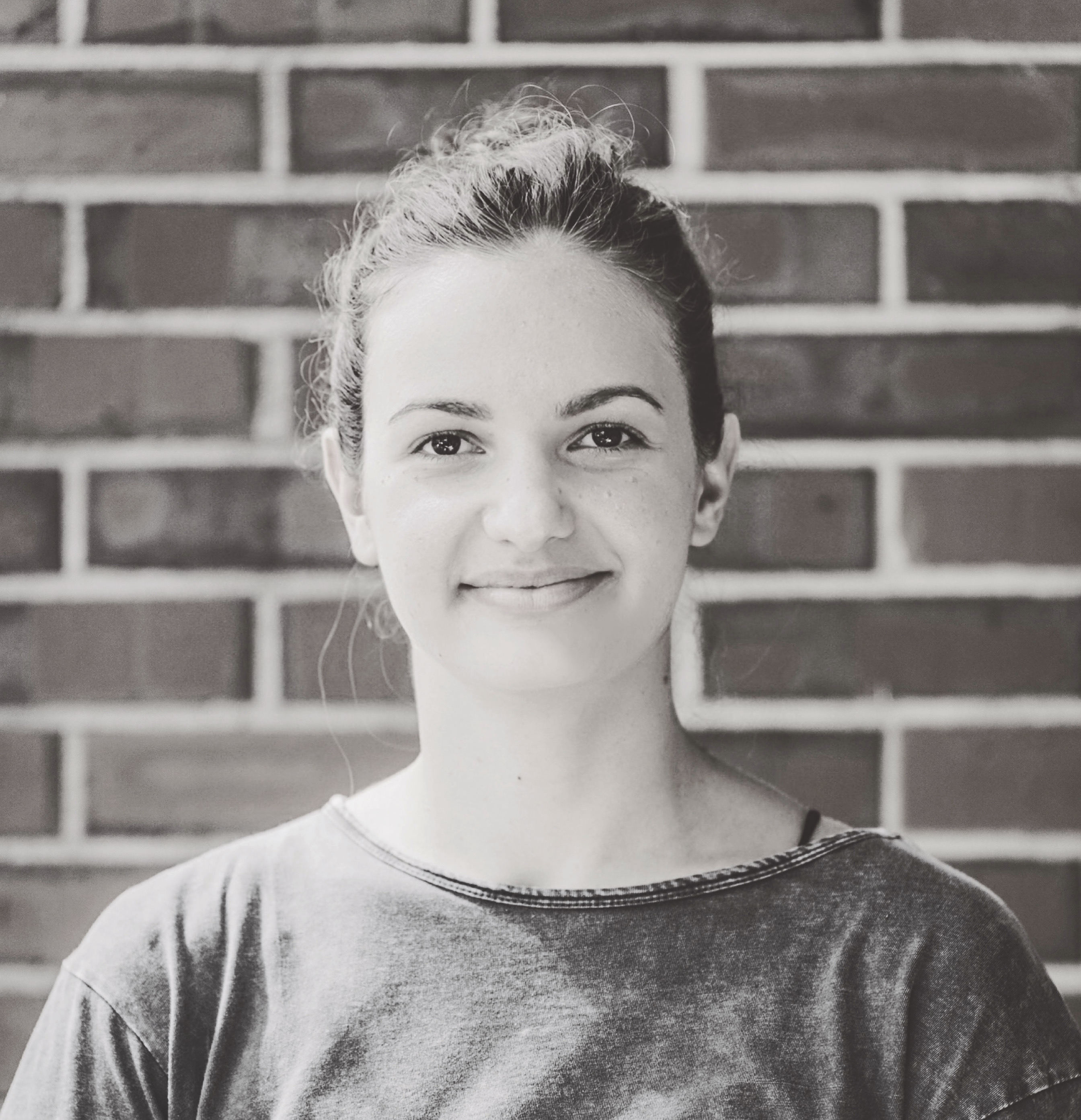
Research Mentor: Trayana Kaleycheva, She/her/hers
Department, College, Affiliation: School of Communication, Communication and Information
Contact Email: tkaleycheva@fsu.edu
Research Assistant Supervisor (if different from mentor):
Research Assistant Supervisor Email:
Faculty Collaborators:
Faculty Collaborators Email:
Department, College, Affiliation: School of Communication, Communication and Information
Contact Email: tkaleycheva@fsu.edu
Research Assistant Supervisor (if different from mentor):
Research Assistant Supervisor Email:
Faculty Collaborators:
Faculty Collaborators Email:
Looking for Research Assistants: Yes
Number of Research Assistants: 2
Relevant Majors: Communication, Media Studies, Psychology, Family Studies, Social Work, Sociology.
Project Location: On FSU Main Campus
Research Assistant Transportation Required: Remote or In-person: Partially Remote
Approximate Weekly Hours: 5, Flexible schedule (Combination of business and outside of business. TBD between student and research mentor.)
Roundtable Times and Zoom Link:
Not participating in the roundtable
Number of Research Assistants: 2
Relevant Majors: Communication, Media Studies, Psychology, Family Studies, Social Work, Sociology.
Project Location: On FSU Main Campus
Research Assistant Transportation Required: Remote or In-person: Partially Remote
Approximate Weekly Hours: 5, Flexible schedule (Combination of business and outside of business. TBD between student and research mentor.)
Roundtable Times and Zoom Link:
Not participating in the roundtable
Project Description
Online dating has become one of the most common ways U.S. adults meet romantic partners, yet accumulating evidence shows that people who use dating apps consistently report higher rates of depression, anxiety, emotional dysregulation, and loneliness, as well as rising rates of sexually transmitted infections than those who do not. These findings raise serious questions about what the implications of online dating platforms are for our mental and sexual health. This proposal will combine a large-scale survey with in-depth personal interviews to examine how two powerful psychological forces (the hyperpersonal effects of online communication that can make people feel artificially closer and more intimate than they really are, and the deep-seated attachment patterns people develop in childhood and then display in their adult relationships) shape the choices app users make about sex and love and the impact on their psychological well-being. This project will test whether people who struggle with attachment insecurities are the ones most harmed by dating app use, seeking to identify who is most at risk, to explain the hidden psychological mechanisms driving that risk, and to generate practical knowledge that can directly inform how these platforms are designed, how mental health services address the issue, and how public health campaigns promote safer, healthier relationships in the digital age.Research Tasks: Data analysis – I need up to two assistants to help me with the textual analysis of the interview data for my dissertation (qualitative work). They can also observe the data collection process and help with other analysis-related tasks.
Skills that research assistant(s) may need: Experience with textual analysis, preferably qualitative content analysis (required).
Experience with software/s for qualitative data analysis (recommended).
Experience/ strong interest in conducting interviews (recommended).
Mentoring Philosophy
My mentoring philosophy centers on building an environment of mutual growth, where I learn from my mentees as much as they learn from me. I take seriously the responsibility of listening: before I set direction for a project, I make space for mentees to articulate their own ideas, questions, and needs, and I treat those as legitimate inputs into how we proceed together.Critical thinking is the engine of everything we do. Rather than handing mentees answers or procedures to follow, I push them to interrogate assumptions, weigh evidence, and defend their reasoning, so that the research process itself becomes a training ground for independent judgment.
I want mentees to leave with two intertwined sets of gains. The first is technical: fluency in the specific research methods and tools our research work demands. The second, but equally important, is interpersonal: empathy, the ability to collaborate on a team, the confidence to lead when needed, the skill of giving and receiving constructive feedback, and clear communication. These qualities combine technical competence with effective, sustainable work with other people.
My end goal as a mentor is to inspire and facilitate each mentee’s own pursuit of knowledge and meaning, not only within their research and careers but across their broader lives as well. I see mentoring as successful when a mentee leaves not merely having produced good work, but having grown into someone who thinks more rigorously, relates more thoughtfully to colleagues, and carries a genuine curiosity forward into whatever they do next.