
UROP Project
Applying social behavior to improve management strategies for wild chacma baboons in Nature's Valley, South Africa
primate; behavior; conservation
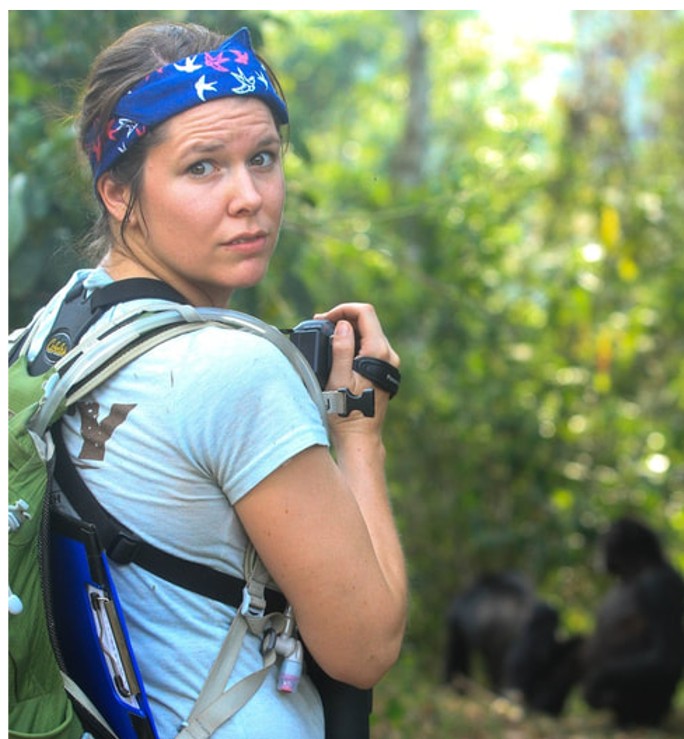
Research Mentor: Dr. or Prof. Dr. Kris Sabbi, she/her
Department, College, Affiliation: Anthropology, Arts and Sciences
Contact Email: ksabbi@fsu.edu
Research Assistant Supervisor (if different from mentor):
Research Assistant Supervisor Email:
Faculty Collaborators:
Faculty Collaborators Email:
Department, College, Affiliation: Anthropology, Arts and Sciences
Contact Email: ksabbi@fsu.edu
Research Assistant Supervisor (if different from mentor):
Research Assistant Supervisor Email:
Faculty Collaborators:
Faculty Collaborators Email:
Looking for Research Assistants: Yes
Number of Research Assistants: 4
Relevant Majors: Open to all majors; Especially interested in students who hope to gain experience in wild animal research in majors like biological science, anthropology, psychology and/or behavioral neurosciences.
Project Location: On FSU Main Campus
Research Assistant Transportation Required: Remote or In-person: Partially Remote
Approximate Weekly Hours: 5-10 hours per week, Flexible schedule (Combination of business and outside of business. TBD between student and research mentor.)
Roundtable Times and Zoom Link:
Number of Research Assistants: 4
Relevant Majors: Open to all majors; Especially interested in students who hope to gain experience in wild animal research in majors like biological science, anthropology, psychology and/or behavioral neurosciences.
Project Location: On FSU Main Campus
Research Assistant Transportation Required: Remote or In-person: Partially Remote
Approximate Weekly Hours: 5-10 hours per week, Flexible schedule (Combination of business and outside of business. TBD between student and research mentor.)
Roundtable Times and Zoom Link:
- Day: Wednesday, September 2
Start Time: 4:00
End Time: 4:30
Zoom Link: https://fsu.zoom.us/my/ksabbi - Day: Thursday, September 3
Start Time: 2:30
End Time: 3:00
Zoom Link: https://fsu.zoom.us/my/ksabbi
Project Description
Seeking undergraduate researchers to work on a project about wild chacma baboon behavior and how we can apply behavioral methods to improve wildlife management strategies in Nature's Valley, South Africa. The research project comprises a long-term observational study of wild chacma baboons that range in and around Tsitsikamma National Park, in South Africa, and surrounding residential and agricultural areas. The primary goal of the project is to leverage specific knowledge about baboon behavior including ranging, space-use, dietary profiles, and social interactions to shape locally-led efforts to manage baboon behavior and reduce human-wildlife conflict. Throughout our work, we aim to apply behavioral evidence to directly inform and improve conservation strategy, and, in turn, directly measure the effects and effectiveness of the plans that we implement. This work is done in collaboration with an international team of researchers and local conservationists on the ground, and at academic institutions in the states. To give students a sense of our research breadth, recent scientific output includes presentations on our recent experimental intervention of adjusting waste-management to test the effectiveness of new model of wildlife-proof wastebin and estimating the impacts of baboons as seed dispersers and destroyers for local forest restoration. We also have a special focus on diet and nutrition, with two projects documenting unique species of mushroom that are eaten by the baboons, and the balance of native versus non-native plant resources consumed by baboons. Our current focus is on developing projects that analyze our long-term data on social behavior and health, especially regarding two very unique demographic and social events that have occurred in the last three years.Available roles in the project include data entry, management, and analysis (based on skill level) with opportunities for independent work that could lead to, e.g. presenting findings during a conference, developing a senior thesis, or preparing for field experiences in primatology/animal behavior. While initial research will be limited to working with existing data collected by our field team, it is possible for students to work toward a project in the field in subsequent years/summers.
Research Tasks: Primary needs include data entry, management, and preliminary analysis (depending on existing skillset).
While reviewing the literature is less of a focus at the moment, student researchers may also be asked to help support literature review and analysis on a project-by-project basis.
Skills that research assistant(s) may need: This project is open to students with little to no prior experience in research or animal behavior - so long as students do have a vested interest in the topics of behavior and applied conservation, and the motivation to learn!
Recommended skills include spreadsheet (such as Excel and Google Sheets) and analytical software (ideally with R but other programs are also very useful). Previous coursework and/or experience in statistical analyses is also incredible useful.
Mentoring Philosophy
I see my role as a research mentor as creating opportunities and then coaching students toward the skills they need to achieve their own research goals - whether that's building a foundation for graduate school, gaining fieldwork experience, or simply learning what it feels like to ask and answer a real scientific question. As a first-generation college student myself, I know firsthand how valuable that first research opportunity can be, and how hard it can be to find. I'm committed to lowering barriers that keep students from fieldwork and research.My baboon research offers a rich training ground for that work both in the field and with my lab at FSU. From the outset, my work, in partnership with the community-led conservation group Nature's Valley Trust, has been student-centered and grounded in research- and inquiry-based learning. My approach starts with establishing clear expectations tailored to each student's background and goals, then shifts toward increasing independence as they build confidence. That means hands-on training in methods and analysis early on, regular one-on-one time to work through challenges together, and, as students gain footing, room to take ownership of a question that's genuinely theirs. Students can get involved at every stage and past students have used this project for senior theses and master's research. I also coach students through disseminating their work (e.g. preparing conference presentations or posters) since sharing results is where a project starts to feel like real science. I've mentored multiple award-winning undergraduate projects that went on to publication.