
UROP Project
Disability Inclusion in Classical Education: Teacher Perspectives
disability, education, classical, mixed methods
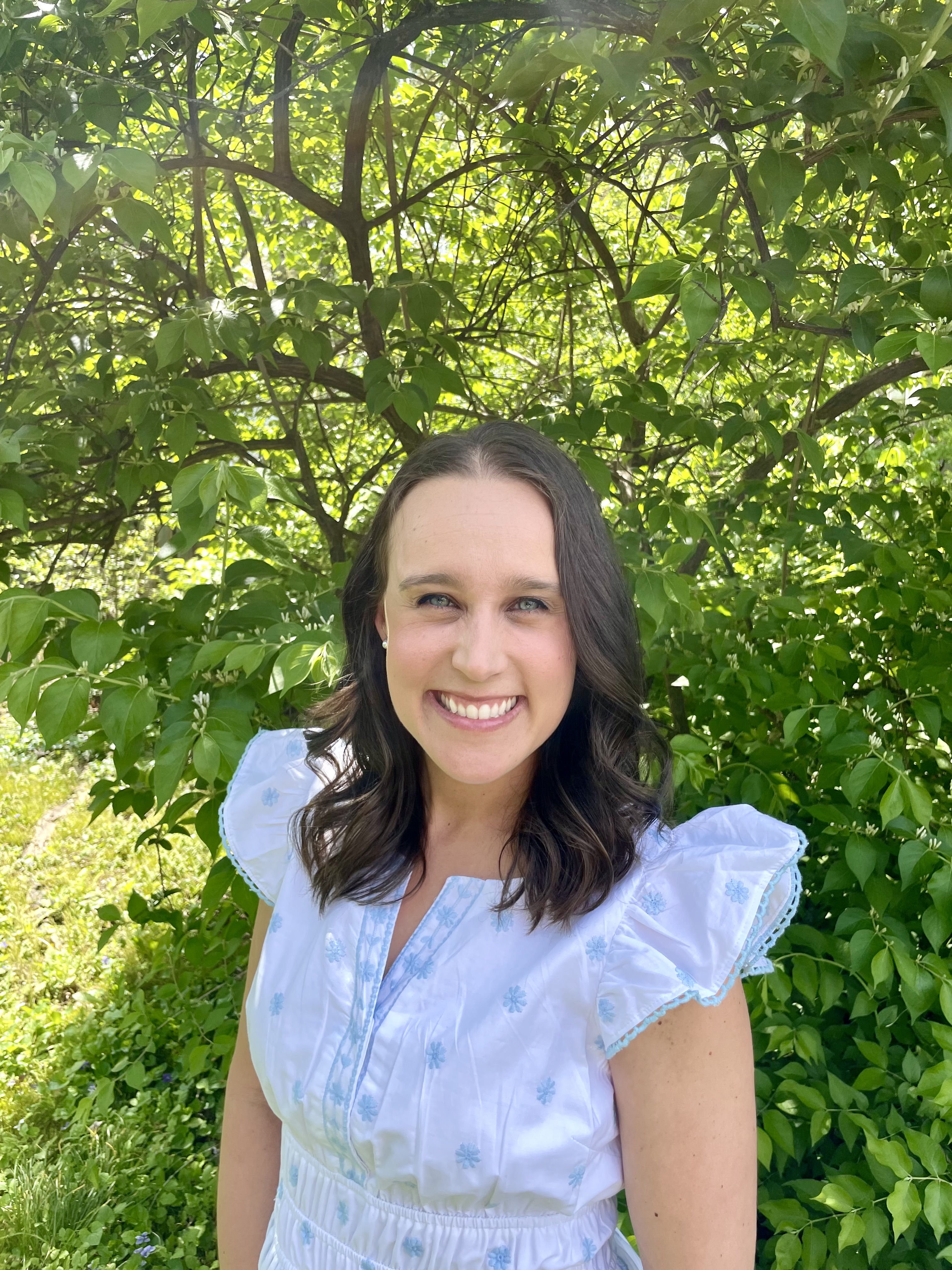
Research Mentor: Mrs. Timea Hyatt,
Department, College, Affiliation: Communication Science and Disorders, Communication and Information
Contact Email: thz13@fsu.edu
Research Assistant Supervisor (if different from mentor):
Research Assistant Supervisor Email:
Faculty Collaborators:
Faculty Collaborators Email:
Department, College, Affiliation: Communication Science and Disorders, Communication and Information
Contact Email: thz13@fsu.edu
Research Assistant Supervisor (if different from mentor):
Research Assistant Supervisor Email:
Faculty Collaborators:
Faculty Collaborators Email:
Looking for Research Assistants: Yes
Number of Research Assistants: 1
Relevant Majors: Communication Science and Disorders, Special Education, Elementary Education, Family and Child Sciences, Social Work, Psychology, Philosophy
Project Location: On FSU Main Campus
Research Assistant Transportation Required: No, the project is remote Remote or In-person: Partially Remote
Approximate Weekly Hours: 5, Flexible schedule (Combination of business and outside of business. TBD between student and research mentor.)
Roundtable Times and Zoom Link:
Number of Research Assistants: 1
Relevant Majors: Communication Science and Disorders, Special Education, Elementary Education, Family and Child Sciences, Social Work, Psychology, Philosophy
Project Location: On FSU Main Campus
Research Assistant Transportation Required: No, the project is remote Remote or In-person: Partially Remote
Approximate Weekly Hours: 5, Flexible schedule (Combination of business and outside of business. TBD between student and research mentor.)
Roundtable Times and Zoom Link:
- Day: Monday, August 31
Start Time: 12:00
End Time: 12:30
Zoom Link: https://fsu.zoom.us/rec/share/TyMpiHetF9Fp9Yy_qi2xnj33kMxkCm8MmLX1vY5DA4aVzvPhEWtzDykpFULG7uA.P2-gkB3aFUdDYcAK?startTime=1788192420000 - Day: Tuesday, September 1
Start Time: 12:00
End Time: 12:30
Zoom Link: https://fsu.zoom.us/rec/share/zs8YmCMNUQ_o2SDVtO92IbCFOqSEI-Ns7OaUIF3o5cTwZSd1UQqKX-xy9Tjd3siI.uJJ7ykxJ4XXbSSWY?startTime=1788278544000
Project Description
This study seeks to investigate teachers’ perspectives on developing and managing a disability inclusive classroom within a Classical education setting. This study is also designed to provide findings that will help inform Classical and general education programs on disability-inclusive practices within classrooms. Findings will also be used to inform program refinement to enhance future professional preparation.Research Tasks: Research tasks will vary but may look like this:
1.) Literature Review Projects:
Create an annotated bibliography on disability inclusion in private schools, faith-based schools, and Classical education.
Review literature connecting UDL and Classical education.
Summarize key arguments from disability theory, social model of disability, and critical disability studies.
Develop a matrix comparing how inclusion is conceptualized across educational philosophies.
Search for literature on "human flourishing" and disability.
2.) Recruitment and Sampling:
Build a database of Classical schools nationwide.
Identify Classical school associations and networks.
Create contact lists for recruitment.
Track recruitment responses and participation rates.
Identify underrepresented regions or school types in sample.
3.)Survey and Interview Support:
Pilot-test survey items.
Review interview questions for clarity and bias.
Develop demographic summaries of participants.
Organize interview scheduling and tracking.
Create interview summary sheets immediately after interviews.
4.) Qualitative Data Analysis:
Generate preliminary codes from transcripts.
Develop a codebook.
Compare inductive themes with UDL categories (engagement, representation, expression).
Identify disconfirming cases.
Create excerpts organized by theme.
5.) Assist with intercoder agreement procedures:
Definitions of inclusion
Perceptions of disability
Teacher preparation
Curriculum adaptation
Barriers to participation
Supports and accommodations
Classical philosophy references
Human flourishing
Truth, goodness, and beauty
Tensions between rigor and accessibility
Learner variability
UDL-aligned practices
Skills that research assistant(s) may need: 1.) Some basic literature review skills—recommended.
Search academic databases (ERIC, PsycINFO, Education Source, Google Scholar)
Identify peer-reviewed sources
Summarize articles accurately
Create annotated bibliographies
Organize references using Zotero, EndNote, or Mendeley
2.) Qualitative research skills—recommended.
Recommended skills include:
Reading interview transcripts carefully
Identifying patterns and themes
Basic coding of qualitative data
Maintaining reflexivity
Writing analytic memos
Recognizing both confirming and disconfirming evidence
3.) Organization and project management—required.
Spreadsheet management
Tracking participants and recruitment efforts
Maintaining research logs
Attention to detail
Following protocols consistently
Managing files securely
4.) Professional communication—required.
Professional email communication
Scheduling interviews
Following up politely with participants
Taking accurate notes during meetings
Communicating progress clearly
5.) Knowledge of disability and inclusion—recommended or an openness to learning about.
Special education
Disability studies
Inclusive practices
Universal Design for Learning
Educational accessibility
Interest in Educational Philosophy
Classical education
Human flourishing
Liberal arts traditions
Philosophy of education
Ethics
Mentoring Philosophy
My belief is that mentorship is a collaborative relationship that supports both professional growth and personal flourishing of the mentee, while the mentor also receives valuable assistance on a project. In an effective mentorship, skills that will be developed range from technical, to personal, to professional. I hope to help individuals clarify their values, identify their strengths, pursue excellence, and build academic and professional confidence. I also believe that mentorship contributes to career and life success at every stage and that no single mentor can meet all a mentee's needs. Therefore, I encourage mentees to develop diverse mentoring networks that provide complementary sources of guidance, support, and expertise.As a mentor, I strive to create a supportive and reflective environment characterized by trust, mutual respect, open communication, and shared responsibility. I seek to understand each mentee's unique interests, goals, and developmental needs, while helping them recognize their own strengths and values. Together, we establish clear expectations, set meaningful goals, and regularly reflect on progress.
My approach is also informed by my love for Classical education: a commitment to inclusion for all learners, a love for lifelong learning, and whole person human flourishing (not just academic). I view mentorship as an opportunity to empower others, give valuable experiences unique to higher education, cultivate deep thinking, and support the development of scholars, clinicians, and professionals who will contribute positively to their communities and fields of practice.