
UROP Project
Adapting Sexual and Reproductive Health Services During Humanitarian Crises: A Scoping Review of Health-System Response and Decision-Making
Humanitarian crises, Health system response, Sexual reproductive health
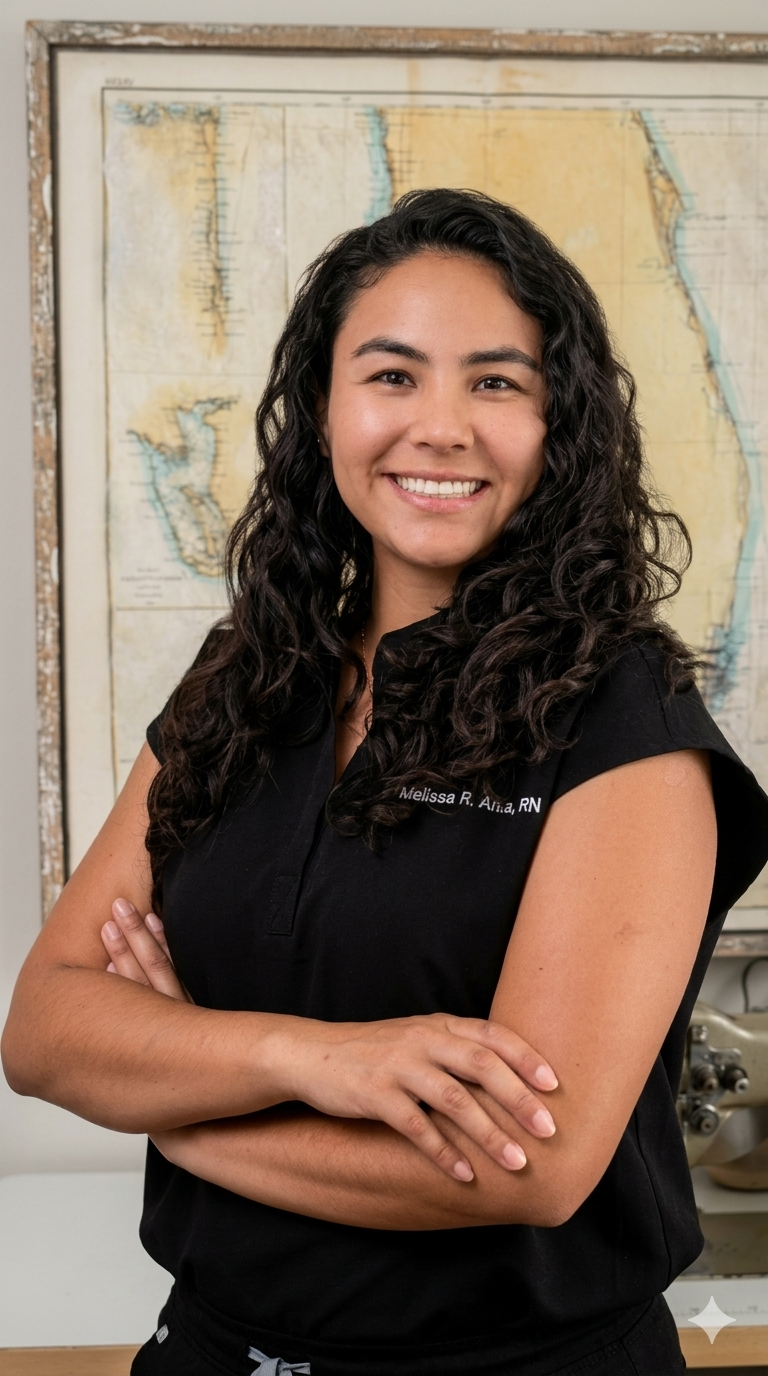
Research Mentor: Melissa Triana,
Department, College, Affiliation: Nursing , Nursing
Contact Email: mbt25a@fsu.edu
Research Assistant Supervisor (if different from mentor):
Research Assistant Supervisor Email:
Faculty Collaborators:
Faculty Collaborators Email:
Department, College, Affiliation: Nursing , Nursing
Contact Email: mbt25a@fsu.edu
Research Assistant Supervisor (if different from mentor):
Research Assistant Supervisor Email:
Faculty Collaborators:
Faculty Collaborators Email:
Looking for Research Assistants: Yes
Number of Research Assistants: 3
Relevant Majors: Public Health
Nursing
Health sciences
Project Location: On FSU Main Campus
Research Assistant Transportation Required: Remote or In-person: Fully Remote
Approximate Weekly Hours: 6, Flexible schedule (Combination of business and outside of business. TBD between student and research mentor.)
Roundtable Times and Zoom Link:
Number of Research Assistants: 3
Relevant Majors: Public Health
Nursing
Health sciences
Project Location: On FSU Main Campus
Research Assistant Transportation Required: Remote or In-person: Fully Remote
Approximate Weekly Hours: 6, Flexible schedule (Combination of business and outside of business. TBD between student and research mentor.)
Roundtable Times and Zoom Link:
- Day: Wednesday, September 2
Start Time: 4:00
End Time: 4:30
Zoom Link: https://us05web.zoom.us/j/89431127535?pwd=UTEqaqYamThw5aTP15fGBQlyuqXvBr.1
Project Description
Humanitarian crises—including armed conflict, forced displacement, pandemics, natural disasters, and climate-related emergencies—can severely disrupt health systems and increase sexual and reproductive health and rights (SRHR) needs. Disruptions to health facilities, workforce, supply chains, financing, referral systems, and community-based services may reduce access to contraception, maternal and newborn care, STI/HIV services, gender-based violence services, abortion and post-abortion care, and adolescent sexual and reproductive health services.Although a growing body of literature has examined SRH needs and interventions in humanitarian settings, less is understood about how health systems make decisions and adapt service delivery when confronted with these disruptions. Existing research has often focused on whether services were available or whether a particular intervention was effective rather than examining the processes through which health systems determine which services to maintain, modify, integrate, decentralize, or deprioritize.
This project proposes a scoping review to examine the evidence regarding health-system response, adaptation, and decision-making related to continuity of sexual and reproductive health services during humanitarian crises.
The project will specifically explore the relationship between humanitarian shocks, health-system disruption, decision-making, adaptation strategies, and continuity of SRH services.
Research Tasks: Literature Searching
Article screening
Data extraction
Evidence mapping
Skills that research assistant(s) may need: Familiarity with databases- required
Basic literature search skills-recommended
Ability to participate in research meetings-required
Mentoring Philosophy
Teaching and learning are interconnected for professional growth. I enjoy learning from others and sharing knowledge with students, as each interaction offers new perspectives, challenges ideas, and fosters growth. I especially value students' fresh viewpoints, questions, and approaches, which can spark innovation and reveal overlooked opportunities.I see mentoring as more than guiding students through a research project; it's creating a collaborative environment where students build confidence, curiosity, critical thinking, and understanding of research. I want students to find research active and meaningful, not just an academic task. This helps students see how research identifies problems, generates evidence, informs health practice, and improves outcomes.
Mentoring offers vital professional growth for me as a doctoral student. Working with undergraduates helps develop my leadership, communication, coaching, and teamwork skills, while keeping me engaged in research. I believe effective leadership requires ongoing learning from people at various academic and professional stages.
My motivation for mentoring is personal. During my master's program, I would have valued the chance to engage in research, presentations, and translating ideas into research. I want to give students the experience I wish I had at that stage. Early research exposure helps students find interests, build confidence, and consider future grad and health research opportunities.