
UROP Project
How to survive? Mapping out small to mid-sized non-profit arts organizations' resilience during 2023-2026 in Florida's Capital Area
Arts Administration; Nonprofit Organizations; Organizational Resilience; Arts Funding; Cultural Policy
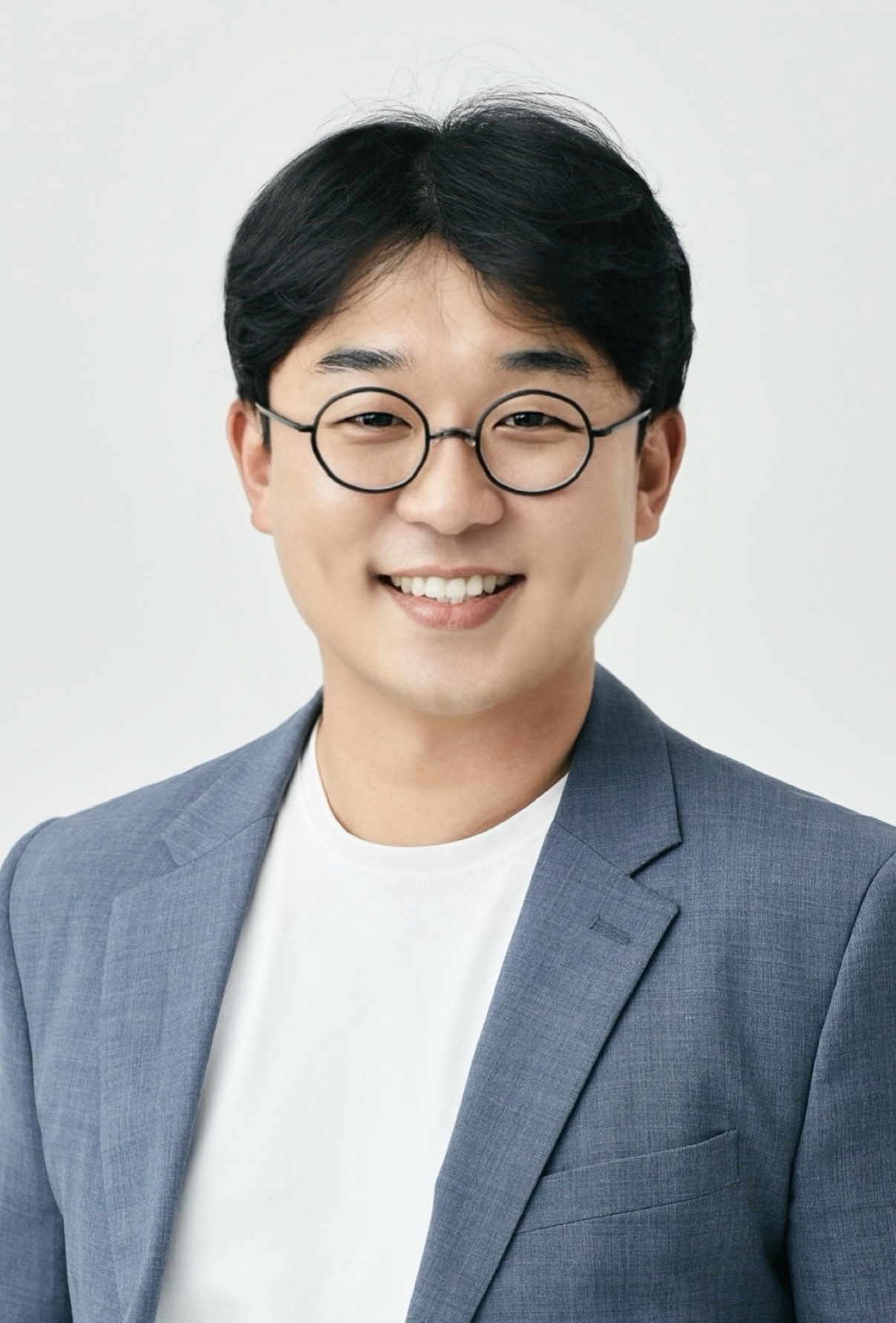
Research Mentor: Dae-Yong Kim, he/his/him
Department, College, Affiliation: Department of Arts Leadership, Education & Therapy, Fine Arts
Contact Email: dk22g@fsu.edu
Research Assistant Supervisor (if different from mentor): Yifeng Jiang he/his/him
Research Assistant Supervisor Email: yj21@fsu.edu
Faculty Collaborators:
Faculty Collaborators Email:
Department, College, Affiliation: Department of Arts Leadership, Education & Therapy, Fine Arts
Contact Email: dk22g@fsu.edu
Research Assistant Supervisor (if different from mentor): Yifeng Jiang he/his/him
Research Assistant Supervisor Email: yj21@fsu.edu
Faculty Collaborators:
Faculty Collaborators Email:
Looking for Research Assistants: Yes
Number of Research Assistants: 2
Relevant Majors: Open to all majors
Project Location: On FSU Main Campus
Research Assistant Transportation Required: Research assistants will not be required to provide their own transportation. Public transportation is available for many locations, and the mentors will coordinate transportation for necessary off-campus site visits. Remote or In-person: Partially Remote
Approximate Weekly Hours: 5-10, Flexible schedule (Combination of business and outside of business. TBD between student and research mentor.)
Roundtable Times and Zoom Link:
Number of Research Assistants: 2
Relevant Majors: Open to all majors
Project Location: On FSU Main Campus
Research Assistant Transportation Required: Research assistants will not be required to provide their own transportation. Public transportation is available for many locations, and the mentors will coordinate transportation for necessary off-campus site visits. Remote or In-person: Partially Remote
Approximate Weekly Hours: 5-10, Flexible schedule (Combination of business and outside of business. TBD between student and research mentor.)
Roundtable Times and Zoom Link:
- Day: Wednesday, September 2
Start Time: 1:00
End Time: 1:30
Zoom Link: https://fsu.zoom.us/j/99457214701 - Day: Thursday, September 3
Start Time: 1:00
End Time: 1:30
Zoom Link: https://fsu.zoom.us/j/96047966275 - Day: Thursday, September 3
Start Time: 5:00
End Time: 5:30
Zoom Link: https://fsu.zoom.us/j/94152668418 - Day: Friday, September 4
Start Time: 1:00
End Time: 1:30
Zoom Link: https://fsu.zoom.us/j/93659357782 - Day: Wednesday, September 2
Start Time: 2:00
End Time: 8:00
Zoom Link: https://fsu.zoom.us/rec/share/uyUKci0WqViP8nzq80B1oHz3phvYjrlP-FFQRNh1_mZT4G343TPX_MNhBp5IfDBW.uAK351LYkMrldRVM?startTime=1788287260000 - Day: Thursday, September 3
Start Time: 12:00
End Time: 8:00
Zoom Link: https://fsu.zoom.us/rec/share/uyUKci0WqViP8nzq80B1oHz3phvYjrlP-FFQRNh1_mZT4G343TPX_MNhBp5IfDBW.uAK351LYkMrldRVM?startTime=1788287260000 - Day: Friday, September 4
Start Time: 12:00
End Time: 8:00
Zoom Link: https://fsu.zoom.us/rec/share/uyUKci0WqViP8nzq80B1oHz3phvYjrlP-FFQRNh1_mZT4G343TPX_MNhBp5IfDBW.uAK351LYkMrldRVM?startTime=1788287260000
Project Description
This proposed UROP project examines how small and mid-size nonprofit arts organizations in Florida’s Capital Region have responded to a sequence of overlapping disruptions between 2023 and 2026. Rather than treating the post-COVID period and recent public-funding changes as separate events, the project considers how organizations adapt when one period of instability is followed by another.The study focuses on organizational resilience: the capacity of arts organizations to adjust their financial, operational, programmatic, and collaborative practices while attempting to sustain organizational viability and mission delivery.
The project is intentionally distinct from the primary mentors’ dissertation research. Its empirical setting is the local nonprofit arts ecosystem in Tallahassee and Leon County, and its central concern is organizational resilience and adaptation. The project is also designed to provide undergraduate research assistants with hand-on experience in document collection, data organization, qualitative coding, comparative analysis, and research communication.
Research Tasks: Research assistants will participate in multiple stages of the research process, including:
- Conducting a literature review on organizational resilience, nonprofit arts organizations, and public arts funding.
- Identifying, collecting, and organizing publicly available documents and data.
- Reviewing annual reports, IRS Form 990 information, grant records, strategic plans, organizational websites, policy documents, and media coverage.
- Building and maintaining a longitudinal research database covering 2023–2026.
- Extracting information related to organizational funding, staffing, programming, and operational changes.
- Learning and applying qualitative coding methods to identify organizational resilience strategies.
- Comparing findings across selected nonprofit arts organizations.
- Developing tables, timelines, charts, and other research visualizations.
- Participating in research-team meetings and discussing emerging findings.
- Contributing to the development of the final UROP Symposium poster and research presentation.
- Participating in occasional visits to local arts organizations when appropriate.
Skills that research assistant(s) may need: No prior research experience is required.
Research assistants should have an interest in learning about nonprofit organizations, arts and culture, public funding, or organizational research. Strong attention to detail, reliability, and willingness to work collaboratively are important. Students should be comfortable reading and summarizing written materials and organizing information systematically. Basic familiarity with Microsoft Excel or Google Sheets is helpful but not required. Research assistants will be trained in document collection, database development, qualitative coding, comparative analysis, and research presentation. Students from all majors are welcome, particularly those interested in arts administration, nonprofit management, business, public policy, social sciences, humanities, or related fields.
Mentoring Philosophy
Our mentoring philosophy is based on progressive learning, mutual respect, and student ownership of the research process. We view undergraduate research as an opportunity for students to learn not only specific research skills but also how researchers develop questions, evaluate evidence, interpret findings, and communicate their work.Our mentoring approach follows four stages: demonstration, guided practice, collaborative analysis, and independent contribution. At the beginning of the project, we will introduce students to the research questions, methods, and ethical responsibilities and demonstrate tasks such as document collection, data organization, and qualitative coding. Students will then practice these skills with regular feedback before taking greater responsibility for particular organizations or parts of the dataset.
We will meet regularly with research assistants to discuss progress, questions, challenges, and professional or academic goals. We encourage students to ask questions, test ideas, and learn from mistakes in a supportive environment. As their skills develop, students will have increasing ownership of their work while remaining accountable to the research team.
Our goal is for each student to understand how their individual contribution connects to the larger research project and to develop the confidence to interpret findings and communicate them through the UROP Symposium presentation.