
UROP Project
Dyadic Situationship Experiences
Situationships, Qualitative Research, Interviewing, Recruitment
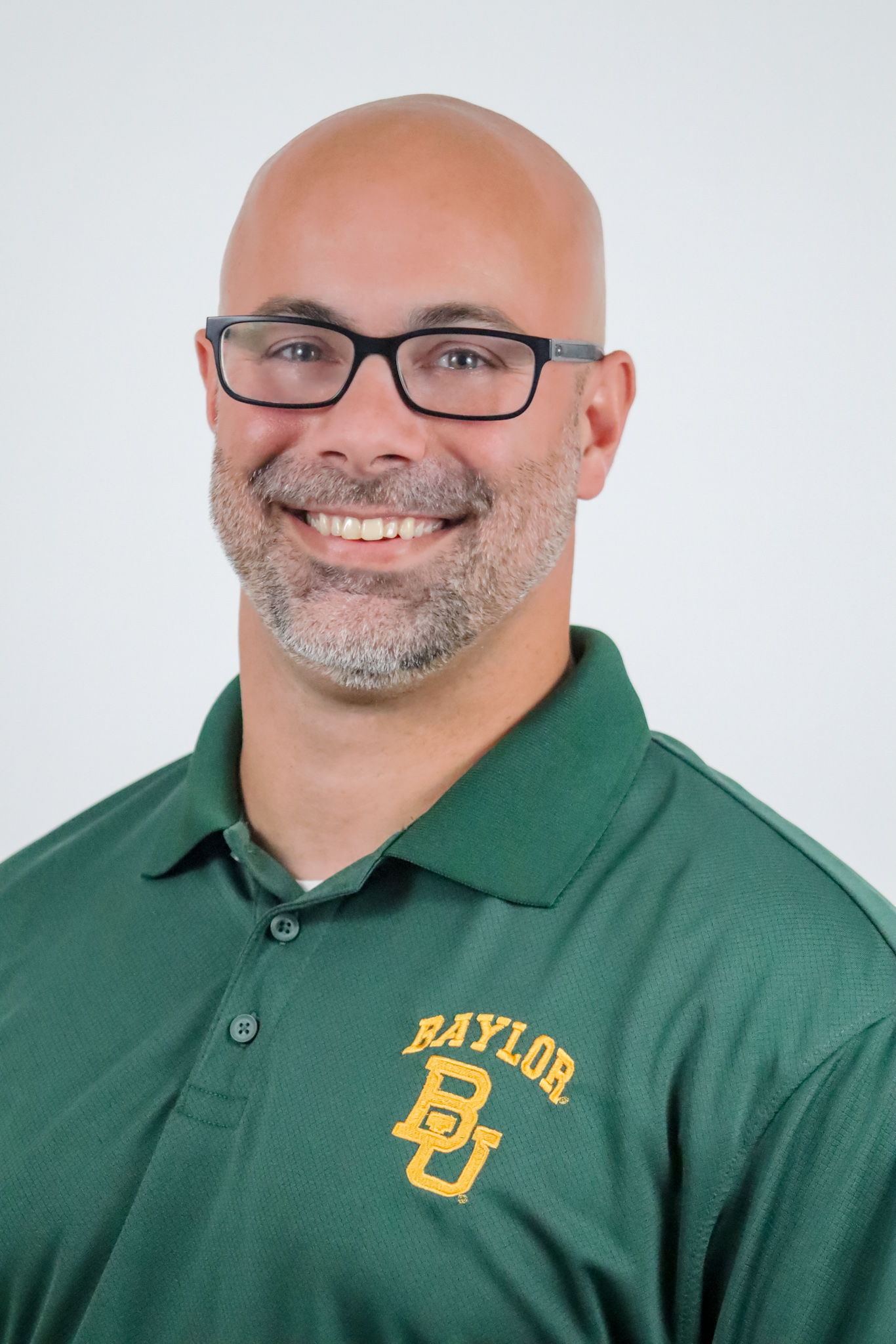
Research Mentor: Dr. Langlais Dr. Mickey Langlais,
Department, College, Affiliation: Baylor University, N/A
Contact Email: mickey_langlais@baylor.edu
Research Assistant Supervisor (if different from mentor):
Research Assistant Supervisor Email:
Faculty Collaborators:
Faculty Collaborators Email:
Department, College, Affiliation: Baylor University, N/A
Contact Email: mickey_langlais@baylor.edu
Research Assistant Supervisor (if different from mentor):
Research Assistant Supervisor Email:
Faculty Collaborators:
Faculty Collaborators Email:
Looking for Research Assistants: Yes
Number of Research Assistants: 2
Relevant Majors: Human Development and Family Science, Psychology
Project Location: Virtual
Research Assistant Transportation Required: No, the project is remote Remote or In-person: Fully Remote
Approximate Weekly Hours: 5-10, Flexible schedule (Combination of business and outside of business. TBD between student and research mentor.)
Roundtable Times and Zoom Link:
Not participating in the roundtable
Number of Research Assistants: 2
Relevant Majors: Human Development and Family Science, Psychology
Project Location: Virtual
Research Assistant Transportation Required: No, the project is remote Remote or In-person: Fully Remote
Approximate Weekly Hours: 5-10, Flexible schedule (Combination of business and outside of business. TBD between student and research mentor.)
Roundtable Times and Zoom Link:
Not participating in the roundtable
Project Description
The goal of this study is to understand the dyadic nature of situationships. We will interview individuals and couples in situationships to learn more about how these relationships form, and how and why they are maintained.Research Tasks: Recruiting participants, interviewing participants, and analyzing data.
Skills that research assistant(s) may need: Recommended: Communication skills, recruitment skills a plus