
UROP Project
Integrating behavior, genetics, and neurobiology to understand speciation in natural populations of chorus frogs
speciation, genomics, behavior, evolution, neurobiology, computational biology
Research Mentor: Dr. Emily Lemmon; Alan Lemmon,
Department, College, Affiliation: Biological Science, Arts and Sciences
Contact Email: chorusfrog@bio.fsu.edu
Research Assistant Supervisor (if different from mentor):
Research Assistant Supervisor Email:
Faculty Collaborators: Dr. Alan Lemmon
Faculty Collaborators Email: alemmon@fsu.edu
Department, College, Affiliation: Biological Science, Arts and Sciences
Contact Email: chorusfrog@bio.fsu.edu
Research Assistant Supervisor (if different from mentor):
Research Assistant Supervisor Email:
Faculty Collaborators: Dr. Alan Lemmon
Faculty Collaborators Email: alemmon@fsu.edu
Looking for Research Assistants: Yes
Number of Research Assistants: 4
Relevant Majors: Open to all relevant majors.
Project Location: On FSU Main Campus
Research Assistant Transportation Required: Remote or In-person: In-person
Approximate Weekly Hours: 5-10, Flexible schedule (Combination of business and outside of business. TBD between student and research mentor.)
Roundtable Times and Zoom Link:
Number of Research Assistants: 4
Relevant Majors: Open to all relevant majors.
Project Location: On FSU Main Campus
Research Assistant Transportation Required: Remote or In-person: In-person
Approximate Weekly Hours: 5-10, Flexible schedule (Combination of business and outside of business. TBD between student and research mentor.)
Roundtable Times and Zoom Link:
- Day: Tuesday, September 1
Start Time: 1:00
End Time: 1:30
Zoom Link: https://fsu.zoom.us/j/92940850329 - Day: Tuesday, September 1
Start Time: 4:30
End Time: 5:00
Zoom Link: https://fsu.zoom.us/j/97382400034
Project Description
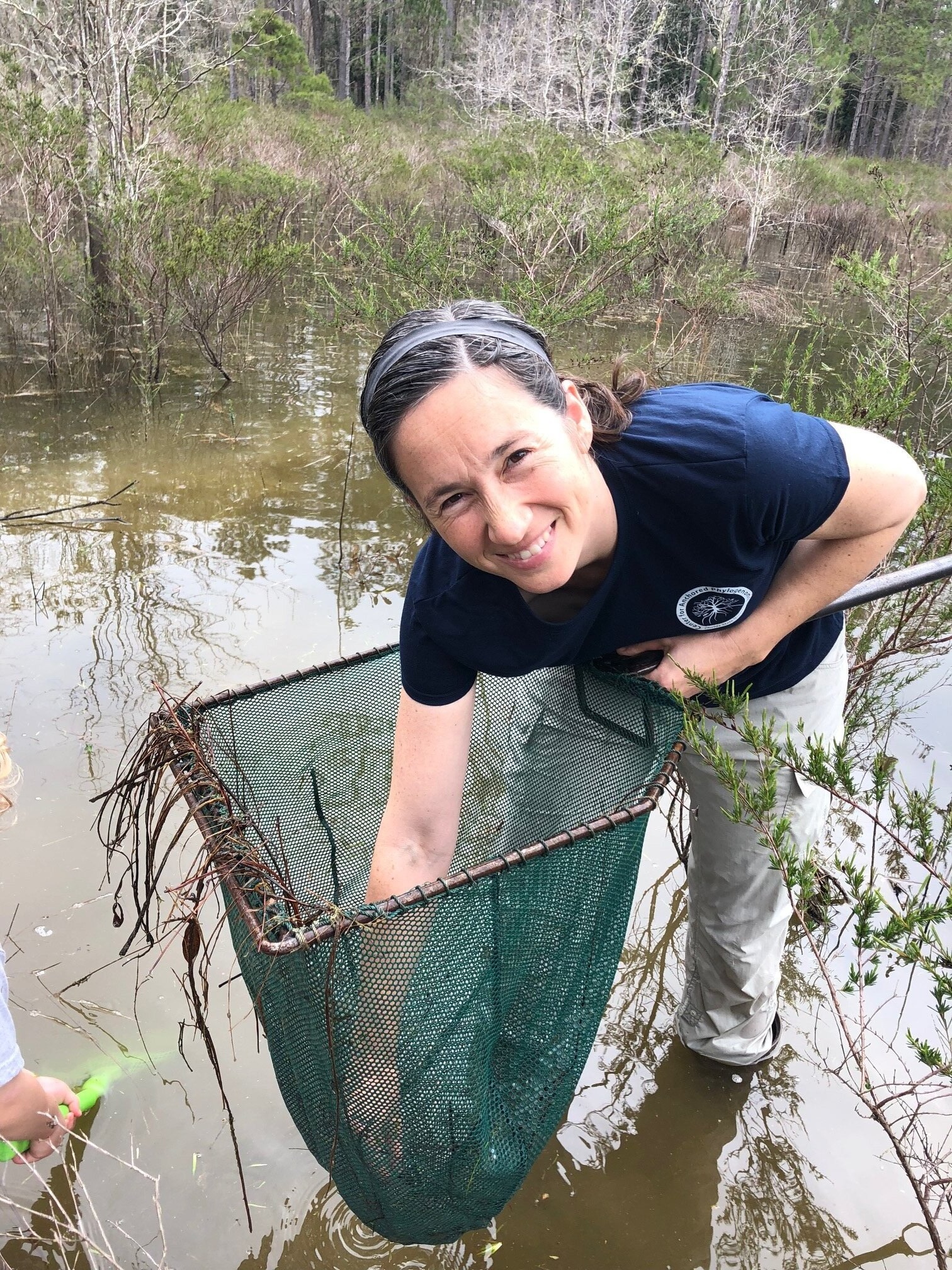
Students will join an integrative research team investigating the genetic and neural basis of mating behaviors that drive speciation in frogs. For nearly 20 years, our lab has studied the chorus frog system to understand how reproductive behaviors—male acoustic signals and female preferences for those signals—diverge as new species form. We are now beginning to uncover the neural and genetic mechanisms that underlie these evolutionary changes.Possible UROP projects include:
• Genotyping specimens in the molecular lab
• Videorecording frogs during behavioral tests
• Scoring behavior in videos to generate AI training datasets
• Developing and testing new designs for high-throughput behavioral testing arenas
Students may also participate in spring fieldwork with wild frog populations, record calling males in acoustic chambers, test female preference behaviors in the lab, cryosection brains for immunohistochemistry, attend a molecular workshop offered by our lab, and assist with statistical analyses to identify genetic markers associated with call variation. Interested students can further engage in our ongoing science outreach to local elementary and middle school students.
During the UROP project, students will be co-advised by Dr. Emily Lemmon (Dept. Biological Science) and Dr. Alan Lemmon (Dept. Scientific Computing).
Research Tasks: Examples of tasks: experiment design, data collection, data analysis, literature review, fieldwork, labwork.
Skills that research assistant(s) may need: Required: Interest and enthusiasm for scientific research; motivation to work hard and persevere through challenges; a positive attitude; determination to learn; and the ability to work both independently and as part of a team.
Recommended (but not required): Experience in statistics and/or fieldwork.
Mentoring Philosophy
My approach to mentoring is to welcome into our laboratory anyone with a passion for science, a willingness to work hard, and the ability to persevere. Over 18 years as faculty members in Biological Science and Scientific Computing at FSU, we have mentored more than 100+ undergraduates from very different backgrounds. Most have gone on to graduate, medical, or veterinary programs and to careers in academia, industry, and medicine.When new undergraduate researchers join the lab, we meet with them individually to learn about their backgrounds, experiences, aspirations, and career goals. Together we develop multi-year plans with semester-by-semester goals that help them become strong candidates for their chosen paths. Students are immediately engaged in our many ongoing projects spanning fieldwork, behavioral experiments, genetics lab work, computational bioinformatics, and neuroscience. Our goal is to give undergraduates direct experience across multiple branches of biology so they can better identify the scientific directions they wish to pursue.