
UROP Project
Developmental plasticity of Cholinergic Release
neuromodulation, imaging, rodent models, systems neuroscience
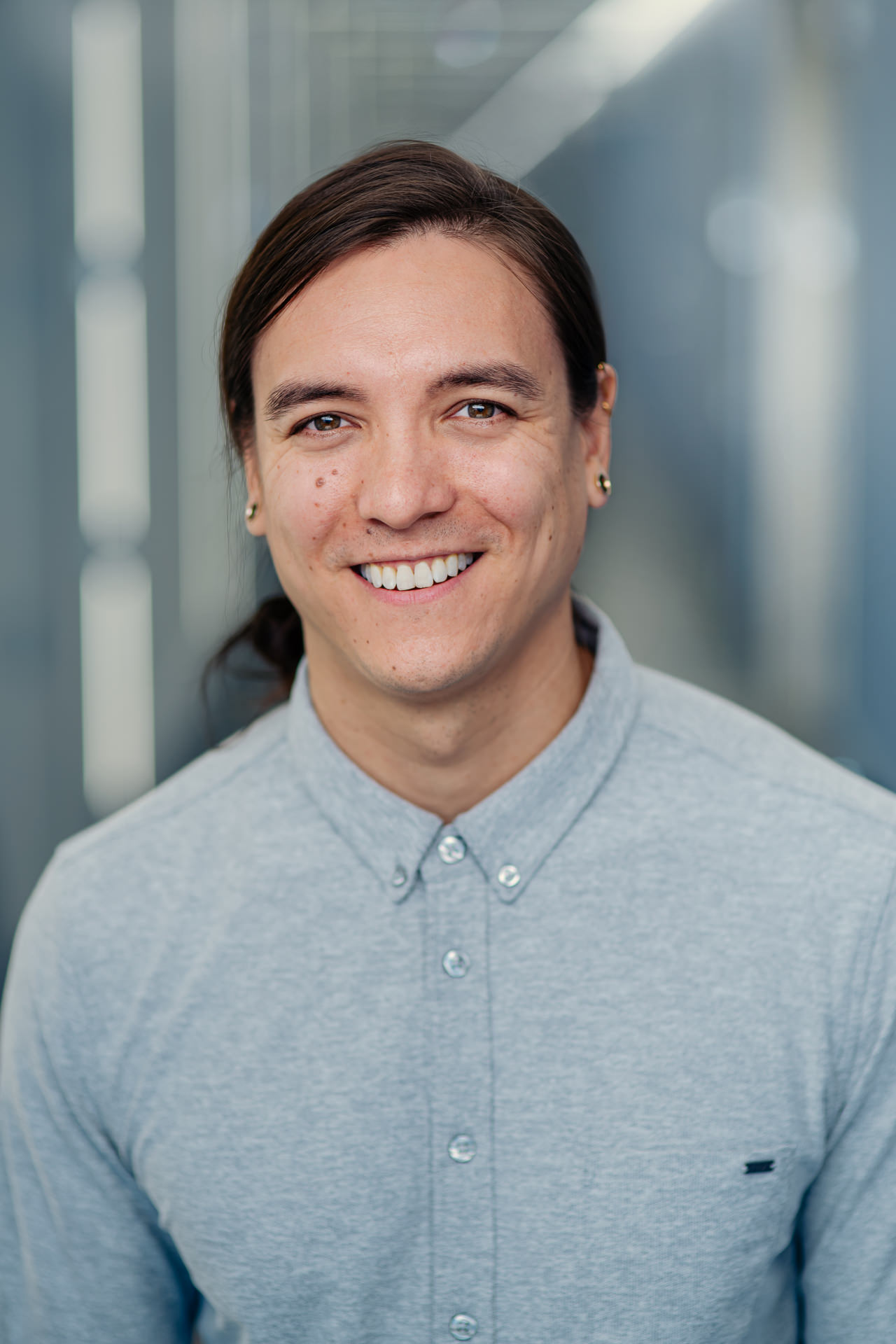
Research Mentor: Andrew Moberly,
Department, College, Affiliation: Psychology, Arts and Sciences
Contact Email: amoberly@fsu.edu
Research Assistant Supervisor (if different from mentor):
Research Assistant Supervisor Email:
Faculty Collaborators:
Faculty Collaborators Email:
Department, College, Affiliation: Psychology, Arts and Sciences
Contact Email: amoberly@fsu.edu
Research Assistant Supervisor (if different from mentor):
Research Assistant Supervisor Email:
Faculty Collaborators:
Faculty Collaborators Email:
Looking for Research Assistants: Yes
Number of Research Assistants: 2
Relevant Majors: Open to all majors
Project Location: On FSU Main Campus
Research Assistant Transportation Required: Remote or In-person: In-person
Approximate Weekly Hours: 9, Flexible schedule (Combination of business and outside of business. TBD between student and research mentor.)
Roundtable Times and Zoom Link:
Not participating in the roundtable
Number of Research Assistants: 2
Relevant Majors: Open to all majors
Project Location: On FSU Main Campus
Research Assistant Transportation Required: Remote or In-person: In-person
Approximate Weekly Hours: 9, Flexible schedule (Combination of business and outside of business. TBD between student and research mentor.)
Roundtable Times and Zoom Link:
Not participating in the roundtable
Project Description
The overall goal of this project is to determine how patterns of cholinergic release across the mouse neocortex change across development. Acetylcholine (ACh) is a key neurotransmitter that modulates neuronal activity in response to behavioral states and learning. Recent work in our lab has demonstrated that ACh release patterns are heterogeneous across the cortex and closely linked to distinct behavioral states in adult animals. However, it remains unclear whether these cholinergic release patterns and their associations with behavioral states change as animals mature. To address this gap in knowledge, we will image ACh activity in adolescent mice using a fluorescent sensor, enabling us to longitudinally track ACh activity patterns across the neocortex throughout development.Research Tasks: Animal handling, microscopy, in vivo imaging, data collection, quantitative data analysis
Skills that research assistant(s) may need: Required: Willingness to work with mice. Recommended: Experience with MATLAB or other programming languages for data analysis.