
UROP Project
Breathing training, blood pressure, and blood vessel health in adults with type 1 diabetes
exercise, physiology, cardiovascular, clinical trial, diabetes
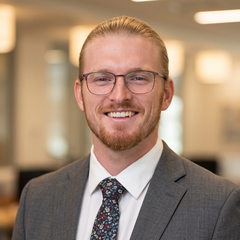
Research Mentor: Jonathan W. Hoch,
Department, College, Affiliation: Florida State University, Education, Health, and Human Sciences
Contact Email: jwh18b@fsu.edu
Research Assistant Supervisor (if different from mentor):
Research Assistant Supervisor Email:
Faculty Collaborators:
Faculty Collaborators Email:
Department, College, Affiliation: Florida State University, Education, Health, and Human Sciences
Contact Email: jwh18b@fsu.edu
Research Assistant Supervisor (if different from mentor):
Research Assistant Supervisor Email:
Faculty Collaborators:
Faculty Collaborators Email:
Looking for Research Assistants: Yes
Number of Research Assistants: 2
Relevant Majors: Open to all majors. Students in health science, exercise physiology, biology, or other pre-health tracks are a natural fit, and so are students in computer science, data science, or statistics who want to work with real physiological data. No prior research experience is required.
Project Location: On FSU Main Campus
Research Assistant Transportation Required: Remote or In-person: Partially Remote
Approximate Weekly Hours: Up to 10 hours per week, Flexible schedule (Combination of business and outside of business. TBD between student and research mentor.)
Roundtable Times and Zoom Link:
Number of Research Assistants: 2
Relevant Majors: Open to all majors. Students in health science, exercise physiology, biology, or other pre-health tracks are a natural fit, and so are students in computer science, data science, or statistics who want to work with real physiological data. No prior research experience is required.
Project Location: On FSU Main Campus
Research Assistant Transportation Required: Remote or In-person: Partially Remote
Approximate Weekly Hours: Up to 10 hours per week, Flexible schedule (Combination of business and outside of business. TBD between student and research mentor.)
Roundtable Times and Zoom Link:
- Day: Monday, August 31
Start Time: 12:00
End Time: 1:30
Zoom Link: https://fsu.zoom.us/j/94666011259 - Day: Tuesday, September 1
Start Time: 12:00
End Time: 1:30
Zoom Link: https://fsu.zoom.us/j/95763779431
Project Description
Overall research question: Adults with type 1 diabetes often develop high blood pressure and reduced blood vessel function earlier in life than adults without diabetes, and these changes contribute to their risk of heart disease and stroke. Inspiratory muscle strength training is a breathing exercise performed against resistance for a few minutes each day at home. Previous work in other populations has shown that it can lower blood pressure, but its effects have not been studied in adults with type 1 diabetes. Therefore, the purpose of this study is to determine the effect of eight weeks of inspiratory muscle strength training on blood pressure and blood vessel function in adults with type 1 diabetes. Participants will complete daily training at home for eight weeks and will complete laboratory visits before and after the training period. The study also examines whether participants keep up with the training over time, and what makes that easier or harder. This project is part of my dissertation and is conducted in the Cardiovascular and Applied Physiology Laboratory.A research assistant may contribute in several areas depending on their interests, including helping with participant visits and laboratory measurements, organizing and analyzing study data, or working with the survey and interview data related to training adherence. Students interested in how computational and AI tools are being used in research may find opportunities in those areas as well. We will decide together where to start.
The research assistant will present a poster at the FSU Undergraduate Research Symposium in the spring. Undergraduate students in our laboratory have previously presented at the Florida Undergraduate Research Conference and at Posters at the Capitol.
Research Tasks: Tasks will be related to conducting human-subjects research and will not be limited to one area. Depending on interest and experience, tasks may include:
• Welcoming participants to the laboratory and helping them prepare for a study visit.
• Helping schedule visits and maintain accurate data collection forms.
• Helping prepare equipment and assisting with laboratory measurements.
• Organizing, checking, entering, and analyzing study data.
• Reading and summarizing published research on a focused question.
• Helping prepare figures, tables, and presentation materials.
• Contributing to a poster for the FSU Undergraduate Research Symposium.
Students can expect hands-on involvement and may take on new tasks as they gain confidence and experience in the laboratory. Students may also be asked to help with other ongoing human-subjects studies in our laboratory; tasks for those projects will be similar, and involvement will depend on the student's availability and interest. Required trainings (human subjects and laboratory safety) are completed after joining, and we walk students through them.
Skills that research assistant(s) may need: Required
• Effective communication and bedside manner — students will interact with human participants on a regular basis, so it is expected that students are able to communicate well and help participants feel welcomed in a professional laboratory environment.
• Organization
• Reliable communication about scheduling
Recommended
• Experience with the Microsoft Office suite (Word, Excel, PowerPoint)
• Coursework in physiology, anatomy, biology, or chemistry
• Any experience with programming or statistics (Python, R) for students interested in the data analysis side of the project. Not required.
Mentoring Philosophy
My goal as a mentor is to help students reach their academic and professional goals through hands-on research experience. During our time together, I want students to learn how research with human participants works, and to build skills that will be useful to them regardless of the field they end up in. To do this, I try to create an environment where students are given real responsibility and where mistakes are treated as a normal part of learning rather than something to hide.I start students with clearly defined tasks and clear expectations, and add responsibility as they become more comfortable. I meet with students weekly and make myself available between meetings when questions come up. I would much rather a student ask me something early than spend two weeks stuck on it. When a student is interested in a particular direction, whether that is clinical measurement, data analysis, or something else, I will do my best to shape their work around it.
In turn, I ask students to be organized, to communicate honestly, and to take initiative when they see a way to help. I also want students to know that classes, health, and life outside the laboratory come first, and that telling me when those need attention is always the right call.