
UROP Project
Assessing Intercultural Competence Development in the Global Citizenship Certificate (GCC)
global citizenship, intercultural competence, program assessment, study abroad
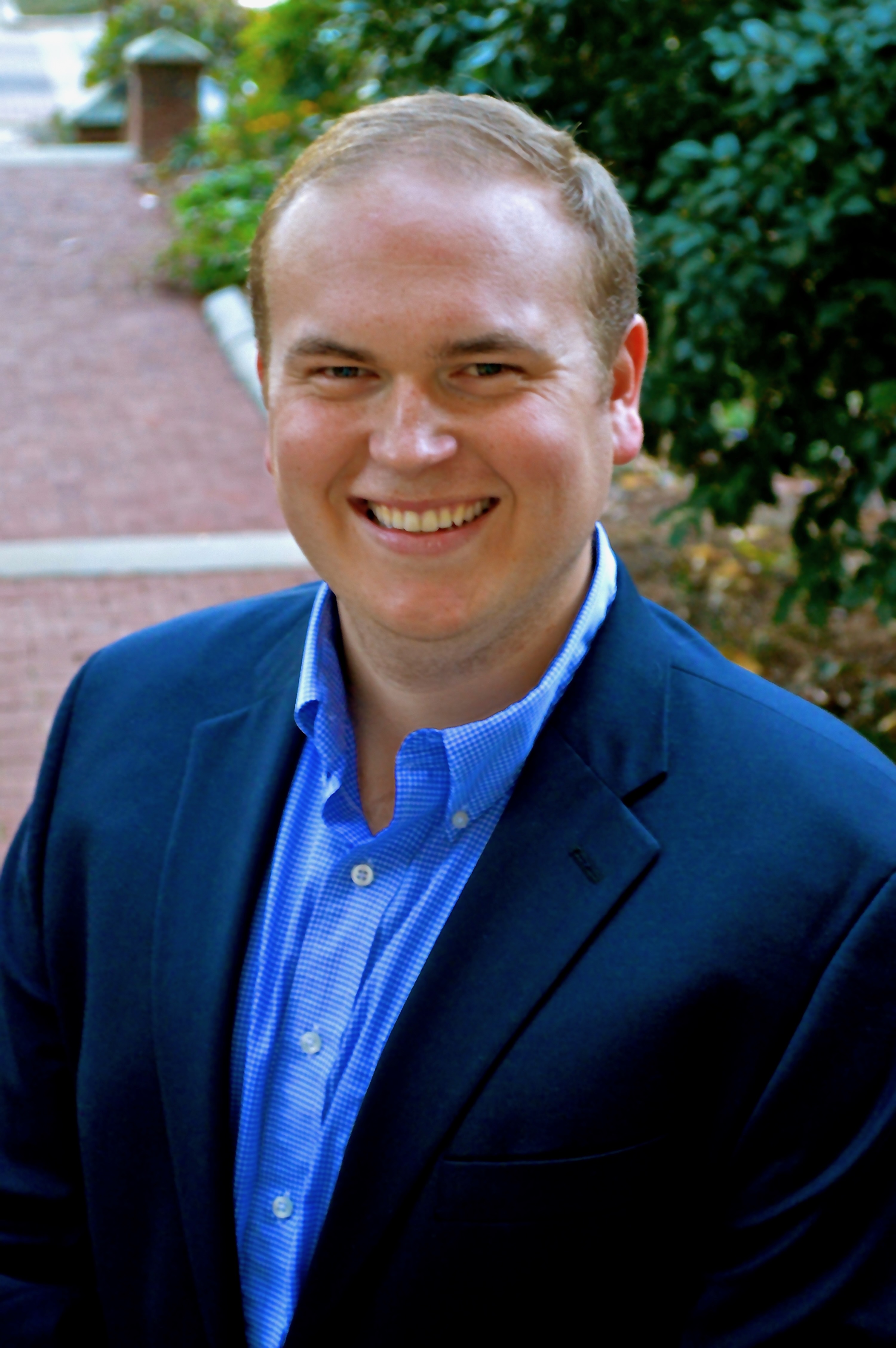
Research Mentor: Dr. Bryant Harden,
Department, College, Affiliation: Center for Global Engagement / International Affairs, Social Sciences and Public Policy
Contact Email: bharden@fsu.edu
Research Assistant Supervisor (if different from mentor):
Research Assistant Supervisor Email:
Faculty Collaborators:
Faculty Collaborators Email:
Department, College, Affiliation: Center for Global Engagement / International Affairs, Social Sciences and Public Policy
Contact Email: bharden@fsu.edu
Research Assistant Supervisor (if different from mentor):
Research Assistant Supervisor Email:
Faculty Collaborators:
Faculty Collaborators Email:
Looking for Research Assistants: Yes
Number of Research Assistants: 1
Relevant Majors: International Affairs, Open To All Majors
Project Location: On FSU Main Campus
Research Assistant Transportation Required: Remote or In-person: Partially Remote
Approximate Weekly Hours: 5-10, During business hours
Roundtable Times and Zoom Link:
Number of Research Assistants: 1
Relevant Majors: International Affairs, Open To All Majors
Project Location: On FSU Main Campus
Research Assistant Transportation Required: Remote or In-person: Partially Remote
Approximate Weekly Hours: 5-10, During business hours
Roundtable Times and Zoom Link:
- Day: Friday, September 4
Start Time: 2:00
End Time: 4:00
Zoom Link: https://fsu.zoom.us/my/bryantharden
Project Description
The Global Citizenship Certificate (GCC), housed in FSU's Center for Global Engagement, is an academic certificate designed to help undergraduates develop the knowledge, skills, and dispositions associated with global citizenship, including intercultural competence, global awareness, and civic engagement across cultural difference.This project asks: does participation in the GCC measurably develop students' intercultural competence, and which program components (coursework, co-curricular experiences, reflection assignments, global engagement activities) contribute most to that development?
In the fall semester, the research assistant will conduct a structured literature review on intercultural competence frameworks and their application in higher education assessment, with particular attention to established models such as Deardorff's Process Model of Intercultural Competence, Bennett's Developmental Model of Intercultural Sensitivity (DMIS), the Intercultural Development Inventory (IDI), and the AAC&U Intercultural Knowledge and Competence VALUE Rubric. The literature review will also survey how peer institutions assess similar global citizenship or global studies certificate/minor programs, to identify best practices and comparable instruments.
In the spring semester, the research assistant will help design and administer a data collection instrument (survey and/or structured reflection prompts, informed by the fall literature review) to current GCC students and, where feasible, a comparison sample of non-GCC students, to assess self-reported intercultural competence gains. The assistant will help with data entry, basic quantitative and/or qualitative analysis, and preparation of findings for the GCC's ongoing program assessment and for the student's UROP symposium presentation.
This project offers the research assistant hands-on experience with program assessment design, survey/instrument development, literature synthesis, and applied social science research methods, while directly contributing to the improvement of a real, ongoing university program.
Research Tasks: Literature review (Fall), Comparative Scan of Peer-Institution Global Citizenship / Intercultural Competence Programs (Fall), Survey Design (latte Fall), Data Collection (early Spring), Data Entry (Spring)
Skills that research assistant(s) may need: (Required) Strong writing and literature synthesis skills; Interest in international/global education, intercultural studies, or program evaluation; Attention to detail and comfort with independent research tasks.
(Recommended) Basic familiarity with survey design (e.g., Qualtrics).