
UROP Project
Ungentlemanly Warfare: Women Agents of Britain’s Special Operations Executive in World War II
World War II, Women and Gender, Espionage and Intelligence, Special Operations Executive (SOE) Resistance
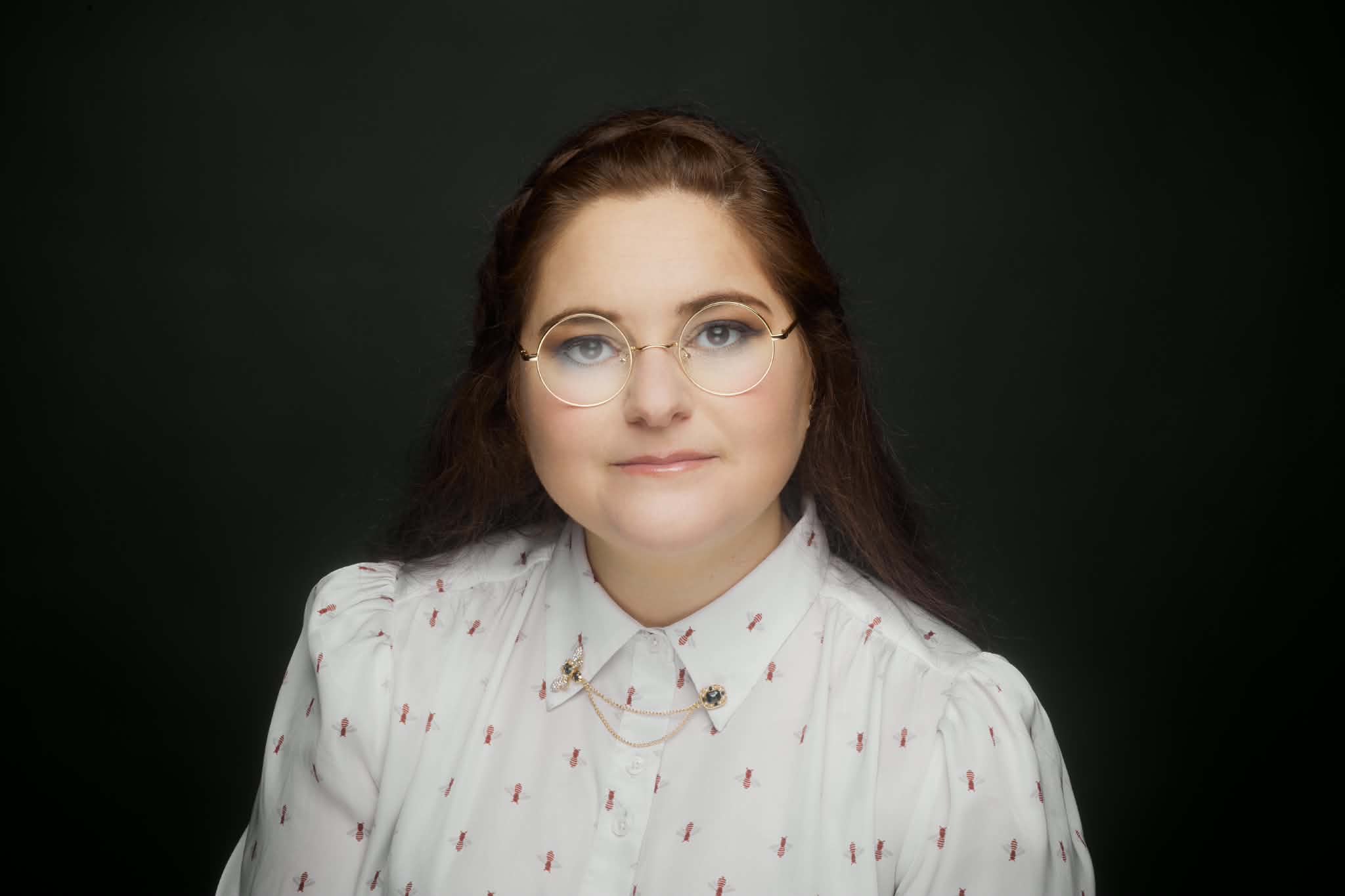
Research Mentor: Ms. Danielle Wirsansky, She/Her
Department, College, Affiliation: History, Arts and Sciences
Contact Email: dw12d@fsu.edu
Research Assistant Supervisor (if different from mentor):
Research Assistant Supervisor Email:
Faculty Collaborators:
Faculty Collaborators Email:
Department, College, Affiliation: History, Arts and Sciences
Contact Email: dw12d@fsu.edu
Research Assistant Supervisor (if different from mentor):
Research Assistant Supervisor Email:
Faculty Collaborators:
Faculty Collaborators Email:
Looking for Research Assistants: Yes
Number of Research Assistants: 3
Relevant Majors: Open to all majors; particularly relevant to students in History, International Affairs, Political Science, Women’s Studies, French, German, English, and other humanities or social science fields.
Project Location: On FSU Main Campus
Research Assistant Transportation Required: No, the project is remote Remote or In-person: Fully Remote
Approximate Weekly Hours: 8-10, Flexible schedule (Combination of business and outside of business. TBD between student and research mentor.)
Roundtable Times and Zoom Link:
Not participating in the roundtable
Number of Research Assistants: 3
Relevant Majors: Open to all majors; particularly relevant to students in History, International Affairs, Political Science, Women’s Studies, French, German, English, and other humanities or social science fields.
Project Location: On FSU Main Campus
Research Assistant Transportation Required: No, the project is remote Remote or In-person: Fully Remote
Approximate Weekly Hours: 8-10, Flexible schedule (Combination of business and outside of business. TBD between student and research mentor.)
Roundtable Times and Zoom Link:
Not participating in the roundtable
Project Description
Ungentlemanly Warfare examines the experiences of women who served as agents in the British Special Operations Executive (SOE), particularly F Section, during World War II. Created in 1940 to conduct espionage, sabotage, and support resistance movements in occupied Europe, the SOE recruited and deployed both men and women into dangerous clandestine work. Yet women’s experiences within the organization have often been treated separately from the broader history of the SOE or framed primarily through stories of exceptional heroism.This project takes a gendered approach to the SOE, asking how women’s experiences compared with those of male agents across recruitment, training, work in the field, capture and imprisonment, execution, postwar life, and commemoration. It also considers how factors such as nationality, citizenship, religion, family relationships, and wartime identity shaped agents’ experiences and how they were later remembered.
Research assistants will contribute to an ongoing historical research project using archival documents, published scholarship, biographical sources, and other primary and secondary materials. Depending on the stage of the project, students may help identify and organize relevant archival evidence, conduct biographical research on individual agents, transcribe difficult archival documents, build and analyze research datasets, and examine the language used to describe men and women within both wartime records and later historical accounts.
The project offers students an opportunity to gain hands-on experience with historical research while contributing to a larger study of gender, resistance, intelligence, and clandestine warfare during World War II.
Research Tasks: Research assistants may participate in a variety of tasks depending on the needs of the project, including:
* Conducting archival and primary-source research on SOE agents and operations
* Reviewing archival collections and identifying material relevant to the project
* Transcribing handwritten, difficult-to-read, or digitized historical documents
* Conducting biographical research on individual SOE agents
* Collecting and organizing data on agents’ backgrounds and wartime experiences, including nationality, religion, family relationships, recruitment, training, fieldwork, imprisonment, and postwar lives
* Conducting literature reviews and locating relevant scholarly sources
* Comparing information across primary and secondary sources and identifying discrepancies or gaps in the historical record
* Identifying gendered language and patterns in archival documents and published accounts
* Entering, organizing, and analyzing information in shared research databases and spreadsheets
* Assisting with translation or analysis of French- or German-language documents when students have relevant language skills
* Discussing research findings as a team and helping identify broader historical patterns and questions
* Preparing research findings for presentation at the Undergraduate Research Symposium
Skills that research assistant(s) may need: Required:
Strong attention to detail and organizational skills
Ability to read and analyze written material carefully
Reliability and ability to meet deadlines
Willingness to learn historical and archival research methods
Ability to work independently and communicate regularly with the research team
Recommended but not required:
Interest in World War II, intelligence/espionage, resistance, women’s and gender history, Holocaust history, or Modern European history
Previous experience with historical research, primary sources, or archival materials
Strong research and academic writing skills
Experience working with spreadsheets or organizing research data
Reading knowledge of French or German
Ability to read cursive or historical handwriting
No previous archival research experience is required. Training and guidance will be provided.
Mentoring Philosophy
My mentoring philosophy centers on helping students become increasingly confident, independent researchers while providing the structure and support they need to succeed. Because undergraduate researchers enter a project with different levels of experience, I begin by identifying each student’s interests, strengths, and goals and then help them develop the skills necessary to contribute meaningfully to the project.I view mentoring as a collaborative process grounded in mutual respect, clear expectations, regular communication, and accountability. I encourage students to ask questions, challenge interpretations, and recognize that uncertainty, mistakes, and unexpected findings are normal parts of historical research. Rather than simply assigning tasks, I aim to explain how each assignment contributes to the larger research questions so that students understand the significance of their work.
As a former UROP student myself, I know how formative undergraduate research can be. I therefore try to give assistants genuine ownership over aspects of the project and opportunities to develop skills in archival research, source evaluation, data collection, historical analysis, and scholarly communication. As students gain experience, I encourage them to move beyond identifying information toward recognizing patterns, evaluating evidence, and developing their own interpretations.
Ultimately, I want students to leave the project not only with stronger research skills, but with greater confidence in their ability to ask meaningful questions, work independently, and contribute to collaborative scholarship.