
UROP Project
Understanding Algal Bloom and Nutrient Responses to Compound Drought and Heatwaves Across U.S. Estuaries
Water Quality; Algal Blooms; Climate Change; Climatic Extremes; Estuaries
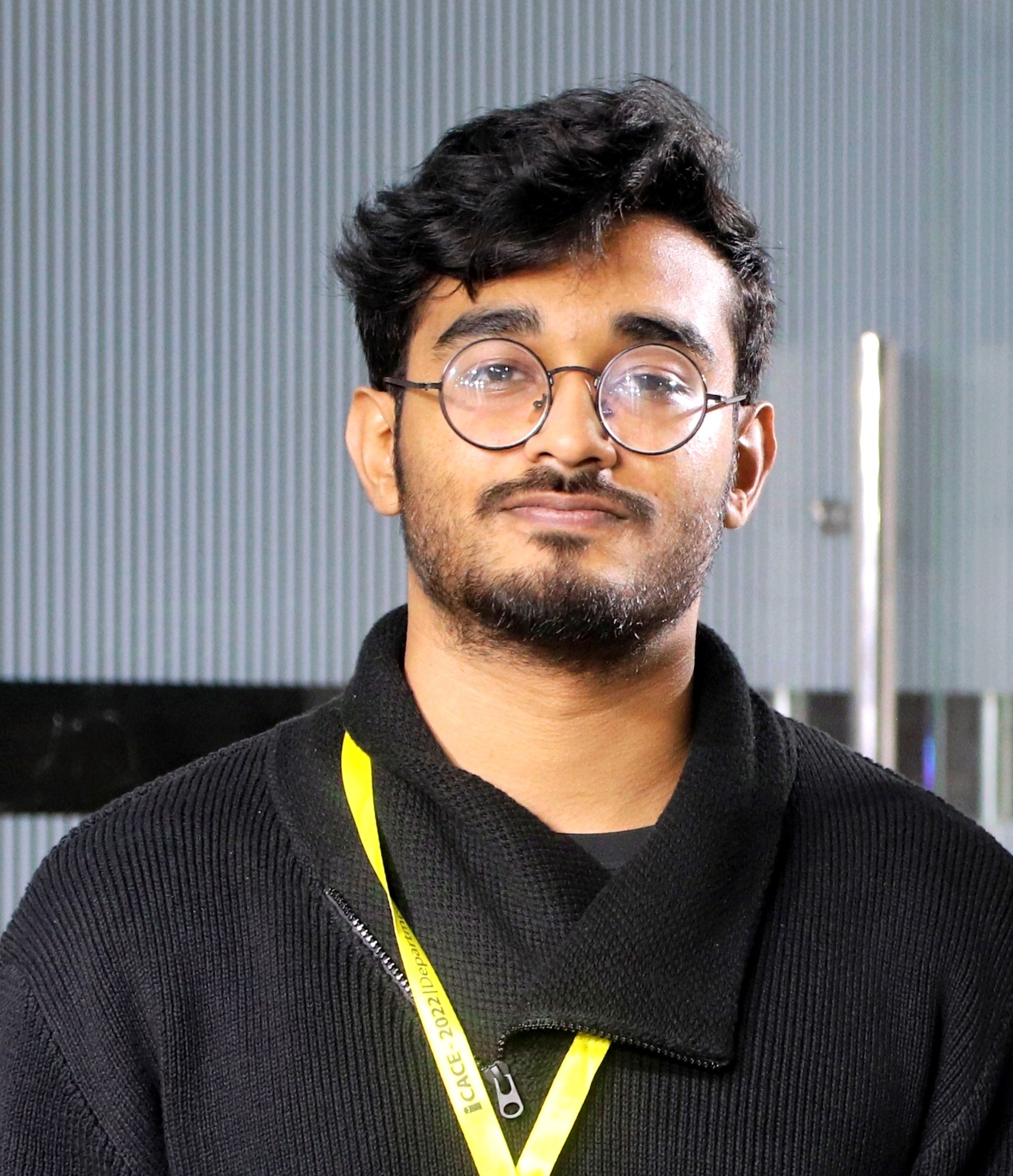
Research Mentor: Iftekhar Sayeed Khan, He/Him
Department, College, Affiliation: Department of Civil & Environmental Engineering, FAMU-FSU College of Engineering
Contact Email: msk24d@fsu.edu
Research Assistant Supervisor (if different from mentor):
Research Assistant Supervisor Email:
Faculty Collaborators:
Faculty Collaborators Email:
Department, College, Affiliation: Department of Civil & Environmental Engineering, FAMU-FSU College of Engineering
Contact Email: msk24d@fsu.edu
Research Assistant Supervisor (if different from mentor):
Research Assistant Supervisor Email:
Faculty Collaborators:
Faculty Collaborators Email:
Looking for Research Assistants: Yes
Number of Research Assistants: 1
Relevant Majors: Environmental Science, Civil and Environmental Engineering, Earth/Ocean/Atmospheric Science or related fields.
Project Location: On FSU Main Campus
Research Assistant Transportation Required: No, the project is remote Remote or In-person: Fully Remote
Approximate Weekly Hours: 5-8 hours a week, Flexible schedule (Combination of business and outside of business. TBD between student and research mentor.)
Roundtable Times and Zoom Link:
Not participating in the roundtable
Number of Research Assistants: 1
Relevant Majors: Environmental Science, Civil and Environmental Engineering, Earth/Ocean/Atmospheric Science or related fields.
Project Location: On FSU Main Campus
Research Assistant Transportation Required: No, the project is remote Remote or In-person: Fully Remote
Approximate Weekly Hours: 5-8 hours a week, Flexible schedule (Combination of business and outside of business. TBD between student and research mentor.)
Roundtable Times and Zoom Link:
Not participating in the roundtable
Project Description
Droughts and heatwaves are becoming more likely to occur at the same time, but their effects on coastal water quality are not always straightforward. In some estuaries, hot and dry conditions may promote algal growth, while in others they may reduce it. These differences may depend on how much freshwater enters an estuary from rivers, how nutrients such as nitrogen and phosphorus are delivered, and how conditions such as temperature and salinity change during extreme events.This project will investigate why estuaries respond differently to co-occurring droughts and heatwaves. Using long-term monitoring data from estuaries across the U.S., we will examine changes in chlorophyll-a, an indicator of algal biomass, along with important nutrients such as nitrate, ammonium, and phosphate.
By comparing estuaries across different regions and environmental settings, the study will examine what controls whether compound drought and heatwave events increase or suppress algal growth and alter nutrient dynamics. The broader goal is to better understand which types of estuaries may be most vulnerable to worsening water-quality impacts as climate extremes become more frequent.
Research Tasks: The research assistant will contribute to different stages of the project depending on their interests, experience, and progress. Tasks may include:
1. Conducting a literature review on droughts, heatwaves, algal blooms, nutrient dynamics, and estuarine water quality.
2. Organizing and quality-checking long-term water-quality and environmental datasets from NERRS monitoring stations.
3. Collecting and compiling chlorophyll-a, nitrate, ammonium, phosphate, temperature, salinity, and other relevant environmental variables.
4. Helping organize streamflow, meteorological, and climate data needed to identify droughts and heatwaves.
5. Assisting with classification of observations into normal, drought, heatwave, and compound drought–heatwave conditions.
6. Exploring how chlorophyll-a and nutrient concentrations change during different hydroclimatic conditions.
7. Comparing responses among estuaries and identifying characteristics that may explain differences among systems.
8. Creating graphs, maps, and summary figures to communicate results.
9. Reading and discussing scientific papers and participating in week/bi-weekly research meetings.
10. Contributing to interpretation of results and development of a poster for the FSU Undergraduate Research Symposium.
Skills that research assistant(s) may need: Required:
1. Genuine interest and curiosity in environmental science, water quality, climate, or coastal ecosystems.
2. Willingness to learn new research and data-analysis methods.
3. Attention to detail and ability to keep research files and data well organized.
4. Ability to communicate regularly, ask questions, and work independently after receiving guidance.
5. Basic computer skills and familiarity with spreadsheets.
Recommended but not required:
1. Experience with Microsoft Excel or similar data-management software.
2. Introductory coursework in statistics, environmental science, engineering, geography, or a related field.
3. Previous exposure to Python, R, MATLAB, GIS, or other data-analysis tools.
4. Interest in learning programming, statistical analysis, or scientific visualization.
Previous research or programming experience is not required. Training will be provided based on the student's background and assigned tasks.
Mentoring Philosophy
I view mentoring as a collaborative process in which students receive the guidance and support they need while gradually developing confidence and independence as researchers. At the beginning of the mentoring relationship, I will work with each student to understand their interests, goals, existing skills, and areas they would like to develop. Together, we will establish clear expectations, achievable goals, and a consistent communication plan.Because undergraduate researchers may be encountering research for the first time, I believe in providing structure and explaining not only how to complete a task, but also why it matters to the larger research question. I encourage students to ask questions, discuss challenges openly, and view mistakes or unexpected results as opportunities to learn. As their skills develop, I will gradually give them greater ownership of their work and encourage them to interpret results, suggest ideas, and make research decisions.
I also recognize that students have different strengths, and career interests, so I will adapt my mentoring approach to their individual needs and progress. When appropriate, I will share my own experiences in research and graduate education and help students identify opportunities to strengthen their academic and professional development.
My goal is to maintain a mentoring relationship based on mutual respect, open communication, constructive feedback, and accountability while helping students grow into increasingly independent and thoughtful researchers.