
UROP Project
Scrolling Into Belief: Processing Fluency as a Mechanism Linking Online Exposure to Stereotype Endorsement[1
Online engagement; social media; stereotyping
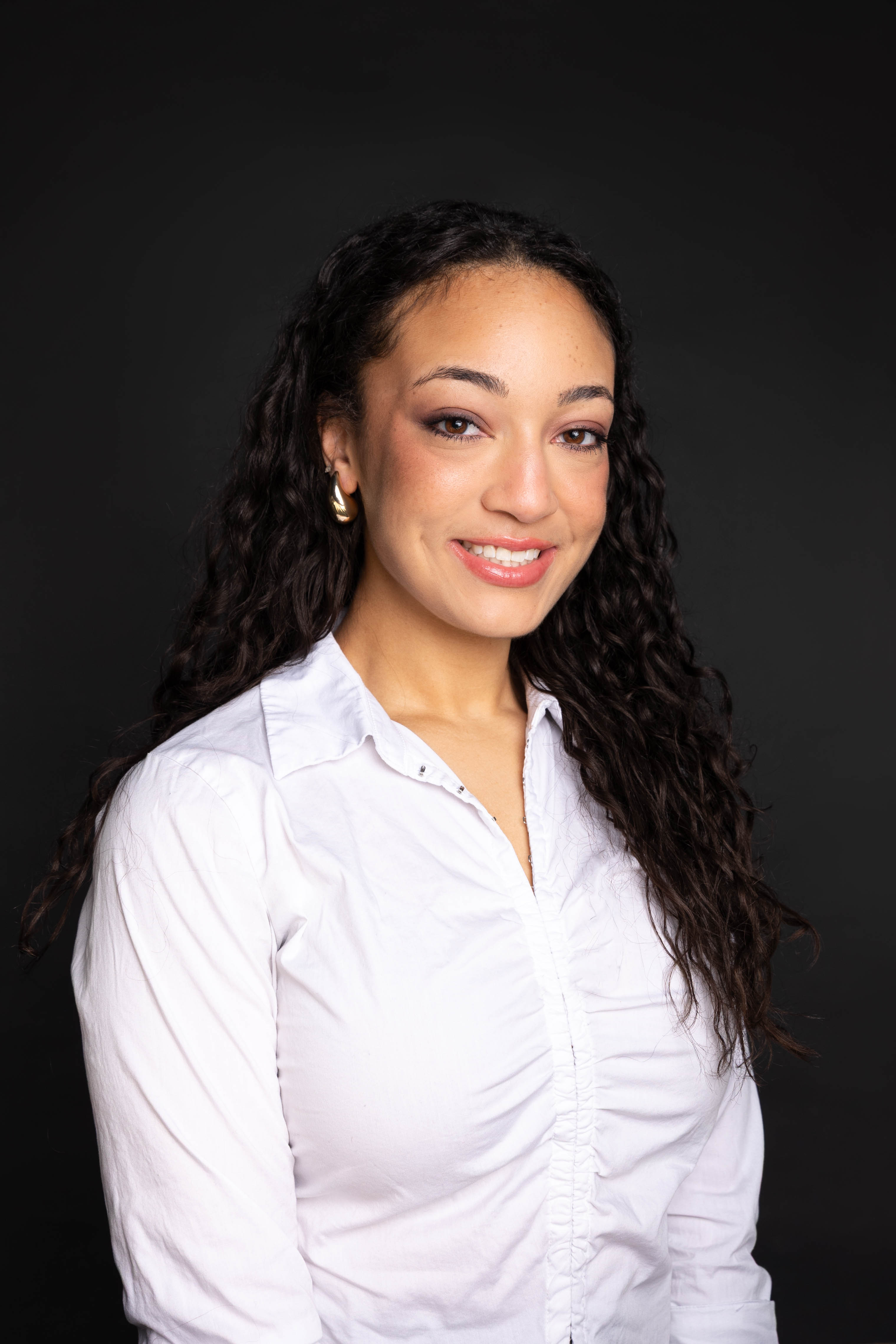
Research Mentor: Bayla K Thompson, She/Her
Department, College, Affiliation: Psychology (Social), Arts and Sciences
Contact Email: bkthompson@psy.fsu.edu
Research Assistant Supervisor (if different from mentor):
Research Assistant Supervisor Email:
Faculty Collaborators:
Faculty Collaborators Email:
Department, College, Affiliation: Psychology (Social), Arts and Sciences
Contact Email: bkthompson@psy.fsu.edu
Research Assistant Supervisor (if different from mentor):
Research Assistant Supervisor Email:
Faculty Collaborators:
Faculty Collaborators Email:
Looking for Research Assistants: Yes
Number of Research Assistants: 2
Relevant Majors: Psychology; Sociology; Communications
Project Location: On FSU Main Campus
Research Assistant Transportation Required: Remote or In-person: In-person
Approximate Weekly Hours: 5-10 hours, Flexible schedule (Combination of business and outside of business. TBD between student and research mentor.)
Roundtable Times and Zoom Link:
Not participating in the roundtable
Number of Research Assistants: 2
Relevant Majors: Psychology; Sociology; Communications
Project Location: On FSU Main Campus
Research Assistant Transportation Required: Remote or In-person: In-person
Approximate Weekly Hours: 5-10 hours, Flexible schedule (Combination of business and outside of business. TBD between student and research mentor.)
Roundtable Times and Zoom Link:
Not participating in the roundtable
Project Description
How can social media shape what we believe about other people? We are examining how extensive exposure to social media may lead people to believe the content of stereotypes about different social groups (e.g., women, Black people). Decades of research show that statements that are easy to process feel true. Repeat a claim, sharpen its contrast, make it familiar, and people rate it as more accurate, regardless of whether it is. We are testing whether the same progression operates for exposure to stereotypes via social media. If a stereotype-congruent portrayal is repeated often enough in a feed, does the resulting sense of cognitive ease get misread as true evidence about a group?Our prior studies established the correlational relationship that chronic online engagement is associated with endorsement of both positive and negative stereotypes about social groups. The current project will experimentally test our theory. Research assistants will help build and validate a set of curated, naturalistic social media feeds that hold format, valence, arousal, and production quality constant while varying only stereotype content and repetition. After pilot testing these social media feeds, we will run research studies that test whether fluency and repetition lead people to believe the content that they see repeatedly on social media. This is a project where research assistants will get to see the entire arc of experimental social psychology from conception to testing. This full-cycle view will facilitate learning about research methods and provide an invaluable lens on the process.
Research Tasks: ● Building the study: (a) conduct targeted literature searches and contribute annotated summaries on fluency, illusory truth, cultivation theory, and stereotype measurement; (b) source and standardize social-media feed stimuli for the experimental feed conditions; (c) assist with coding stimuli by preparing and administering pre-rating surveys for stereotypicality and valence, (d) assist with testing Qualtrics protocols including timing and survey clarity; (e) present a short reading and stimulus-set update at small group meeting.
● Running and interpreting the study: (a) recruit, schedule, and run participants, deliver standardized scripts and debriefings; (b) serve as experimenter during pilot sessions and assist with stimulus revisions; (c) clean, code, and organize data, maintain codebook and documentation (d) assist with reliability coding of open-ended and content-exposure responses (if any); (e) run descriptive and manipulation-check analyses under supervision (R or SPSS); (f) contribute to conference abstracts, poster construction, and presentation at the university research symposium
● Other tasks include: (a) bi-weekly lab meeting attendance and participation; (b) maintain accurate participant and data records; (c) uphold confidentiality and professional neutrality when handling sensitive stereotype content.
Skills that research assistant(s) may need: ● Required: (a) completion of introductory psychology and ideally, research methods or statistics; (b) careful, detail-oriented work habits (this project relies heavily on stimulus consistency and clean data); (c) reliability with effective and timely communication as well as consistent attendance at scheduled sessions and lab meetings; (d) clear verbal/written communication which includes reading/summarizing empirical journal articles; (e) professionalism and discretion with sensitive material regarding race and gender with an ability to remain neutral and script-faithful while running participants; (f) willingness to ask questions and say “I don’t know yet”
● Preferred (I anticipate that many of these will be learned during work on the project): (a) familiarity with Qualtrics survey construction; (b) basic R/SPSS/Excel (R preferred) data-management experience; (c) design/media skills like Canva or video editing for stimulus creation; (d) running participants; (e) interest in social cognition, stereotype psychology, media psychology, or intergroup relations
● Dispositional fit: (a) report your mistakes honestly and promptly; (b) ask before you improvise; (c) can tolerate tedium without losing precision (for coding stimuli); (d) curious behind the why; (e) accept feedback as information (not a verdict!); (e) communicative when something slips; (f) handles sensitive material with professionalism
Mentoring Philosophy
No matter the discipline, acquiring new knowledge carries discomfort, and academics understand this challenge all too well. However, with experience, we forget what enduring it felt like for the first time. I hold two core values that embody my drive to mentor; cultivate (1) a passion for research and (2) a growth-oriented environment.First, I want my research assistants to cultivate genuine passion and to not be dissuaded by the potential feelings of rejection and mental load it carries. I model this by sparking interest through personal applicability and creativity, letting mentees engage in a way that most inspirits them. Diverse modes of engagement cultivate intrinsic passion-- the foundation for their future work and a resilient zeal that transcends research’s inevitable failures.
Second, I nurture a growth-oriented environment by empathizing with students new to research. As a graduate researcher still in training, I experience that same discomfort, so I can acknowledge theirs and prioritize transparency about expectations. I demand that my assistants be agentic adults in charge of their own training, while strategizing ways for them to grow at their own pace. This lets me treat mentees as active researchers rather than passive recipients of a new CV line.
Ultimately, my mentees shape both why and how I mentor. I hope to model genuine passion for research and to show that rigor is not compromised by empathy but strengthened by it. My mentorship supports research assistants wholly but does not spare the work or discomfort that growth requires.