
UROP Project
More Than a Mispronunciation: African American English and Oral Language Assessment
Language, psychology, children, literacy, speech
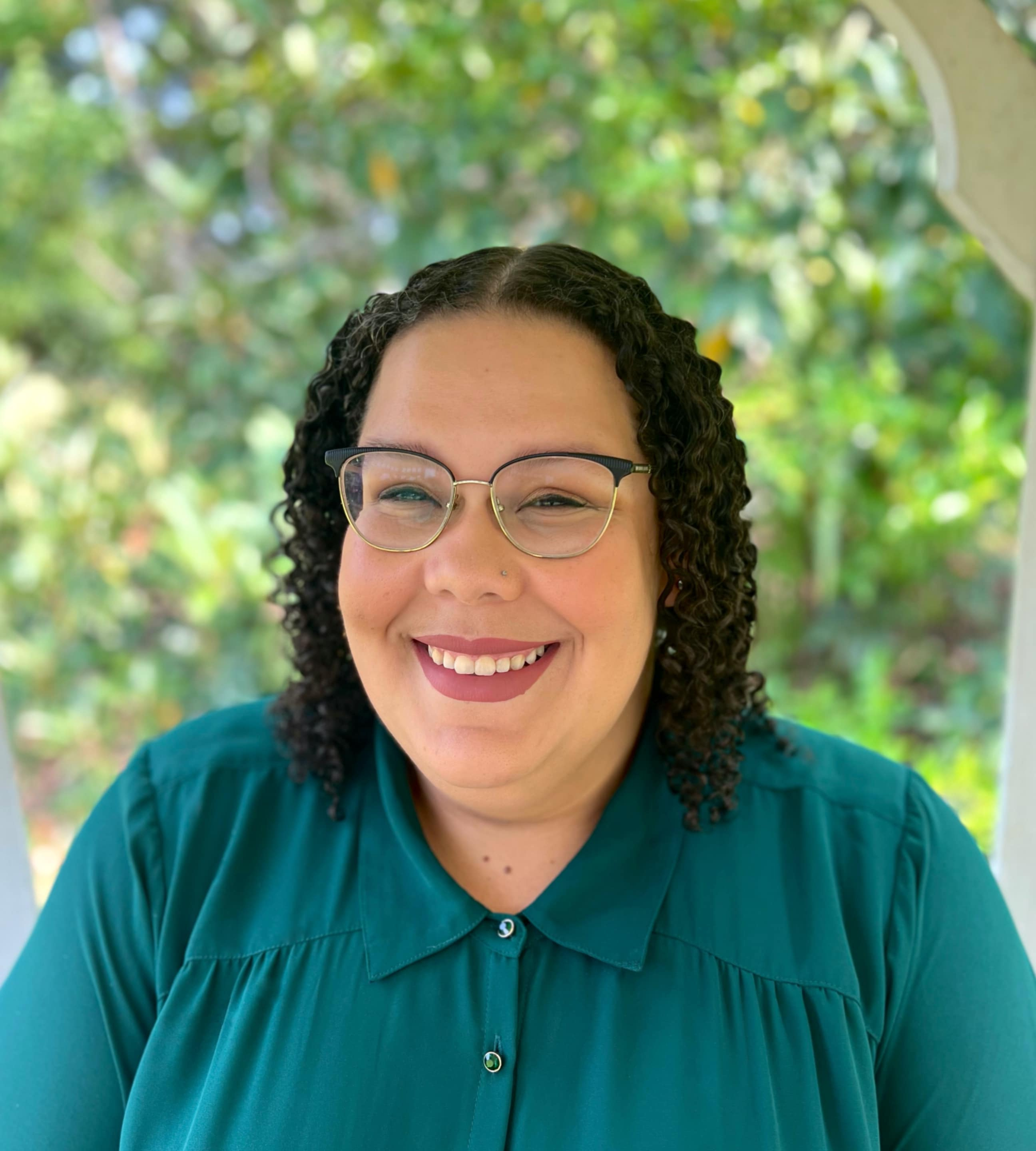
Research Mentor: Jordyn Thomas-Velazquez, M.Ed., She/Her
Department, College, Affiliation: Teacher Education, Education, Health, and Human Sciences
Contact Email: jlt25@fsu.edu
Research Assistant Supervisor (if different from mentor):
Research Assistant Supervisor Email:
Faculty Collaborators:
Faculty Collaborators Email:
Department, College, Affiliation: Teacher Education, Education, Health, and Human Sciences
Contact Email: jlt25@fsu.edu
Research Assistant Supervisor (if different from mentor):
Research Assistant Supervisor Email:
Faculty Collaborators:
Faculty Collaborators Email:
Looking for Research Assistants: Yes
Number of Research Assistants: 2
Relevant Majors: Open to all majors
Project Location: On FSU Main Campus
Research Assistant Transportation Required: Remote or In-person: In-person
Approximate Weekly Hours: 5-10, Flexible schedule (Combination of business and outside of business. TBD between student and research mentor.)
Roundtable Times and Zoom Link:
Number of Research Assistants: 2
Relevant Majors: Open to all majors
Project Location: On FSU Main Campus
Research Assistant Transportation Required: Remote or In-person: In-person
Approximate Weekly Hours: 5-10, Flexible schedule (Combination of business and outside of business. TBD between student and research mentor.)
Roundtable Times and Zoom Link:
- Day: Monday, August 31
Start Time: 12:00
End Time: 12:30
Zoom Link: https://fsu.zoom.us/j/6707587475 - Day: Monday, August 31
Start Time: 1:00
End Time: 1:30
Zoom Link: https://fsu.zoom.us/j/6707587475 - Day: Monday, August 31
Start Time: 1:30
End Time: 2:00
Zoom Link: https://fsu.zoom.us/j/6707587475 - Day: Monday, August 31
Start Time: 2:00
End Time: 2:30
Zoom Link: https://fsu.zoom.us/j/6707587475 - Day: Monday, August 31
Start Time: 2:30
End Time: 3:00
Zoom Link: https://fsu.zoom.us/j/6707587475 - Day: Tuesday, September 1
Start Time: 1:00
End Time: 1:30
Zoom Link: https://fsu.zoom.us/j/6707587475 - Day: Tuesday, September 1
Start Time: 1:30
End Time: 2:00
Zoom Link: https://fsu.zoom.us/j/6707587475 - Day: Wednesday, September 2
Start Time: 1:00
End Time: 1:30
Zoom Link: https://fsu.zoom.us/j/6707587475 - Day: Wednesday, September 2
Start Time: 1:30
End Time: 2:00
Zoom Link: https://fsu.zoom.us/j/6707587475 - Day: Friday, September 4
Start Time: 12:00
End Time: 12:30
Zoom Link: https://fsu.zoom.us/j/6707587475 - Day: Friday, September 4
Start Time: 12:30
End Time: 1:00
Zoom Link: https://fsu.zoom.us/j/6707587475 - Day: Friday, September 4
Start Time: 1:00
End Time: 1:30
Zoom Link: https://fsu.zoom.us/j/6707587475 - Day: Friday, September 4
Start Time: 1:30
End Time: 2:00
Zoom Link: https://fsu.zoom.us/j/6707587475
Project Description
Children bring diverse language backgrounds to the classroom, but the assessments used to measure their language and literacy skills do not always account for this variation. For children who speak African American English (AAE), features of their home language may differ from Mainstream American English (MAE), the language variety on which many educational assessments are based. Understanding how these differences interact with assessment is important for accurately interpreting what children know and can do.This project uses existing data from an oral language task administered to children who speak African American English as well as a matched sample of peers who speak the mainstream dialect (N = 500). In the task, participants provide a corrected form of a mispronounced word, where the words are strategically mispronounced as the result of mis-applying the decoding rules of English (e.g., "Wed-ness-day" for Wednesday). We will examine variation in child responses on the task in terms of pronunciation discrepancies between the expected pronunciation based on the mainstream dialect and responses by children who speak AAE. By examining language variation on performance on this task, this project aims to contribute to a better understanding of how children's linguistic backgrounds intersect with the ways language and literacy skills develop and are measured. A better understanding of these differences is important for ensuring that educational treatments, including assessments, are sensitive to the language background of developing children.
Research Tasks: Data processing, data coding, data analysis
Skills that research assistant(s) may need: Required:
-Basic computer skills and comfort working with digital files
-Strong attention to detail
-Ability to follow detailed coding and data-management procedures
-Willingness to learn new research and data-processing skills
Recommended:
-Experience with Microsoft Excel
-Experience with OneDrive or other cloud-based file management systems
-Comfort working with digital files and learning new software
Mentoring Philosophy
I view mentorship as a collaborative, evolving relationship built on mutual respect, intellectual curiosity, and shared growth. I believe students thrive when they are supported in developing new skills, challenged to think independently, and given opportunities to take ownership of their work. In my mentoring relationships, I want undergraduate research assistants to see themselves as emerging scholars and meaningful contributors to the research process.My approach is to meet mentees where they are and provide the support they need to become increasingly independent. This may mean modeling a new research skill, practicing it together, and providing feedback before gradually stepping back. Beyond mastering research skills, I encourage mentees to ask questions, consider different perspectives, and think critically about the decisions we make and the implications of our research.
Open communication is essential to this relationship. I aim to provide clear expectations and specific, constructive feedback while encouraging mentees to communicate their needs and offer feedback in return. I recognize that mentoring is not one-size-fits-all. I will regularly seek feedback, reflect on my own mentoring practices, and adjust my approach when needed.
I want to understand what each mentee hopes to gain from research and help them work toward those goals. I strive to create an inclusive environment where mentees feel supported while also developing the independence, accountability, and confidence to take ownership of their growth as researchers.