
UROP Project
State Marine Aquaculture Policy
Policy, Aquaculture, Mariculture, Marine
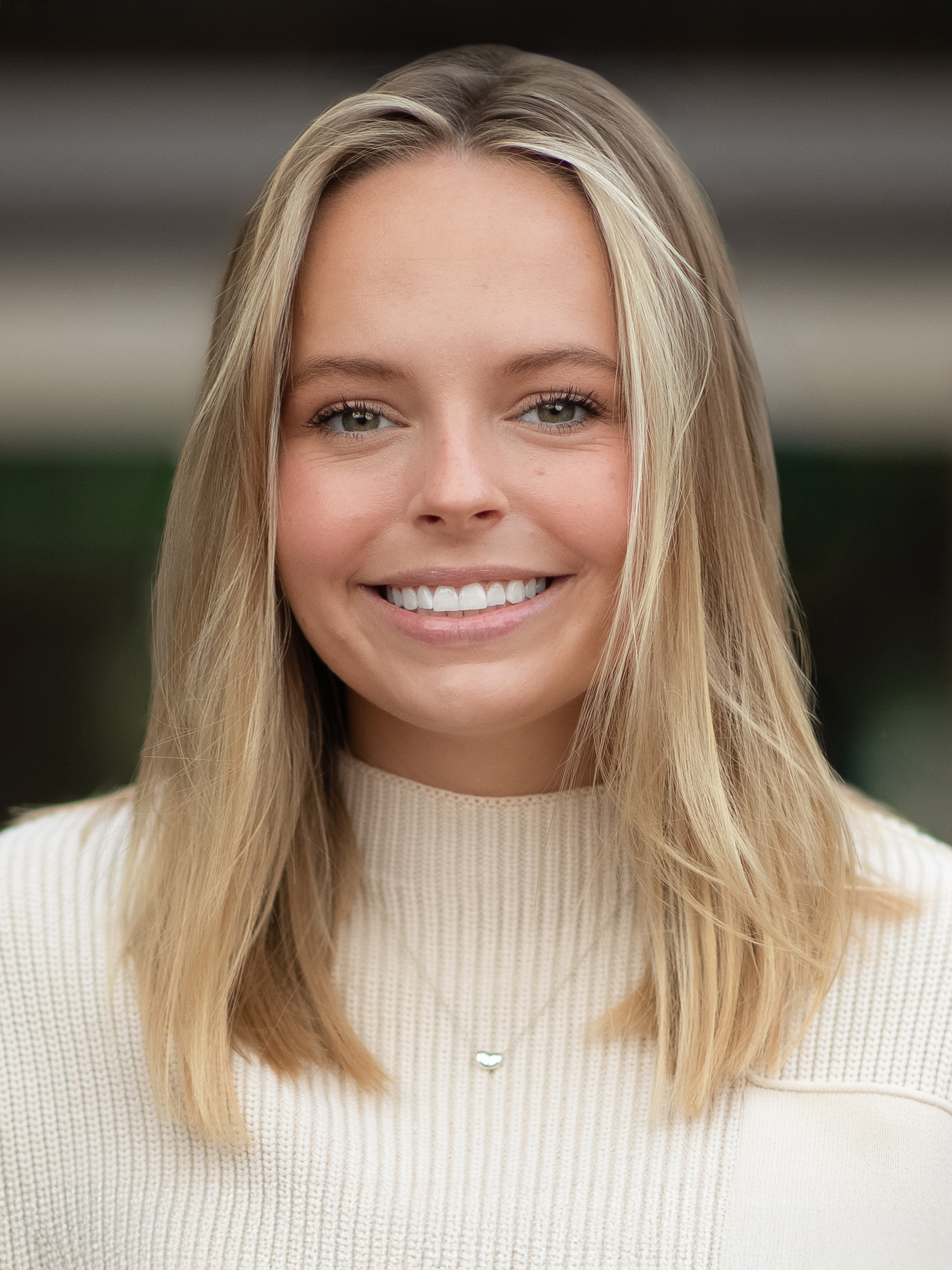
Research Mentor: Lillie Bradshaw, She/Her
Department, College, Affiliation: Biological Science, Arts and Sciences
Contact Email: lb22l@fsu.edu
Research Assistant Supervisor (if different from mentor):
Research Assistant Supervisor Email:
Faculty Collaborators:
Faculty Collaborators Email:
Department, College, Affiliation: Biological Science, Arts and Sciences
Contact Email: lb22l@fsu.edu
Research Assistant Supervisor (if different from mentor):
Research Assistant Supervisor Email:
Faculty Collaborators:
Faculty Collaborators Email:
Looking for Research Assistants: Yes
Number of Research Assistants: 2
Relevant Majors: Biology/Biological Sciences, Oceanography, Geography, Environmental Science, Natural resources/conservation.
Project Location: On FSU Main Campus
Research Assistant Transportation Required: Remote or In-person: Partially Remote
Approximate Weekly Hours: 5-10, Flexible schedule (Combination of business and outside of business. TBD between student and research mentor.)
Roundtable Times and Zoom Link:
Not participating in the roundtable
Number of Research Assistants: 2
Relevant Majors: Biology/Biological Sciences, Oceanography, Geography, Environmental Science, Natural resources/conservation.
Project Location: On FSU Main Campus
Research Assistant Transportation Required: Remote or In-person: Partially Remote
Approximate Weekly Hours: 5-10, Flexible schedule (Combination of business and outside of business. TBD between student and research mentor.)
Roundtable Times and Zoom Link:
Not participating in the roundtable
Project Description
Marine aquaculture in the United States is currently a relatively small seafood sector, but there is tremendous potential for growth and interest in advancing the industry through supportive federal and state policy. However, there is no comprehensive national legislation focused on marine aquaculture, and most production is occurring in state waters guided by diverse state-level policies and regulations. State and federal agencies, researchers, and industry members need increased access to state marine aquaculture regulations and policies across the U.S. to gain a better understanding of how these different policy approaches may be enabling or impeding the development of the industry. This work will focus on mariculture policy data collection for US States and Territories and is a part of a larger project working to update the State Marine Aquaculture Policy Dashboard, an online tool aimed at increasing the accessibility and usability of state marine aquaculture data. Training will be provided in mariculture policy, data collection, database management, and data analysis.Research Tasks: Data Collection: The UROP student will be trained in how to search for and select relevant marine aquaculture policies using government websites and legal code.
Data Entry: Data collected from online sources will be recorded and maintained in a database. Skills in data extraction and database management will be developed.
Data Analysis: Summary of policy differences and metrics will be analyzed and summarized.
Skills that research assistant(s) may need: Available at least one day per week to meet with mentor for check-ins and training assistance, in-person or over Zoom. As independence is achieved schedule will be more flexible for working from home *Required*
Proficiency in the basics of MS Excel and MS Word, Google Drive * Required*
General interest in marine systems, marine aquaculture, policy, and management *Recommended*
Mentoring Philosophy
My goal as a UROP mentor is to foster a welcoming, encouraging learning environment that empowers students to explore their interests and grow their scientific skills. Drawing on a background spanning terrestrial and marine field ecology, GIS, environmental management and policy, and science outreach, I aim to provide practical training in industry- and research-relevant skills that actively support the furthering of my students' careers.I believe open, honest communication is the foundation of a successful mentor-mentee relationship. I am committed to providing consistent feedback and support, and I ask that students similarly keep me updated on their progress, needs, or concerns along the way.