
UROP Project
Maize Molecular Genetics and Genomics of Lesion Mimic Mutations
molecular biology, DNA, RNA isolation and analysis, bioinformatics, maize (corn), discovery research, genetics
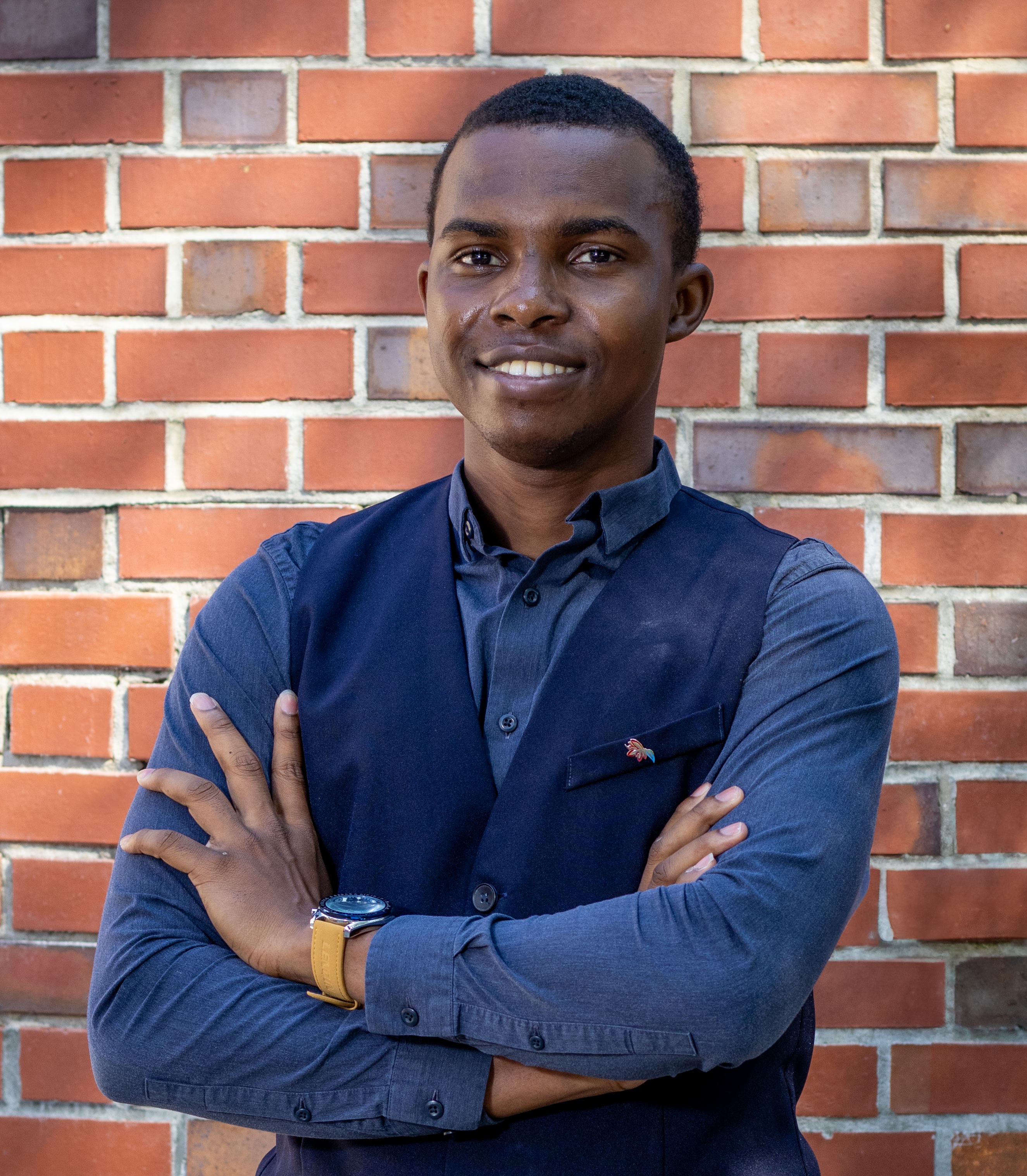
Research Mentor: Peter Adedibu,
Department, College, Affiliation: Florida State University, Arts and Sciences
Contact Email: paa24b@fsu.edu
Research Assistant Supervisor (if different from mentor): Doctoral Student
Research Assistant Supervisor Email: paa24b@fsu.edu
Faculty Collaborators:
Faculty Collaborators Email:
Department, College, Affiliation: Florida State University, Arts and Sciences
Contact Email: paa24b@fsu.edu
Research Assistant Supervisor (if different from mentor): Doctoral Student
Research Assistant Supervisor Email: paa24b@fsu.edu
Faculty Collaborators:
Faculty Collaborators Email:
Looking for Research Assistants: Maybe one more
Number of Research Assistants: 1
Relevant Majors: Life science majors, especially Biology, biochemistry, bioinformatics related majors may also apply.
Project Location: On FSU Main Campus
Research Assistant Transportation Required: Yes Remote or In-person: In-person
Approximate Weekly Hours: 5-10, Flexible schedule (Combination of business and outside of business. TBD between student and research mentor.)
Roundtable Times and Zoom Link:
Number of Research Assistants: 1
Relevant Majors: Life science majors, especially Biology, biochemistry, bioinformatics related majors may also apply.
Project Location: On FSU Main Campus
Research Assistant Transportation Required: Yes Remote or In-person: In-person
Approximate Weekly Hours: 5-10, Flexible schedule (Combination of business and outside of business. TBD between student and research mentor.)
Roundtable Times and Zoom Link:
- Day: Wednesday, September 2
Start Time: 3:30
End Time: 4:30
Zoom Link: https://fsu.zoom.us/j/3502326572 - Day: Tuesday, September 1
Start Time: 2:00
End Time: 3:00
Zoom Link: https://fsu.zoom.us/j/3502326572
Project Description
Work with doctoral student in the H Bass lab to isolate DNA and RNA for a lesion mimic mapping project.Lesion mimic mutants resemble human auto-immune diseases, and we have maize mutants that are mapped but not cloned.
The goal is to characterize several mutants in different genetic backgrounds. Basic biology discovery research.
Relevant to biology & biomedical research (even though it is plants). Important to learn how cells respond to pathogens.
Research Tasks: Student will learn basic molecular biology, wet-bench science, and participate in lab group meetings on Mondays, 3:30-500pm.
Primary activities involve DNA and RNA extraction from leaf tissues harvested summer 2026.
Assist with DNA library construction for sequencing and analysis.
Skills that research assistant(s) may need: Looking for team players with organizational skills and willingness to learn new techniques.
Prior knowledge of lab basics is helpful, but not required.
Good work ethic helps make if productive and fun.
Students need to take lab notes, produce and analyze data, as described by the mentors.
Mentoring Philosophy
Dr. Bass mentoring philosophy will be used:As a Professor of Biological Science, my focus is on studying plant genetics, maize epigenomics, and genome architecture, utilizing 3D imaging, molecular genetics, and genomics.
My students are engaged, therefore, in our shared research goals.
My mentoring philosophy involves treating students as though they are already in the next stage of their professional development.
While the expectations are high, I make sure to acknowledge and support their efforts, training, and growth, irrespective of the outcome of their projects.
By doing so, they experience the ups and downs of being a real scientist and receive meaningful guidance and skills to enhance and apply their education.
To bring this philosophy to life, I help my students produce lasting contributions from their work in the form of presentations or peer-reviewed publications. This enables them to make a tangible impact and gain recognition for their work.
After working with student scholars at FSU for over 20 years, I created the E3 principle of student mentoring - Empowerment, Excellence, and Elevation.
EMPOWERMENT: Creating opportunities for additional career growth and putting students in charge of their projects for them to learn to own and enjoy their achievements.
EXCELLENCE: Hands-on training teaches excellence in scholarship, and how adhering to high standards in data quality and management can lead to success.
ELEVATION: Providing opportunities to excel beyond the traditional student experience, embedding them in conferences, scientific discussions, and collaborations. These activities elevate their performance, confidence, and competitiveness for their future careers.
Additional Information
Student(s) selected will work with both doctoral student Adedibu and faculty member Dr. Bass. Interested students should reach out via email.A recorded info session on the lab and project is available here: https://fsu.zoom.us/rec/share/ZxyyOBAwA5rOnWp6XJhUfs2ZCsfdGFU0-9Dlg0dfu_TyyZJR-eAnWbTBmwLBdArD.N_DE2ZfAGqHQrQ56