
UROP Project
Scoping Review of Happiness in LGBT Populations
Scoping Review, Happiness, LGBT
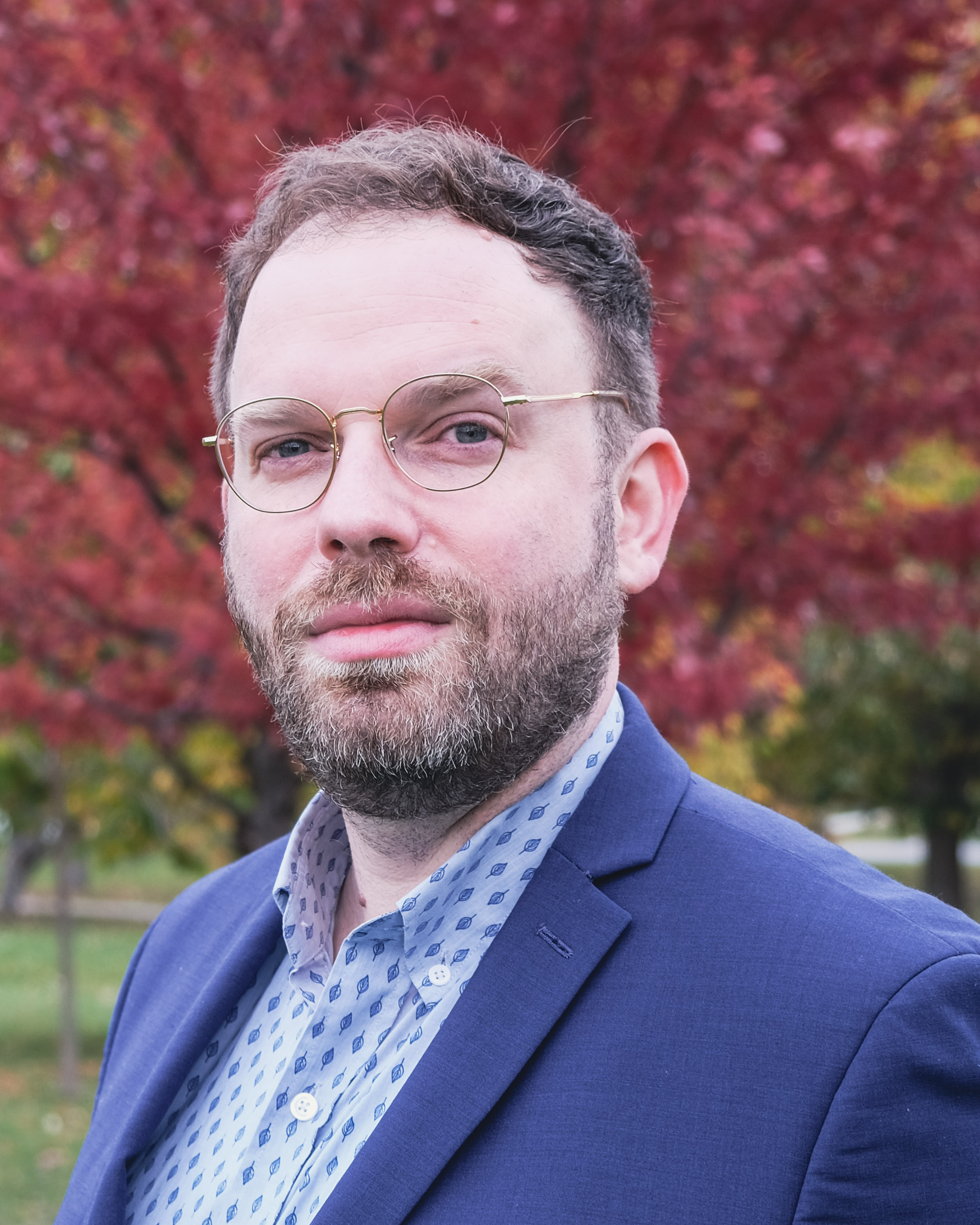
Research Mentor: Dr. Casey D. Xavier Hall, PhD, MPH,
Department, College, Affiliation: Florida State University, Nursing
Contact Email: cxavierhall@fsu.edu
Research Assistant Supervisor (if different from mentor):
Research Assistant Supervisor Email:
Faculty Collaborators:
Faculty Collaborators Email:
Department, College, Affiliation: Florida State University, Nursing
Contact Email: cxavierhall@fsu.edu
Research Assistant Supervisor (if different from mentor):
Research Assistant Supervisor Email:
Faculty Collaborators:
Faculty Collaborators Email:
Looking for Research Assistants: Yes
Number of Research Assistants: 6
Relevant Majors: Open to all, but I will give special consideration to nursing majors or nursing pre-majors.
Project Location: On FSU Main Campus
Research Assistant Transportation Required: No, the project is remote Remote or In-person: Fully Remote
Approximate Weekly Hours: 5-10, Flexible schedule (Combination of business and outside of business. TBD between student and research mentor.)
Roundtable Times and Zoom Link:
Number of Research Assistants: 6
Relevant Majors: Open to all, but I will give special consideration to nursing majors or nursing pre-majors.
Project Location: On FSU Main Campus
Research Assistant Transportation Required: No, the project is remote Remote or In-person: Fully Remote
Approximate Weekly Hours: 5-10, Flexible schedule (Combination of business and outside of business. TBD between student and research mentor.)
Roundtable Times and Zoom Link:
- Day: Wednesday, September 2
Start Time: 5:00
End Time: 6:00
Zoom Link: https://fsu.zoom.us/j/98809264997
Project Description
This project will provide students with exposure to scoping and systematic review skills. These skills are often gained during graduate school. The specific project will focus primarily on happiness, quality of life, and subjective well-being among LGBT people across the lifespan. Students will develop scientific literacy skills as well as scoping and systematic review skills such as abstract review, full-text review, and data extraction. This project will have flexible hours (students can do work between classes, late at night, or early in the morning). The aim is for the project to result in a peer-reviewed publication and students will be co-authors.Research Tasks: Students will develop scientific literacy skills as well as scoping and systematic review skills such as abstract review, full-text review, and data extraction.
Skills that research assistant(s) may need: An interest in health research, diverse populations.
Reading/writing skills.
Basic technological skills.
Mentoring Philosophy
My mentorship philosophy for working with undergraduate students is:1) Collaboratively create an understanding of how we envision teamwork. I always start by discussing what works well for all parties to develop a compact. This is a roadmap of what kind of communication works well, what kinds of rules we want to set for ourselves, and how we will operate as a team. We will revisit the compact regularly through the course of the project.
2) Identify common interests and long-term goals. I always want to know a students’ interests and long-term goals so that a learning experience can be tailored to best fit these interests and goals.
3) Develop foundational understanding and skills in scientific research. My goal is to help UROP students develop an understanding of behavioral health research through an applied project. This will serve as a foundation for future endeavors.
4) Encourage independent-learning and intellectual curiosity. While I provide educational resources to my students, I also encourage students to learn independently, seek resources, and develop an intellectual curiosity that will serve them if they pursue graduate coursework.
5) Meet a student where they are at. I am a queer, first-generation college graduate and I understand how those identities and experiences impacted me as an undergraduate student. I strive to meet my students where they are at in regard to identity or experience with the understanding that we all come from different backgrounds which may impact the ways we experience academic endeavors including power structures within academia.