
UROP Project
Discovery and Characterization of Experimental Antiparasitic Compounds
Antiparasitic drug discovery; Plasmodium; Naegleria fowleri; drug screening; cell culture; microscopy; mechanism of action; genomics; proteomics; infectious disease
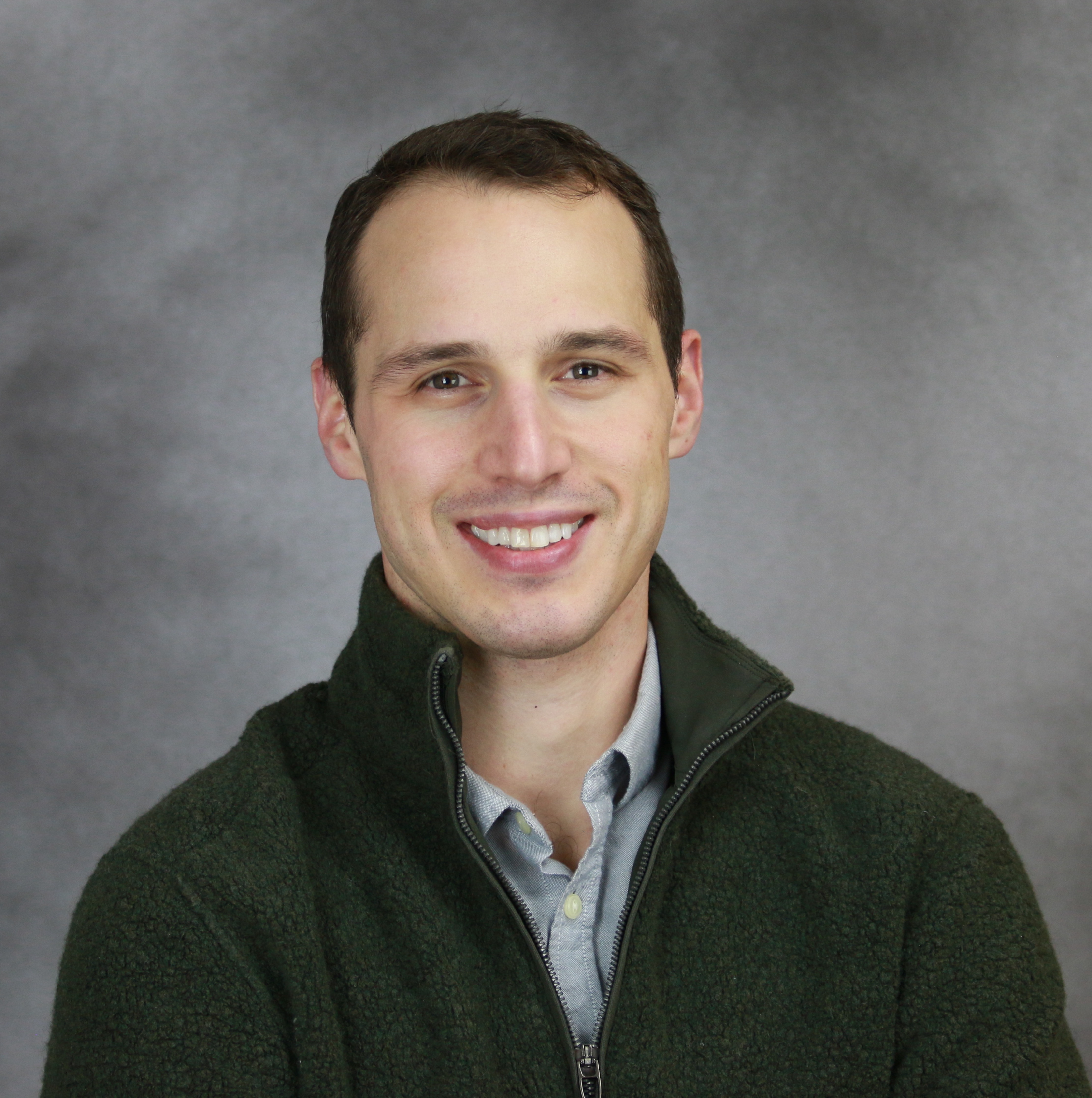
Research Mentor: Dr. Anthony Ruberto,
Department, College, Affiliation: Biomedical Sciences, Medicine
Contact Email: anthony.ruberto@med.fsu.edu
Research Assistant Supervisor (if different from mentor):
Research Assistant Supervisor Email:
Faculty Collaborators:
Faculty Collaborators Email:
Department, College, Affiliation: Biomedical Sciences, Medicine
Contact Email: anthony.ruberto@med.fsu.edu
Research Assistant Supervisor (if different from mentor):
Research Assistant Supervisor Email:
Faculty Collaborators:
Faculty Collaborators Email:
Looking for Research Assistants: Yes
Number of Research Assistants: 2
Relevant Majors: Biology, Chemistry & Biochemistry
Project Location: On FSU Main Campus
Research Assistant Transportation Required: Remote or In-person: In-person
Approximate Weekly Hours: 8, During business hours
Roundtable Times and Zoom Link:
Number of Research Assistants: 2
Relevant Majors: Biology, Chemistry & Biochemistry
Project Location: On FSU Main Campus
Research Assistant Transportation Required: Remote or In-person: In-person
Approximate Weekly Hours: 8, During business hours
Roundtable Times and Zoom Link:
- Day: Thursday, September 3
Start Time: 4:00
End Time: 4:30
Zoom Link: https://teams.microsoft.com/meet/289502819658832?p=gLksq9STTkuxSvKNFc - Day: Friday, September 4
Start Time: 4:00
End Time: 4:30
Zoom Link: https://teams.microsoft.com/meet/237773997386213?p=TUZYinFb29WF3DHE0V
Project Description
Infectious diseases caused by unicellular parasites impose a substantial burden on human health. The Ruberto Laboratory, established in May 2026 within the Department of Biomedical Sciences, investigates the biology of two medically important parasites: *Plasmodium* species, the causative agents of malaria, and *Naegleria fowleri*, commonly known as the “brain-eating amoeba,” which causes primary amebic meningoencephalitis. The overarching goal of the laboratory is to define the cellular and molecular biology of these pathogens and use this knowledge to support the development of new therapies for parasitic diseases.UROP trainees will contribute to a project focused on evaluating experimental antiparasitic compounds using in vitro models. Working closely with Dr. Ruberto, a postdoctoral researcher, and graduate students, trainees will learn how to maintain parasite cultures, prepare compounds, perform drug-screening assays, and quantify parasite growth and drug susceptibility. Students may also assist with follow-up experiments designed to validate promising compounds and characterize their effects on parasite viability, morphology, development, and cellular function.
Because many of the compounds evaluated in the laboratory have unknown mechanisms of action, trainees will also have opportunities to contribute to cellular and molecular studies investigating how these compounds affect parasite biology. Depending on project needs and student interests, this work may involve microscopy, molecular assays, sample preparation for next-generation sequencing or proteomic analyses, and the analysis and visualization of experimental data.
The Ruberto Laboratory operates within an interdisciplinary research environment and regularly collaborates with medicinal chemists and other investigators involved in antiparasitic drug discovery. UROP trainees will have opportunities to participate in collaborative meetings in which biological screening results, compound properties, structure–activity relationships, and experimental priorities are discussed. This exposure will help students understand how expertise in parasitology, cell biology, chemistry, genomics, proteomics, and data analysis is integrated to advance potential therapies from initial screening through mechanistic investigation.
Through these activities, trainees will gain hands-on experience in experimental design, quantitative data analysis, scientific communication, teamwork, and the responsible conduct of biomedical research. They will also contribute directly to the laboratory’s efforts to identify and characterize new antiparasitic strategies and will present their work and contributions at the annual undergraduate research symposium.
Research Tasks: UROP research assistants may participate in the following activities, depending on project needs, their interests, and their level of training:
* Conduct literature reviews on parasite biology, antiparasitic drug discovery, drug resistance, and mechanisms of action.
* Complete laboratory safety, responsible conduct of research, and project-specific technical training.
* Assist with the maintenance of *Plasmodium* and/or *Naegleria fowleri* cultures under appropriate supervision.
* Prepare media, reagents, compound dilutions, and experimental materials.
* Perform in vitro antiparasitic drug-screening and dose-response assays.
* Collect quantitative measurements of parasite growth, viability, morphology, and drug susceptibility using microscopy, plate-based assays, and other laboratory methods.
* Organize, document, and quality-check experimental data and laboratory records.
* Analyze and visualize experimental results using spreadsheet, statistical, and bioinformatic tools.
* Assist with follow-up experiments designed to validate active compounds and investigate their effects on parasite cellular or molecular processes.
* Contribute to sample preparation and, when appropriate, analysis of next-generation sequencing or proteomic datasets.
* Participate in laboratory meetings and interdisciplinary project meetings with medicinal chemists and other collaborators, where students will discuss screening results, compound properties, structure–activity relationships, and experimental priorities.
* Communicate research progress through brief presentations, figures, written summaries, and discussions with the research team.
* Prepare a research poster and present their project, findings, and individual contributions at the annual undergraduate research symposium.
Students will initially work alongside experienced laboratory members and will assume increasing responsibility as they demonstrate proficiency. Each student will be assigned a defined component of the broader research project so that their contributions are identifiable, intellectually meaningful, and appropriate for presentation at the undergraduate research symposium.
Skills that research assistant(s) may need: **Required**
* Respect for fellow students, mentors, laboratory personnel, collaborators, and the shared research environment.
* Ability to work effectively as a team member, communicate professionally, accept constructive feedback, and contribute positively to a collaborative laboratory culture.
* Reliability, accountability, attention to detail, and willingness to follow written and verbal instructions.
* Genuine interest in biomedical research, infectious diseases, parasitology, drug discovery, or related fields.
* Willingness to learn new laboratory and data-analysis methods and to ask questions when clarification is needed.
* Commitment to maintaining accurate laboratory records and following established safety, biosafety, research-integrity, and confidentiality practices.
* Availability to participate consistently throughout the year-long UROP appointment.
Prior cell-culture or laboratory research experience is not required. Dr. Ruberto has extensive experience mentoring undergraduate researchers at the University of Georgia, including students who entered the laboratory with little or no prior cell-culture experience. Students will receive structured, hands-on training and will initially work closely with Dr. Ruberto and other laboratory members. As they demonstrate proficiency, reliability, and sound laboratory practices, students will assume increasing responsibility and independence in their research activities.
**Recommended**
* Completion of, or enrollment in, coursework in biology, microbiology, cell biology, molecular biology, biochemistry, chemistry, genetics, or a related discipline.
* Previous experience with basic laboratory techniques, microscopy, cell culture, quantitative data analysis, or scientific literature review.
* Familiarity with spreadsheet software, graphing programs, statistics, or introductory programming.
* Interest in learning mammalian or parasite cell culture, drug-screening methods, next-generation sequencing, proteomics, or bioinformatic analysis.
* Interest in interdisciplinary research and in communicating with researchers from fields such as parasitology, cell biology, medicinal chemistry, genomics, and proteomics.
Recommended skills are not prerequisites. Students will be selected primarily on the basis of their respect for others, ability to work as part of a team, curiosity, dependability, willingness to learn, and potential to contribute positively to an inclusive and collaborative research environment.
Mentoring Philosophy
My mentoring philosophy is centered on mutual respect, individualized guidance, and the gradual development of independence. I begin by learning each student’s goals, prior experience, interests, and motivations so that I can tailor training and assign responsibilities that are both meaningful and appropriately challenging.I have mentored undergraduate researchers at the University of Georgia, including many students who entered the laboratory with little or no prior cell-culture experience. This experience has reinforced the importance of structured, hands-on training, clear expectations, frequent feedback, and patience. I first model techniques and explain the scientific reasoning behind them, then provide supervised practice before students assume greater responsibility. I regularly assess understanding through discussion, observation, and opportunities for students to explain their decisions and interpret their data.
I aim to create an environment in which students feel comfortable asking questions, acknowledging uncertainty, and learning from mistakes. Errors are treated as opportunities to strengthen experimental judgment, problem-solving skills, and accountability, while maintaining appropriate standards for safety, rigor, and research integrity.
As students gain confidence, I encourage them to take ownership of defined aspects of their projects, contribute ideas, analyze results, and communicate their findings. I also expose students to interdisciplinary collaboration through laboratory and project meetings with researchers from fields such as parasitology, cell biology, medicinal chemistry, genomics, and proteomics. Ultimately, my goal is to help each mentee grow into a thoughtful, dependable, collaborative, and increasingly independent scientist.
Additional Information
My research goals are closely connected to my commitment to creating an inclusive, respectful, and supportive environment in which students from varied backgrounds can participate meaningfully in scientific research. As a first-generation college graduate, I recognize that access to research opportunities is not distributed equally and that students may enter a laboratory with different levels of preparation, confidence, and familiarity with academic research. I therefore aim to evaluate students based not only on prior experience, but also on their curiosity, dependability, willingness to learn, and potential for growth.My experiences conducting research in France and at the Institut Pasteur in Phnom Penh, Cambodia, further shaped this approach. Working across languages, cultures, and scientific environments taught me the value of adaptability, thoughtful communication, and creating space for individuals to contribute their distinct perspectives. These experiences also reinforced the importance of connecting biomedical research to the communities affected by the diseases being studied.
I am requesting two UROP research assistants because I believe a small peer cohort will strengthen both the students’ training and the research environment. The students will receive individualized mentorship while also learning to work collaboratively, discuss experimental results, troubleshoot challenges, and support one another’s development. Where appropriate, they may contribute to complementary aspects of a shared research objective, allowing each student to maintain ownership of a defined project component while gaining experience with teamwork and interdisciplinary problem-solving.
My goal is to provide students—particularly those who may not yet see themselves as researchers—with structured opportunities to build technical competence, scientific confidence, professional relationships, and a sense of belonging within biomedical research.