
UROP Project
Art Therapy and injury rehabilitation: a systematic review and meta-analysis
rehabilitation; art therapy; injury; systematic review
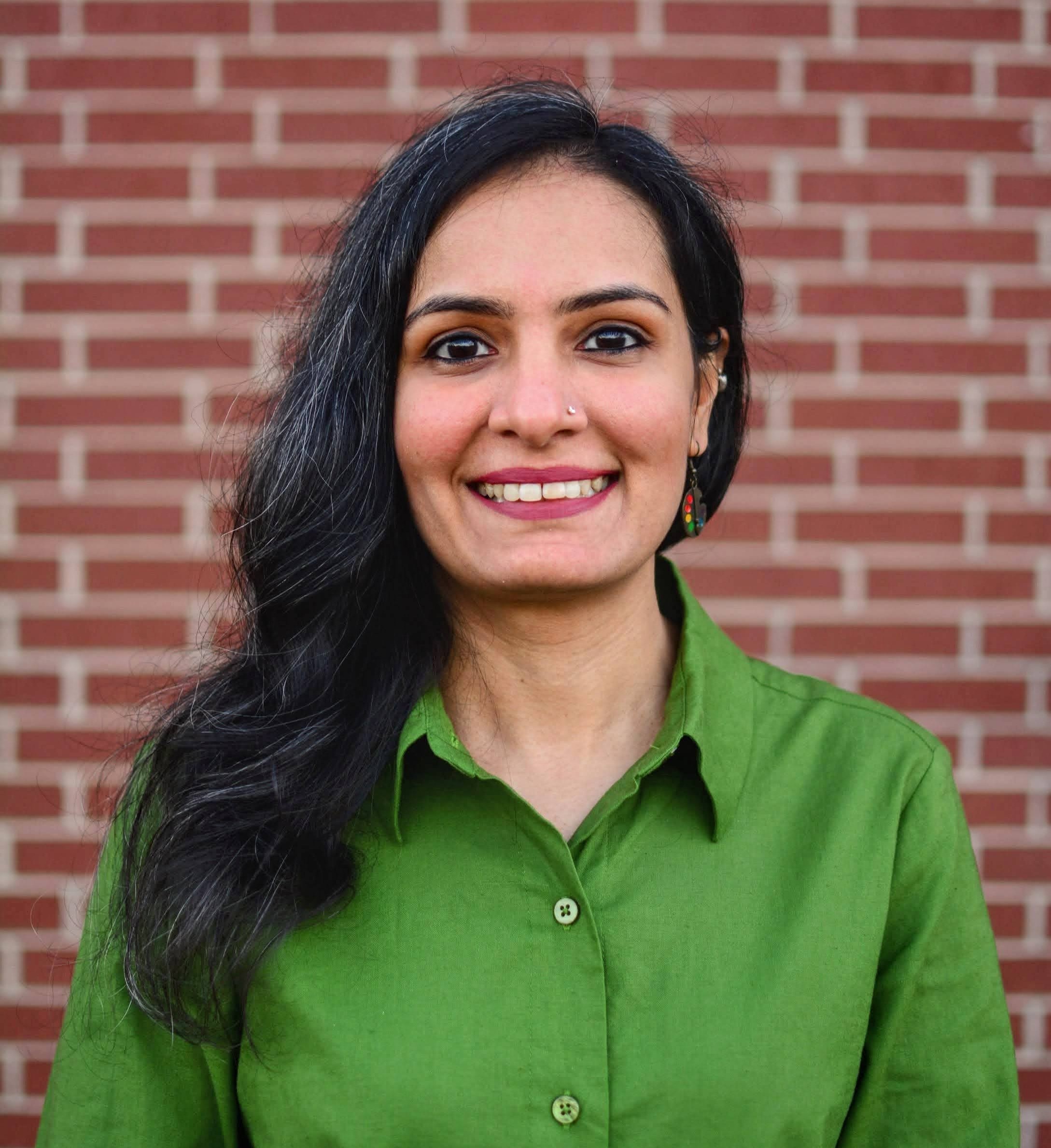
Research Mentor: Dr. Malhotra Bani Malhotra, she/her
Department, College, Affiliation: Department of Art Education, Fine Arts
Contact Email: bmalhotra@fsu.edu
Research Assistant Supervisor (if different from mentor):
Research Assistant Supervisor Email:
Faculty Collaborators:
Faculty Collaborators Email:
Department, College, Affiliation: Department of Art Education, Fine Arts
Contact Email: bmalhotra@fsu.edu
Research Assistant Supervisor (if different from mentor):
Research Assistant Supervisor Email:
Faculty Collaborators:
Faculty Collaborators Email:
Looking for Research Assistants: Yes
Number of Research Assistants: 2
Relevant Majors: Art therapy, Psychology, Medicine, Neurology, Social Sciences, Health Sciences, Nursing, Rehabilitation
Project Location: Can be done remotely
Research Assistant Transportation Required: No, the project is remote Remote or In-person: Fully Remote
Approximate Weekly Hours: 7-10 hours, Flexible schedule (Combination of business and outside of business. TBD between student and research mentor.)
Roundtable Times and Zoom Link:
Number of Research Assistants: 2
Relevant Majors: Art therapy, Psychology, Medicine, Neurology, Social Sciences, Health Sciences, Nursing, Rehabilitation
Project Location: Can be done remotely
Research Assistant Transportation Required: No, the project is remote Remote or In-person: Fully Remote
Approximate Weekly Hours: 7-10 hours, Flexible schedule (Combination of business and outside of business. TBD between student and research mentor.)
Roundtable Times and Zoom Link:
- Day: Monday, August 31
Start Time: 12:00
End Time: 12:30
Zoom Link: https://fsu.zoom.us/j/94074789630 - Day: Wednesday, September 2
Start Time: 4:30
End Time: 5:00
Zoom Link: https://fsu.zoom.us/j/99231705220 - Day: Thursday, September 3
Start Time: 4:00
End Time: 4:30
Zoom Link: https://fsu.zoom.us/j/93079542589
Project Description
Physical injuries affect individuals across the lifespan, with long-term medical, social, and psychosocial repercussions. Injuries such as brain injury, spinal cord injury, burns, and physical injuries are a leading public health concern and a cause for significant disability needing multidisciplinary rehabilitation. Art therapy as a non-pharmacological intervention has been used to facilitate rehabilitation goals within integrative medical care setting that addresses psychosocial needs for military members with TBI, burn patients, and other trauma and rehabilitation units in both adult and pediatric settings. The objective of this review is to identify art therapy studies addressing injury rehabilitation outcomes for individuals with injuries, identifying characteristics, and the outcomes that are examined to guide future research in art therapy, and identify gaps in current knowledge using systematic review and meta-analaysis.Research Tasks: - Literature review
- Data screening
- Data extraction using training on data evidence synthesis software (Covidence)
-Rating study quality
-Preparing data set for metanalysis and narrative synthesis
- Data analysis (for qualitative and quantitative synthesis of secondary sources) and data visualizations
-Manuscript writing
-Reference citation and management
Skills that research assistant(s) may need: Required:
-Openness to learning
-Attention to detail: Essential for screening and data extraction accuracy
-Ability to follow protocols: Adhering closely to predefined review procedures
-Time management: Meeting deadlines for screening or extraction tasks
-Responsiveness to feedback- Willingness to revise decisions based on calibration exercises
-Clear communication: Reporting uncertainties or discrepancies to supervisors
-Basic academic reading comprehension for research articles: Ability to identify research purpose, sample, methods, and outcomes
-Data organization: Use of Excel/Google Sheets for tracking articles and data extraction
-Applying structured criteria: Ability to follow inclusion/exclusion guidelines consistently
Recommended:
-Understanding of research methods: Basic knowledge of study designs (RCTs, qualitative, observational)
-Introductory statistics knowledge: Familiarity with means, standard deviations, etc
-Data extraction experience: Prior exposure to structured coding or dataset creation
-Reliability in team-based work: Consistency when working alongside other coders
- Intellectual curiosity: Interest in engaging deeply with research questions, especially interdisciplinary work
Mentoring Philosophy
My mentoring philosophy is grounded in growth-oriented, collaborative, and reflective framework. I view mentoring as a relational process that values curiosity, and critical thinking, and development of professional identity. I strive to create a supportive space where mentees feel empowered to ask questions, engage in dialogue, and take initiatives.I prioritize providing timely, constructive, and strength-based feedback while also encouraging mentees to engage in self-reflection and deepening skills with practice. Drawing from my experiences as a clinician-researcher, I support mentees in navigating tasks and learning through interdisciplinary contexts with humility, rigor, and self-awareness. While curiosity and inquiry as central to scientific growth, I recognize that each mentee’s engagement is shaped by their lived experiences grounded in their intersecting identities. I believe these perspectives meaningfully inform the questions mentees ask (and don’t ask), the ideas they engage with, and the ways they approach research work. For instance, a decade ago, I would not have imagined that I could write scholarly articles that would contribute meaningfully to the scientific community. Over time, however, I learned that writing is simply not an innate skill, but a practice that develops through persistence, mentorship, feedback, and continued engagement with ideas. This experience shapes how I mentor students and trainees: I aim to demystify research tasks and scholarly writing.
As a mentor, I aim to honor varied experiences and ultimately, my goal is to instill confidence, foster openness to learning, while working collaboratively with mentees in advancing their growth.