
UROP Project
Exploring the Role of Religious Expression in Parent-Child Relationships in Families
Religion; Families; Qualitative
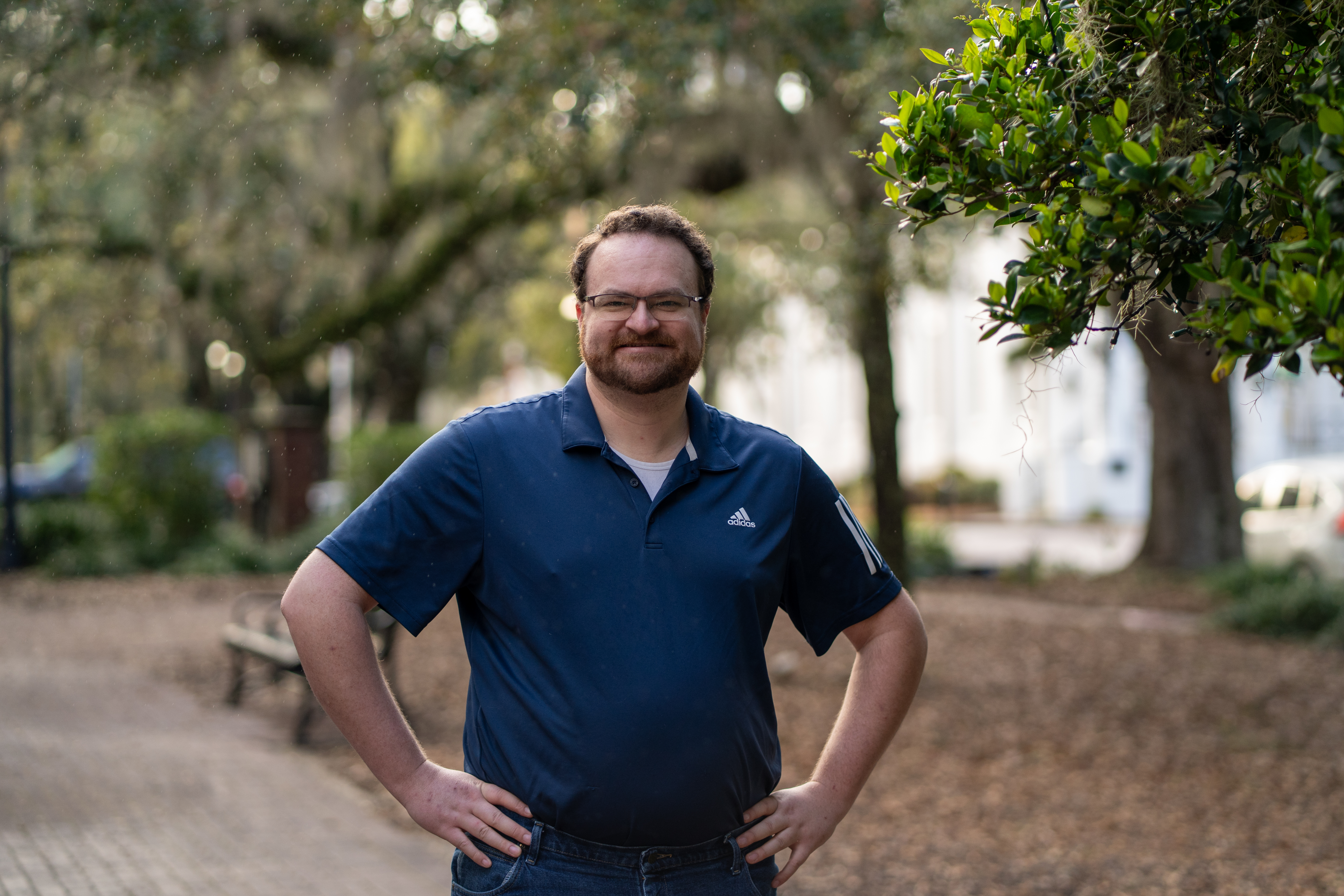
Research Mentor: Tyler Hall, he/him
Department, College, Affiliation: Human Development and Family Sciences, Education, Health, and Human Sciences
Contact Email: tjh23@fsu.edu
Research Assistant Supervisor (if different from mentor):
Research Assistant Supervisor Email:
Faculty Collaborators:
Faculty Collaborators Email:
Department, College, Affiliation: Human Development and Family Sciences, Education, Health, and Human Sciences
Contact Email: tjh23@fsu.edu
Research Assistant Supervisor (if different from mentor):
Research Assistant Supervisor Email:
Faculty Collaborators:
Faculty Collaborators Email:
Looking for Research Assistants: Yes
Number of Research Assistants: 2
Relevant Majors: Open to all majors.
Project Location: On FSU Main Campus
Research Assistant Transportation Required: No, the project is remote Remote or In-person: Fully Remote
Approximate Weekly Hours: 6-8, Flexible schedule (Combination of business and outside of business. TBD between student and research mentor.)
Roundtable Times and Zoom Link:
Number of Research Assistants: 2
Relevant Majors: Open to all majors.
Project Location: On FSU Main Campus
Research Assistant Transportation Required: No, the project is remote Remote or In-person: Fully Remote
Approximate Weekly Hours: 6-8, Flexible schedule (Combination of business and outside of business. TBD between student and research mentor.)
Roundtable Times and Zoom Link:
- Day: Friday, September 4
Start Time: 6:00
End Time: 6:30
Zoom Link: https://fsu.zoom.us/j/92326771138 - Day: Thursday, September 3
Start Time: 7:00
End Time: 7:30
Zoom Link: https://fsu.zoom.us/j/92326771138 - Day: Wednesday, September 2
Start Time: 6:00
End Time: 6:30
Zoom Link: https://fsu.zoom.us/j/92326771138
Project Description
My study is a qualitative study on religion in families. This project will be using and analyzing a large databank of interview transcripts with religious families to determine how shared religious values impact parent-child relationships.Research Tasks: I have already written most of the literature review, but assistants may help with some portions of it. The research assistant tasks would be primarily related to data analysis: coding interviews, synthesizing overall themes from the interviews, and writing out a final summary of our findings.
Skills that research assistant(s) may need: Required: Ability to read through and analyze long passages of text. The main task we will have as a research team is reading through many hours worth of interviews to identify common themes that show up between all the interviews.
Required: Access to a computer and internet.
Required: Ability to work and collaborate with a small team.
Required: Ability to learn a new computer program (we will be using an interview analysis program designed for qualitative research).
Mentoring Philosophy
I believe mentoring is, first and foremost, about the person. It goes beyond just teaching skills or techniques (though that is important); it is characterized by an investment in the mentee’s life and well-being. I’ve been very lucky to have had warm and supportive mentors in my life – both in my professional training as a therapist, as well as in my education as a researcher. For me, the best mentors were the ones who would not only teach me, but ask about my life, my concerns, and so on. As is often said, people don’t care how much you know until they know how much you care.My mentoring style is typically characterized by warmth and positivity, but with clear directness when it comes to feedback. I want those I mentor to feel supported while they learn and grow professionally. Growth requires feedback, but that feedback can be hard to implement if it’s vague and sugarcoated, or conversely, if it’s harsh and overly critical. As such, my mentees can expect feedback that is clear, direct, and kind.
As a mentor, I expect my mentees to be responsible, timely, and honest. This is especially important in a research capacity, where dishonesty or corner-cutting is unethical, and has significant consequences for both the researchers and the public. If it is discovered that mentees are lying or being dishonest in any way, the mentee-mentor relationship will not be able to continue, and other measures may need to be taken.