
Research Symposium
26th annual Undergraduate Research Symposium, April 1, 2026
Addison Smith Poster Session 2: 10:45 am - 11:45 am / Poster #156
BIO
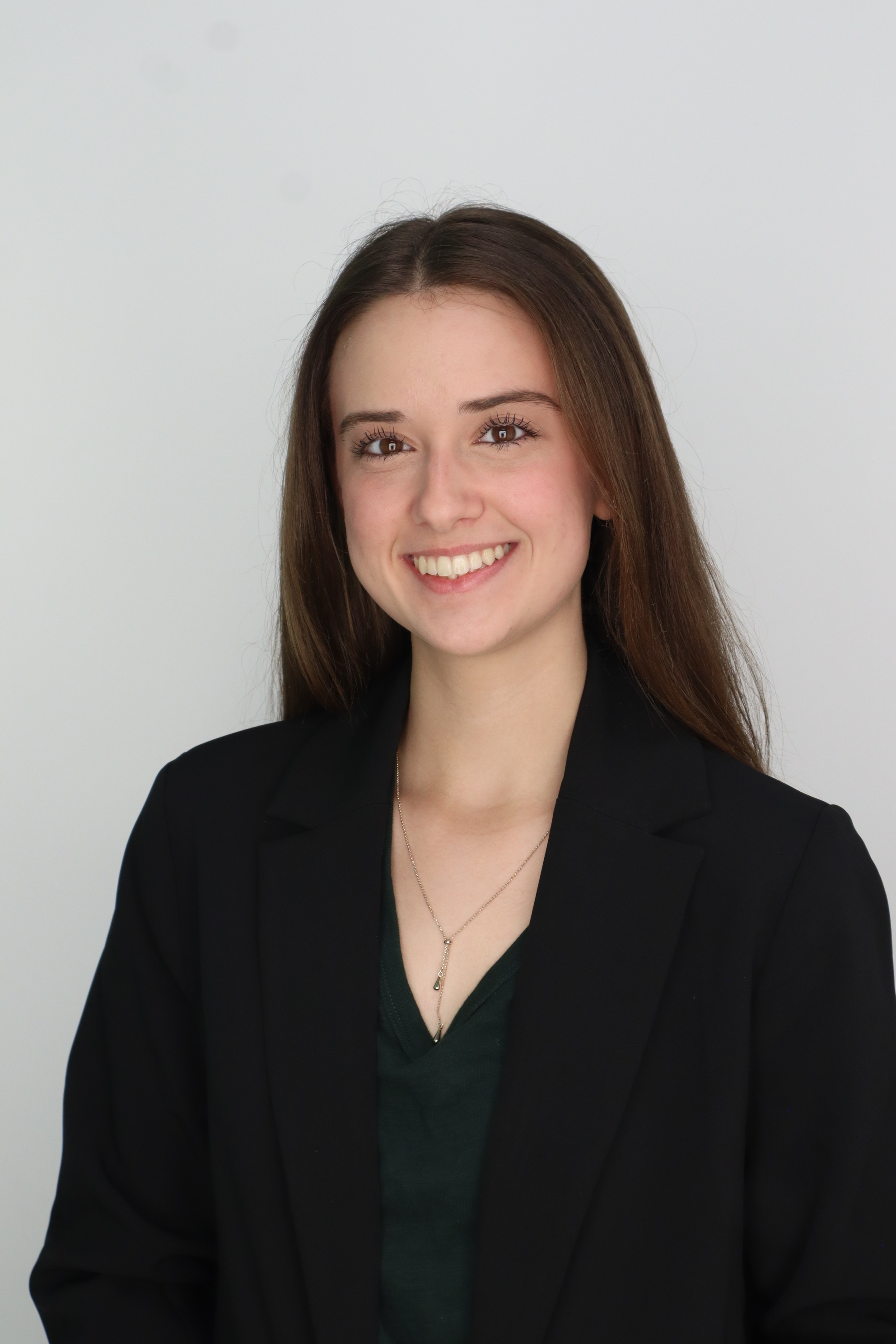
Addison Smith is a first-year student from Tampa, FL, double-majoring in Criminology and Psychology. Expected to graduate in Fall 2027, she plans to eventually pursue a Master’s in Criminology. Through UROP, Addison is gaining research experience by assisting with a project on the philanthropy of disaster aid in Florida. The project, led by Dr. David Berlan, focuses on measuring aid quantity and recovery efforts.
Barriers in Disaster Response & Recovery
Authors: Addison Smith, Dr. David BerlanStudent Major: Criminology & Psychology
Mentor: Dr. David Berlan
Mentor's Department: College of Social Sciences and Public Policy Mentor's College: Askew School of Public Administration and Policy Co-Presenters:
Abstract
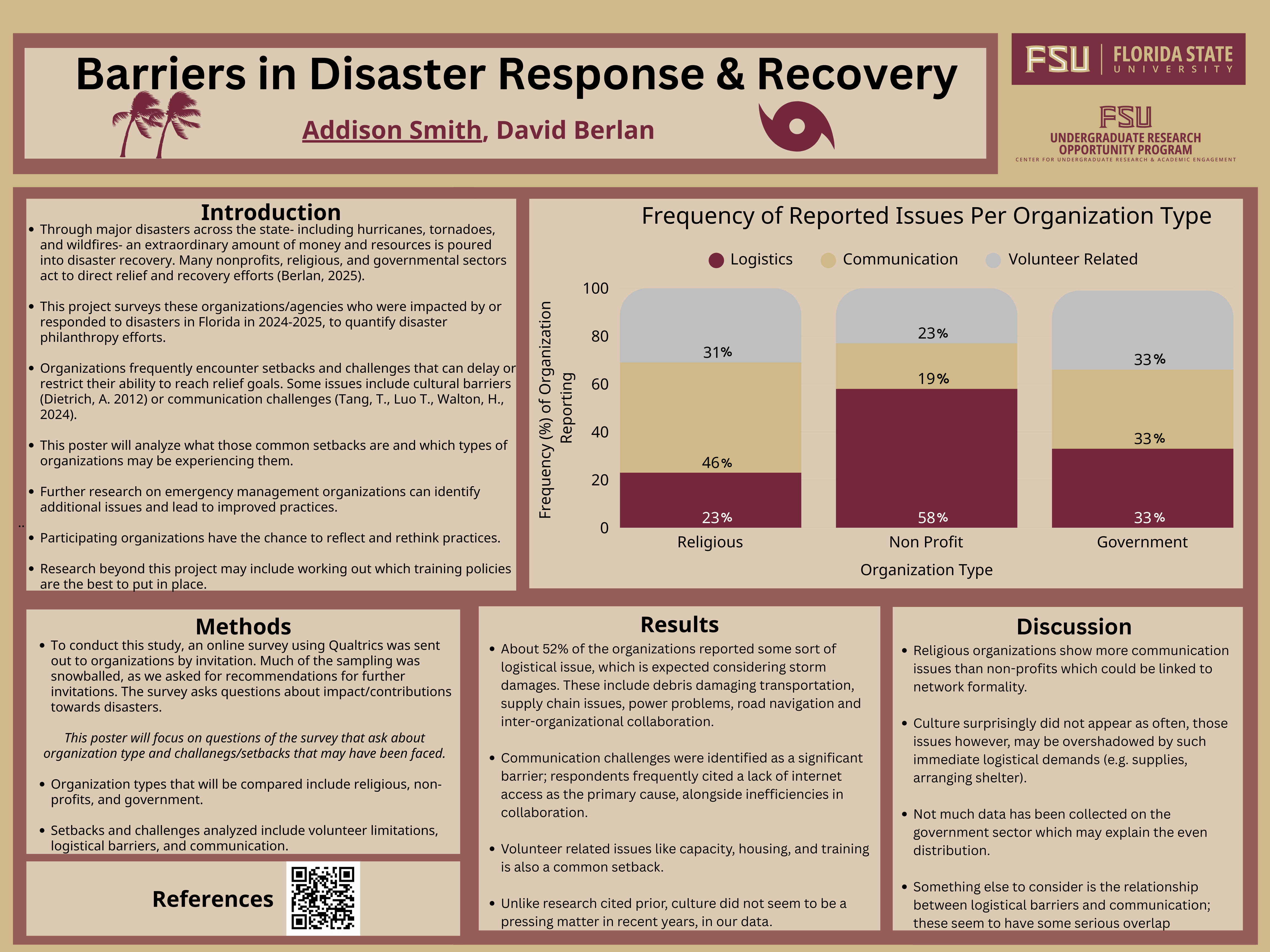
Through major disasters across Florida, including hurricanes, tornadoes, and wildfires, an extraordinary amount of money and resources get poured into disaster recovery. However, there are barriers to success that organizations face. With data collected through surveying disaster philanthropy, this project answers: What challenges and setbacks do different types of disaster relief organizations face? We reached out to organizations (e.g. religious non-profits, government, non-profits, etc.) across the state of Florida who we invited to take a Qualtrics survey which asked questions about their involvement in disaster philanthropy. Their answers uncover hidden philanthropy in communities or hidden issues in providing disaster relief. Part of the survey will ask about setbacks faced by organizations; they will choose from lists that include logistical barriers, culture/language barriers, limited volunteer capacity, regulatory restrictions, or other. These will be compared between organization types (religious/FBO, secular non-profit, government). This can uncover issues among organizations in emergency management practices and where improvements can occur, informing those crafting policies or training management and employees how to handle issues. For example, organizations can train staff to handle common cultural boundaries, like language barriers. This can also be beneficial to these organizations to reflect on where they can adjust management policies. Future research may include working out which training policies are the best to put in place.
Keywords: Disaster, Recovery, Challenges, Barriers, Philanthropy